
Advertisement
In the southeastern waters of Tunisia, there is a string of emerald islands scattered - Kerkennah Islands. There are no luxury resorts or crowded tour groups here, only fishermen tanned by the sea breeze, the sparkling crystal light in the salt pans, and desert beaches that can be walked barefoot to the horizon. But it is this "undeveloped" wildness that has caused many tourists to fall into traps: being ripped off by pier scalpers (ticket scalpers), staying in homestays that are beautiful in photos but dirty and messy in reality, and participating in "island tours" that turn into shopping store assembly lines... Don't worry, this guide will take you to unlock Kerkennah in a local way and avoid the traps that 90% of tourists will encounter!
Advertisement
The Kerkennah Islands consist of seven main islands, and the main islands of Chergui and Gharbi are the main activity areas for tourists. Starting from Tunisia, 99% of people will choose to take a boat from Sfax to the island, and the water transportation here can be called an "information gap game".
Advertisement
Minefield 1: The serial routine of the scalper at the dock
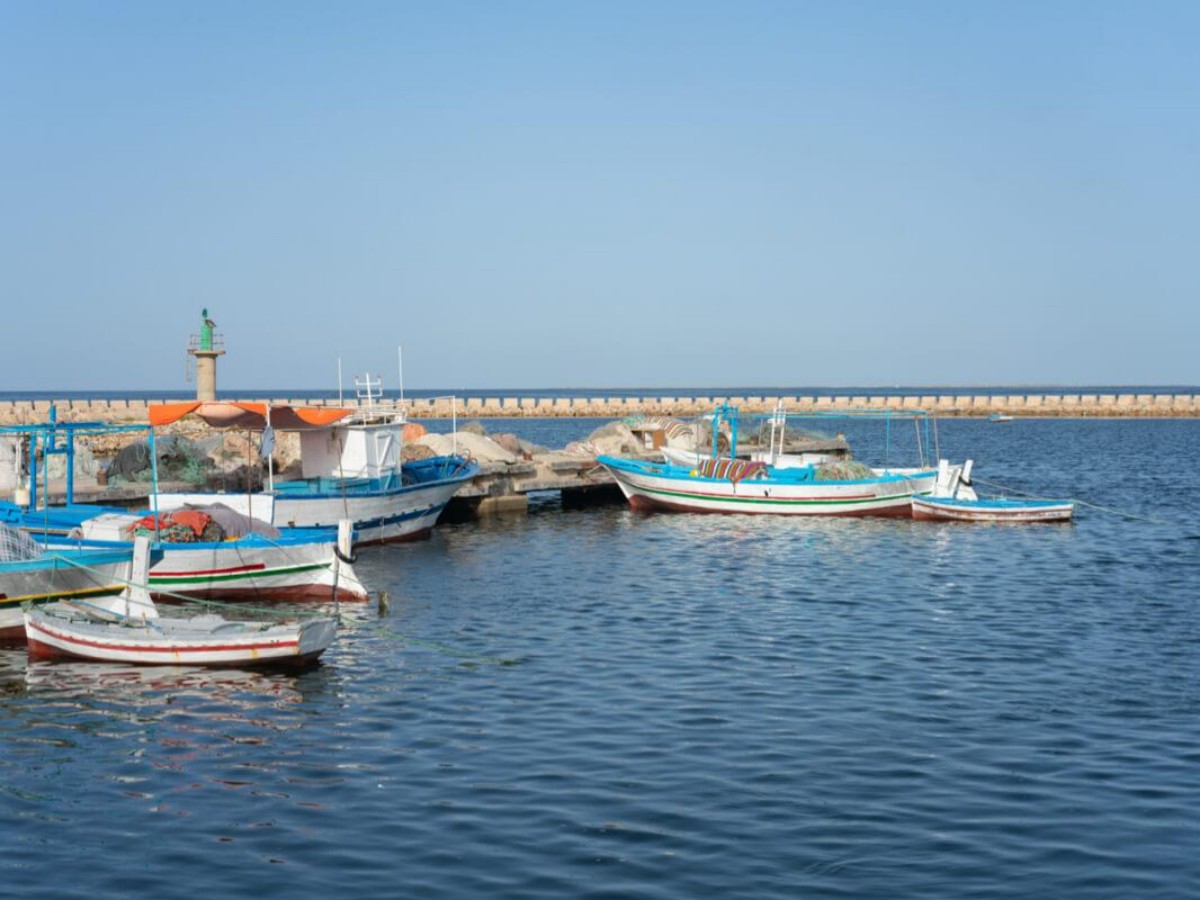
The scalper at the port of Sfax likes to target backpackers. They will hold a sign of "Kerkennah Fast Boat" and quote a one-way price of 25 dinars (about 7.5 US dollars). They also "kindly" remind: "It's windy today, and the slow boat is not running!" In fact, there are no speedboats in Kerkennah. All passenger transport is converted fishing boats, and the normal ticket price is only 8-10 dinars. The secret to cracking this trick is: go directly to the blue iron house at the innermost side of the dock, which is the regular ticket office. The boat schedule is written on the wall, one every hour, rain or shine.
Locals play: three tricks to bargain for chartering a boat
If you want to arrange your itinerary freely, chartering a boat is the kingly way. Look for a smiling boatman at the dock (avoid those with cigarettes in their mouths and wandering eyes), and bargain with these three sentences:
"I want to go to Salines des Pescheriers (salt pans) and Oued Zigzaou (mangroves), how many hours?"
"Does it include snorkeling equipment and fresh water washing?"
"150 dinars, cash, go now."
Usually they offer 200+, but insist on these three questions, and you can eventually bargain it down to around 160-180. Remember to check whether there are life jackets and awnings in the cabin - don't ask me how I know, last time a friend was exposed to the sun for 3 hours, and came back with peeling skin.
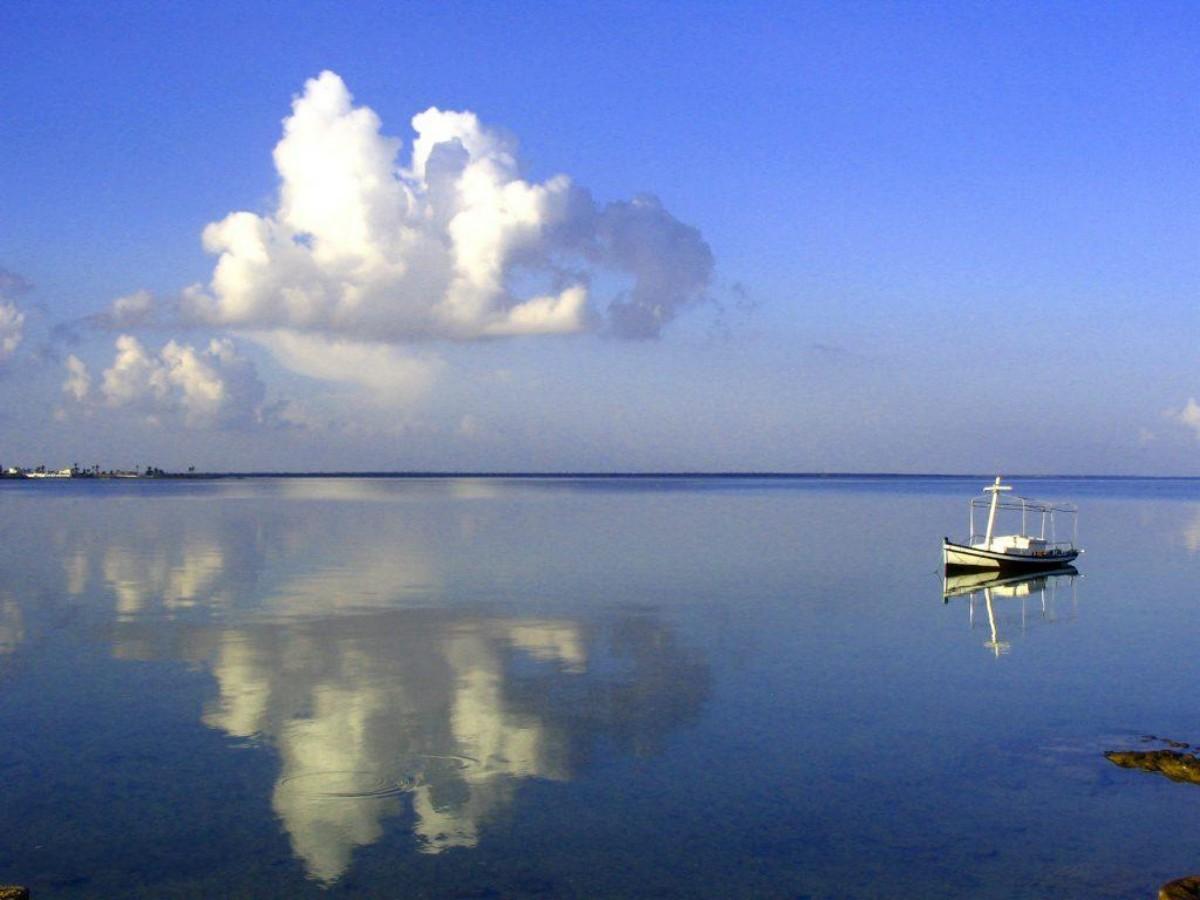
The B&Bs in Kerkenna are mostly concentrated in the northern villages of the main island. The photos on Booking or Airbnb are often as beautiful as movie scenes, but the reality may make you doubt your life. Here are the screening tricks that the locals taught me:
Advertisement
Keywords to avoid:
If you see "sea view balcony" and "unbeatable sunset" but don't write the specific village name, it is likely to be in a remote corner, without even street lights at night.
If there are "clean and sanitary" and "high cost performance" in the evaluation but no long reviews with pictures, it may be fake orders.
If the landlord replies in Google Translate English and refuses to provide a local mobile phone number, it is most likely a middleman.
Features of a real treasure homestay:
Look at the satellite map location: enter "Kerkennah, Tunisia", zoom in to the coordinates of the homestay, and the one surrounded by dense white houses (local settlements) is safer than a lonely hut.
Contact the host directly: Send a voice message on WhatsApp and ask: "Can you make a pot of Couscous? We want to eat with the family." (implying that local home-style service is needed to eliminate purely commercial B&Bs)
Must-ask details: "Do you have a hand-grinded coffee machine?" "Can you lend us a fishing net to catch fish?" (Really enthusiastic hosts will reply in seconds: "Of course! My son will take you to catch octopus tomorrow!")
The treasure B&B we stayed in was Dar Kerkennah (booking is required a week in advance). The host, Grandpa Ibrahim, rowed a boat to collect the fishing nets at 4 a.m. every day, and the olive oil for breakfast was freshly squeezed from the fruit on his tree. The most amazing thing is the rooftop terrace. When the mat is pulled out at night, the Milky Way seems to hit your face.
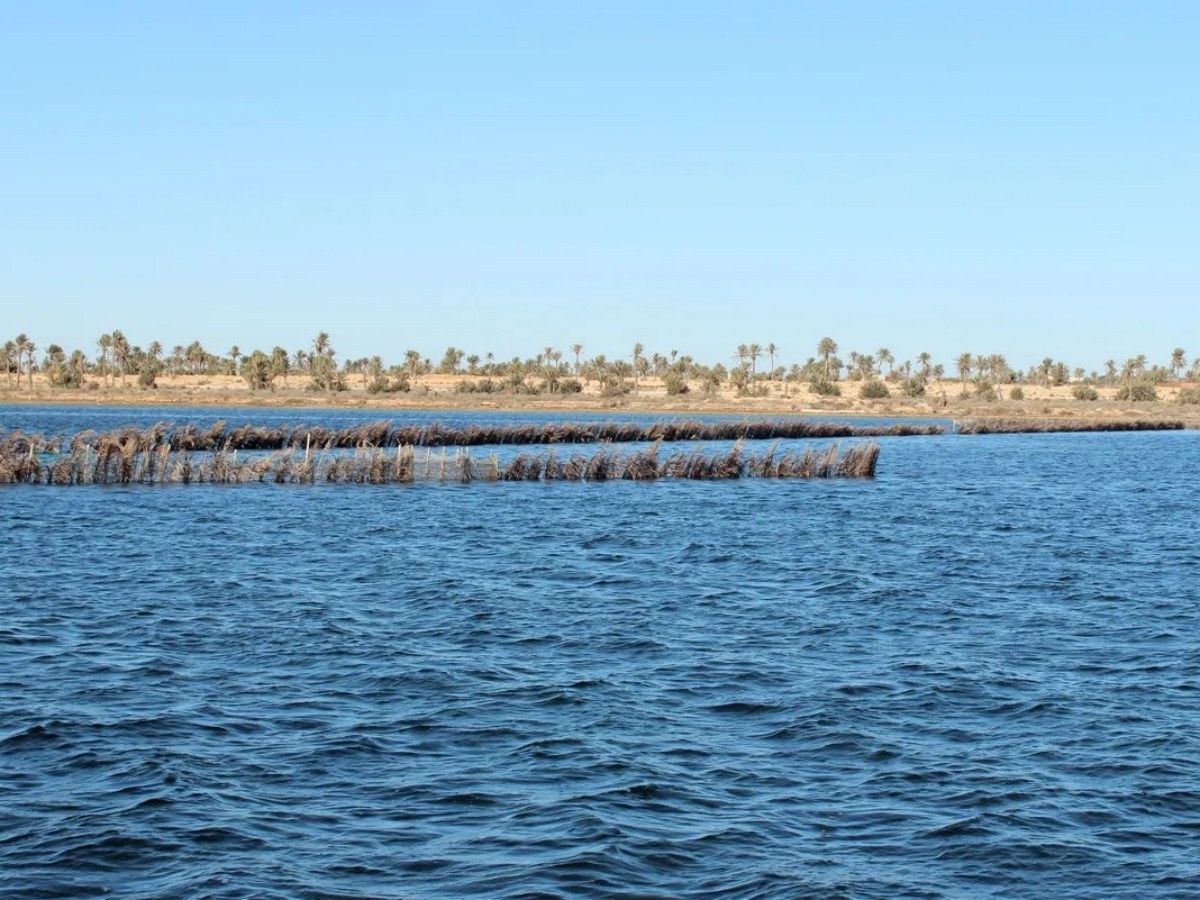
Must-avoid thunder points:
"Island tour" bus: It claims to travel around 7 islands in 6 hours, but actually stops at each attraction for 15 minutes to take pictures, and spends 2 hours in the middle to visit the carpet shop.
Camel riding on the beach: Camels are painted in colors to attract tourists, but their eyes are inflamed and pus is flowing. Taking photos costs 2 dinars, and the conscience hurts 200 dinars.
Souvenir shop: Shell bracelets are purchased at 0.5 dinars, and they sell them to you for 10 dinars, and they are also confident: "I picked them up from the sea for free!"
Locals' private collection of play:
Salt field harvesting at 4 am: Put on rain boots (borrowable from the B&B), follow Grandpa Ibrahim into the pink salt field, and watch the workers use wooden rakes to collect the glittering "white gold".
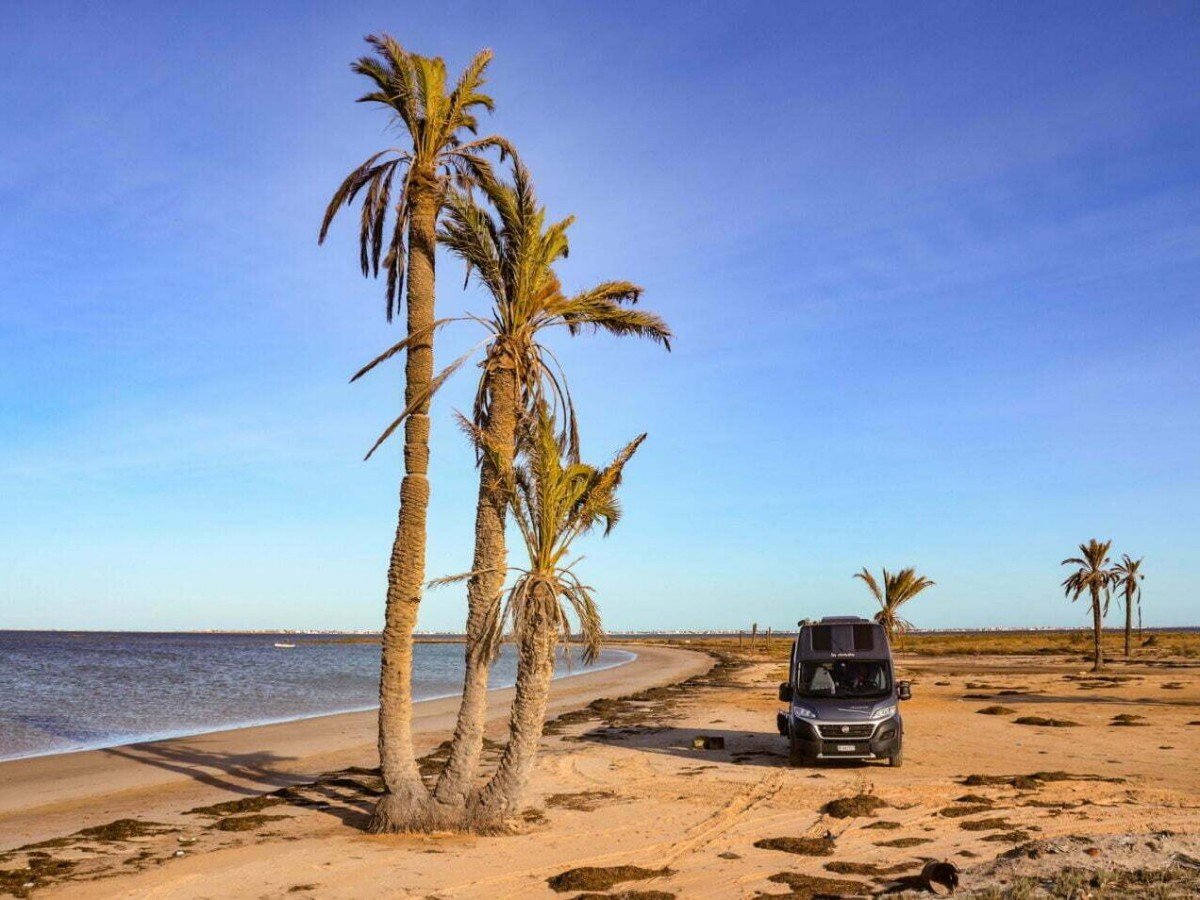
Desert beach camping: Drive to the end of the Oued Zigzaou mangrove forest, there is a beach connected to the sand dunes, bring a tent to spend the night, and you will hear foxes running on the sand dunes in the middle of the night.
Bargaining at the fish market in the morning: At 6 am in the Sfax port, the newly unloaded tuna piled up into a mountain, 1 kilogram 12 dinars, after buying, let the B&B aunt make sashimi directly.
There is no five-star service or internet celebrity filter here, but when you learn to bargain like a local, stay in a homestay like a family, and laugh in the sea breeze like a fisherman, Kerkenna will open its most precious treasure to you - sincerity that is not eroded by business. So, next time when you stand at the port of Sfax and face the deception of scalpers (ticket scalpers), remember to take a deep breath, smell the sea salt in the air, and then walk towards the blue tin house. The real Kerkenna is on the other side of the sea, waiting to teach you a lesson about travel in its own way.