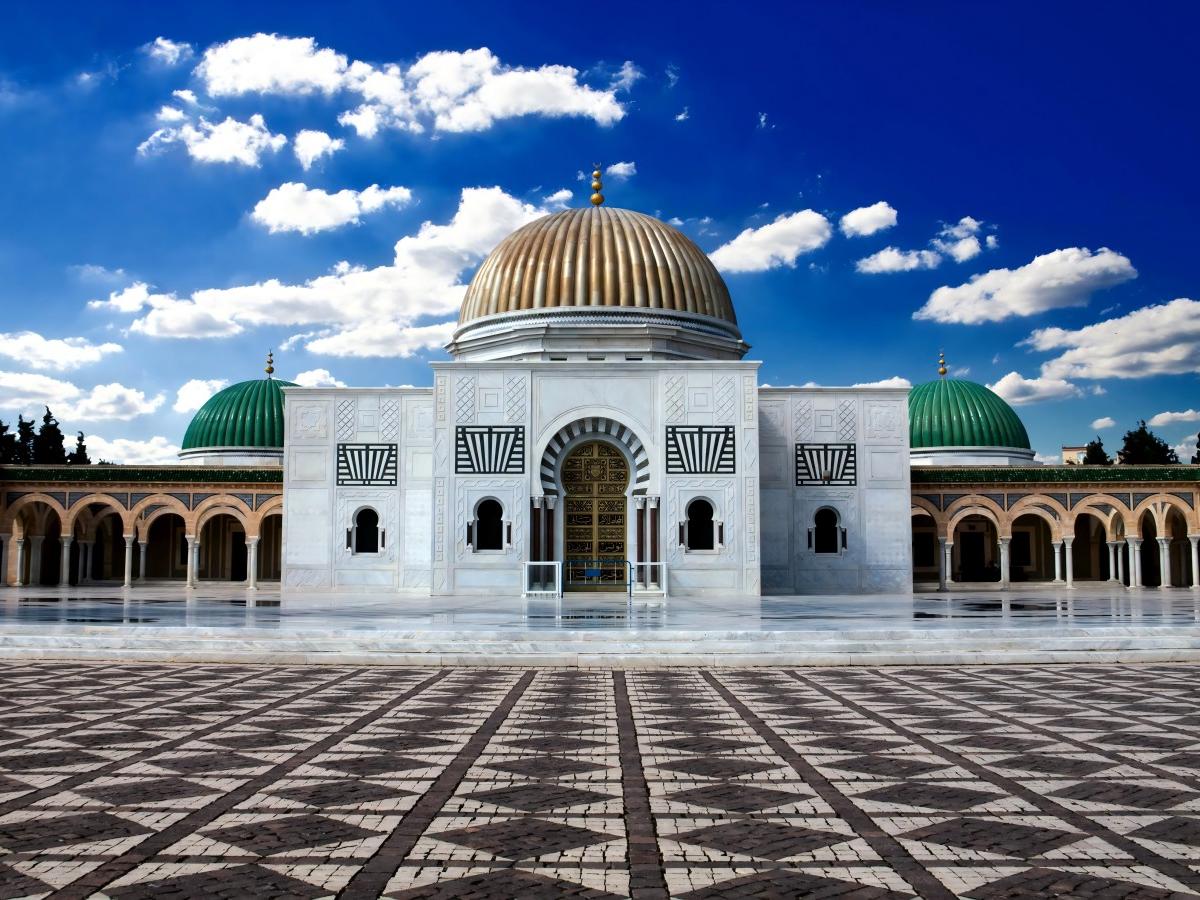
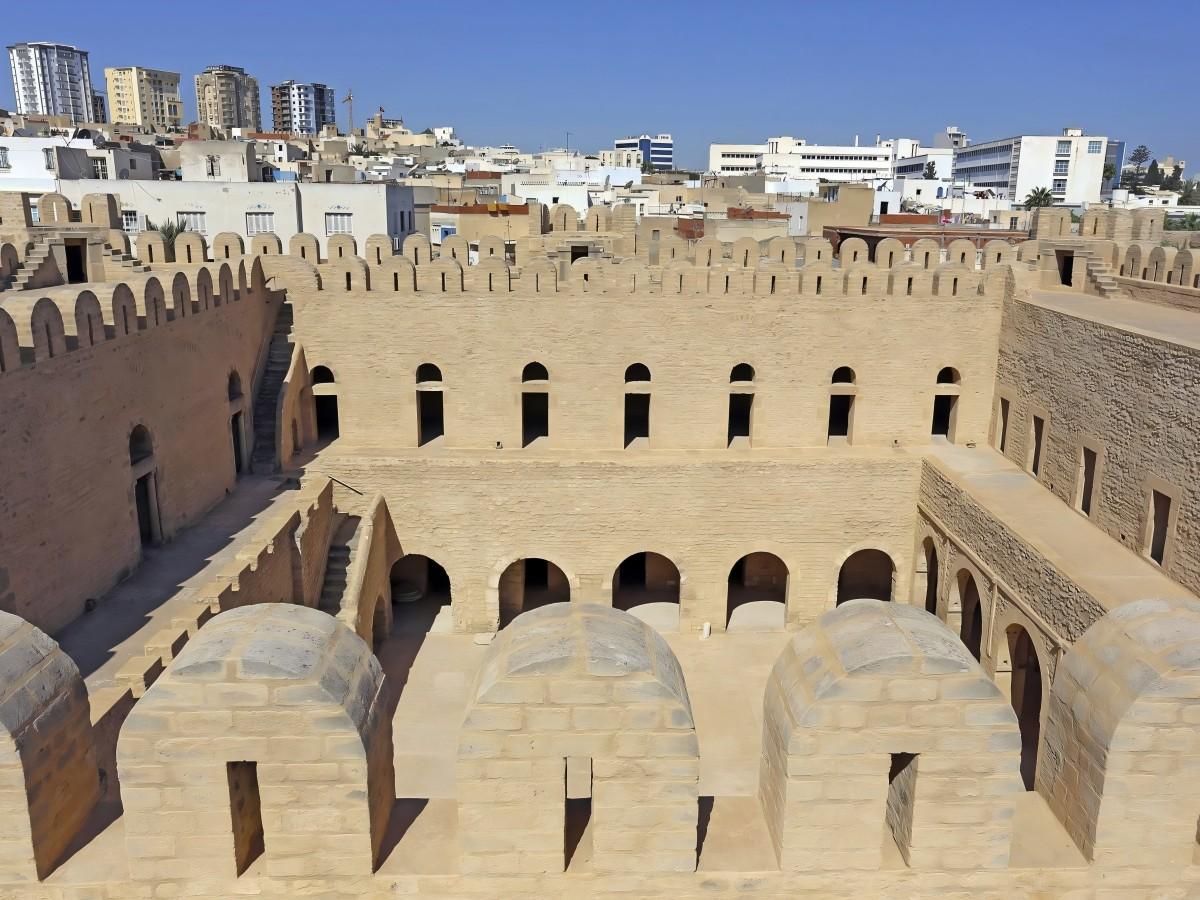
Sousse Castle, located in the eastern city of Sousse, Tunisia, this magnificent building standing for thousands of years, like a pearl of history, exudes a unique and charming charm. It is not only an important cultural heritage of Tunisia, but also a monument that has witnessed the changes of time and history. For travelers who love history, culture and exploring the unknown, Sousse Castle is definitely a great place not to be missed. Here's a guide to Sousse Castle that will help you discover its unique character.
Advertisement
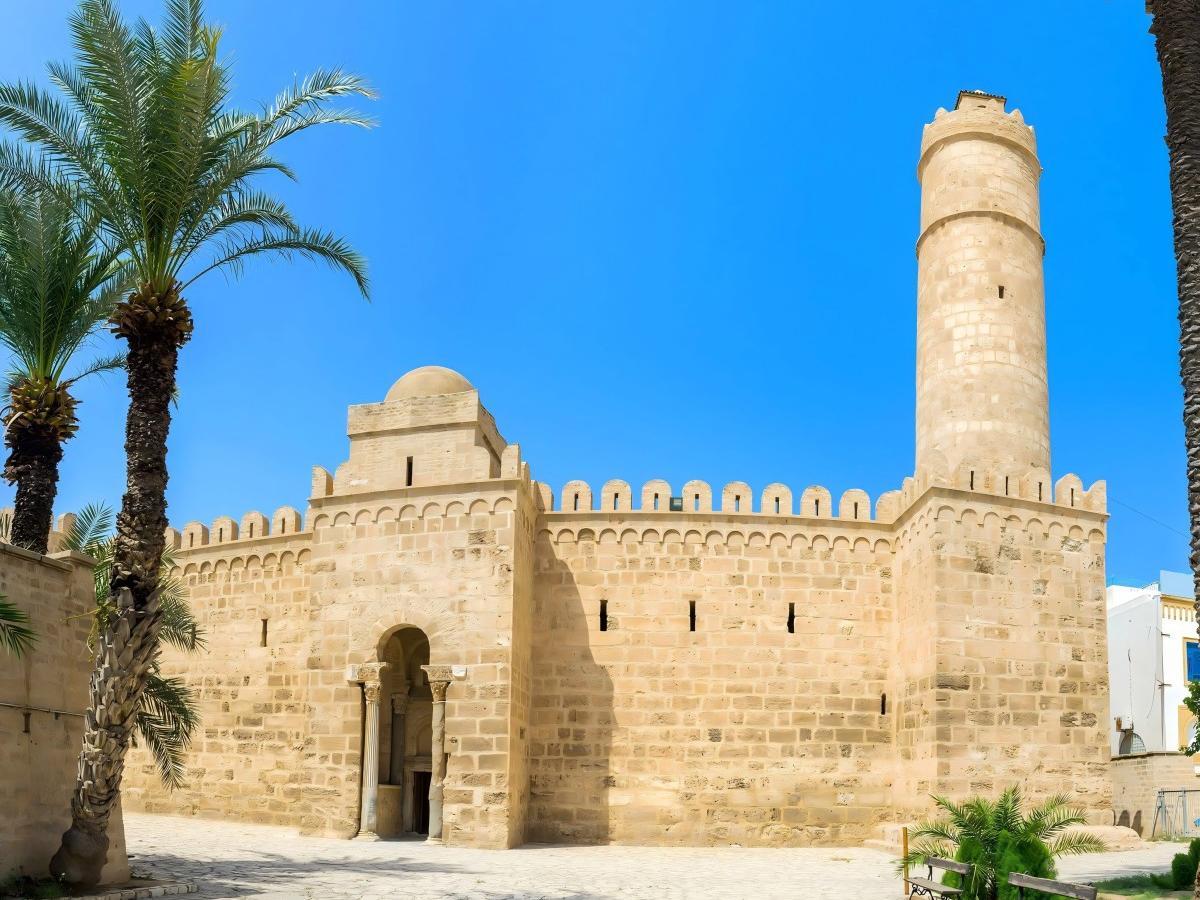
Sousse Castle was built in 851 A.D. by the rulers of the Agrabid dynasty, initially as a defense against intrusion from the sea. Over the centuries, it was extended and restored, incorporating the architectural styles and features of different periods. The Arabs, the Turks and the French ruled Sousse, each period adding its own unique historical stamp to the castle. In the long history, Sousse Castle witnessed countless wars and peace, witnessed the collision and fusion of different cultures, it is like a vivid history book, quietly telling the story of the past.
Advertisement
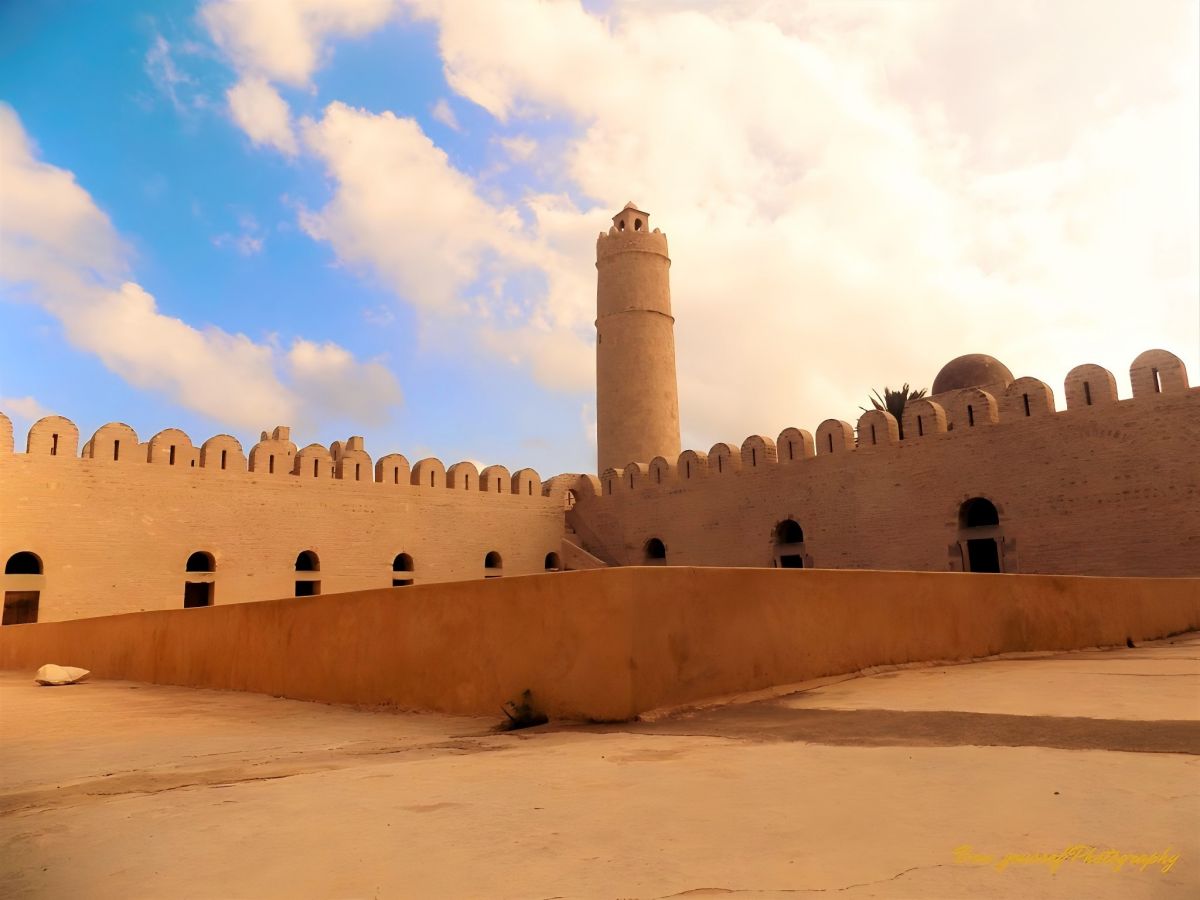
Walls and Gates: The walls of Sousse Castle are tall and thick, stretching for several kilometers, just like a giant dragon surrounding the castle. The walls are made of huge stones and have survived for thousands of years. There are a number of watchtowers and shooting holes on the walls, providing strong support for the defense against foreign enemies. The gates of the citadel are even more imposing, the most famous of which is the Bab el-Bahhar gate, which faces the sea, with its tall arches and exquisite carvings showing the unique flavor of Arab architecture. Passing through this gate is like traveling back to the Middle Ages, giving you a strong sense of history.
Advertisement
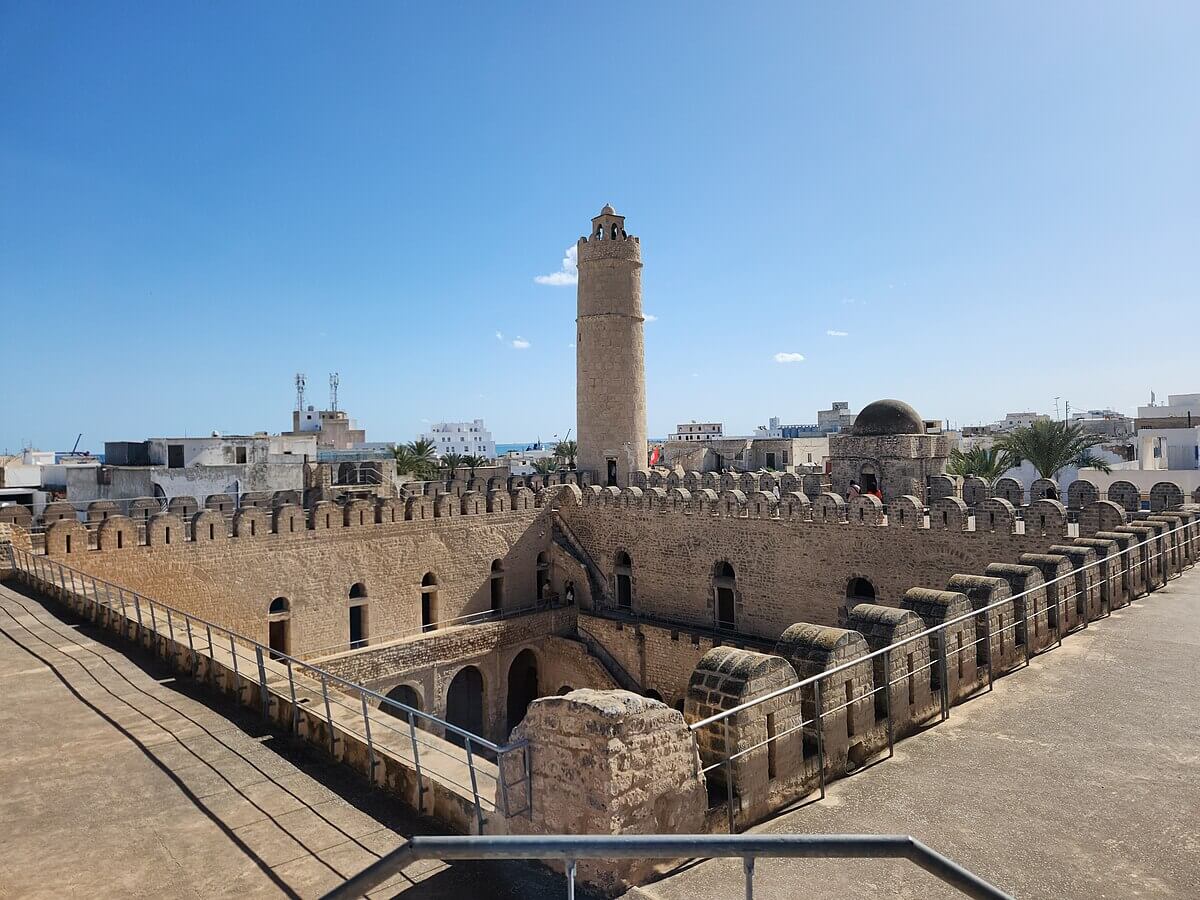
Mosque: The Grand Mosque inside the Citadel is a typical Islamic building with a simple and solemn architectural style. The minaret of the mosque towers over the city and has become one of the landmarks of the castle. Entering the mosque, the spacious worship hall with white walls and vaulted ceilings create a serene and sacred atmosphere. The floor is paved with fine marble and the walls are decorated with exquisite Arabic calligraphy and geometric patterns, showcasing the mastery of Islamic art.
Traditional Houses: Many traditional Arab houses remain in the castle, which are scattered along the narrow streets. The architectural style of the houses is unique, using traditional local materials such as stone and clay. The houses are mostly white with blue doors and windows, which look fresh and elegant under the sunlight. When you walk into the houses, the courtyards are filled with various kinds of flowers and trees, bringing a touch of coolness to the hot summer days. These traditional houses are not only a place for local residents to live, but also an important carrier of Tunisia's traditional culture.
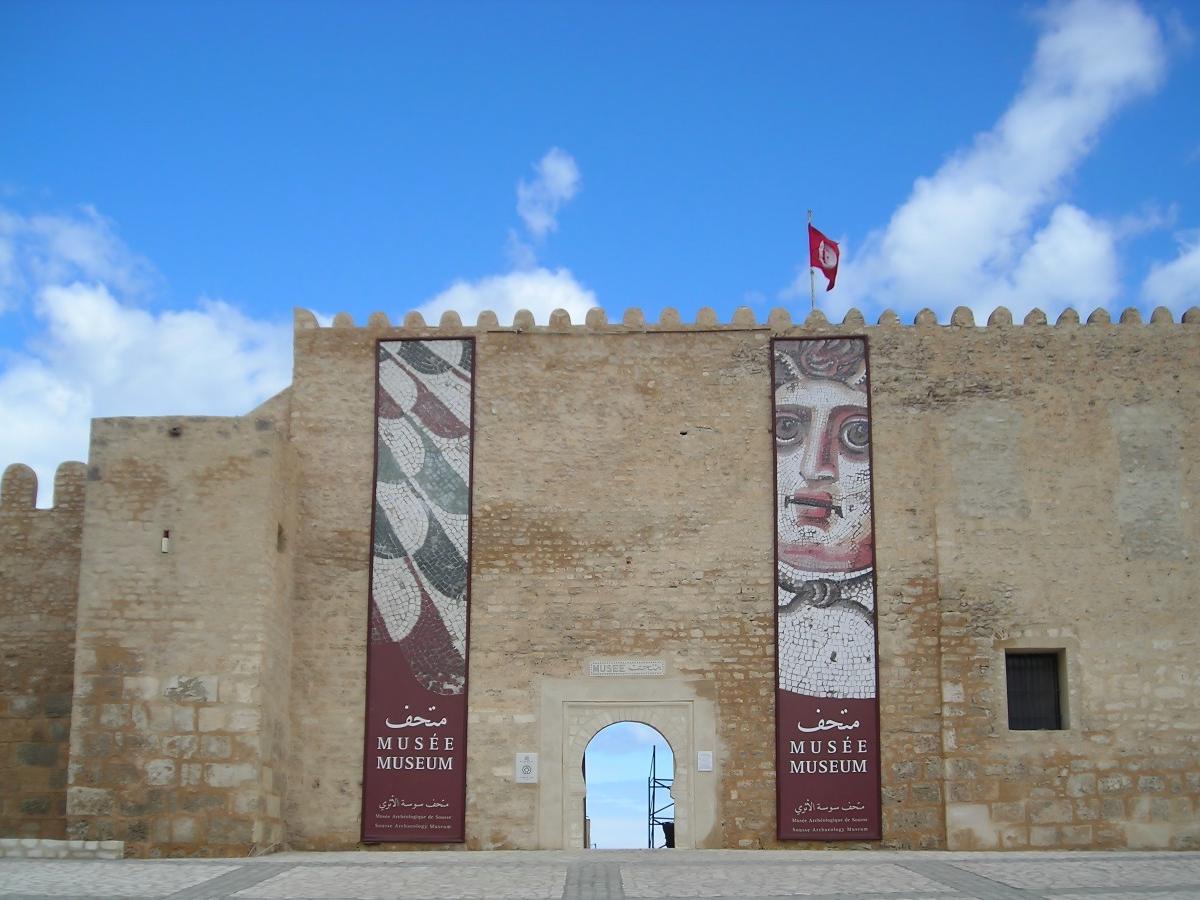
Sousse Museum: Located near the Citadel, the Sousse Museum is a comprehensive museum with a large collection of historical artifacts and works of art from prehistoric times to modern times. Among them, the most striking artifacts are those from the Carthaginian period, such as exquisite mosaic mosaics, pottery, and bronzes, which vividly illustrate the social life and artistic level of the time. In addition, the museum also has a special exhibition hall to display traditional Tunisian handicrafts, such as carpets, embroidery, wood carvings, etc., allowing visitors to gain a deeper understanding of Tunisia's traditional culture.
Medina: The Medina of Sousse is a vibrant old neighborhood adjacent to the Citadel. Its narrow streets are crisscrossed like a maze. The streets are lined with stores, cafes and restaurants selling local handicrafts, souvenirs, spices and cuisine. Strolling through the streets of the Medina, you can experience the rich Arabian flavor, interact with the hospitable local residents, and taste authentic Tunisian cuisine such as couscous, kebabs, salads, and so on.
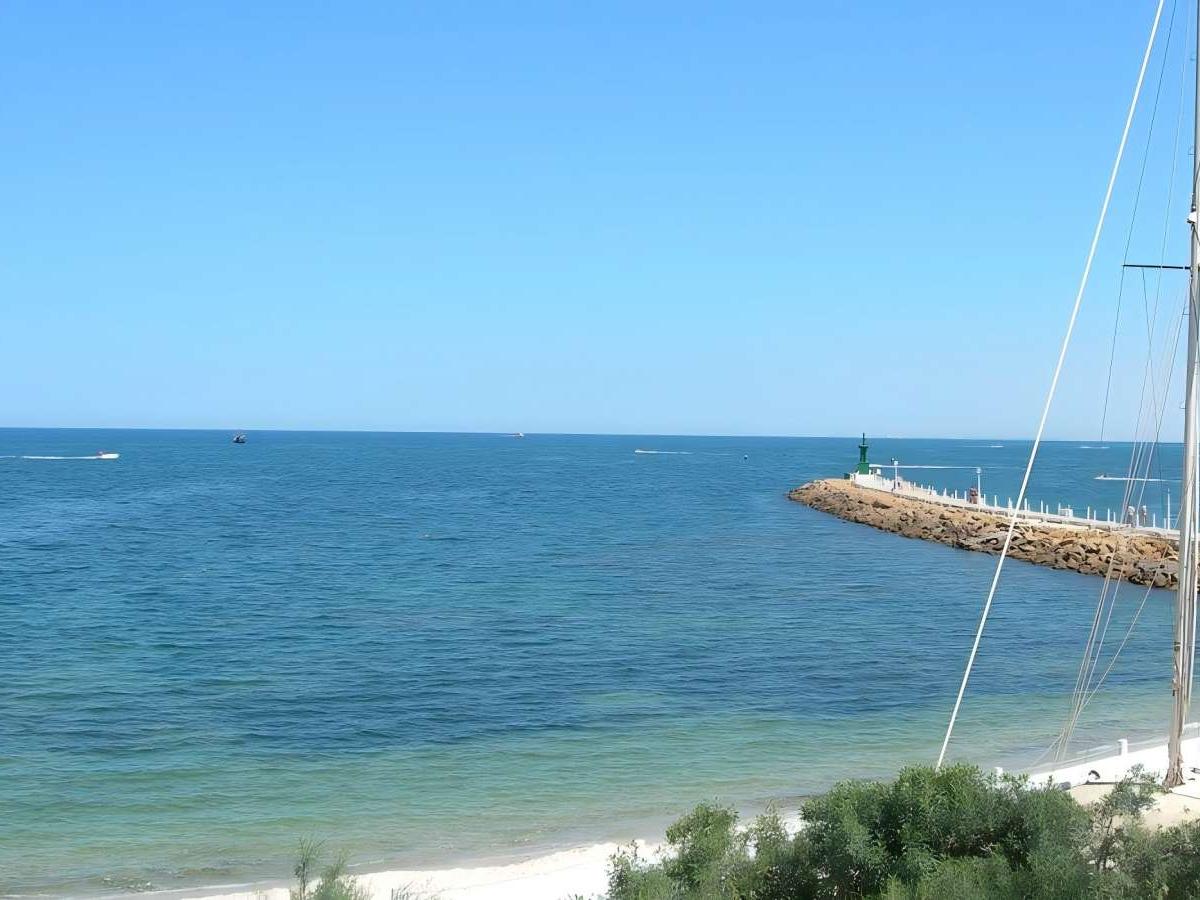
Beaches: Sousse has beautiful beaches not far from the castle. With its fine, soft sand and crystal clear waters, it is the ideal place to enjoy sunny beaches and water sports. You can sunbathe, swim, surf and dive on the beach and enjoy your seaside vacation to the fullest. Meanwhile, there are also many resorts and hotels around the beach, providing visitors with convenient accommodation and leisure facilities.
Opening hours: Sousse Castle is open all year round from 9am to 5pm (winter) and 9am to 6pm (summer). It is recommended that you visit as early as possible during opening hours to avoid peak times.
Guided tours: If you want to learn more about the history and culture of Sousse Castle, it is recommended that you hire a professional guide. Guides are usually available at the entrance of the castle and the cost of the guide can be negotiated with the guide. The guide can explain in detail the architectural features, historical background and related stories and legends of the castle to make your visit more interesting.
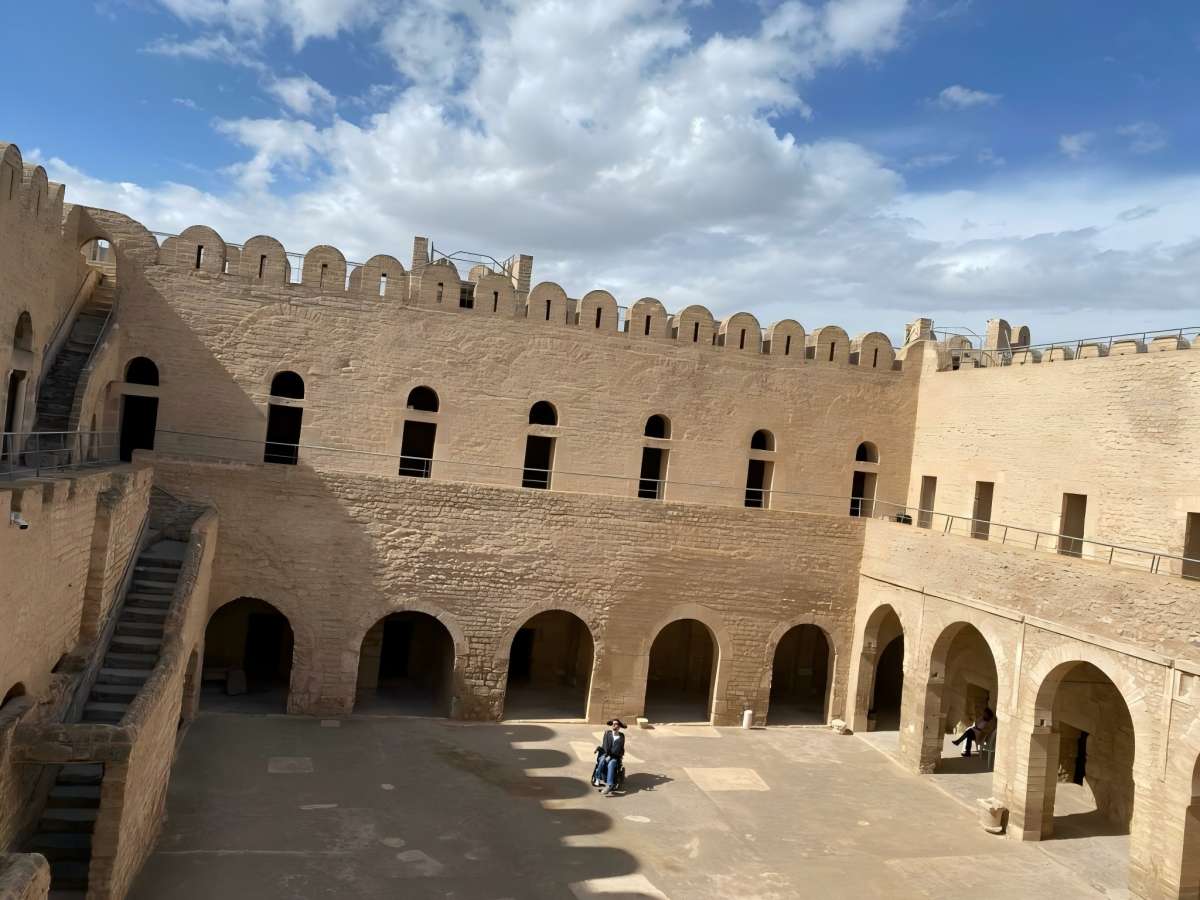
Dressing Suggestion: As there are mosques and other religious places in Sousse Castle, you are advised to dress appropriately and avoid wearing too revealing or tight clothes. When entering the mosque, you need to take off your shoes and keep quiet.
Sun protection: The Tunisian sun is strong, especially in summer. When visiting Sousse Castle, make sure you take sun protection measures such as applying sunscreen, wearing a sun hat and sunglasses to protect your skin from UV rays.
Food Note: You can taste authentic Tunisian cuisine in the restaurants and cafes around Sousse Castle. It is important to note that Tunisian food is relatively heavy in flavor, with a preference for spices and chili peppers. If you are not quite able to eat spicy food, you can inform the waiter when ordering. In addition, the local drinking water may not be suitable for direct consumption, so it is recommended to buy bottled water.
Shopping Reminder: When shopping in Medina, you can enjoy picking up local handicrafts and souvenirs. However, when purchasing goods, remember to bargain appropriately with merchants to get a more reasonable price. At the same time, pay attention to recognizing the quality and authenticity of the goods to avoid purchasing poor quality or counterfeit goods.
With its long history, unique architectural style and rich cultural connotation, Sousse Castle attracts tourists from all over the world. With this travel guide, I believe you have a comprehensive understanding of Sousse Castle. We hope you will spend an unforgettable time in Sousse Castle and experience the charm of this historical site for yourself.