

Advertisement
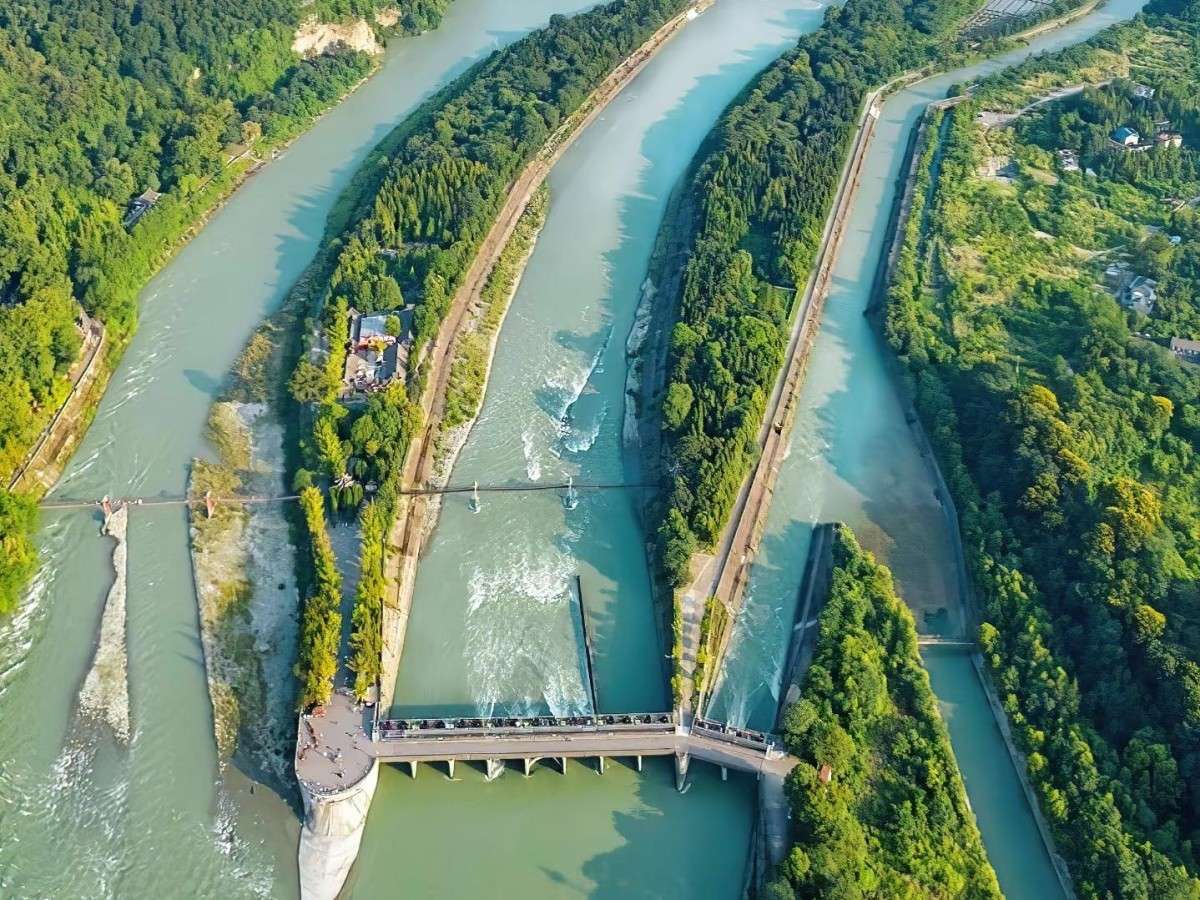
In Dujiangyan City, Sichuan Province, there is an ancient project that has amazed the whole world - Dujiangyan Water Conservancy Project. It is not only a masterpiece of ancient Chinese engineering technology, but also listed as a UNESCO World Heritage Site. This water conservancy project, which has a history of more than 2,000 years, is still playing a great role in guaranteeing the water supply and irrigation of farmland in Chengdu Plain. As the “crystallization of ancient wisdom”, the background of Dujiangyan's construction, its architectural characteristics and the achievements it has brought are enough to make people respect this ancient project.
Advertisement
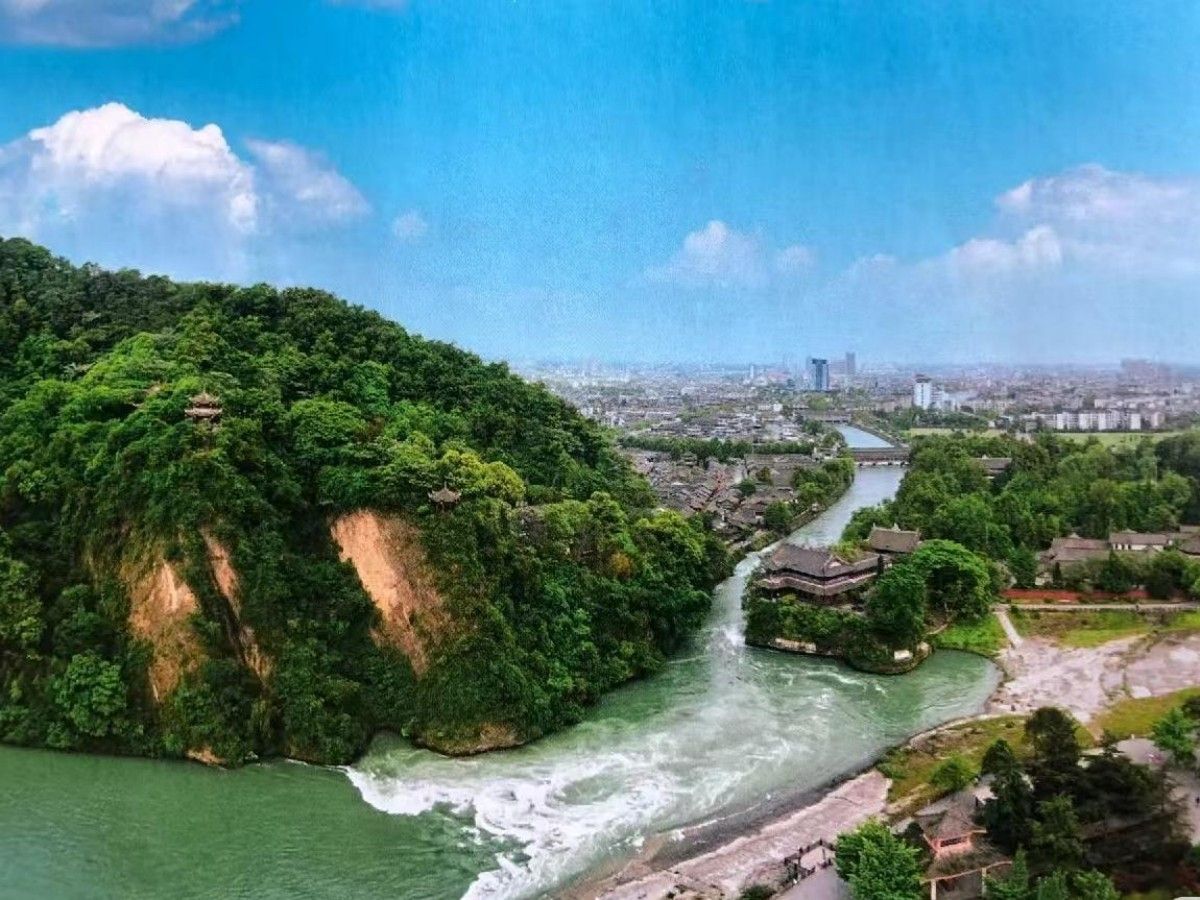
The history of Dujiangyan can be traced back to 256 BC, which is more than 2000 years ago. Located on the Min River in Dujiangyan City, Sichuan Province, it was designed and constructed under the auspices of Li Bing and his son, Li Er, who were water conservancy experts in the ancient state of Shu. In order to provide enough water for the farmland in the Chengdu Plain, Li Bing decided to utilize the water flow of the Min River in a unique way that could both prevent flooding and irrigate, and this is the Dujiangyan Water Conservancy Project that we see today.
Advertisement
At that time, the Chengdu Plain was plagued with serious water conservancy problems, with river flooding and uneven distribution of water sources being common nuisances. In order to solve this problem, Li Bing, through precise design, utilized the natural geographic conditions to build this water conservancy system that could both regulate the flow of water and ensure the irrigation of farmland. The design and implementation of this project demonstrates the ancient Chinese's deep understanding of nature and outstanding engineering skills.
The background of Dujiangyan's construction was closely related to the social needs of the time. In the 3rd century B.C., the land of Shu was plagued by constant flooding, and the flooding of rivers caused serious disasters, greatly affecting agricultural production. The king of Shu heard about Li Bing's talent in water conservancy and decided to let him design a feasible water conservancy program to solve this long-standing problem of people's livelihood.
Advertisement
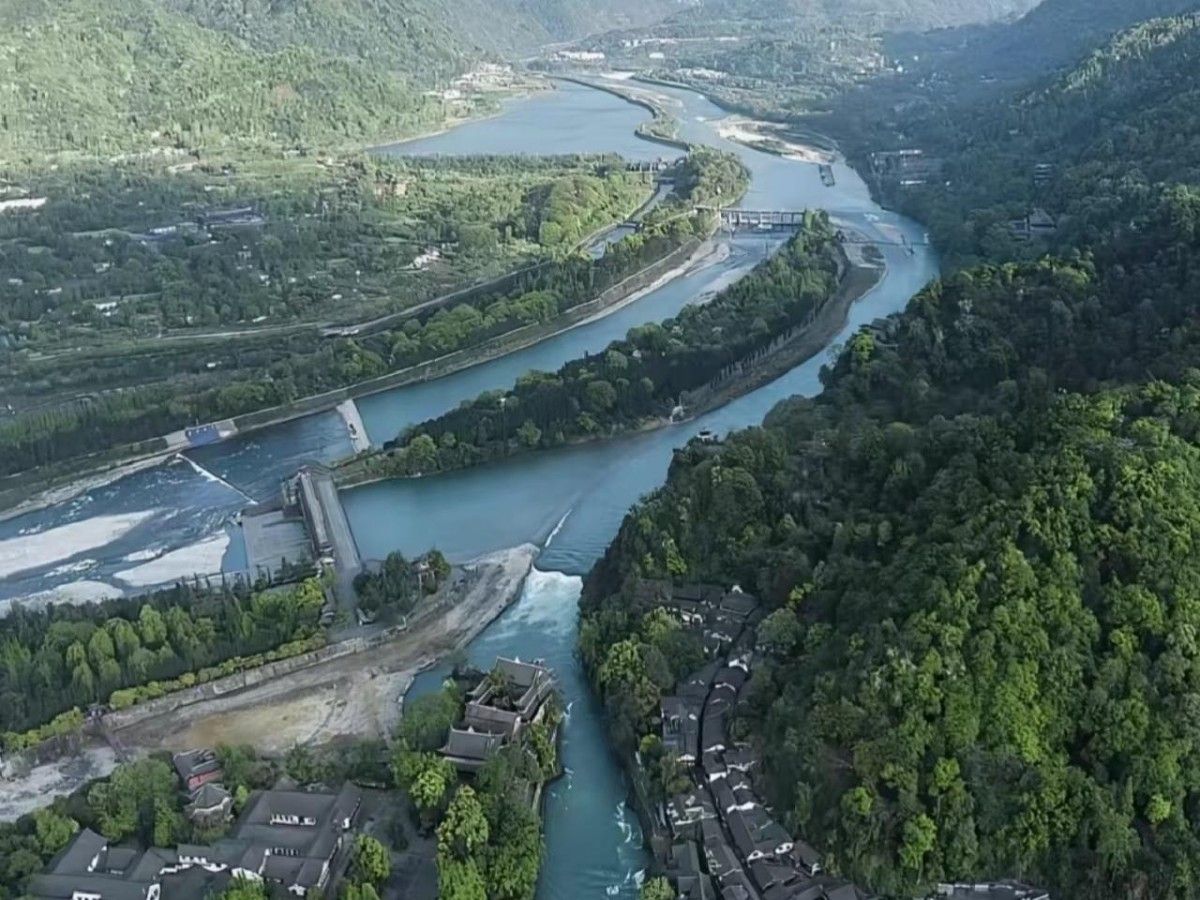
After a long time of fieldwork and design, Li Bing finally proposed the “weir diversion, diversion, irrigation, water storage” program. This program not only introduced water from the Minjiang River into the Chengdu plain, but also effectively avoided flooding and ensured the irrigation of farmland. The innovation of this scheme is that it does not rely on the traditional dyke, but adopts an ingenious diversion system through the design of “fish mouth” diversion, “bottle mouth” to regulate the flow and “flying sand weir” to intercept the flow. Through the design of “fish mouth” diversion, “bottle mouth” regulating the water flow and “flying sand weir” intercepting the water flow, the water flow control was made more scientific and efficient.
Li Bing's water conservancy project was unprecedented at that time, which not only changed the agricultural landscape of Chengdu, but also left countless valuable engineering techniques and wisdom for future generations.
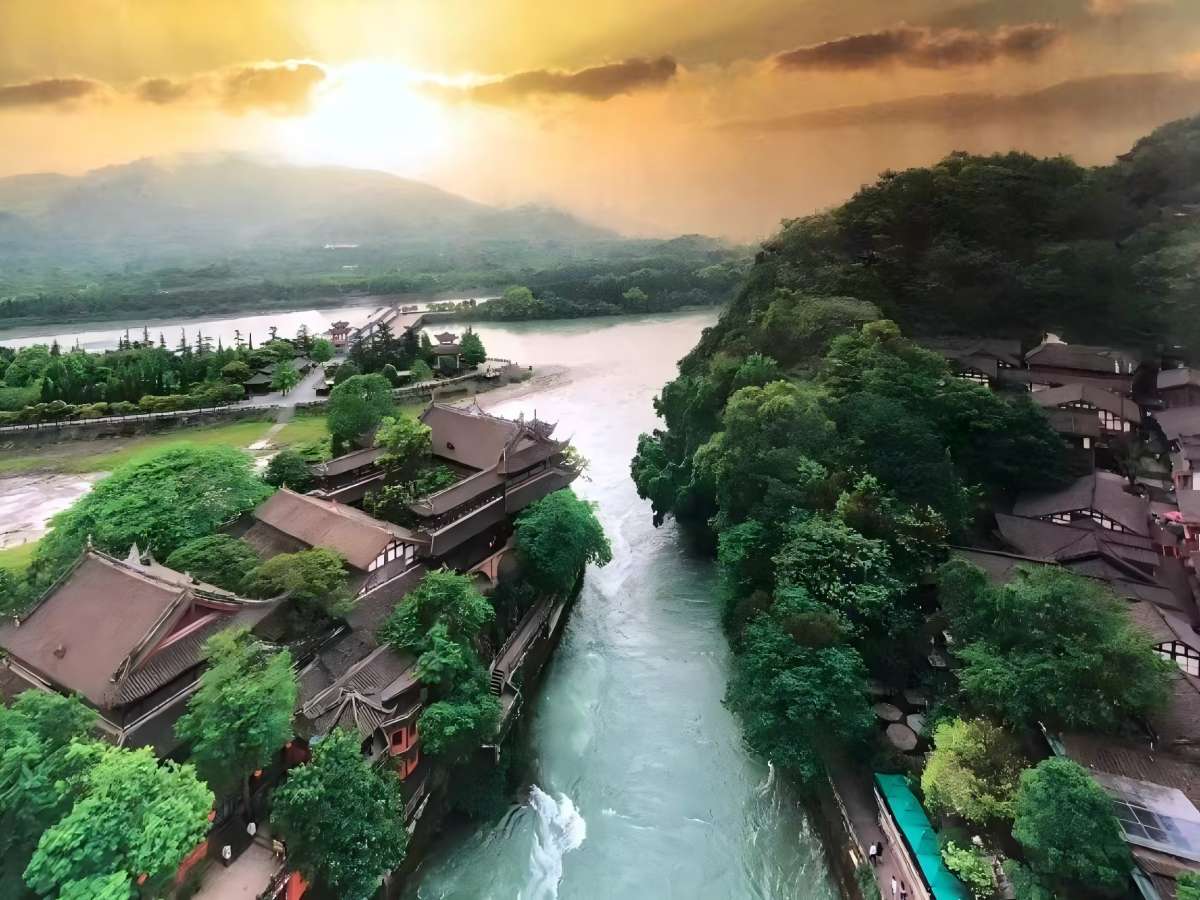
The architectural design of Dujiangyan Water Conservancy Project can be described as unique and has very high technical content. Its overall design includes three core structures: the “fish mouth” water diversion, the “bottle mouth” to regulate water flow and the “flying sand weir” interception system.
Fish Mouth: Dujiangyan's “Fish Mouth” water diversion is a unique water conservancy design that divides the Minjiang River's water flow into two parts, with one part flowing to the farmland in the Chengdu Plain, and the other part continuing to the lower reaches of the Minjiang River. The design resembles a fish's mouth, hence the name “fish mouth”. It not only ensures the supply of water, but also controls the speed of the water flow by skillfully directing the water flow to ensure that it does not become too fast and cause the embankment to collapse.
Baobingkou: Baobingkou is another key structure of Dujiangyan, which is an artificially excavated waterway opening, similar in shape to a bottle. Through this opening, water can enter the channel for distribution. The design of the Baobiankou is very exquisite. By adjusting the width and depth of the water flow, it can ensure the stability of the water flow and adapt to the change of water volume in different seasons.
Flying Sand Weir: Located at the upstream of Dujiangyan, the Flying Sand Weir is a structure designed to intercept the flow of sand and gravel. When the water flows through, the Flying Sand Weir can effectively intercept and deposit the sediment in the water, thus avoiding the impact of the sediment on the irrigation system. This design allowed the Dujiangyan to be used for a long time without being plagued by sediment clogging.
These architectural features not only demonstrate Li Bing's ingenious design, but also the ancient Chinese's deep understanding of the natural world. They took full advantage of the characteristics of the terrain, climate and water flow to create an efficient water conservancy system.
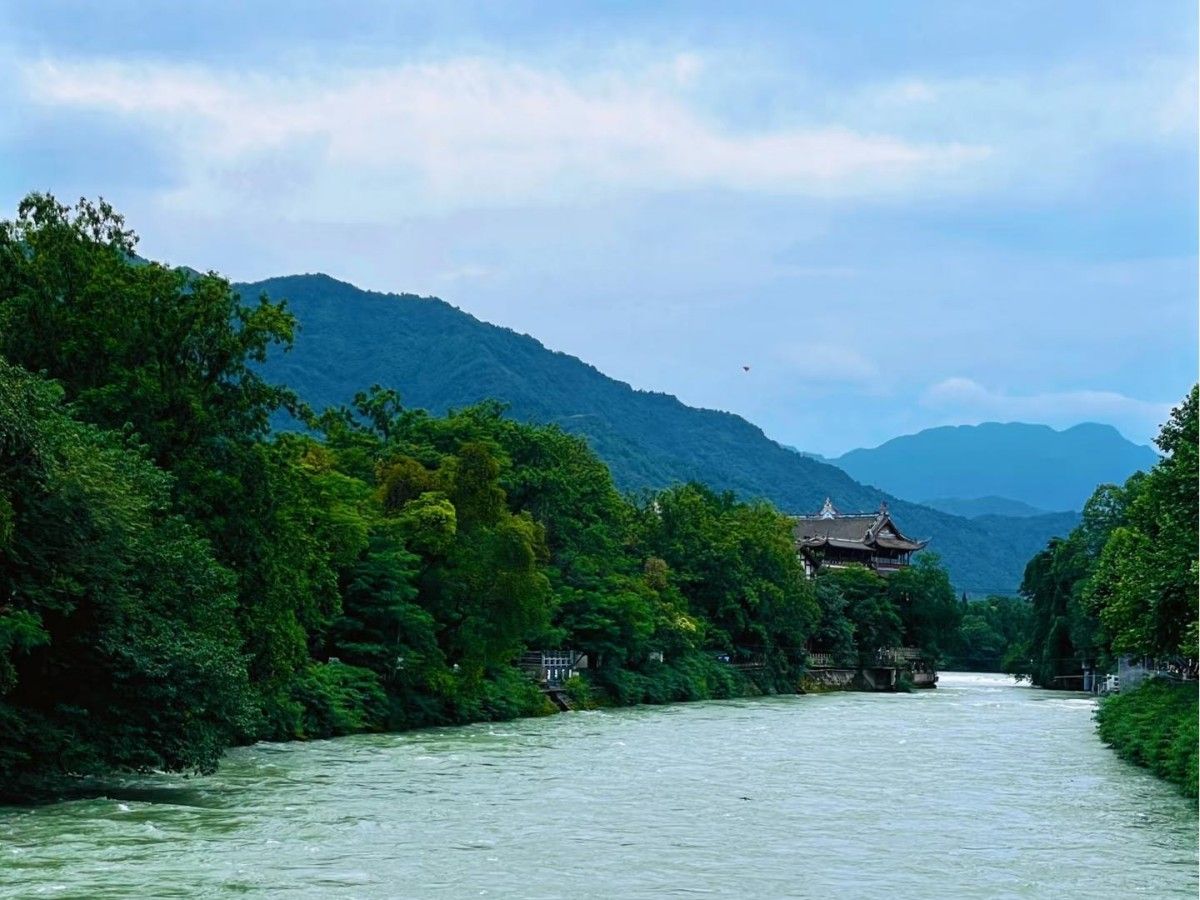
The greatest achievement of the Dujiangyan Water Conservancy Project is that it successfully solved the water conservancy problems of the Chengdu Plain, making the agriculture in this region secure for a long time. By rationally diverting, diverting and storing water, it effectively prevented flooding and provided sufficient irrigation water for farmland. Today, the Chengdu Plain still benefits from this ancient project, which is indispensable for the irrigation of farmland and the supply of water every year.
In addition, as one of the world's oldest water conservancy projects still in use today, Dujiangyan's construction techniques and design concepts have had a profound impact on later water conservancy projects. Both domestic and international water conservancy projects have been able to draw inspiration from it. In ancient times, the water conservancy projects of many other countries and regions also borrowed the design ideas of Dujiangyan, which promoted the development of global water conservancy technology.
The construction of Dujiangyan also promoted the development of the local economy, making Sichuan a rich agricultural province. It is not only an engineering marvel, but also carries the cultural heritage of a thousand years of history. Nowadays, as a world cultural heritage, it attracts tourists and scholars from all over the world, and has become an important symbol to show the wisdom of ancient China.
Dujiangyan is not only an ancient water conservancy project, but also the crystallization of ancient Chinese wisdom, which is the best proof of the harmonious coexistence between human beings and nature. Its construction not only solved the water conservancy problems of Chengdu Plain at that time, but also provided valuable experience for the development of the world water conservancy project. To this day, the Dujiangyan continues to play a great role and has become a classic for people to study and learn.
Standing in Dujiangyan today, we can see that this ancient project is still active in our lives. It is not only a witness of history, but also a driving force for future development. Dujiangyan, this thousand-year water conservancy miracle, will continue to influence everyone who loves nature and cherishes resources.