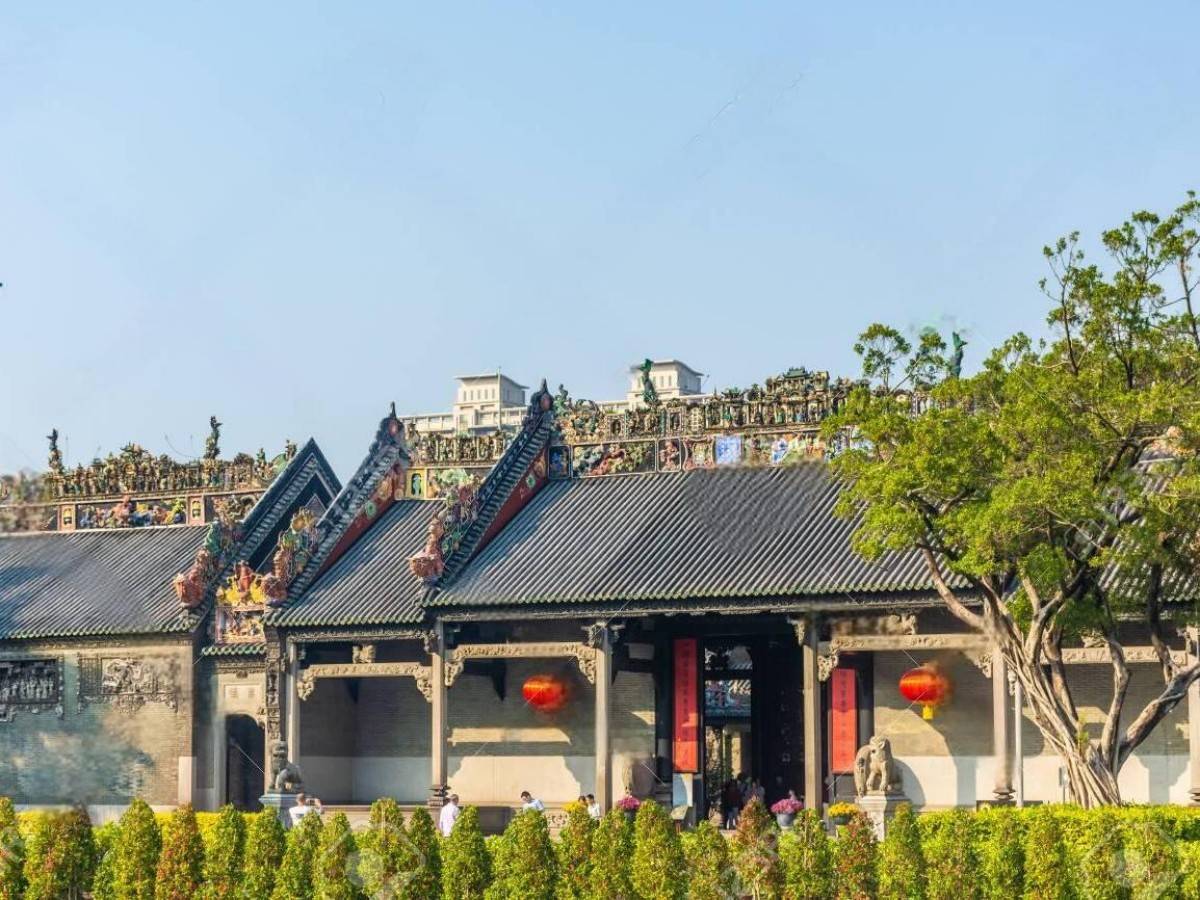
Chen Clan Ancestral Hall, a hall with profound Lingnan cultural heritage and exquisite architectural art, is a must-see for visitors to Guangzhou. For first-time visitors, how can you fully appreciate its charm? Please check this guide.
Advertisement
Historical Origin
Advertisement
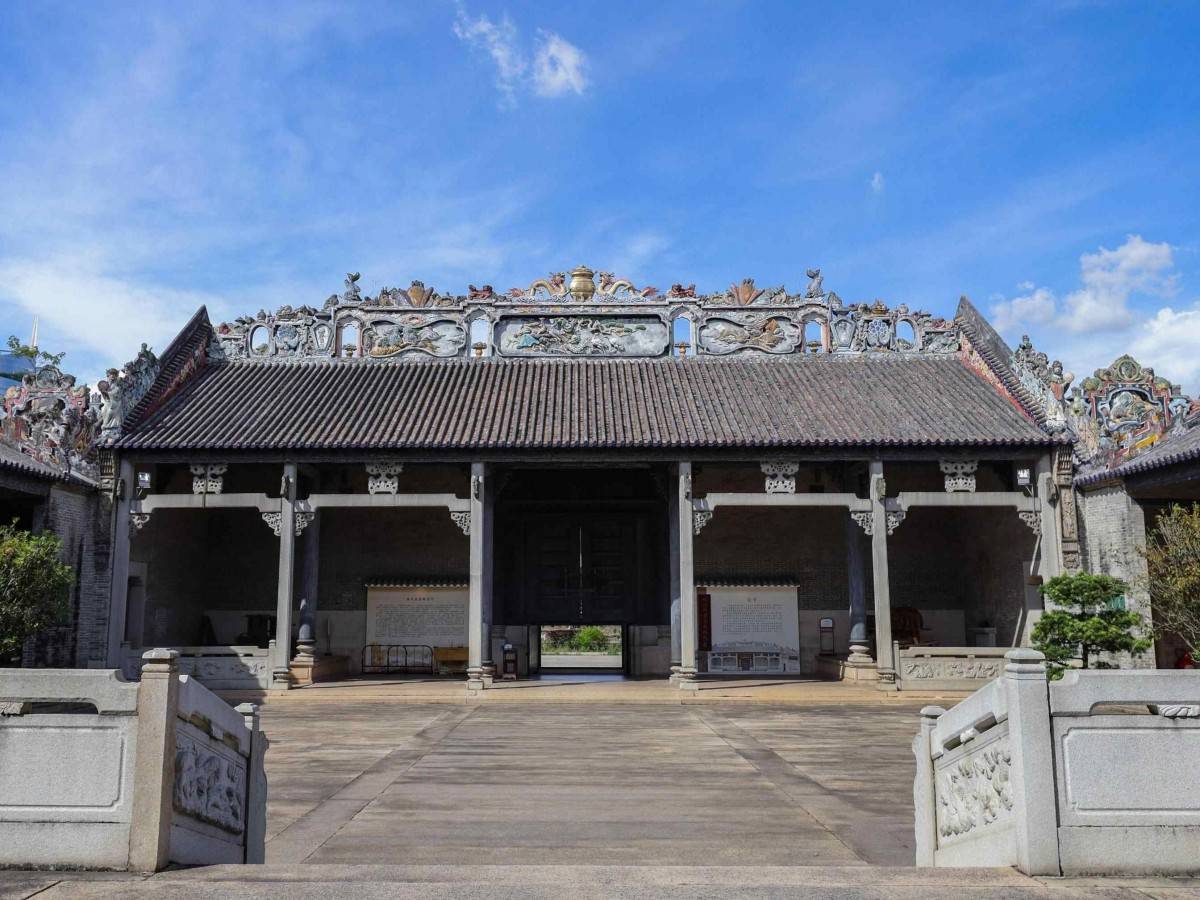
The Chen Clan Academy was planned and built in the 14th year of the reign of Emperor Guangxu (1888) and was officially completed in the 20th year of the reign of Emperor Guangxu (1894), which took seven years. It was jointly built by the Chen family from 72 counties in Guangdong Province at that time. It was not only a clan ancestral hall for worshipping ancestral tablets and worshipping ancestors, but also because it accepted scholars from all over the clan to live in Guangzhou when they took the imperial examinations, so it was also called Chen's Academy. Later, with the changes of the times, it was also used as a school. In 1959, it was approved by the government to be the Guangdong Folk Crafts Museum. Now it has become a national key cultural relic protection unit, showing the unique charm of Lingnan culture to the world.
Opening hours
The Chen Clan Academy is open all year round, from 9:00 to 17:30, and ticket sales and admission will be stopped at 17:00. However, during special holidays or events, the opening hours may be slightly adjusted. It is recommended to check and confirm on the official website or the "Guangdong Folk Crafts Museum" WeChat account before traveling to avoid empty trips.
Ticket price
The ticket price is affordable, only 10 yuan. People over 70 years old and children under 1.2 meters can visit for free, and students can enjoy a half-price discount with valid certificates. There are various ways to buy tickets. You can buy them on site or book online through the "Guangdong Folk Crafts Museum" official account. Booking in advance can save time queuing on site, especially during the peak tourist season. It is recommended to buy tickets online first.
Address
Advertisement
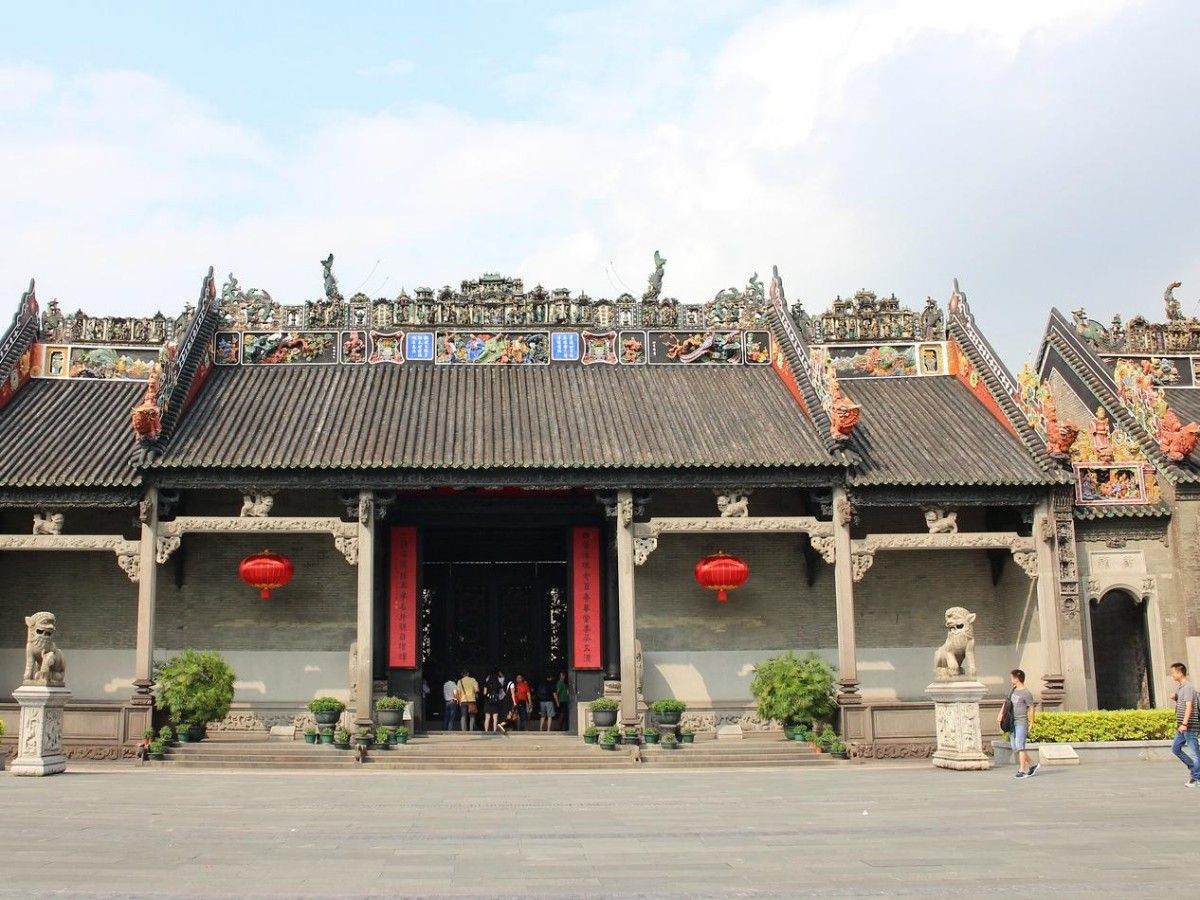
Chen Clan Academy is located at No. 34, Enlongli, Zhongshan 7th Road, Liwan District, Guangzhou. It has very convenient transportation and a well-developed public transportation network around it.
Public Transportation
Subway: Take Metro Line 1 or Line 8 and get off at Chen Clan Academy Station. After exiting from Exit D of Chen Clan Academy Station on Metro Line 1, walk about 200 meters to reach the entrance of the scenic spot; after exiting from Exit C of Chen Clan Academy Station on Line 8, it is also a few minutes' walk to the entrance. Metro travel is convenient and fast, and is not affected by ground traffic congestion. It is the preferred mode of transportation to Chen Clan Academy.
Bus: There are many bus lines passing through Chen Clan Academy, such as Line 17, Line 85, Line 88, Line 104, Line 107, Line 128, etc. After getting off at Chen Clan Academy Station or Kangwang North Road Station, walk to the scenic spot according to the signs. Bus travel is economical and affordable, and you can also enjoy the city streetscape of Guangzhou along the way, but there may be congestion during peak hours in the morning and evening, so you need to reserve enough travel time.
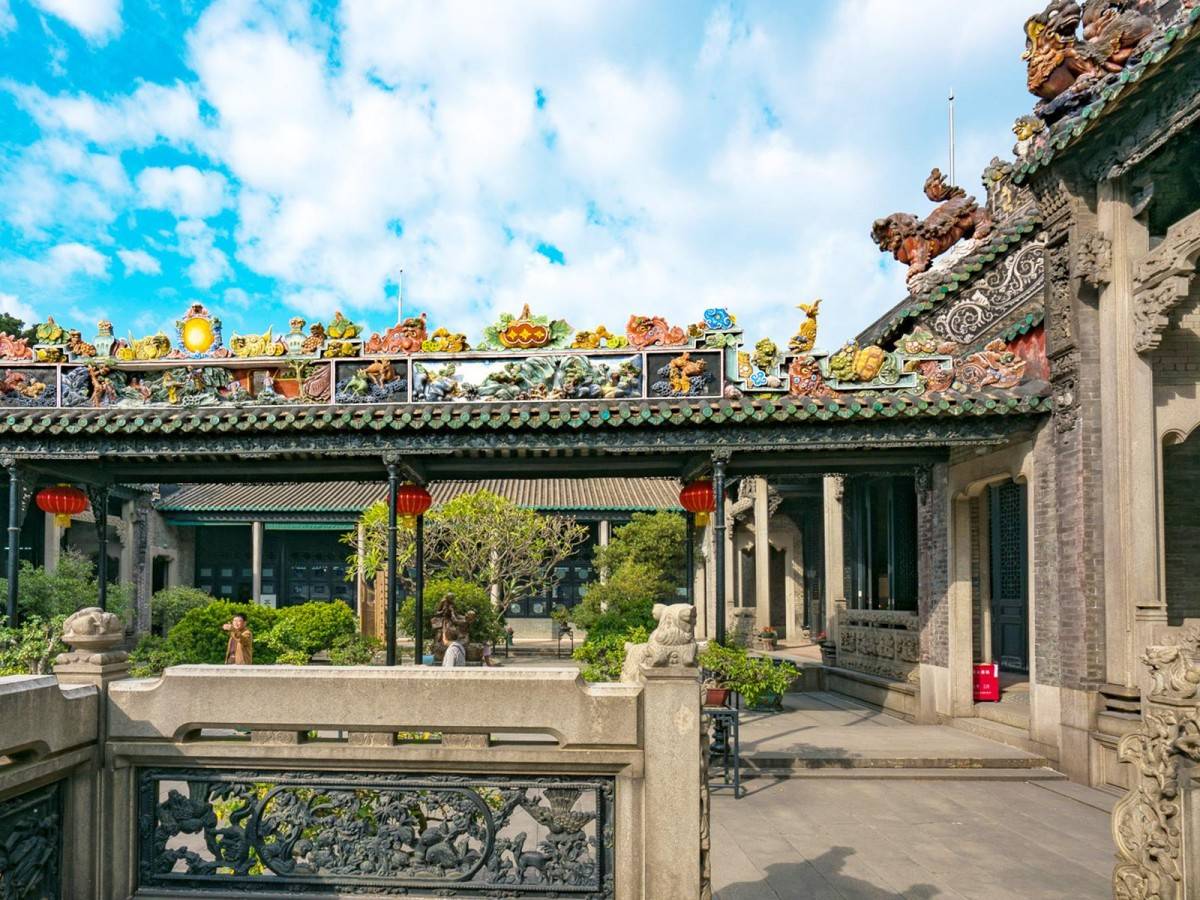
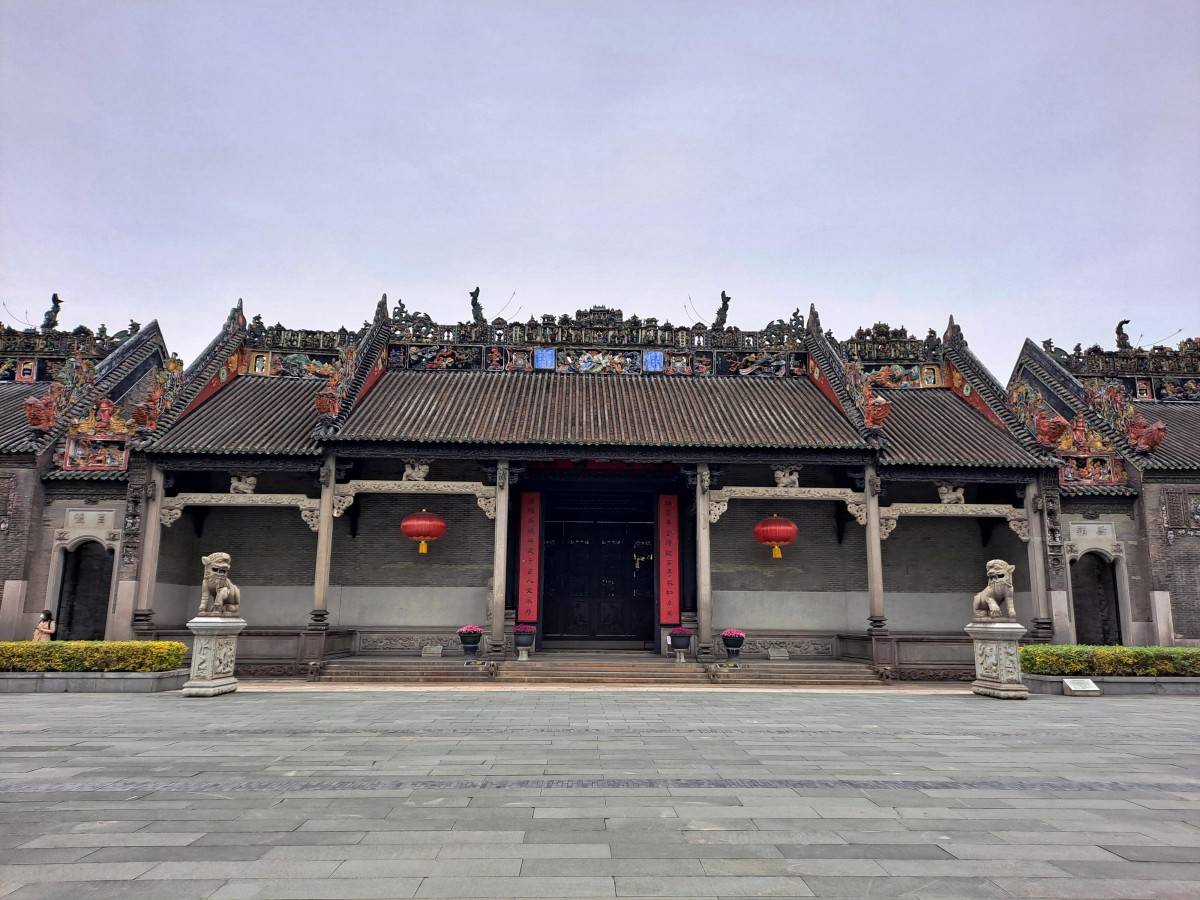
Chen Clan Academy faces south and covers an area of 13,200 square meters. The main building is arranged in a pattern of "three entrances, three roads, nine halls and two side halls", interspersed with six courtyards and eight corridors, and is of a grand scale. It is recommended to follow the following route to visit, so that you can fully appreciate the architectural beauty of Chen Clan Academy and have a deep understanding of the cultural connotations behind it:
Middle Road: Entering from the main gate, the first thing that comes into view is an exquisite large wooden screen, which is engraved with historical stories, myths and legends, etc. The characters are lifelike, and the lines are smooth and delicate, showing superb wood carving skills. Passing through the screen, you will come to Juxian Hall, which is the central building of Chen Clan Academy and also the place for important activities such as sacrifices and gatherings. The hall is spacious and bright, and decorative crafts such as wood carving, stone carving, brick carving, gray sculpture, and pottery sculpture can be seen everywhere, especially the platform in front of the hall. The stone railings are engraved with patterns of flowers, birds, fish, insects, auspicious beasts, etc., with exquisite craftsmanship and auspicious meanings. Continue walking back and you will arrive at the ancestral hall, where tablets of Chen's ancestors are enshrined. It is solemn and makes people feel the weight of family heritage.
East Road: Enter the East Road from the corridor on the east side of Juxian Hall. The first place to visit is Wenlan Pavilion, which was once the place where Chen's children studied. Now it displays some books and materials related to the history of Chen Clan Ancestral Hall and Lingnan culture. Then come to the East Hall. The architectural style of the East Hall is simple and generous. Flowers, plants and trees are planted in the courtyard, and the environment is quiet. Going forward, you can reach the first East Hall among the nine halls. Some traditional Lingnan furniture is displayed here, so that tourists can intuitively understand the living scenes and furniture making craftsmanship at that time.
West Road: Enter the West Road from the corridor on the west side of Juxian Hall. First, you will arrive at the West Hall. The West Hall corresponds to the East Hall and also has a unique architectural charm. Continue walking forward and arrive at the first West Hall. Various folk handicrafts such as paper cutting, embroidery, olive carving, etc. are displayed here, reflecting the diversity and exquisite craftsmanship of Lingnan folk crafts. Finally, we came to the back hall, which was also beautifully decorated. Brick carvings, murals and other works of art were dazzling, and we could further appreciate the charm of Chen Clan Academy's decorative art.
Decorative Art
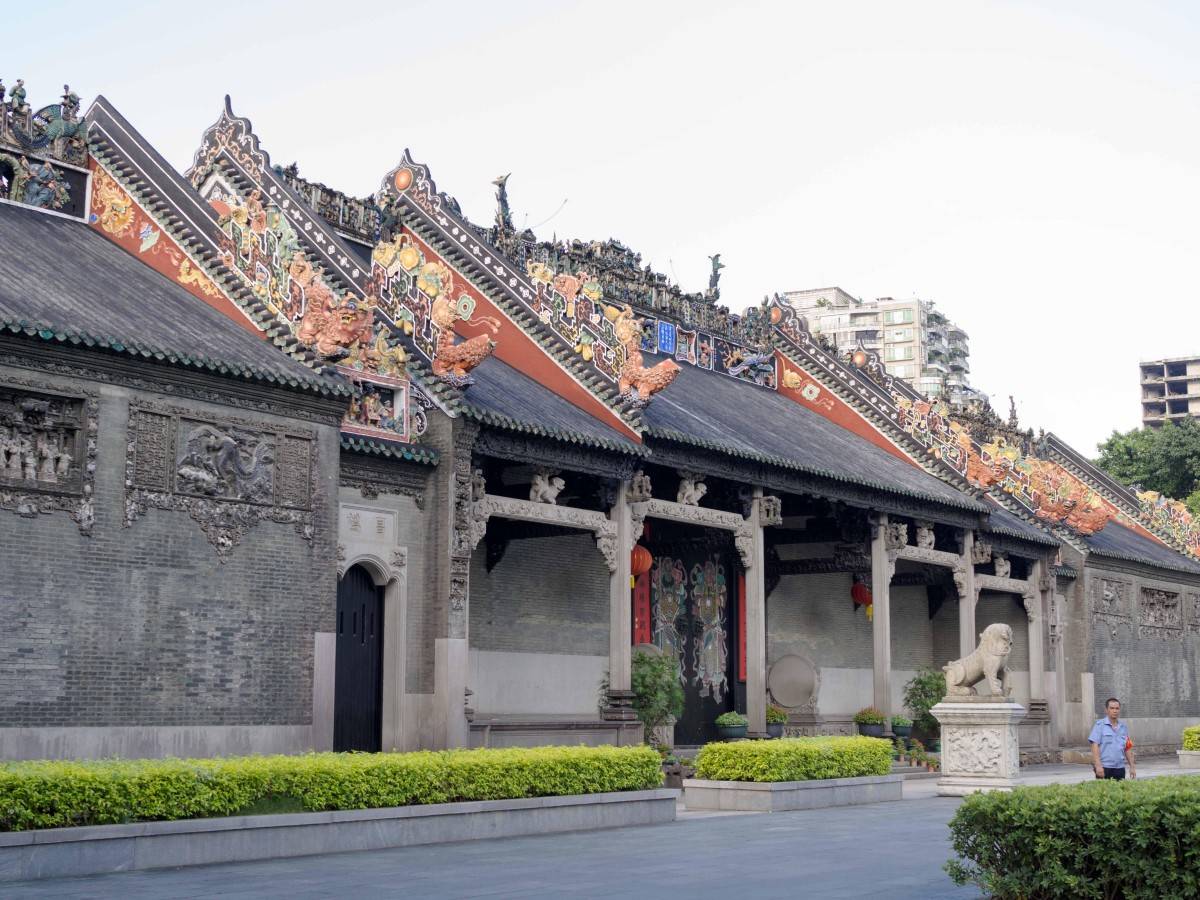
Chen Clan Academy is a treasure trove of Lingnan architectural decorative art. Its wood carvings, stone carvings, brick carvings, gray sculptures, pottery sculptures, copper and iron castings and other decorative techniques are spread throughout the entire building complex.
Wood carvings: Chen Clan Academy has a large number of wood carvings with exquisite craftsmanship. Exquisite wood carvings can be seen in beams, brackets, brackets, door lintels and other parts. For example, the wooden screen on the gate uses multi-layer hollow carving techniques, with rich layers and strong three-dimensional sense. The images of people, animals, flowers and other figures are vivid and lifelike, as if telling a story.
Stone carvings: Mainly concentrated in the platform, railings, column bases, door pillows and other parts. The stone railings of the platform are carved with various auspicious patterns, such as dragons and phoenixes, lions playing with balls, and unicorns spitting jade books. The lines are strong and powerful, and the shapes are realistic, showing the superb skills of stone carving artists. The carvings of the column bases are also ingenious. Some are carved into lotus shapes, and some are carved into auspicious beasts. They not only play the role of supporting the building, but also have extremely high artistic value.
Brick carvings: The brick carvings of Chen Clan Ancestral Hall are mainly distributed on the outer walls and eaves on both sides of the gate. Among them, the six large brick carvings "Liangshan Gathering" and "Phoenix Group of Wutong, Apricot and Willow" are the most eye-catching. These brick carvings have grand pictures, many characters, fine carvings of buildings, clear layers, different expressions of characters, and lifelike flowers and birds. Its brick carving skills are rare in modern times.
Gray sculptures: Gray sculptures with bright colors and unique shapes can be seen on the roofs, gables, eaves, screen walls and other parts of Chen Clan Ancestral Hall. Gray sculptures have a wide range of themes, including myths and legends, historical stories, flowers, birds, fish, insects, auspicious patterns, etc. For example, the gray sculpture ridge decoration on the roof is famous for its tall and majestic, colorful, and the figures and animals on it are lifelike, as if telling people ancient stories.
Ceramic sculptures: Mainly decorated on the main ridge, vertical ridge, and ridge of the roof. The ceramic sculptures of Chen Clan Ancestral Hall adopt Shiwan ceramic sculpture technology, with bright colors and vivid shapes. The ceramic ridge decorations on the main ridge are usually composed of a group of story scenes composed of multiple ceramic figures, animals, flowers, etc., such as "Guo Ziyi's Birthday Celebration" and "Mu Guiying Takes Command". They are exquisitely crafted and are outstanding representatives of Lingnan ceramic art.
Copper and iron castings: In the courtyards, corridors, railings and other parts of the Chen Clan Academy, you can see some copper and iron casting decorative components, such as iron casting windows and copper casting lions. These copper and iron castings are not only practical, but also have high artistic value. The patterns of the iron casting windows are exquisite and the lines are smooth, showing the exquisite skills of the craftsmen; the copper casting lions are lifelike and majestic, adding a bit of solemnity to the Chen Clan Academy.
Folk Craft Exhibition
As the Guangdong Folk Craft Museum, the Chen Clan Academy also has multiple exhibition halls displaying various Lingnan folk handicrafts. Here, you can see exquisite Guangdong embroidery, with delicate needlework, bright colors and lifelike patterns; ingenious olive carvings, where artists carve various figures, animals, and scenery on small olive cores, which is breathtaking; there are also unique ivory carvings, colorful paper-cuts, simple and elegant Duan inkstones, etc. Each exhibit reflects the unique charm and profound heritage of Lingnan folk crafts. Visiting these exhibitions, you can not only appreciate the exquisite handicrafts, but also gain an in-depth understanding of the traditional culture and folk customs of the Lingnan region.
Catering services
There are many delicious foods to choose from around Chen Clan Academy, which can meet the taste needs of different tourists.
Special snacks: There are many shops selling Guangzhou special snacks in the streets and alleys near the scenic area. You can taste the rice noodle rolls, which are thin and tender, with delicious sauces and side dishes, and have a rich taste; there is also double skin milk, which is rich in milk flavor, melts in the mouth, and is sweet but not greasy; beef offal is also a delicacy that cannot be missed, stewed until soft and tasty, and full of fragrance. These snacks are affordable, generally ranging from 10 to 30 yuan per serving.
Restaurants: If you want to taste a full meal, there are also various restaurants to choose from around. There are Cantonese restaurants that offer classic Cantonese dishes such as white-cut chicken, roasted meat, and clay pot rice; there are also restaurants with other flavors, such as Sichuan cuisine and Hunan cuisine, to meet different taste preferences. The price of the restaurant varies according to the dishes and grades, and the per capita consumption is about 50 to 150 yuan.
Shopping
There is a souvenir shop in Chen Clan Academy, selling various cultural and creative products related to Chen Clan Academy and Lingnan culture, such as exquisite key chains, bookmarks, postcards, handicrafts, etc. These cultural and creative products are novel in design and have high commemorative value. They are a good choice for friends and relatives. In addition, there are also some shops selling traditional handicrafts and special souvenirs on the surrounding streets, where you can choose your favorite Lingnan specialty products.
If you go to Chen Clan Academy for the first time, learn this information in advance and plan your itinerary. You can fully experience the unique charm of this art hall of Lingnan culture and gain an unforgettable travel memory. During the tour, don't forget to take care of the cultural relics and visit in a civilized manner so that this precious historical and cultural heritage can be preserved for a long time.