
Advertisement
Step into an ancient world where time flows at a different pace, rustling leaves whisper secrets of the past, and the air is so thick with history that you can almost see monks chanting quietly in the distance from centuries ago. Welcome to Lingyin Temple, one of China's holiest Buddhist temples, nestled in the misty embrace of Hangzhou's mountains. It was once a place where emperors knelt and poets sought inspiration, and you, about to embark on a serene, reflective journey, may be a little enlightened.
Advertisement
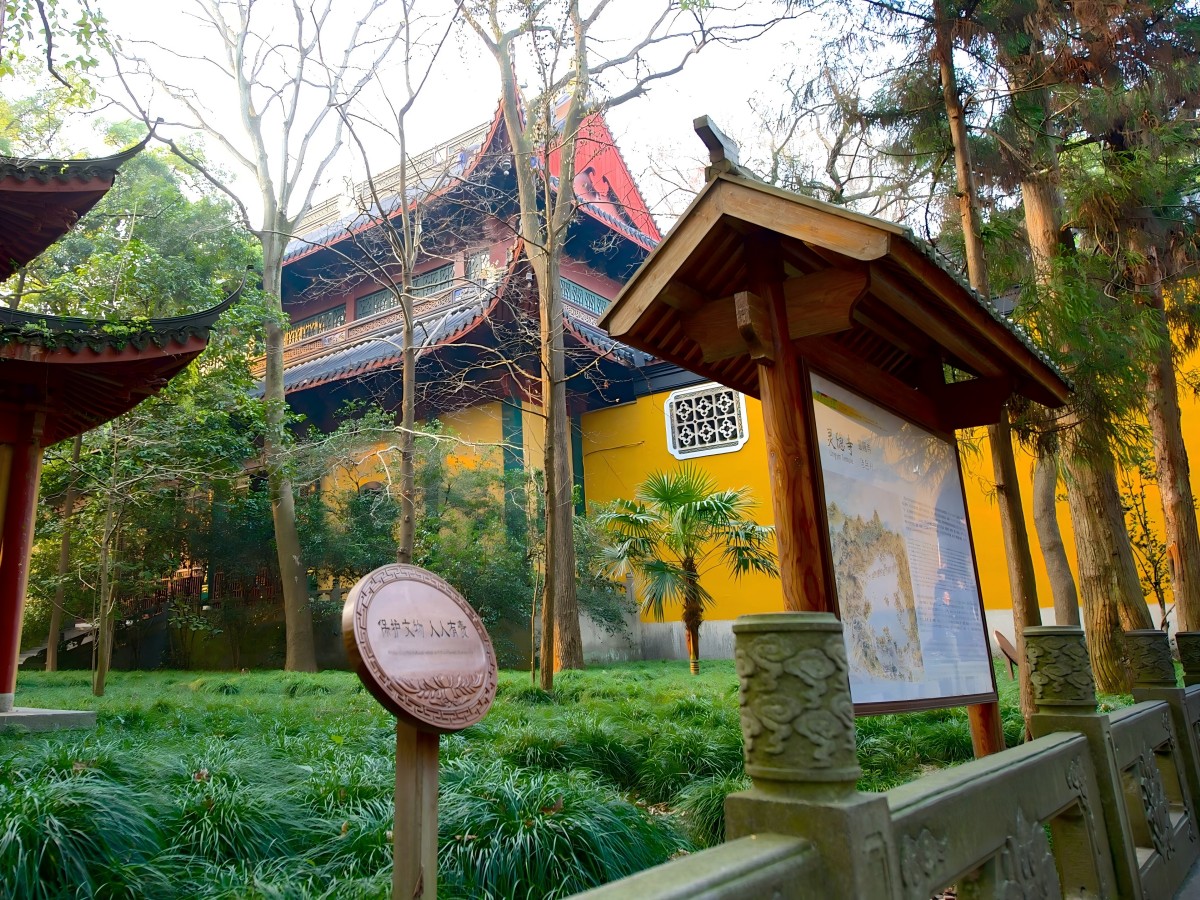
From the moment you set foot on the stone path leading to Lingyin Temple, you can feel it - there are souls here. Sky-high trees arch over you like wise guardians, their ancient trunks whispering stories of travelers who once walked this path. The air is cooler here, filled with the smell of moss-covered stones and the faint aroma of burning incense. Even the sunlight filtering through the leaves seems softer, as if they too have embraced the serenity of the temple. As you pass through the temple gates, you suddenly realize that this is not just another tourist attraction. This is a holy place where the hustle and bustle of the world fades away and is replaced by the sound of gurgling water, the occasional ringing of bells, and the rhythmic chanting of the monks. You take a deep breath and suddenly the stress, the endless announcements, the rush of everyday life - it all feels so far away.
Advertisement
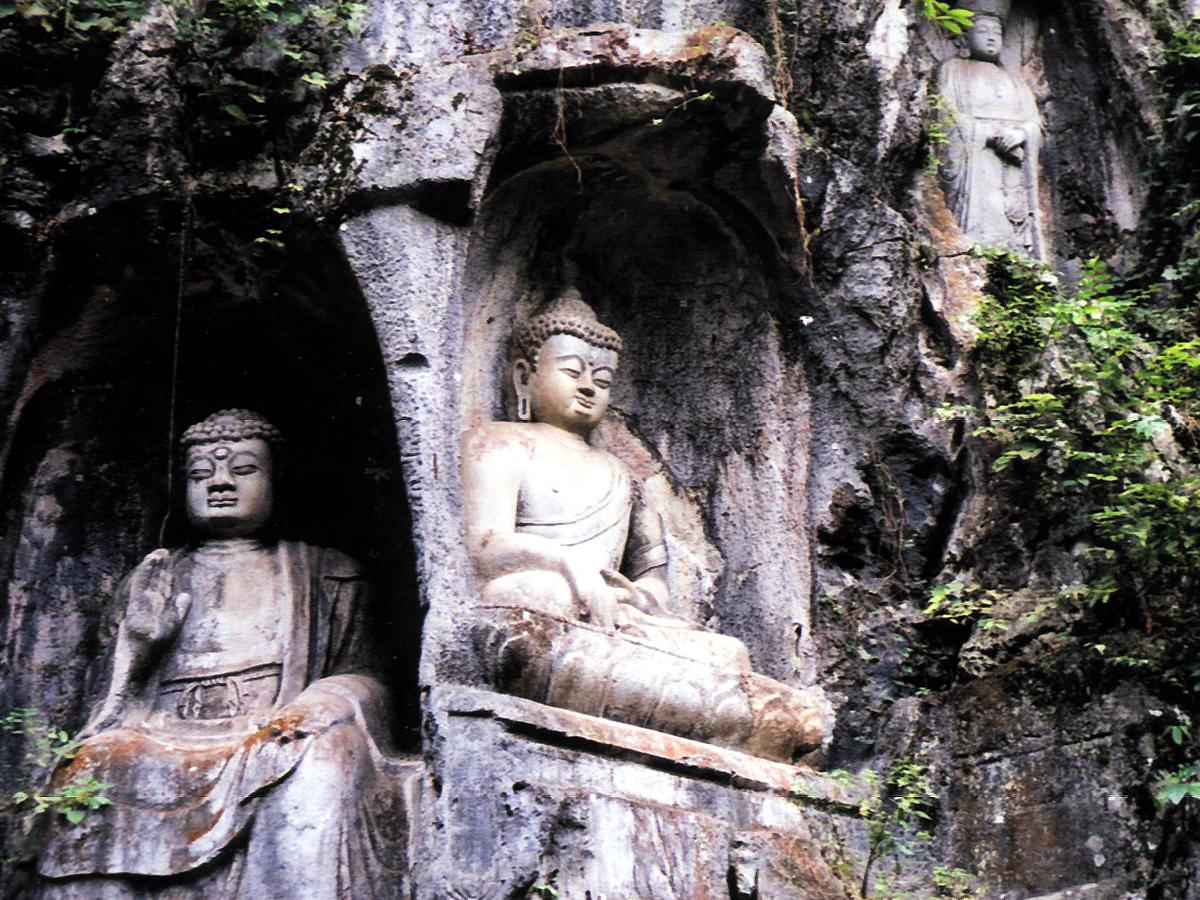
Before you even reach the main hall of the temple, something stops you in your tracks. To your left, the massive limestone cliffs of Feilai Peak loom steeply, their surfaces dotted with intricate carvings of Buddhist deities. It's as if the mountain itself has come to life, whispering sutras through these ancient stone statues. Some of the statues look serene, their expressions frozen in eternal meditation. Other stone statues smile knowingly, as if they hold a secret that can only be understood by those who truly seek enlightenment. Legend has it that Feilai Peak is no ordinary mountain, it flew here from India. Believe it or not, one thing is certain: the energy here is like no other. You can feel it in your bones, in the way the wind blows the trees, in the way the sunlight shines on the edges of the carved Buddha statues, bringing them to life. You stop and press your hand against the cool stone, and for a moment you wonder - how many people before you have stood in this place, searching for answers, for peace?
Advertisement
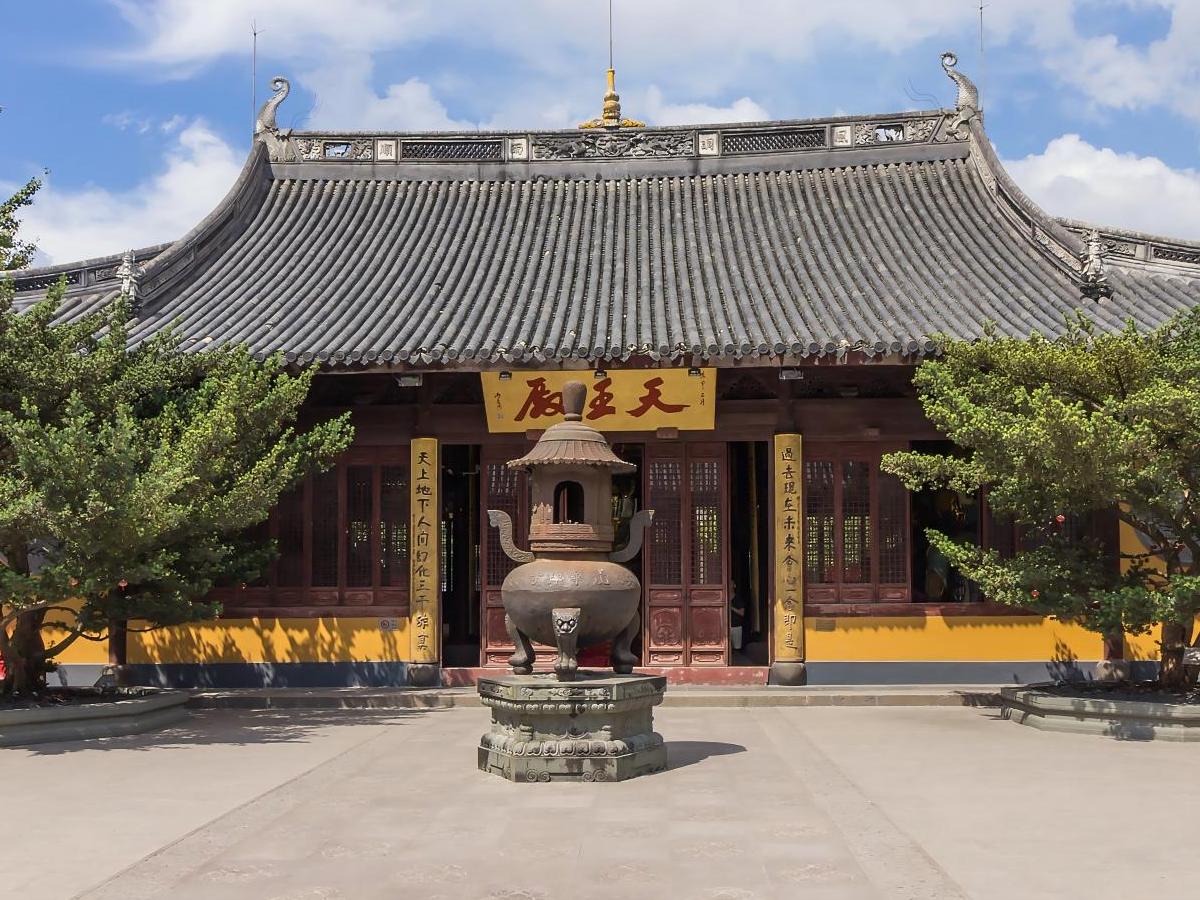
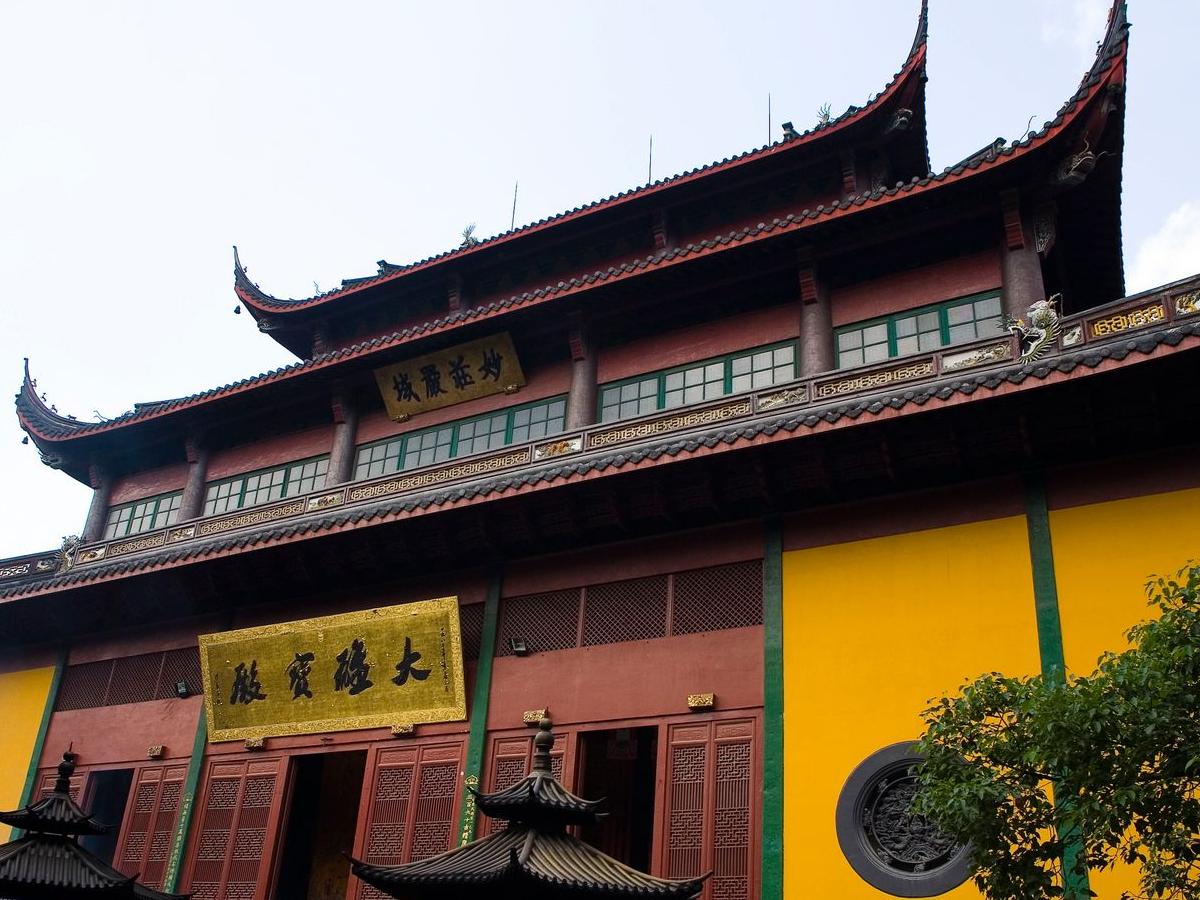
With each step deeper into the temple complex, more of the outside world is left behind. The main hall, the Hall of Heavenly Kings, is colorful and imposing. Giant statues of the Four Heavenly Kings stand here, their grim expressions enough to make even the boldest visitor straighten his back. But the real star of the show is the giant Maitreya Buddha, who laughs happily as if he knows a joke the rest of us haven't heard yet. His belly was round and his smile was infectious - maybe that's the secret to happiness? More laughter and less worry?
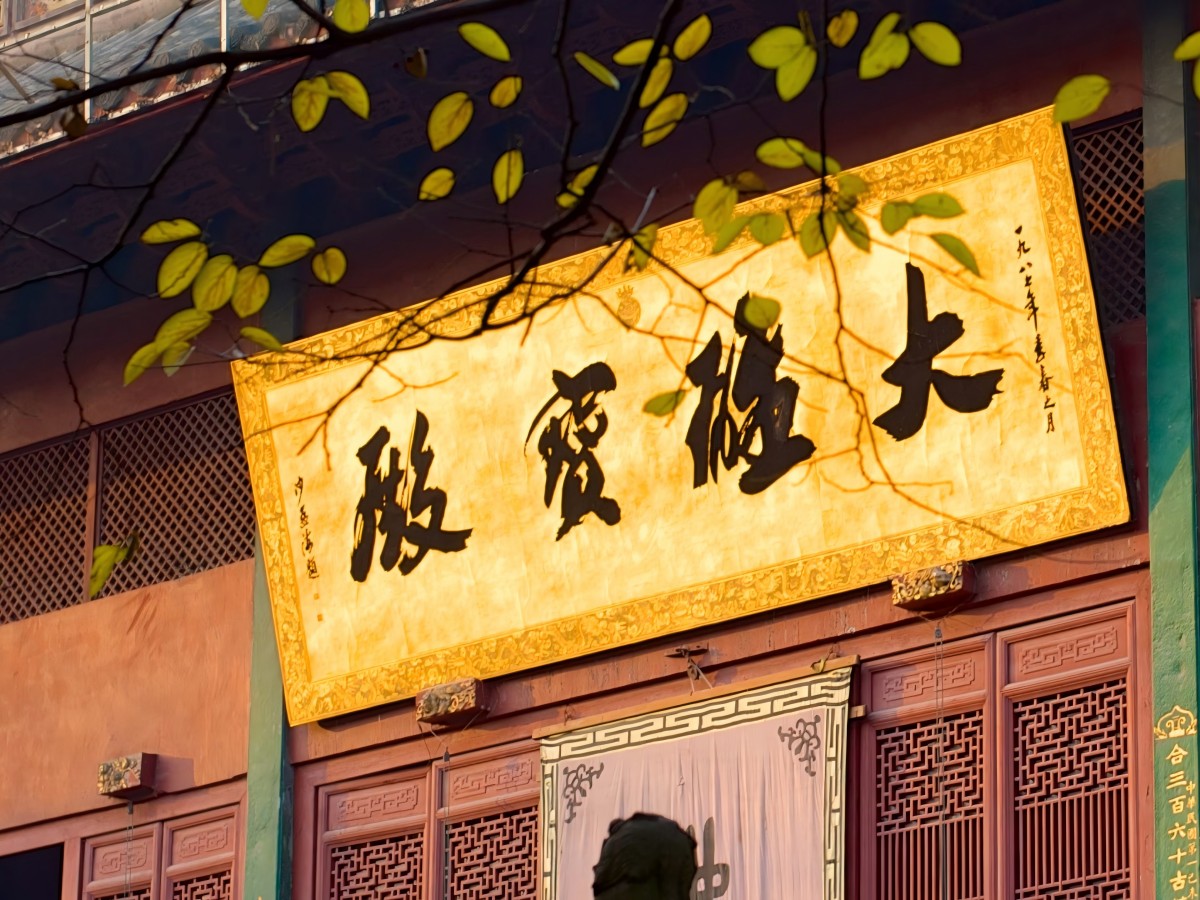
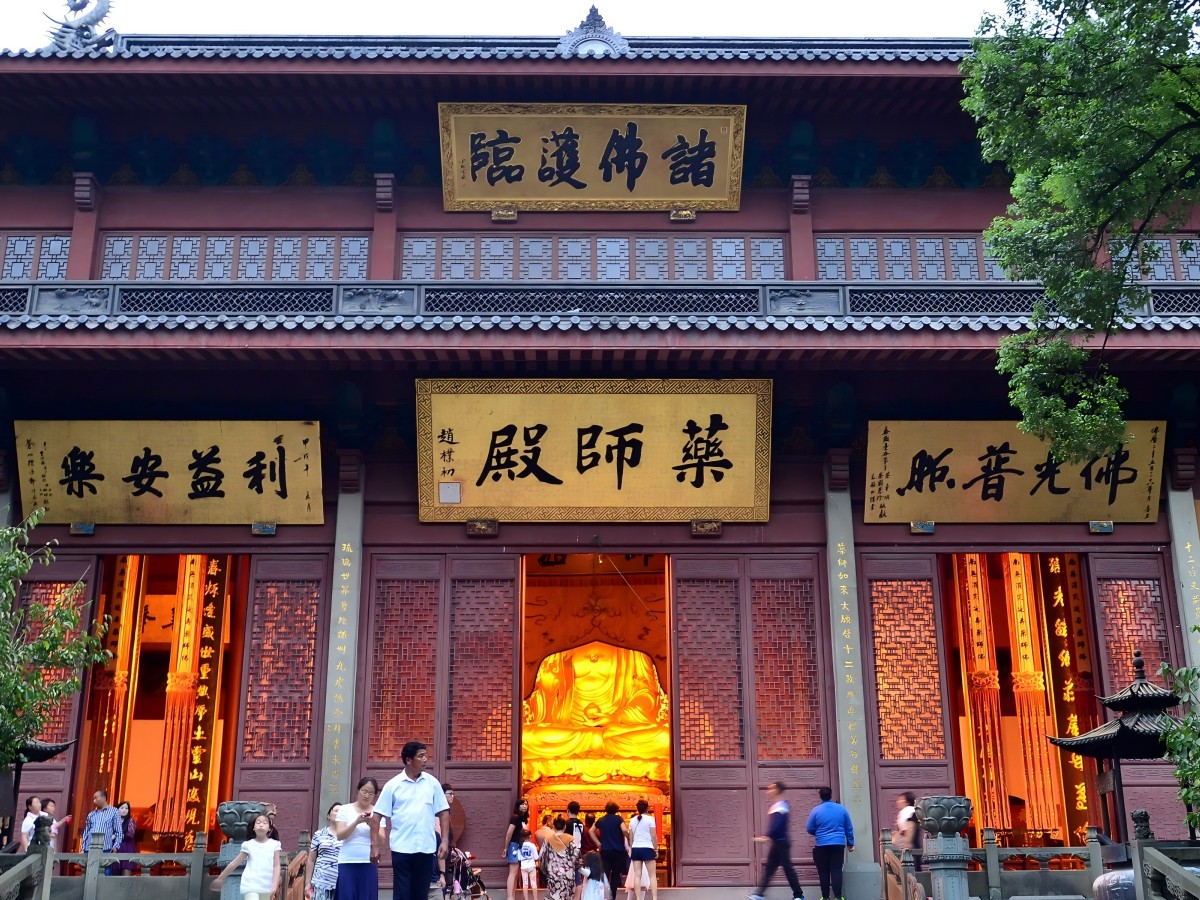
Further inside, you enter the Mahamudra Hall, which houses one of the largest wooden statues of Buddha in China, standing at a staggering 19 meters tall. The golden statue of Shakyamuni Buddha exudes quiet power, his half-closed eyes gazing downward as the rich, warm incense surrounds you, bringing whispered prayers into the beams of the room. The flickering candlelight makes the Buddha's face seem almost alive, changing expression as you move through the hall. Close your eyes and let the atmosphere sink in. In this moment, nothing else matters, standing before something so much greater than yourself, feeling both incredibly small and connected to the universe.
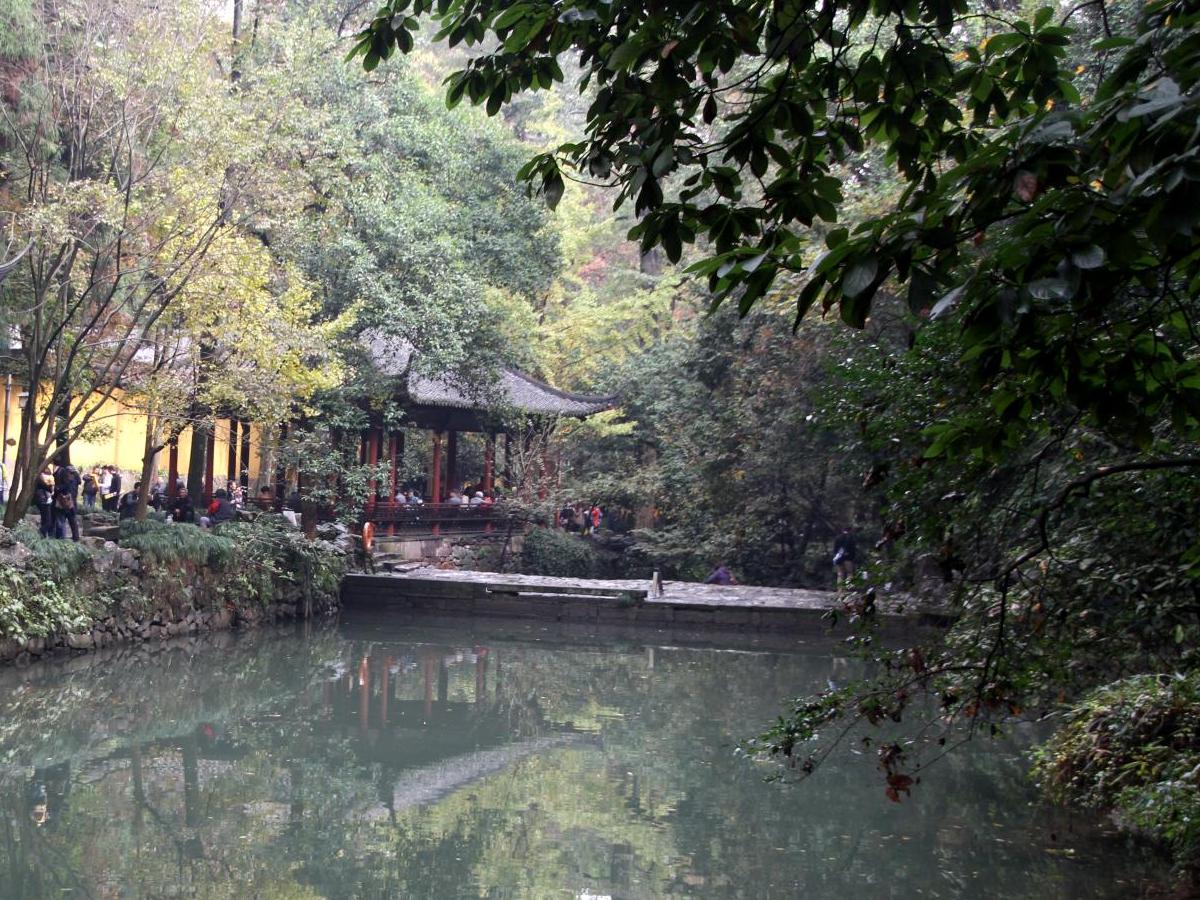
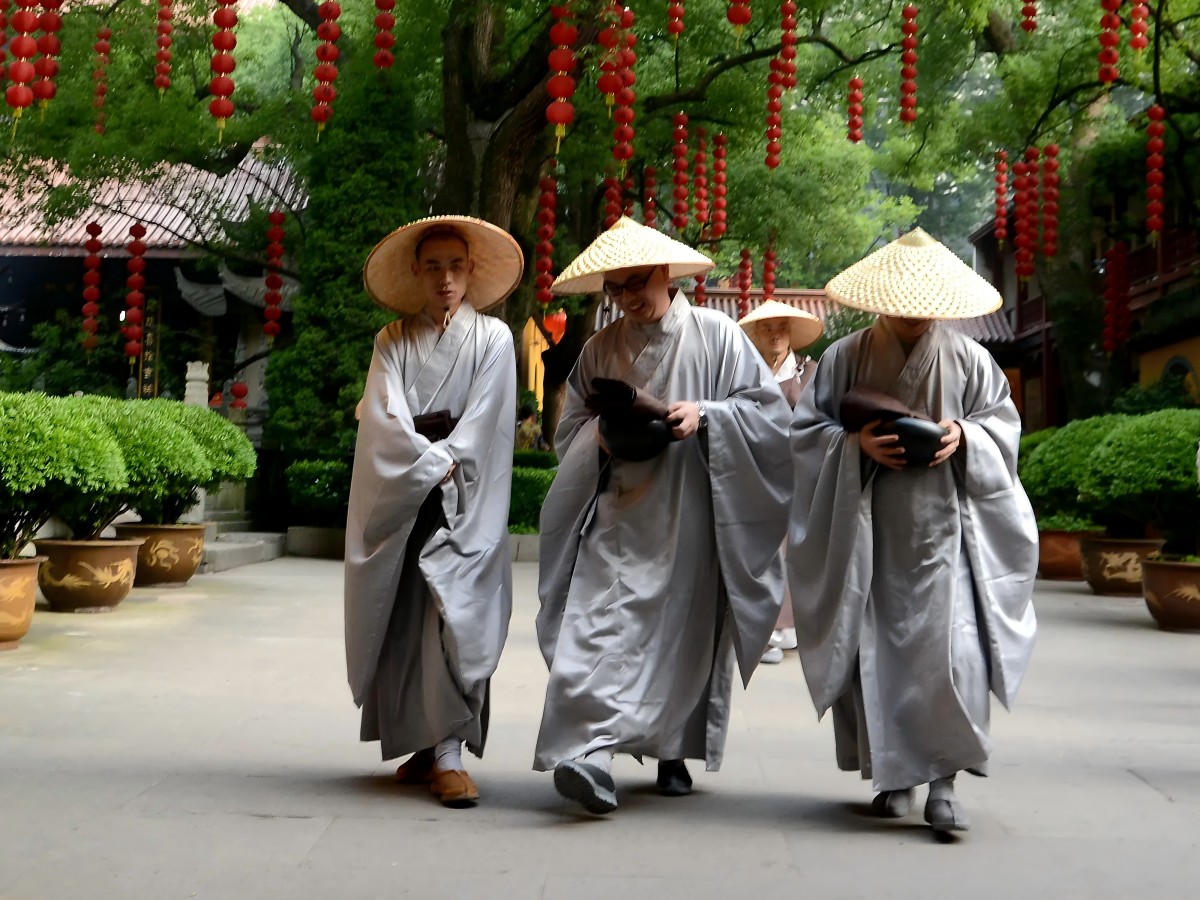
The main hall is breathtaking, but the real charm of Lingyin Temple lies in its quiet corners. You detour along a shady stone path, away from the crowds, and find yourself in a secluded courtyard where a monk is sweeping up fallen leaves. His movements are slow and deliberate, as if he is not only sweeping the ground, but also sweeping away the troubles of the world. Nearby, a small zendo beckons you. There are no flashing cameras, no noisy tourists, just rows of simple wooden seats and a serenity that seems to transcend time. You sit down, close your eyes, and for the first time in a long time, your thoughts stop racing. There are no deadlines, no emails, no endless scrolling, just the steady rhythm of your own breathing. Maybe that's why people come here, not to find anything, but to lose everything that doesn't matter.
Feeling much more relaxed, you stroll over to a small tea pavilion within the monastery grounds. Here, monks and visitors sit side-by-side, sipping fragrant Longjing tea and engaging in quiet conversation. You decide to join in and raise the delicate porcelain cup to your lips. The tea is warm and slightly bitter, but with a sweet aftertaste - like life itself, don't you think? A monk notices your curiosity and smiles, asking. “Seeking peace?” He asks. You nod. “It is not something you find,” he says, ”but something you allow.” You soak in the words, feeling their weight. Perhaps inner peace isn't about escaping the chaos, but learning to stay calm in the midst of it. As the sun begins to set behind the mountains, casting long golden shadows across the monastery, the
The monks continue their evening chanting, cigarette smoke drifts lazily into the sky, and the statue of Buddha stands as it has for centuries-silent, patient, waiting for the next traveler who comes seeking answers.