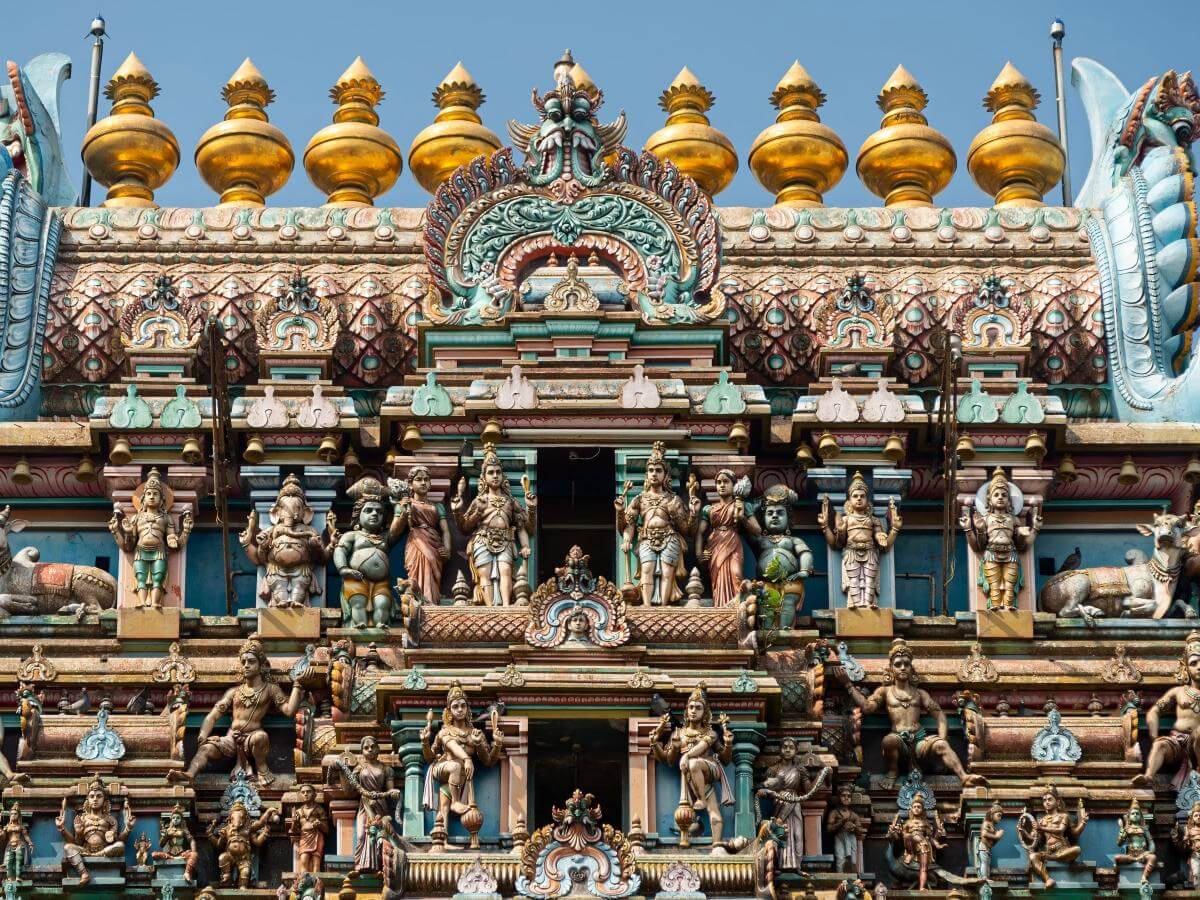
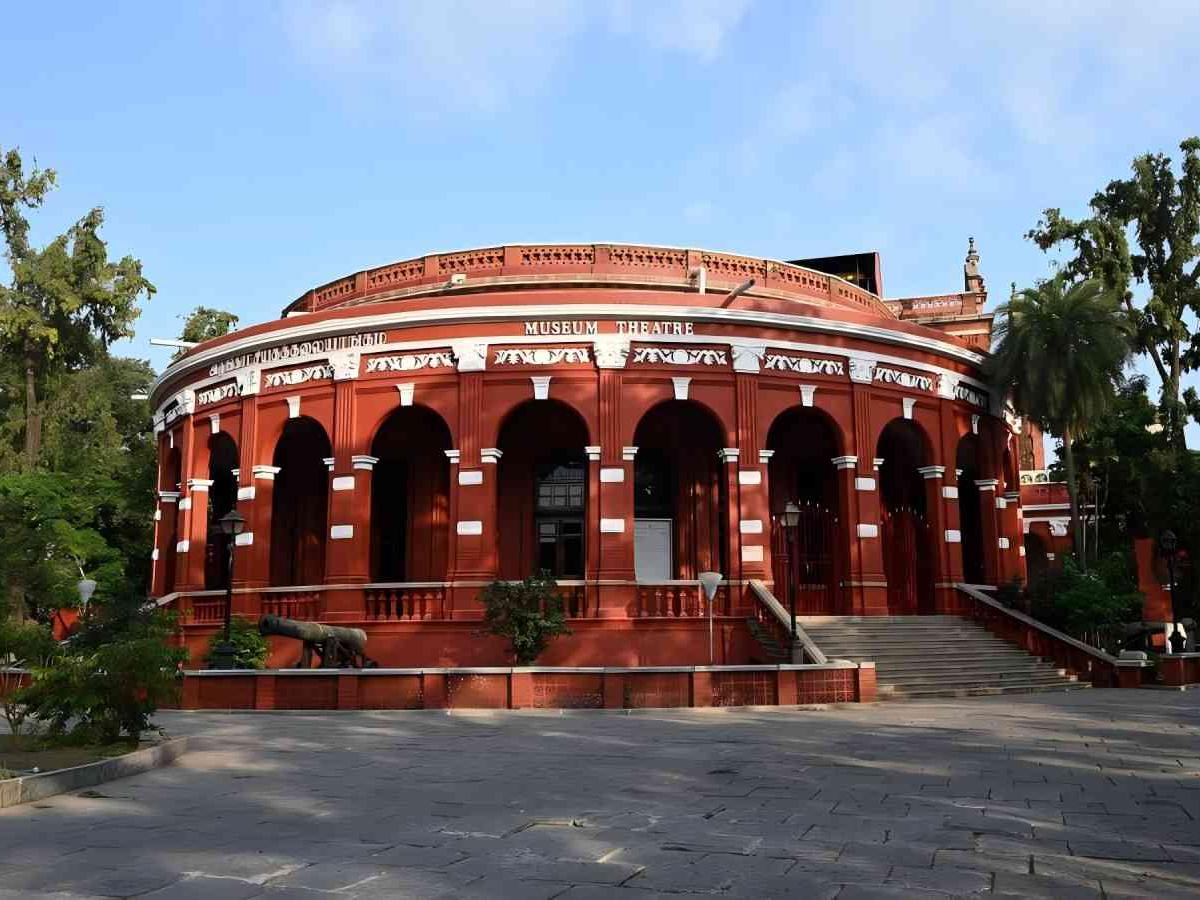
Chennai, a city located on the southeast coast of India, is full of rich South Indian flavor. It has a bustling urban scene, there is also a quiet beach scenery, but among the many attractions, the Kaparisvara Temple is like a bright pearl, exudes a unique and fascinating charm, so people often say that touring Chennai is equal to a waste of time if you do not enter the Kapariswara Temple.
Advertisement
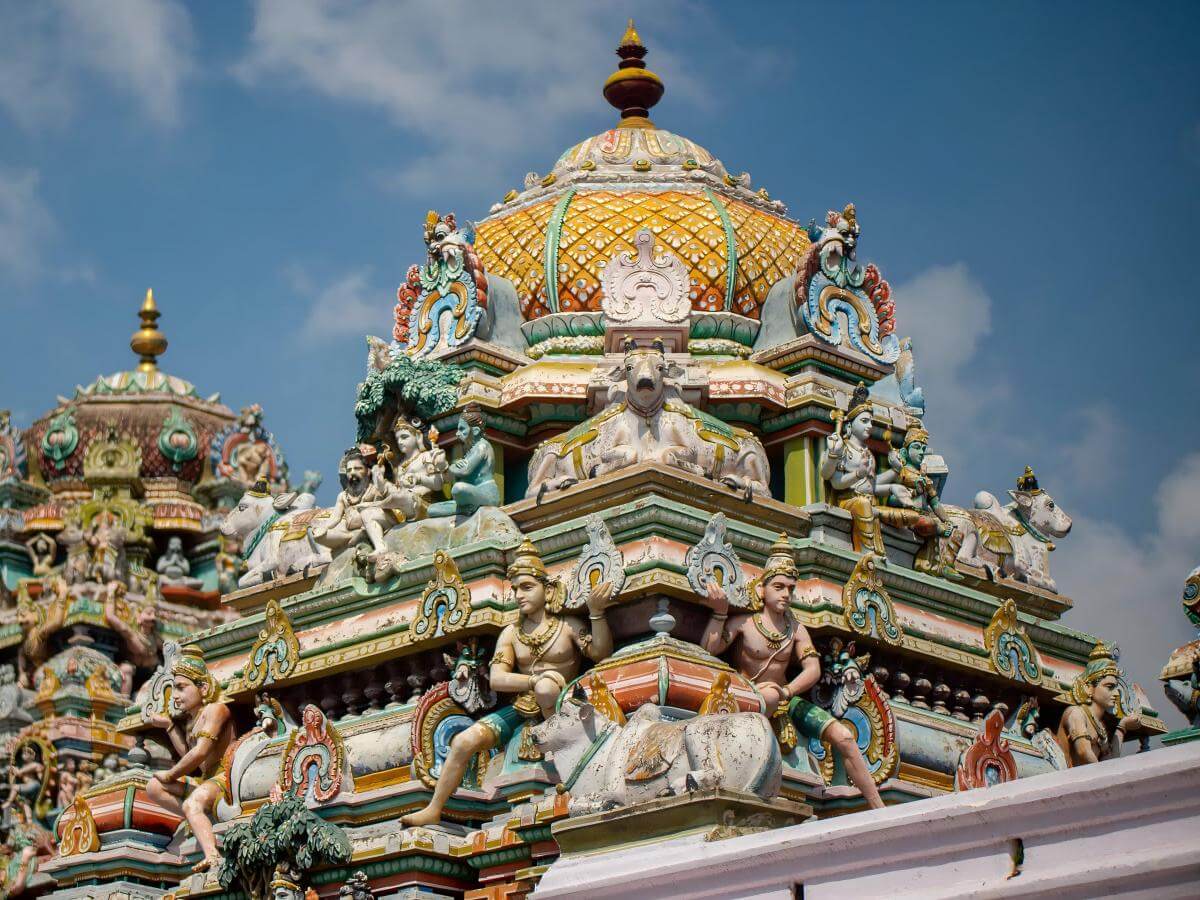
The architectural style of the Kaparisvara Temple is typical of the Dharavitra style, which is famous for its exquisite carvings and magnificent tower gates. When you look at it from a distance, the first thing that catches your eye is the towering gateway, also known as the 'Gopuram'. This gatehouse is 37 meters high and is densely carved with thousands of statues of gods, mythological figures and various animal and plant motifs. Each statue is so lifelike that it seems to tell an ancient Indian mythological story. These carvings are exquisite craftsmanship, smooth lines, from the character's expression to the texture of the dress, are carved in meticulous detail, so people can not help but for the ancient Indian craftsmen's superior skills impressed.
Advertisement
Inside the temple, there is a different kind of heaven. The roof of the main temple is supported by huge stone pillars, which are also beautifully carved. Inside the temple is the idol of Lord Shiva, which is surrounded by magnificent jewels and flowers, giving it a solemn and glittering appearance. In the courtyard of the temple, there are many smaller shrines and pavilions that echo the main temple, forming a harmonious and spectacular complex. Strolling through the temple is like being in a temple of art, with every corner bringing you visual surprise and shock.
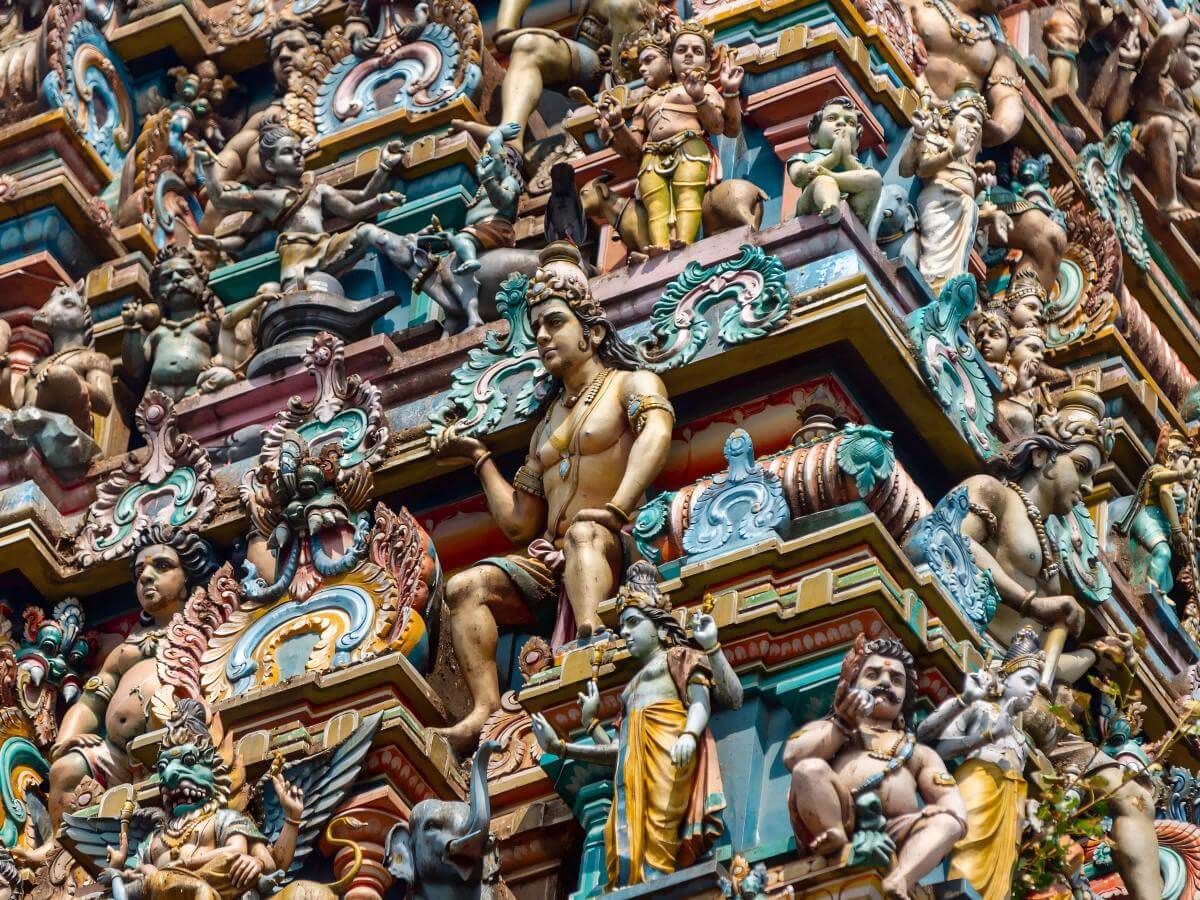
For Hindus, the Kapariswara Temple is an extremely important religious shrine. It was built to honor Lord Shiva, who is regarded in Hinduism as the god of destruction as well as the god of creation and rebirth, with supreme status. Every day, a large number of devotees come from all directions to perform pilgrimages, prayers and rituals in the temple with devotion.
Advertisement
In the temple, you can see the devotees walking slowly towards the idol in a long queue, holding offerings such as flowers, incense and candles. They join hands and pray in front of the idol, silently telling their heart's desire to the deity. The whole temple is filled with a rich religious atmosphere, with smoke curling up and chanting. Here, you can deeply feel the profound influence of religious beliefs on people's lives, as well as the profoundness of Hindu culture. Even if you are not a Hindu, you can be infected by this pious atmosphere and be in awe of the power of religious faith.
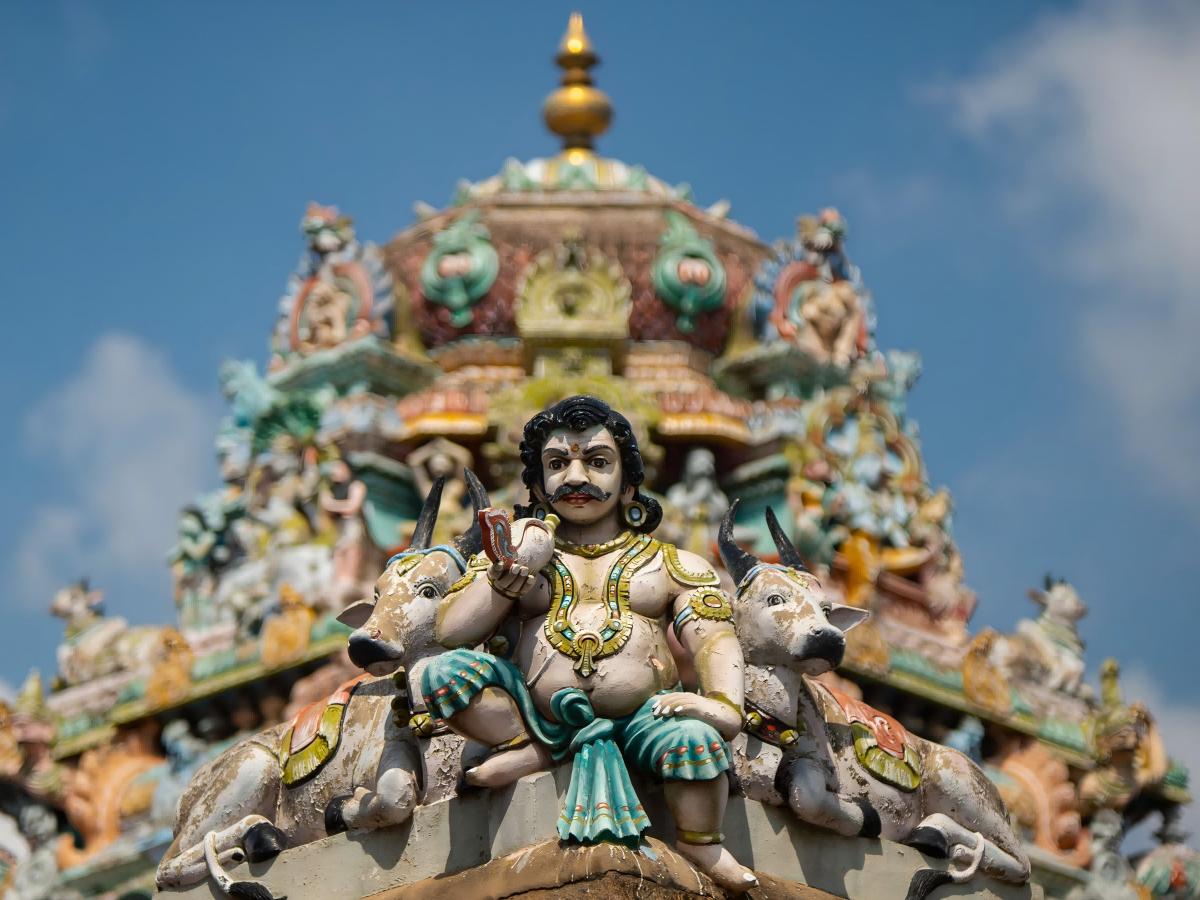
The history of the Kaparisvara temple dates back to the 7th century AD, and has seen the rise and fall of many dynasties. Over the years, it has not only witnessed the development of India's history, but also carried the beliefs and memories of countless people. The temple has been damaged by wars and natural disasters, but each time it has been repaired and rebuilt with the efforts of devotees, and has always stood.
On the walls of the temple, there are many ancient inscriptions that record the history of the construction of the temple, information about the donors and the social customs of the time. By studying these inscriptions, historians have been able to learn about the political, economic and cultural aspects of ancient India. Thus, the Kaparisvara Temple is not only a religious building, but also a living history textbook, which shows people the long history and splendid culture of India.
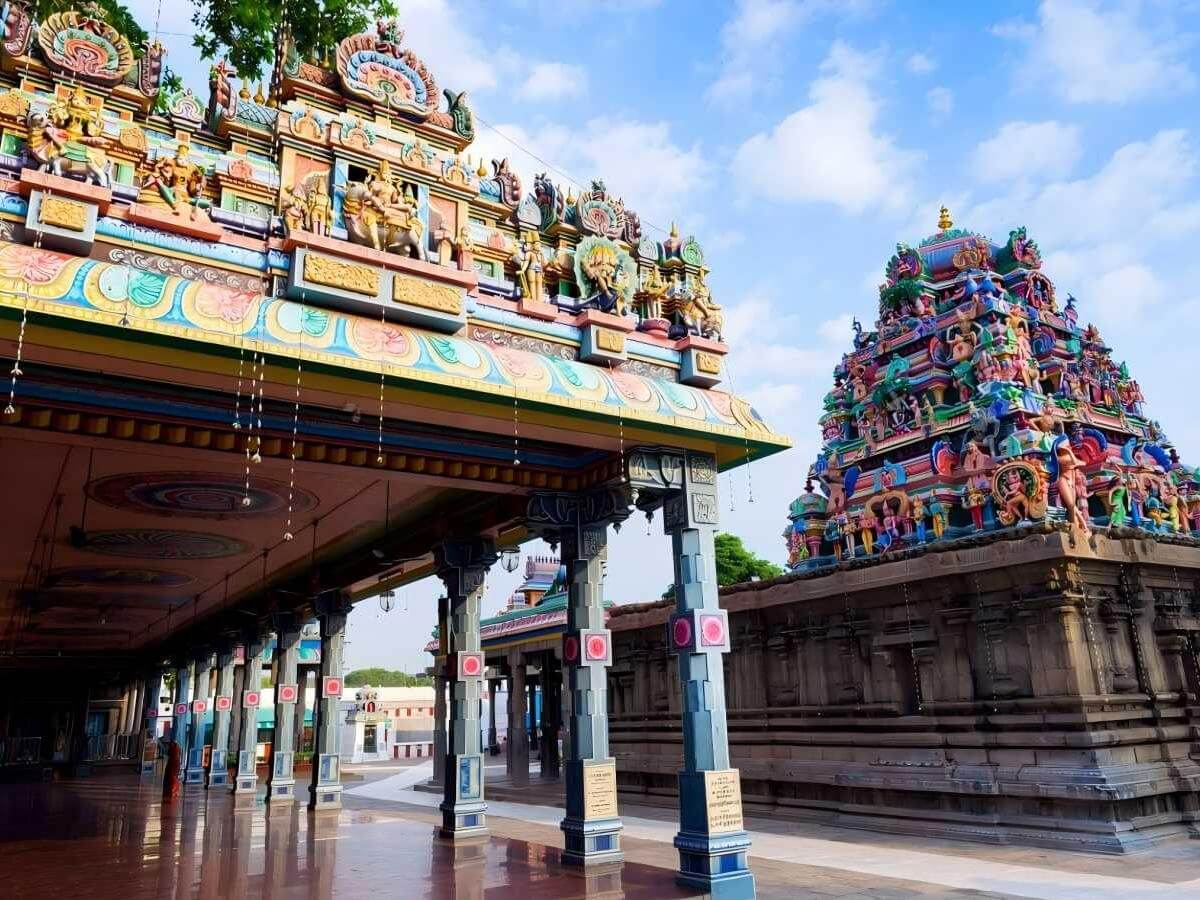
The area around the temple is also rich in culture. There are many traditional stores selling a variety of items related to Hinduism, such as idols, religious books, incense and candles. You can pick up some beautiful souvenirs here and take them home as a memento of this trip. There are also food stalls in the vicinity offering authentic South Indian cuisine. Savor the crispy dosa, aromatic samosas, and a steaming cup of Indian milk tea to immerse your taste buds in the flavors of South India as well.
During specific festivals, the area around the temple is even more lively. For example, during the Shiva festival, a grand celebration is held. People dressed in costumes carry the idol of Lord Shiva in a procession, accompanied by cheerful music and dance, and the entire street is immersed in a sea of joy. Tourists can participate in these activities to celebrate the festival with the locals and experience the unique charm of Indian culture.
With its unique architectural style, deep religious significance, long history and rich surrounding culture, the Kaparisvara Temple has become a must-visit place for travelers in Chennai. It is like a key that can unlock the door of traditional Indian culture and give tourists a deeper understanding of India's history, religion and social life. If you come to Chennai, you must not miss this temple, otherwise, you will miss a once-in-a-lifetime cultural journey and leave endless regrets. So, visiting Chennai without entering the Kapariswara Temple is really equal to a wasted visit.