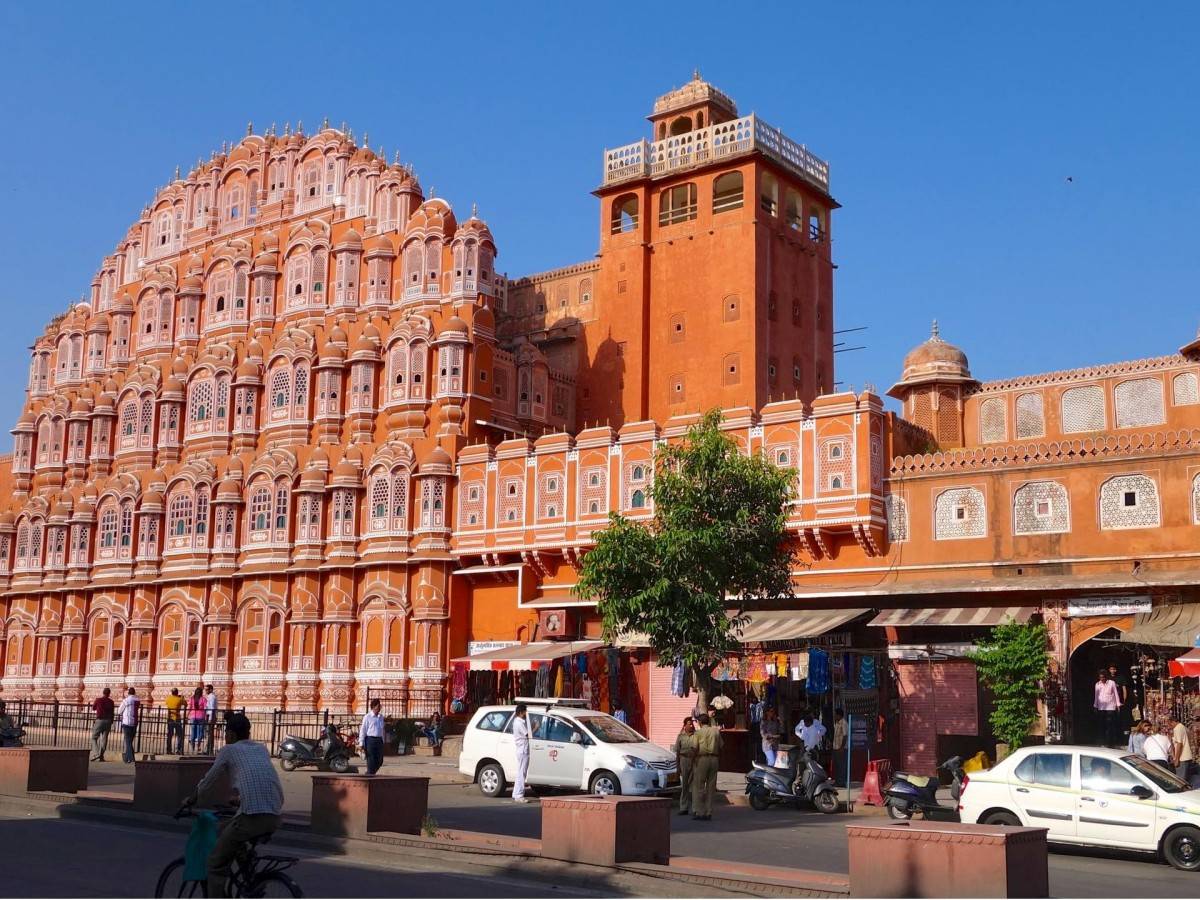
If you go to Jaipur and haven't been to the Hawa Mahal, it's like going to Paris without seeing the Eiffel Tower, it always feels like something is missing. This pink palace is one of the most iconic buildings in Jaipur. It is neither a royal palace where a king lives nor a mausoleum of some great ruler, but a design full of ingenuity, built especially for the women in the palace. From a distance, it looks like a huge wall of windows and a finely crafted work of art. If you enjoy exploring history, admiring unique architecture, or simply want to take some beautiful pictures of India, the Palace of Winds is a place you'll want to visit.
Advertisement
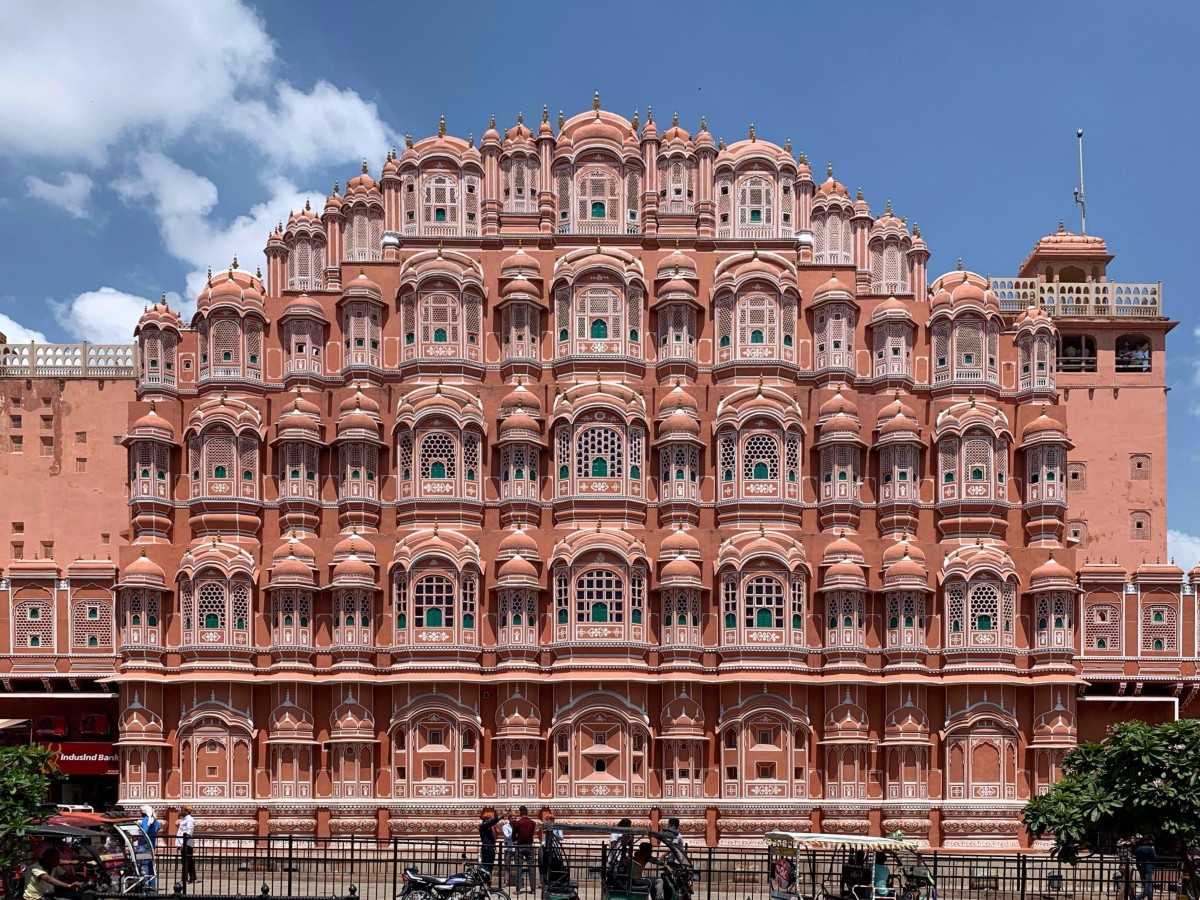
The history of the Palace of Winds dates back to 1799 and was ordered by the then ruler of Jaipur, Sawai Pratap Singh. He was heavily influenced by the urban design of Jaipur, and he was inspired by another famous Indian building, the Panch Mahal style of architecture in Kashmir.
Advertisement
However, the Palace of Winds was not used by the king for his office or residence, but was built exclusively for the women of the royal family. According to the strict Purdah system of the time, the women of the court were not allowed to show their faces in public, so the scope of their daily activities was very restricted. But at the same time, they wanted to see the outside world, especially during those lively festivals and processions in Jaipur. So the palace was an ingenious solution - the women of the palace could stand behind countless small windows and watch the hustle and bustle of the streets without being seen. This design ensured their privacy, but also allowed them to feel the outside world, a unique experience of “watching through a screen”.
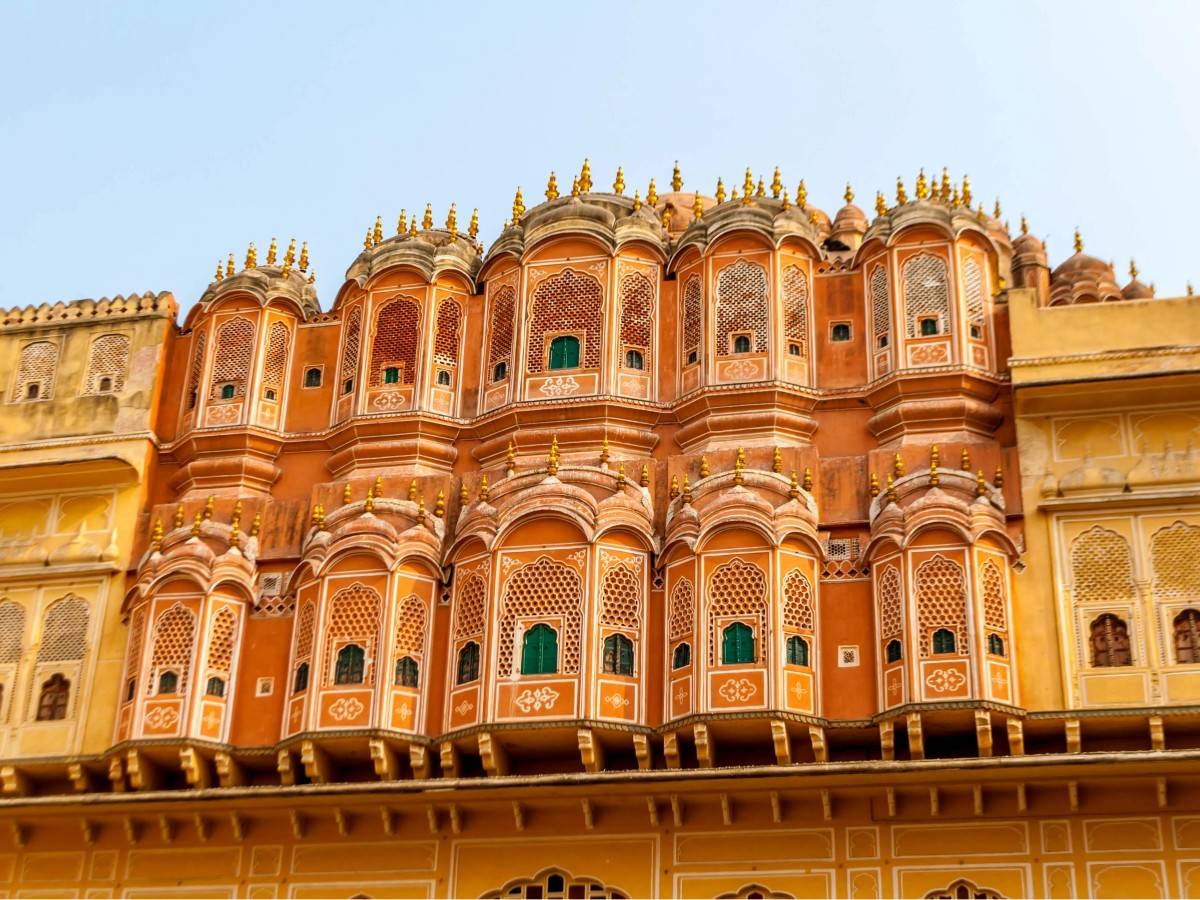
If you stand in front of the Palace of the Winds, your first thought might be: isn't there something missing from this building? Yes, there is no main entrance to the Palace of the Winds, and the only way to enter is from inside the City Palace. The entire palace is five stories high and looks like a large openwork curtain with 953 small windows, each with a different design, some resembling a beehive, others like flower petals, and each with extremely detailed carvings on the window frames.
Advertisement
But these windows are not just for decoration, they are the real “soul” of the Palace of the Winds. Due to the special Venturi effect design of the palace, even in the hot summer, the wind can pass through these small windows smoothly, so that the whole building remains ventilated and cool. This is the origin of the name “Palace of Winds” - standing inside, you can clearly feel the breeze blowing in from all directions, making people feel extremely comfortable, even in the hot Indian summer, this place is much cooler than outside.
The color of the palace is also a highlight. It is made of Jaipur's famous pink sandstone, which, like the rest of the buildings in the city, takes on a warm, soft pink hue that reveals a dreamy effect of light and shadow, especially in the early morning or late afternoon sun. This is why it has become one of the most popular landmarks for tourists to take photos.
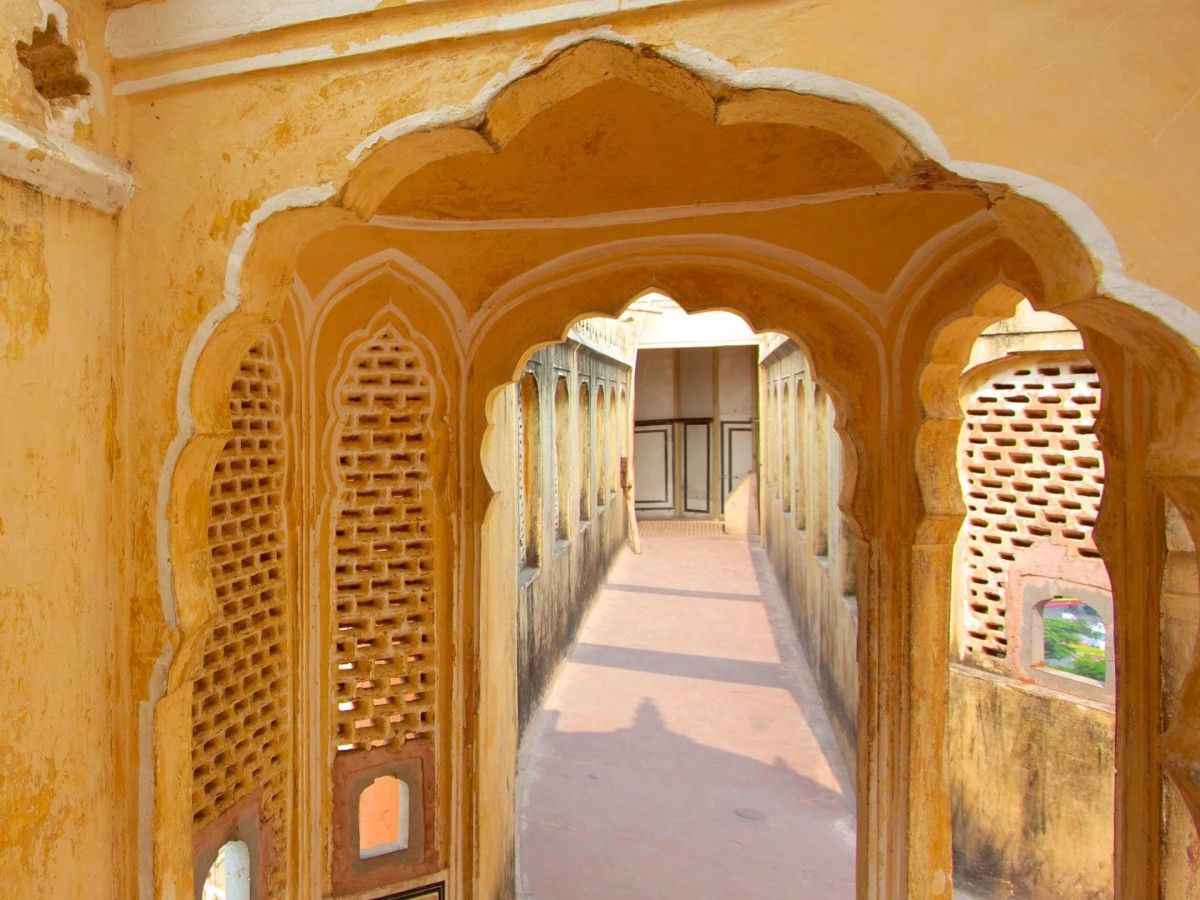
Although the Palace of the Winds looks like a wall of windows, you can actually step inside and experience its unique spatial design. Inside, the corridors are narrow and the staircases are steep, which is quite unlike other opulent Indian palaces. There are no intricate decorations or huge halls, but more like a “secret space” hidden in the palace.
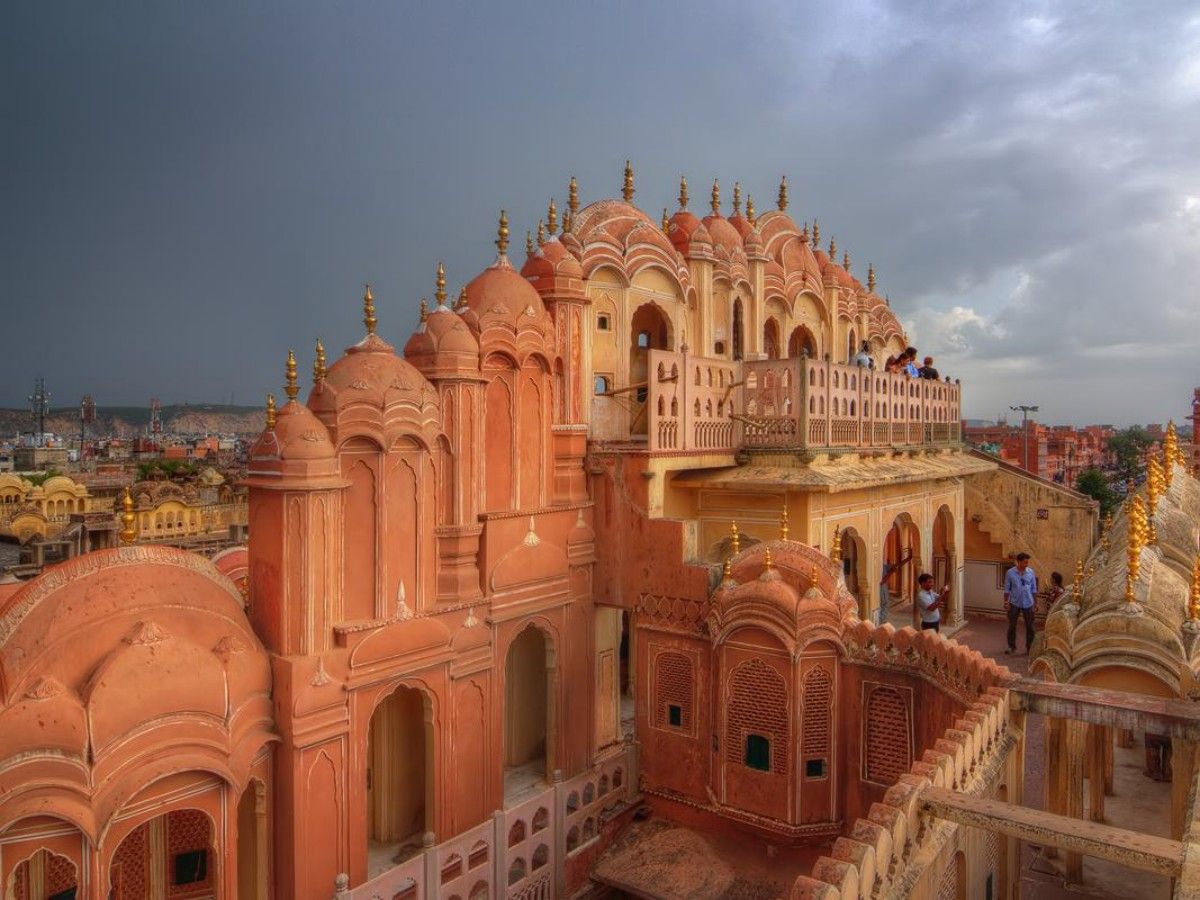
Standing on the highest floor of the palace, you can look down on the entire old city of Jaipur and see a patchwork of pastel-colored buildings, street vendors, temple minarets, and even the hills in the distance. If you're lucky enough to be there just in time for a festival, such as Diwali, you'll also get to see the entire city lit up in lights, and the view is breathtaking.
Interestingly, while the Palace of the Winds looks like it's five stories tall from the outside, it doesn't actually have a full floor structure on the inside like a normal building. Many parts of it just have a few symbolic steps and no real rooms. This design further suggests that it was not intended for long-term residence, but rather a place for royal women to stop by briefly and watch the street scene.
The Palace of the Winds is open to tourists, and admission prices are relatively affordable. If you are a foreign tourist, the entrance fee is around Rs 200-300, while it is only around Rs 50 for Indian locals. It is advisable to buy a Composite Ticket so that you can not only visit the Palace of Winds, but also go to the City Palace and Jantar Mantar Observatory next to it, which is a better deal.
The best time to visit is early morning or late afternoon. Early morning sunlight hits the pink walls with soft light and shadows, making it perfect for photos, while in the evening you can stand high above the palace and watch the sun slowly set over the silhouette of Jaipur's city, which is a unique experience. If you come in the middle of the day, be prepared - there's not much shade here, and it's really hot when the sun is directly overhead.
Light shoes are recommended for entering the interior of the palace, as the stairs are steep and narrow, and you may have to climb a little bit in some places. If you are interested in history, you can hire a guide who will explain more about the story of the Palace of the Winds, such as which windows had a special purpose, which carvings hide Hindu mythological allegories and so on.
The Palace of the Winds is more than just a historical building, it is a symbol of the city of Jaipur, a testament to the life of the Indian royal family, and a palace that truly “breathes”. It is a palace that truly 'breathes'. It has a beautiful architectural design and a unique cultural background that makes you want to know more and see more. Whether you're a history buff or simply a traveler who likes to take pictures, the Palace of the Winds is a place that will leave a lasting impression on you. When the breeze passes through those small windows and gently brushes your cheeks, you will understand that the charm of this palace lies not only in its pink facade, but also in the stories hidden in the wind.