Advertisement
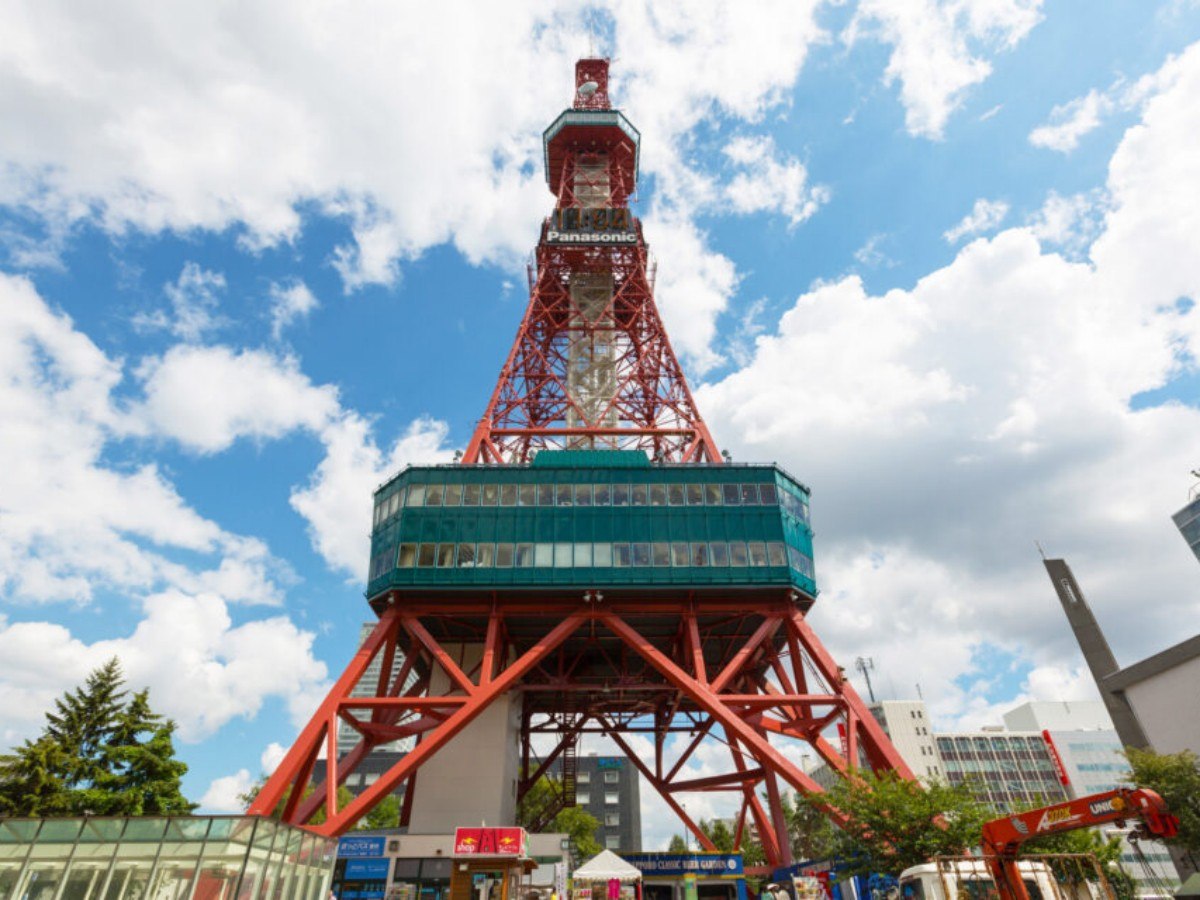
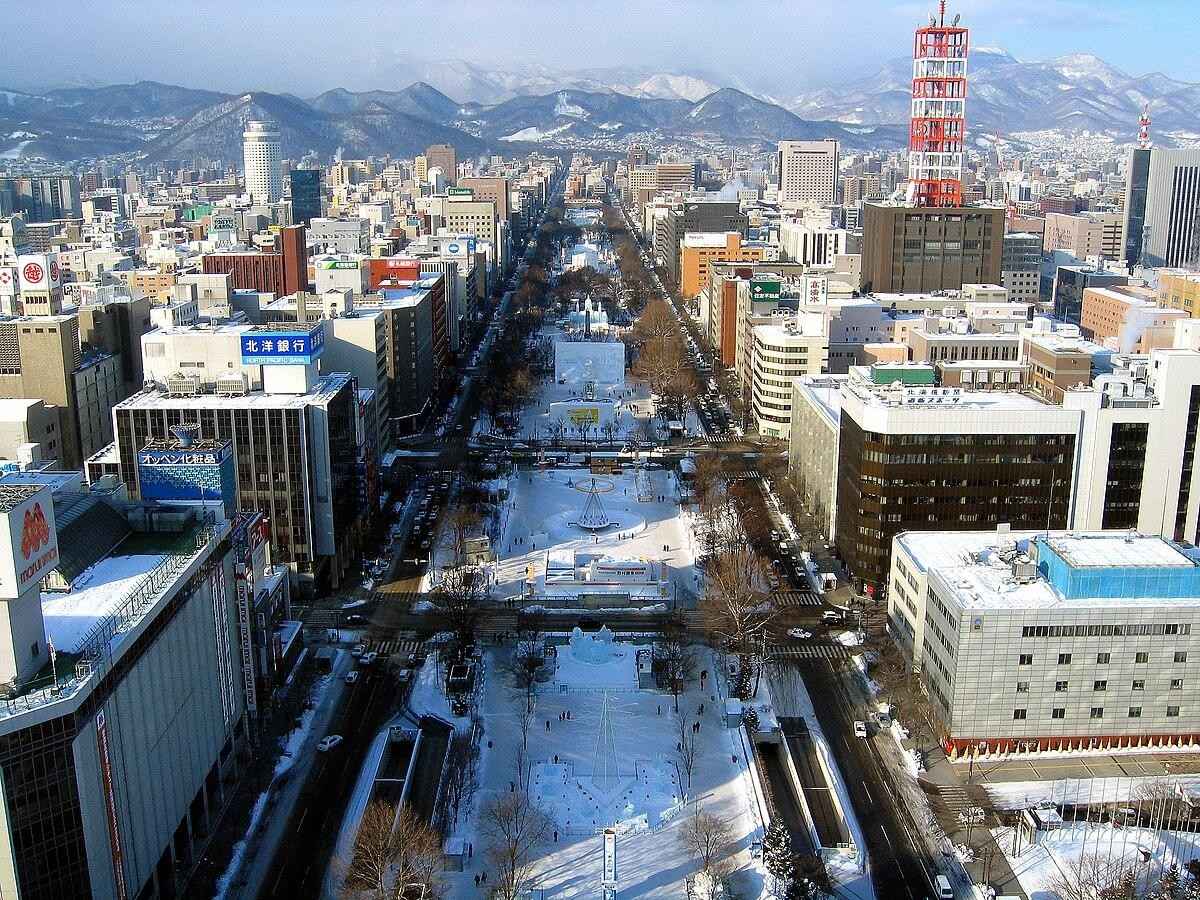
In the center of Sapporo, a 1.5-kilometer green ribbon runs across the city from north to south, gently separating the commercial district with high-rise buildings from the hustle and bustle of the underground streets - this is Odori Park. There is no Zen here like the Kyoto courtyard, but it is famous for its "unconventional" mixed aesthetics: the pink and white petals of the cherry blossom season fall on the Genghis Khan barbecue pot, the neon lights of the Sapporo TV Tower are reflected in the foam of the beer square, and the ice sculptures of the winter snow festival are next to the citizens' grilled corn stalls. This seemingly incongruous collision hides the life philosophy of Hokkaido people: they do not pursue "perfect matching", but only care about "happiness in the present moment".
Advertisement
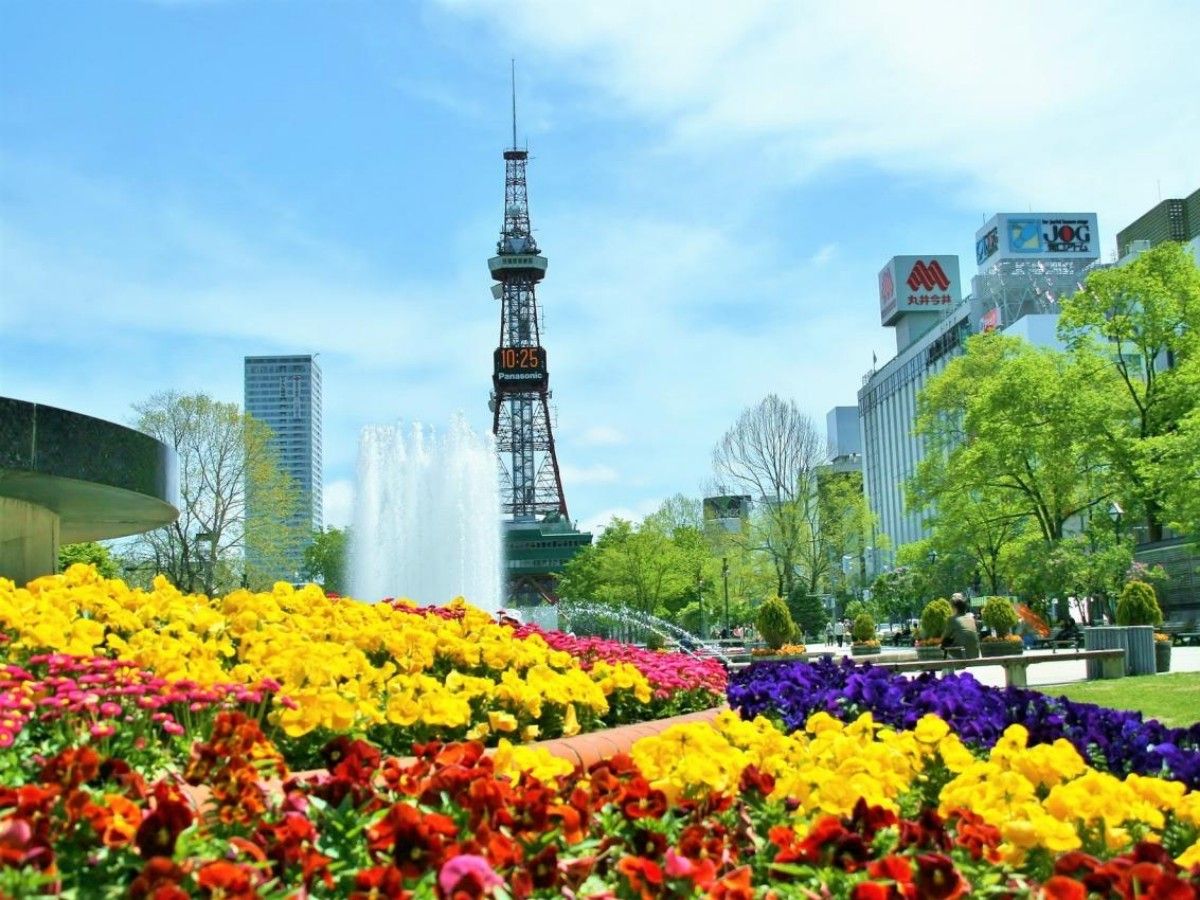
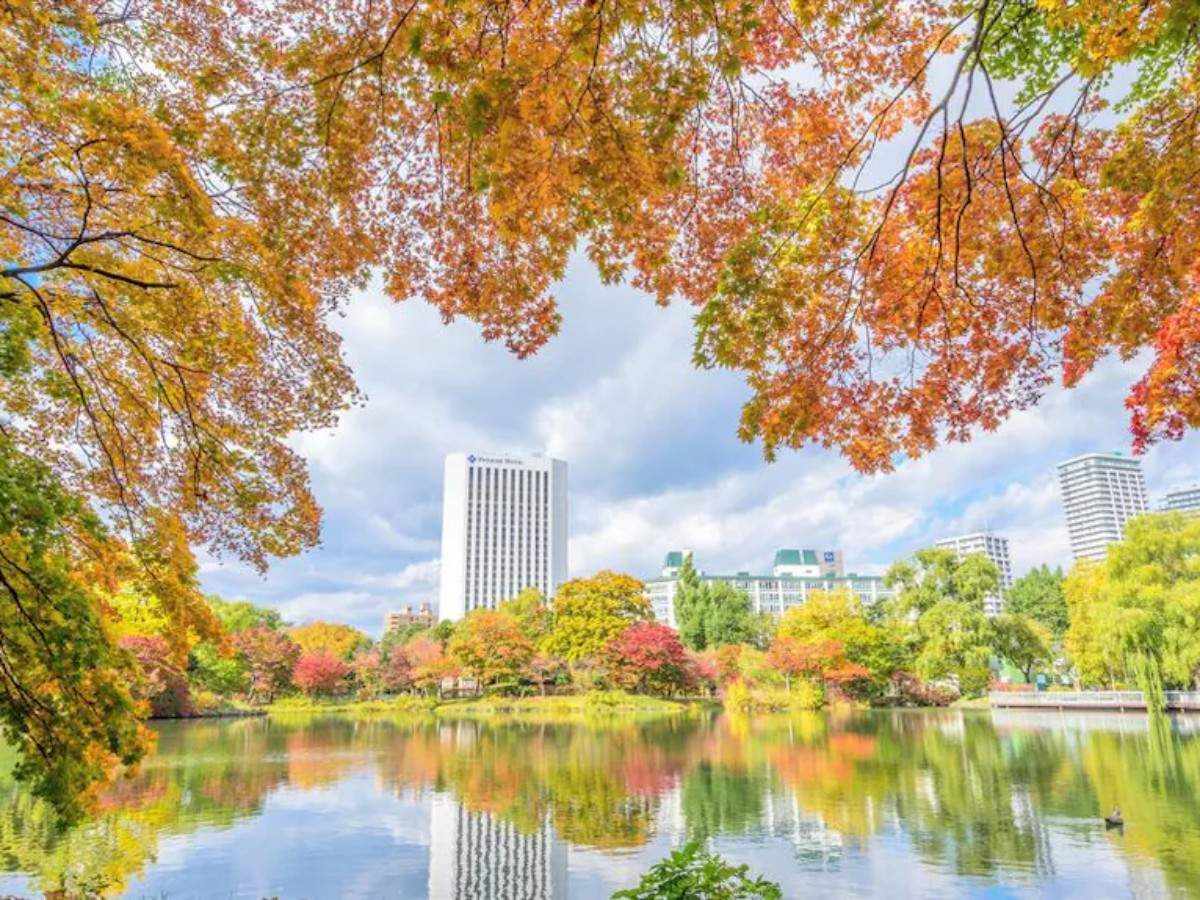
The birth of Odori Park is inherently "rebellious". In 1871, Sapporo's first urban planners designed this place as a commercial street, but it was repeatedly flooded due to low terrain and poor drainage. At the end of the 19th century, citizens simply demolished shops and planted 4,700 trees to transform this "problem area" into a strip park. Today, 92 kinds of flowers in the park appear in turn according to the season: lilacs spread a purple carpet in May, roses and lavenders compete for beauty in July, maple leaves dye the fountain pool red in October, and the most anticipated is the cherry blossom season from late April to early May.
Advertisement
Unlike other cherry blossom viewing spots, the cherry trees in Odori Park are not arranged neatly, but scattered among the grass, sculptures and fountains. Under the Sapporo TV Tower in Nishi 1-chome, several Somei Yoshino cherry trees form a dialogue of "softness and hardness" with the century-old pine trees; next to the children's playground in Higashi 8-chome, the double-petaled flowers of the Kwanzan cherry trees bend the branches, forming a natural "cherry swing". This "unintentional" layout makes cherry blossom viewing like opening a blind box - every tree flower you encounter at the corner brings a surprise.
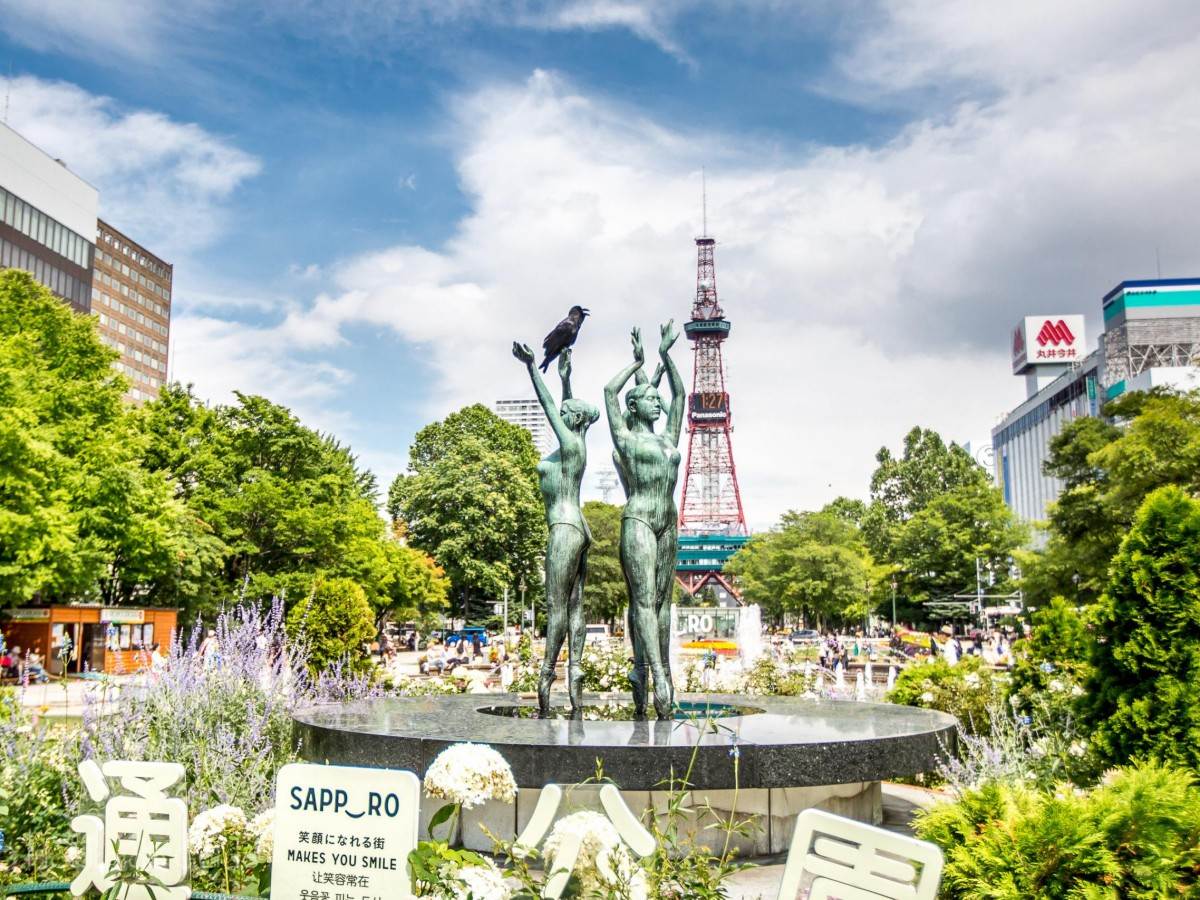
If you want to experience the ultimate mix of "eating barbecue under the cherry trees", you need to master three elements: time, equipment and food map.
Advertisement
1. Golden time: "Peak-shifting aesthetics" to avoid crowds
Although Odori Park is open 24 hours a day, the early morning and dusk of the cherry blossom season are the "secret moments". At 7 o'clock in the morning, the park has just woken up from the morning mist, and dewdrops are still hanging on the petals. At this time, you can occupy the cherry blossom bench in Nishi-San-chome and start your picnic with the takeaway set meal of the "Snow Dragon" barbecue restaurant. The set meal includes lamb shoulder, sansho buds and cherry pickled radish, with Hokkaido milk ice cream as dessert - the taste of hot and cold interweaving is just like the temperament of Hokkaido in spring.
After 5 o'clock in the evening, the park shows another charm. The Sapporo TV Tower lights up orange and yellow, and the cherry blossoms glow with a light pink halo in the twilight. At this time, you can go to the "Beer Square" area in Higashiroku-chome, set up a portable stove to grill "Furano Limited Lamb" (cherry leaves are mixed into the forage, and the meat has its own floral fragrance), and watch the sunset gild the clouds with an iced "Sapporo Classic Beer".
2. Picnic equipment: a collision experiment between tradition and modernity
Hokkaido people always hide a few "discordant items" in their picnic baskets. The must-have basic model is the Genghis Khan grill pan - this cast iron pot in the shape of a Mongolian soldier's helmet, which conducts heat evenly and has a sense of history; advanced players will bring "cherry blossom theme" tableware: a plate with salted cherry blossom leaves as the bottom, a glass with petal relief, and even a sake cup for dipping sauce. If you want to fully integrate into local life, you might as well imitate the "barbaric elegance" of the citizens: wrap the barbecue with newspapers, use beer cans as paperweights to hold down the picnic cloth, and stuff the garbage between the cherry blossom branches after eating (of course, it will eventually need to be thrown into the classified trash can).
3. Food Map: A Taste Tour from the Marketplace to the High-end
Marketplace Joy: "BBQ Takeaway" at Susukino Joy Street
Walk 10 minutes from Odori Park to Susukino District and enter the "Genghis Khan Daruma" main store. This old shop opened in 1956. The grill pan is a replica of a real Mongolian helmet. Lamb is divided into "lamb shoulder loin", "lamb neck" and "lamb tail fat" according to the parts. Order a "Sakura Picnic Set" (including barbecue, pickles and rice), the waiter will wrap it in kraft paper and stuff it with a bag of sansho salt - this is the wisdom of Hokkaido people to "bring restaurants into the park".
Exquisite choice: "Sakura Afternoon Tea" at Sapporo Grand Hotel
If you want to add a sense of ritual to your picnic, you can make an appointment for the hotel's "Sakura Afternoon Tea" in advance. Sakura Mont Blanc, salted sakura macarons and lamb mousse (you read that right!) are placed on the three-tier rack, paired with lavender tea or Hokkaido plum wine. The best part is the take-away service: the waiter will put the whole set of tea sets and snacks into a rattan box with cherry blossom patterns, so that you can enjoy the elegance of English afternoon tea in the park - this mix of "Oriental skin and Western internal organs" is the essence of Hokkaido's aesthetics.
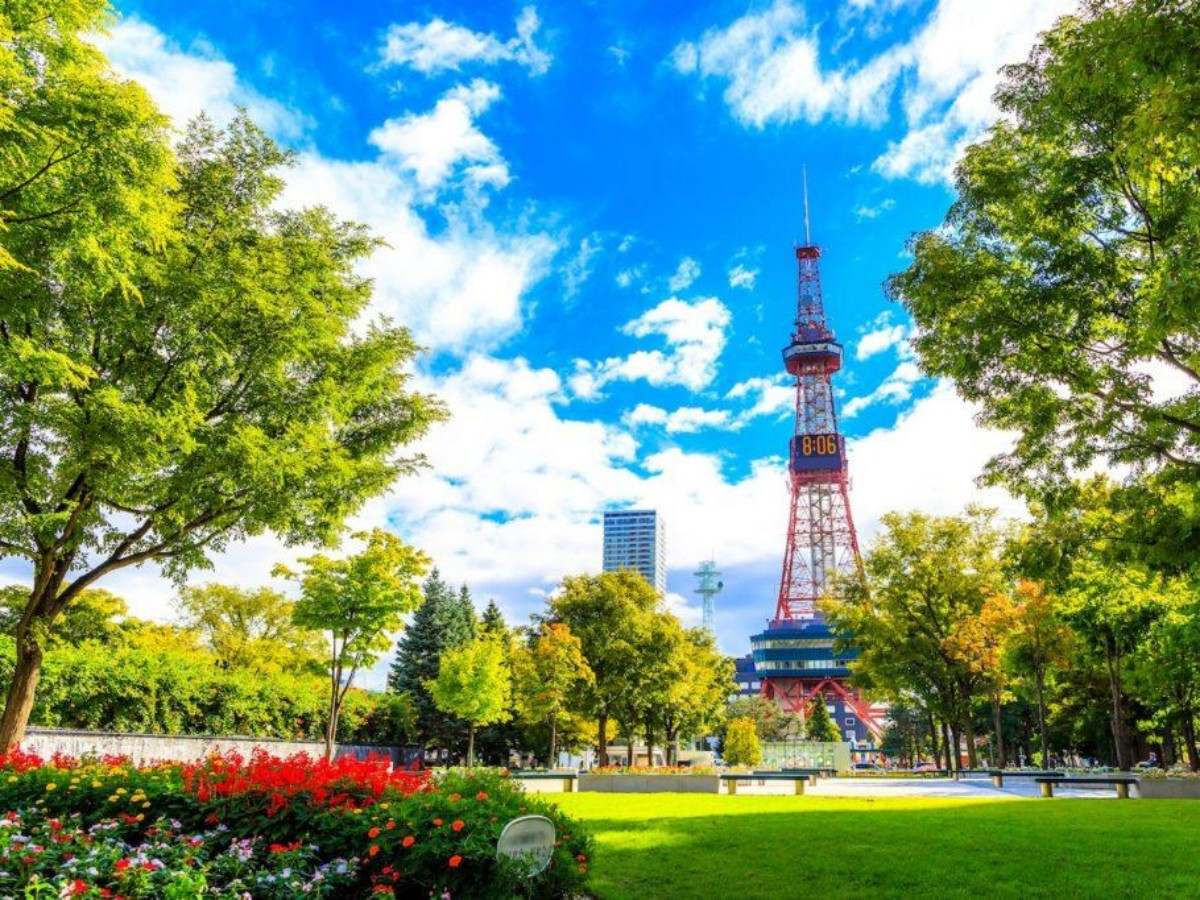
The charm of Odori Park lies in the fact that it is both an independent attraction and the starting point for exploring Hokkaido.
1. Cultural collision: Hokkaido Shrine and White Lover Park
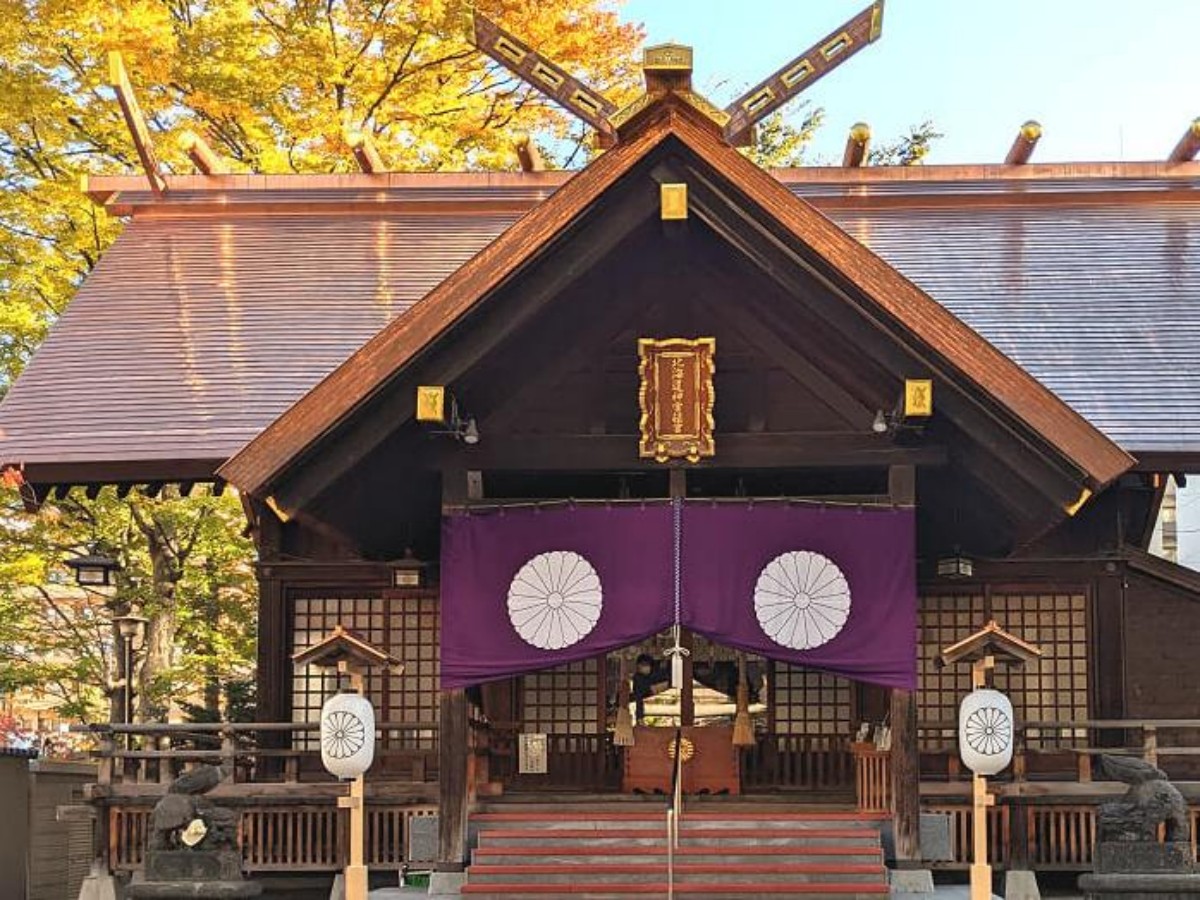
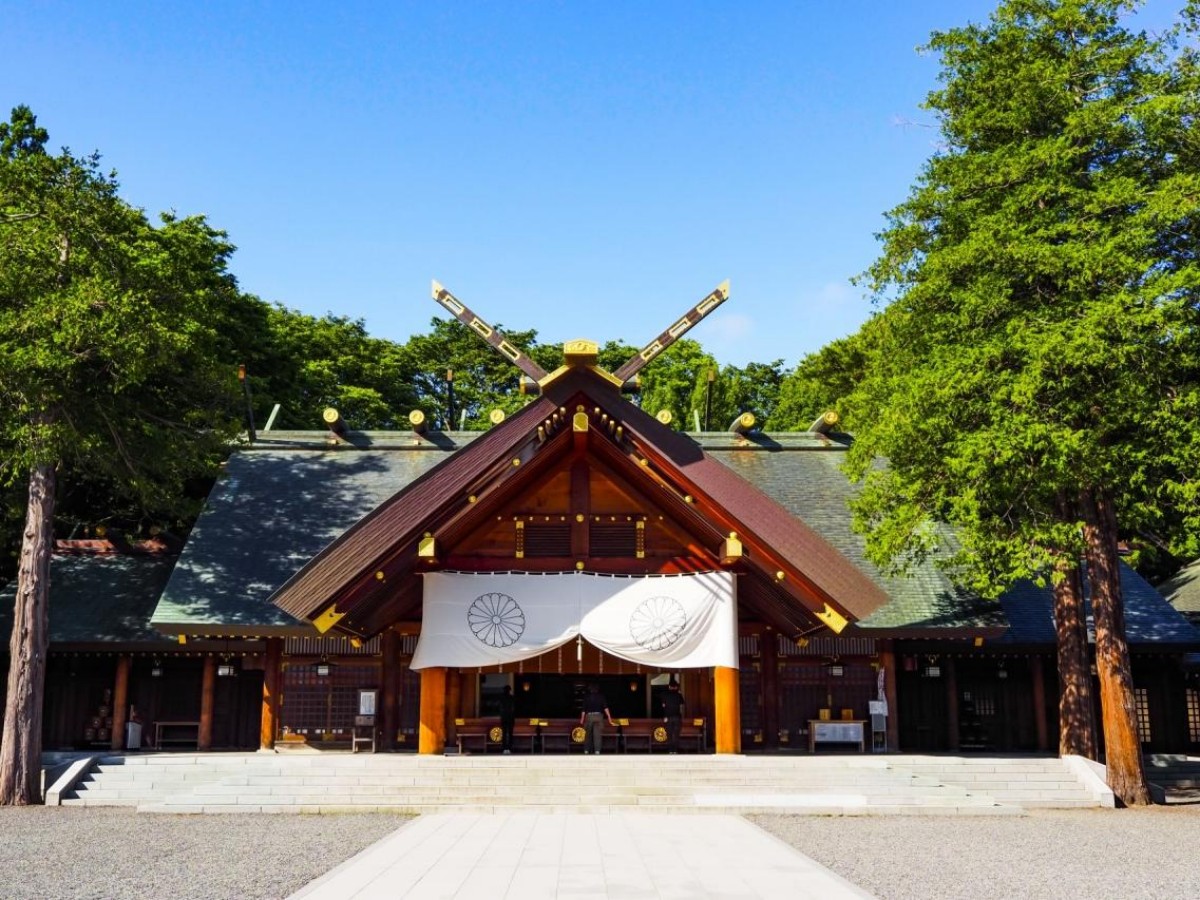
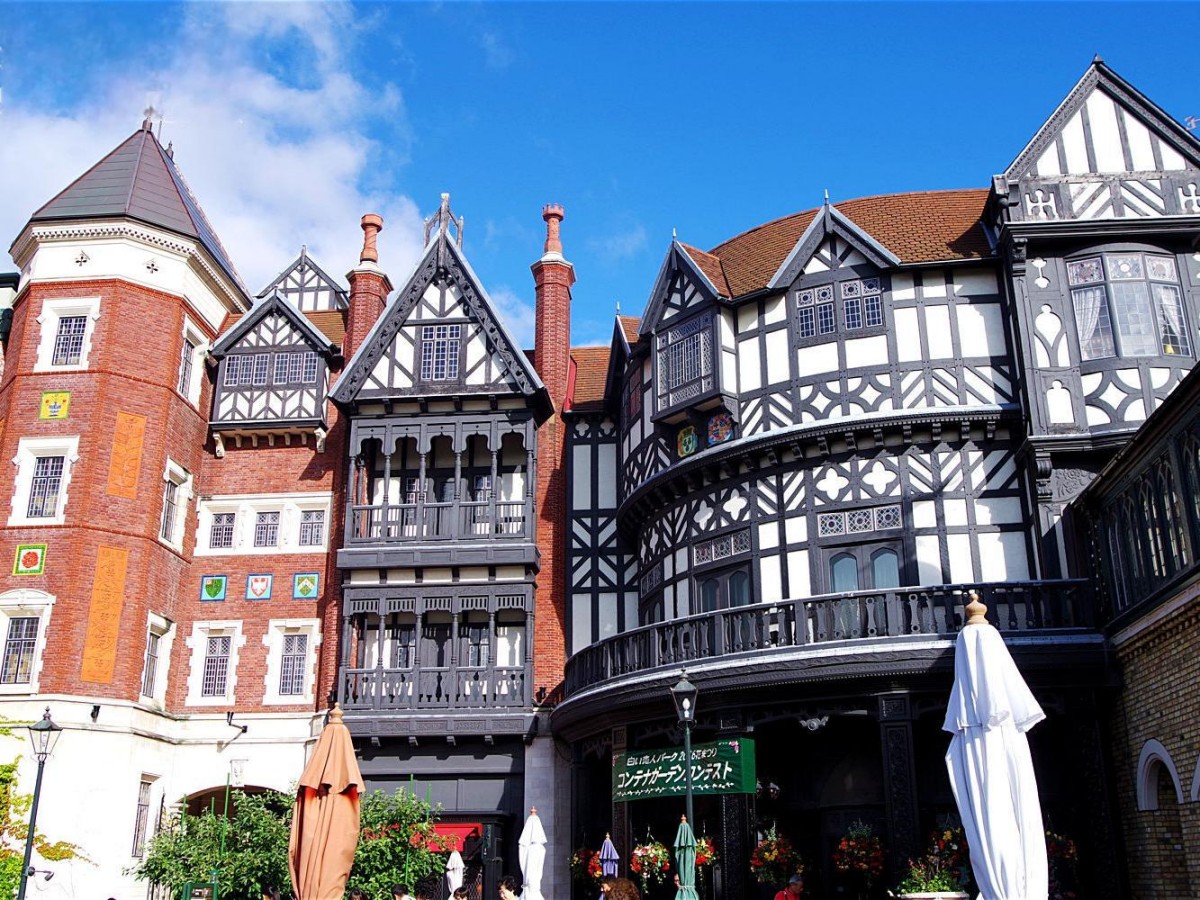
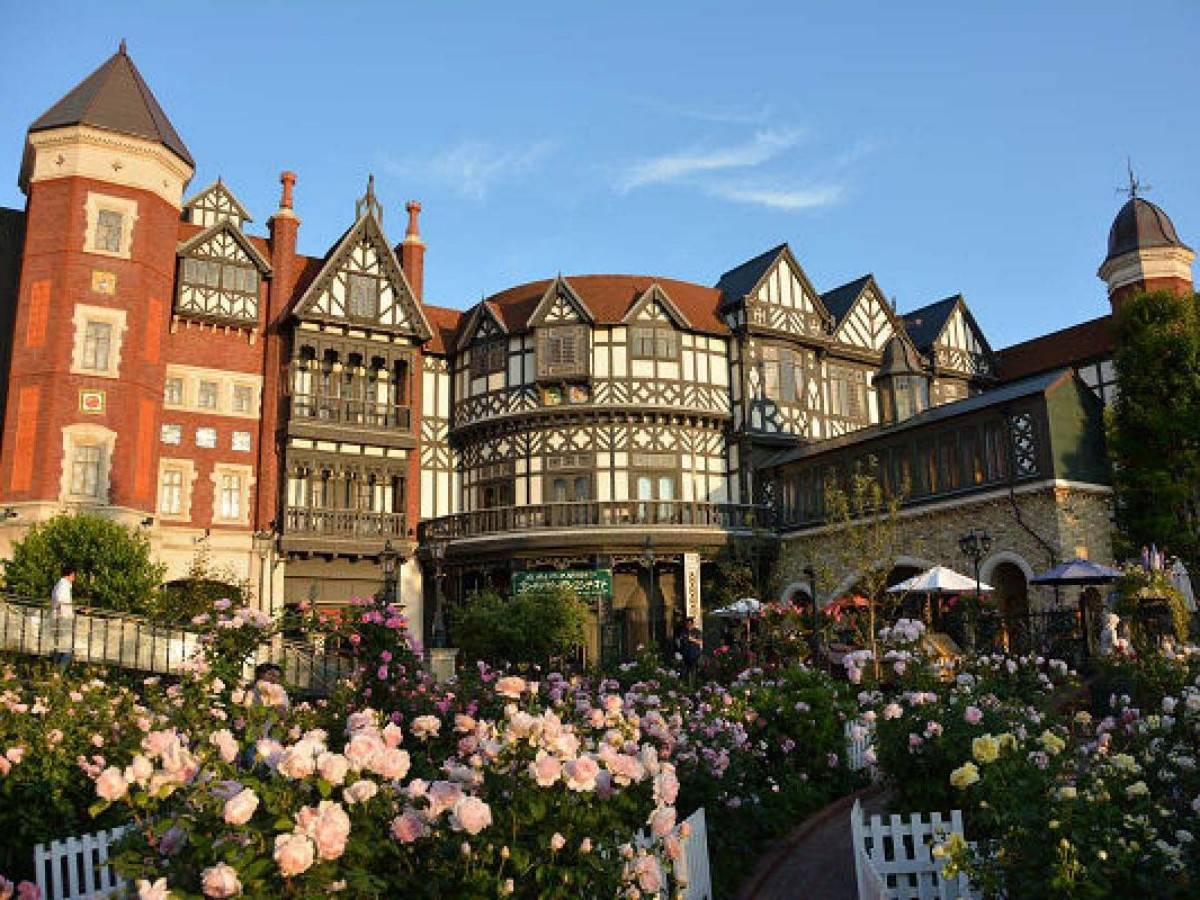
A 15-minute walk from the north side of the park to Hokkaido Shrine, this altar built in 1869 combines Shintoism and Ainu beliefs. After the worship, go to the "White Lover Park" in the opposite direction - this theme park transformed from a chocolate factory has both British Tudor architecture and traditional Hokkaido kilns. Order a "Sakura Sundae" (vanilla ice cream topped with sakura sauce and sprinkled with roasted goat milk powder) at the chocolate bar on the 4th floor, and watch the cherry blossoms and red brick walls outside the window, as if you are at the intersection of fairy tales and reality.
2. Natural contrast: Mt. Moiwa and Hitsujigaoka Observatory
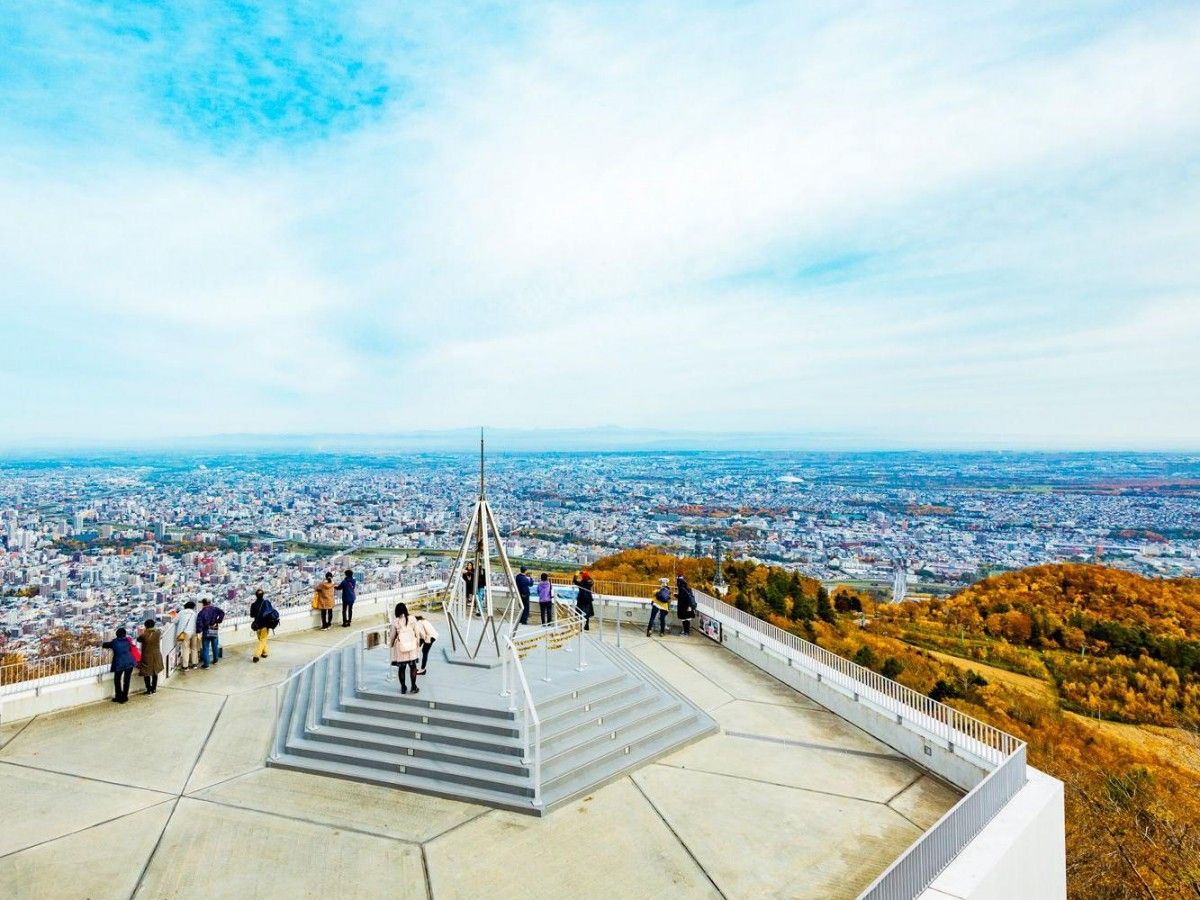
If you want to escape the city, you can take the subway to Maruyama Park Station and transfer to the cable car to climb Mt. Moiwa, which is 531 meters above sea level. The "Hokkaido Sky Village" on the top of the mountain offers two extreme experiences: deep breathing of negative ions on the "Forest Bathing Trail" or using a telescope to look for the Milky Way at the "Starry Sky Observatory" - this jump from "sakura to the starry sky" is just like the dual personality of Hokkaido people who "can both graze roughly and appreciate cherry blossoms delicately".
If you prefer cultural landscapes, you can take a taxi for 20 minutes to Hitsujigaoka Observatory. This pasture, which was reclaimed in 1906, is now a "pastoral postcard" of Sapporo. Standing under the bronze statue of Dr. Clark (with "Boys be ambitious" engraved on the base), watching sheep grazing under the cherry trees, and in the distance the wheat waves of the Ishikari Plain and the city skyline - this "dialogue between agricultural civilization and industrial civilization" is the epitome of Hokkaido's history.
When the sunset dyes the Sapporo TV Tower orange, the aroma of barbecue wafts under the cherry trees in Odori Park, girls in yukata run by with ice cream, and office workers wearing headphones squat by the fountain to feed pigeons - at this moment, you will suddenly understand the "willfulness" of Hokkaido people: they don't worry about whether cherry blossoms and lamb are "matched", they only care about whether the moment when the petals fall on the baking tray is beautiful; they don't pursue the "correct" way of traveling, they just enjoy setting up a grill in the park and sharing the joy of sansho salt with strangers. Perhaps this is the ultimate aesthetic of a Hokkaido-style picnic: it breaks the rules with a sense of disharmony, creates surprises with mix-and-match, and ultimately makes every participant an "imperfect but lively" artist of life. Next time when someone asks you "Is it strange to eat barbecue under the cherry trees?", you might as well answer with a smile: "In Hokkaido, even disharmony is romantic."