



Advertisement
Amidst the bustling streets of Osaka, a single turn reveals a glimpse into ancient Japan. Gone are the dazzling neon lights and crowded shopping malls, replaced by the solemn architecture of temples and the serene ambiance of Zen. Shitenno-ji Temple, founded by Prince Shotoku himself and weathering over a thousand years of history, is not only a witness to history but also the starting point of a journey of tranquility, reflection, and healing for the soul.
Advertisement
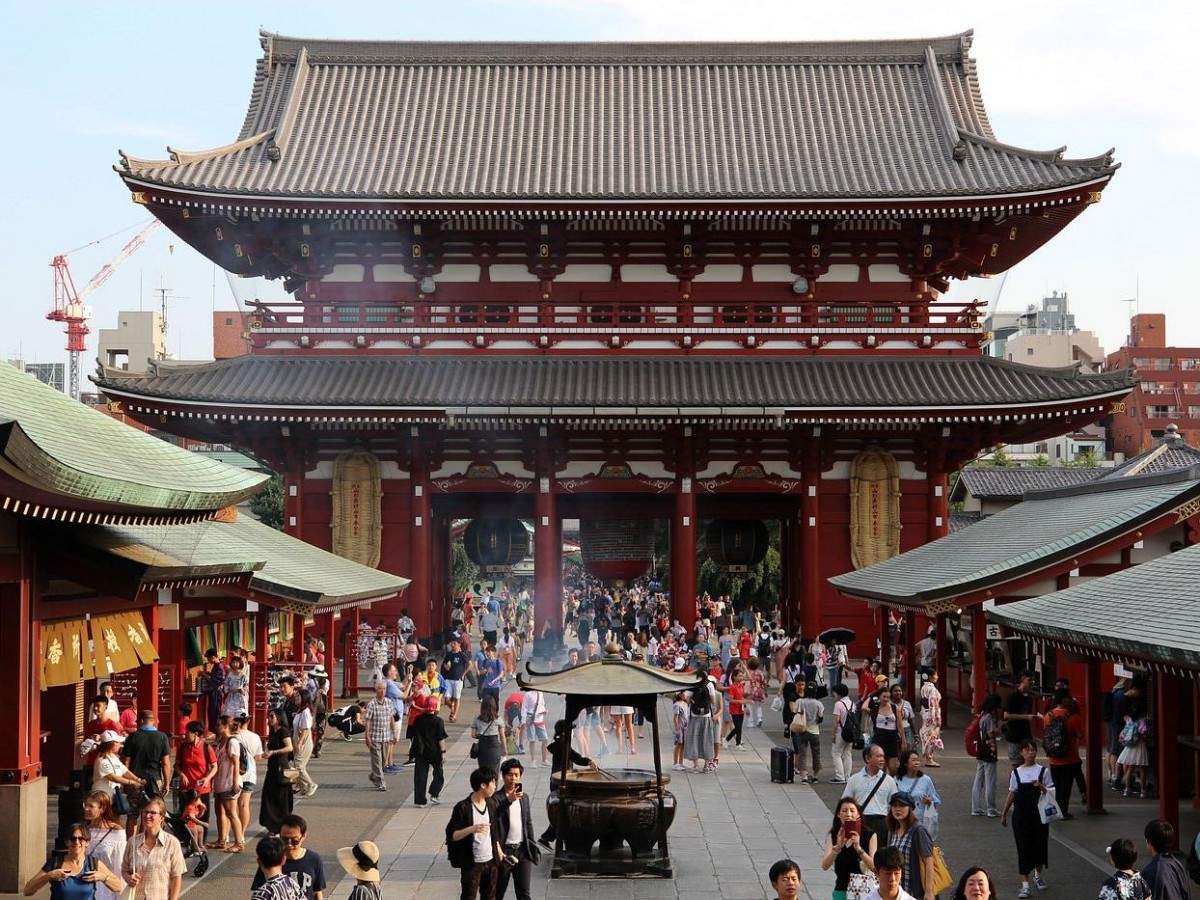
The history of Shitenno-ji Temple dates back to 593 AD, founded by Prince Shotoku, a highly influential statesman and Buddhist missionary in Japanese history. This temple is not only an important symbol of the development of Buddhism in Japan but also a symbol of the spirit of “harmony.” At the time, Prince Shōtoku hoped to use the compassionate ideals of Buddhism to pacify the war-torn society and establish a peaceful society, so he commissioned craftsmen to build Shitennō-ji Temple in the style of temples in China and the Korean Peninsula.
Advertisement
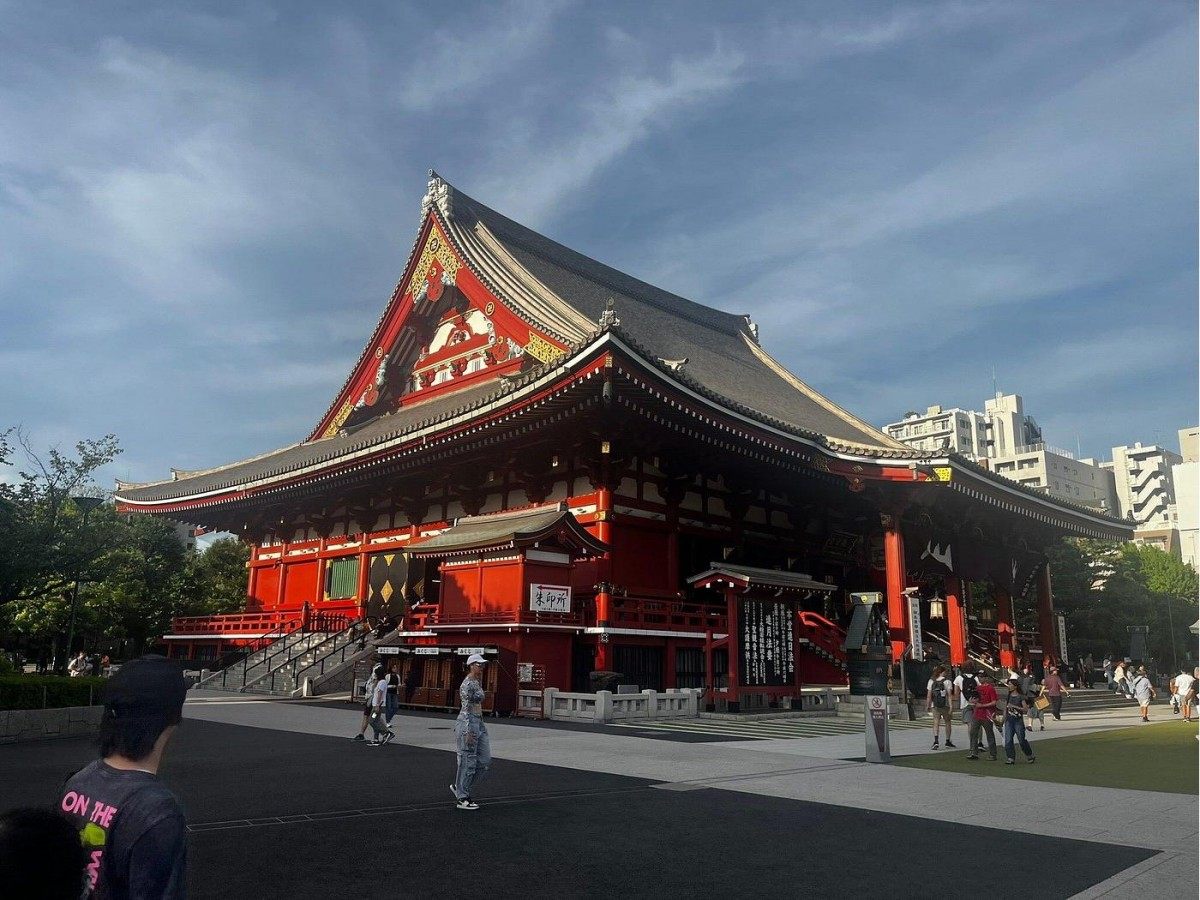
The temple's name derives from the Four Guardian Kings of Buddhism, symbolizing the protection of the nation and faith. Although it has been destroyed and rebuilt multiple times throughout history due to fires and wars, the current Shitennō-ji Temple retains its original layout, showcasing the architectural layout of early Japanese temples: the Central Gate, Five-Story Pagoda, Golden Hall, and Lecture Hall are arranged in sequence, with a linear layout reflecting the simple elegance of the “garland configuration.”
Shitenno-ji Temple is not merely a religious site; it is a living history book. On April 22, the anniversary of Prince Shōtoku's death, a grand “Shōryō-e” festival is held, featuring traditional performances and rituals that recreate the prince's former glory. This profound historical and cultural atmosphere is a rare source of tranquility in modern Osaka.
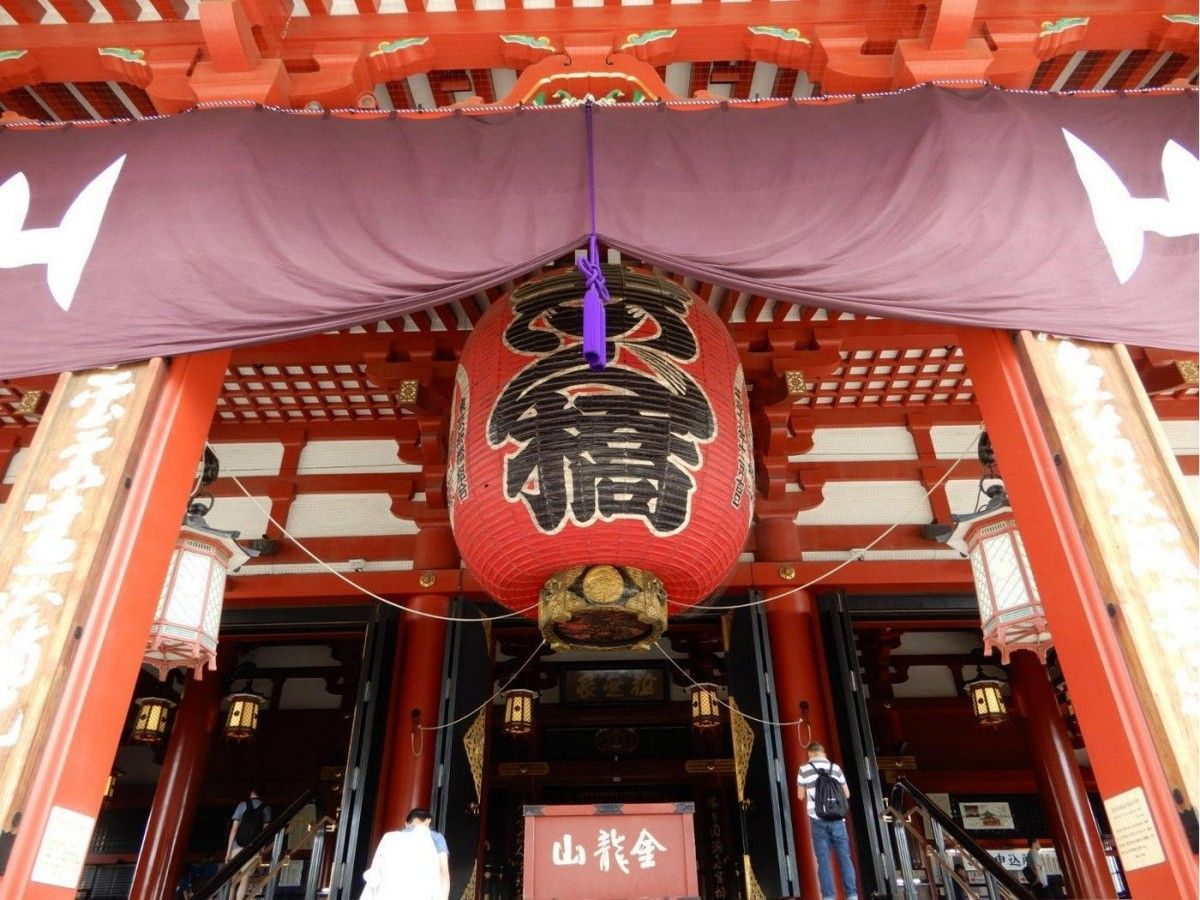
The Shitennō-ji temple complex primarily consists of the Five-Story Pagoda, the Golden Hall (Main Hall), the Lecture Hall, the Stone Stage, and the Gokuraku Gate (South Gate). Entering through the main gate, a straight approach leads you deeper into the temple grounds. The Five-Story Pagoda is the most popular spot for visitors, standing 33 meters tall. Not only does it offer a panoramic view of Osaka City from its summit, but it also symbolizes the progressive stages of Buddhist teachings.
Advertisement
The Golden Hall is the core of the temple, housing a statue of the Buddha and walls adorned with vibrant yet solemn paintings depicting Buddhist legends. The Lecture Hall is used for Buddhist ceremonies and sermons, though it remains quiet on ordinary days, it often hosts rituals and musical performances during festivals. Additionally, the Stone Stage was once a venue for ancient nobles to perform dance and music, and today it serves as a traditional dance performance space during festivals.
Around the temple lies the Pure Land Garden “极乐浄土の庭,” designed to resemble the imagery of the Western Pure Land paradise. The still waters and white sand symbolize the purity of the Buddhist realm, making it an ideal place for quiet reflection and meditation. The garden is filled with cherry and plum trees, which are especially beautiful during the spring season.
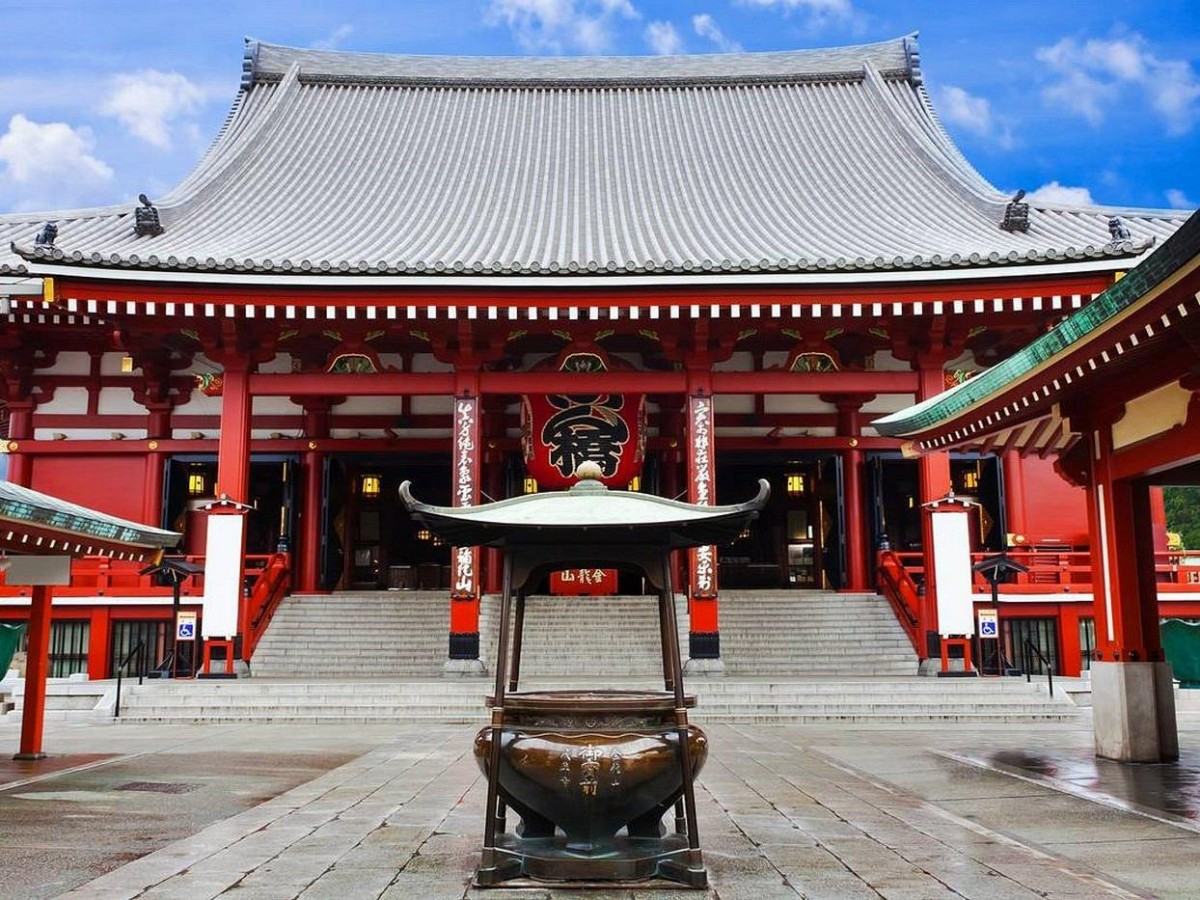
Shitenno-ji Temple is suitable for visits year-round, with each season offering its own unique charm. If you enjoy photography or flower viewing, spring or autumn is recommended.
Spring (mid-March to early April): The cherry blossoms in the temple bloom in full bloom, creating a stunning backdrop with the five-story pagoda and traditional architecture. The “Prince Shōtoku Festival” is also held in the spring, where visitors can participate in the festivities, stroll around in kimono, and enjoy the festive atmosphere.
Summer (June to August): Although the temperatures are high, summer festivals like the Obon Festival are lively and vibrant. In the evenings, lanterns illuminate the entire temple, making nighttime strolls particularly charming.
Autumn (October to November): The temple is adorned with crimson maple leaves, creating a cool and pleasant atmosphere. Some areas of the temple feature open-air gardens where sunlight filters through the red leaves and green tiles, creating a visually striking scene.
Winter (December to February): With few visitors, this is an excellent opportunity to photograph the serene temple and snowy scenery, especially after a light snowfall, when the snow-capped five-story pagoda contrasts beautifully with the blue sky.
Early morning is the best time to photograph the temple grounds, with few visitors and the sun just rising over the Gokuraku Gate, casting its light on the approach and pagoda, creating stunning light and shadow effects.
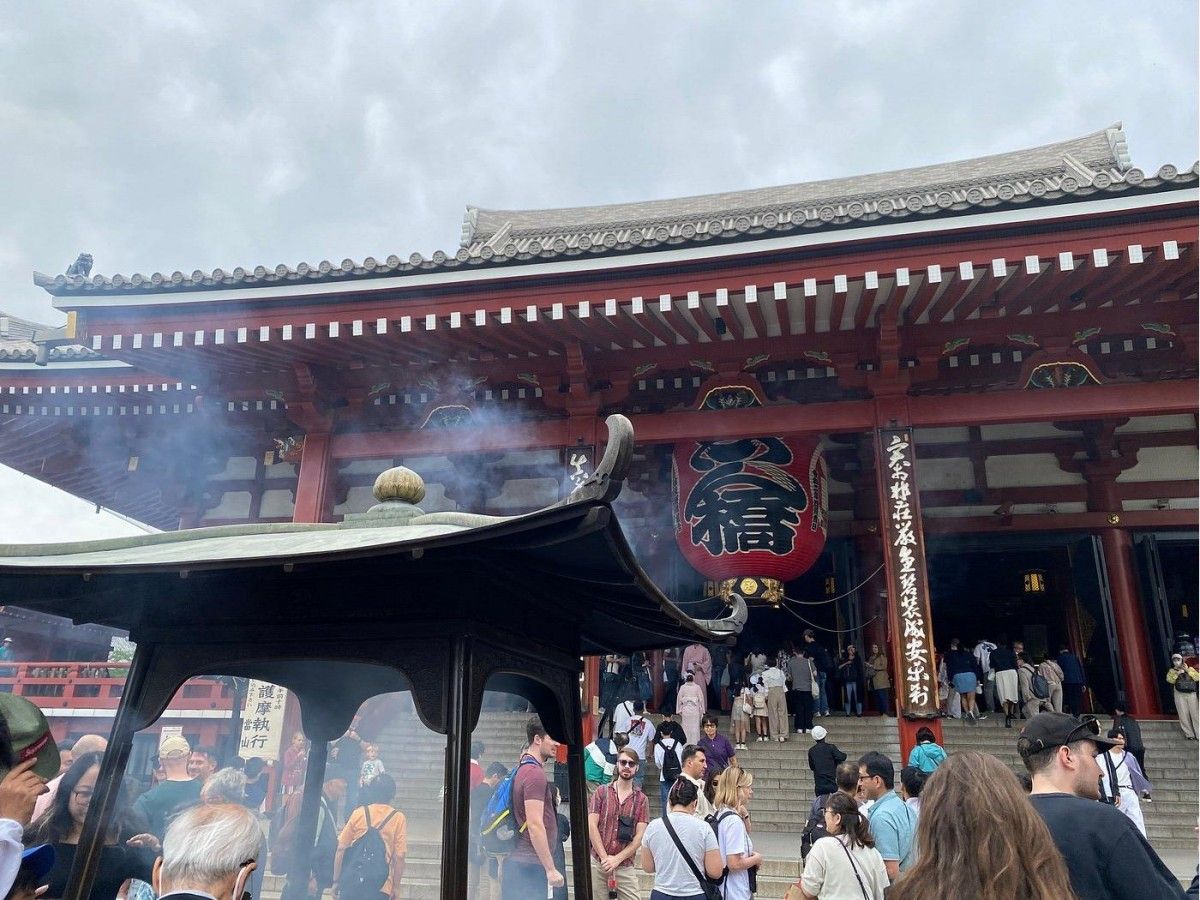
Shitenno-ji Temple is located in Tennoji Ward, Osaka City, and is extremely convenient to reach. Take the Osaka Metro Midosuji Line or Tanimachi Line and get off at “Tennoji Station” or “Shitenno-ji Mae Yūhi-gaoka Station.” It is a 5-10 minute walk from either station. The surrounding area is well-equipped with restaurants, convenience stores, cafes, and a tourist information center.
The temple has a visitor rest area, barrier-free access, and English signage, making it suitable for international visitors. Admission is required to enter the five-story pagoda and the main hall (approximately 500 yen), while the outer approach, gardens, and general areas are open to the public free of charge. The restrooms are clean and tidy, with facilities for the elderly and wheelchair users.
At the small stalls near the temple entrance, visitors can purchase amulets, ema (wooden plaques for writing wishes), and unique souvenirs such as bookmarks featuring Prince Shōtoku or postcards in the style of the Pure Land Garden, which are popular as souvenirs.
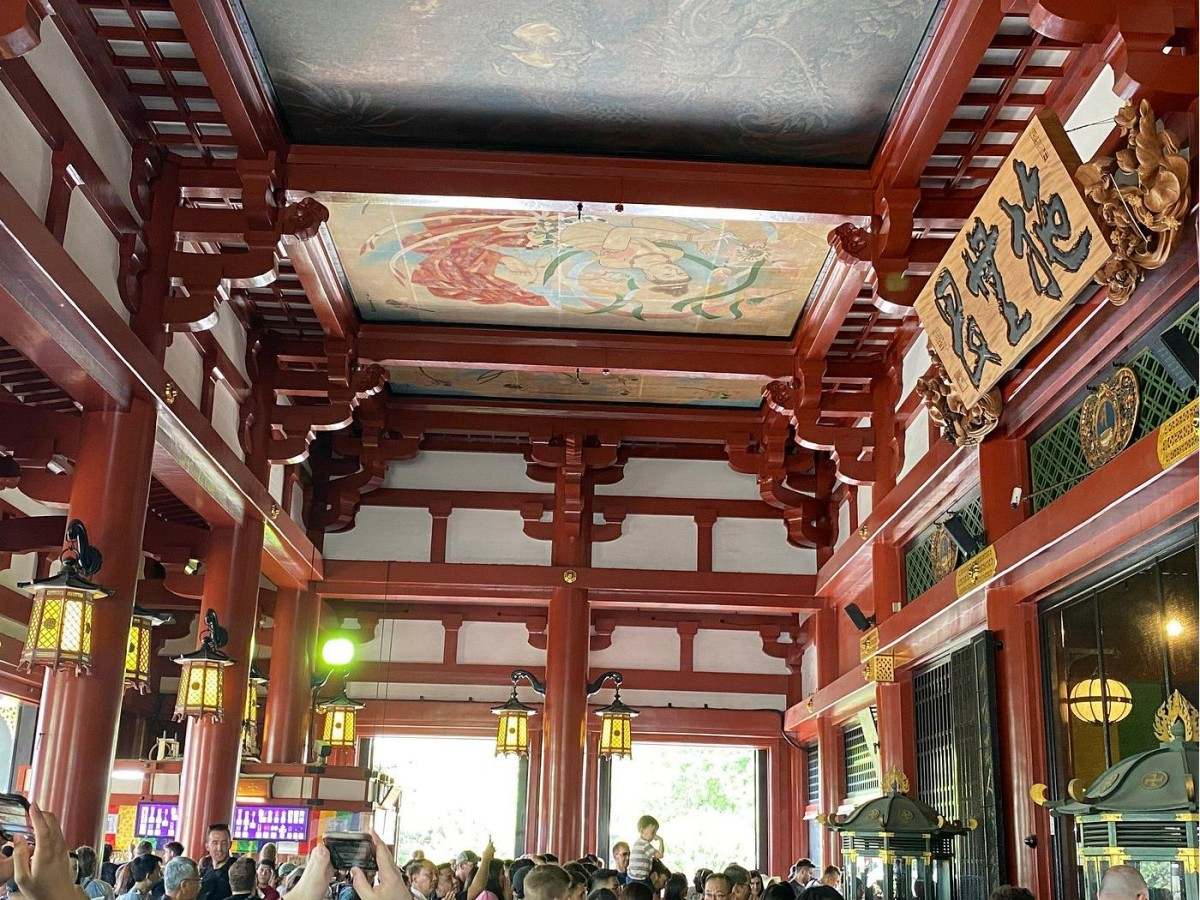
Shitennoji Temple is one of Osaka's most representative “cultural venues,” especially with the “Antique Market” and “Prince Festival” held on the 21st and 22nd of every month, which provide a great opportunity for locals and tourists to interact. The Antique Market features a wide variety of old items such as kimonos, pottery, old books, and toys from the Showa era, and walking around the market is like stepping into a time tunnel.
Additionally, the “Daruma Market” in January, the “Setsubun Festival” in February, and the “Obon Festival” in August are all very lively events. A particularly recommended event is the “Manji Kuyo” (usually held in late August), where thousands of lanterns are lit at night to honor ancestors and the departed. The temple is bathed in a serene, otherworldly glow, evoking the feeling of a pure land, which is truly moving.
Another cultural highlight that is often overlooked by tourists is the “Shitenno-ji Noh Theater,” which occasionally hosts traditional Noh and Kyogen performances. Even if you don't understand the language, you can still appreciate the charm of classical art through the rhythm, costumes, and body movements of the performances.
If you wish to plan a leisurely one-day tour of Shitenno-ji Temple, here is a recommended itinerary:
9:00 AM: Depart from Shitenno-ji Temple's Yūhi-ga-oka Station and walk to the temple through the Gokuraku Gate;
9:15–10:30 AM: Visit the Five-Story Pagoda and the Golden Hall, and climb the pagoda for a panoramic view of the city;
10:30–11:30 AM: Stroll through the Pure Land Garden, meditate, or take photos;
11:30 AM–12:30 PM: Have lunch outside the temple. We recommend trying nearby Japanese restaurants such as “釜揚げうどん一心”;
1:00 PM–2:00 PM: Attend a service in the lecture hall or experience copying sutras (advance reservations required);
2:30 PM–3:30 PM: Visit the antique market (open on the 21st and 22nd of each month) or nearby used bookstores;
4:00 PM–5:00 PM: Enjoy traditional art performances at the Stone Stage or Noh Theater;
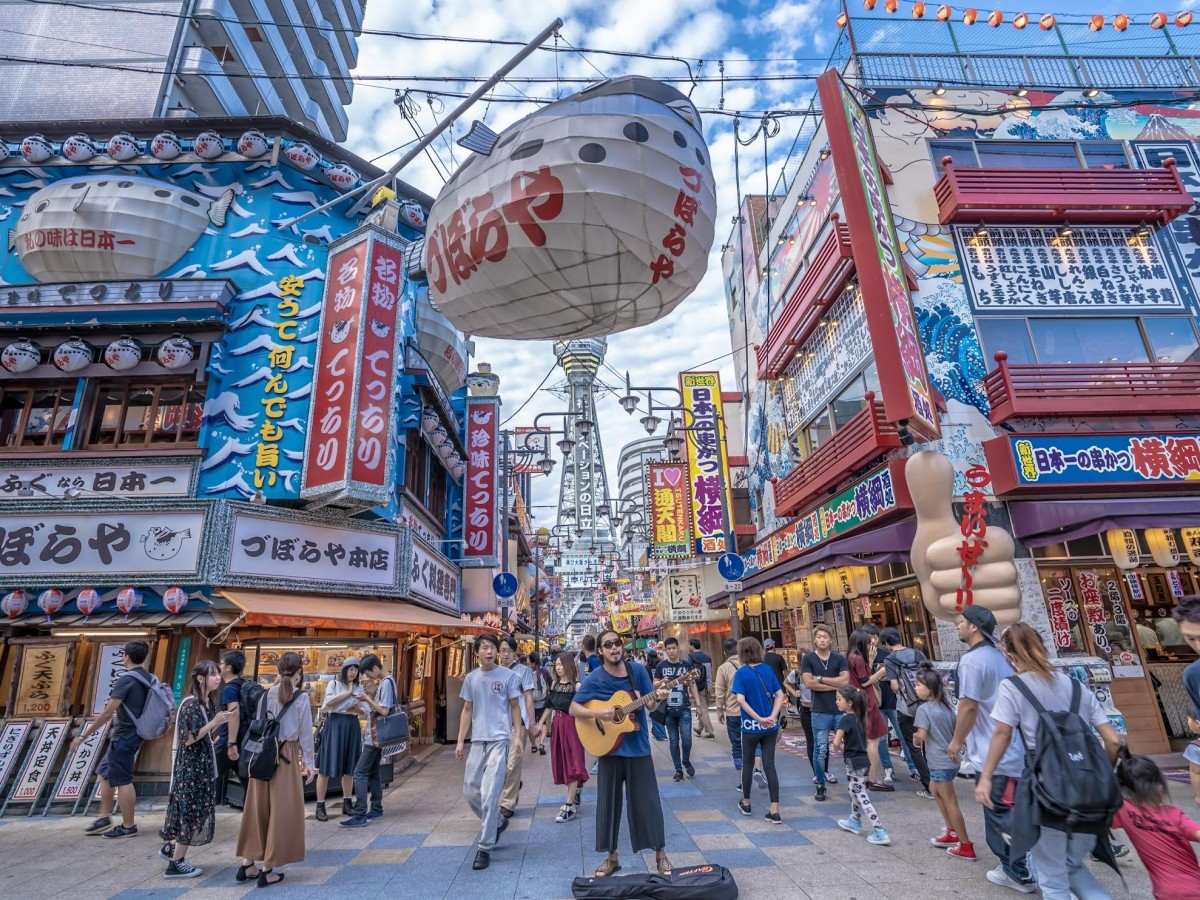
5:30 PM: Leave the temple in the evening and head to the nearby Tennoji Park or Tsutenkaku Tower to continue your sightseeing.
This itinerary combines history, architecture, culture, and shopping experiences, making it ideal for travelers who want to gain a deeper understanding of Shitennoji Temple.
At Shitennoji Temple, every step you take is like walking through the rings of time, and every corner holds a quiet story. If you feel weary of Osaka's bustling crowds, step into this thousand-year-old temple, let the breeze beneath the pagoda dispel your worldly concerns, and find your own peace in the ancient gardens. This is not just a tourist spot; it is a haven where the soul can rest. Osaka's heart beats fast, but Shitenno-ji Temple will teach you to slow down.