Advertisement
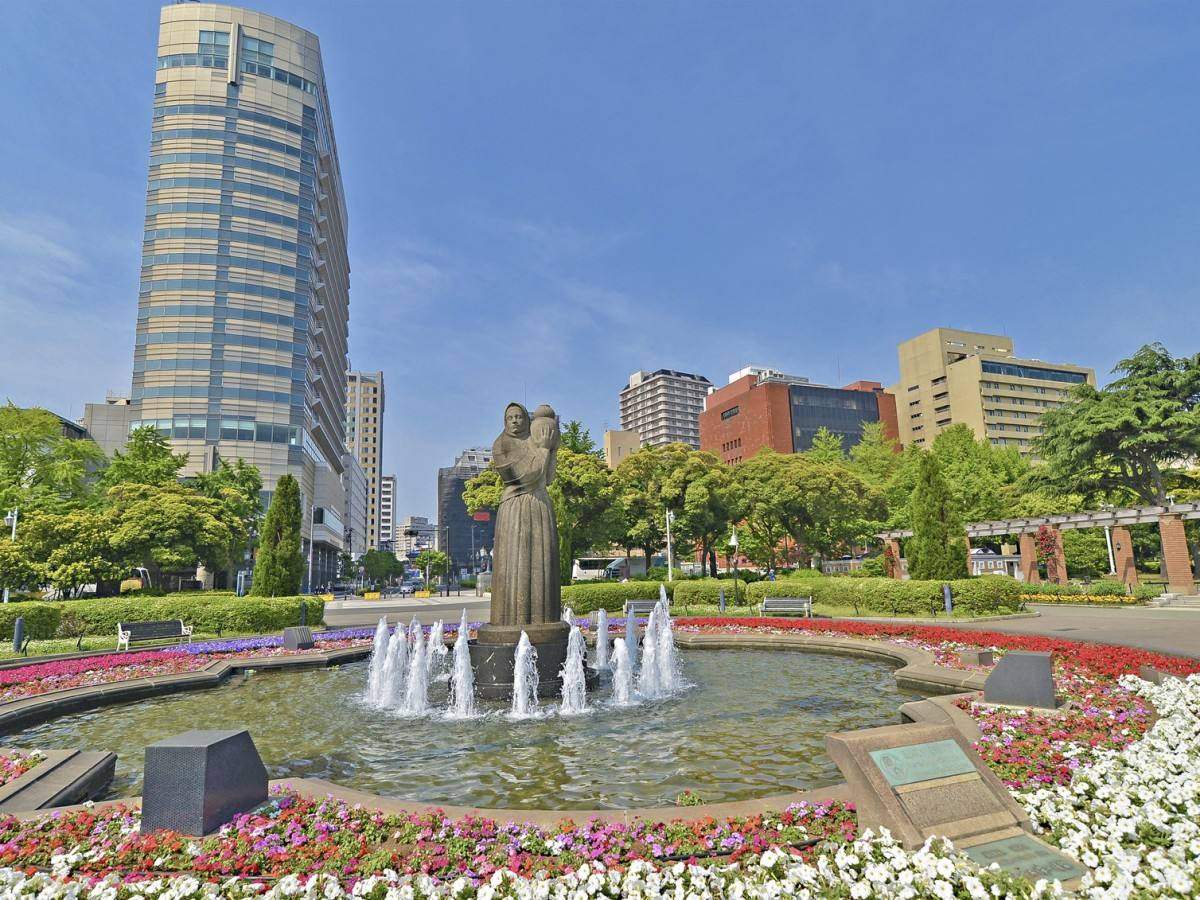
When you first arrive in Yokohama, the sea breeze is the first thing to greet you. It carries a hint of saltiness mixed with the scent of flowers, blowing in from the port. Following the coastal path, you’ll see rows of green trees, blooming flower beds, and the shimmering sea in the distance—this is Yamashita Park, an urban oasis closely connected to the port and the starting point of the Romantic Port Line. Whether it’s the first rays of sunlight in the morning or the twinkling lights at night, this place has its own way of making you slow down.
Advertisement
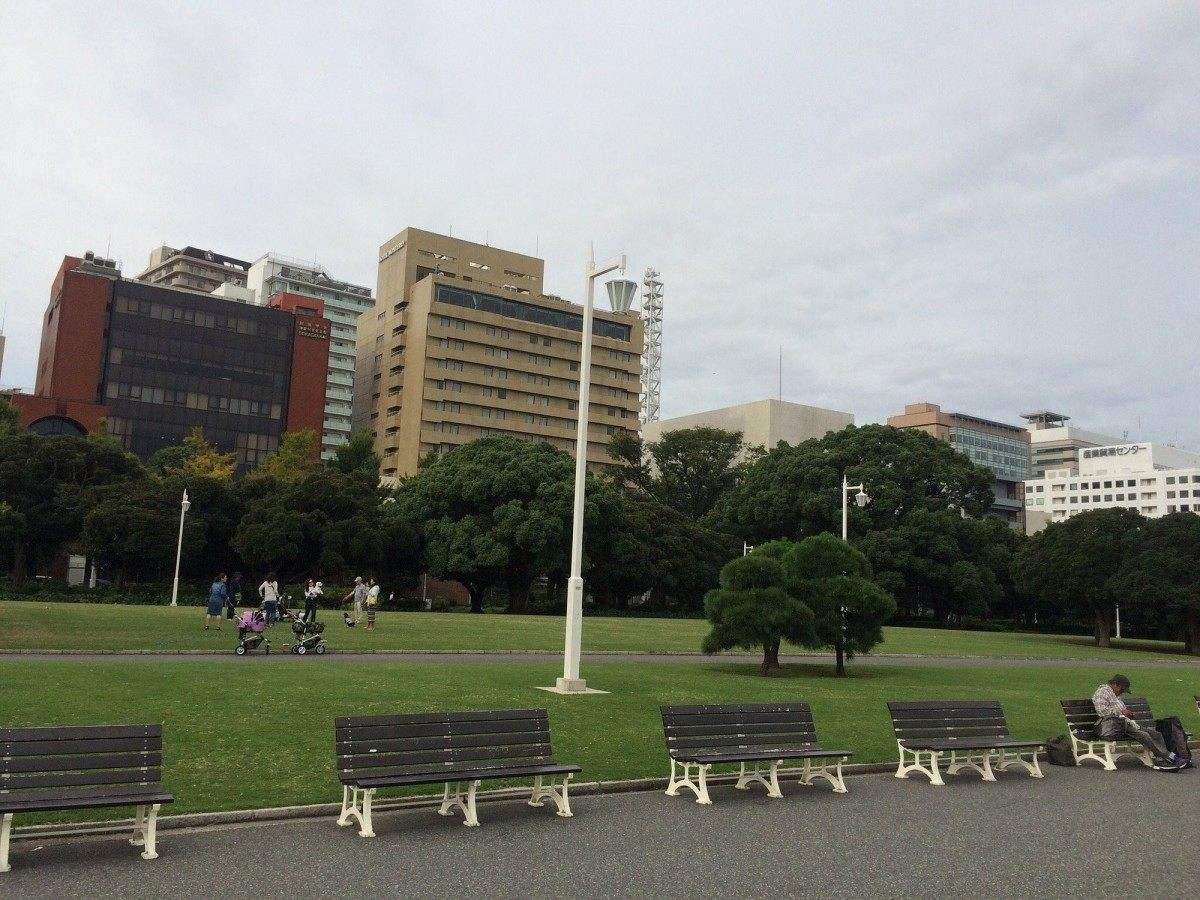
Yamashita Park was built in 1930 as Japan's first coastal park constructed using reclaimed land. After the Great Kanto Earthquake, the area around Yokohama Port was in ruins, and the debris was transported to the coast, where it was used to create the park's current site. This green space is not only a symbol of urban revival but also carries the emotions of Yokohama residents toward the port and their way of life.
Advertisement
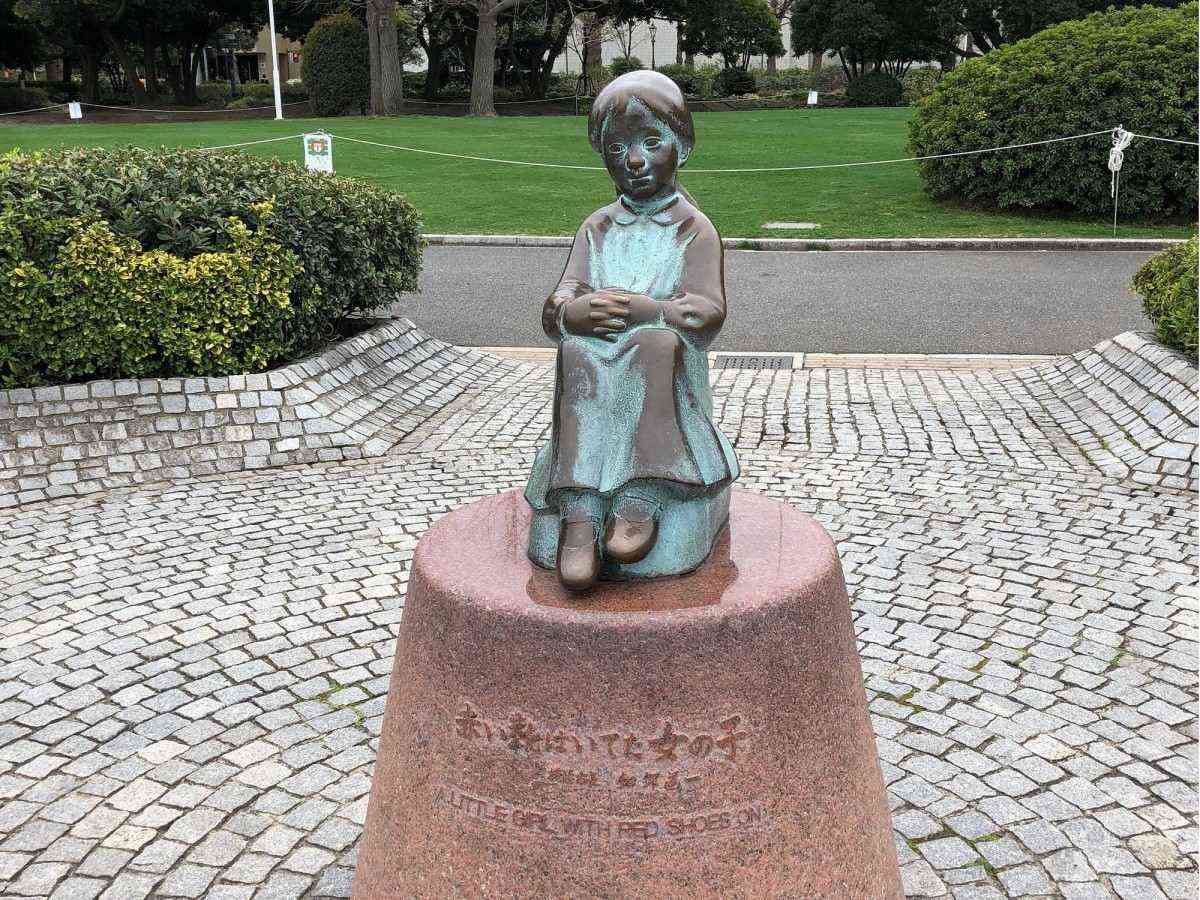
Throughout the park, you can find monuments and sculptures from around the world, such as the “Girl with Red Shoes” statue symbolizing Japan-U.S. friendship, and friendship monuments from the former Soviet Union, the Philippines, and other countries. These sculptures not only enhance the landscape but also make the park a space for cultural exchange across borders. For Yokohama residents, Yamashita Park is both a daily place for walking, dating, and resting, as well as the warmest backdrop of the port in their memories.
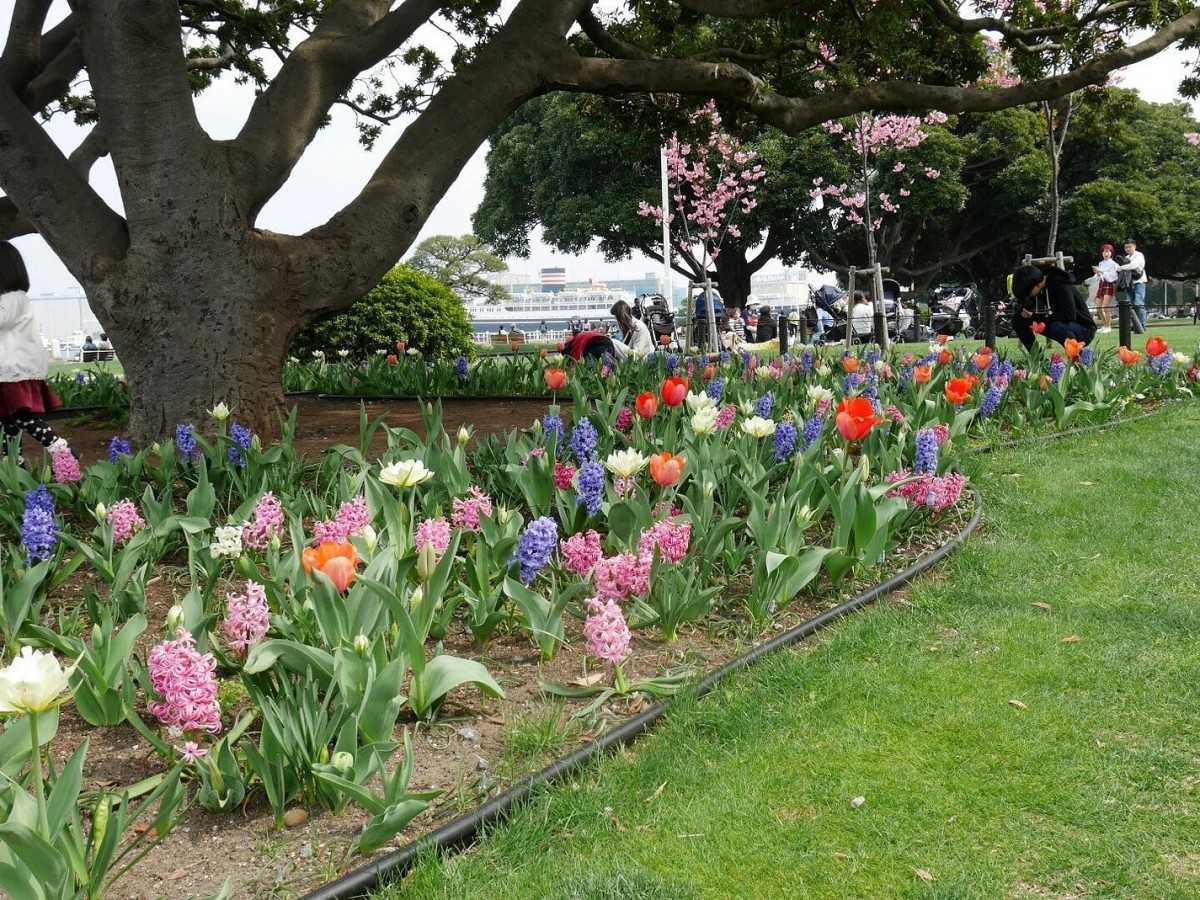
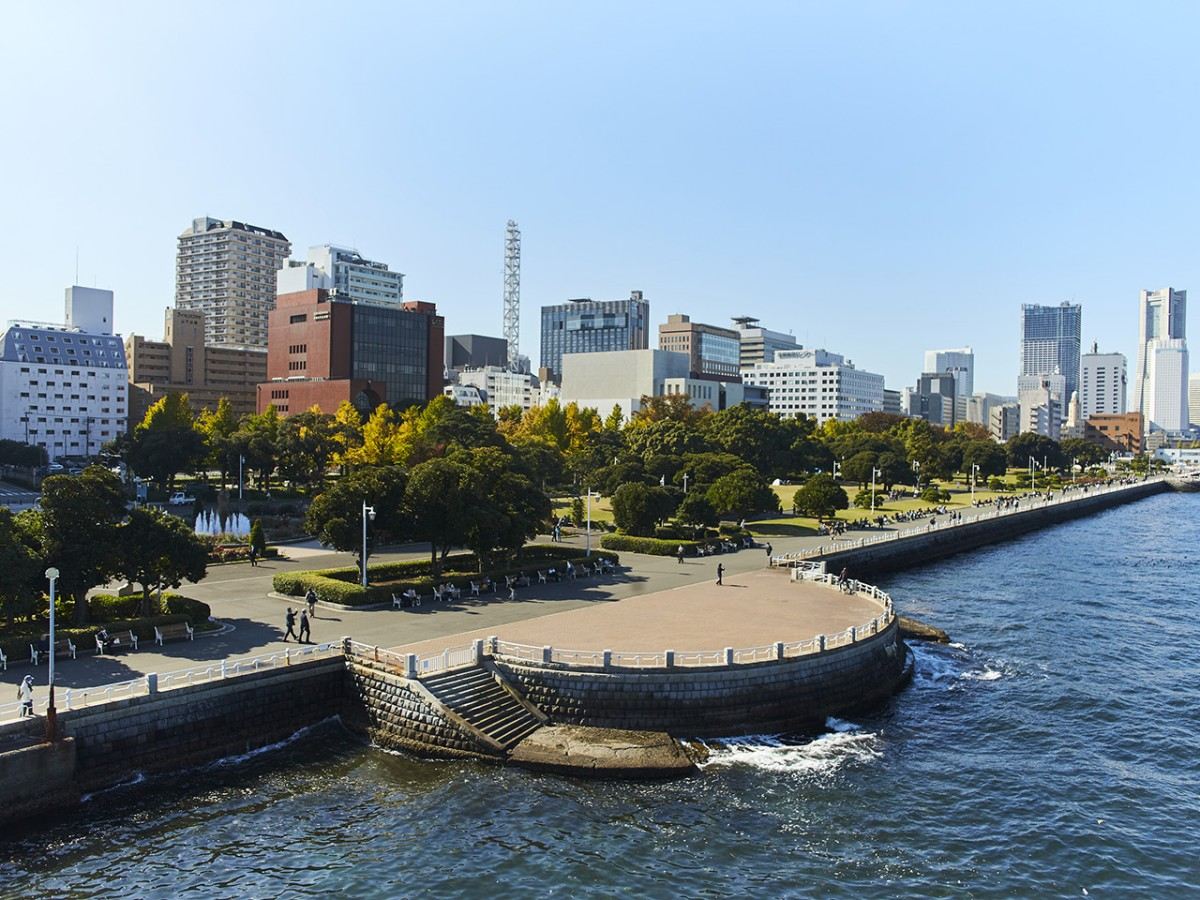
Yamashita Park stretches approximately 750 meters along Yokohama Port. One side of the coast features wide walkways and viewing platforms, while the other side boasts expansive lawns, flower beds, and shaded paths. With the changing seasons, the flower beds always feature blooming flowers of the season: tulips and cherry blossoms in spring, cosmos and sunflowers in summer, chrysanthemums in autumn, and camellias in winter, all dotted among the greenery.
Advertisement
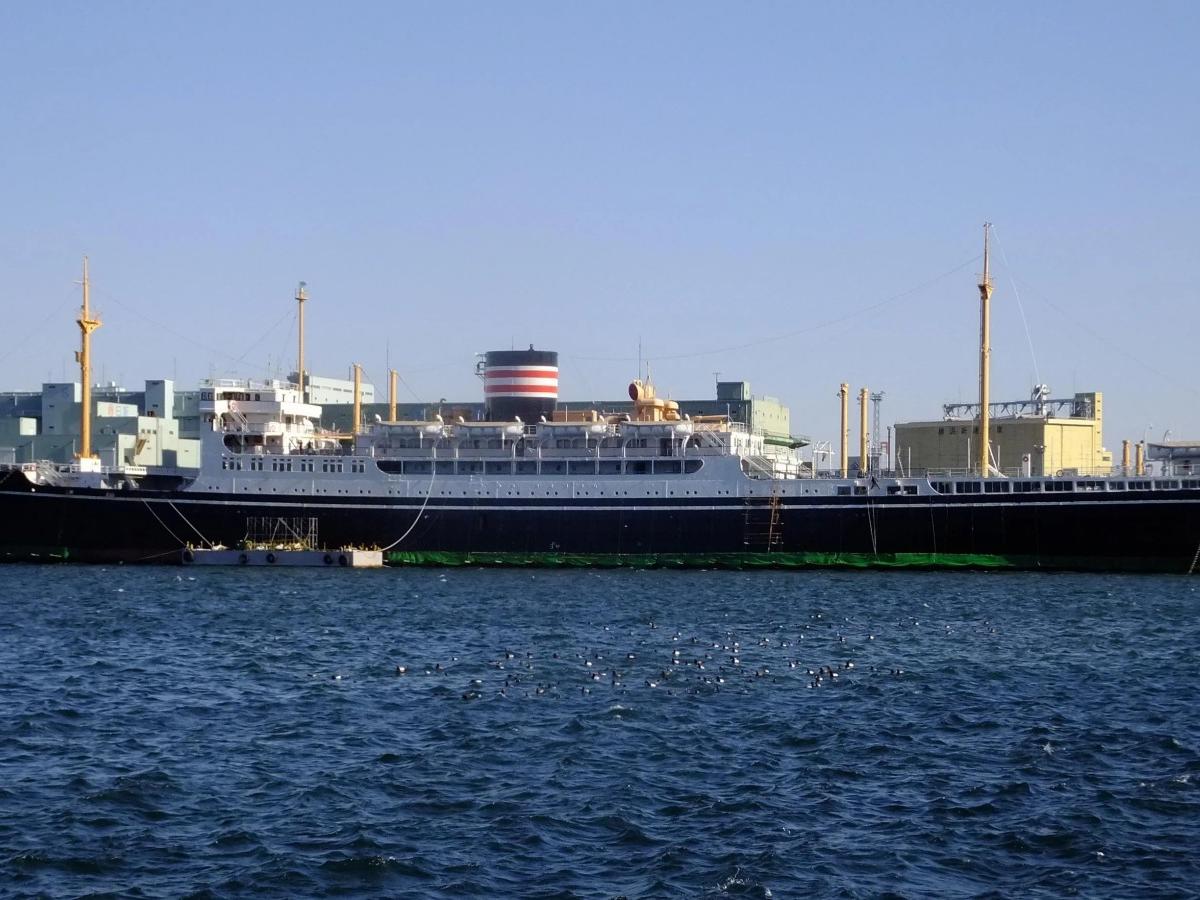
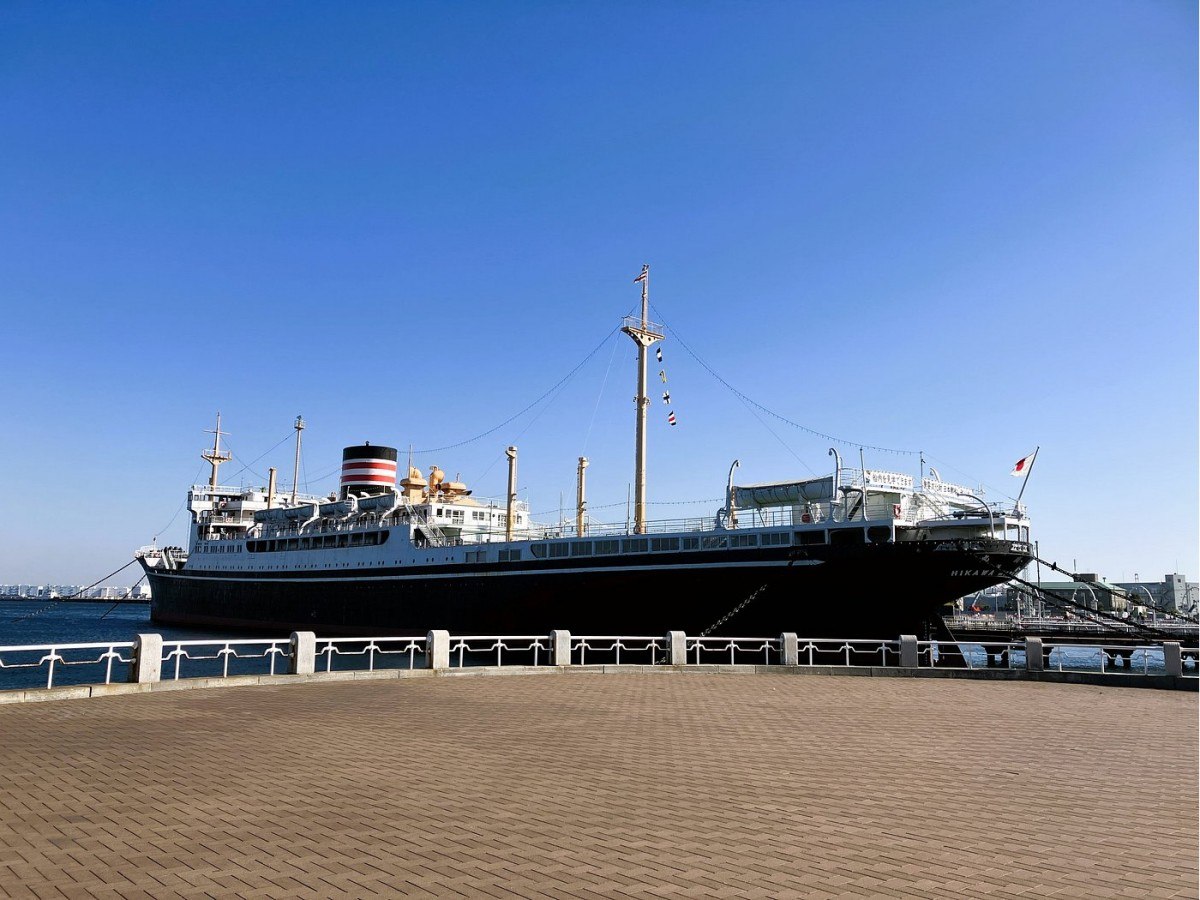
The central area of the park is an open lawn, ideal for picnics, kite-flying, or sunbathing. The benches facing the sea are a favorite spot for couples, and many people come here to quietly watch the ships entering and leaving the port. Looking toward the port, you will see the Hikawa Maru, a luxury ocean liner built in 1930 that is now a museum, bearing witness to the maritime history of Yokohama Port.
If you start your romantic port tour at Yamashita Park, you can plan your route as follows:
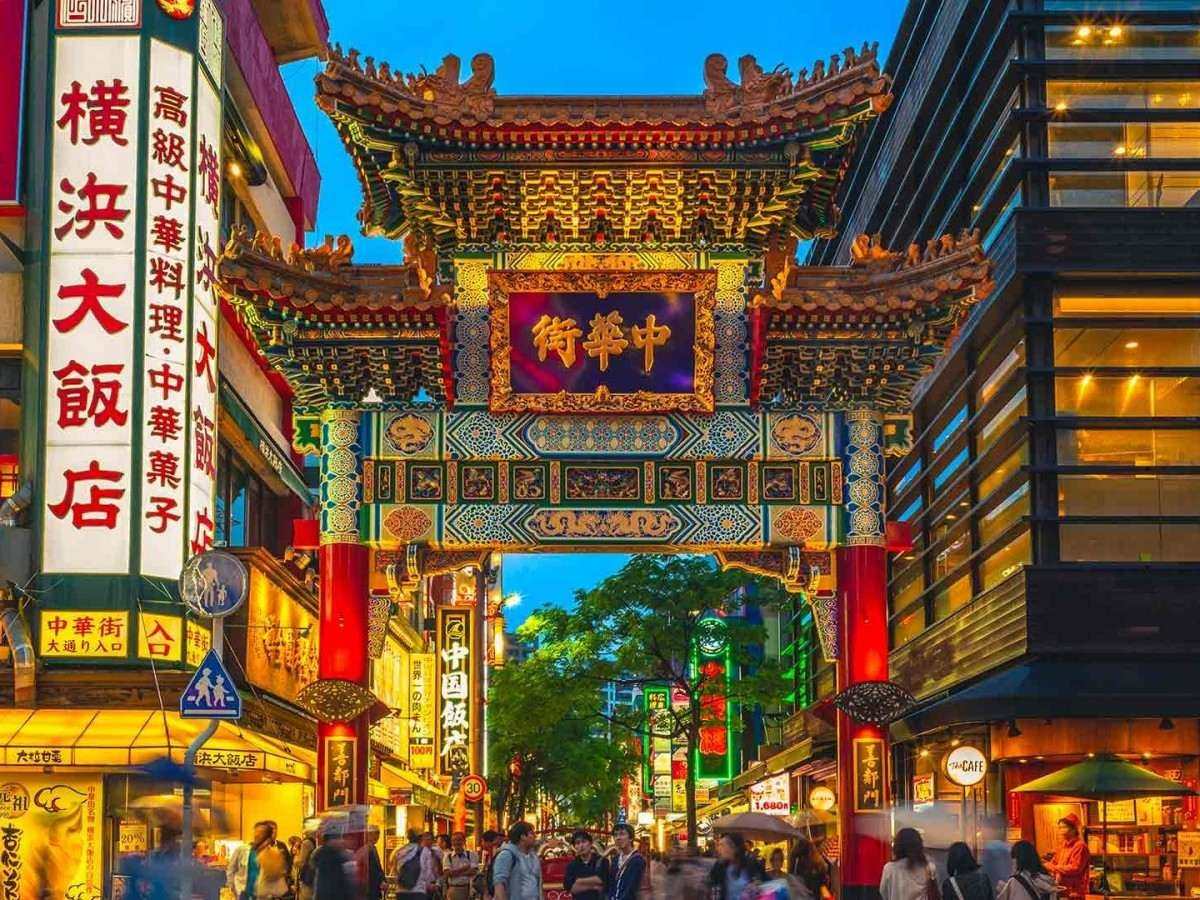
Start from the west entrance of the park: This entrance is close to Yokohama Chinatown and Motomachi Shopping Street, where you can refuel or shop before your walk.
Walk along the coastal path: Head east to enjoy views of the Grand Pier and Bay Bridge. In the morning, the sun rises from the sea, bathing the entire port in golden light.
Stop at the Hikawa Maru: Boarding the ship requires a separate ticket (approximately 300 yen for adults), offering insights into maritime life from the last century.
Rest on the central lawn: Find a bench to enjoy the sea breeze and floral scents.
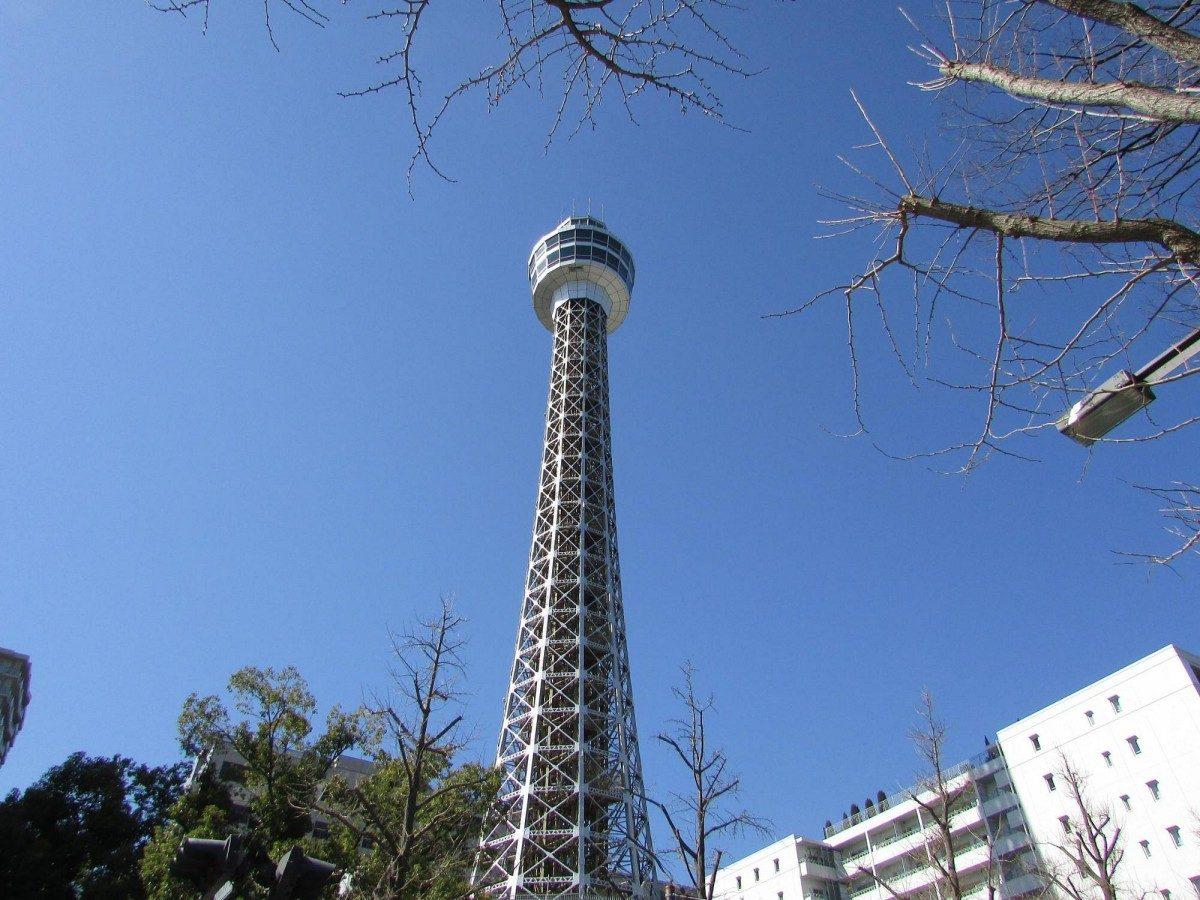
Walk east to the Marine Tower: The towering Yokohama Marine Tower stands at the park's end, where you can connect to the next segment of the port line and continue strolling toward the Grand Pier.
This route is less than 1 kilometer long, but if you take your time to appreciate each scene, it often takes two or three hours to complete.
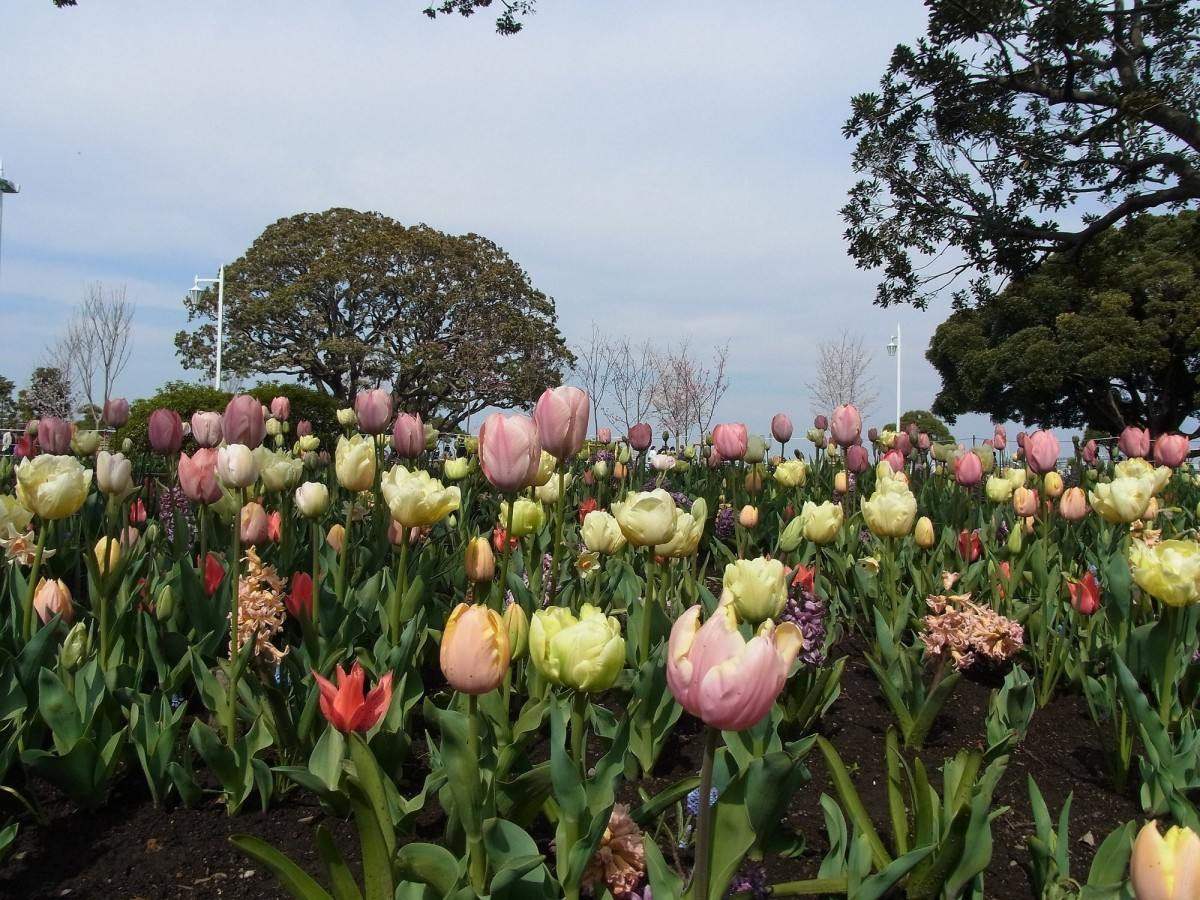
Yamashita Park is suitable for all seasons, but if you seek visual appeal and a romantic atmosphere, spring and autumn are the best times. In spring, there are cherry blossoms and tulips, with mild sea breezes, making it ideal for prolonged outdoor activities during the day; while autumn has clear air, with the colors of the port and sea appearing particularly pure under the sunlight, making it ideal for photography.
Photography highlights include:
Sunrise and morning mist: A light mist covers the sea surface in the early morning, creating a dreamlike quality in photos.
Iceberg Maru and flower beds in the same frame: Combining ships and flowers in the same composition can showcase the unique charm of the port.
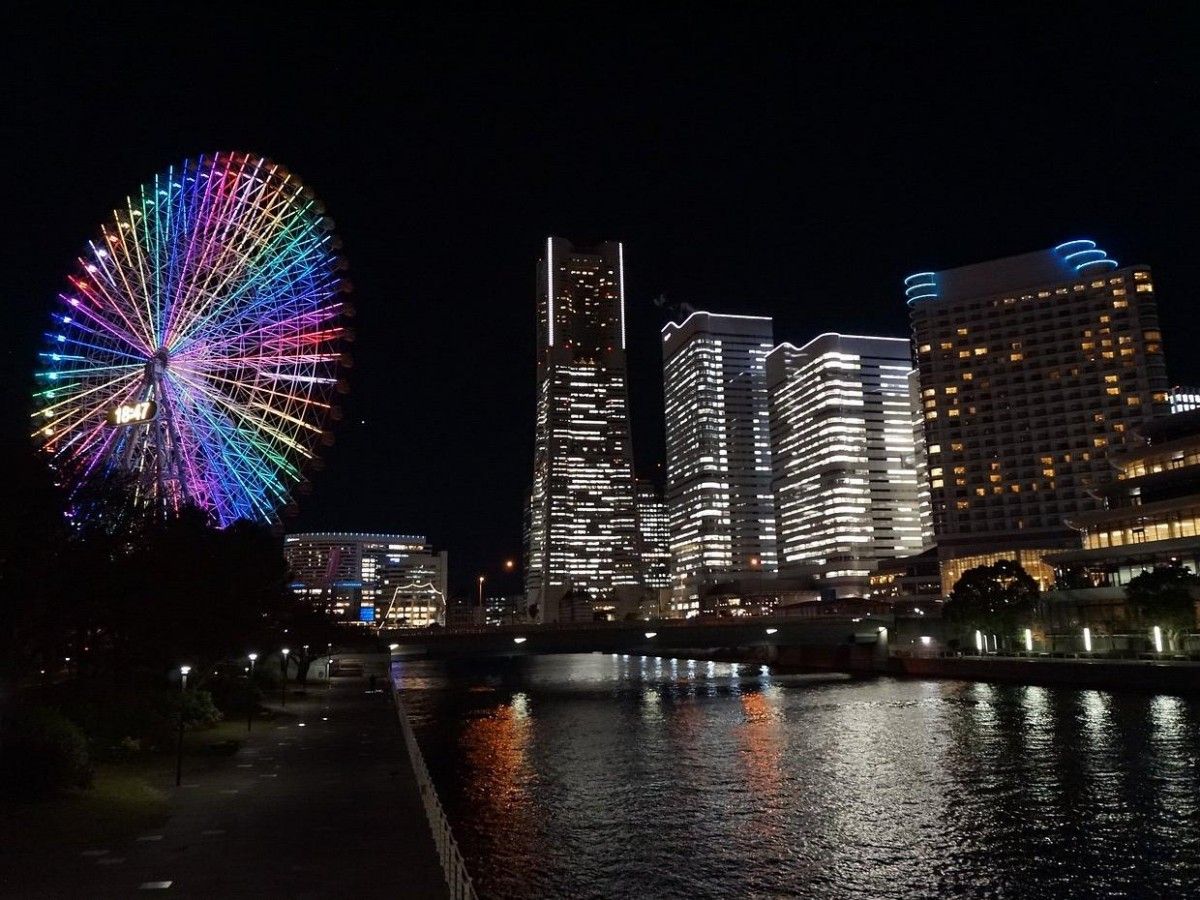
Night views and lighting: The park itself has soft lighting, but when combined with the lights of the Marine Tower and the Grand Pier, it creates a distinctive night scene.
Yamashita Park is easily accessible by public transportation, with the nearest subway station being Motomachi-Chukagai Station on the Minato Mirai Line (approximately a 3-minute walk). The park features public restrooms, vending machines, and benches, and there are numerous convenience stores and cafes nearby, making it convenient for quick refreshments.
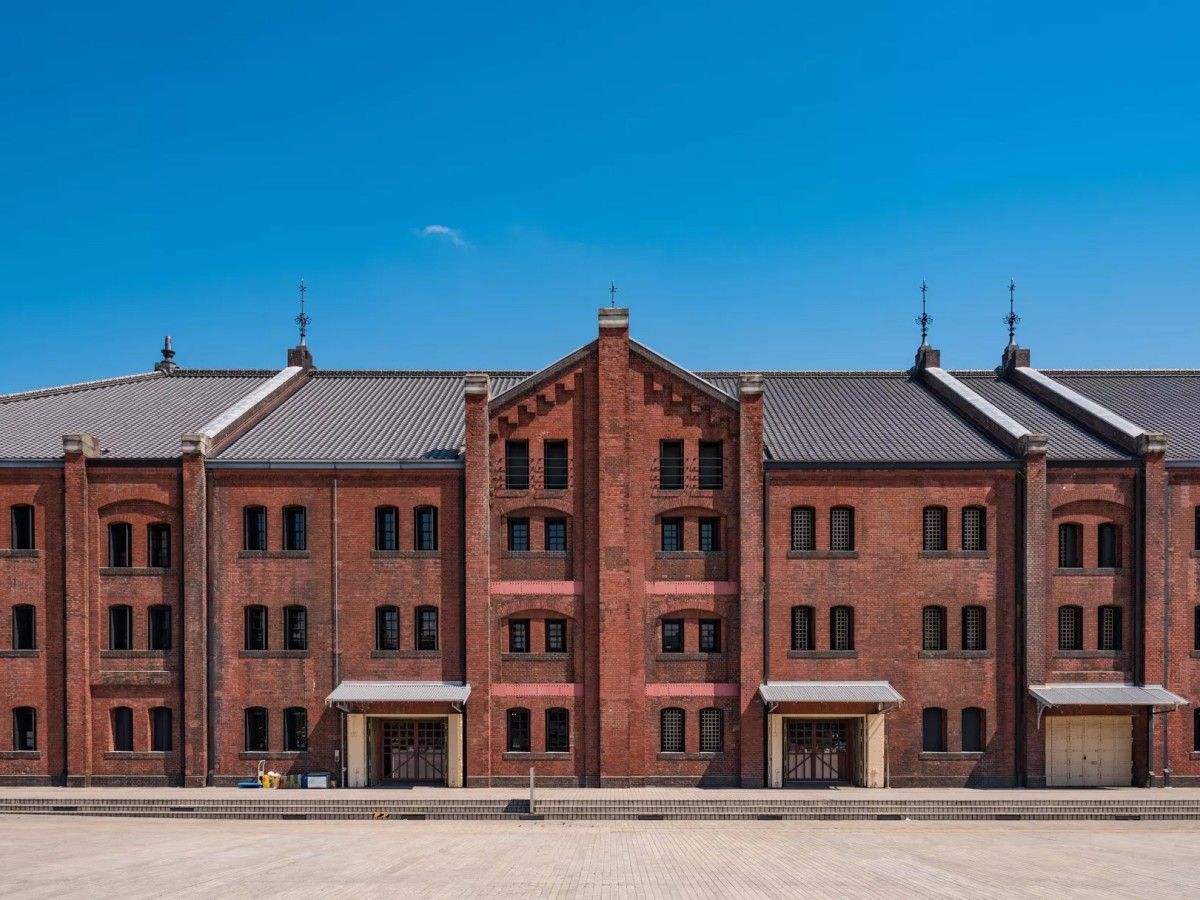
The surrounding dining options are most abundant in Yokohama Chinatown, offering everything from Chinese cuisine to desserts; if you prefer Western cuisine, you can walk west along the Port Line to the Red Brick Warehouse or Minato Mirai area, where restaurants offer broader ocean views.
Avoid Crowds: Weekends and holidays are particularly crowded, especially during the spring cherry blossom season. It is recommended to visit on weekdays or in the early morning.
Wind and sun protection: The coastal location can be windy, so stay warm in winter and apply sunscreen in summer.
Combined itineraries: You can combine Yamashita Park with the Yokohama Marine Tower, Grand Pier, and the Hikawa Maru for a half-day tour, or extend your visit to the Minato Mirai area for a full-day tour.
Picnic gear: Bring a picnic blanket and a bento box to make your port stroll even more relaxing.
Yamashita Park is not only Yokohama's urban garden but also the beginning of the port's story. It uses the scent of flowers, sea breeze, and history to gently guide visitors into the rhythm of Yokohama. Starting from here, follow the romantic port line all the way to the Marine Tower and the Grand Pier, and the painting of the sea and the city will unfold before your eyes. Perhaps you will discover that true romance is not just the scenery of the destination but also the feeling of being wrapped in the sea breeze and sunlight along the way.