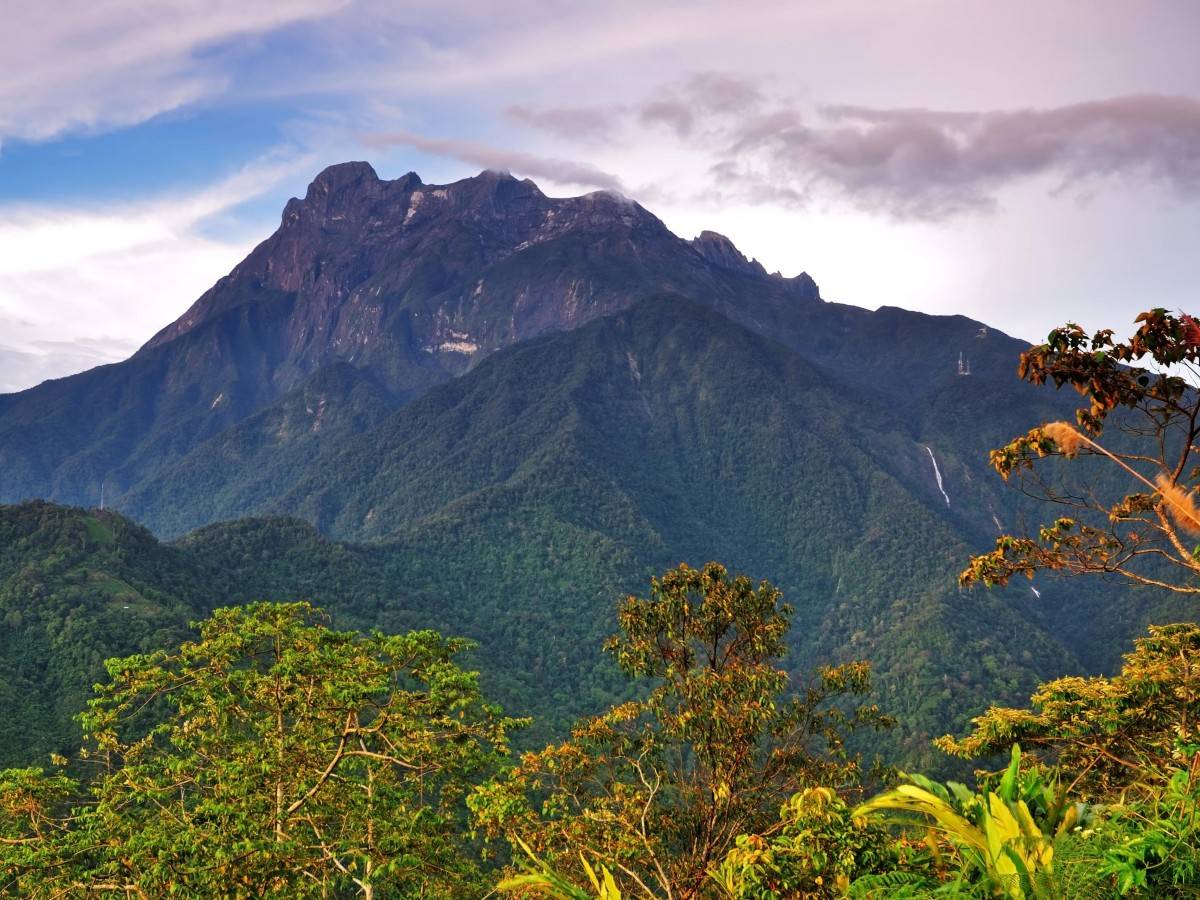
Mount Kinabalu, also known as Mount Kinabalu, is 4,095 meters above sea level. It is the highest peak in Malaysia and the country's first World Natural Heritage Site. It attracts countless hiking enthusiasts every year. It not only has magnificent natural scenery, but also carries a profound cultural heritage. It is a double baptism of body and mind.
Advertisement
Unique geological and ecological wonders
Advertisement
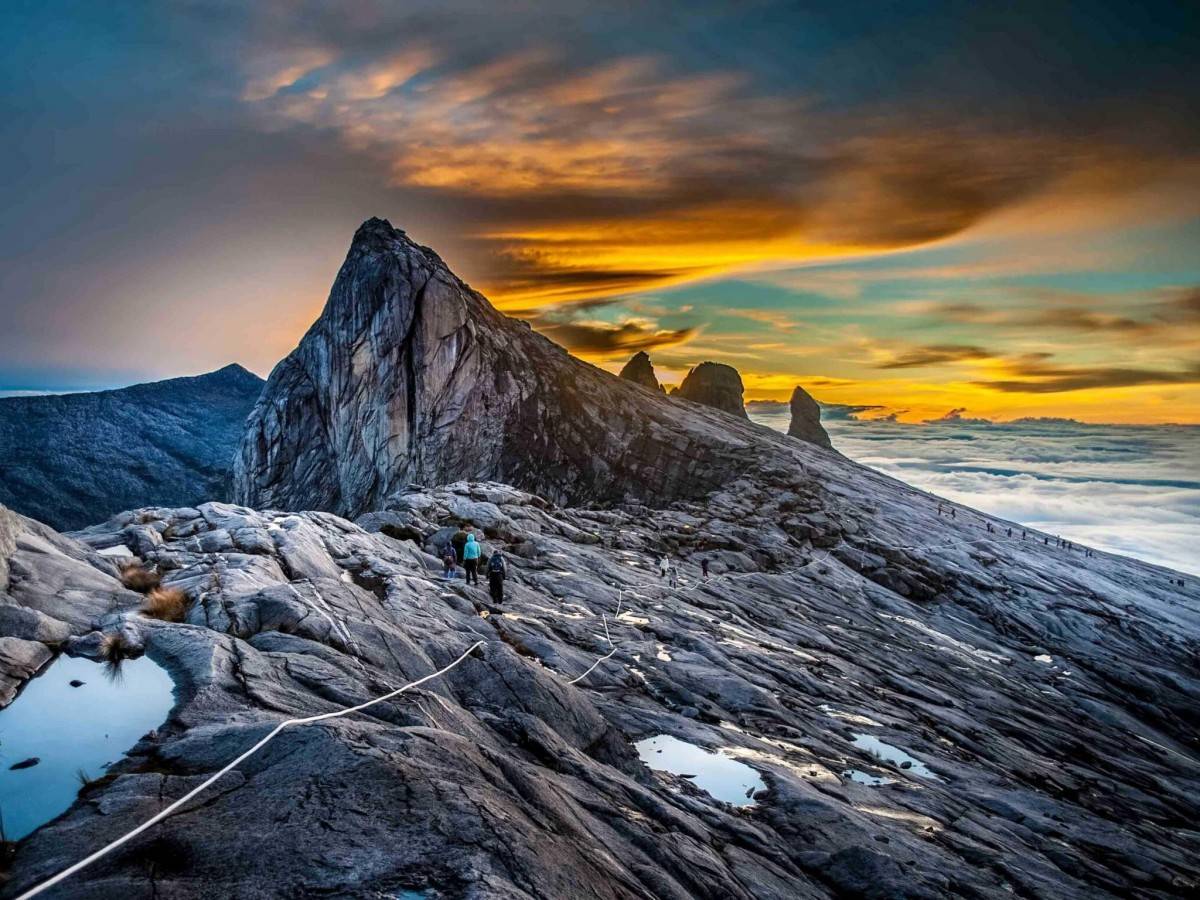
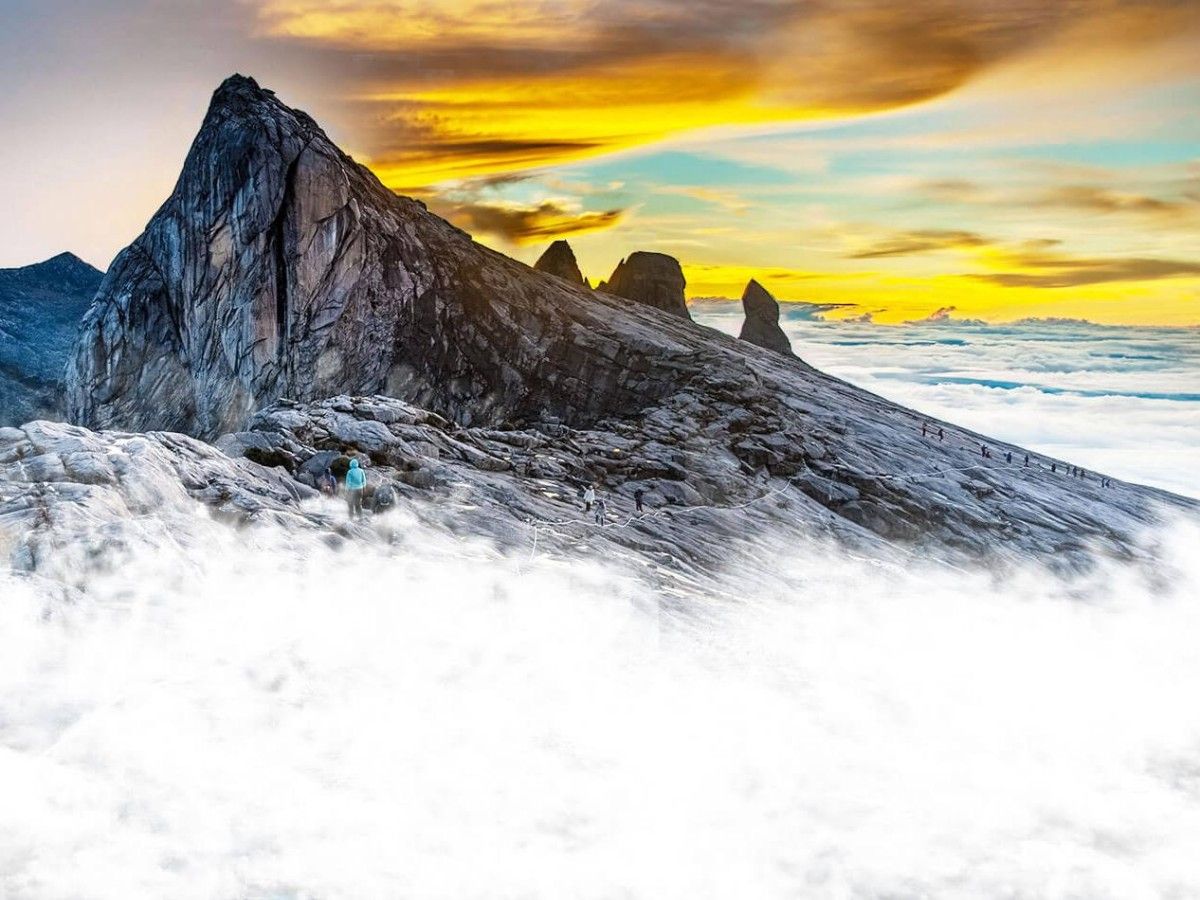
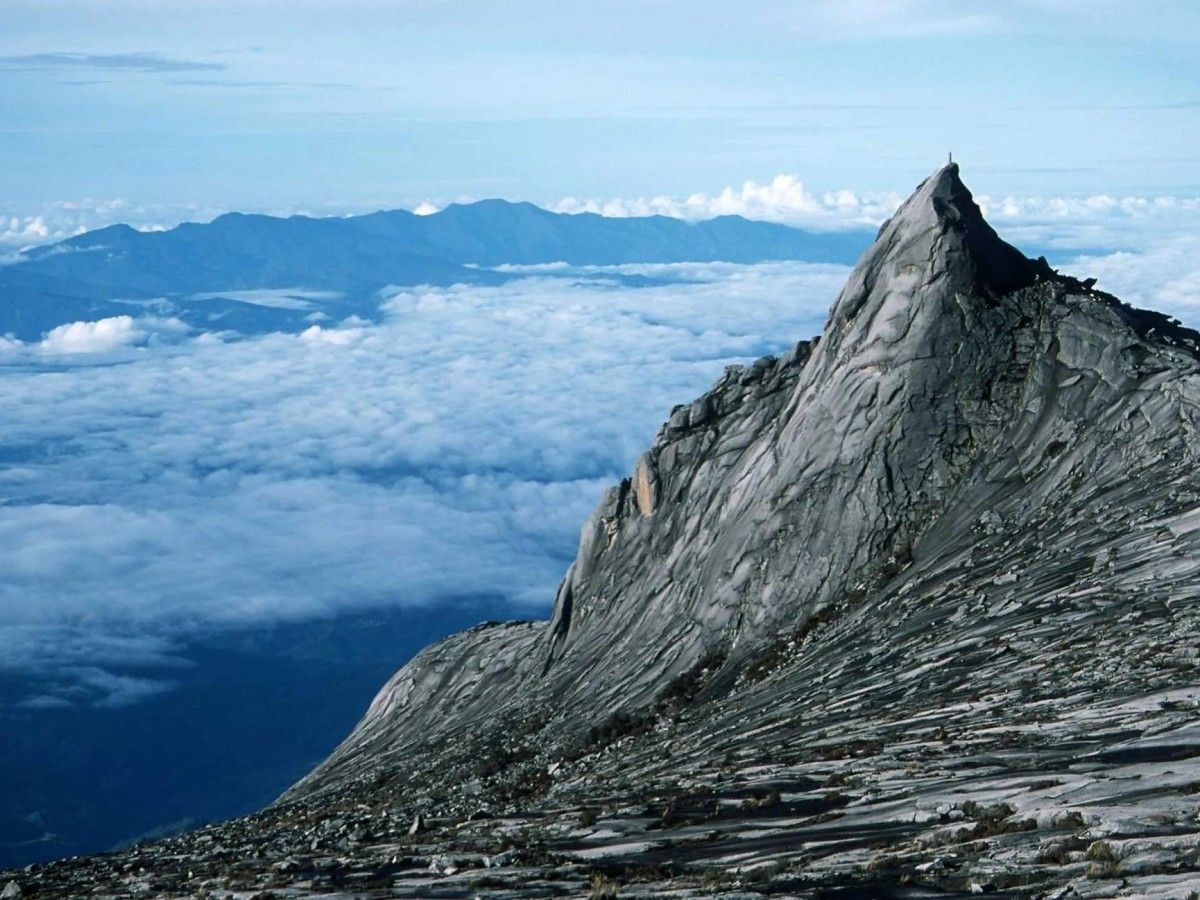
Mount Kinabalu was formed 9 million years ago and is a huge granite dome mountain. After years of carving, it presents a unique geological style. During the hike, you can see huge exposed granite rocks in various shapes, some standing like giants, and some lying like animals. At the same time, Mount Kinabalu is a "plant paradise", where low-altitude tropical plants and high-altitude cold-zone plants gather here. In areas above 900 meters above sea level, more than half of the species are endemic to the area. Among them, the most famous is the Rafflesia, a parasitic plant without roots, stems, and leaves, with a diameter of up to 1 meter, but its flowering period is short, and each flowering lasts only 3-5 days. If you are lucky enough to witness its blooming, it is definitely an unforgettable experience of a lifetime. During the hike, you may also encounter colorful flocks of birds and strange large hornbills, and feel the vitality and vitality of nature.
Profound cultural significance
In the minds of local people, Mount Kinabalu is the gathering place of gods and has a lofty status. It carries a wealth of folklore and traditional beliefs. It is said that the gods of the sacred mountain are in charge of the growth of all things and the well-being of people. The local aborigines will hold various sacrificial activities to pray for the protection of the gods. During the climb, hikers can not only enjoy the natural beauty, but also feel this strong cultural atmosphere and experience the concept of harmonious coexistence between man and nature.
Equipment
Advertisement
Clothing: Quick-drying clothes are the basis, which is convenient for keeping the body dry when sweating during exercise. Warm clothing is essential, because the temperature on the top of the mountain is low, which may be close to 0 degrees or even lower. It is recommended to bring a down jacket or a thick jacket liner. Waterproof windbreakers and pants can cope with the changeable weather in the mountains. Rain may fall at any time in the tropical rainforest climate. Woolen hats and thick socks can effectively keep warm and protect the head and feet from the cold.
Mountain climbing equipment: It is best to choose waterproof rubber gloves. During the climbing process, you need to grasp the rope. Gloves can not only prevent your hands from being burned by friction, but also keep warm. Headlights are essential tools for night climbing. When you hold the rope and move forward in the dark, it can illuminate the way for you. Trekking poles can provide assistance to hikers and reduce the pressure on the knees, especially when going down the mountain. Waterproof backpacks or waterproof covers are used to protect the items in the backpack from being wet by rain. Raincoats are also essential to prevent sudden rainfall. As for shoes, hiking shoes or running shoes with good grip are preferred to ensure safe walking on rugged and slippery mountain roads.
Other items: Bring high-calorie snacks, such as chocolate, energy bars, etc., which consume a lot of energy during the hike. These snacks can replenish energy in time. Since it is difficult to transport materials on the mountain and the price of food is high, you can prepare some simple food appropriately. At the same time, it is recommended to prepare altitude sickness medicine. As the altitude increases, some people may experience altitude sickness, and altitude sickness medicine can relieve discomfort.
Itinerary Booking
The number of climbers on Mount Kinabalu is limited to 135 per day to protect its ecological environment and ensure the safety of climbers. Therefore, be sure to book your trip in advance. It is recommended to book at least 3 months in advance, and at least half a year in advance if it is peak season or holidays. Most climbers will book packages through travel agencies. The package content is usually more detailed, including hotel pick-up and drop-off at the foot of the mountain, food during the hike (buffet meals are available at the rest stop), and simple beds at the rest stop. You can also contact the rest stop of Mount Kinabalu and the management office at the foot of the mountain to book tickets and configure your own package, but it is relatively troublesome. After the reservation is successful, you need to carefully confirm the itinerary details and precautions before departure.
Timpohon Gate Route
Most hikers start from Timpohon Gate, which is a steeper but shorter route. From the starting point, you enter a dense rainforest, where the hot and humid air hits you, surrounded by layers of tropical plants, and the sounds of birds and insects. You will pass through several rest stops along the winding dirt road. You may encounter clear small waterfalls on the way, and the gurgling mountain water will make you stop and feel the coolness for a moment. As the altitude gradually increases, the vegetation is also changing, from tall trees to short shrubs, and the view becomes wider. After arriving at the rest stop, you can take a short break here to replenish your energy and prepare for the subsequent summit challenge.
Tambang Gate Route
The Tambang Gate route has beautiful scenery and you can also see the local queen flower, but the distance is 2 kilometers longer than the Timpohon Gate route, and it is more suitable for people with some climbing experience. Going along this route, you can enjoy the scenery of Mount Kinabalu from different angles. Along the way, in addition to the rich plant landscape, you can also appreciate the unique geological structure. The road is relatively flat, but you also need to stay focused and pay attention to the road conditions under your feet. The rest points along the way allow you to better appreciate the surrounding beauty and feel the tranquility and magnificence of nature. If you have plenty of time and energy, choosing this route can give you a different hiking experience.
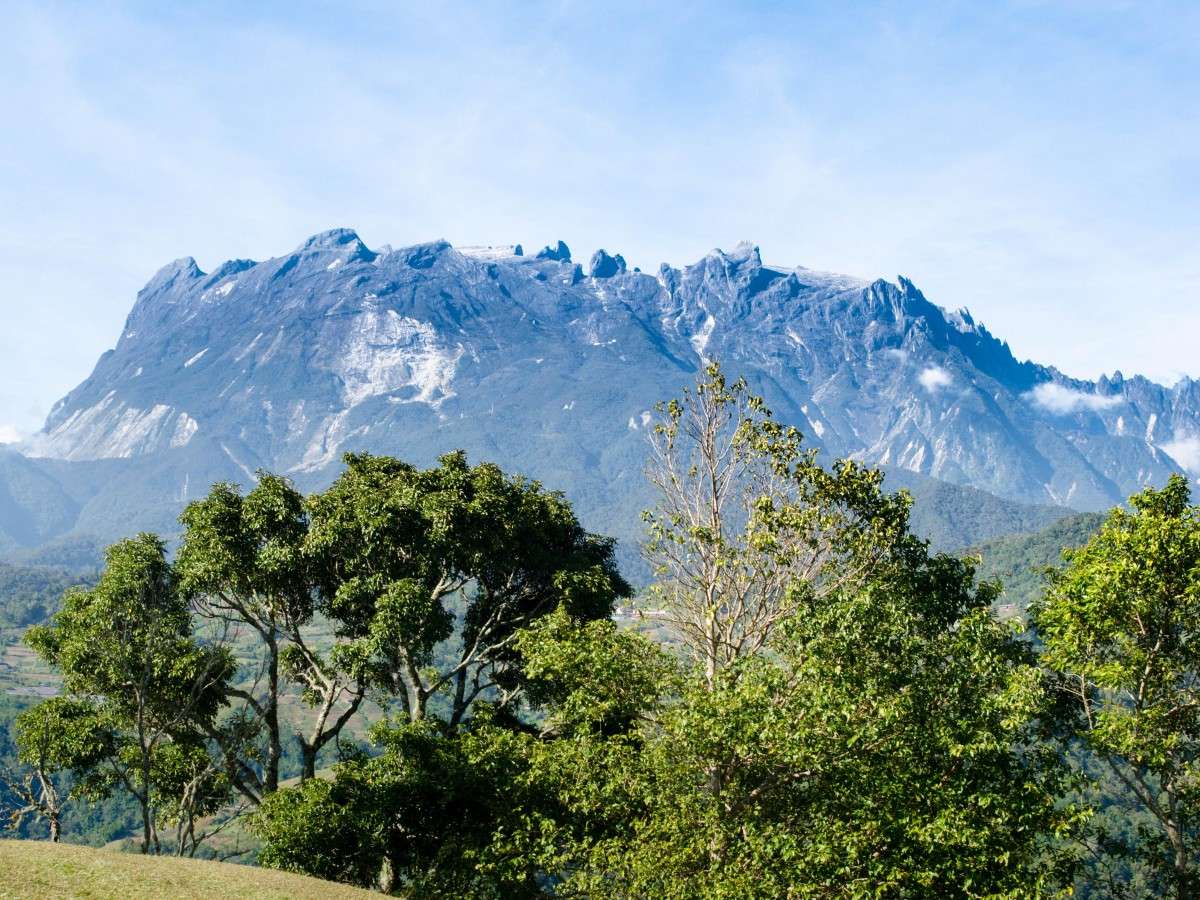
Hiking Mount Kinabalu is a journey full of challenges and surprises. Starting from the foot of the mountain, you will gradually adapt to the rising altitude and the rugged mountain road. Along the way, the porters carry heavy supplies and move forward with difficulty. Their figures become a unique scenery on the mountain road, and also let you deeply understand how hard it is to get supplies on the mountain. During the climbing process, it is common to use your hands and feet. Grasping the rope and looking for a stable foothold, every step requires full concentration. When night falls, you need to use the light of the headlamp to continue moving forward. At this time, everything around is shrouded in darkness. Only the team of flashing lights is winding forward, like a swimming dragon of light. When approaching the top of the mountain, the cold wind is biting, and the bare stone wall and the lonely reins become your only support. But when you finally stand on the top of the mountain, overlooking the magnificent sea of clouds and the mountains dyed golden by the sun, all the fatigue will disappear. Here, you can feel the greatness of nature and your own insignificance. What you gain is not only an unforgettable hiking experience, but also a new understanding of nature and yourself.
Are you ready to embark on a hiking trip to Mount Kinabalu? Leave your footprints on this sacred mountain and feel the charm and power of nature!