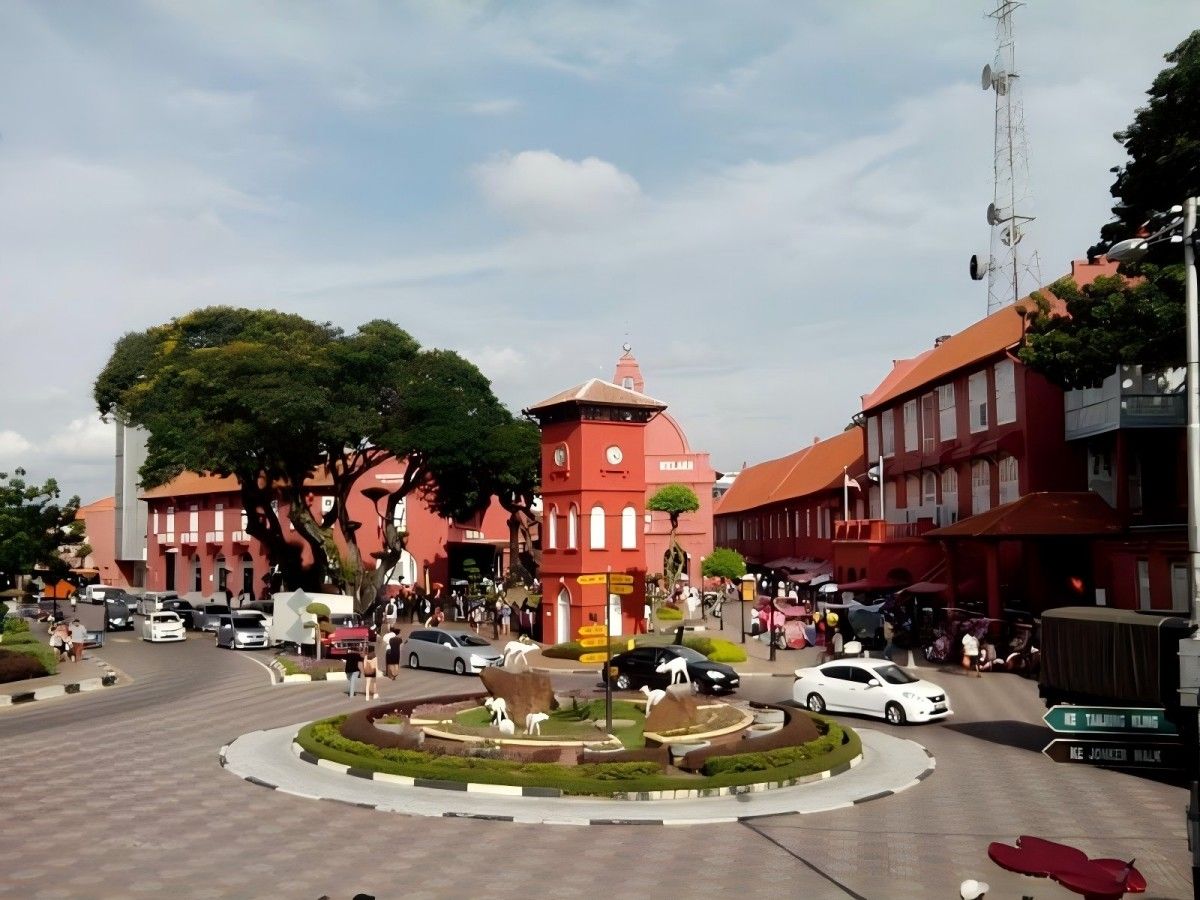
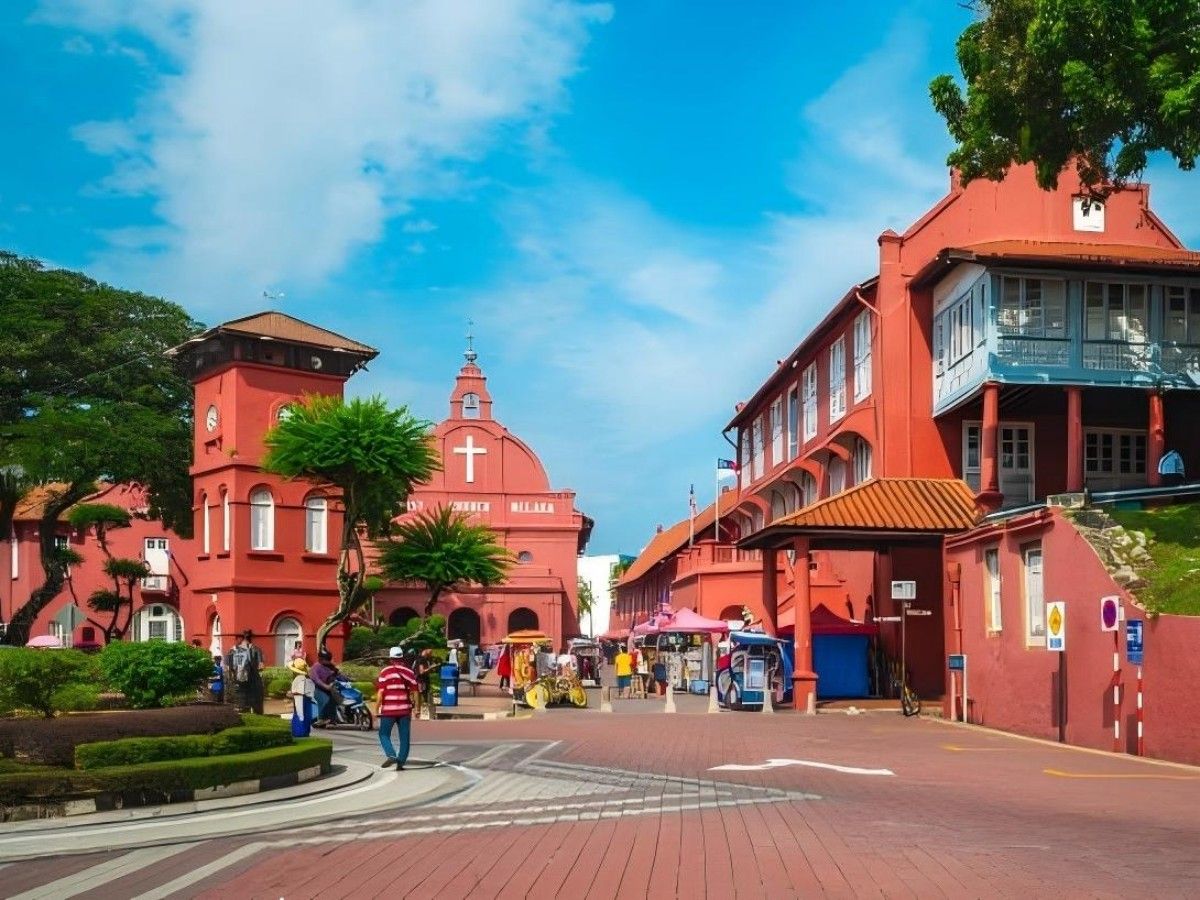
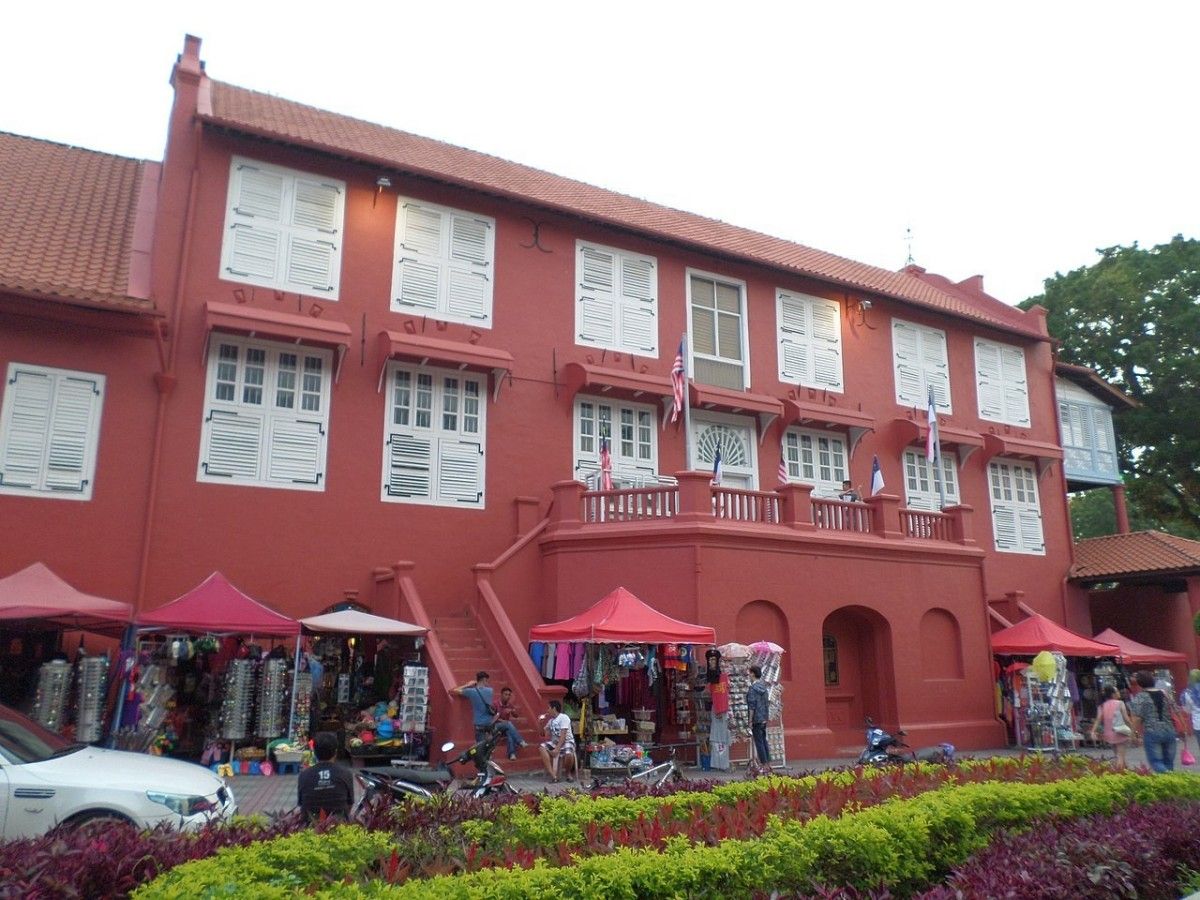
In the city center of Malacca, Malaysia, a striking red building stands quietly. It is the stadthuys. This building is not only a landmark of Malacca, but also a vivid history book, engraved with hundreds of years of changes. In-depth exploration of its history can allow us to go deep into the history of Malacca and even Southeast Asia.
Advertisement
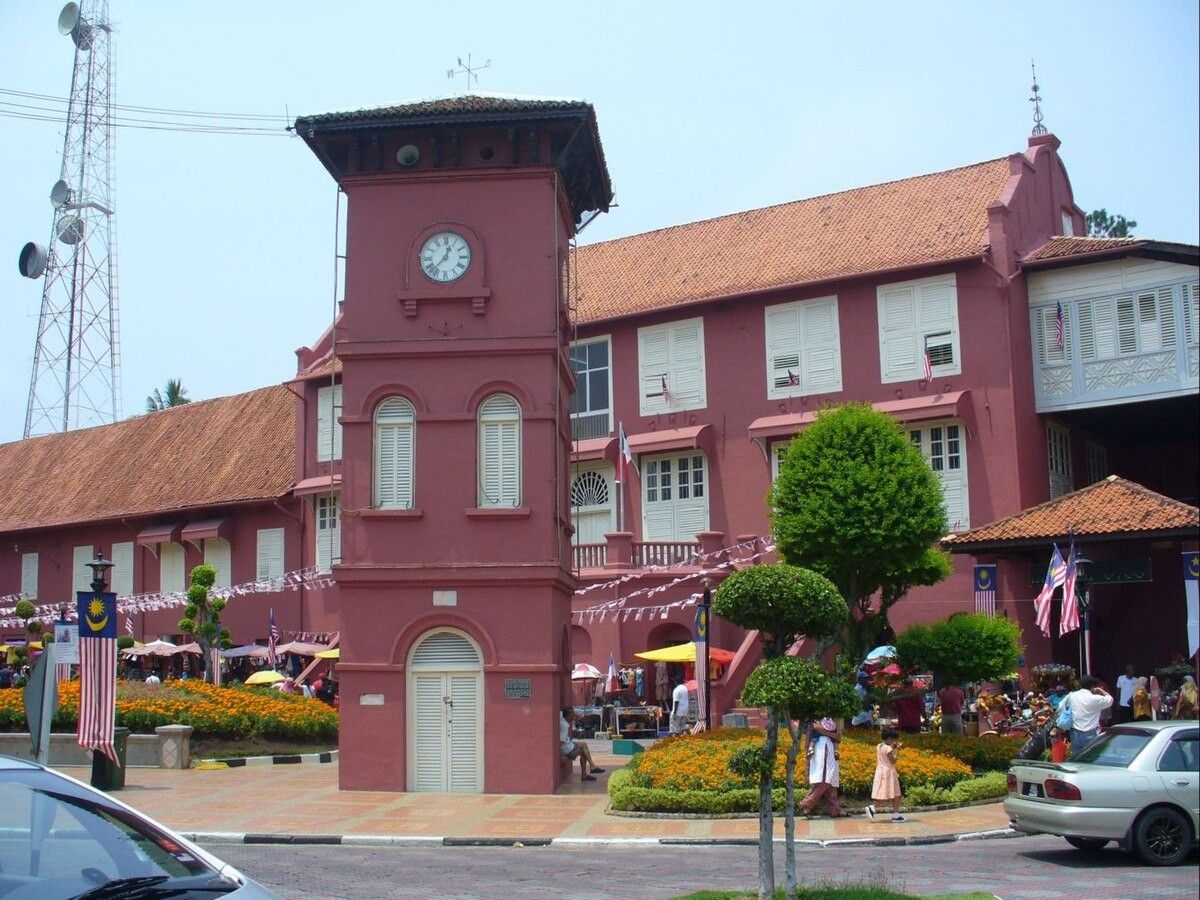
In the 16th century, with the advent of the Age of Exploration, European powers embarked on a journey of external expansion. In 1641, the Netherlands seized Malacca from Portugal, starting a colonial rule of this land for more than 130 years. In 1650, the Dutch East India Company presided over the construction of the stadthuys as the administrative center of the colonial government.
Advertisement
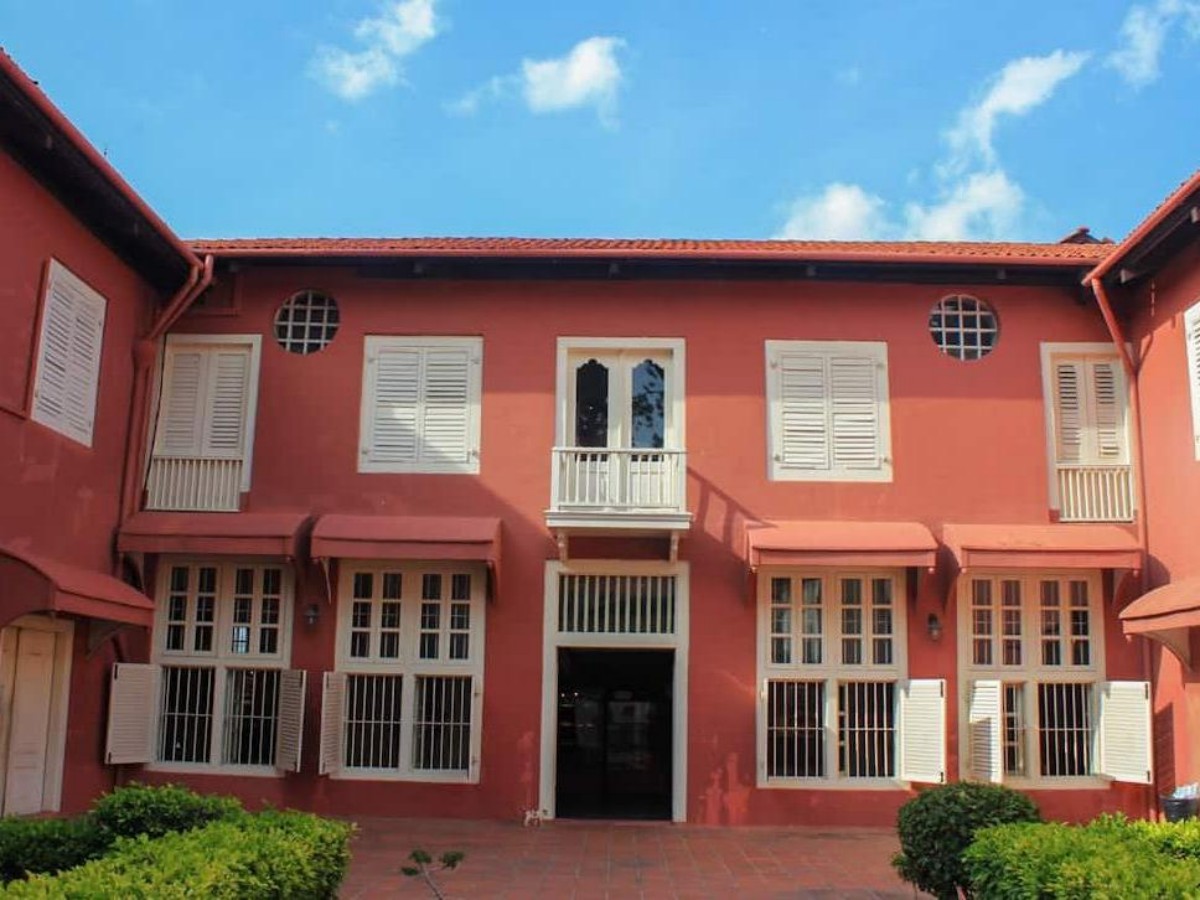
At that time, the Dutch adopted their own architectural style and selected local red bricks that were easily available as the main material to create this building with a unique appearance. Red symbolizes bravery and strength in Dutch culture. The red exterior wall of the stadthuys is not only a reflection of architectural aesthetics, but also a symbol of Dutch colonial authority. Its double-sloped roof and exquisite wood carvings show the exquisite craftsmanship of Dutch architecture. At the same time, some local architectural elements are incorporated to adapt to the tropical climate, such as spacious corridors and high ceilings for ventilation and heat dissipation.
During this period, Stadthuys witnessed the political rule, economic plunder and cultural infiltration of Malacca by Dutch colonists. It was the core of the Dutch power in Malacca, where colonial policies were issued and trade rules were formulated.
In 1824, according to the Anglo-Dutch Treaty, Malacca was ceded to Britain, and the fate of stadthuys changed accordingly. After the British took over, they continued to use it as an administrative office, but some modifications were made inside the building to adapt to British administrative needs and cultural habits.
Advertisement
Under British colonial rule, Malacca's economic structure changed, and stadthuys became the hub for the implementation of new policies. It witnessed a series of British reforms in Malacca, including adjustments to the administrative system, changes in the tax system, and the establishment of an education system. Although stadthuys still maintains the Dutch style on the outside, its internal operations have gradually become British, becoming an important witness to British colonial rule in Malacca.
In 1957, Malaysia declared independence, ending its long colonial rule. The Dutch Red House is no longer used as an administrative office, but has been given a new mission - to become a history and ethnology museum, shouldering the responsibility of inheriting and displaying Malaysia's history and culture.
The government has comprehensively repaired and protected the Dutch Red House, retaining its original architectural style, and at the same time moved a large number of precious historical relics and documents into the museum. It houses furniture and weapons from the Dutch colonial period, traditional costumes and handicrafts from the Malay dynasty, and documents and archives from the British colonial period. These exhibits vividly show the social life, economic development and cultural integration of Malacca in different historical periods.
Today, the Dutch Red House attracts a large number of tourists and scholars to visit and study every year. It is not only an important witness to Malaysia's national history, but also a symbol of multicultural integration in Southeast Asia. Standing in front of the stadthuys, looking at the bright red exterior wall, it seems that you can hear the echo of history and feel the unique charm of the collision and integration of different cultures here.
From the center of power during the Dutch colonial period, to the administrative hub under British colonial rule, to the cultural heritage hall after Malaysia's independence, the history of the Dutch Red House is a microcosm of Malacca's history. It has witnessed the changes of powers, the exchange and integration of cultures, and the independence and development of a country. Understanding the history of the stadthuys can help us have a deeper understanding of Malacca's past, present and future, and also give us a deeper respect for the diverse cultures on this land.