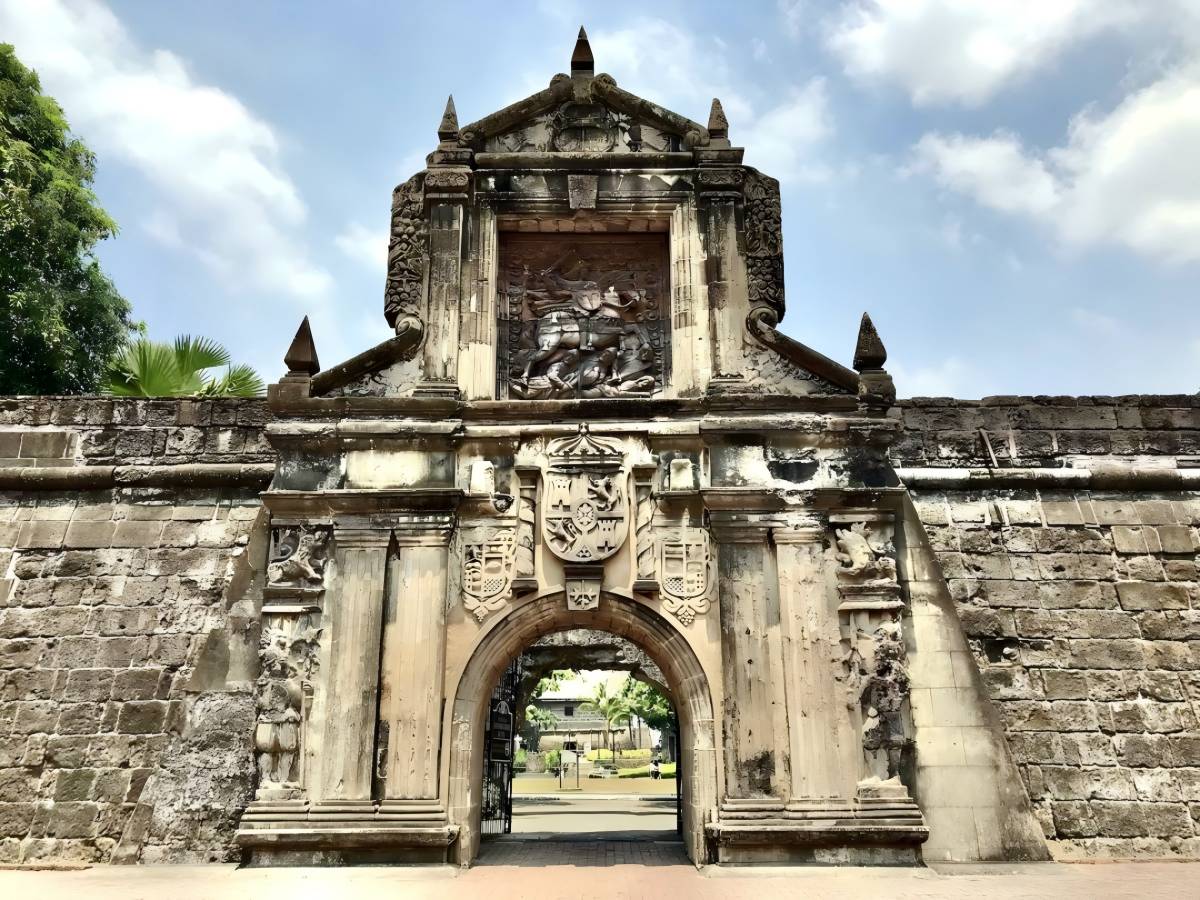
Located in the heart of Manila, Philippines, Fort Santiago is one of the country's oldest and most symbolic military fortresses. As a major military fortification during the Spanish colonial period, Fort Santiago has not only witnessed many historical events in the Philippines, but has also become one of the symbols of Filipino culture and national identity. In this fortress with a deep historical background, there are not only rich relics and documentary materials, but also a reflection of the Philippines' arduous journey from colonial rule to the struggle for independence.
Advertisement
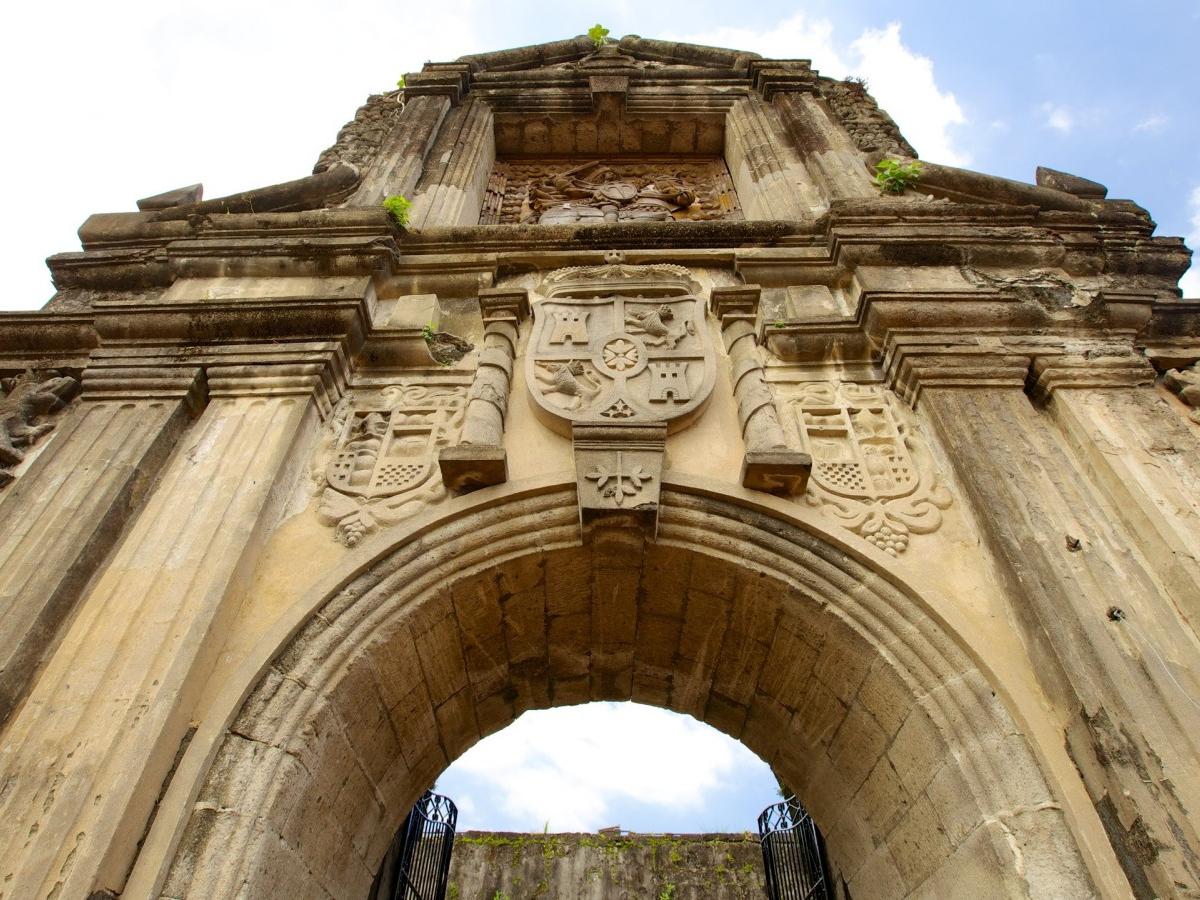
The history of Fort Santiago dates back to the early days of the Spanish colonization of the Philippines in the 16th century, when in 1565, the Spanish conquistador Miguel Lopez de Legaspi decided to build a strong fortification to defend the Philippines against foreign invasions as well as to prevent insurrection in the Philippines itself. Fort Santiago was initially built by the Spanish army with timber and soil and was called “Fort Santiago”. Over time, however, the fort was fortified as a masonry fortification.
Advertisement
Under Spanish rule, Fort Santiago became one of the most important military bases in Manila. During that period, the fort's function was not only limited to defense, but was also used to hold prisoners and to control and manage the entrances and exits of Manila. The architecture of the fort was heavily influenced by Spanish military design. The thick walls and the complex defense system inside the fort made it the strongest defense line in the Philippines at that time.
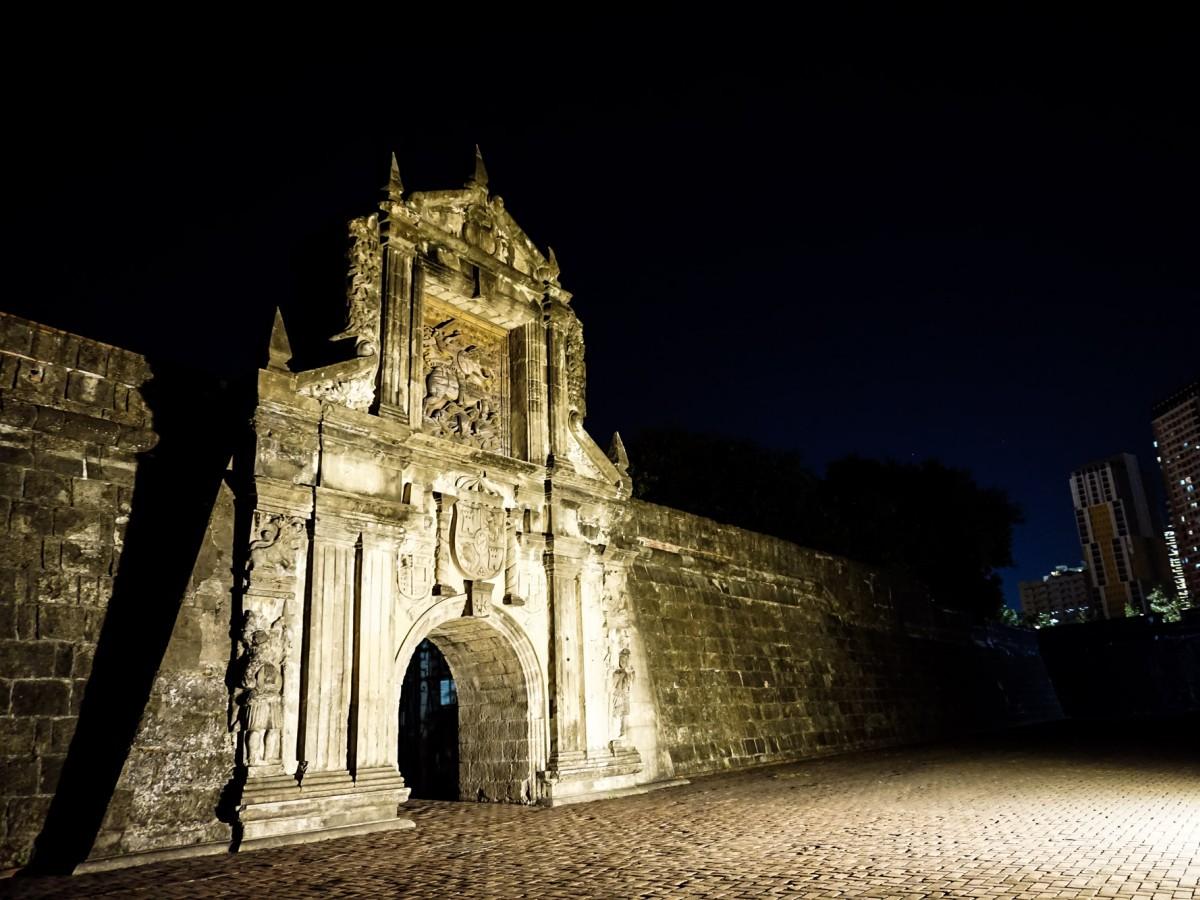
The function of Fort Santiago has evolved over time, with the Spanish gradually converting the fort into a military prison in the mid-19th century. After the outbreak of the Philippine Revolution, Fort Santiago became a place of confinement for several Filipino revolutionaries who fought against Spanish colonial rule. One of the most famous prisoners was Jose Rizal, the father of the Philippine nation. He was imprisoned here in 1896 and eventually executed in Bagumbayan, Manila for his sacrifice in the struggle for Philippine independence.
Advertisement
In addition, Fort Santiago served as a military base for the Japanese during their occupation of the Philippines during World War II.When the Japanese attacked the Philippines in 1941, Fort Santiago was severely damaged during the fighting. After the war, the fort was gradually restored, but its original military function was abolished. Today, Fort Santiago is an important historical site in the Philippines and has become one of the hotspots for tourists to visit.
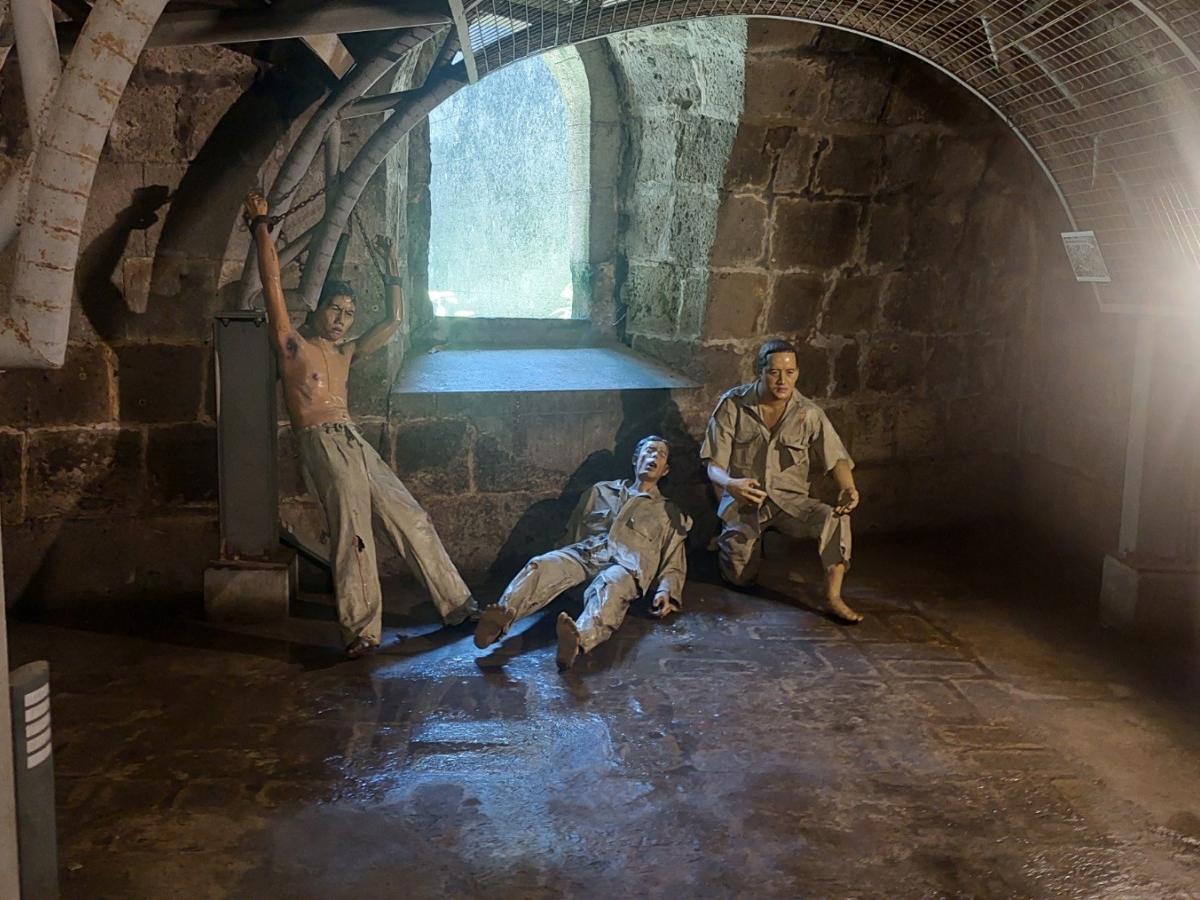
When it comes to Fort Santiago, Rizal has to be mentioned. Rizal is not only the Father of the Philippines, but also one of the symbolic figures in the Philippine independence movement. He became an icon of Filipino nationalism for his promotion of educational reforms, political awareness, and literary works before the outbreak of the Philippine Revolution.In 1896, Rizal was arrested by the Spanish authorities for allegedly inciting the revolution and imprisoned in Fort Santiago.
During his imprisonment in Fort Santiago, Rizal remained steadfast in his beliefs and fearlessness. While his life was behind bars, his ideas and influence were deeply rooted in the hearts and minds of the Filipino people. His representative works, Noli Me Tangere and El Filibusterismo, exposed the oppression of the Spanish colonial government and inspired the Filipino people's desire for freedom and independence.
On December 30, 1896, Rizal was executed by firing squad in Bagumbayan, Manila, an event that became a turning point in Philippine history and inspired the culmination of the Philippine independence movement. Today, inside Fort Santiago, visitors can visit Rizal's memorial to learn about his life in captivity and his contributions to Philippine independence.
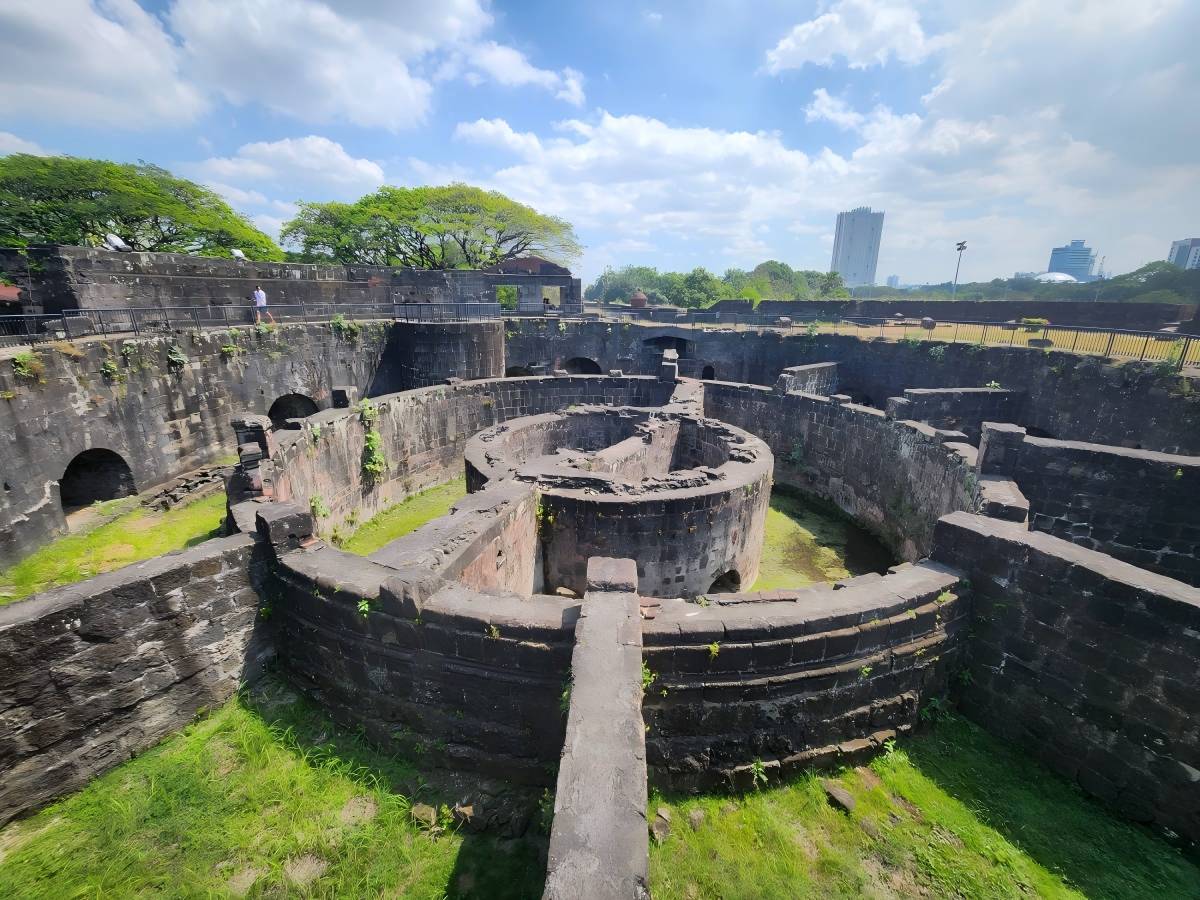
Fort Santiago not only occupies an important place in history, but its architecture and landscapes are also full of art and history. Today, Fort Santiago is listed as a Philippine National Heritage Site and is open to the public. Visitors can tour the well-preserved ruins, old walls, underground cells, and memorials inside the fort.
The architecture inside the fort is a blend of Spanish colonial military design and native Filipino cultural features. The walls of the fort are made of solid stone and feature heavy fortifications and watchtowers. In addition, the gardens inside the fort complement its surroundings, giving it a serene atmosphere and allowing visitors to feel the depth and longevity of its history during their visit.
Fort Santiago is not only a military fort in Philippine history, it is an important witness to the struggle for Philippine independence. By visiting and learning about this fort, visitors are able to better understand the history and culture of the Philippines and its struggle for independence. Fort Santiago is a source of inspiration for both history scholars and ordinary tourists. Today, Fort Santiago is a preserved and displayed historical site that still carries the Filipino national spirit and sense of independence, and is a must-visit for everyone who visits the Philippines.