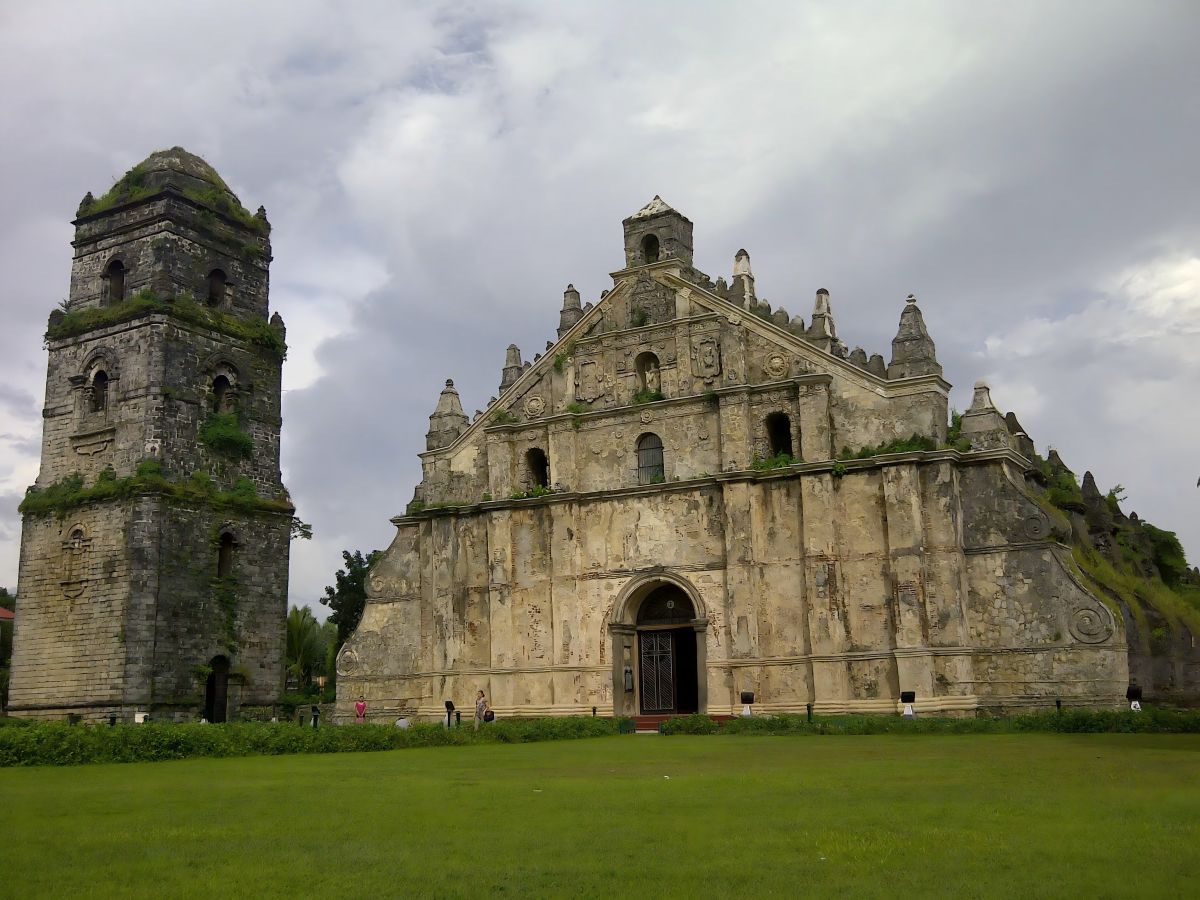
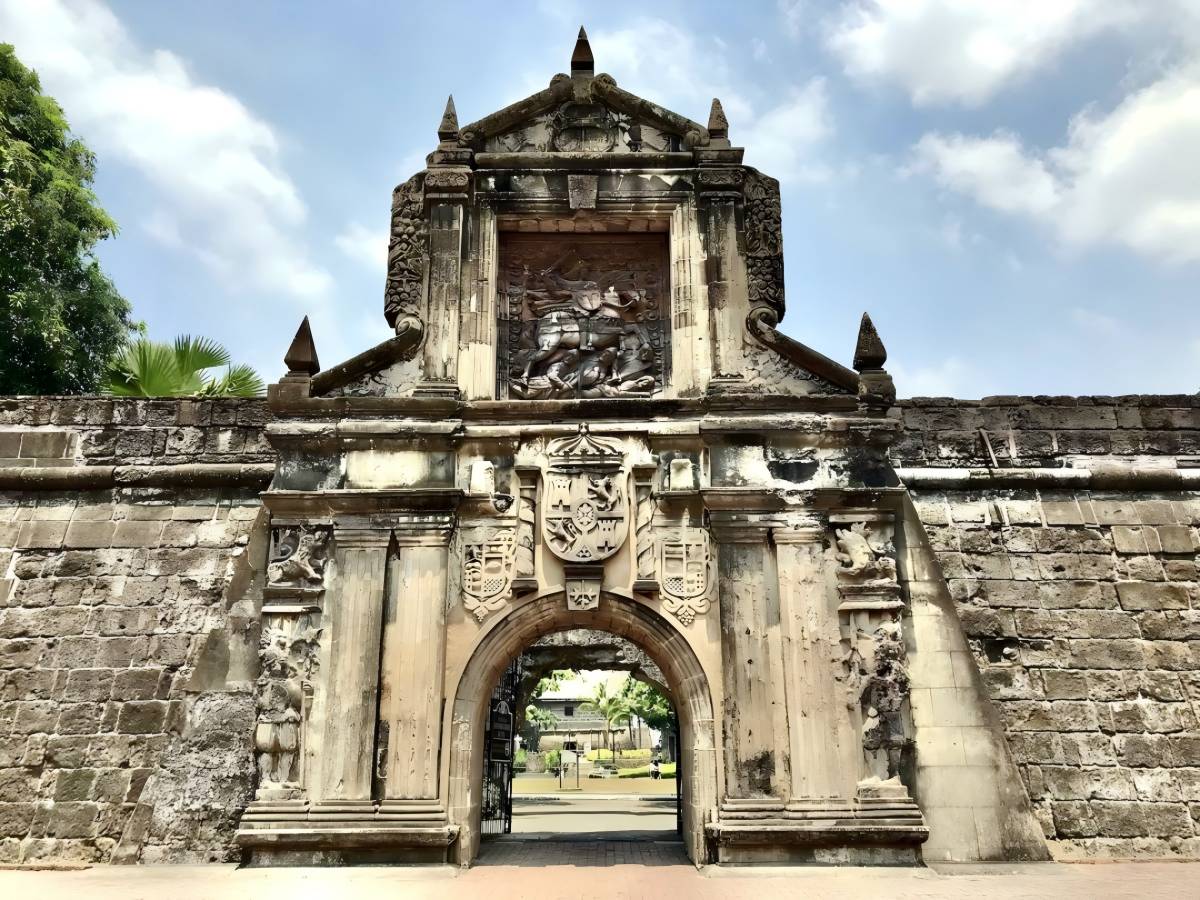
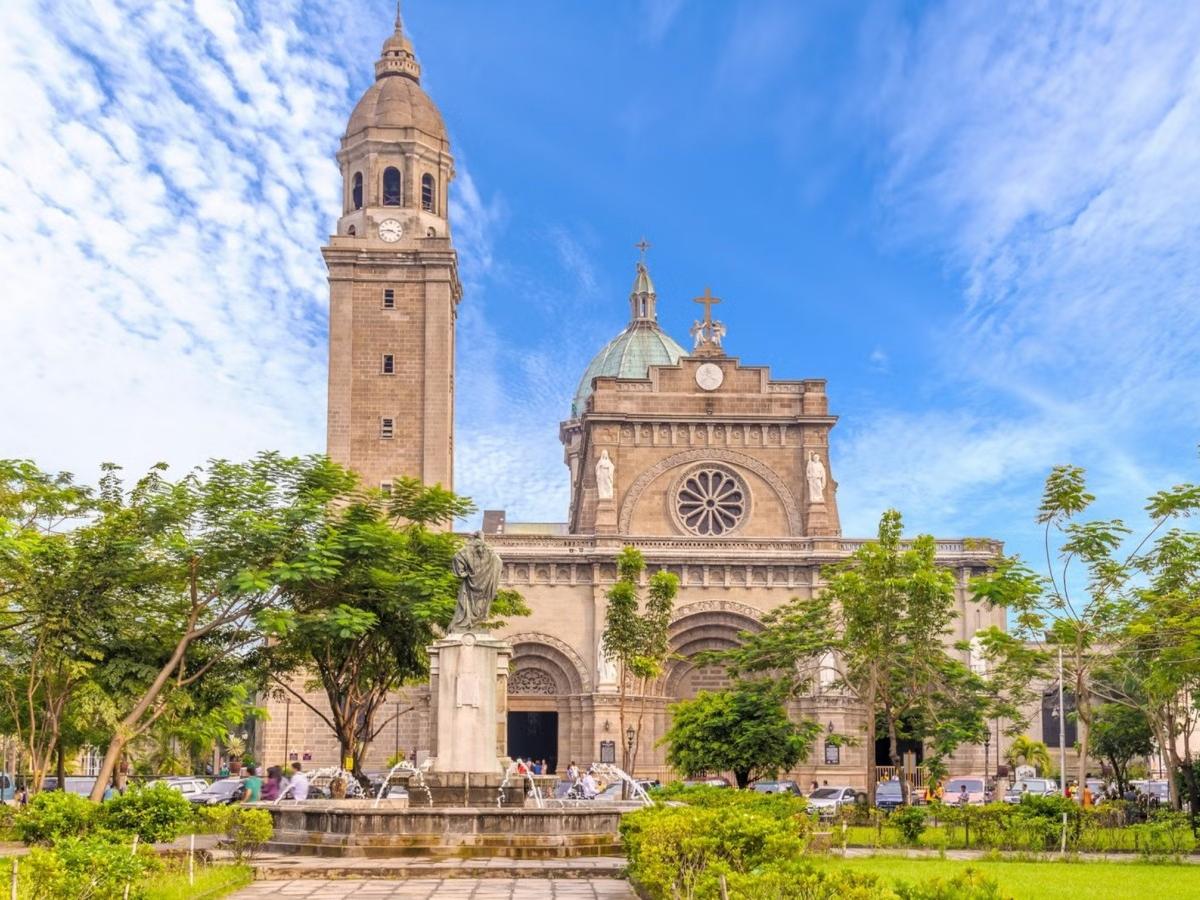
The Philippines is an archipelago of eastern and western cultures with many historical heritages, one of the most iconic of which is the San Agustin Church in Metro Manila, one of the oldest churches in the Philippines with more than 400 years of history and recognized as a UNESCO World Heritage Site. For travelers who love history, architecture and culture, San Agustin Church is a treasure to savor.
Advertisement
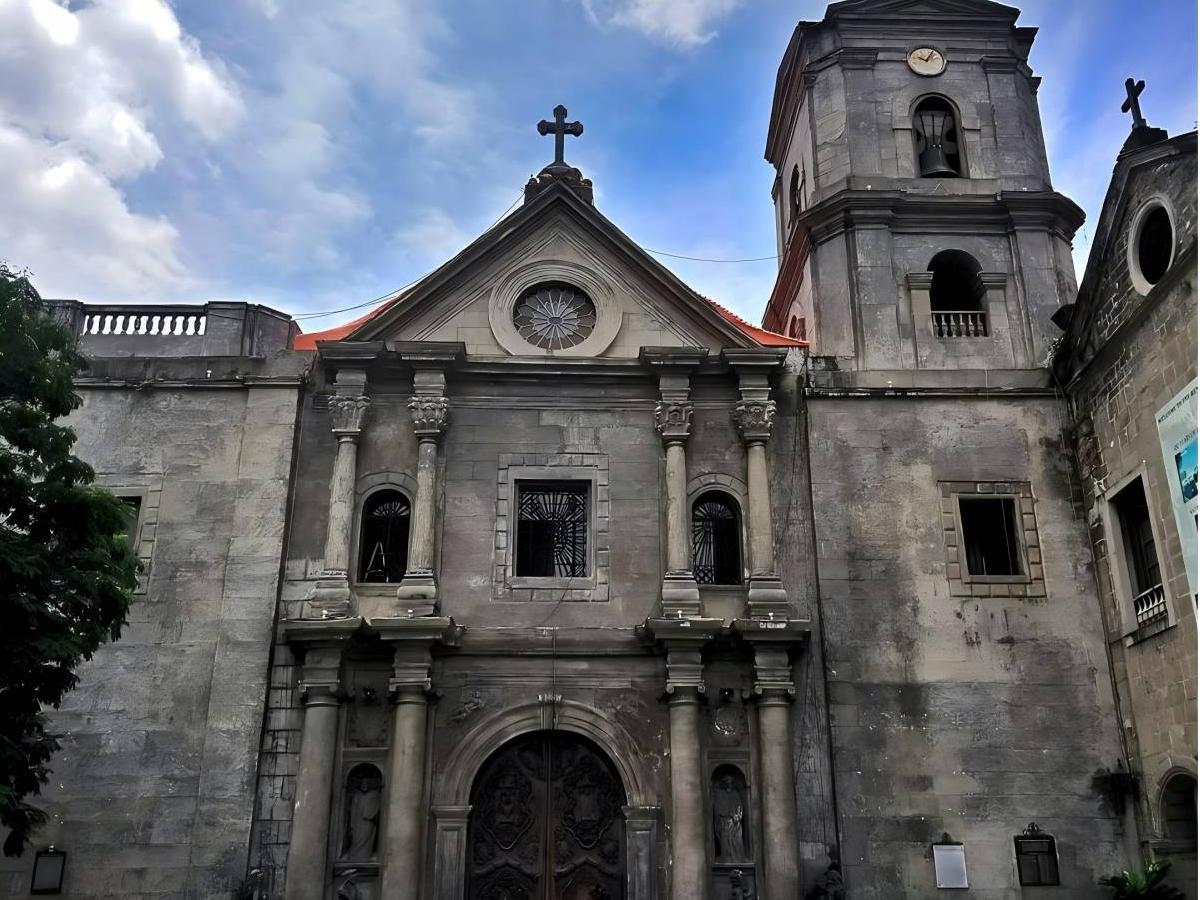
The history of San Agustin Church dates back to the Spanish colonial period in the 16th century, when the Spanish officially started colonizing the Philippines in 1565, and Augustinian friars started to establish monasteries and churches all over the Philippines in order to spread the Catholic faith.
Advertisement
1. Establishment of the First Church (1571)
San Agustin Church was originally founded by the Spaniards in 1571 when the building materials were bamboo and wood. However, the tropical location of the Philippines and the frequent typhoons did not make these materials durable, and the church was destroyed in 1574 when the pirate Limahong struck Manila.
2. Birth of the Stone Church (1586-1607)
To solve the problem of the vulnerability of wooden buildings, the Augustinian friars started to build a stone masonry church in 1586. Coral stone, known as “coral stone”, which was abundant in the Philippines at the time, was not only strong, but also resistant to earthquakes. After more than two decades of construction, a strong and majestic church was finally completed in 1607, which we see today as the San Agustin Church.
3. A Church that Witnesses History
Over the next four hundred years, San Agustin Church has survived numerous historical changes - the height and fall of Spanish colonial rule, the Philippine Revolution, the American rule, the Japanese occupation, and the devastation of World War II - and the destruction of many of its buildings during the Battle of Manila in 1945, when the Japanese and the American armies fought fiercely. In 1945, during the Battle of Manila, many buildings were destroyed by the Japanese and American forces, but miraculously, San Agustin Church survived to become one of the most historically significant sites in Old Manila today.
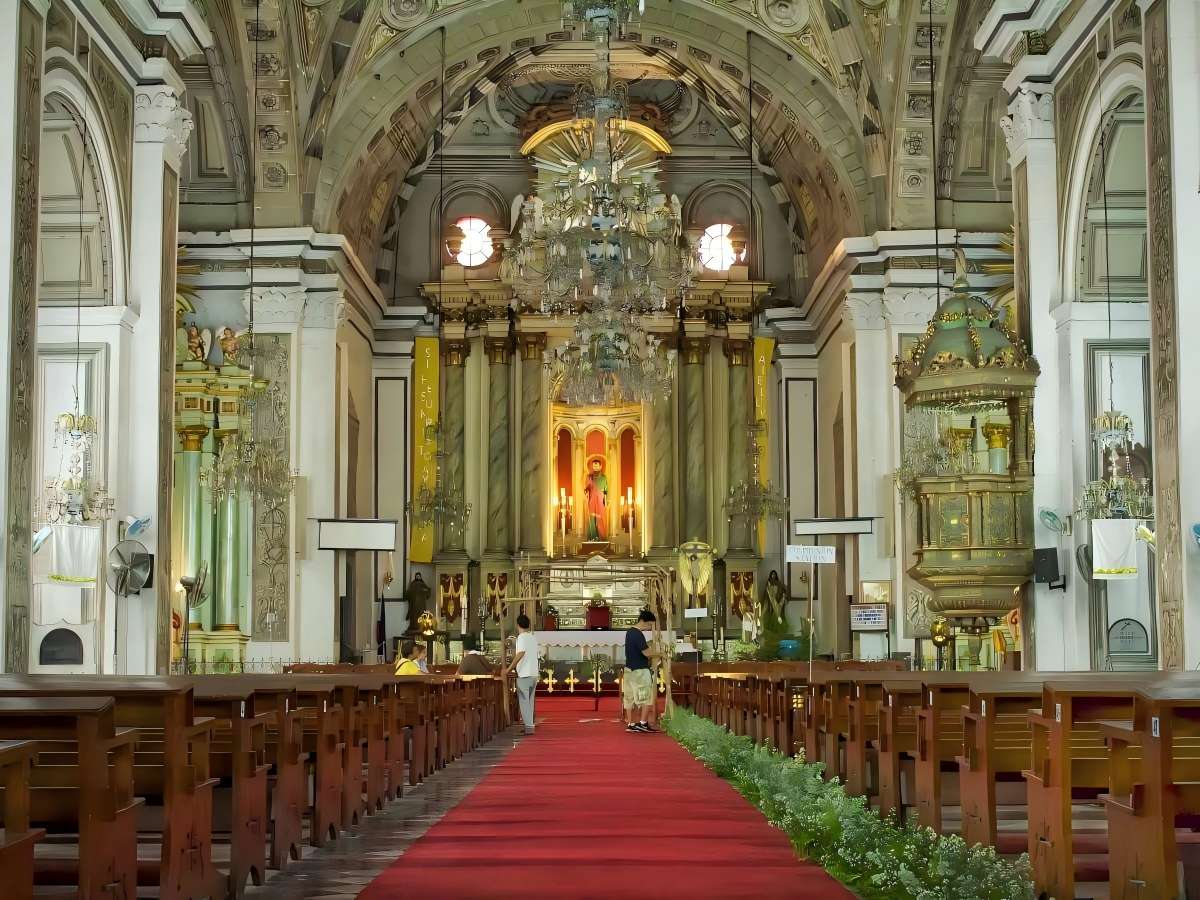
San Agustin Church is not only a religious shrine, but also an architectural masterpiece. It is a unique blend of European Baroque, Gothic, and native Filipino architectural elements.
Advertisement
1. Appearance: unassuming but powerful
Compared to many European cathedrals, the exterior of San Agustin Church is understated and simple. The stone walls have been baptized over the years and exude an ancient charm. The carvings on the main door, though not elaborate, still show a strong Spanish style.
2. Dome and ceiling frescoes
When you enter the interior of the church, the most amazing thing is the “perspective fresco” on the ceiling. This is a painting technique that utilizes the illusion of sight to make two-dimensional frescoes appear as three-dimensional sculptures. The paintings on the ceiling depict intricate geometric patterns, portraits of saints, and ornate floral decorations, making it seem as if you are in a European baroque church.
3. Spectacular Wooden Carved Doors
The gate of the church is an outstanding work of art of wood carving, with delicate and exquisite patterns on the door, carved with religious stories and symbolic motifs. These wood carvings not only show the Spanish religious culture but also incorporate the local Filipino style of craftsmanship.
4. Altar and Side Aisles
The altar of the church is ornately decorated with gold leaf and wood carvings, with a statue of St. Augustine in the center. The porch columns on both sides are covered with baroque decorations, giving a sacred and solemn feeling.
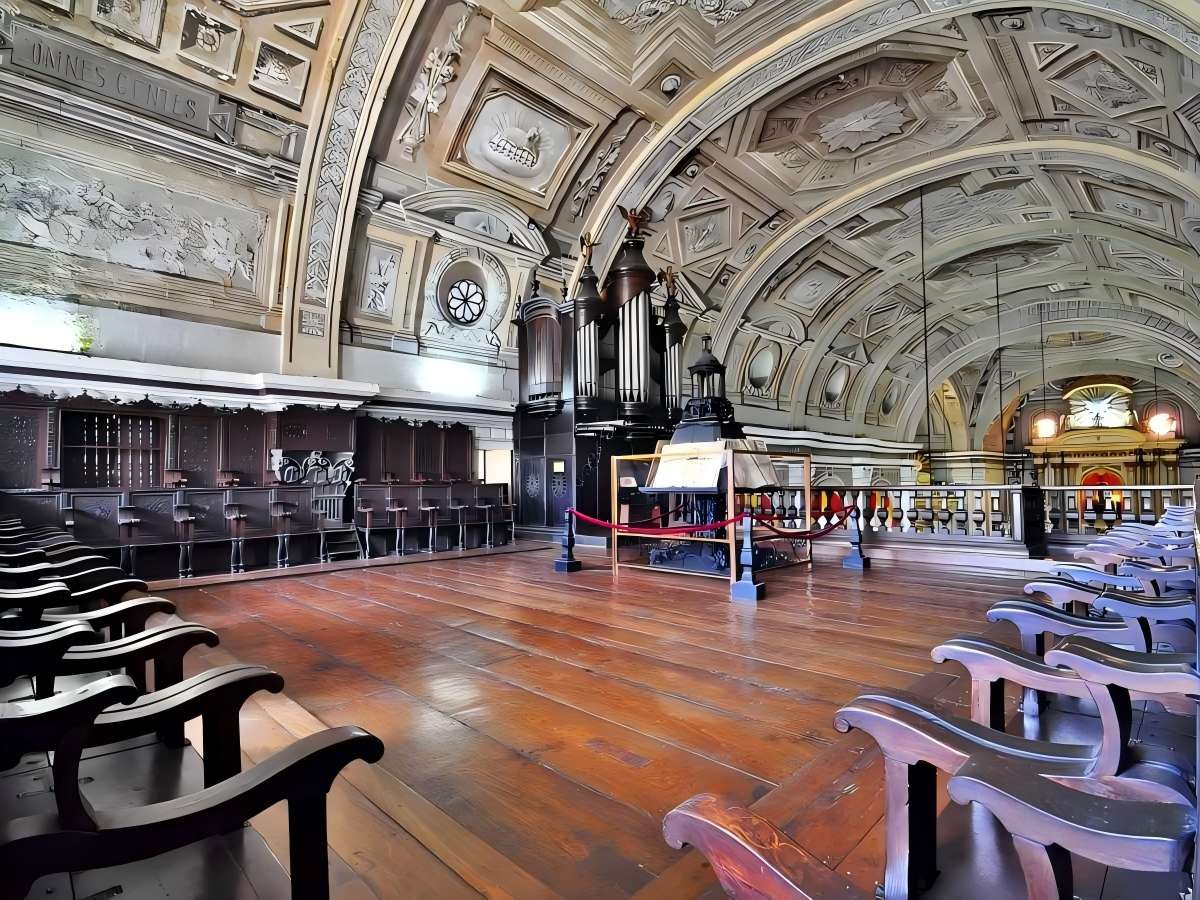
1. St. Augustine Museum
Next to the church is a museum with a rich collection showcasing the history of Catholicism in the Philippines, valuable religious artifacts, ancient paintings, and relics from the Spanish colonial period. Among the exhibits, the following are most worth seeing:
- Religious Artifacts of the 16th-18th Century: Includes beautiful icons, Bible codices, religious costumes, etc.
- Ancient Friar's Library: a collection of rare books from the Spanish era, many of which are early documents in a mixture of Latin, indigenous Filipino languages and Spanish.
- Colonial Furniture and Everyday Objects: A display of the lifestyle of the Spanish aristocracy and friars of the time.
2. Friar's Catacombs
Several Spanish friars and prominent Filipinos are buried underneath the San Agustin Church, the most famous of which is the resting place of Spanish conquistador Miguel Lopez de Legaspi. He was the founding father of the Spanish colonization of the Philippines, and as such, his tomb is considered one of the major symbols of Philippine history.
3. The Legendary “Mystery of the Bells”
San Agustin Church has an ancient bell that is said to chime on its own whenever there is a major historical event in the country. This legend adds a touch of mystery to the church and has become a popular topic of conversation among visitors.
San Agustin Church is not just an old church, but a history book engraved in stone. It's worth stopping to admire, both for its architectural beauty and for its religious and colonial history. If you're a history buff, this is a must-see destination in the Philippines. As you step into this church, which has been a story of more than 400 years, look up at the frescoes on the ceiling and listen to the bells echoing under the dome, you are sure to feel the shock of traveling through time and space.