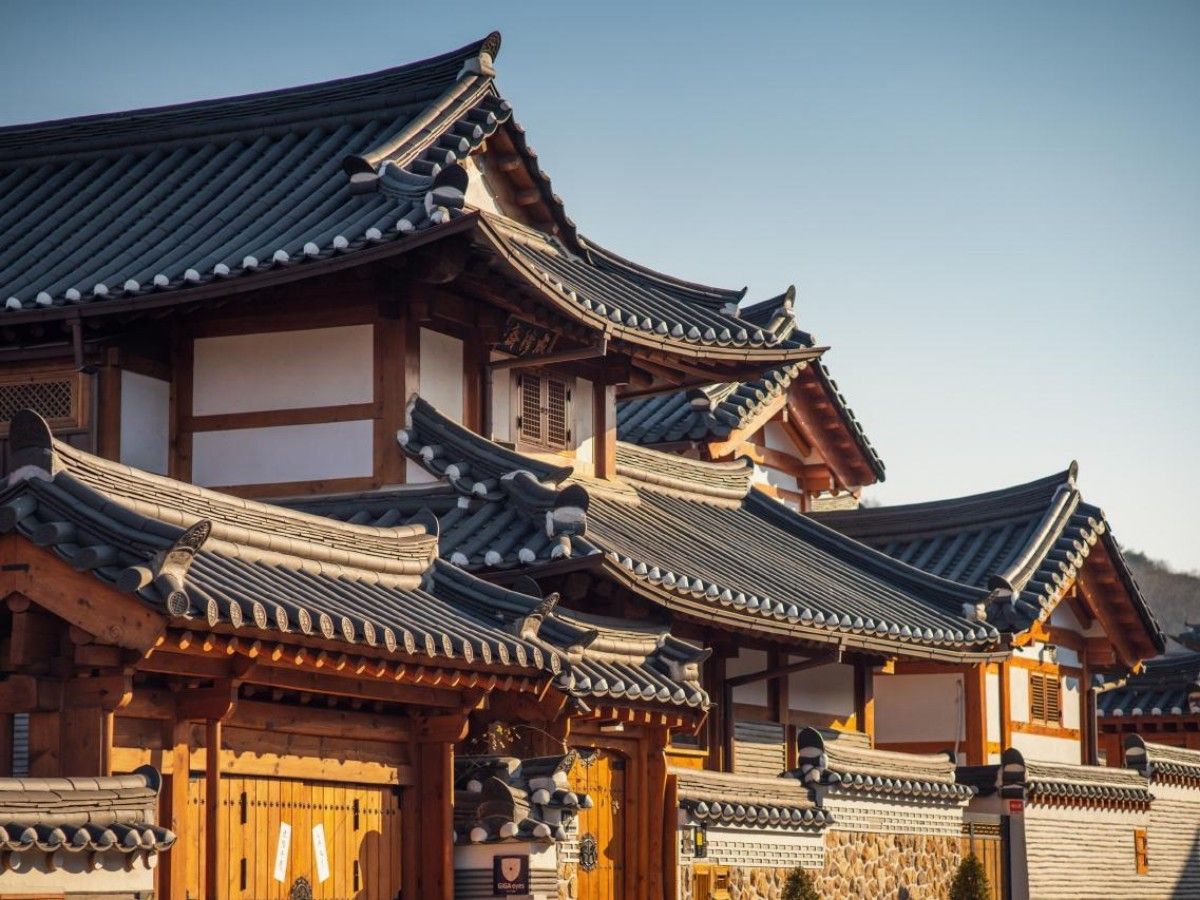
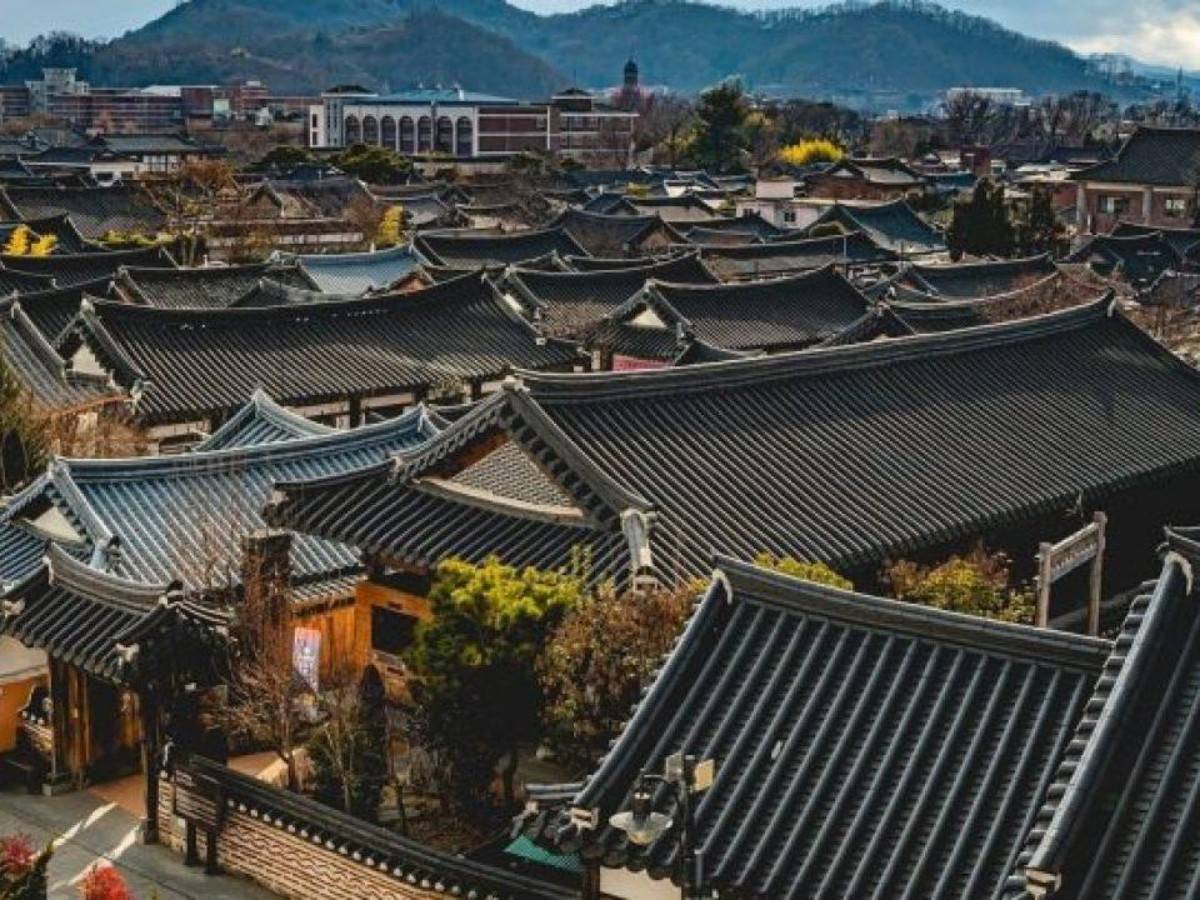
In the morning mist of North Jeolla Province, Jeonju Hanok Village is like a long scroll of ink painting slowly unfolding. The group of Hanok houses with blue tiles and flying eaves is separated from the glass curtain wall of the cafe by only a stone road. A teenager in school uniform leans out of the century-old wooden door and passes by the iced American coffee in the hands of tourists - this is the best-preserved traditional village in Korea and a "living history museum". Jeonju Hanok Village uses more than 800 traditional Hanok houses to weave the warp and weft of time, making every stone slab and every carved window a bridge connecting the past and the present.
Advertisement
High-speed rail: Take KTX from Seoul to Jeonju Station (about 1 hour and 40 minutes), then transfer to bus No. 79 or taxi (about 15 minutes, cost 6,000-7,000 won) to the entrance of Hanok Village.
Advertisement
Self-driving: Navigate to "Jeonju Hanok Village Comprehensive Service Center", and nearby parking lots (open 24 hours) can store luggage.
Intercity bus: Take bus No. 5-1 or No. 79 from Jeonju Intercity Bus Station (about 15 minutes), or take a taxi (about 10 minutes, cost 5,000 won).
Tips: It is recommended to avoid the morning peak of holidays and choose to visit in the evening or early morning. The light and shadow on the stone road are intertwined, which makes it easier to capture the quiet ancient charm. The whole walk in the village takes about 2 hours, and it is better to wear comfortable shoes.
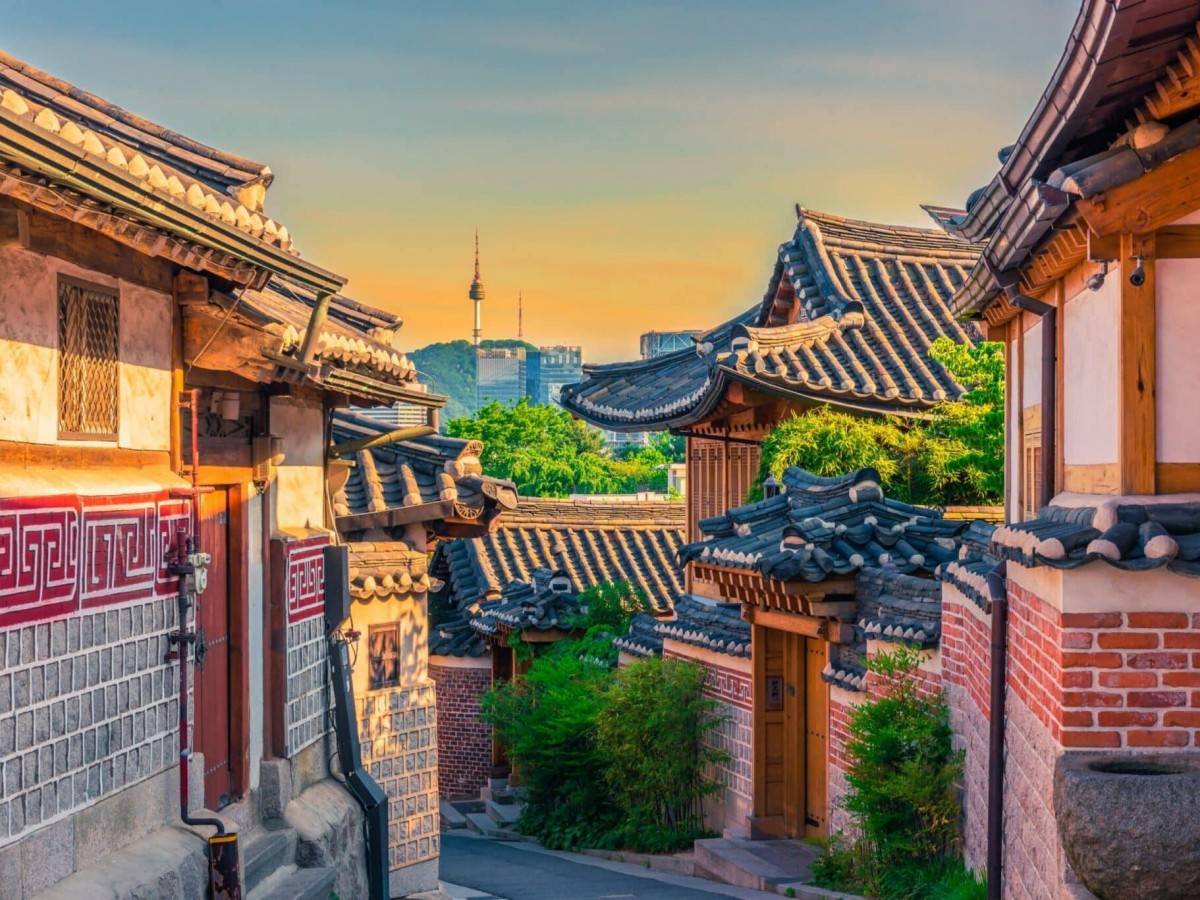
1. Must-see attractions: ancient charm and modern sound
Advertisement
Gyeonggijeon (입장료 3,000원): The palace enshrines the portrait of Joseon Taizu Yi Seong-gye. The vermilion lintel and white marble base tell the rise and fall of the dynasty. The stone road in front of the hall is a classic filming location for the Korean drama "Palace". You may wish to imitate the scenes in the drama and take a "time-travel photo". The imperial paintings hanging in the hall have been preserved through wars to this day, and the handwritten copy of "Annals of the Joseon Dynasty" is stored in the history library of the rear hall.
Omokdae (오목대): Climb to the top of the mountain for 10 minutes, and you can see the Jeonju city view and the blue tiles of the Hanok. This is the place where Lee Seong-gye had a triumphant banquet. The stone wall is engraved with calligraphy and paintings of literati from past dynasties. It is an excellent location to overlook the sunset. In the autumn red leaf season, the wooden plank road and red maple are framed like an oil painting.
Ziman Mural Village: A fairy tale world separated from the Hanok Village by a wall. The 3D murals make the mottled wall bloom with rainbow flowers. It is recommended to check in the same tunnel as in the drama "2521". The strawberry sorbet in the corner cafe is a great way to cool down. Artists paint on the third Sunday of every month.
Jeondong Catholic Church: A representative of modern Western-style architecture in Korea, the red bricks and the Hanok form a style collision. The stained glass windows and organ inside highlight the Gothic aesthetics, and it is a popular location for wedding photos.
2. Modern experience: a new interpretation of tradition
Hanbok experience: Choose a set of satin jacket and skirt at the rental shop next to the "Hanok Village Stone Monument" (about 20,000 won for 2 hours) and let the staff comb your traditional bun for you. Stroll to Jeonju Township School in hanbok, and the bluestone steps and wooden lattice windows will frame a series of ancient paintings for you.
Craft workshop: Make a palace fan by hand at the Jeonju Fan Culture Center (experience fee 5,000 won), or turn the bark of the mulberry tree into a page of cloud pattern paper at the Korean paper workshop. These intangible cultural heritage skills are being reborn in a younger way.
Night light show: Every Friday and Saturday night, the Hanok group lights up warm yellow lanterns, blending with the outlines of traditional buildings. It is recommended to take a panoramic photo in front of Fengnan Gate, and it seems to travel through a hundred years in the light and shadow.
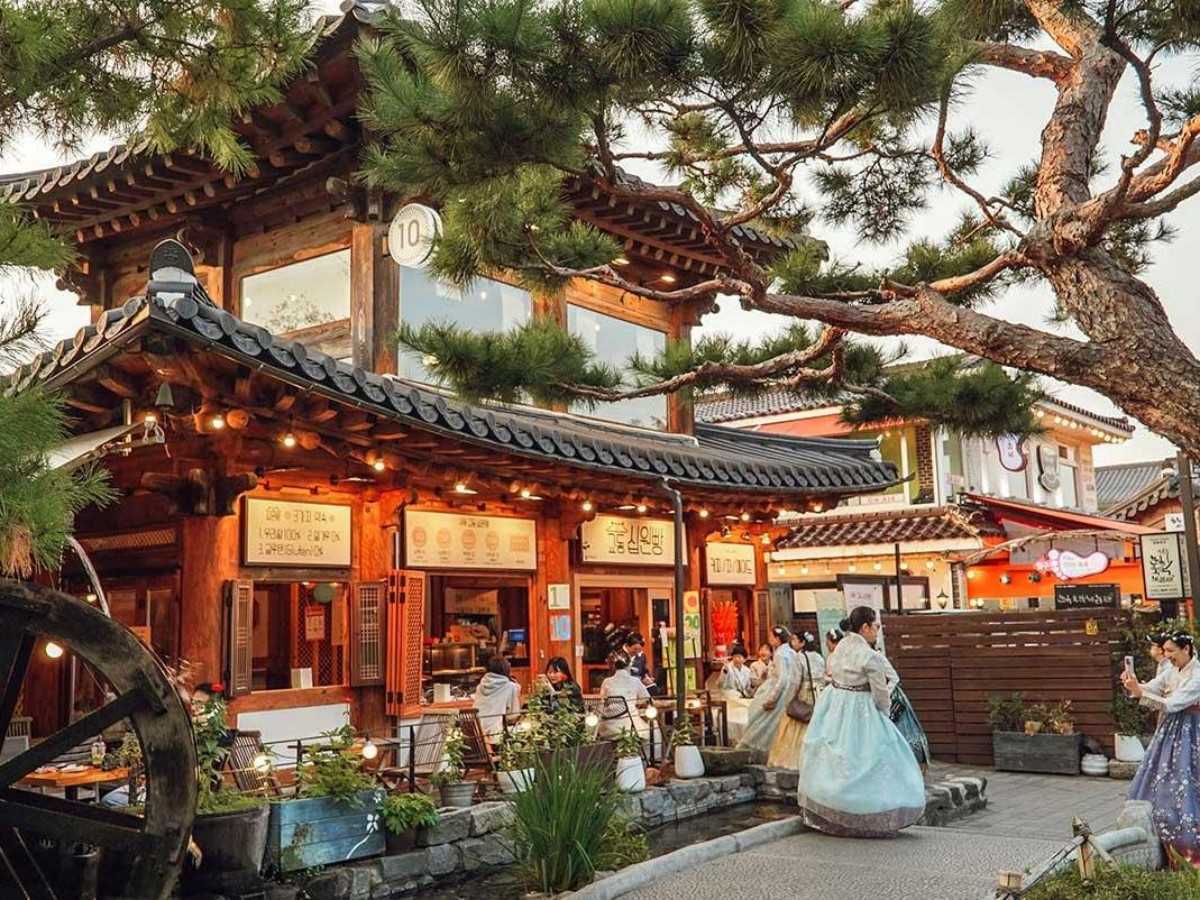
Traditional must-try
Jeonju bibimbap: Must-visit the old shop "고궁수라간", where colorful seasonal vegetables collide with secret spicy sauce in a copper bowl, served with a bowl of kelp soup (12,000 won set meal).
Mung bean pancake: Ajuma, a cart at the alley, makes it on the spot, with crispy pancakes wrapped with sweet and salty fillings (3,000 won per serving).
Bean sprout soup rice: Visit the small shop "동문길 88" in the morning, and the warm soup for 8,000 won a bowl can dispel the morning chill.
Modern creativity
Hanok cafe: Recommend "행원茶房", sit on the kang of a century-old Korean house and sip latte, with the overlapping shadows of modern street scenes and traditional eaves outside the window.
Night Market Snacks: Go to the Nambu Market Night Market in the evening, and the cheese grilled ribs (15,000 won) and rice wine cocktails (8,000 won) give new vitality to traditional flavors.
Desserts: PNB Chocolate Pie Shop offers tastings, and the classic gift box is suitable for giving to relatives and friends (12 pieces are about 25,000 won).
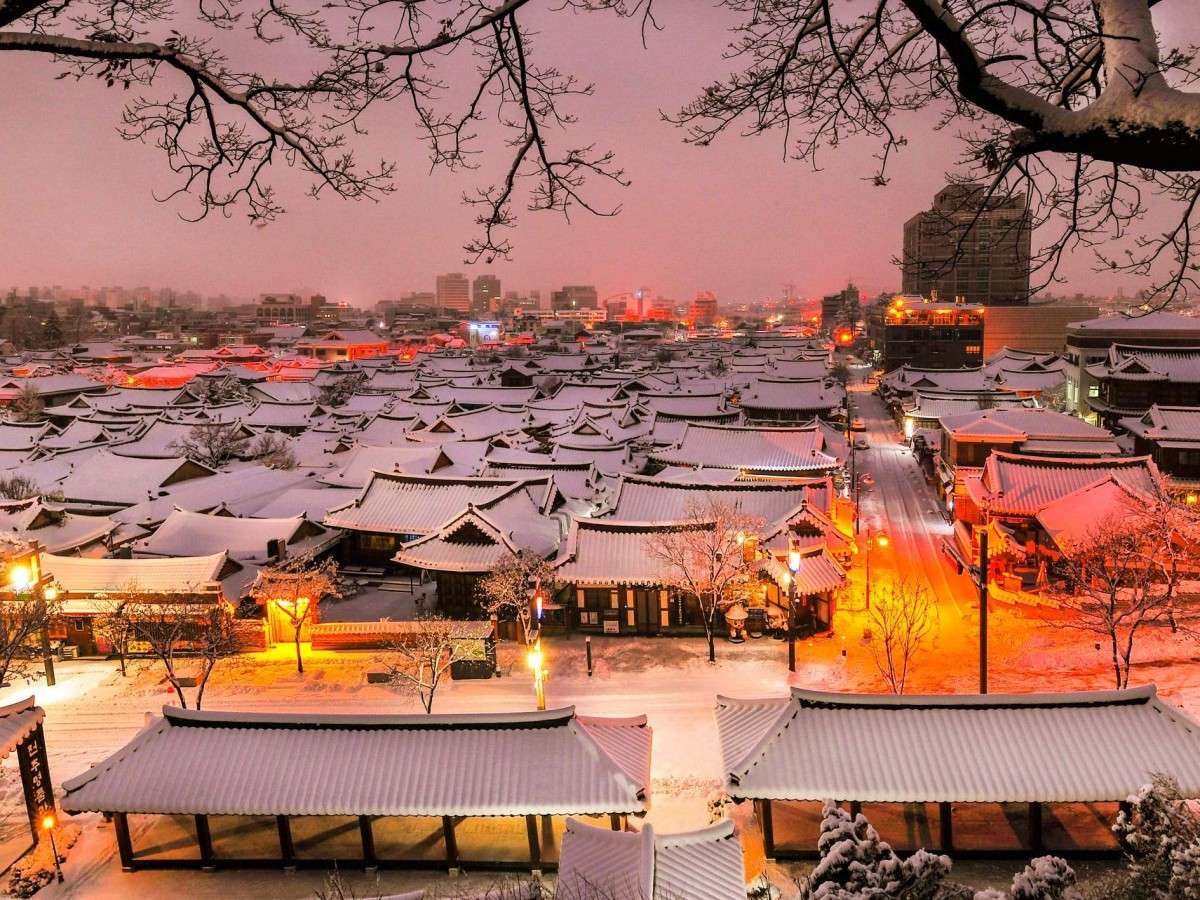
Traditional experience: Stay at Tongleyuan B&B, where courtyard lanterns dance with the stars, and the ondol room is warm in winter and cool in summer (double room is about 150,000 won). Some B&Bs provide foot bath services (another 10,000 won), and herbal bags are wrapped in wooden barrels to relieve fatigue.
High-end options: Ramada Encore Jeonju combines Korean house elements with modern design, and the rooftop terrace overlooks the night view of the entire city (double room is about 200,000 won).
Special accommodation: Hanok Cafe Haengwon provides a "loft accommodation experience" and guests can enjoy a private coffee bar (reservation is required 30 days in advance).
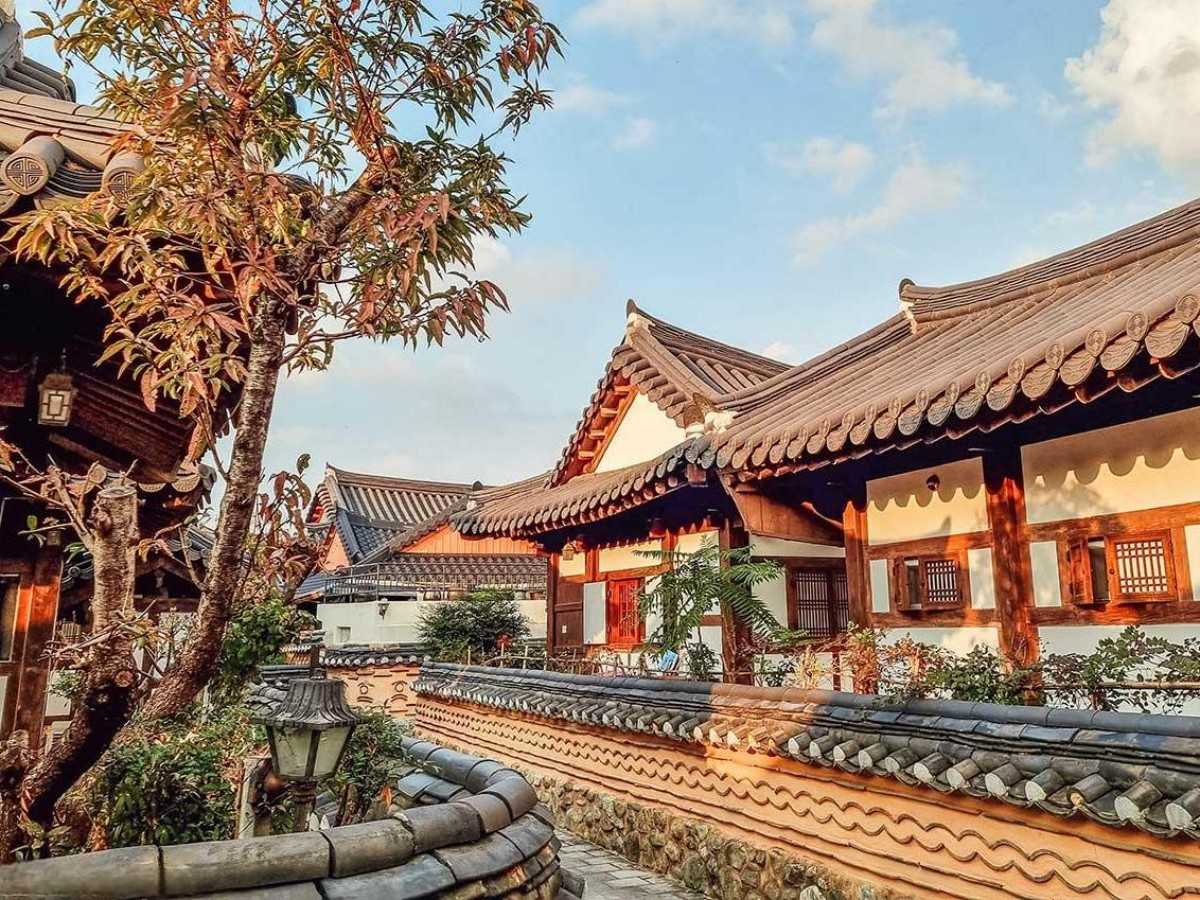
Morning market: Go to the Nambu Market at 6 a.m. to watch the stall owners weigh with traditional weights and try freshly made perilla leaf pancakes (2,000 won/portion).
Traditional Culture Class: Learn Pansori (traditional rap art) at the Jeonju Traditional Culture Institute, with refreshments included (2 hours, about 30,000 won).
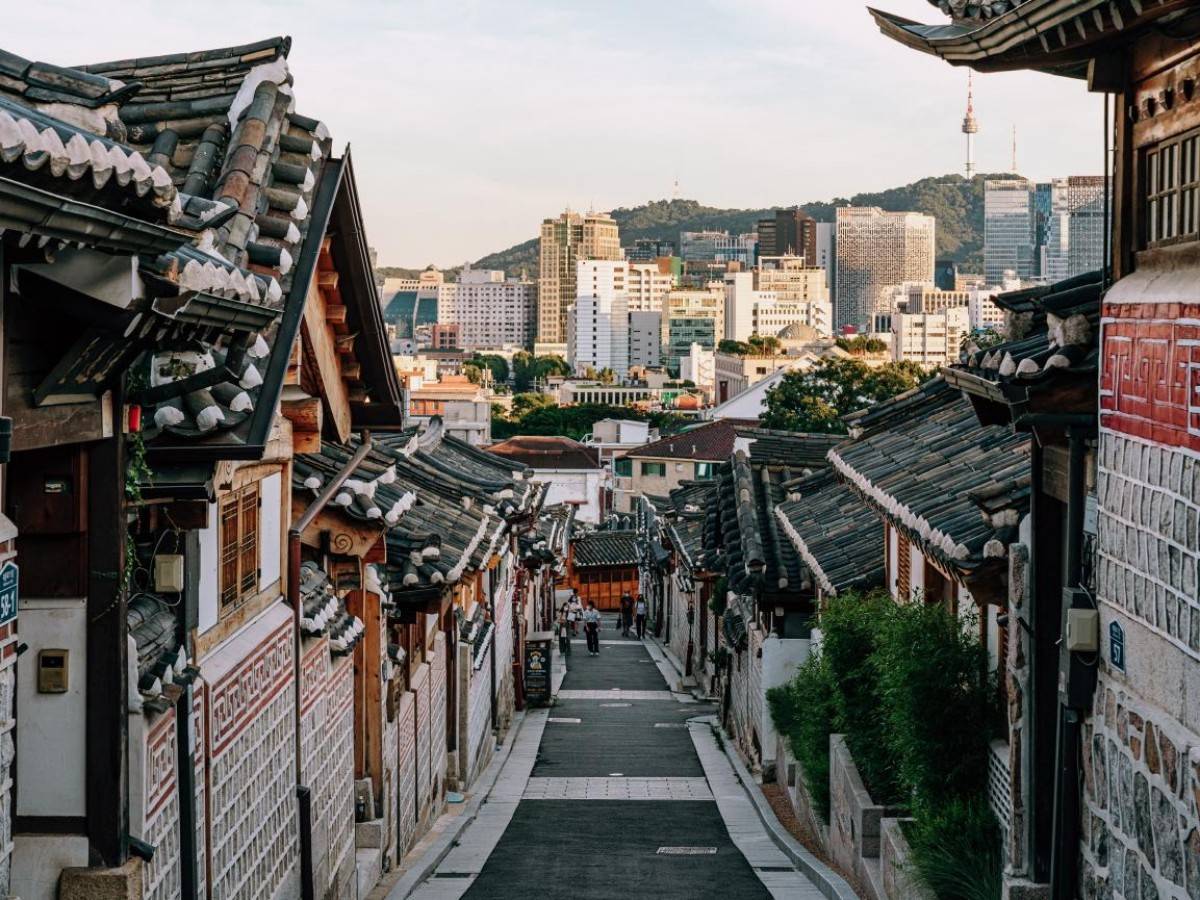
Night Tour: Stroll along Kirin-daero in the evening, street lights project the silhouette of Korean houses on the stone road, and occasionally see students in school uniforms rushing by, as if traveling through time.
When the sunset gilds the Korean houses, modern neon lights quietly light up in the ancient alleys, and Jeonju Hanok Village completes another dialogue between time and space. This is not a solidified specimen, but a living organism that allows tradition to grow in breathing. Next time, you might as well visit on a rainy day - the sound of raindrops hitting tiles will tell you what "living history" is. Jeonju Hanok Village uses 800 eaves to support the weight of civilization, allowing every traveler to salvage their own stories in the long river of time.