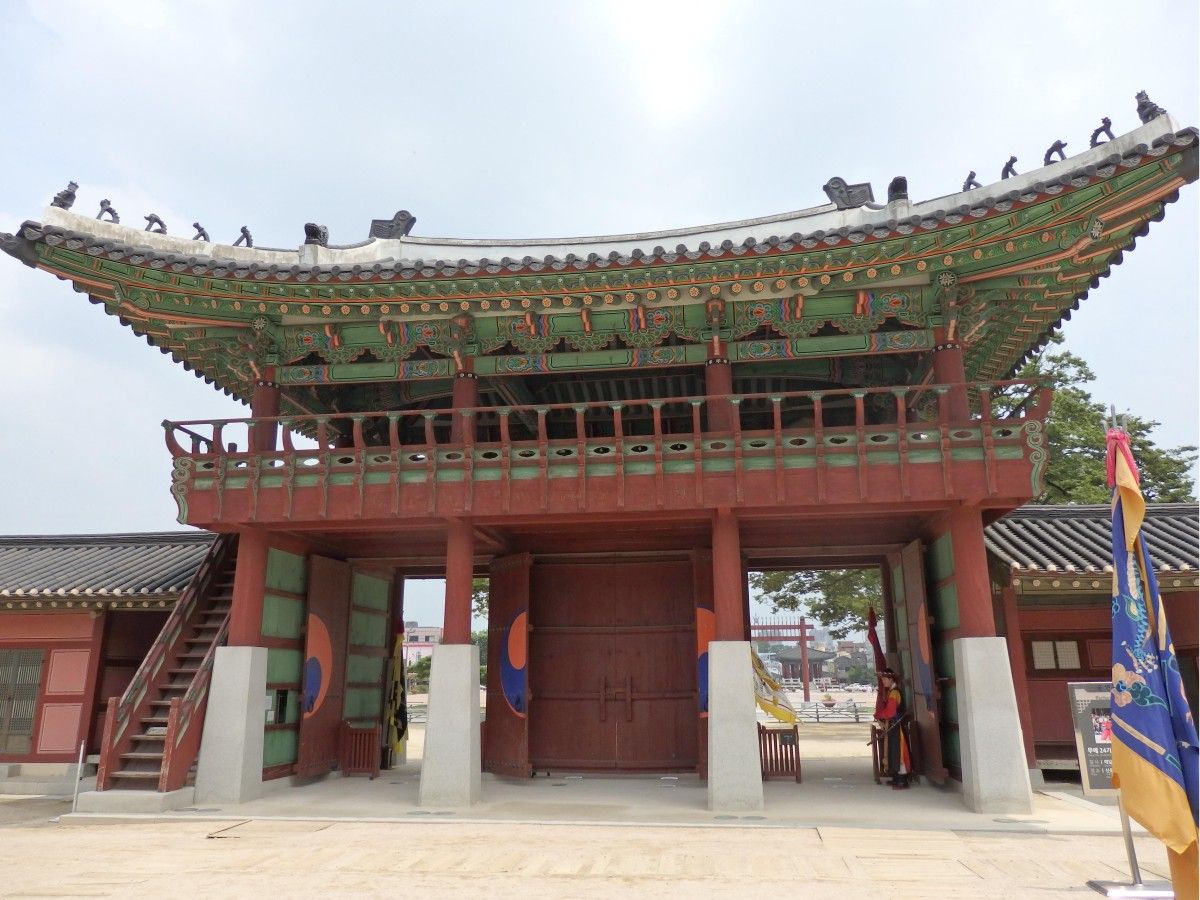
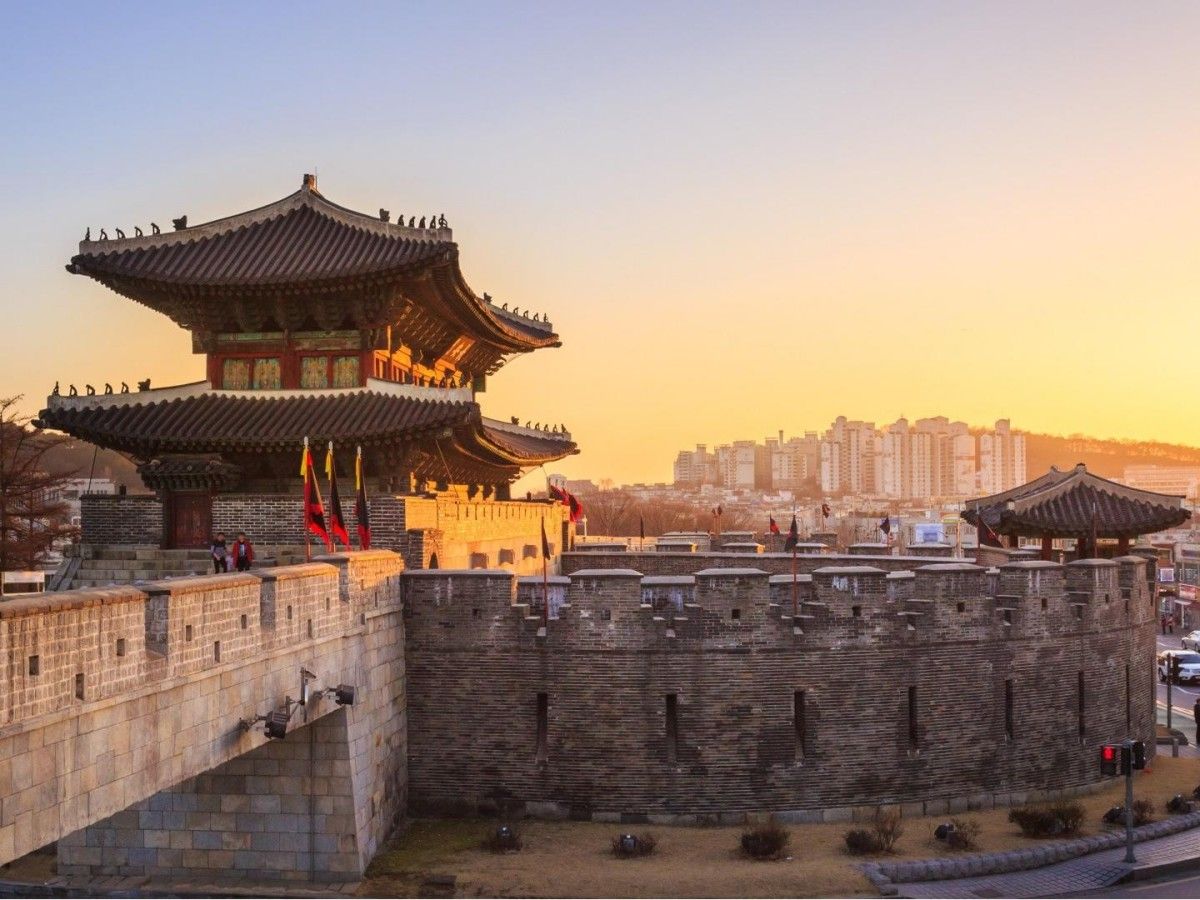
If you are interested in Korean history, Hwaseong Haenggung Palace is definitely worth a visit. It is not as grand as Gyeongbokgung Palace, but it has a unique charm. It was a place where the king stayed for a short time, a place for military training, and even a palace for refuge. When you walk into Hwaseong Palace, you will find that the palace is not too lavishly decorated, but gives you a low-key and solemn feeling. Although it is only a “palace” (temporary palace), its status in history is not low at all. In particular, King Jeongjo of the Joseon Dynasty was particularly fond of this place and even dreamed of turning Suwon into a new political center. Although this dream did not come true in the end, the palace became an important symbol of the era of King Jeongjo.
Advertisement
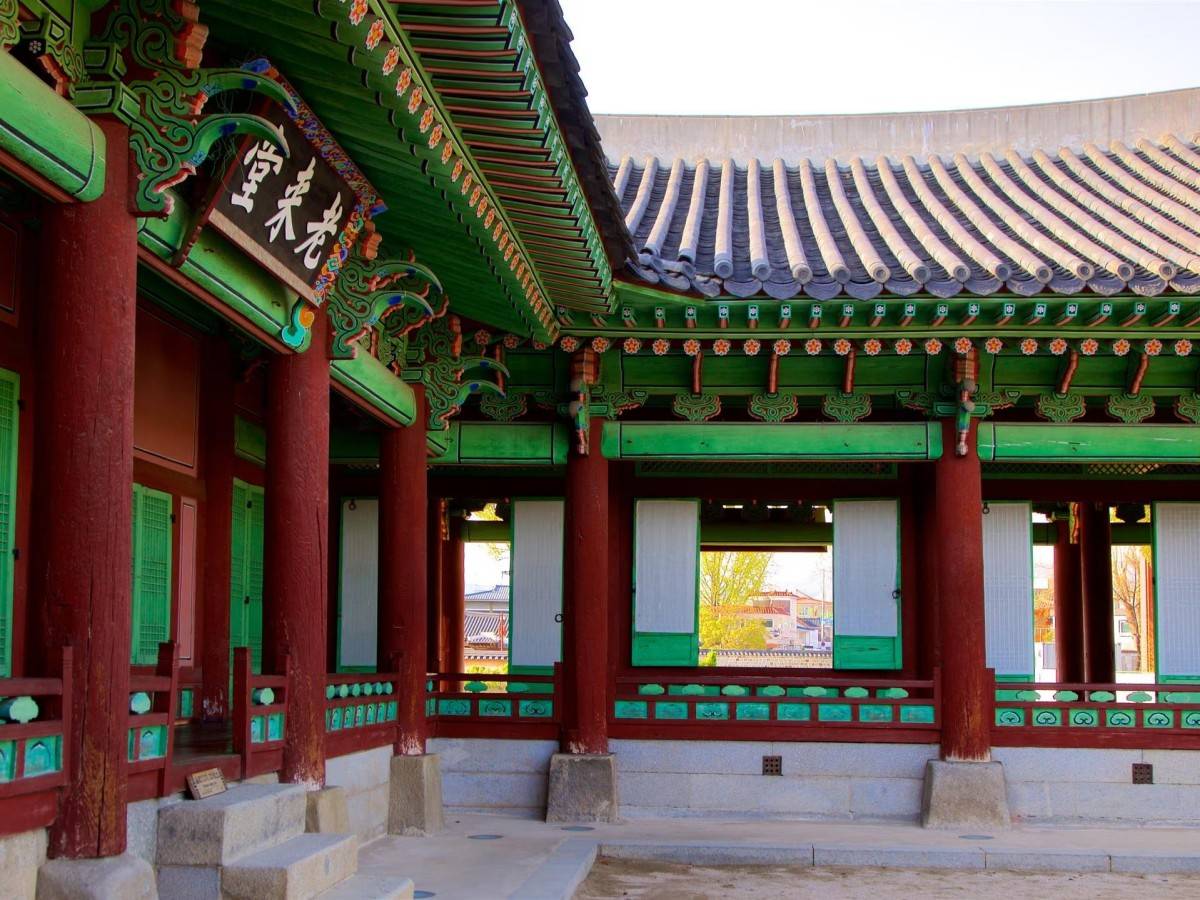
The birth of Hwaseong Palace is related to Jeongjo's father. Jeongjo's father, Sado, was a tragic figure in history, having been starved to death in a rice closet by his father, then King Youngjo. When Jeongjo ascended the throne, he was haunted by this history, so he built Hwaseong, where he also built the Hwaseong Gyunggung, both for military needs and to honor his father.
Advertisement
This palace was not as ornate as a real king's palace, but more practical. It had a palace dedicated to the king's rest, a great hall for ceremonies, and even a field for soldiers' training. Zheng Zu once brought a large number of troops here for a drill, wanting to use this palace to bring the army closer to the people and make the rule more secure. Therefore, you can not only see the palace culture of the Joseon Dynasty here, but also feel the military color.
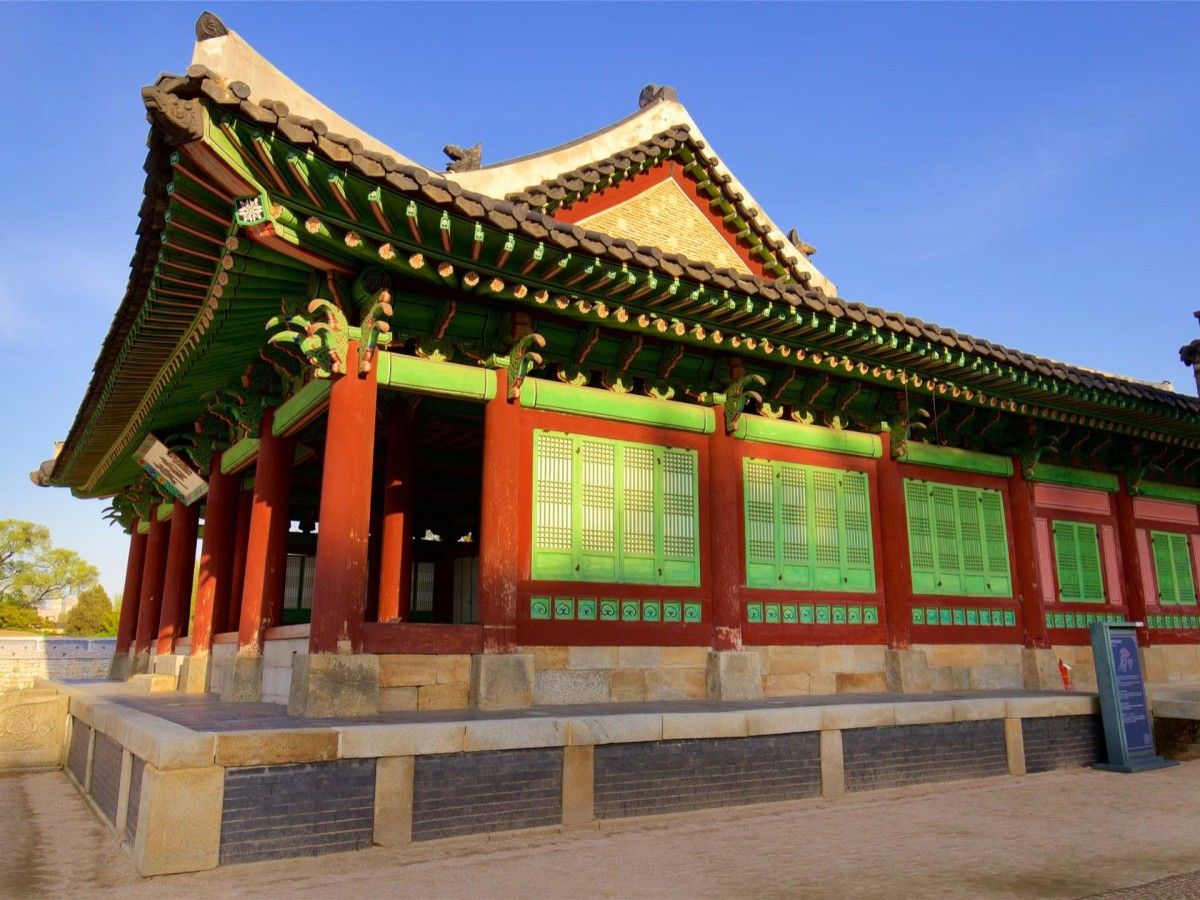
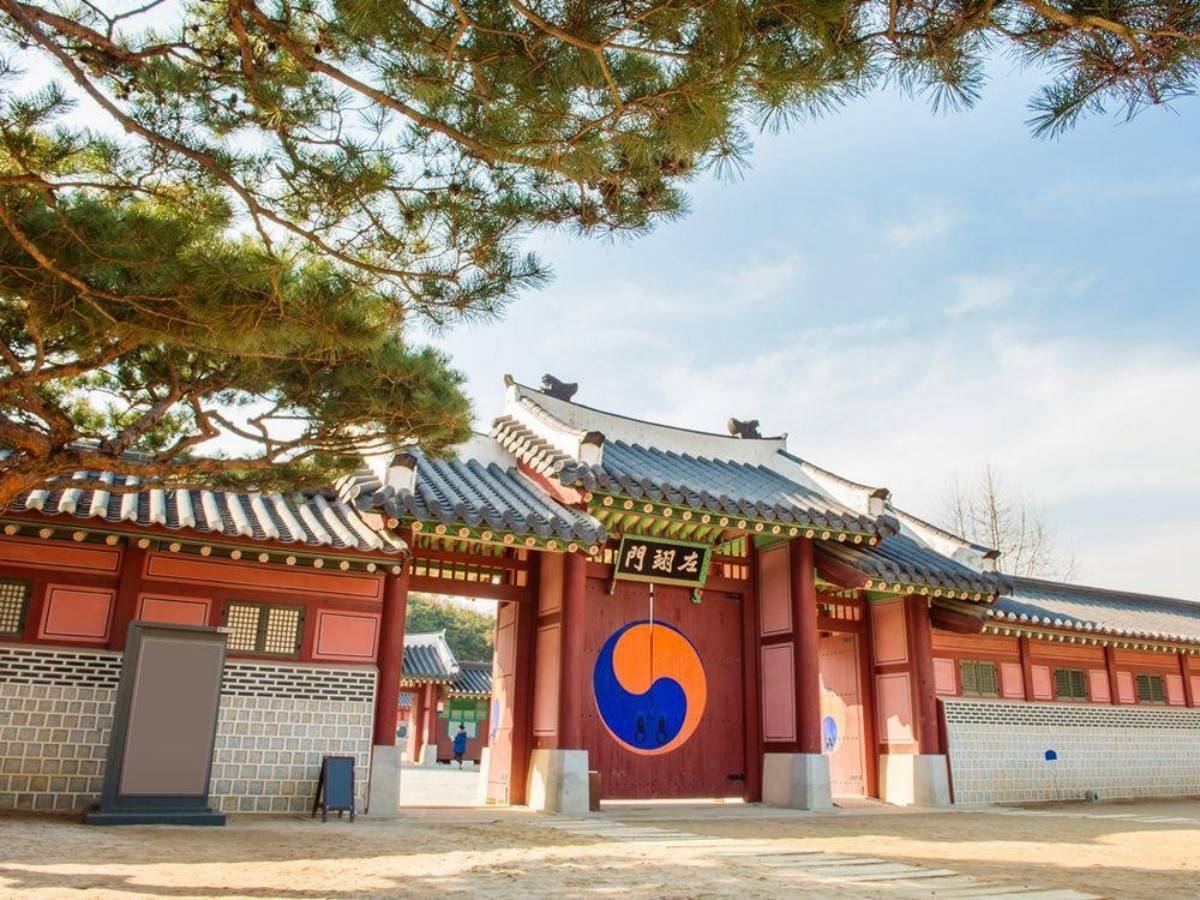
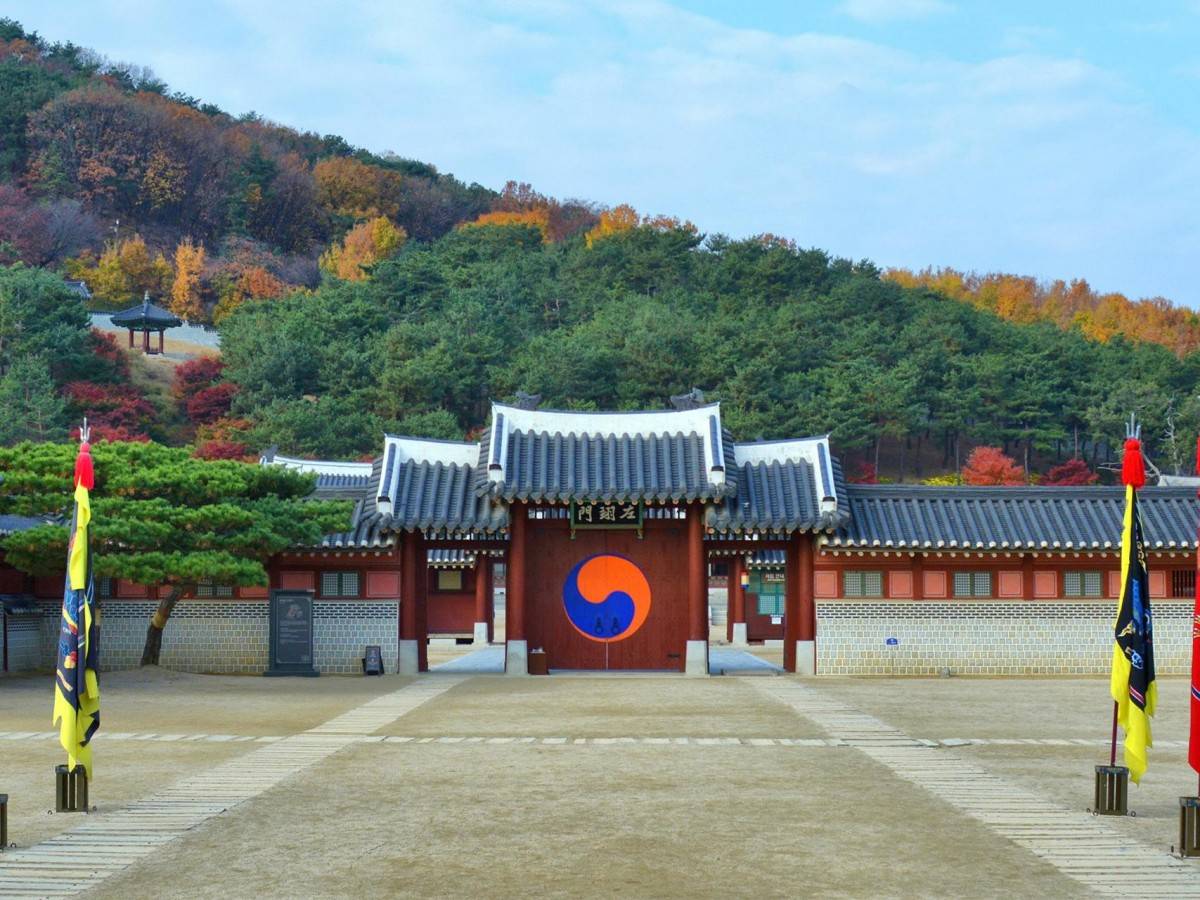
Although Hwaseong Palace does not have dazzling gold and blue splendor, the architectural layout is very elaborate, revealing the architectural aesthetics of the Joseon Dynasty everywhere. The outer wall of the palace is the classic red brick with green roof tiles, low-key with a little majesty. After entering the main gate, what meets your eyes is a wide courtyard, with buildings of different functions on the left and right sides, and the overall design is both symmetrical and practical.
Advertisement
There are several main buildings in the palace: Bongsudang, where the king rested, was decorated with relatively elaborate decorations and had a higher roof than the other buildings, indicating its importance; Yeonmujang, where soldiers trained, and nowadays regular martial arts performances are staged to demonstrate the combat skills of North Korean soldiers; and Jangrakdang, where the king's soldiers were trained. Jangrakdang, on the other hand, was where the king held important ceremonies, such as court meetings and banquets.
Unlike the elaborate style of those palaces in Seoul, the architecture of Hwaseong Palace is more simple and atmospheric, giving a sense of calm and practicality, which also reflects the philosophy of Jeongjo's governance - pragmatic and people-oriented.
One of the biggest highlights of Hwaseong Palace is the various interactive experiences. If you're lucky enough to catch the “Jeongjo Parade,” you'll be transported back in time. Actors dress up in Joseon Dynasty costumes and simulate the scene of King Jeongjo's tour of Suwon, and the whole ceremony is very grand, with drum bands and honor guards, making it seem as if you are in the middle of history.
Visitors can also experience renting a hanbok (Korean traditional costume) and take pictures in the palace to feel like a king or a princess. For those who prefer traditional culture, the palace also has some cultural experience programs, such as learning Joseon era calligraphy and making traditional crafts. One of the most popular programs is the “Muji 24 Gik”, a show that showcases the martial arts of Joseon soldiers, including sword fighting, bow and arrow, and lance fighting, which is very enjoyable to watch.
If you prefer a quieter tour, you can walk slowly through the corridors of the palace, enjoying the beauty of the architecture and the atmosphere steeped in history. It's especially nice to take photos in the fall when the maple leaves around the palace turn red and contrast with the red palace walls.
If you're planning to visit Hwaseong Palace, here are a few practical tips:
Tickets and Opening Hours
Tickets are inexpensive, especially if you plan to visit other attractions in Suwon Hwaseong, so consider buying a combined ticket for better value. It's usually open every day, but may be closed on Mondays, so it's best to check the hours before you go.
Transportation
It's easy to get to Suwon from Seoul, you can take Subway Line 1 to Suwon Station and then change buses or take a taxi for about 15-20 minutes. If you have plenty of time, you can also rent a bike and slowly ride along the Hwaseong walls, with great views along the way.
Best time to visit
Spring and fall are the best times to visit, with cherry blossoms in the spring and red leaves in the fall, and the weather is cool and suitable. If you go in summer, remember to bring sunscreen, and in winter, it's best to dress warmly, as the open area of the palace can be quite windy.
Food Recommendations
If you're in Suwon, don't miss the famous Suwon Galbi, a charcoal-grilled beef ribs dish that is tender and delicious. There are a lot of restaurants around the palace, so we recommend trying an old favorite for authentic Suwon flavors.
Hwaseong Palace is not as famous as Gyeongbokgung Palace, but the historical story it carries is no less impressive. It was both a political laboratory for King Jeongjo and a meeting point for the military and culture of the Joseon Dynasty. Today, it has become one of Suwon's most representative cultural assets, allowing people to get a closer look at the history of the Joseon era through this palace. If you love traditional culture, want to see a different style of architecture than the palaces in Seoul, or are simply looking for a place with both history and an interactive experience, then Hwaseong Palace is definitely worth a visit. Next time you're in Korea, add this place to your itinerary and experience the unique charm of this palace!