
Advertisement
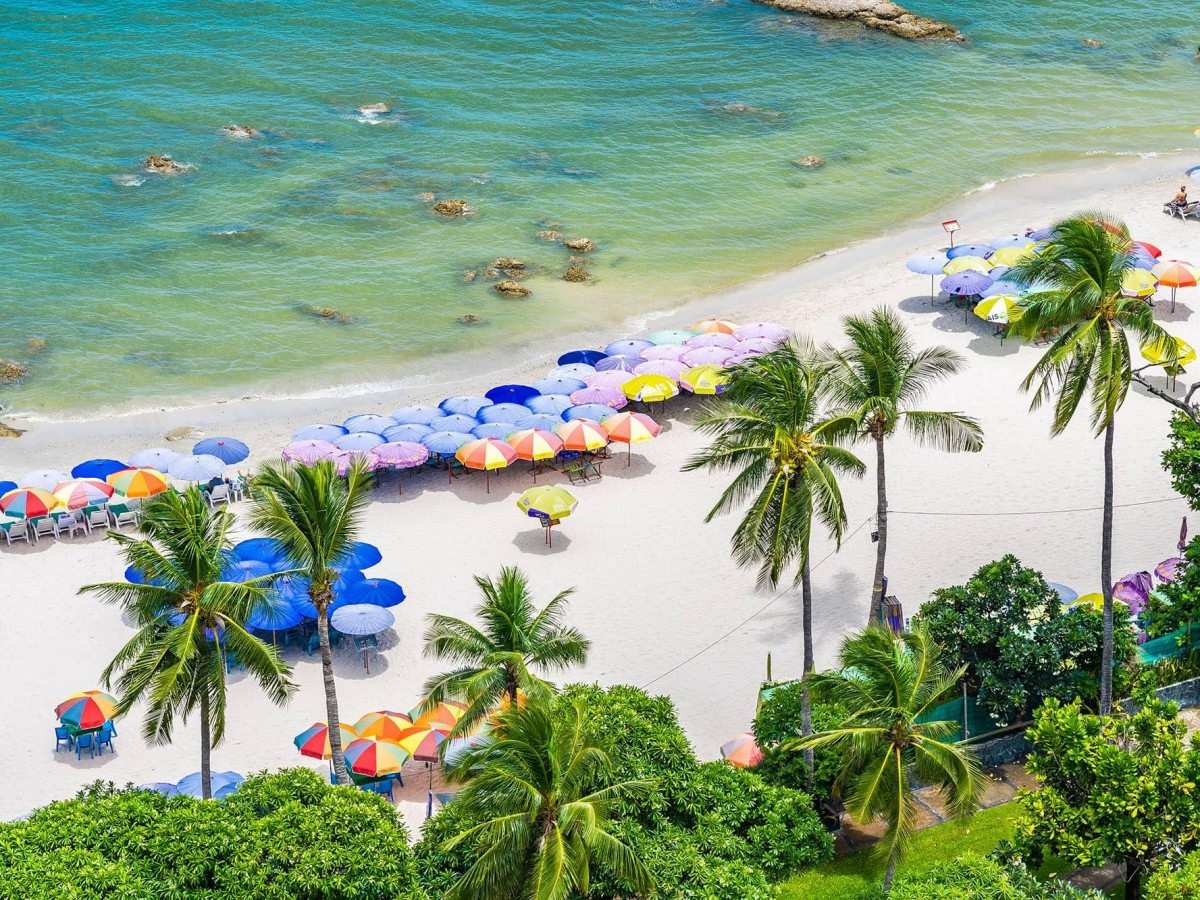
If Hua Hin Beach is too crowded and you're looking for a less crowded, beautiful, and free seaside destination, then Cha-Am Beach, north of Hua Hin, Thailand, is a hidden gem! Located in Phetchaburi Province, it's just 20 kilometers from downtown Hua Hin, a 30-minute drive. The white sandy beach stretches for kilometers along the coastline, devoid of commercial facilities, offering only coconut palms, waves, and a refreshing sea breeze. Here, you can enjoy the sand and waves, watch the sunrise and sunset, and find countless photo-worthy spots for free. For seafood, the local markets offer excellent value for fresh produce, and mastering bargaining skills can save you a ton of money. Transportation and accommodation are also very affordable, making it easy to arrange your own car, taxi, or stay in a guesthouse. This super detailed free guide will help you maximize your Cha-Am Beach experience and enjoy it to the fullest without spending a fortune.
Advertisement
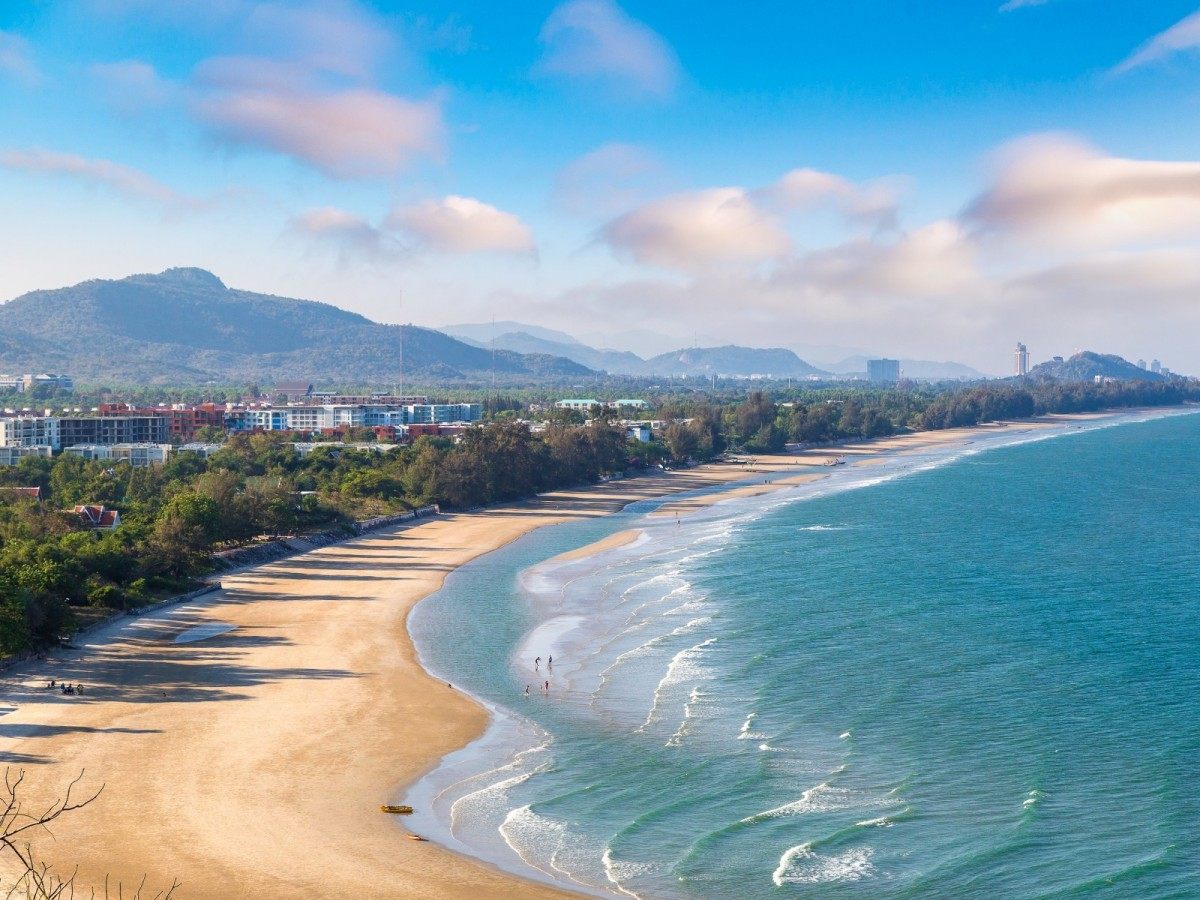
The beauty of Cha-am Beach lies in the details of every corner, at every time of day. Don't bother searching for paid attractions; these free photo spots will dazzle your Instagram feed. Each spot has its own unique photography techniques. Memorize these details and you'll easily capture stunning beach photos.
Advertisement
The first must-see spot is the Coconut Grove Beach Walkway. A five-minute walk north from the main entrance to Cha-am Beach reveals rows of coconut trees lining the shoreline, their trunks towering, their branches reaching out to the sea. Sunlight filters through the leaves, casting dappled shadows on the beach. For photography, I recommend wearing a light-colored long skirt or white top. Stroll under the coconut trees and have a companion snap the photo from the side. The breeze will lift your skirt, and the blue sea will be the backdrop, instantly creating an island getaway vibe. Visit in the evening, when the sunset paints the sky an orange-red, and the coconut trees cast long shadows. Shooting from a low angle will capture the stunning triple beauty of coconut grove, sunset, and sea—no filters needed to create a stunning effect.
The second spot is the "Abandoned Fishing Boat Photo Spot." On the southern side of Cha-am Beach, near the fishing village, there are several old fishing boats stranded on the beach. Their hulls are slightly mottled by wind and seawater, but they exude a vintage, artistic feel. When photographing, you can stand next to a fishing boat, hold onto the side, and gaze out to sea, with the boat in the foreground and the vast ocean in the background. This creates a sense of story without being monotonous. Alternatively, you can squat on the beach, with the fishing boat in the background, and capture the moment the waves crash onto the sand, snapping the splash as the waves break for a dynamic effect. Be aware that the beach around the fishing boats can be pebbly, so be careful when wearing flip-flops. Also, avoid climbing onto the fishing boats, as this can cause instability and put you in danger.
The third option is the "Beach Swing," located outside a guesthouse in the middle of Cha-am Beach (the guesthouse offers free use, and visitors can use the swing for free). It's hung between two coconut trees, with a wooden seat and colorful cushions. Sit on a swing and gently rock, facing the ocean, with a partner standing diagonally in front of you, shooting. This creates the perfect shot of "you on the swing, the blue sky and the azure sea behind you." It's recommended to shoot before 10 AM or after 4 PM, when the sun isn't glaring and your skin appears fairer. If you want a silhouette, wait until half an hour before sunset, blocking the sun with your body, leaving only the swing and your silhouette, for a truly stunning atmosphere.
Fourth, the "Rainbow Breakwater" is a popular spot. Near the night market on Cha-am Beach, the breakwater is painted in a variety of colors, including red, yellow, blue, and green. It stretches along the coastline like a colorful ribbon across the sea. To shoot, stand on the breakwater, feet shoulder-width apart, arms outstretched, and shoot from a low angle. This captures the colorful breakwater, the sea, and sky beyond, creating a rich, soothing image. Alternatively, crouch beside the breakwater to capture the waves crashing against it, the spray splashing onto the colorful shoreline, creating a truly stunning photo. Be aware that the breakwater can be submerged during high tide, so it's recommended to check the tide times in advance and shoot after low tide.
Fifth is the "Fishing Village Sunset Point." There's a small fishing village next to Cha-am Beach. Every evening, fishermen return in their boats and dock at the shore. Under the setting sun, the busy fishermen, the returning boats, and the golden sea create a heartwarming scene. For photography, stand at the fishing village dock and use a telephoto lens to capture the fishermen unloading their catch, creating a natural look with their movements and expressions. Alternatively, capture the "Fishing Boat Parade," where multiple boats are neatly moored at the shore, the sunset casting a warm glow on their hulls, creating a strikingly moving scene.
Sixth is the "Starry Sky Beach." Cha-am Beach offers minimal light pollution, and on clear nights, you can see a sky filled with stars. When photographing, choose a dark area on the beach, secure your camera with a tripod, and set a long exposure time to capture a stunning blend of starry sky, beach, and waves. If traveling with a companion, have them stand in the center of the frame, turn on their phone's flashlight, and hold it overhead to create a single point of light, creating a romantic scene of people under the stars. Be aware that the beach can be pebbled at night, so be careful when walking, and it's best to travel with a companion.
The seventh spot is "Morning Mist Beach." Every morning between 5 and 6 a.m., a thin layer of mist rises from the ocean, shrouding the beach in a fairyland-like atmosphere. Stroll along the beach while a companion shoots from a distance, creating a hazy and beautiful image with people appearing and disappearing in the mist. Alternatively, capture footprints on the beach, a trail of footprints stretching off into the distance, creating a sense of solitude and freedom. Be aware that temperatures can be lower at the beach in the early morning, so wearing a light jacket is recommended to avoid catching a cold.
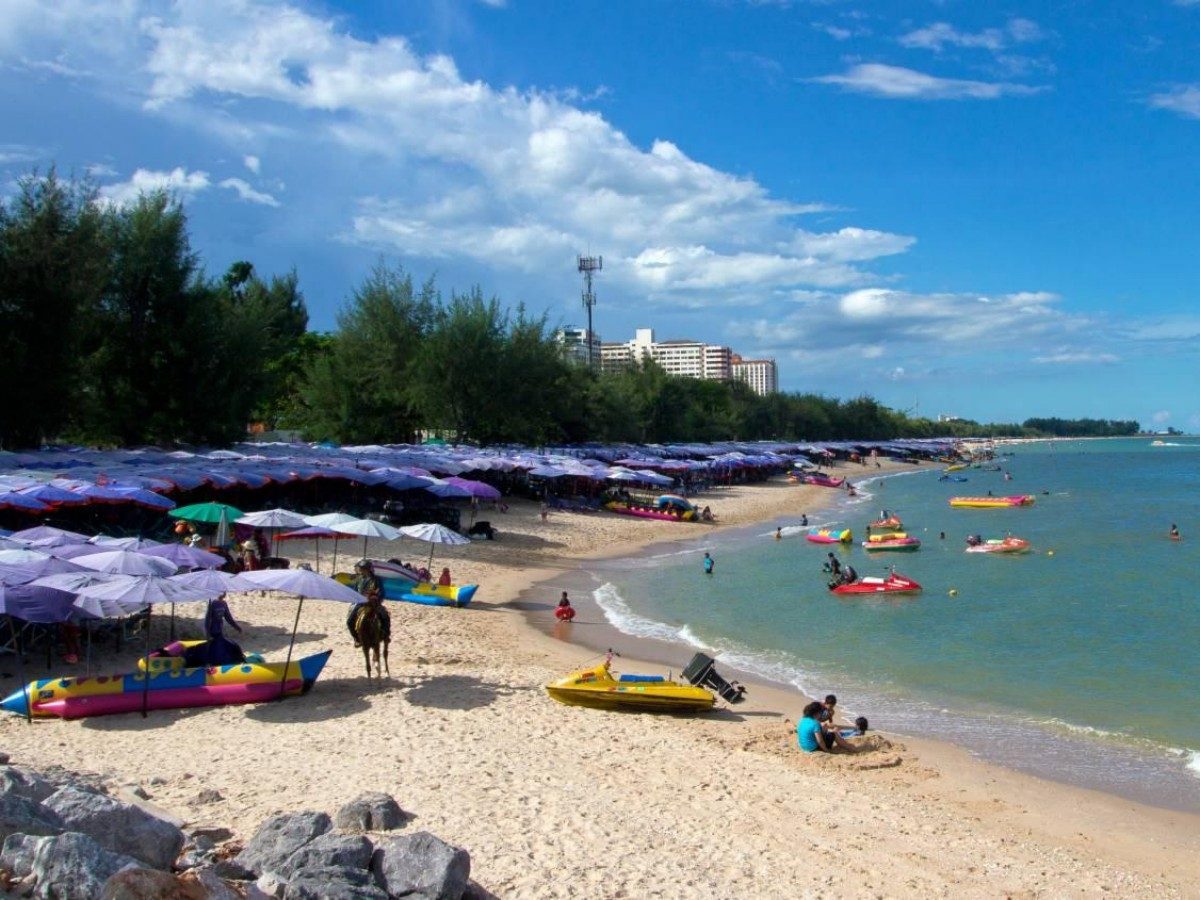
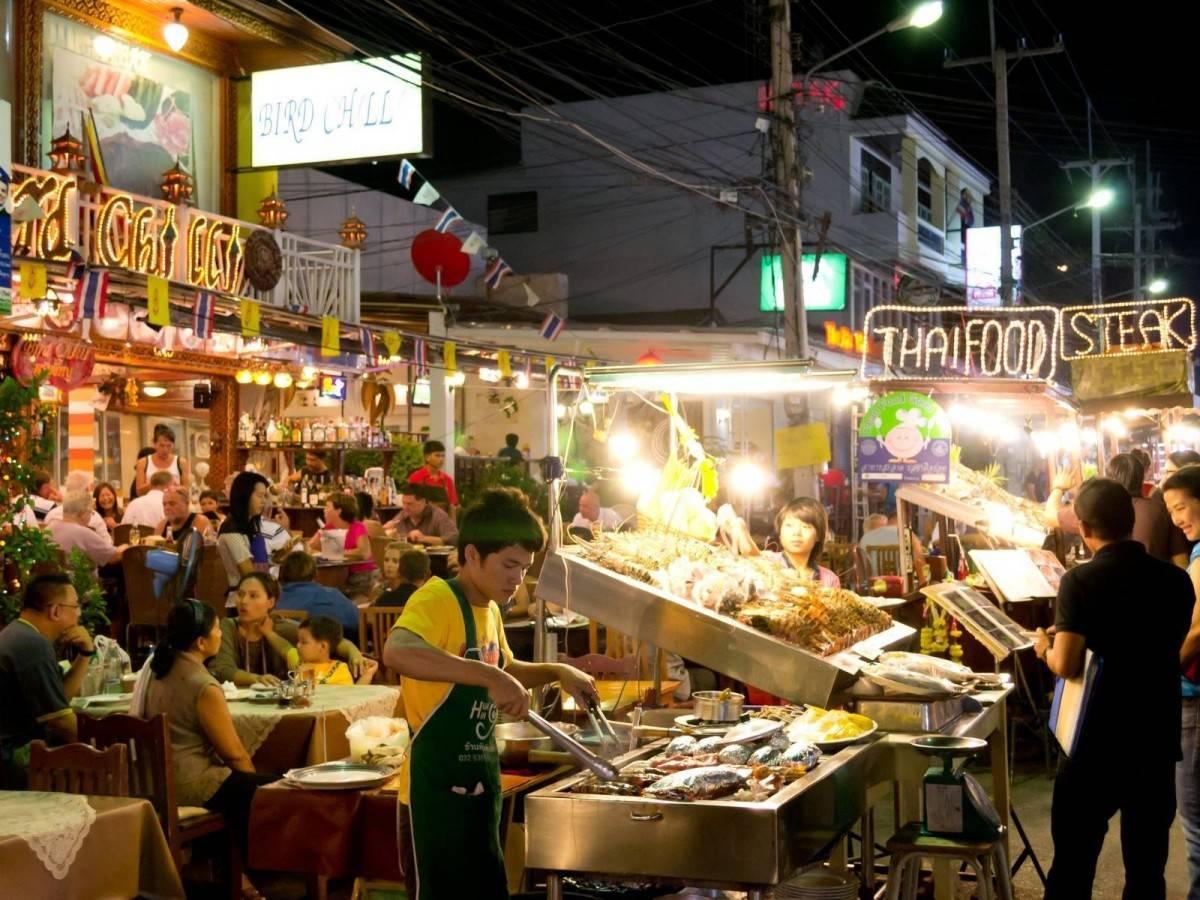
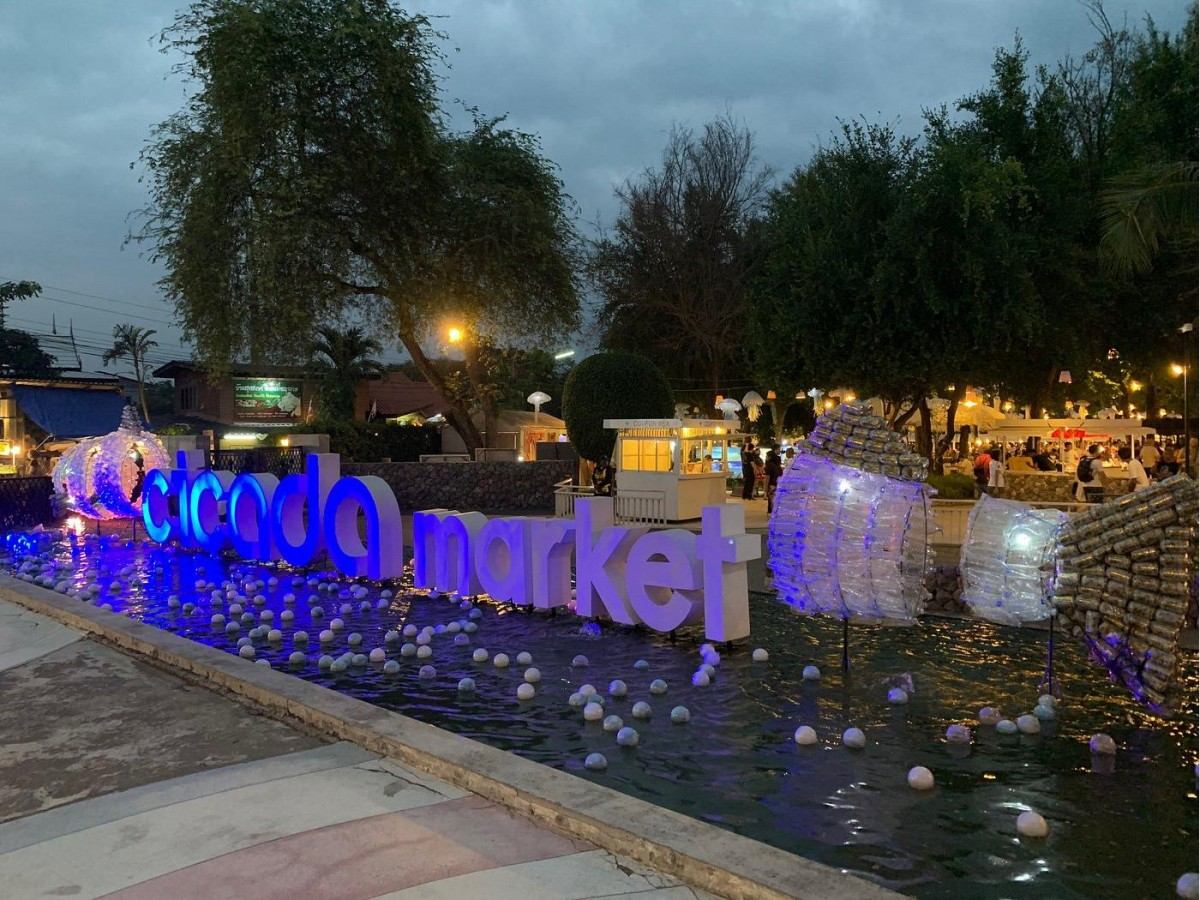
For seafood on Cha Am Beach, you don't have to head to high-end restaurants. You can find fresh and affordable seafood at the nearby Cha Am Fishing Village Market (open daily from 4:00 PM to 7:00 PM) and Cha Am Night Market (open daily from 6:00 PM to 11:00 PM). The key is to master bargaining skills to avoid being ripped off. This bargaining guide will help you get the freshest seafood for the lowest price.
Advertisement
First, choose the right market and time. Cha Am Fishing Village Market is where local fishermen sell their catch directly. Around 4:00 PM each day, fishermen bring their catch of the day to the market. This is when the seafood is at its freshest and most diverse, with options including mantis shrimp, crab, lobster, squid, and various fish, all at relatively low prices. Cha Am Night Market offers even more seafood stalls. In addition to fresh seafood, they also offer prepared seafood snacks like grilled squid and spicy stir-fried crab, perfect for those who prefer not to prepare their own seafood. Avoid going to the market in the morning, as most leftover seafood is from the previous day, making it less fresh and more expensive.
Next, there are tips for choosing seafood: be sure to personally select the seafood you buy to avoid vendors "switching" or giving you stale items. When choosing mantis shrimp, look for the color of the shell. Fresh mantis shrimp have a turquoise shell, are springy when pressed, and have no odor. When choosing crabs, choose those with firm shells and intact legs. Weigh them by hand; the heavier the weight, the more meat. Open the shell and see plump roe, and you're in a good spot. When choosing lobsters, look for the antennae and legs. Fresh lobsters have moving antennae and strong legs, indicating firmer meat. Also, avoid pre-processed seafood, such as shelled shrimp or cut-up crabs. These may not be fresh and the weight may be skimped. Now comes the crucial "bargaining step." The first step is to "get the bottom price." Ask the vendor, "How much is this per kilogram?" Don't just ask, "How much is this for just one?" Once the vendor sees your expertise, they won't dare to ask for an exorbitant price. For example, the average market price for mantis shrimp is 200-300 baht per kilogram. If the vendor quotes 400 baht, it's inflated and worth bargaining for. The second step is to "find faults"—for example, "This mantis shrimp is a little small" or "The crab is missing a leg." Even if the seafood is fresh, you can find minor "flaws" as a reason to bargain, and the vendor will usually relent. The third step is to "bargain in bulk." If you want to buy a variety of seafood, such as mantis shrimp, crab, and squid, you can say, "I'm buying this much, give me a package price." This can usually save you 50-100 baht. The fourth step is to "pretend to leave." If the vendor refuses to lower the price, pretend to turn and leave. Many vendors will stop you and agree to your price. This is a very effective bargaining technique in local markets. Finally, there's the "processing fee" (bargaining). There are many seafood processing shops near the market, and the processing fee is generally 100-150 baht per kilogram. You can choose to steam, stir-fry, or grill your seafood. Before processing, confirm the processing fee with the shop and ask if all the seafood is counted as one kilogram. This will prevent the shop from overcharging each seafood by calculating the kilogram. If you're processing multiple seafood items, you can ask the shop, "Can you make it cheaper? I'll come back next time." Many shops will lower the processing fee to 80-100 baht per kilogram. Also, it's best to observe the processing to prevent the shop from swapping or stealing your seafood.
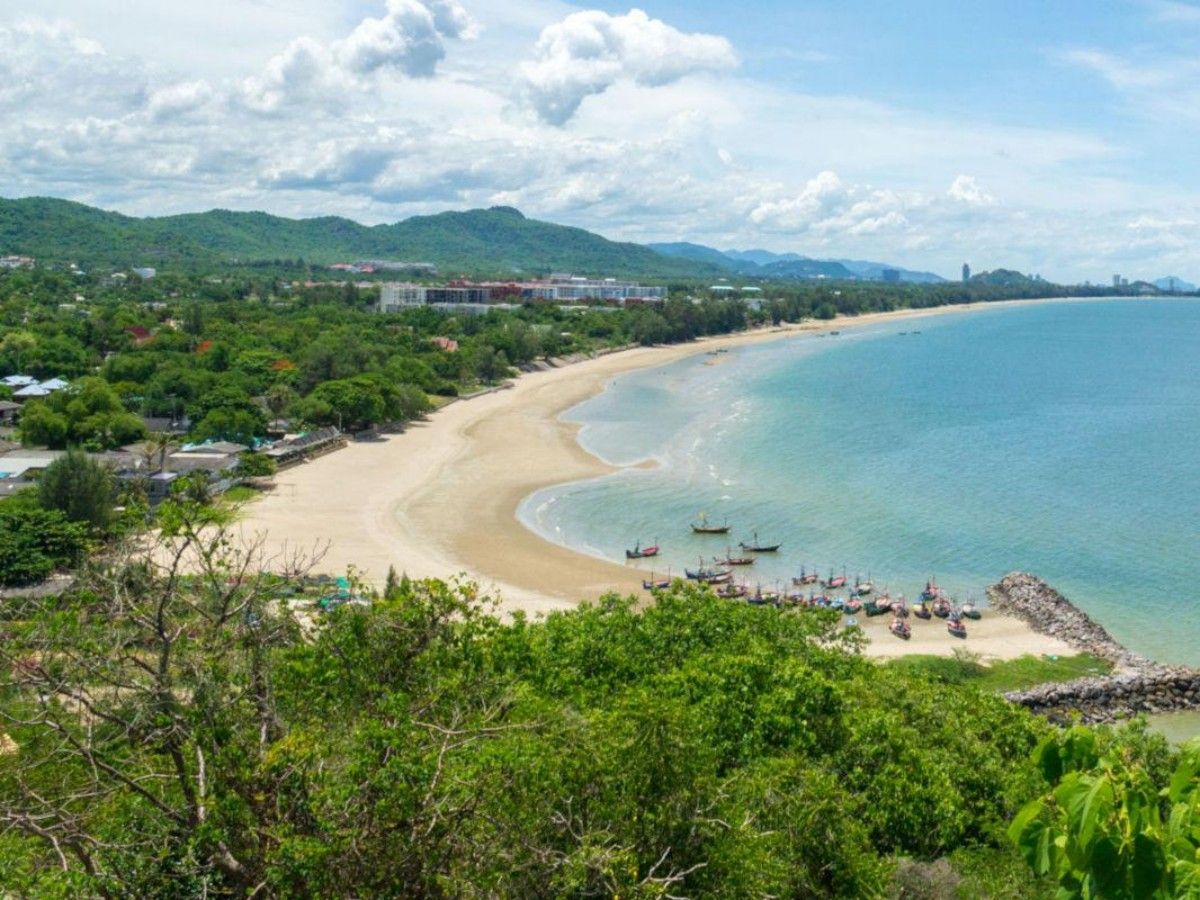
Cha-am Beach offers convenient and affordable transportation, and a wide range of accommodation options, from homestays costing just a few dozen yuan to resort hotels costing several hundred yuan. Choosing a car based on your itinerary and budget will ensure a smoother journey.
First, let's look at the "Transportation Guide." The most convenient way to get from Bangkok to Cha-am Beach is by chartering a car or driving yourself. The distance from Bangkok to Cha-am is approximately 180 kilometers, a 2.5-hour drive. A chartered car costs around 2,000 baht and can seat 4-6 people, making it ideal for families or groups. You can also stop in Hua Hin for some sightseeing. If you're driving, renting an economy car in Bangkok costs around 1,000 baht per day. Take the clearly signposted Asian Highway, so you don't have to worry about getting lost. If you're looking to save money, public transportation is a good option. There are multiple daily buses from Bangkok's Southern Bus Station (Sai Tai Mai) to Cha Am. The journey takes about three hours and costs around 150 baht. The buses are comfortable and spacious, and you can enjoy the idyllic scenery along the way. From Cha Am Bus Station, take a tuk-tuk to the beach for about 50 baht, a five-minute ride. Even more convenient is getting from Hua Hin to Cha Am. Minibuses run from Hua Hin Bus Station to Cha Am every 20 minutes, taking a 30-minute journey for around 50 baht. Alternatively, you can take a taxi for around 300 baht, which seats four people and is quite affordable.
Looking at the "Accommodation Guide," you can find three options based on budget. The first category is budget B&Bs, priced between 200 and 500 baht per night. These are primarily found in residential areas near Cha-Am Beach, such as Cha-Am Home Stay. These B&Bs offer single and double rooms, all clean and tidy, with air conditioning and hot water. Some also provide free bicycles for cycling around the beach. The advantage of staying in a B&B is that you can experience local life, and the owners can recommend free photo spots and delicious seafood stalls. They offer excellent value and are perfect for students or budget travelers on a budget.
The second category is mid-range resort hotels, priced between 800 and 1500 baht per night. Most are located near the beach, such as Cha-Am Beach Hotel. These hotels offer a swimming pool, restaurant, and free parking. Some rooms have sea views, allowing you to watch the sunrise from your balcony. These hotels offer comprehensive amenities and attentive service. Breakfast is served in the hotel restaurant, followed by a two-minute walk to the beach. They are suitable for families or those seeking a more comfortable stay. Compare prices on Booking.com or Agoda before booking; booking a week in advance often offers discounted rates. The third category is "high-end vacation villas," priced between 3,000 and 5,000 baht per night. These villas, such as the Cha-Am Villa Resort, offer privacy and are located on the northern side of Cha-Am Beach, away from the bustling area. These villas come with private pools, gardens, and private butler service, making them ideal for couples or group vacations. Villas come with a kitchen and utensils, allowing you to enjoy the comforts of home cooking. You can also swim in your private pool and admire the night view of the beach, for a truly immersive experience.
A few tips for finding accommodations: First, choose accommodations within walking distance of the beach. This saves you money on taxis and transportation, while allowing you to visit the beach at any time. Second, avoid peak tourist season (November to February), when prices can rise by 30%-50%. Off-season (March to October) offers lower prices, fewer crowds, and more opportunities for fun. Third, ask if the accommodation offers any free services, such as free bicycles, free shuttles, or free breakfast. These can save you a lot of money.
As you stroll along the white sands of Cha Am Beach, snap stunning photos, savor fresh seafood you bargained for, and stay in comfortable, affordable accommodations, you'll discover that a perfect seaside vacation doesn't have to cost a fortune. Cha Am Beach, free from the commercialization of Hua Hin, offers the purest seaside scenery and authentic local life. Here, you can slow down, savor the sea breeze, sun, and waves, creating relaxing and unforgettable memories. I hope this guide will help you enjoy Cha Am Beach for free, making every penny count and having a fun and satisfying time.