

Advertisement
When I first heard the name "Sanctuary of Truth," I imagined a sacred, remote, and even somewhat untouchable building. But when I actually stepped inside this wooden wonder in Pattaya, I felt a complex mixture of awe and tranquility. You might wonder if a temple so far removed from the hustle and bustle of Bangkok is worth the trip. Today, I'd like to share the story behind it, the experience of visiting it, and why it might become a truly special place in your memory.
Advertisement
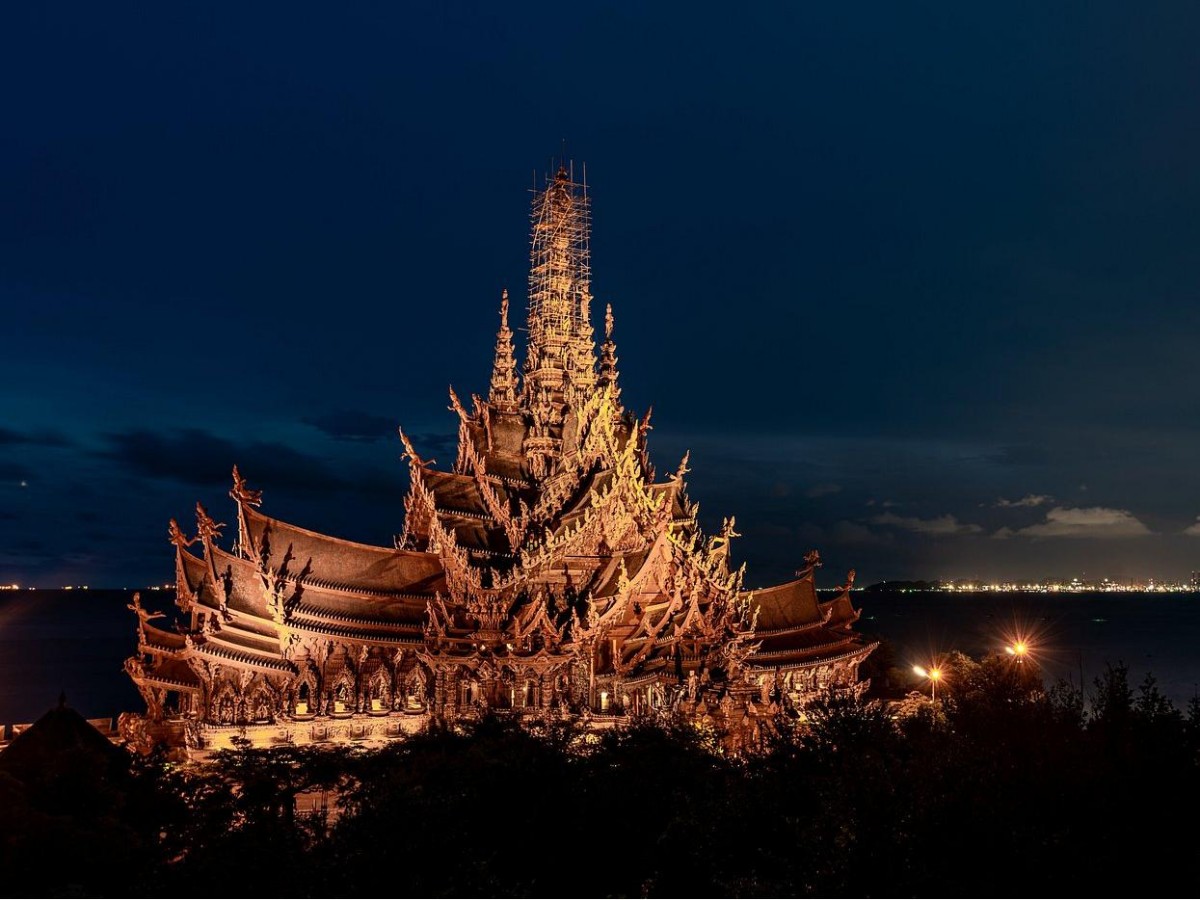
The Sanctuary of Truth wasn't just a building plan; it was the realization of a dream. Its founder was Lek Viriyaphant, a renowned Thai businessman and the driving force behind Bangkok's famed "Ancient Siam" and "The Erawan Museum." In 1981, he embarked on this grand vision: an all-wooden temple to house the ultimate reflections on life, religion, and the universe.
Advertisement
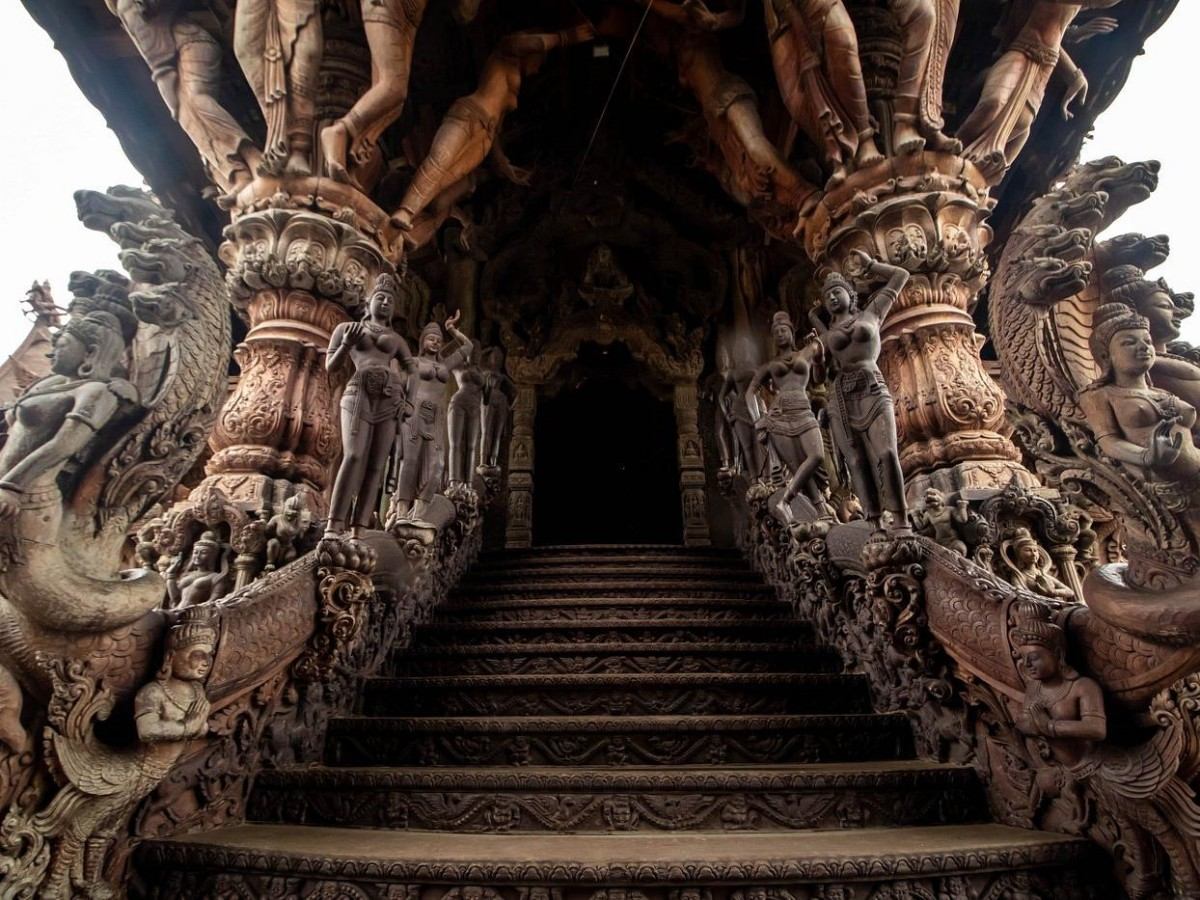
The main structure of the temple is constructed entirely of teak, using no metal nails but relying on traditional wood-tenon techniques. Inside, you'll see carvings interwoven with Buddhist, Hindu, and even Chinese and Khmer influences. Every wall and beam resembles a carved wood encyclopedia, narrating the philosophy of "creation, life, reincarnation, and truth."
Unlike typical Thai temples, this isn't a purely Buddhist sanctuary, but rather a philosophical sanctuary that blends diverse faiths and cultures. In other words, it's more like a carved thought experiment, allowing you to experience humanity's shared questions about the universe and life through the lens of wood chips and light and shadow.
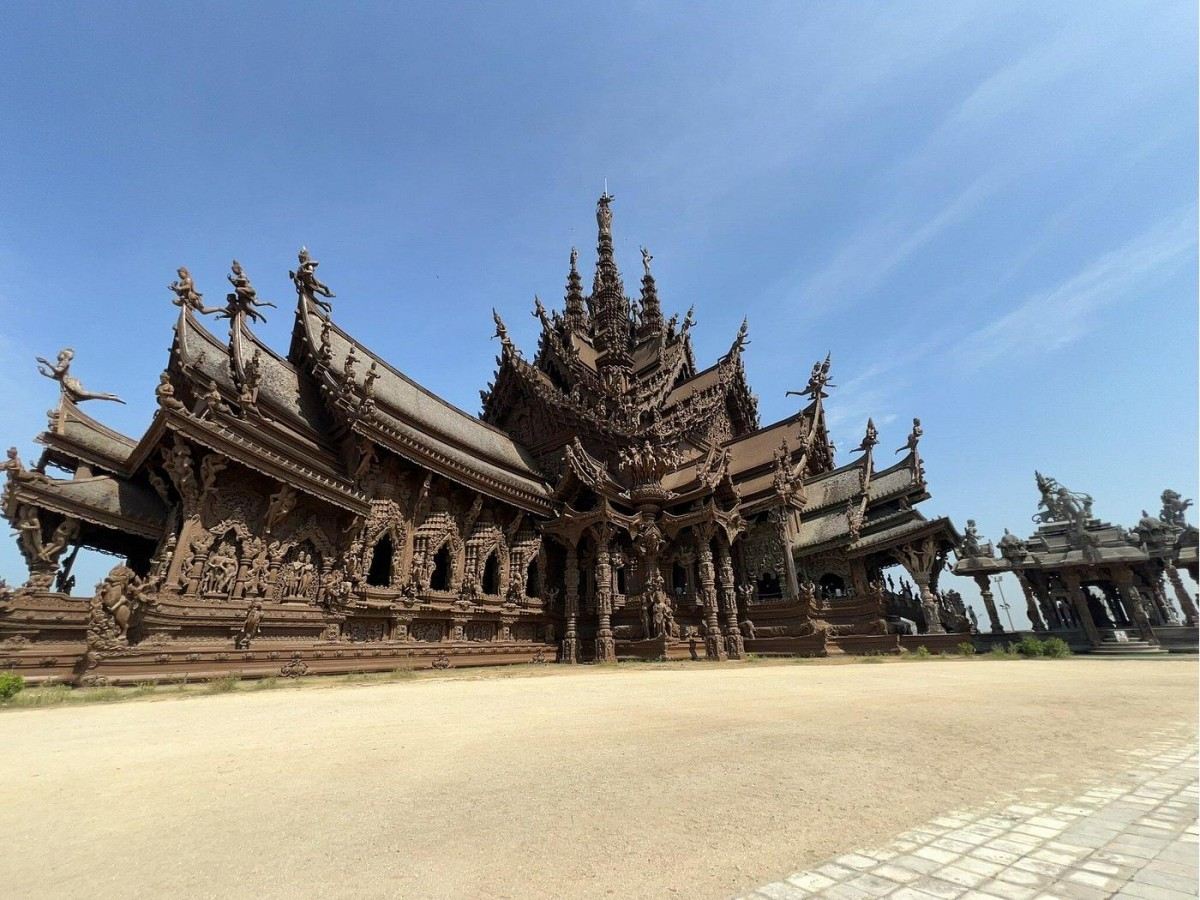
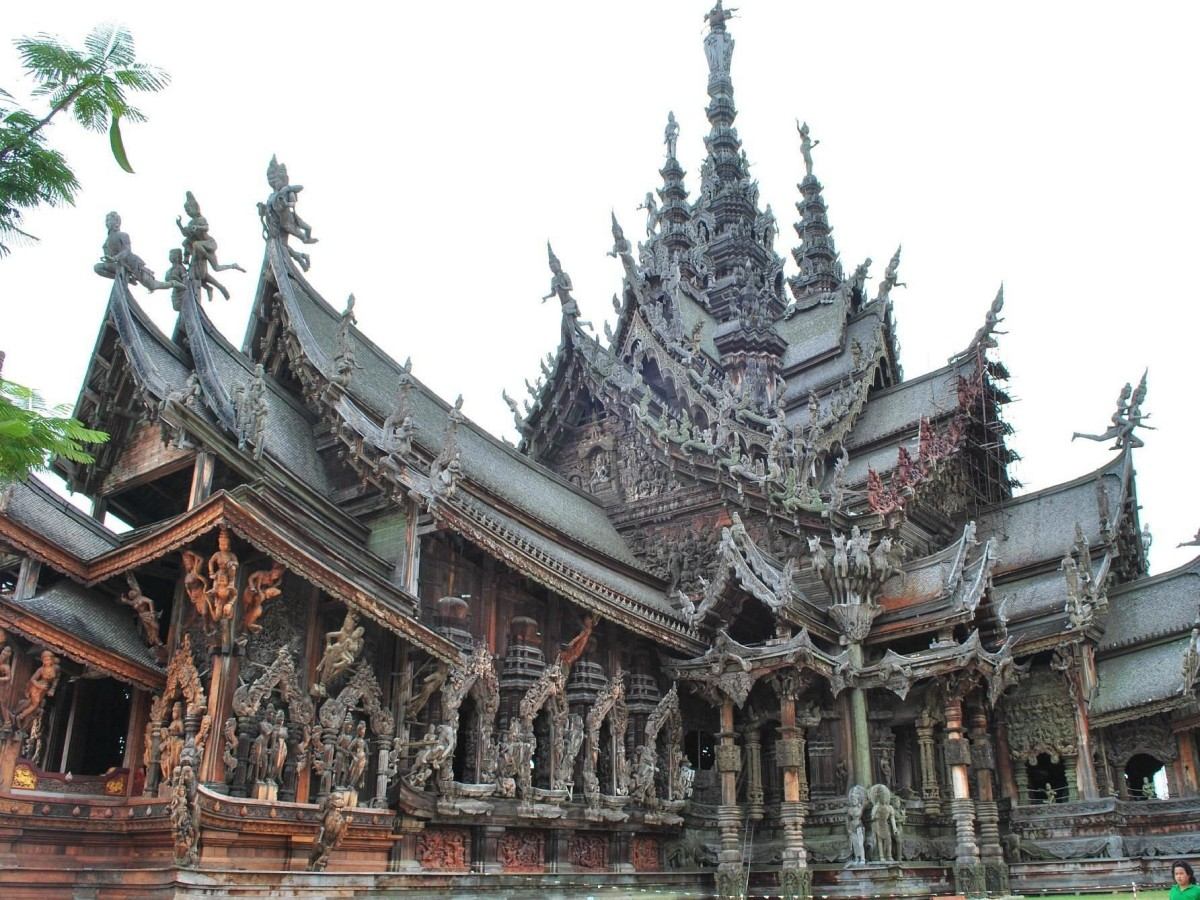
Before you even enter the main gate, the temple's silhouette can be seen from afar. Its towering spire, like a giant ship anchored by the sea, is imposing. Standing approximately 105 meters tall, the building sits on the northern coast of Pattaya, its backdrop azure skies and sea a natural backdrop.
Advertisement
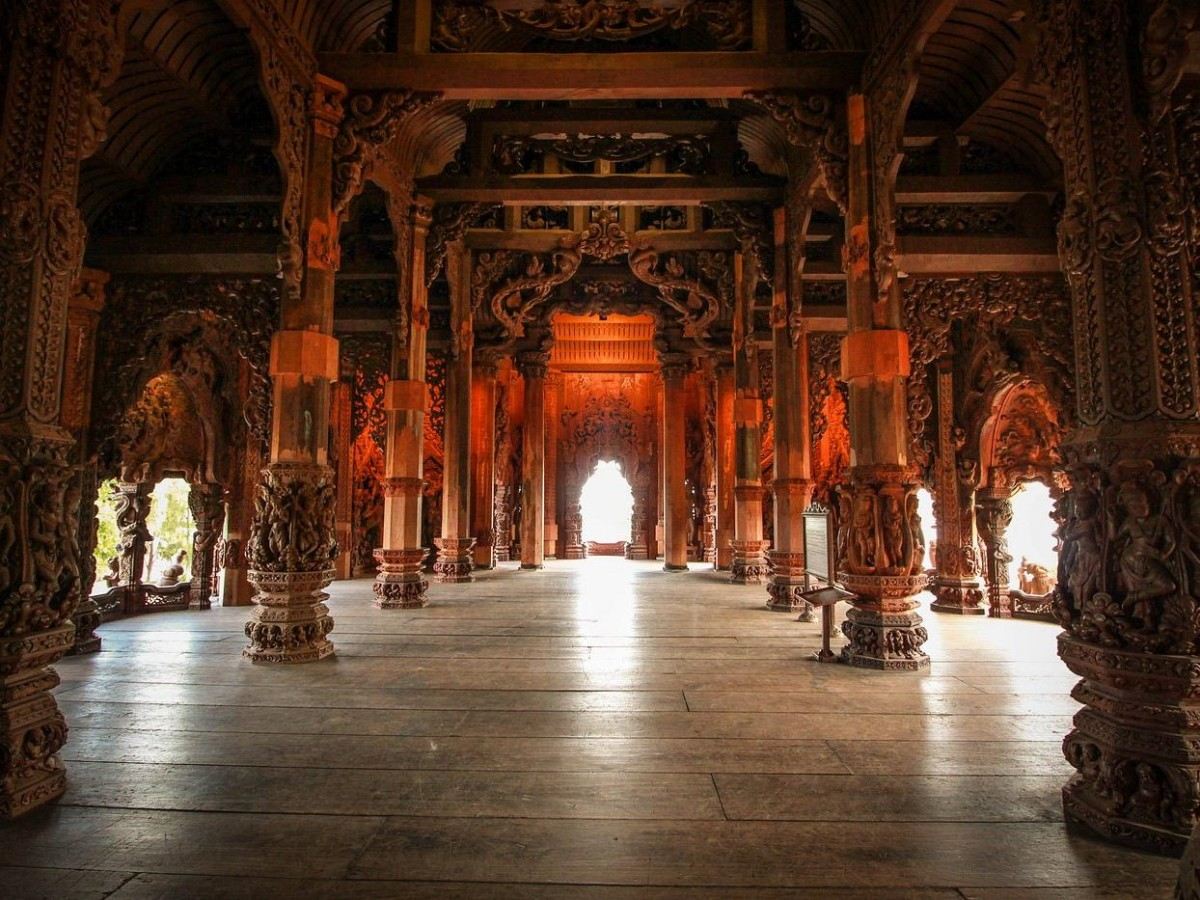
Up close, the view is even more breathtaking. The temple's exterior is covered in intricate wood carvings: from celestial maidens and mythical beasts to mythological characters, every detail is vividly rendered. The moment you step inside, you'll be struck by the overwhelming visual impact—it's as if every inch of wood is breathing.
What's most moving is that this temple is still under construction. You'll see artisans carving the wood on site, creating a "living building"—not a finished destination, but an ongoing process. Visitors can even observe these artisans at work up close, immersing themselves in the decades-long craftsmanship.
The temple interior is dimly lit, but the texture and aroma of the wood create a warm and tranquil atmosphere. You might stumble upon a majestic Buddha statue in a corner, or discover an exquisite wood carving of a maiko on a beam. The experience of discovering everything is truly captivating.
Pattaya has a typical tropical climate, with hot temperatures year-round. The best time to visit the Sanctuary of Truth is during the dry season, from November to February. During this period, temperatures are relatively mild and the air is fresh, making it ideal for exploring the beach and the temple. If you're visiting during the hot season (March to May), be sure to bring sunscreen, a hat, and a water bottle, as you'll be fully exposed to the sun while exploring the temple's exterior. While the rainy season (June to October) is less crowded, frequent showers can make the beach slippery, so be extra careful when walking.
A tip: The Sanctuary of Truth is generally open from 8:00 AM to 6:00 PM, with the most recommended times to visit being before 10:00 AM or after 4:00 PM. These times offer the softest light, a pleasant sea breeze, and beautiful backlit photos.
The Sanctuary of Truth is about a 15-minute drive from downtown Pattaya. You can take a taxi, songthaew, or book a private car through your hotel. The entrance fee is relatively expensive, around 500-600 THB per person, but it includes a guided tour and some activities within the grounds, making it a reasonable value. The park boasts not only the main temple but also smaller performances and activities, such as traditional Thai dances and elephant interactions (although, for animal protection reasons, more people prefer to just watch, not ride). The temple also features a small garden overlooking the sea, where you can relax on benches and enjoy the breeze without having to leave.
For dining, there's a restaurant with a fantastic sea view within the complex. I recommend ordering an iced drink or coconut juice while gazing at the wooden temple and listening to the crashing waves – a relaxing experience rarely found at other temples. Restrooms and rest areas are also well-equipped, making it quite suitable for those traveling with children or the elderly.
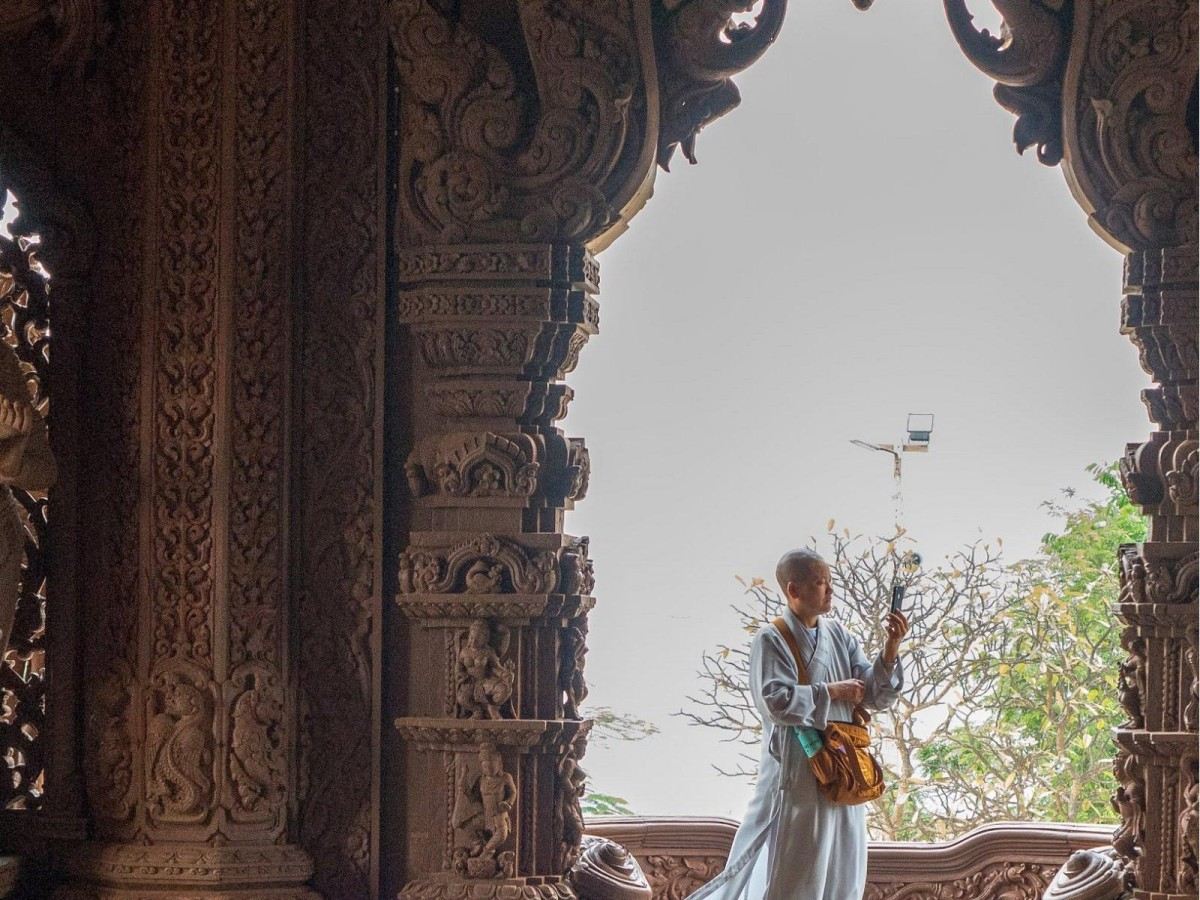
Dress code: While not as strict as the Grand Palace in Bangkok, it is still recommended to dress appropriately for the Sanctuary of Truth. Women should avoid miniskirts or camisoles, and men should avoid going shirtless.
Guided tour: Tickets include a guide, and it's recommended to follow the tour, as the meanings behind many of the carvings aren't immediately apparent; having someone explain the meaning will make the experience more rewarding.
Photography Tip: Take panoramic photos of the exterior, especially from the open space opposite the entrance. Inside, I recommend taking photos from above to better reveal the layers of wood carvings.
Time: Allow at least 2-3 hours for your visit. If you enjoy a closer look at the carvings, you can even spend half a day.
For children: There aren't many attractions here, but children will be curious about the massive carvings. Watching the artisans at work might be educational.
So, is the Sanctuary of Truth worth visiting? My answer is: If you want to find a unique memory in Pattaya that goes beyond the sun and the beach, then you absolutely must go. It's more than just a building; it's an experience, a thrill, and a thought. When you leave, you might discover that the meaning of travel lies in such a touching experience.