
Advertisement
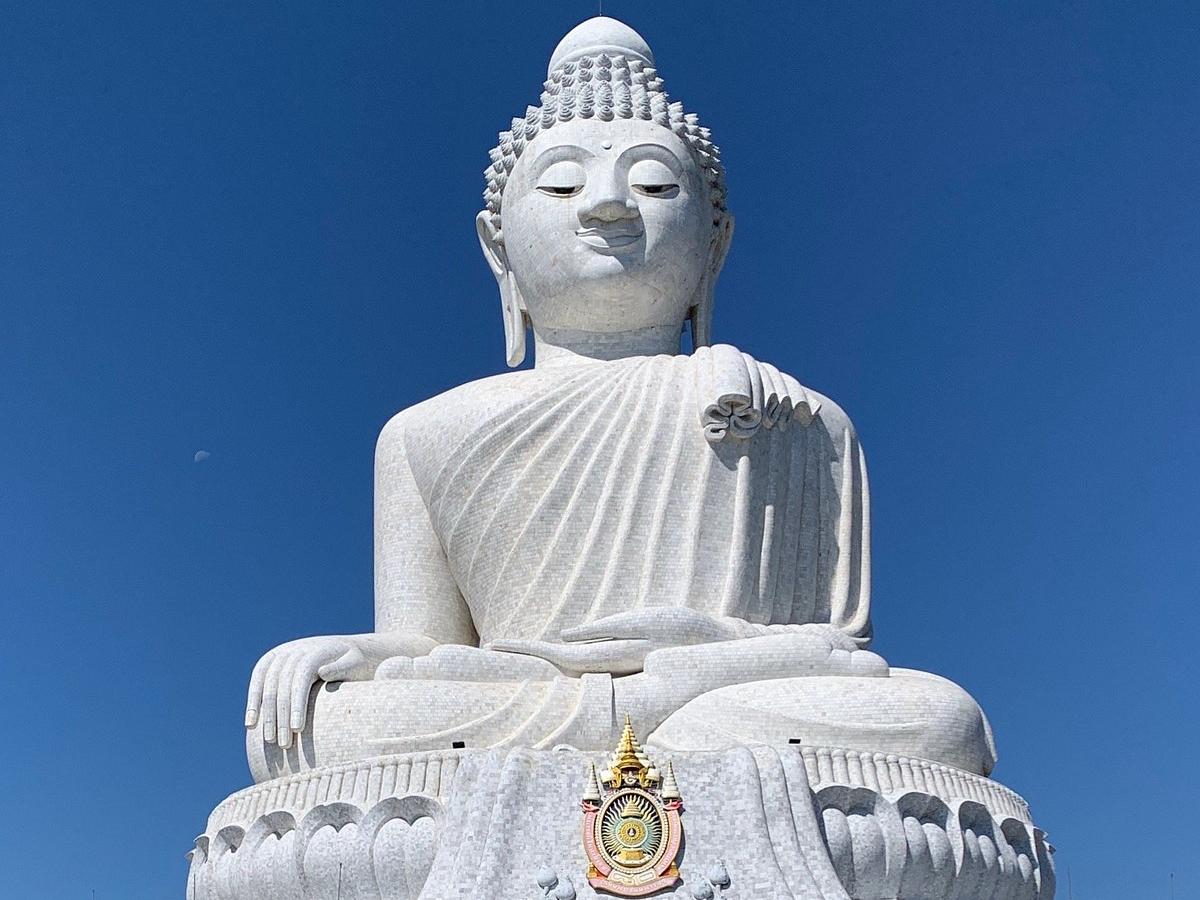
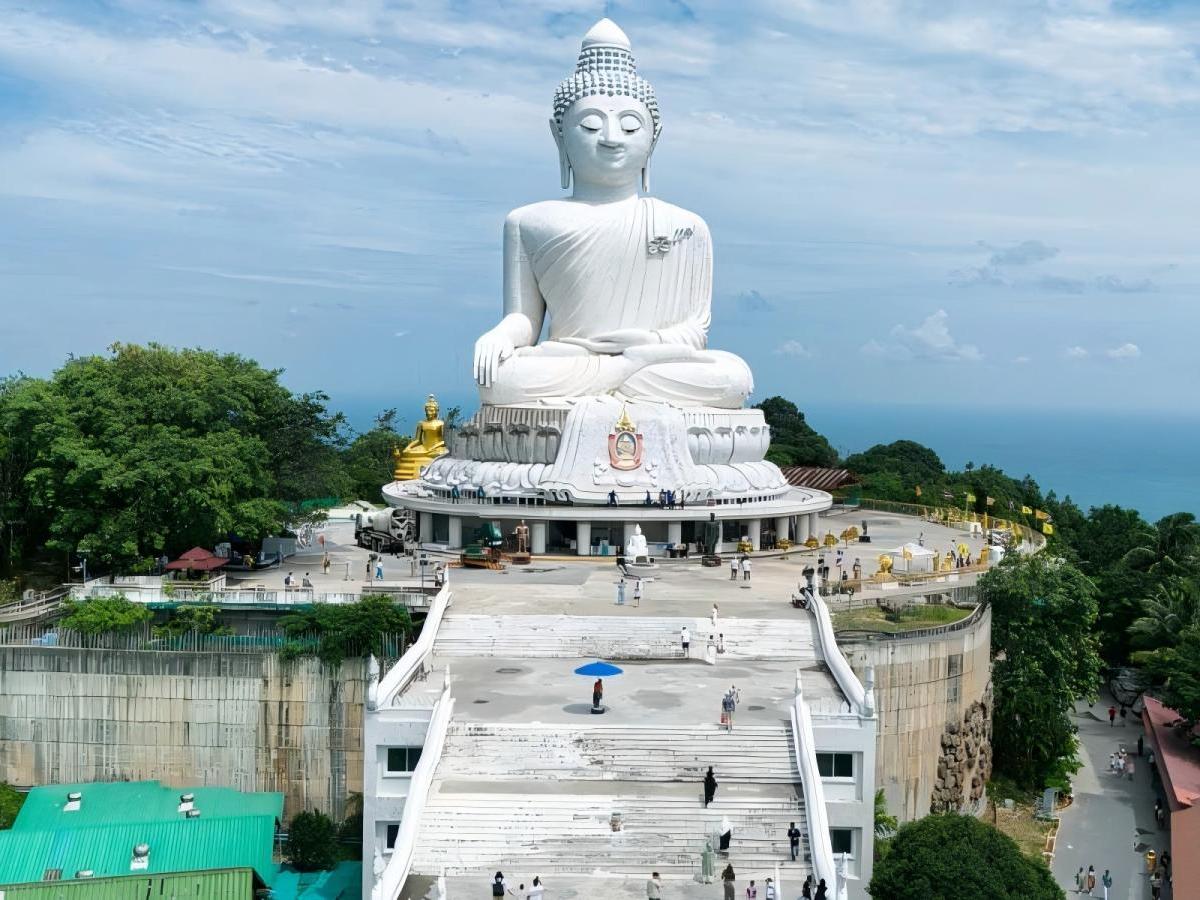
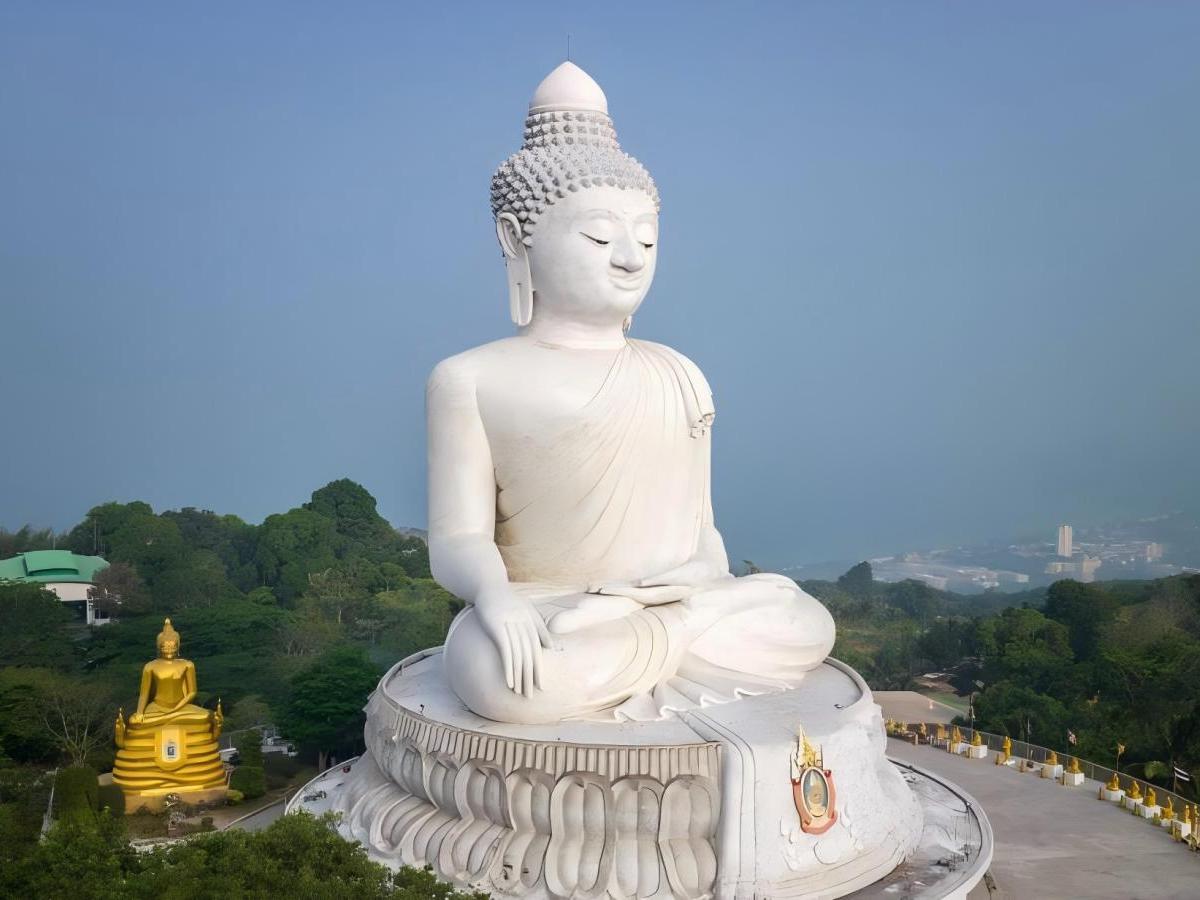
Atop Chalong Hill in Phuket, Thailand, the magnificent Big Buddha stands majestically overlooking this beautiful land. It is not only a stunning structure, but also a symbol of Thai Buddhist culture, carrying a rich and deep cultural story that attracts tourists and believers from all over the world.
Advertisement
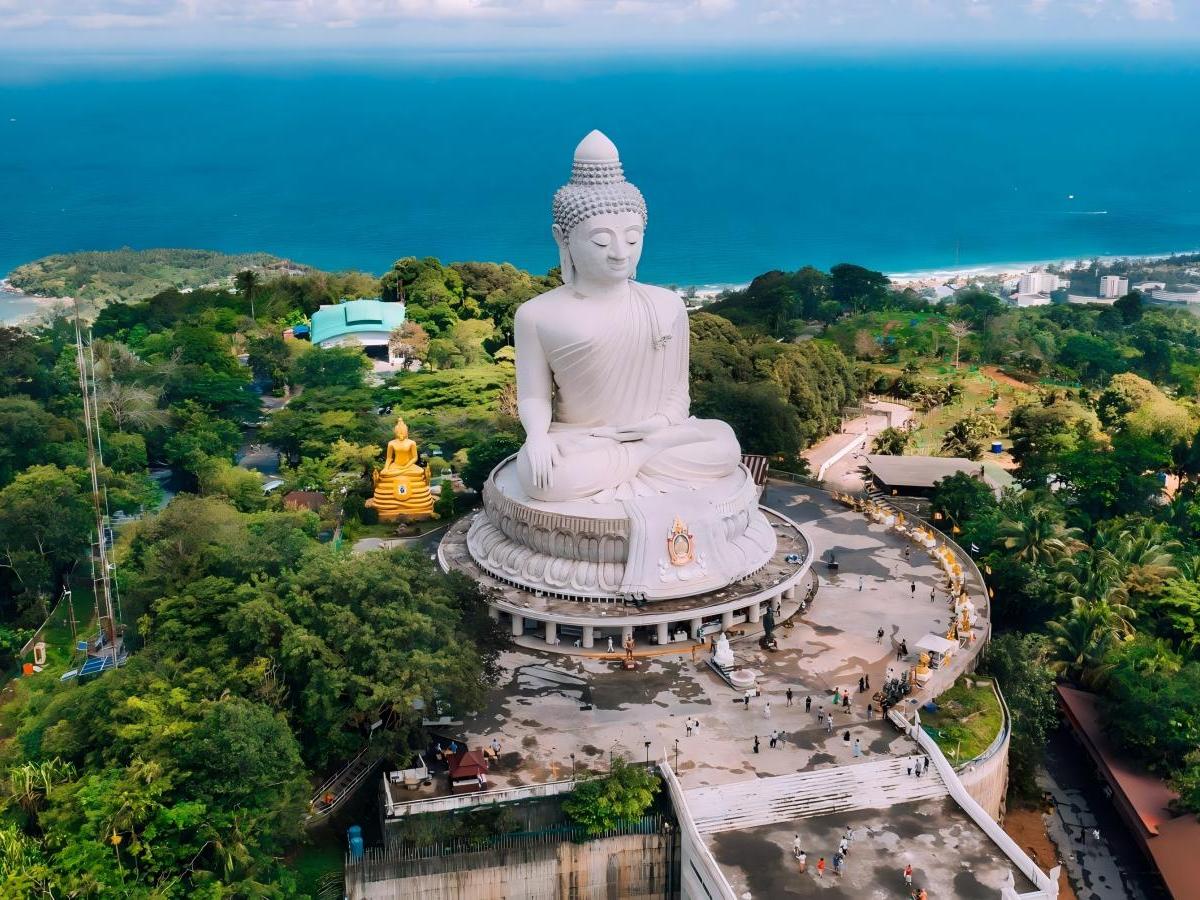
The construction of the Big Buddha was born out of the need for the transmission and development of the Thai Buddhist faith and the strong desire of the local people to promote Buddhist culture. 2003 saw the official launch of the construction program, but it was not a smooth sailing for this grand project. In the early stages of construction, fundraising became the primary challenge. Local Buddhist groups, businesses, and people gave generously, and even many foreign tourists, after realizing the significance of the construction, actively participated in donating to the construction of the Buddha.
Advertisement
During the construction process, technical difficulties also ensued. Since the site of the Big Buddha is located on the top of a mountain, transportation of construction materials became a great challenge. However, with the wisdom and unremitting efforts of the builders, they adopted a special transportation method and overcame the obstacles posed by the terrain. After several years of meticulous carving and construction, the Big Buddha was finally presented to the world in 2014 in its complete form, becoming the iconic landscape of Phuket.
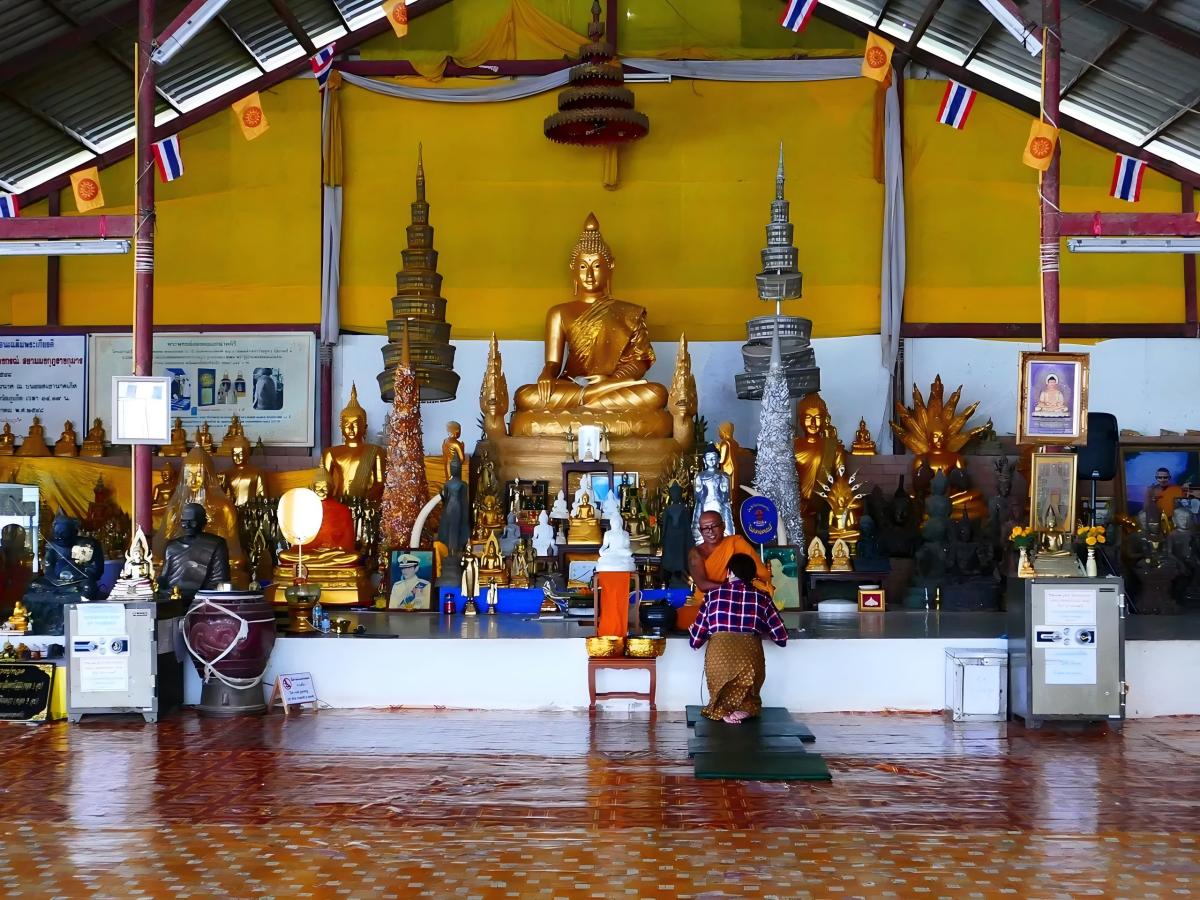
In Thailand, Buddhism is the national religion, and Big Buddha is of great significance in the religious field. It is a figurative embodiment of Buddhist beliefs, representing the Buddha's compassion and wisdom. For local Buddhist believers, the Big Buddha is their spiritual support and pillar. Every day, a large number of believers come to worship the Buddha. They walk around the Buddha with their hands folded in piety, reciting words under their breath, praying to the Buddha for peace, happiness and wisdom.
Advertisement
In Buddhism, the Buddha is the enlightened one, whose teachings lead people out of suffering and towards liberation, and Big Buddha's presence is a constant reminder to follow the Buddha's teachings and treat all living beings with compassion and kindness. During Buddhist festivals, such as Vesak Day and Ten Thousand Buddhas Day, grand religious ceremonies are held here. At that time, monks and believers from all over Thailand gather here, chanting sutras and praying for blessings, the scene is solemn and dignified, letting people deeply feel the deep heritage and strong cohesion of Buddhist culture.
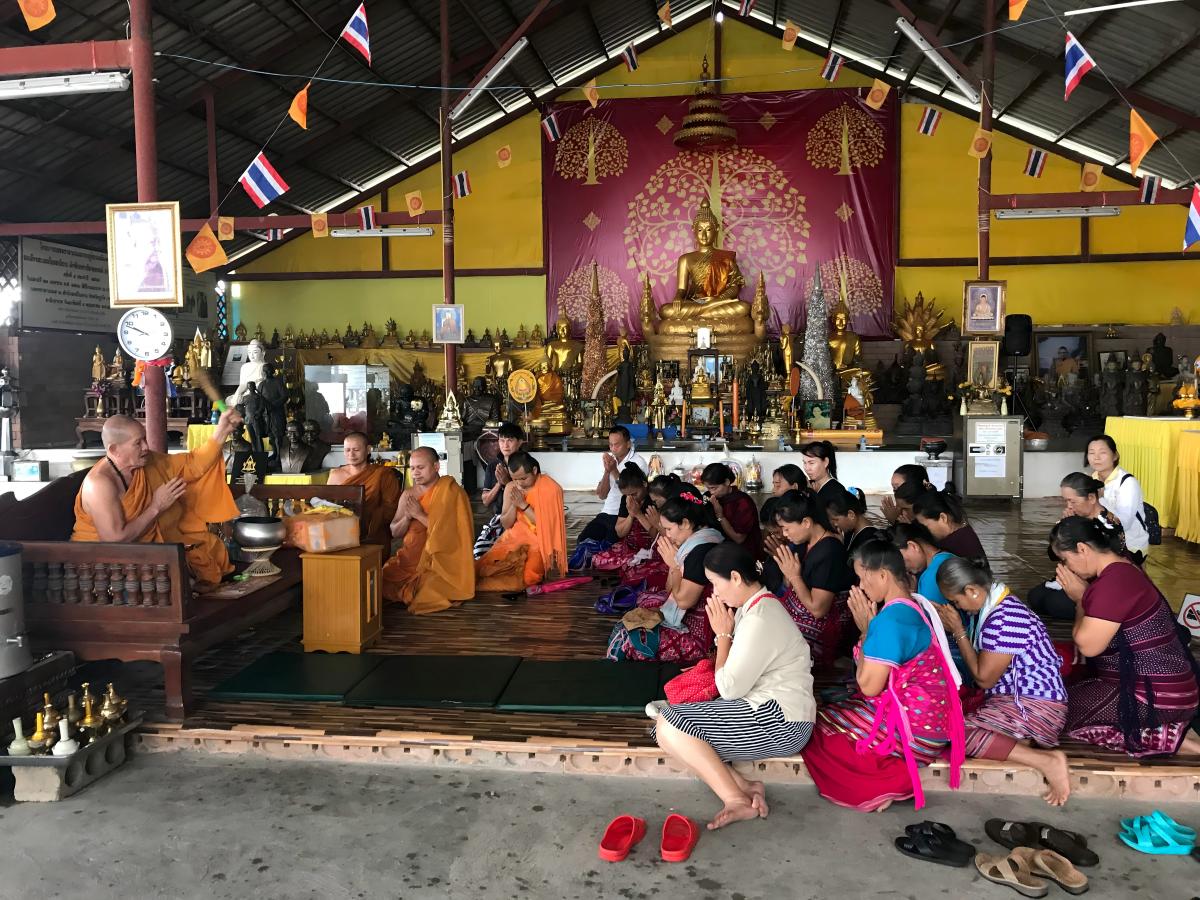
Daily Prayers: Every morning and evening, on the platform around Big Buddha, devotees and tourists participate in praying for blessings. People light incense and candles, offer flowers and make wishes. In the process, one can feel the strong religious atmosphere and can also participate in the unique Buddhist blessing ceremony to pray for good luck for themselves and their families.
Meditation and Zen Courses: In order to let more people experience the Buddhist way of practice, the temples around Big Buddha regularly organize meditation and Zen courses. The courses are guided by professional monks who teach participants how to relax and focus on the heart, starting with basic breathing techniques. Whether you are a beginner or have some experience in meditation, you will be able to gain inner peace and a deeper understanding of Buddhist practice.
Buddhist Cultural Lectures: From time to time, Buddhist cultural lectures will be held here, inviting senior scholars and monks to explain the history, teachings, and philosophical thoughts of Buddhism. The lectures are given in an easy-to-understand manner so that even those with little knowledge of Buddhism can easily understand. These lectures provide a more comprehensive understanding of Buddhist culture and broaden the horizons of knowledge of religious culture.
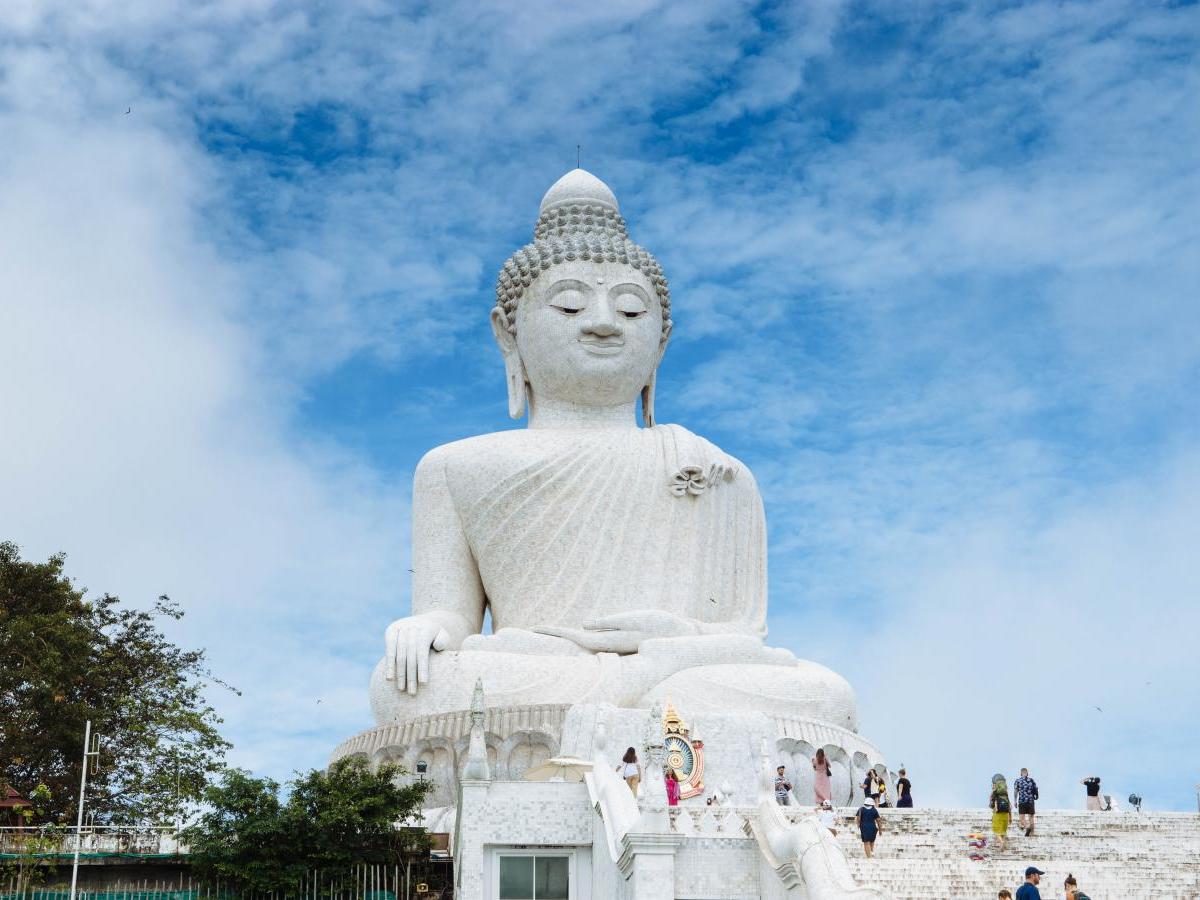
The construction of Big Buddha has had a profound impact on the local culture of Phuket. In terms of cultural heritage, it has become an important carrier of Thai Buddhist culture. Many stories, legends and teachings about Buddhism have been passed down from generation to generation through people's pilgrimage to and explanation of the Big Buddha. Local schools and communities also often organize students and residents to visit the Big Buddha and carry out educational activities on Buddhist culture, so that the younger generation can better understand and pass on the local culture.
In terms of tourism and culture, Big Buddha has attracted a large number of tourists to visit and become one of the important tourist attractions in Phuket. This not only drives the development of local tourism, but also promotes the exchange and integration of different cultures. Tourists here can not only enjoy the spectacular architecture and beautiful scenery, but also gain a deeper understanding of Thai Buddhist culture and traditional customs. Meanwhile, in order to meet the needs of tourists, the local catering, accommodation, handicrafts and other related industries have also been vigorously developed, forming a unique tourism and cultural industry chain.
In addition, Big Buddha has become a symbol of local community cohesion. Local residents actively participate in the construction and maintenance of the Big Buddha, forming a spirit of unity and cooperation. Whenever there are major festivals and activities, the community residents will participate in the organization and preparation together, which enhances the relationship and connection between each other.
Opening Hours and Admission: Big Buddha is usually open all day long and no admission fee is required. However, during special Buddhist festivals or large-scale events, there may be temporary adjustments to the opening hours, so it is recommended to check the relevant information in advance.
Dress Code: Dress appropriately when entering the Big Buddha area. Avoid overly revealing clothing such as shorts, short skirts and plunging necklines. Men are advised to wear long pants and collared tops; women can wear long skirts or knee-length pants with long-sleeved tops.
Keep quiet: This is a religious shrine, so keep quiet and don't make a lot of noise so as not to disturb others' pilgrimage and visit.
Respect religious ceremonies: If you come across religious ceremonies in progress, do not disturb them, but watch them quietly and respect local religious beliefs and customs.
Dining Recommendations: There are some restaurants and food stalls around, offering Thai food and some simple western food. We recommend you to try some specialties such as Pad Thai, Tom Yum Goong Soup, Mango Sticky Rice, etc. to savor the authentic Thai flavor.
Big Buddha is a treasure of Thai Buddhist culture and a valuable asset of human civilization. Its construction background, religious significance, cultural activities, influence on local culture and practical travel tips are all worth exploring and studying. We hope that more people will enter Big Buddha to explore the cultural stories behind it and feel the unique charm of Thai Buddhist culture.