Advertisement
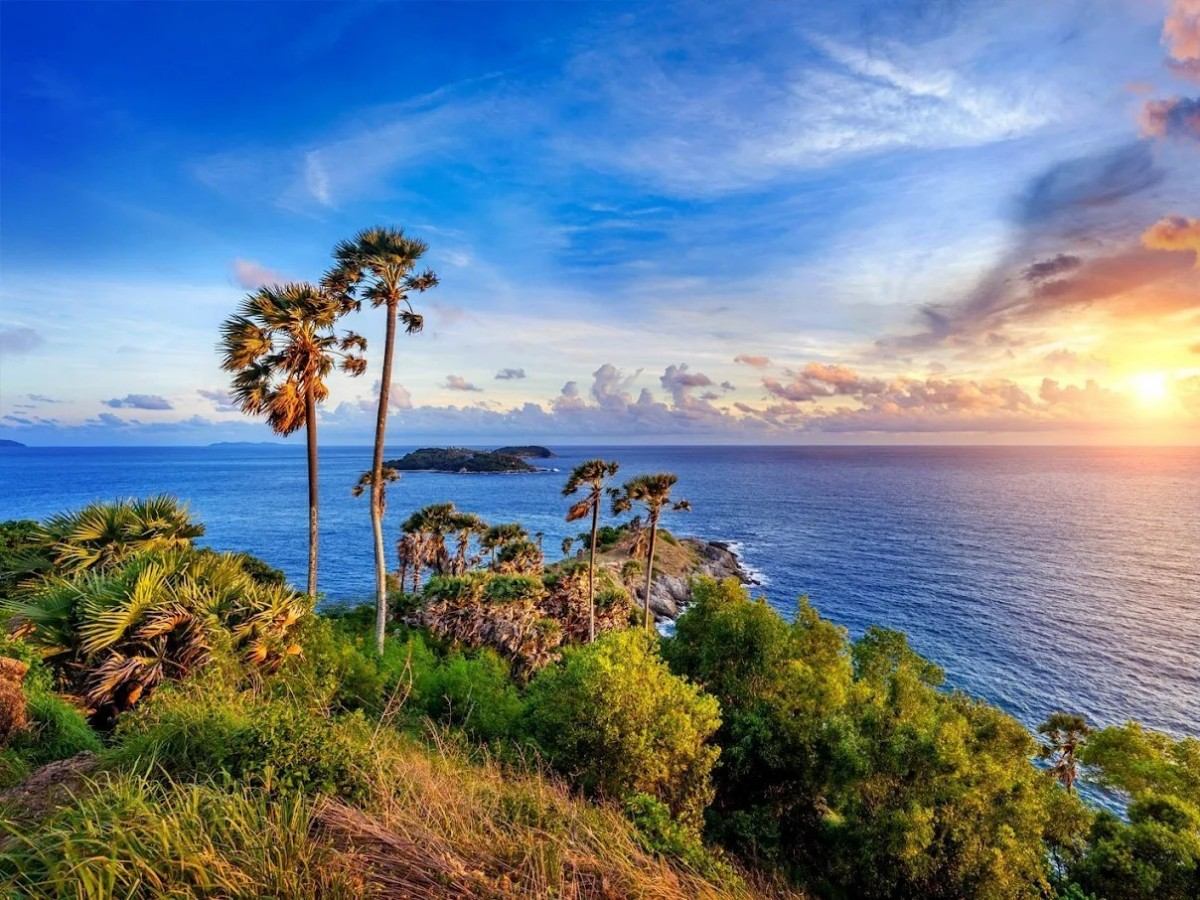
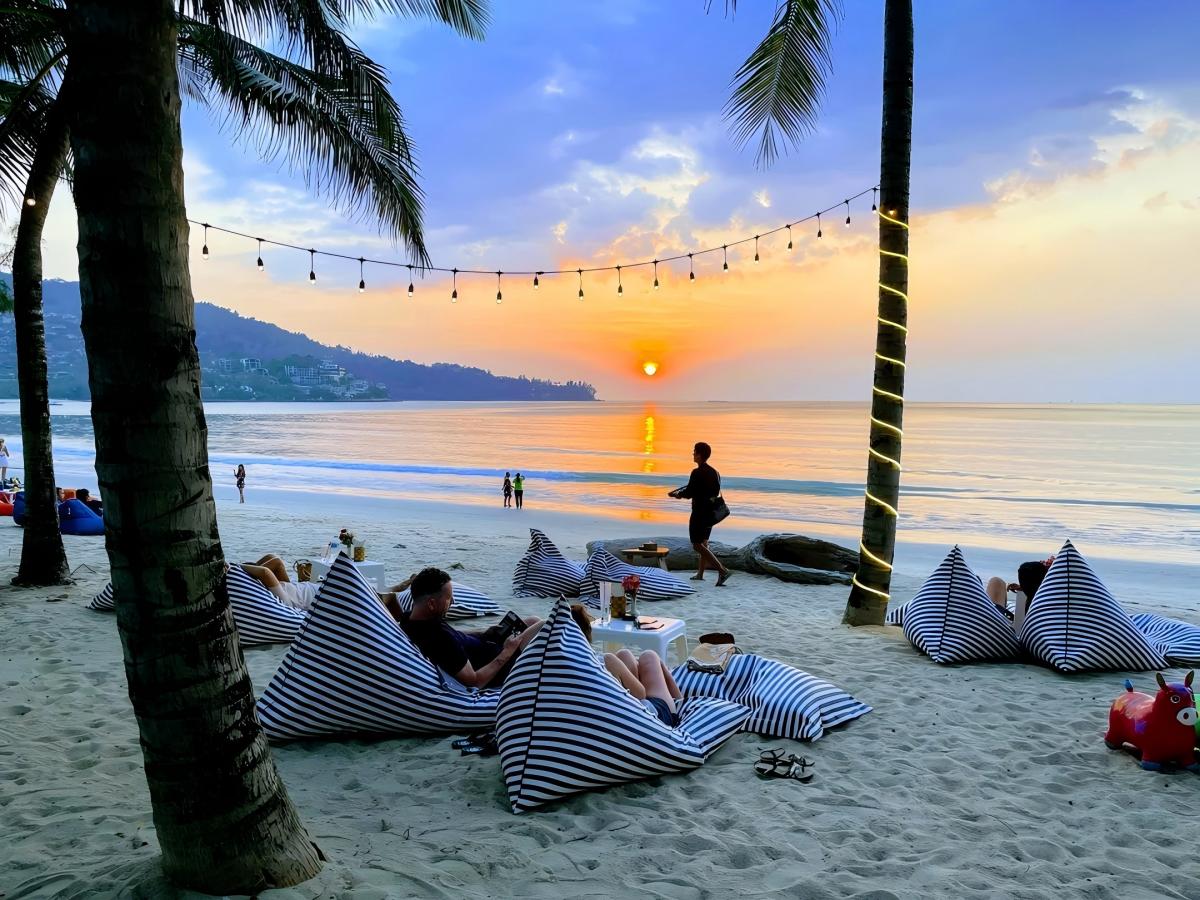
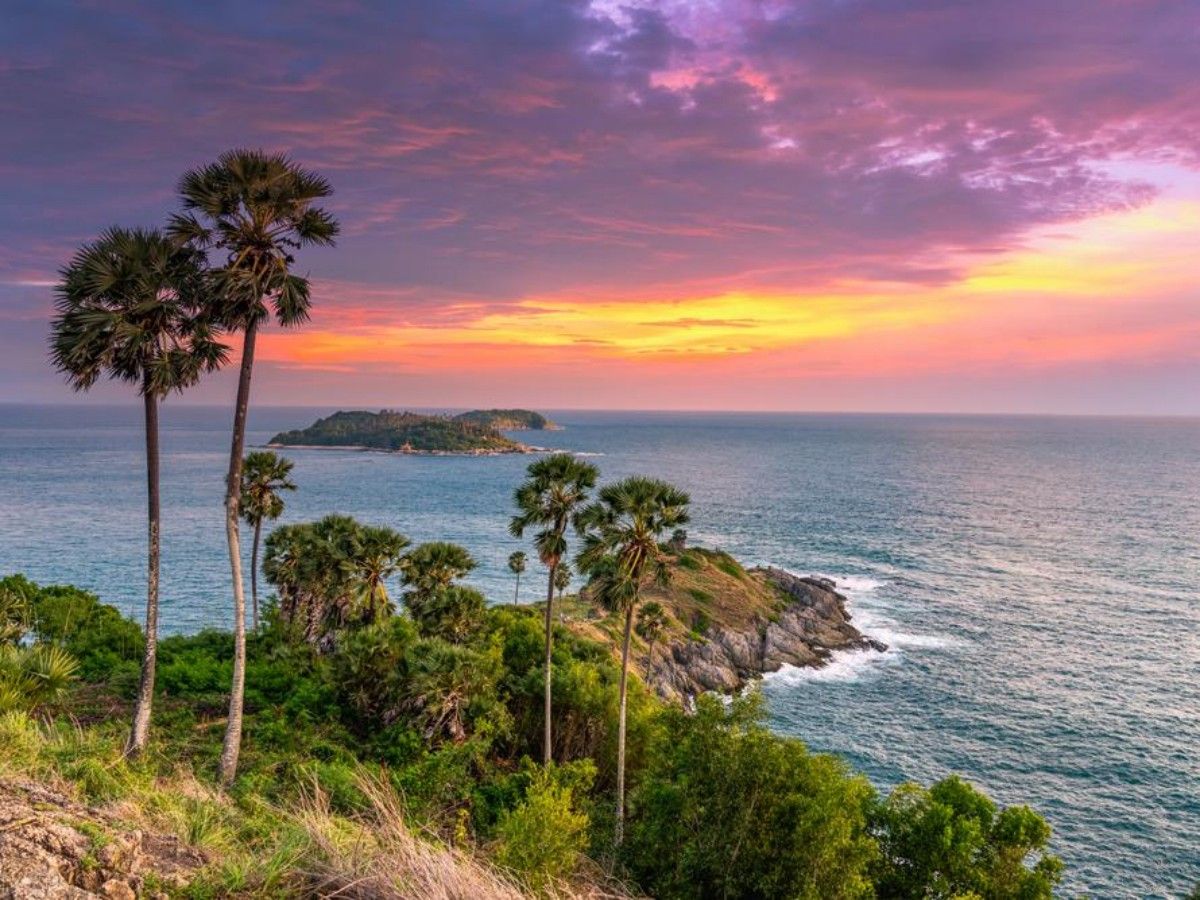
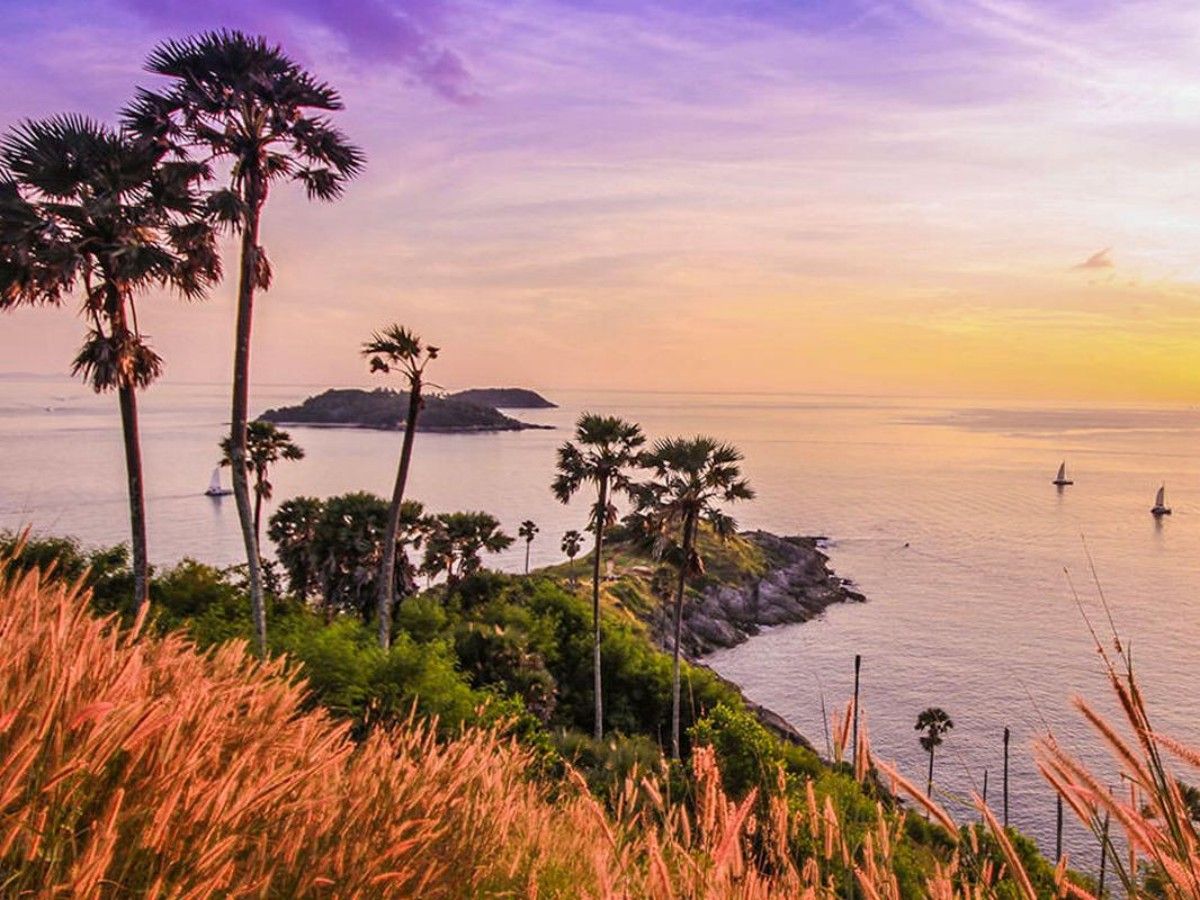
At Phong Thep Cape, a promontory jutting into the Andaman Sea at Phuket's southernmost tip, hundreds of tourists gather every evening to witness a visual feast hailed by National Geographic as one of "the world's top ten sunsets." As the setting sun paints the sea a golden red and waves crash against the basalt rocks at the cape's edge, visitors discover a unique sight: hanging from the observation deck's railings, between the crevices of the rocks, and even in front of the shrine of the Four-Faced Buddha, are elephant sculptures of various shapes and forms—some carved from wood, some pieced together from coconut shells, and still others woven from colorful silk thread. Where do these elephant sculptures come from? Why are they so prominently displayed on this land known as "God's Cape"? The answer lies in the interweaving of Thai culture, maritime history, and faith in nature.
Advertisement
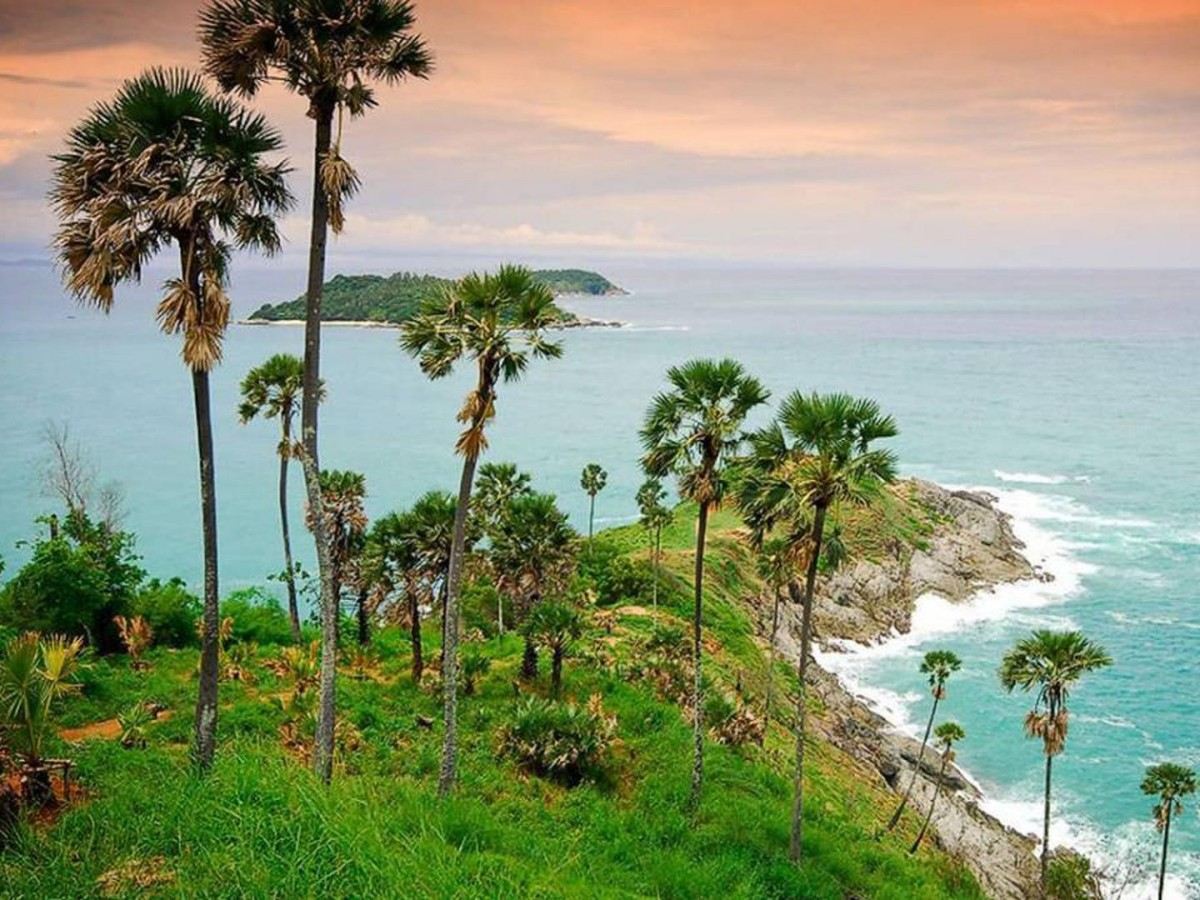
Promthep Cape, known in Thai as "พรหมเทพ," literally translates to "God's Cape." This promontory, jutting out from the southernmost tip of Phuket, is surrounded on three sides by the Andaman Sea: the fine sands of Naiharn Beach to the east, the fishing pier of Rawai Beach to the west, and the winding mountain road connecting to Phuket Town to the north. On a map, it resembles a key inserted into the ocean, unlocking the route to Peninsular Malaysia.
Advertisement
15th century ago, this place served as a "life and death coordinate" for navigators. When the monsoon shifted, sailing ships sailing from the mainland to the Malay Peninsula had to stick close to the coastline. Promthep Cape's steep cliffs and iconic lighthouse (built in 1996 and topped with a gilded gilt in honor of King Bhumibol Adulyadej of Thailand) became the final navigational point. Crew members believed that the mere sight of the Four-Faced Buddha enshrined on the headland would protect them from reefs and whirlpools. This belief gradually evolved into a tradition: after each safe voyage, the captain would leave a token of his loyalty on the headland—originally flowers and incense sticks, but later, a more Thai-style elephant sculpture.
"In Thai culture, the elephant is a symbol of good fortune," explained Supachai, an official from the Phuket Cultural Affairs Bureau. "It represents strength, wisdom, and protection. Sailors would hang elephant sculptures on the rocks, much like tying amulets to the hem of a deity's garment." Today, there are over a thousand elephant sculptures on the headland. The earliest wooden carvings date back to the reign of King Rama V (1868-1910), while the latest are resin models created by tourists using 3D printing technology.
The elephant's status in Thai culture goes far beyond mere mascots. In Hindu mythology, Ganesha, the elephant-headed god, is the god of wisdom and the remover of obstacles. He was created when Lord Shiva replaced the head of his son, who was mistakenly killed, with an elephant's head. This legend, introduced to Thailand through Hinduism, merged with the local cult of the Four-Faced Buddha, forming a unique "Ganesha culture."
Advertisement
On the observation deck of Promthep Cape, a 3-meter-tall shrine of the Four-Faced Buddha stands out. The statue's four faces face east, south, west, and north, representing compassion, protection, wisdom, and merit. Besides the usual flowers and fruit, the altar in front of the shrine always features several miniature elephant sculptures—some folded from banana leaves, others carved from coconut shells, and even a "sea elephant" made of seashells. "These elephant sculptures are offerings from believers," said Anan, a local resident. "For example, someone praying for a safe trip at sea would receive an elephant upon their return; someone praying for a child would also receive an elephant as a token of gratitude." This tradition is closely related to Thailand's Elephant Festival: every year on the third weekend of November, Chiang Mai's Mae Wang Elephant Camp holds a grand Ganesha worship ceremony. Believers feed the elephants with bananas and sugarcane and drape them in golden silk, praying for a good harvest and peace in the coming year.
Even more interestingly, Promthep Cape's "elephant herd" is interspersed with some unusual creations—such as a mechanical elephant made from beer bottle caps and an abstract elephant woven from discarded fishing nets. These modern artworks, created by local artists, attempt to explore the conflict and coexistence between traditional beliefs and modern environmental protection. "Elephants symbolize strength, but the ocean needs gentleness," says artist Tani. "We crafted elephants out of waste to remind visitors that protecting the ocean is more important than praying to the gods."
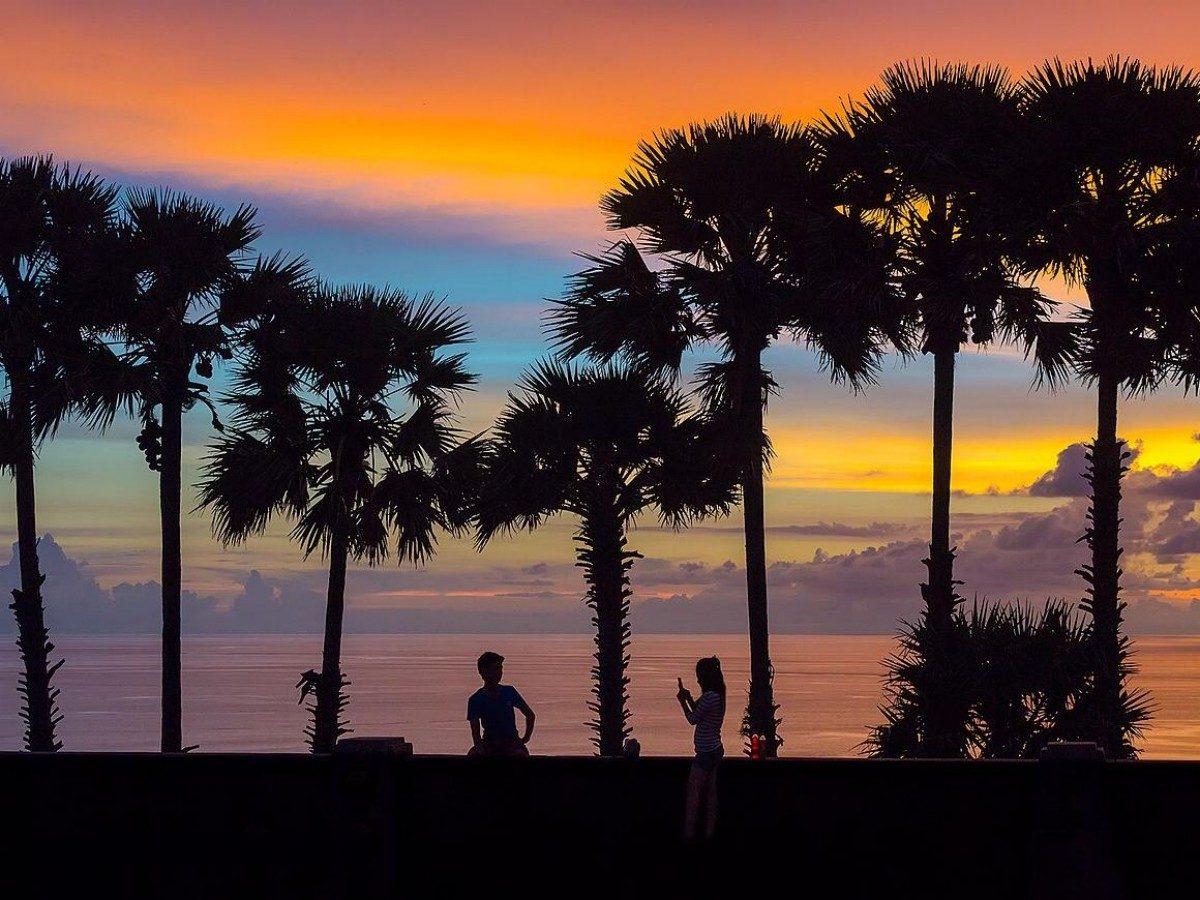
If the elephant sculptures are the cultural soul of Promthep Cape, then the sunsets are its economic lifeblood. According to the Phuket Tourism Board, over 2 million tourists visited the site specifically to watch the sunset in 2024, with Chinese tourists accounting for 45%. To cater to this "sunset economy," local businesses have developed a comprehensive industry chain:
Photography Services: At the entrance to the cape, more than a dozen stalls offer "sunset photography" services, with prices ranging from 300 baht (including 10 retouched photos) to 2,000 baht (including drone photography). Photographers are well-versed in the compositional principles of "elephant and sunset"—for example, posing visitors in front of the Four-Faced Buddha shrine with the elephant sculpture in the foreground and the setting sun in the background, creating the illusion of being blessed by the gods. Cultural and Creative Products: 70% of the souvenir shop near the observation deck features elephant-themed merchandise, including coconut shell bowls engraved with Ganesha images, recycled paper notebooks made from elephant dung, and even "Sunset Elephant" scented candles—which, when lit, gradually melt to reveal a miniature elephant sculpture.
Dining: The Elephant Cafe on the west side of the headland is a popular spot for checking out online. They offer Ganesha Latte Art and Coconut Elephant Cake. Guests can enjoy their meals on the terrace while gazing at the sunset over the waves and the elephant sculptures. "Before, this was just a place for fishermen to pray," recalls Noi, the cafe's owner. "After 2010, the number of Chinese tourists began to increase. They loved taking pictures of the elephants and the sunset, so we combined the two." Today, the cafe's walls are covered with photos of tourists posing with the elephant sculptures. One photo in particular stands out: a Chinese tourist embracing a wooden elephant, the blazing sunset behind him. Beneath the photo is a caption: "At Promthep Cape, I saw both Thailand's past and future."
However, the "elephant carnival" at Promthep Cape is facing a silent crisis. According to a 2024 report by the Phuket Marine Conservation Society, coral cover around the cape declined from 65% in 2010 to 38% in 2024, primarily due to seawater pollution and physical damage caused by the surge in tourist numbers. Ironically, some of the wood used to make the elephant sculptures comes from illegally logged primary forests. "We're not against faith, but against overdevelopment," said Pagong, a member of the association. "For example, some businesses hammer nails into the rocks to attract tourists, which is detrimental to the coral reefs." In early 2025, the local government introduced new regulations: new fixed sculptures are prohibited on the natural rocks of the cape. All elephant figurines must be placed on designated artificial platforms. At the same time, the use of biodegradable materials (such as coconut shells and banana leaves) for sculptures is promoted to reduce environmental impact.
These measures have sparked controversy. Some believers believe the government is "interfering in the domain of the gods," but more young people are choosing to support environmental protection. "My grandmother's generation carved elephants out of wood because the material was cheap back then," said 25-year-old stall owner Ati. "Now we know that protecting the ocean is more important than praying." His stall's elephant sculptures woven from recycled fishing nets are now bestsellers, and he donates 10 baht for each piece sold to the Marine Conservation Association.
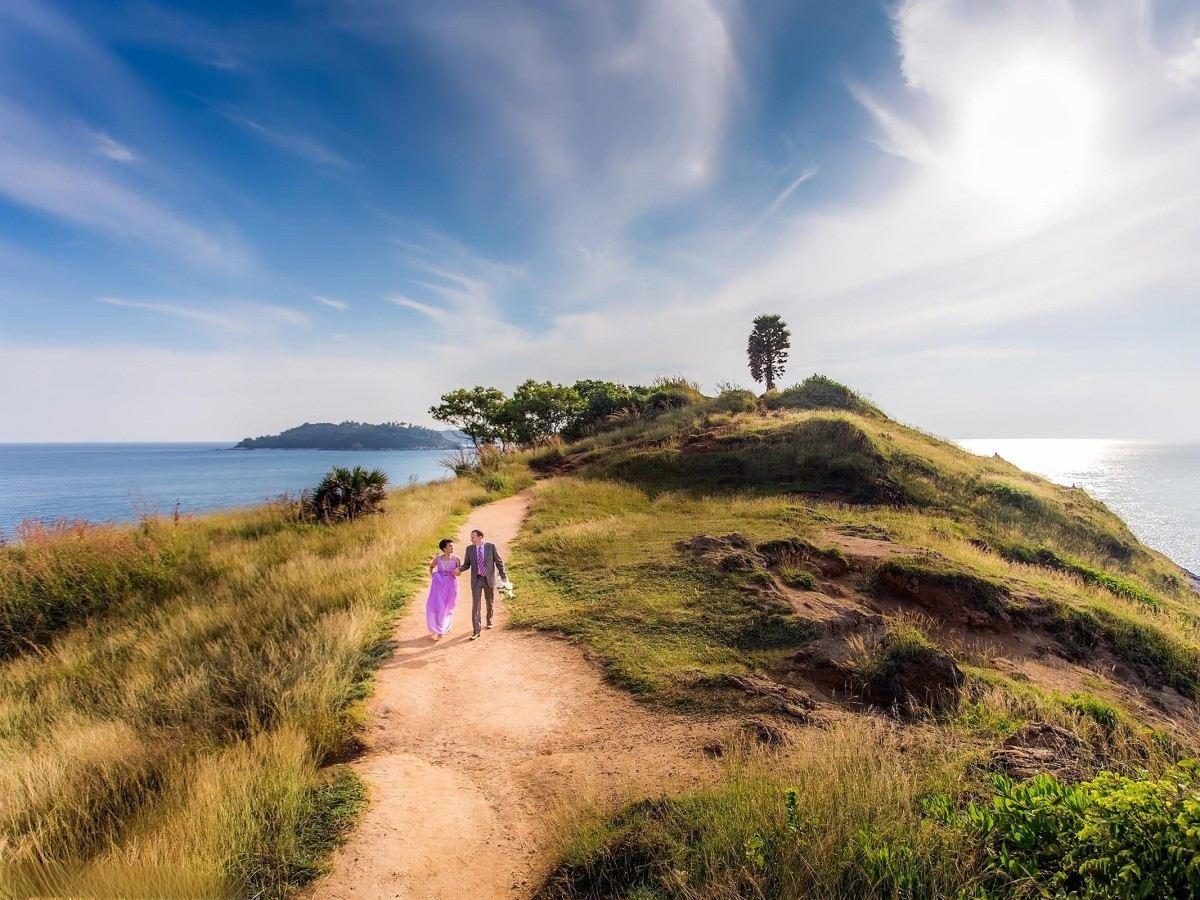
For ordinary visitors, Promthep Cape's allure lies not only in its sunsets and elephant sculptures, but also in its diverse culture and natural beauty. Here are some practical tips:
Best time to visit: Arrive an hour before sunset to avoid the crowds. For untouched photos, choose 6 a.m., when the cape is virtually deserted, save for fishermen mending their nets.
Transportation: Rent a motorbike from Patong Beach (approximately 40 minutes, 200 baht per day), stopping along the way at Kata Viewpoint and the popular ice cream shop The Sweet Talk. If you prefer not to drive, book a "half-day sunset tour" with a private car from your hotel (approximately 1,500 baht per car, including a driver and photography instructor).
A hidden gem: A 20-minute walk down the trail on the west side of the cape leads to Jungle Beach, an unspoiled, wild beach. The waters are clear, the corals are pristine, and it's perfect for snorkeling (please bring your own gear). On your return, don't forget to look for the lighthouse, built in 1996. Its underground exhibition hall displays lamps removed from ship No. 333, telling the history of the Thai Navy.
Cultural taboos: Before touching an elephant sculpture, observe the locals' behavior. Typically, believers place their hands together, quietly chant a blessing, and then gently touch the sculpture's trunk (symbolizing wisdom) or back (symbolizing strength). If you wish to donate a sculpture, it's recommended to use biodegradable materials and engrave your name and a blessing on the bottom, which is both environmentally friendly and in keeping with tradition.
The elephant sculptures at Promthep Cape epitomize Thai culture: they combine the ancient genes of Hindu mythology with the pragmatism of maritime history; they embody the piety of believers while reflecting the hustle and bustle of the tourism economy. As the sunset paints the sea a final golden crimson, and as the waves wash away the last traces of tourists' footprints, the elephant sculptures clinging to the rocks remain silent watchers, witnessing the turbulent waves of the sailing age and the pros and cons of modern civilization. Perhaps this is the true meaning of travel: not in search of a perfect spot, but in understanding the contradictions and harmonies of a land. At Promthep Cape, you can be moved by a sunset, pause for a moment before an elephant sculpture, but more importantly, consider how to perpetuate this beauty. After all, whether it's divine protection or human wisdom, nature requires awe.