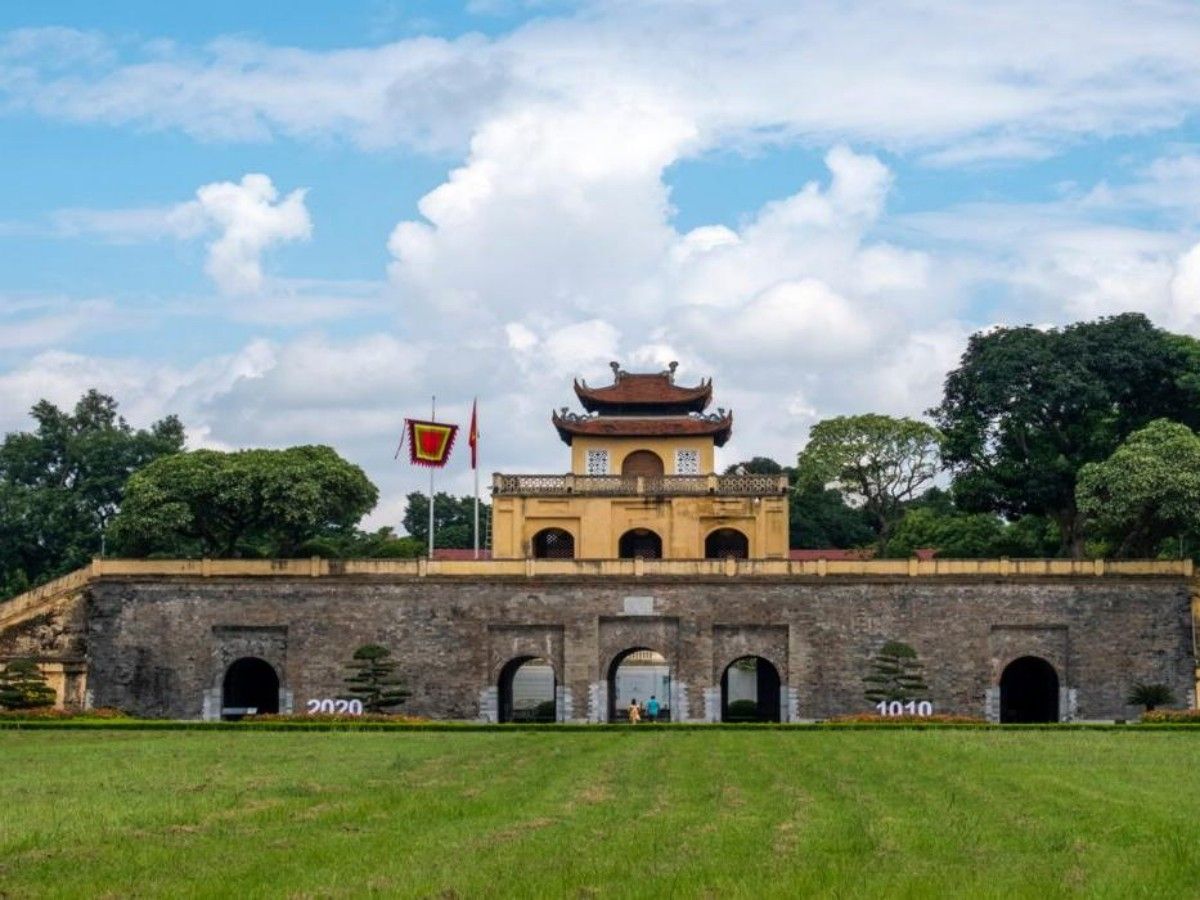
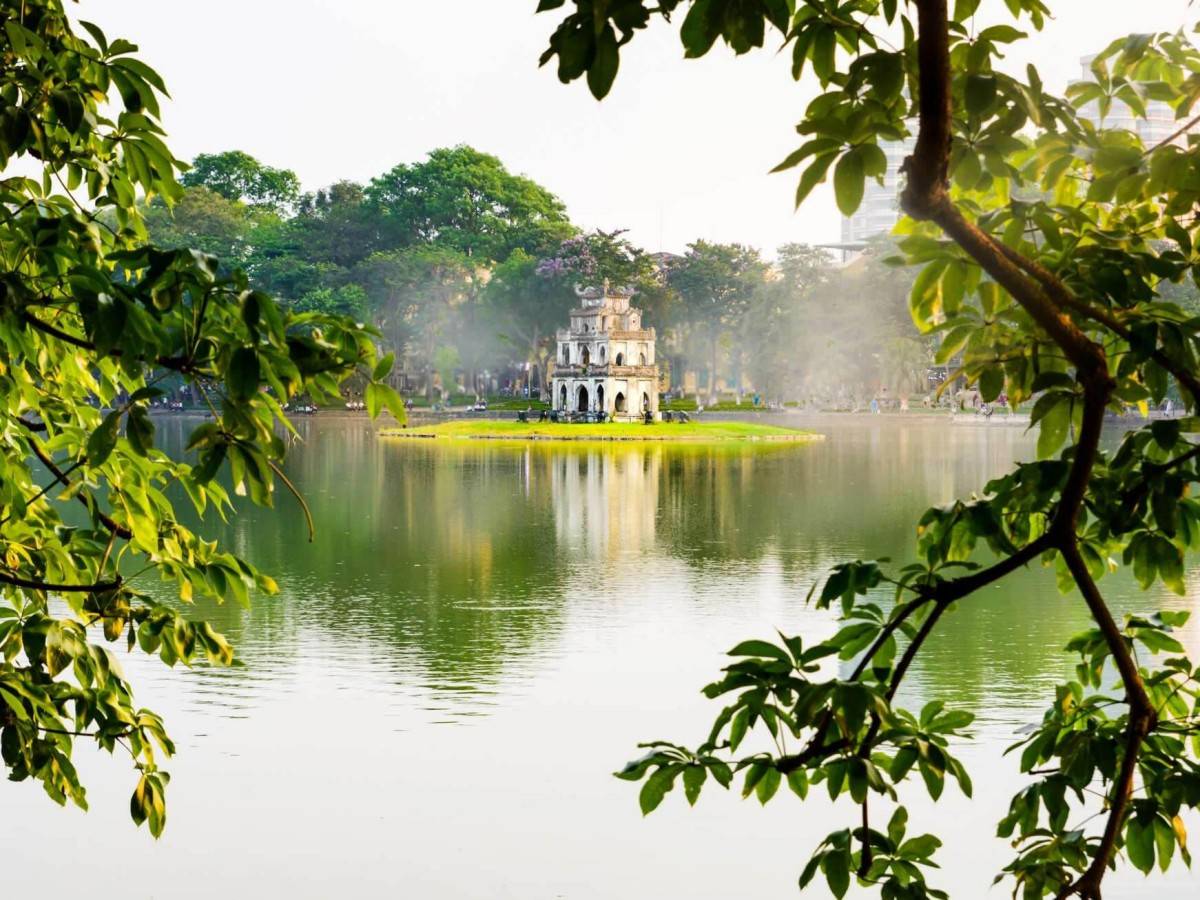
When you step into Hanoi, this city full of stories, the streets and alleys are filled with a unique atmosphere, and there is a cultural treasure that is quietly exuding charming charm, that is the Temple of Literature. It is like a guardian of history, carrying the cultural sedimentation of thousands of years. Every brick and stone, every carving, is whispering about the past, waiting to meet you and start a wonderful cultural journey.
Advertisement
The Temple of Literature was built in 1070. It was built by Emperor Li Shengzong of the Li Dynasty of Vietnam to worship Confucius, a great ancient Chinese thinker and educator, and to honor Vietnamese Confucian scholars. It is not only the location of the first national university in Vietnam, the Imperial College, but also an important place for the imperial examination in Vietnam. Over the years, the Temple of Literature has undergone many repairs and expansions, forming a large-scale and rigorously laid-out building complex today, witnessing Vietnam's respect and inheritance of Confucian culture. It plays an important role in the history of education and culture in Vietnam and has a profound impact on the development of Vietnamese society.
Advertisement
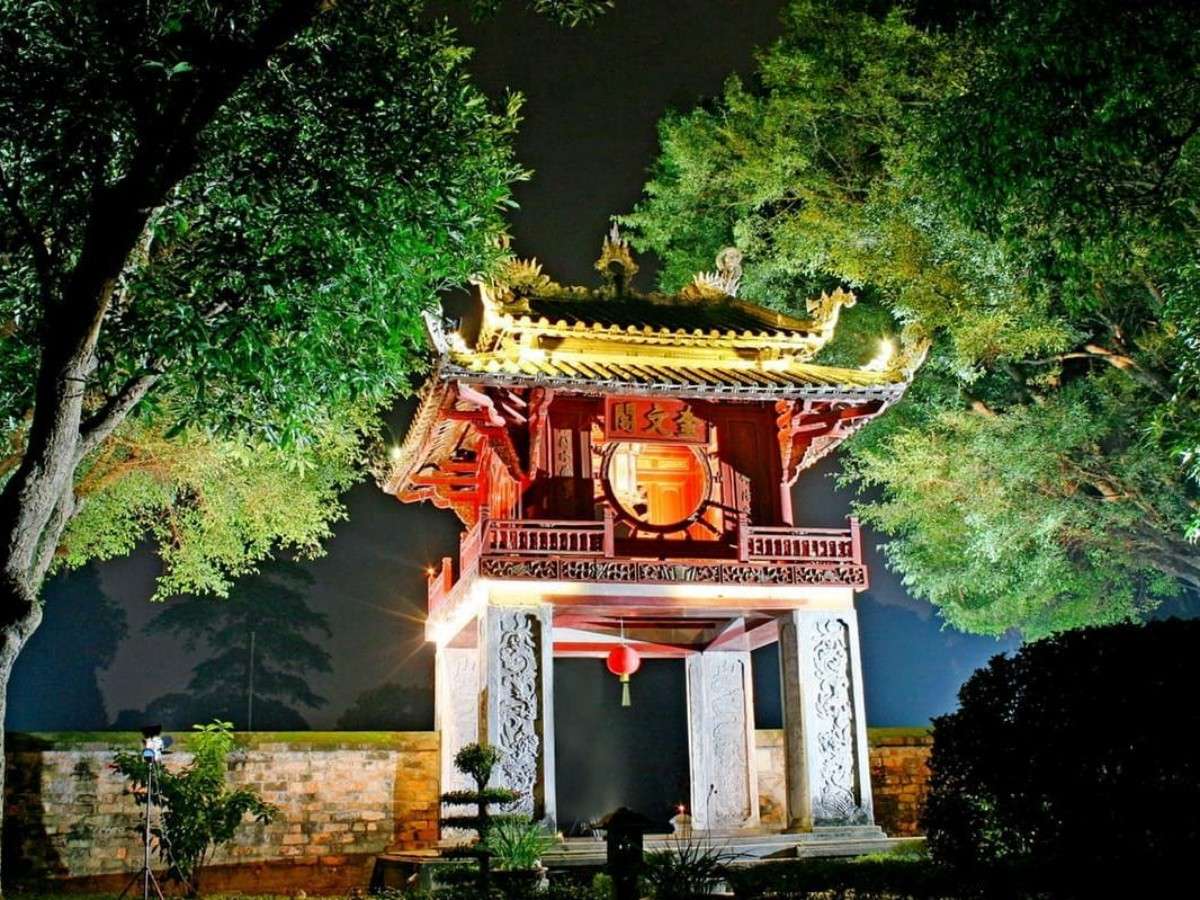
The Confucian Temple is open all year round and opens its doors to welcome visitors from 8:00 am to 5:00 pm every day. It is recommended to go there in the morning when the sunlight is soft, which is conducive to appreciating the architecture and taking photos. There are relatively few tourists and you can quietly feel the cultural atmosphere.
Advertisement
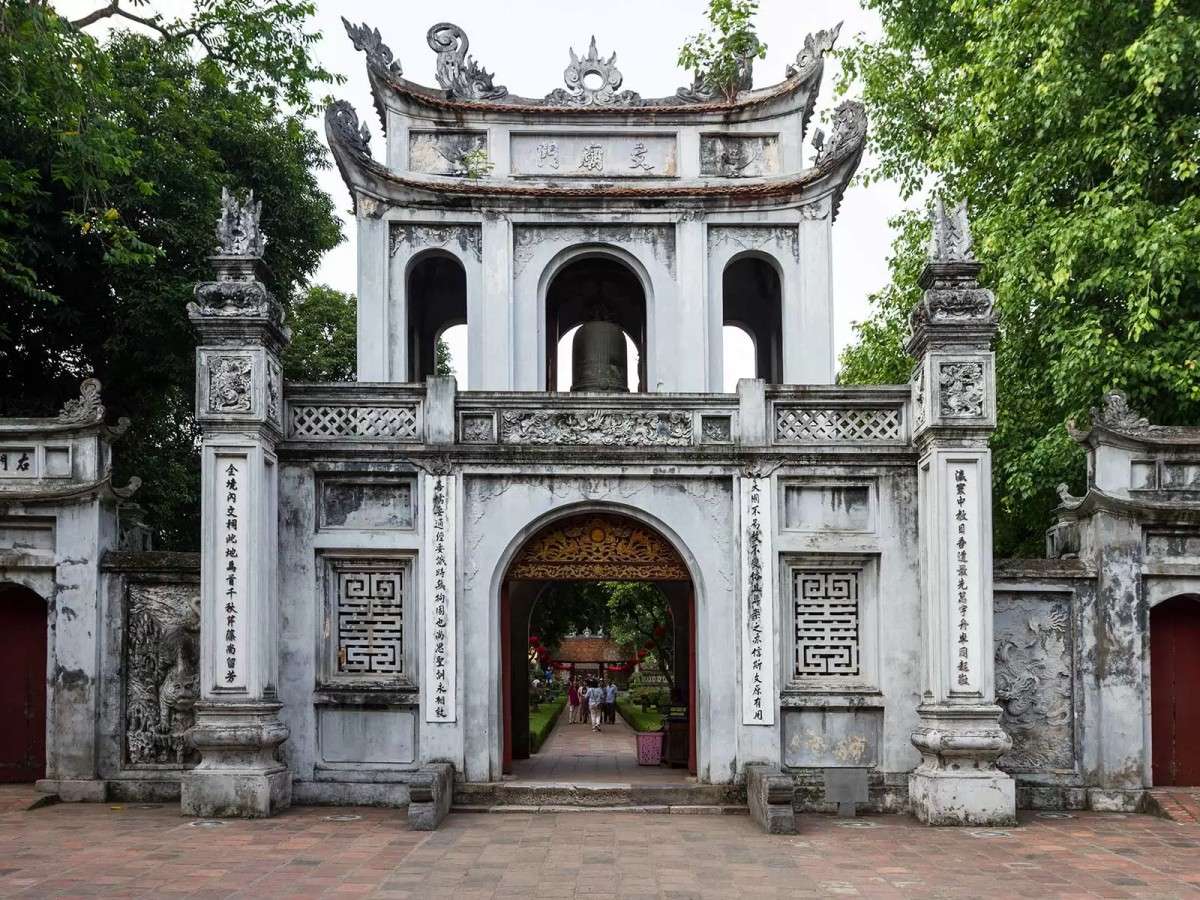
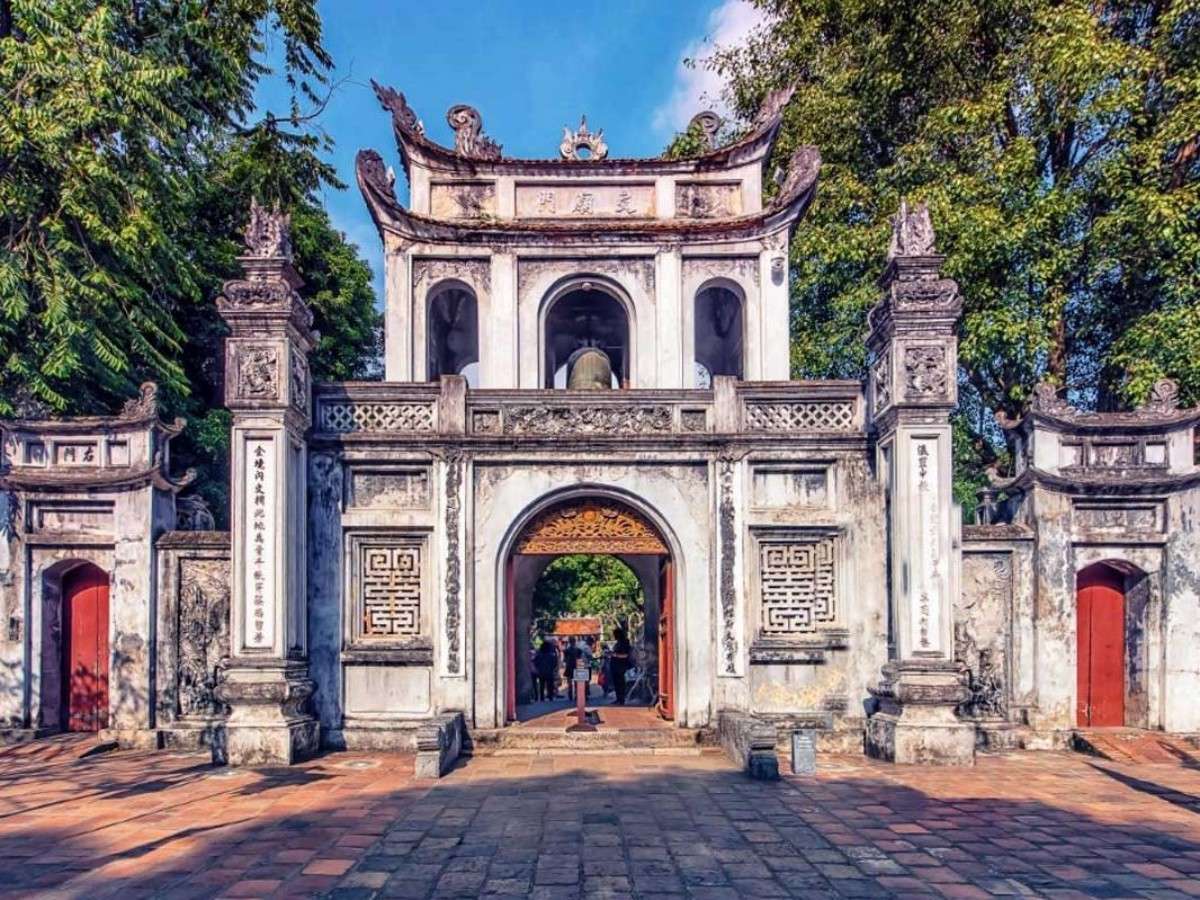
Lingxing Gate: The main gate of the Confucian Temple, Lingxing Gate, adopts the traditional Chinese archway architectural style, which is simple and elegant. It has three doorways. The middle doorway is the emperor's royal road, which can only be used by the emperor during major celebrations. The left and right sides are for officials and civilians to enter and exit. Stepping into the Lingxing Gate is like traveling through time and space and stepping into the long river of history.
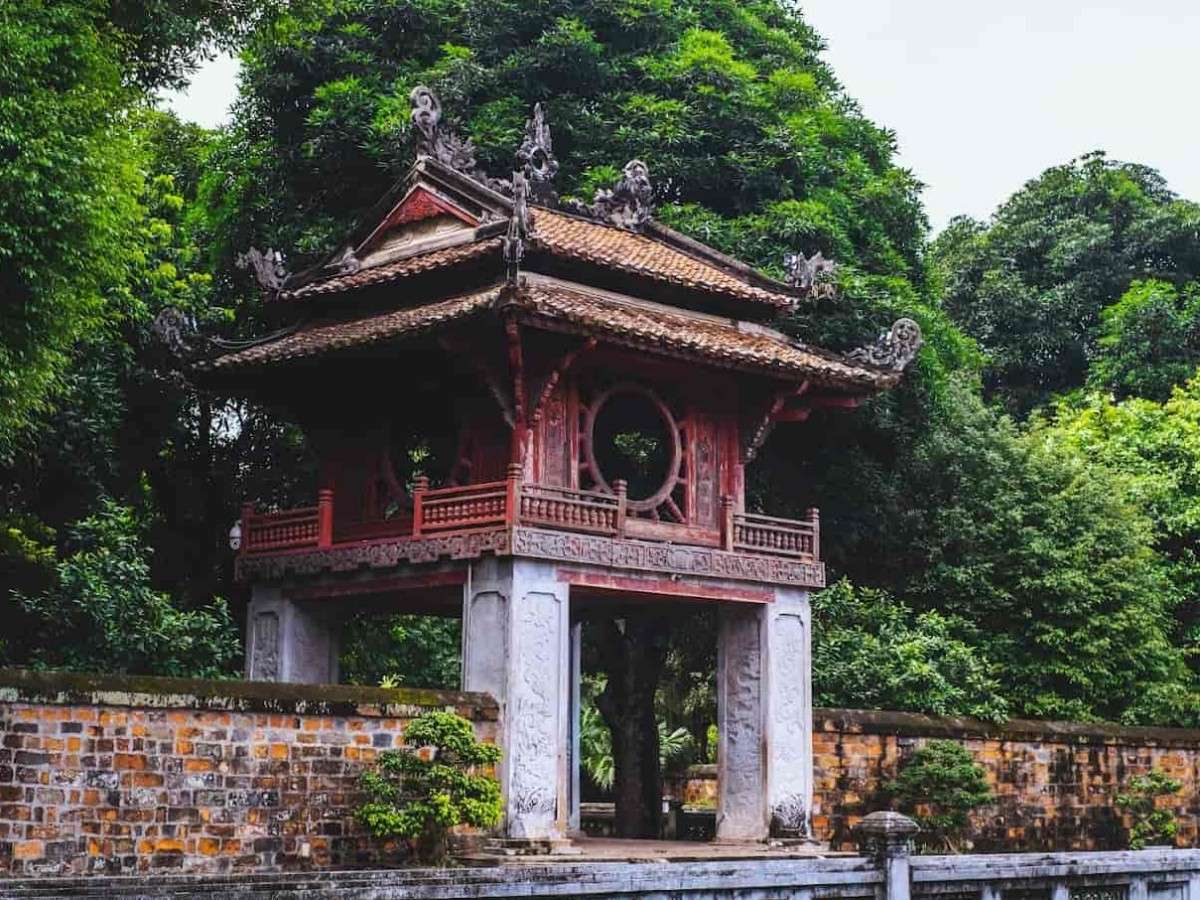
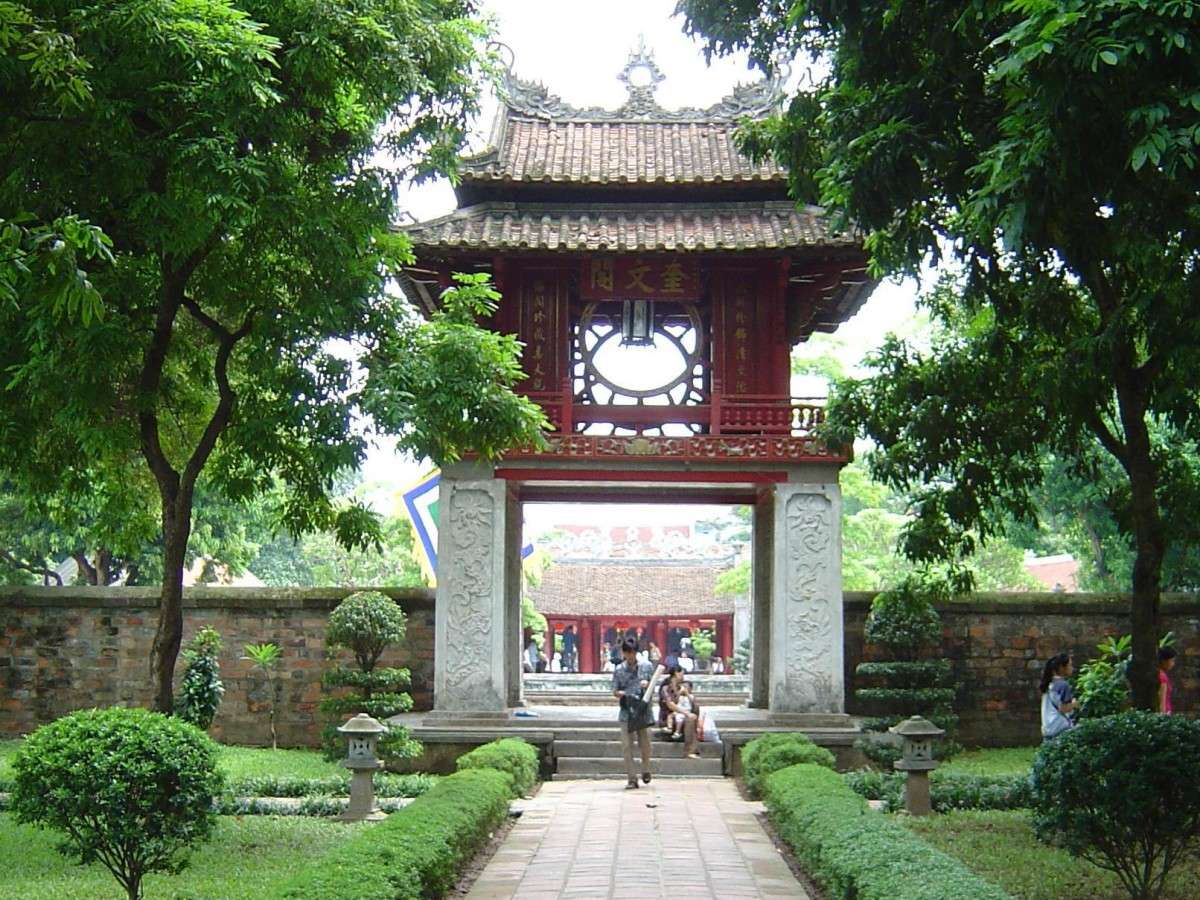
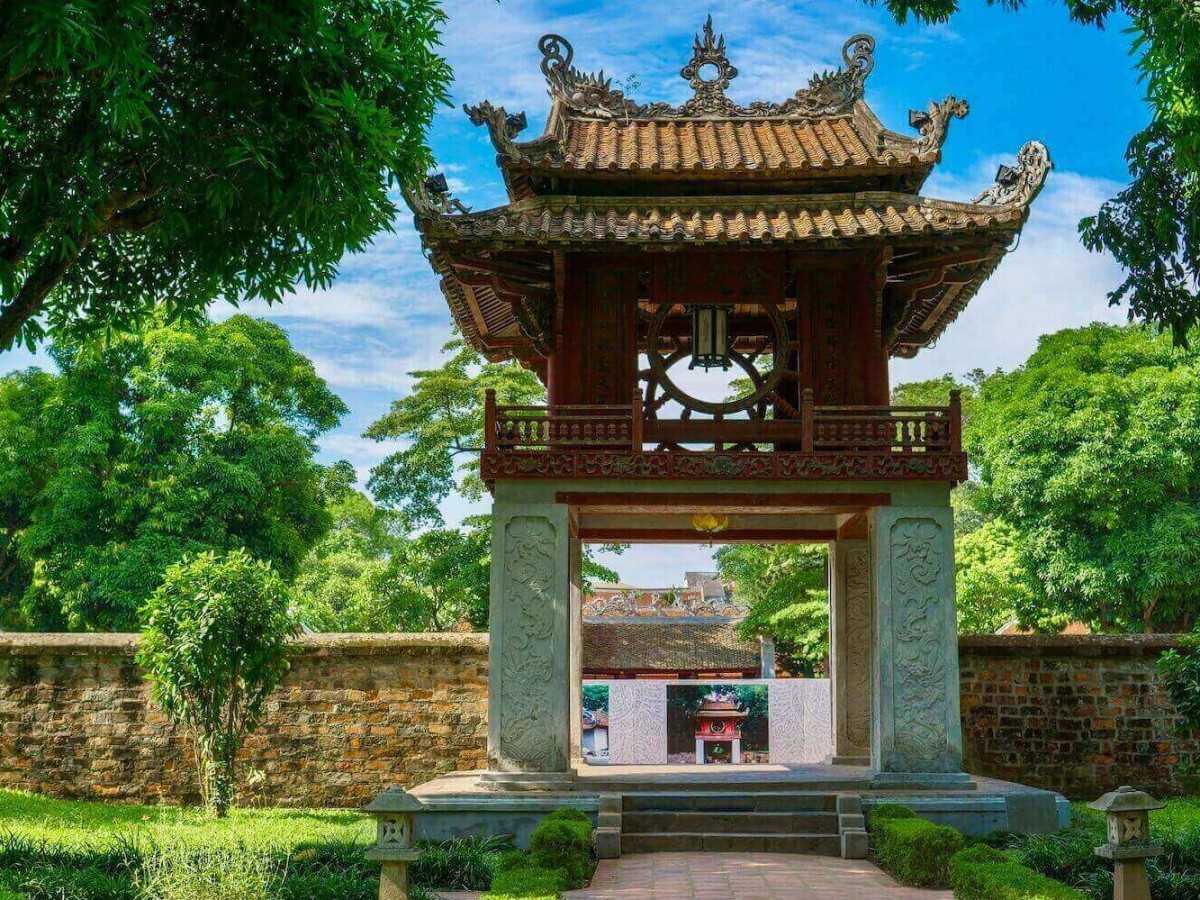
Kuiwen Pavilion: Going through the Lingxing Gate, you will reach the Kuiwen Pavilion. This is a two-story pavilion with flying eaves and brackets and exquisite architecture. Kuiwen Pavilion once collected Confucian classics and royal books. Now it displays cultural relics related to the Vietnamese imperial examination system, helping you to gain a deeper understanding of Vietnam's ancient education system and imperial examination culture. Climbing up the Kuiwen Pavilion, you can overlook part of the scenery of the Confucian Temple and feel the regularity and atmosphere of the layout.
Dacheng Hall: Behind Kuiwen Pavilion is the Dacheng Hall, the core building of the Confucian Temple. The hall houses a statue of Confucius, and on both sides are tablets of Confucian sages such as Yan Hui, Zengzi, Zisi, and Mencius. The Dacheng Hall is solemn and majestic, with vermilion pillars and exquisite wood carvings complementing each other, showing superb architectural craftsmanship. Here you can pay tribute to the statue of Confucius and feel the profoundness of Confucian culture.
East and West Verandas: The East and West Verandas on both sides of the Dacheng Hall display the names, native places, and imperial examination articles of 116 champions in Vietnamese history. These champion tablets are made of stone, recording the brilliant achievements of the ancient imperial examinations in Vietnam and witnessing the struggles of literati and poets. Walking along the corridor and reading the stone tablets, you can seem to hear the sound of scholars reading aloud.
Imperial Academy: Walking back from the Dacheng Hall, you will come to the Imperial Academy, the highest institution of learning in ancient Vietnam. The buildings here are scattered and orderly, with lecture halls, libraries, dormitories, etc. In the lecture hall, you can imagine the scene of students listening to lectures. The library preserves many precious books and documents (some of which are replicas), allowing you to feel the strong academic atmosphere of ancient times.
Jingyi Pavilion: The Jingyi Pavilion at the back of the Confucian Temple is small and exquisite, with a quiet environment and surrounded by green trees. Jingyi Pavilion was built to enshrine the "Jingyi Precepts" issued by Ming Shizong Zhu Houcong, reflecting Vietnam's emphasis on Confucian moral norms. Take a break here, feel the tranquility and peace, and recall the gains of the Confucian Temple trip.
Vietnamese rice noodles: After visiting the Confucian Temple, the Vietnamese rice noodles in the surrounding shops are not to be missed. This is a representative Vietnamese delicacy. The rice noodles are smooth and paired with delicious beef soup or chicken soup, plus mint leaves, bean sprouts, lemon and other side dishes, squeezed with lemon juice and stirred. Every bite is full of rich Vietnamese flavor, which makes people's appetite increase.
Baguette sandwich: Because it was once under French colonial rule, Vietnamese baguette sandwiches are unique. The baguette is crispy on the outside and soft on the inside, with Vietnamese barbecue, fried eggs, cucumbers, carrots, special meat sauce, etc. in between. When you take a bite, you can taste the fragrance of French bread and the delicious local Vietnamese ingredients.
Traditional handicrafts: Street shops around the Temple of Literature sell traditional Vietnamese handicrafts, such as wood carvings, lacquerware, ceramics, etc., which are finely crafted and uniquely shaped, with strong Vietnamese cultural characteristics. You can choose wood carving ornaments or lacquerware jewelry boxes as travel souvenirs, and take them home to recall the good times in the Temple of Literature.
Books and stationery: If you are interested in Vietnamese culture or Confucian classics, you can buy books in Vietnamese and English that introduce Vietnamese history, culture, and Confucianism. There are also well-made traditional stationery such as brushes and rice paper, which are suitable for people who love calligraphy or traditional culture.
When you step out of the gate of the Temple of Literature, the long-lasting ancient charm may still echo in your heart. A trip to the Temple of Literature in Hanoi is a cultural baptism and an unforgettable memory puzzle. From now on, no matter where you are, this unique experience will become a bright color in your heart.