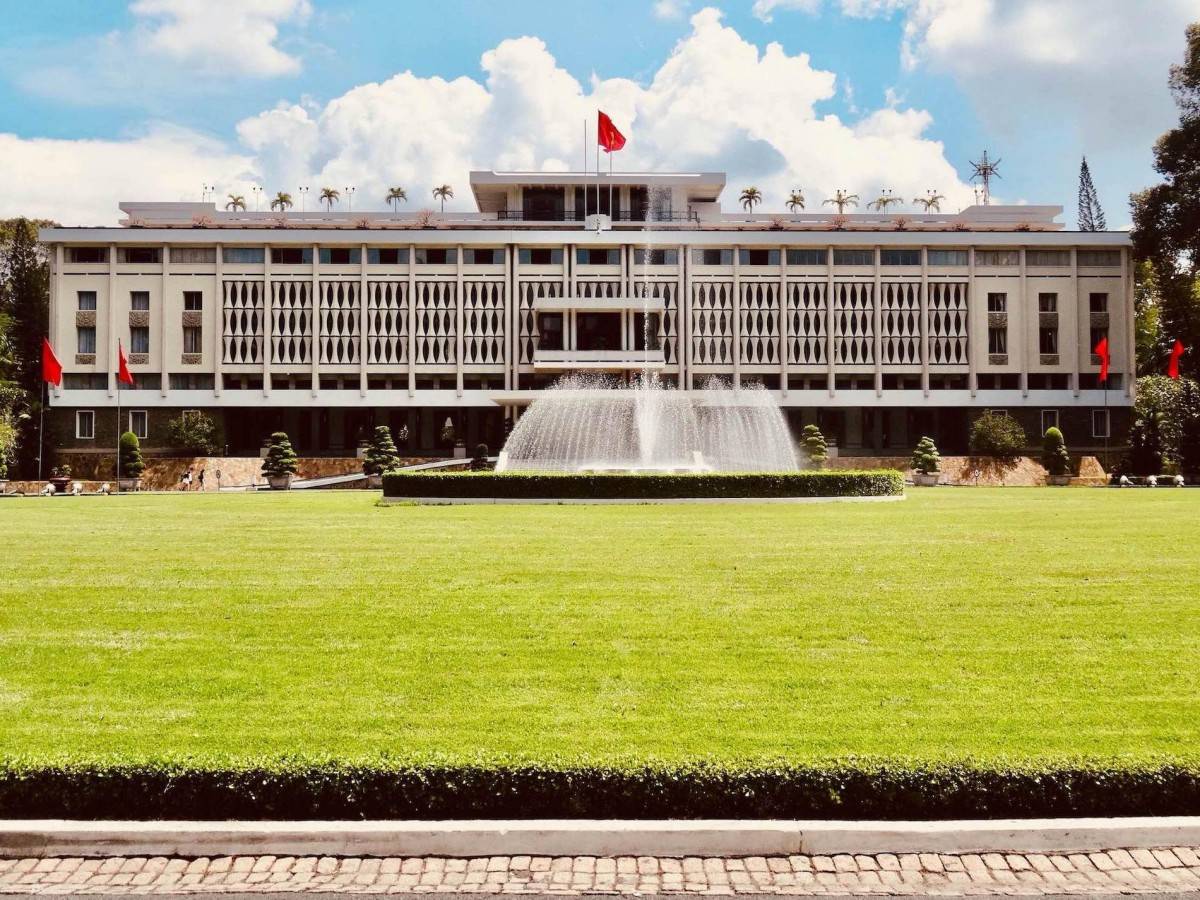
In Ho Chi Minh City, Vietnam's largest city, among the many historical and modern attractions, Reunification Palace exudes a unique charm, attracting tourists from all over the world. It is not only a magnificent building, but also a strong stroke in the history of Vietnam, carrying the country's past, present and future, and becoming one of the must-see attractions in Ho Chi Minh City.
Advertisement
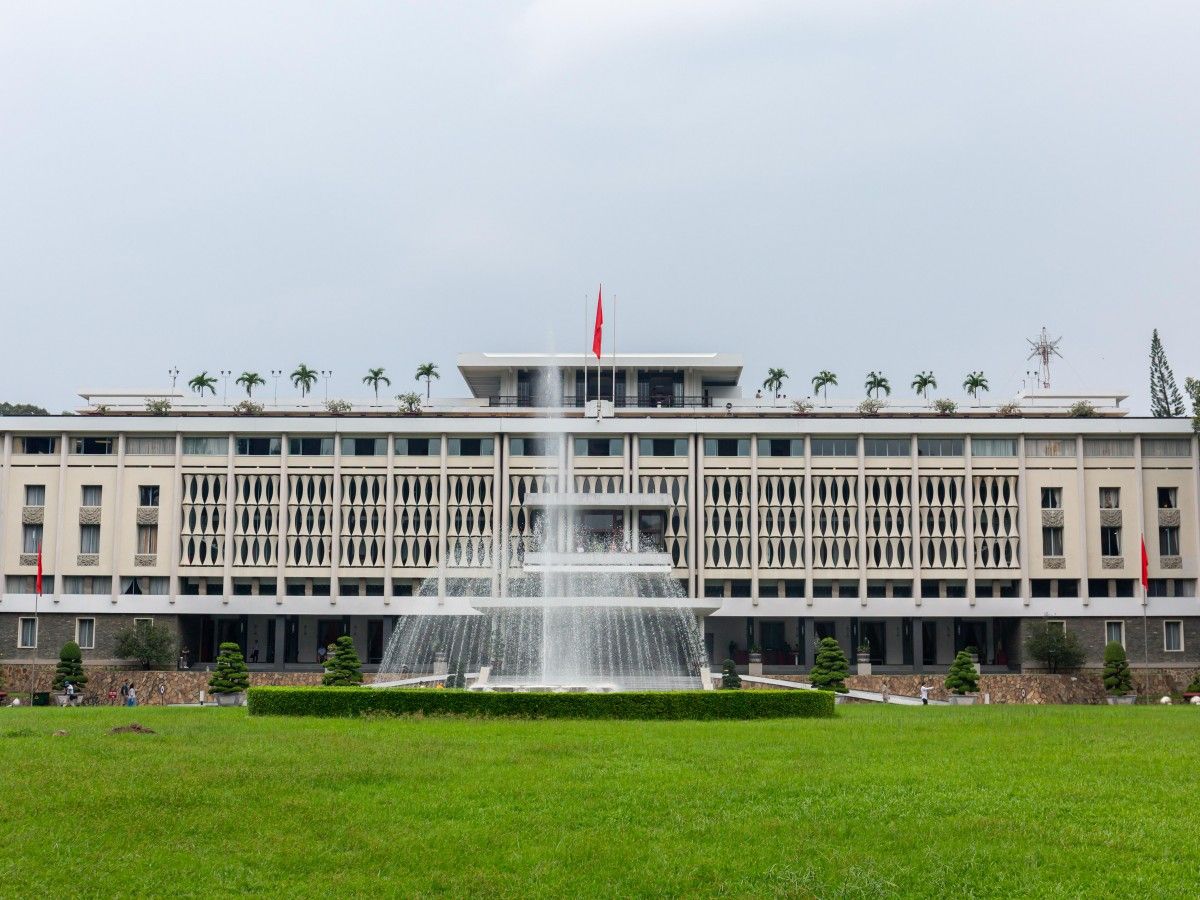
The history of Reunification Palace can be traced back to the French colonial rule. Initially, it was the official residence of the French Governor-General in Vietnam, named "Norodom Palace". In 1954, Vietnam won the war against France, France withdrew, and the palace became the presidential palace of the South Vietnamese regime. Then in 1962, an unexpected air raid caused heavy damage to the palace. The South Vietnamese government decided to rebuild it on the original site, and the new palace was completed in 1966, which is the Reunification Palace we see today. On April 30, 1975, the tanks of the North Vietnamese army broke through the gate of the Reunification Palace, announcing the end of the Vietnam War and the unification of the country. This historic moment was forever engraved in the long river of Vietnamese history, and the Reunification Palace has become a symbol of Vietnam's unification. Standing in front of the palace, it seems that you can hear the wheels of history rolling by and feel that magnificent period of time.
Advertisement
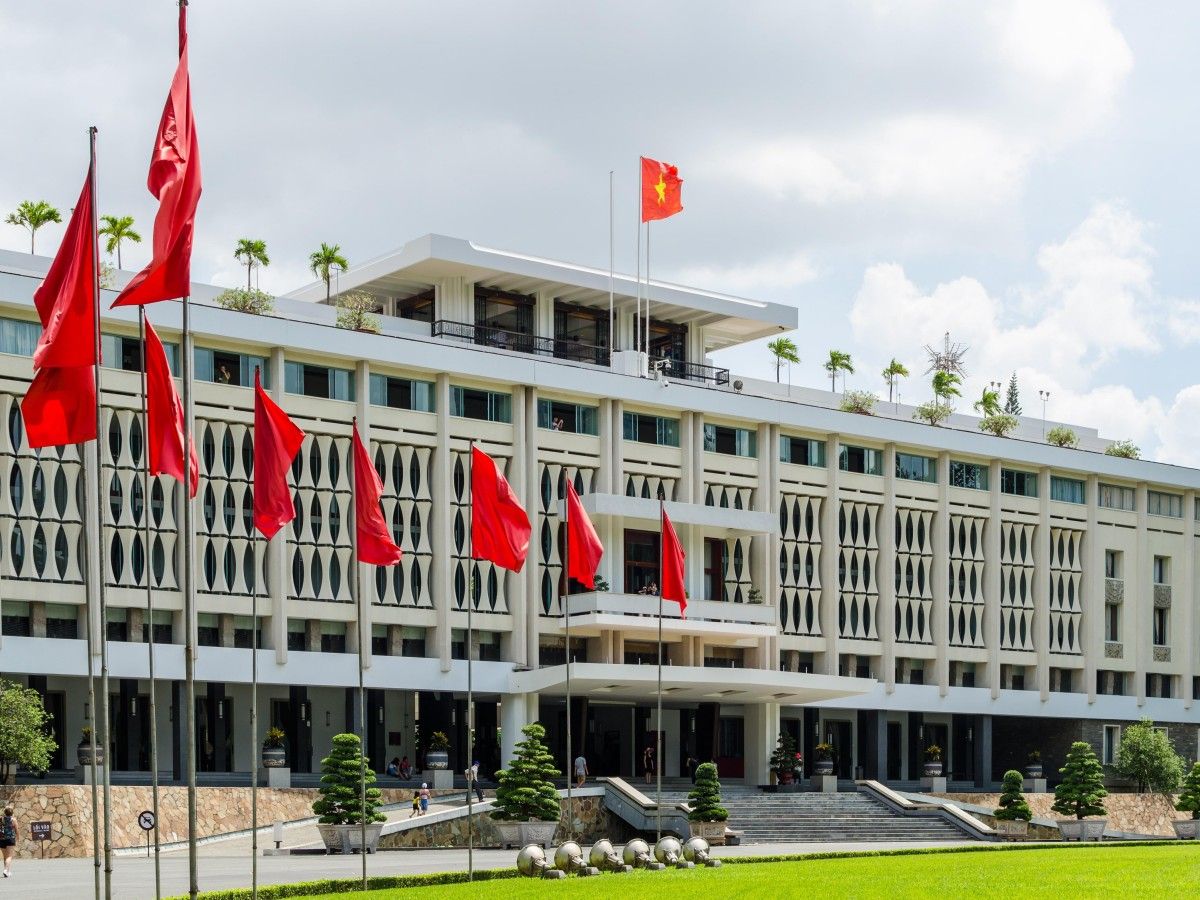
The architectural style of Reunification Palace combines French elegance with local Vietnamese cultural elements. The main body of the palace is three-story. The exterior is simple and elegant, and the white exterior wall looks particularly solemn under the sunlight. The unique helicopter pad on the roof is not only one of the characteristics of the building, but also a witness to that special historical period. Walking into the palace, the spacious and bright hall comes into view. The high ceiling and gorgeous chandeliers create a magnificent atmosphere. The walls on both sides of the corridor are inlaid with stained glass with traditional Vietnamese characteristics. The sunlight shines through the glass, forming colorful light and shadow, adding a bit of mystery and romance to the palace. The handrails of the stairs are beautifully carved, showing the superb skills of Vietnamese craftsmen. The entire building space is reasonably laid out and the functional divisions are clear. There are both solemn reception rooms and meeting rooms, as well as comfortable living areas, which makes people admire its exquisite design.
Advertisement
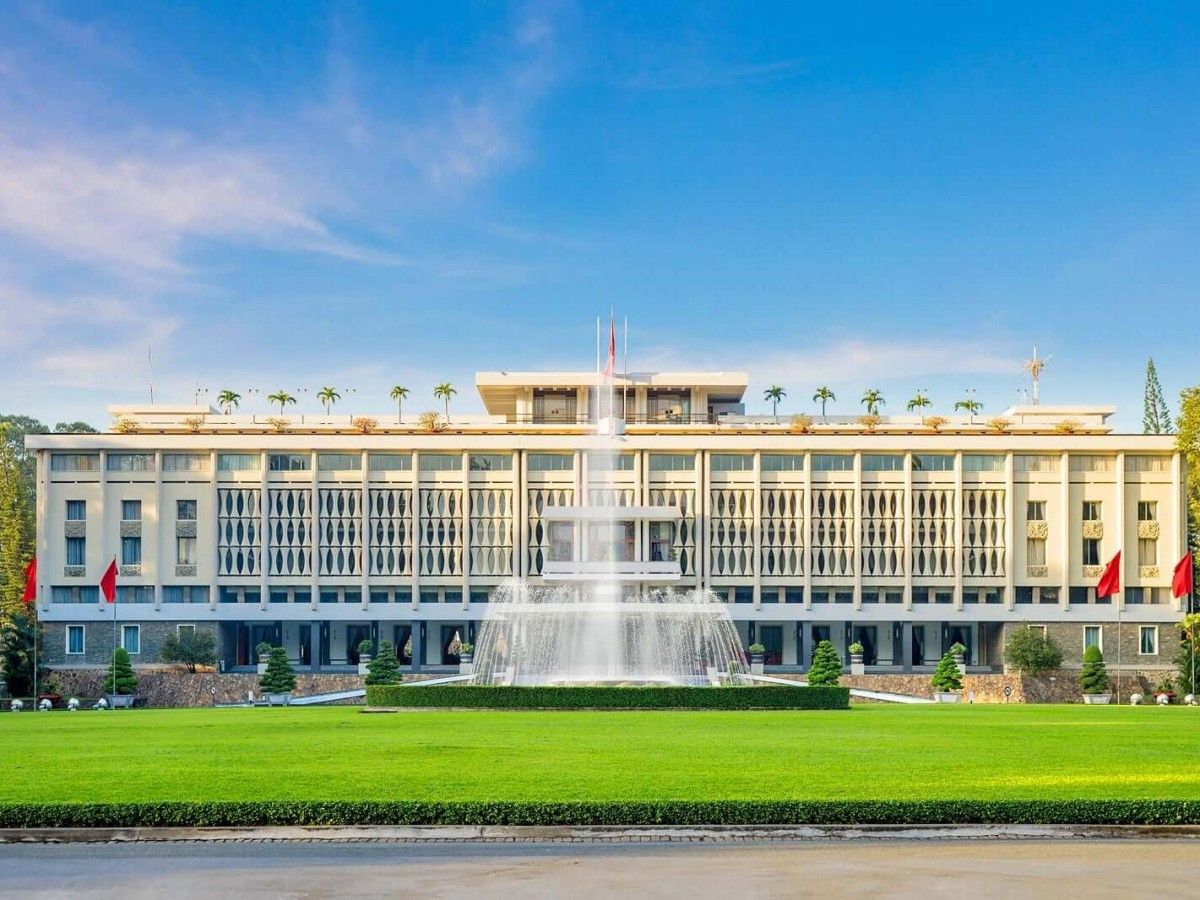
The interior of the Reunification Palace is like a vivid historical museum, showing the style of that era to tourists. Each room is well preserved according to the layout of the year, and the furniture and decorations are of great historical value. In the presidential office, the huge desk, leather chairs and maps hanging on the wall seem to make people see the scene of the president working here in the past. In the conference room, neatly arranged tables and chairs and advanced communication equipment witnessed the birth of important decisions. There is also a small military command center in the palace, which displays military maps and communication equipment of the year, allowing people to have a more intuitive understanding of the military command during the Vietnam War. In addition, there are exhibition halls displaying traditional Vietnamese handicrafts and historical relics, exquisite wood carvings, ceramics and ancient documents, so that tourists can appreciate the beauty of art while also gaining a deep understanding of Vietnam's history and culture.
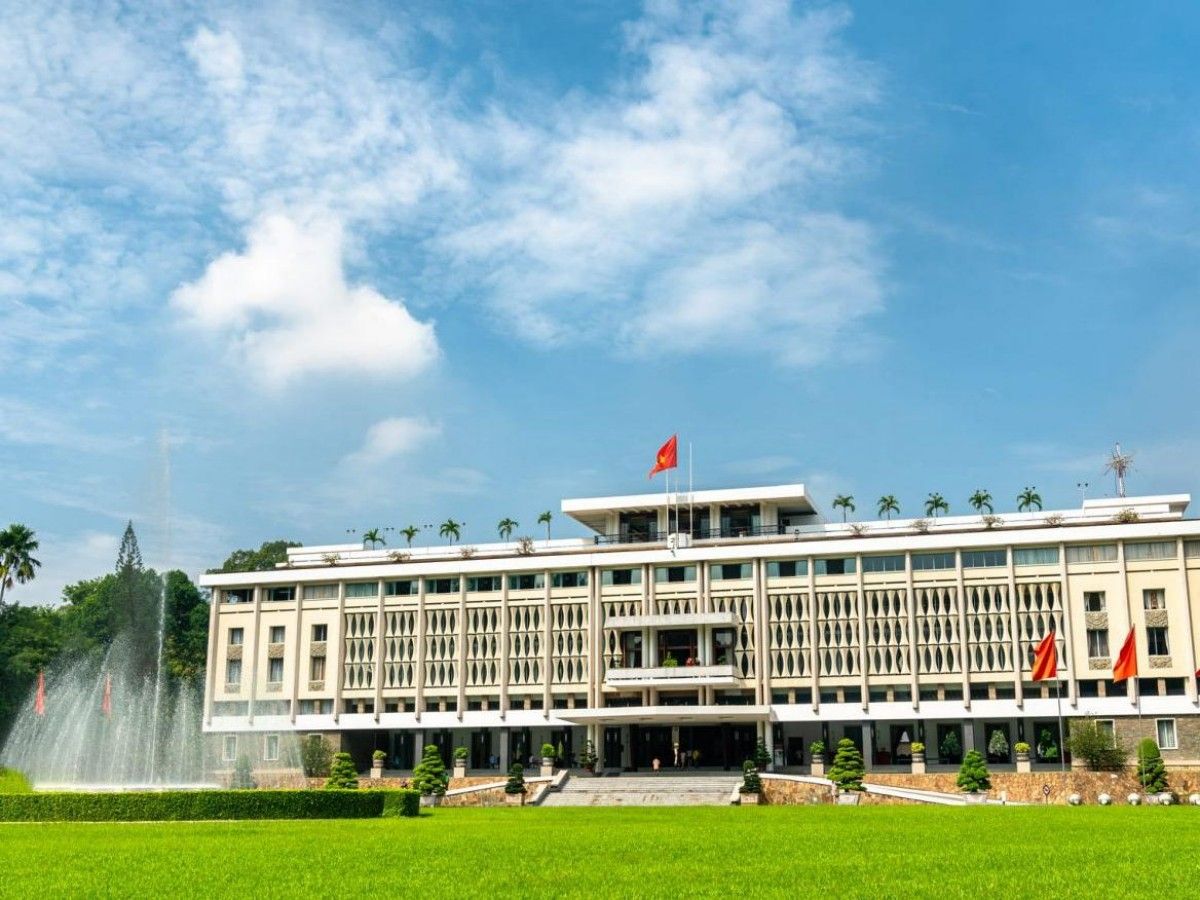
The surrounding environment of Reunification Palace is beautiful, with green trees and lush flowers. The square in front of the palace is spacious and open, and it is a good place for people to take a leisurely walk. Here, you can see local residents and tourists chatting leisurely or taking pictures. There are also some historical relics and sculptures on the square, which further enrich the cultural atmosphere here. When you finish visiting Reunification Palace, you can sit down in a nearby cafe and order a cup of fragrant Vietnamese coffee. While tasting the mellow coffee, you can recall everything you just saw in the palace. There are also some souvenir shops around, where you can pick some souvenirs with Vietnamese characteristics, such as postcards printed with Reunification Palace patterns, exquisite handicrafts, etc., as a good memory of this trip.
Reunification Palace, a building that carries the historical memory of Vietnam, attracts every tourist who comes to Ho Chi Minh City with its unique charm. It not only allows us to understand the vicissitudes and glory of Vietnam in the past, but also makes us feel the country's cherishment of peace and unity. When you come to Ho Chi Minh City, you must not miss the Reunification Palace. Walk into this historical palace in person, touch the magnificent history, and feel the shock and emotion it brings us. Whether you are a history lover, architecture fan or ordinary tourist, you can find your own gains and surprises here.