
Advertisement
On the morning I arrived in Santa Clara, I hadn't fully realized that the next few hours would be a journey of historical and emotional immersion. The city is small and somewhat quiet, with yellowed old buildings and people leisurely riding bicycles on the streets. But as you approach the towering statue of Che Guevara, standing tall against the blazing sun, you sense the air around you shift. It’s a weight of history, a gaze that seems to pierce through the ages, and a memory that Cubans still cherish to this day.
Advertisement
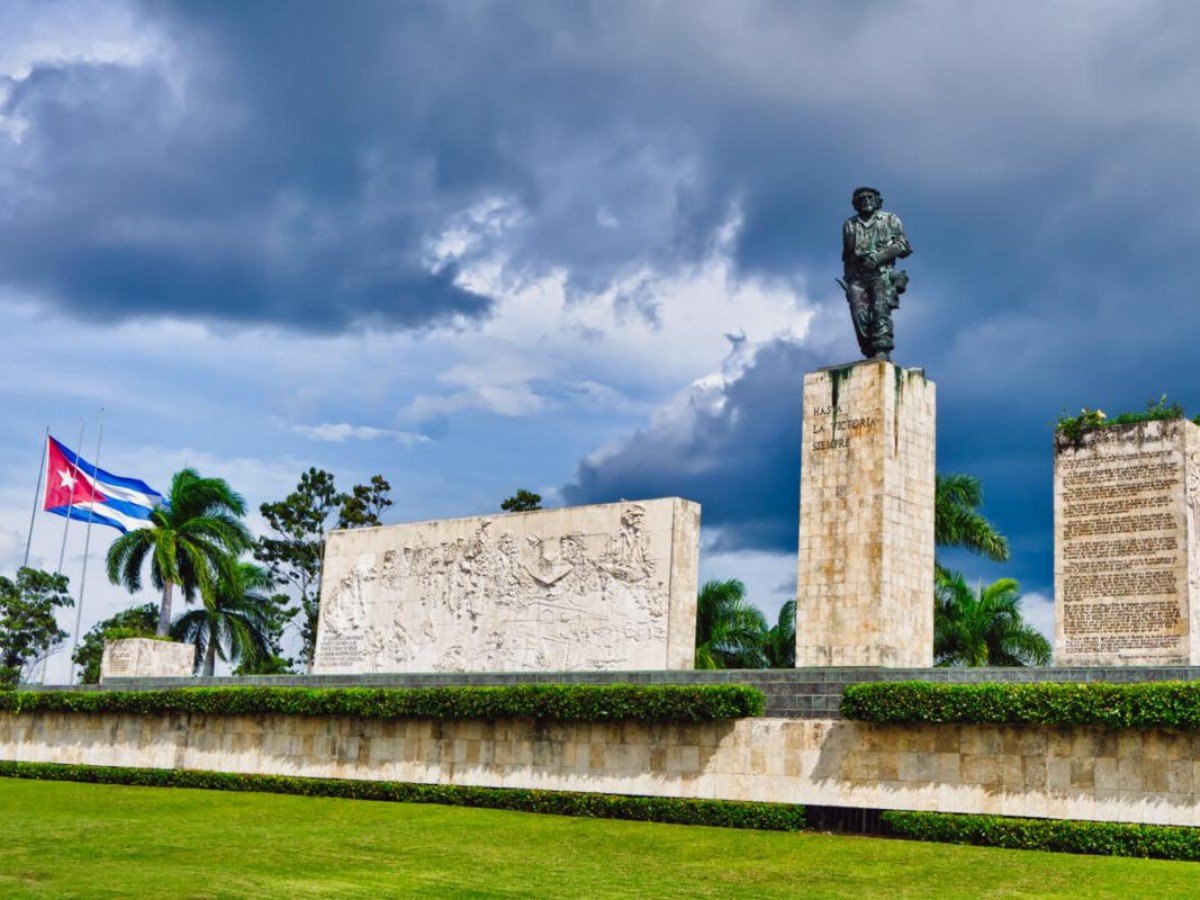
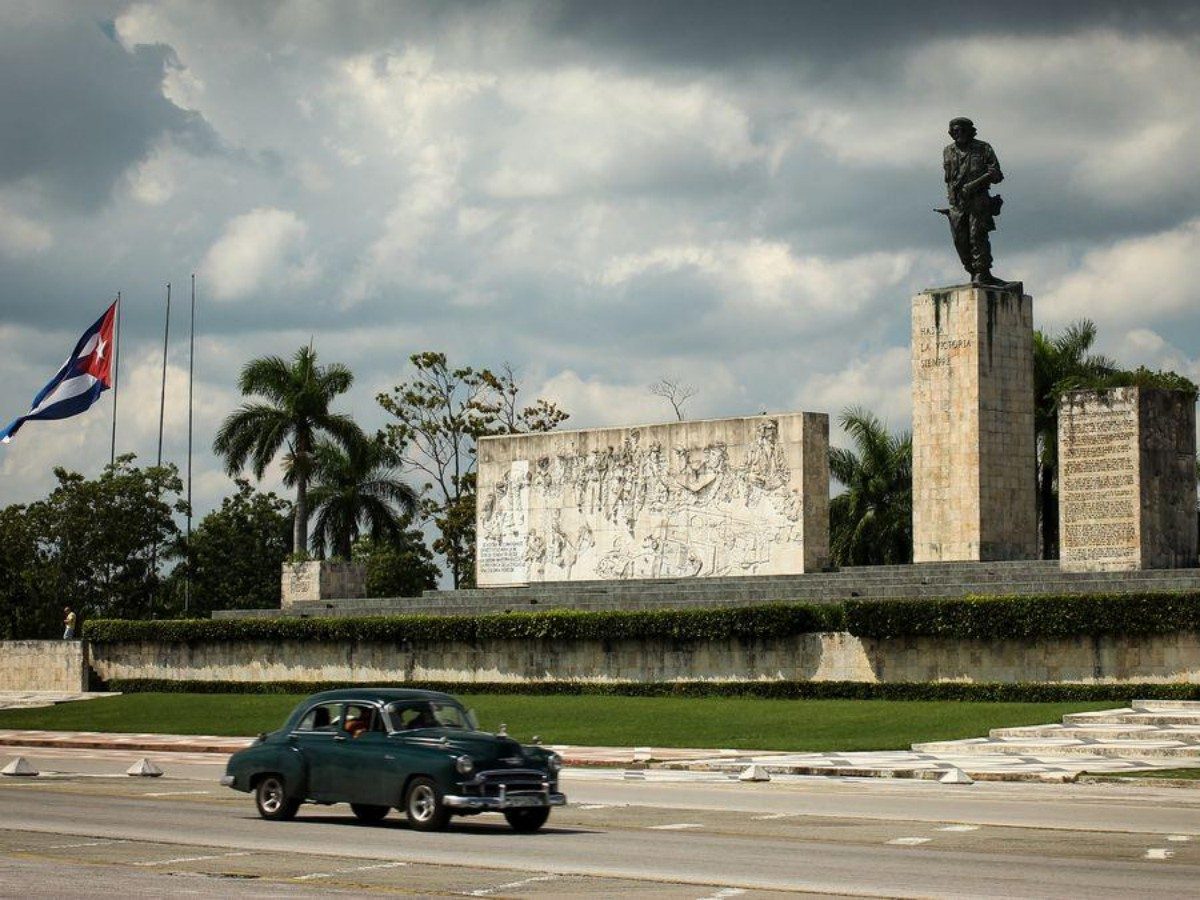
The Mausoleo del Che Guevara is not only one of Santa Clara's most famous landmarks but also one of the most solemn and central sites in Cuba's revolutionary memory. Here, not only are Che Guevara's remains interred, but also those of the 29 comrades who were with him when he was killed in Bolivia.
Advertisement
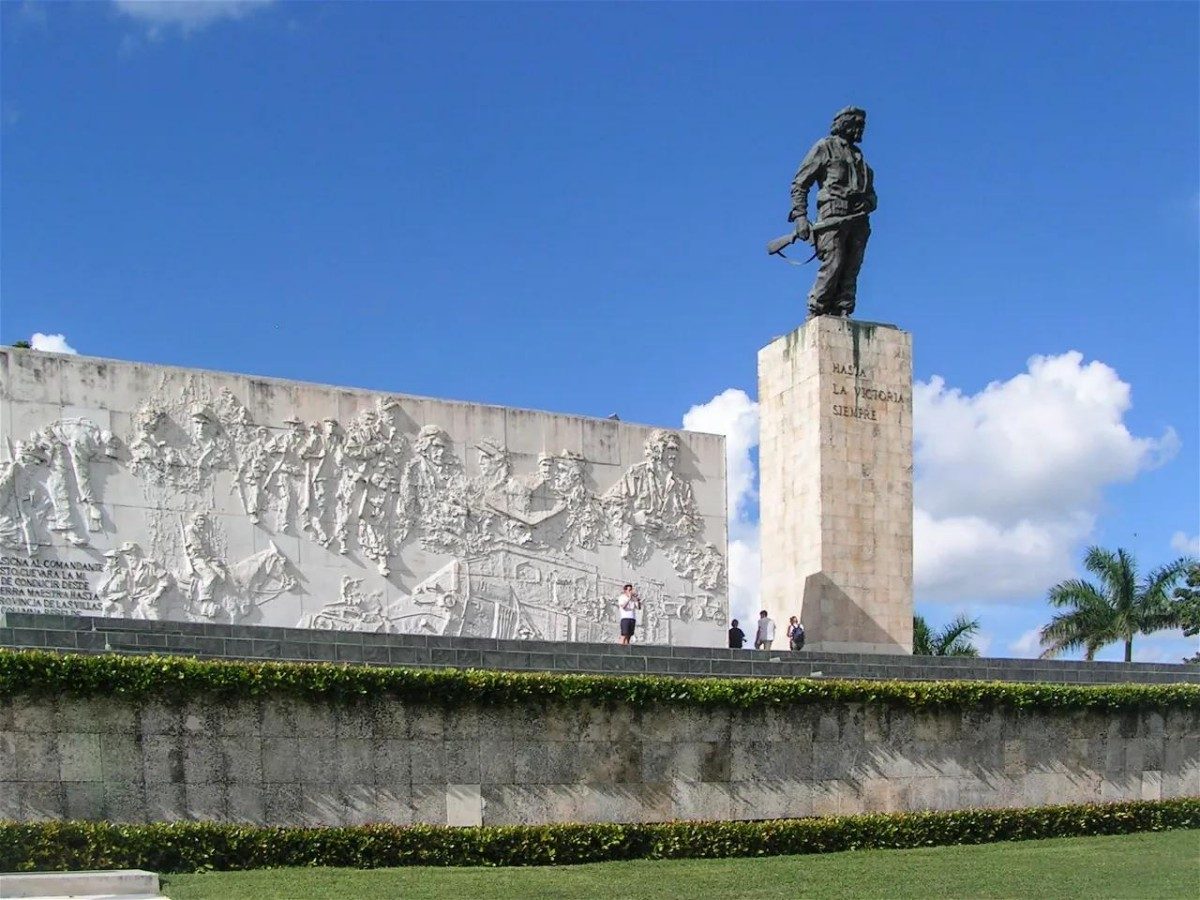
The entire mausoleum is located at the northern end of Plaza de la Revolución and was completed in 1997, the same year Che's remains were officially repatriated from Bolivia to Cuba. At the center of the square stands a massive statue of Che, 6.7 meters tall, with a determined expression and a rifle in hand. The base of the statue is inscribed with his famous last words: “Hasta la victoria siempre (Until victory forever).”
This landmark is not merely a memorial to a revolutionary hero for the Cuban people; it is a spiritual symbol. Regardless of one's perspective on Che's historical role, entering this space evokes an undeniable sense of solemnity and strength.
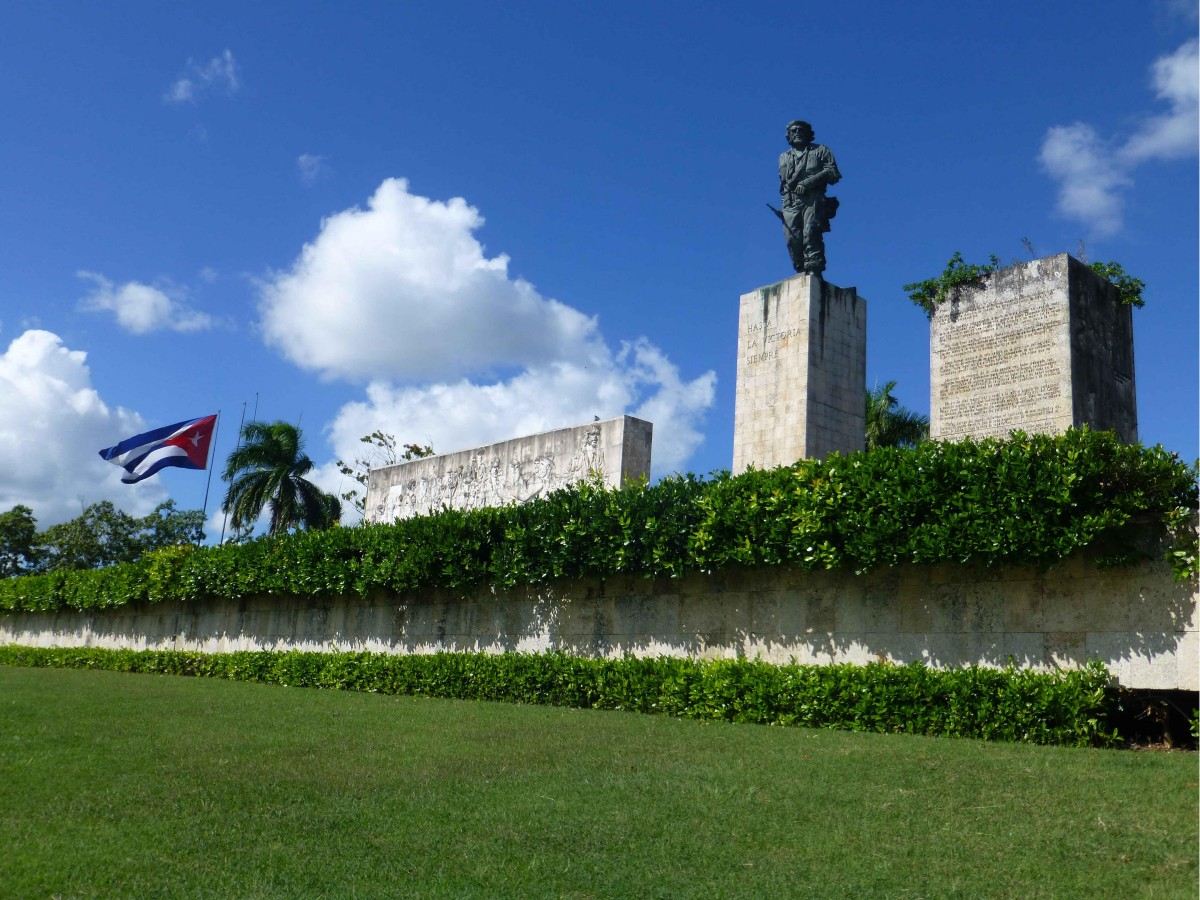
The Che Guevara Memorial Zone comprises three parts: the statue plaza, the mausoleum, and the exhibition hall (Museo Memorial Ernesto Che Guevara).
Advertisement
First is the mausoleum itself. To enter the mausoleum area, one must pass through a shaded corridor, with the names of Che and his comrades engraved on the stone walls on either side of the entrance. The interior is simple and solemn, with dark marble walls, low lighting, and a quiet atmosphere. In the center are the urns containing the ashes of Che and 29 other fighters, with a small flame burning before each urn, symbolizing the “eternal flame of revolution.”
Visitors can then enter the exhibition hall, one of the core components of the memorial complex. The hall chronologically traces Che's life journey from his birth, medical studies, travels in Latin America, meeting the Castro brothers, to the revolutionary victory and his eventual campaigns in Africa and Bolivia. The hall houses numerous precious artifacts: Che's typewriter, uniform, notebooks, and even some private letters and hand-drawn maps.
Perhaps the most striking feature is the photo wall. The images, spanning from his days as a young doctor to his role as a guerrilla commander, do not merely depict an individual but also illustrate a grand, idealistic journey.
Opening Hours: The mausoleum and museum are typically open from 9:00 AM to 4:30 PM Tuesday through Saturday (closed on Sundays and Mondays). It is recommended to arrive early, as there are fewer visitors before 10:00 AM, making it ideal for a quiet visit.
Admission and Fees: Currently, there is no admission fee for the memorial site, but photography inside the mausoleum is prohibited. Please familiarize yourself with and respect the regulations in advance.
Best Visiting Times: To avoid peak visitor hours, it is recommended to enter at 9:00 AM when the site opens or around 3:00 PM. During midday, the sunlight under the statues is intense, making it ideal for shooting backlit silhouettes, but please remember to apply sunscreen.
Transportation Tips: The memorial area is approximately 2 kilometers from the city center, a 30-minute walk; if the weather is hot or you are carrying luggage, you can take a tricycle motorcycle (a common form of transportation in Cuba), which costs approximately 2-3 CUP.
Items to Bring: Original ID card or passport (security check required to enter the exhibition hall), sunscreen, water, and small amounts of cash for purchasing souvenirs.
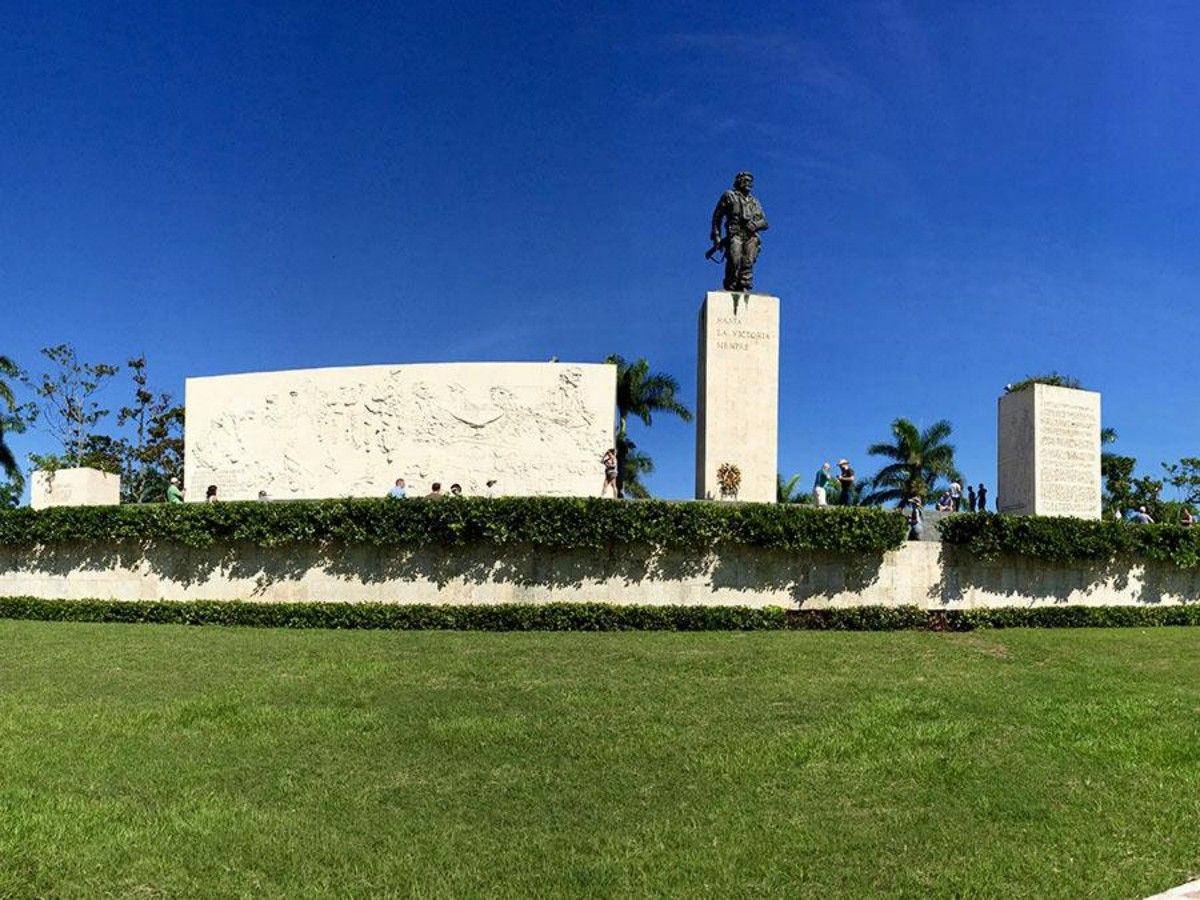
After visiting the mausoleum area, it is recommended not to leave immediately. The Plaza de la Revolución itself is worth exploring. This open space is often the site of major city events and political gatherings, offering a window into contemporary Cuban society.
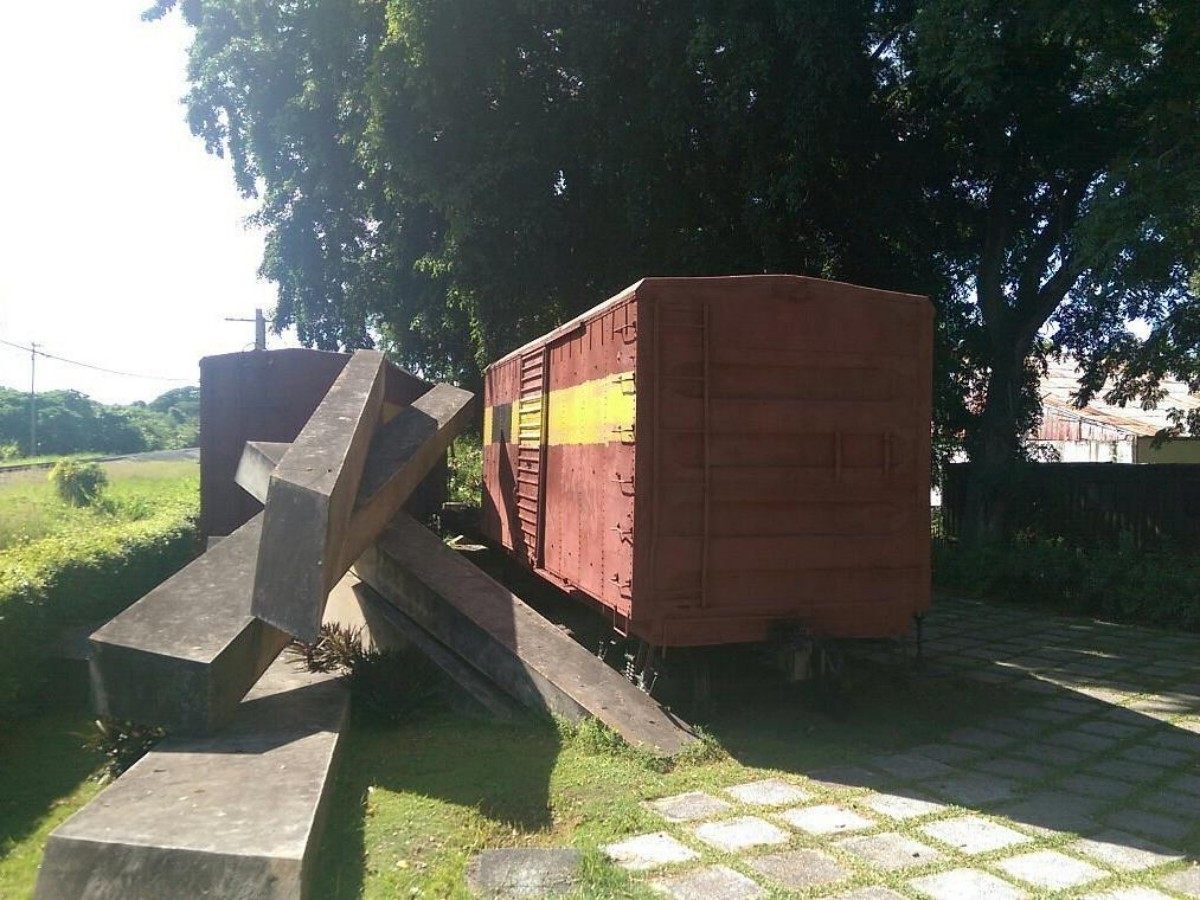
Near the mausoleum stands the unassuming yet informative Armored Train Monument (Tren Blindado), which served as the key site for Che's decisive raid during the 1958 Santa Clara campaign. The monument preserves the overturned armored train carriage, with on-site art installations recreating the battle layout of the time, offering an excellent opportunity to deepen your understanding of Che's military strategy and combat career.
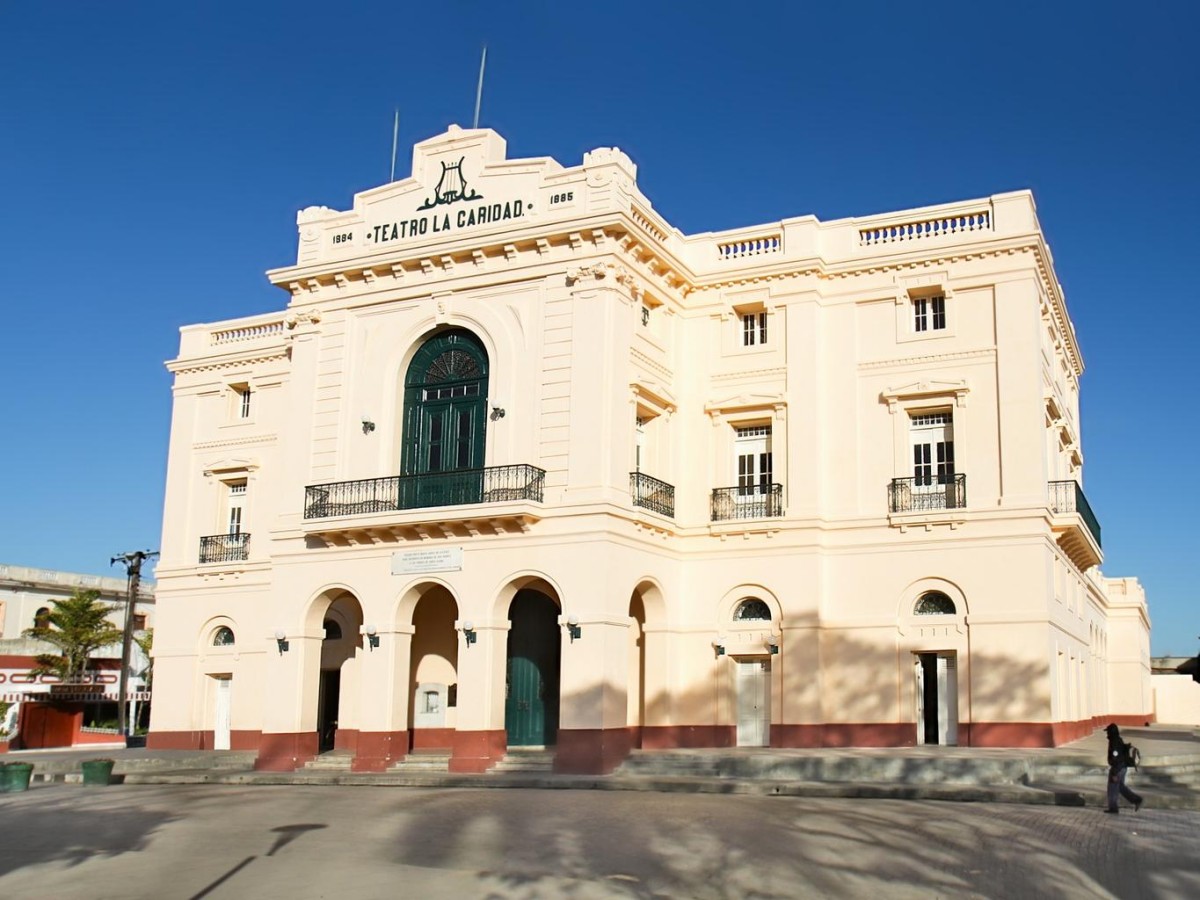
Additionally, if you have time, a 15-minute walk will take you to Parque Vidal, the cultural hub of Santa Clara's city center, featuring theaters, old cafes, and many young people gathering. After visiting a memorial dedicated to a hero, it's time to breathe in the reality of life.
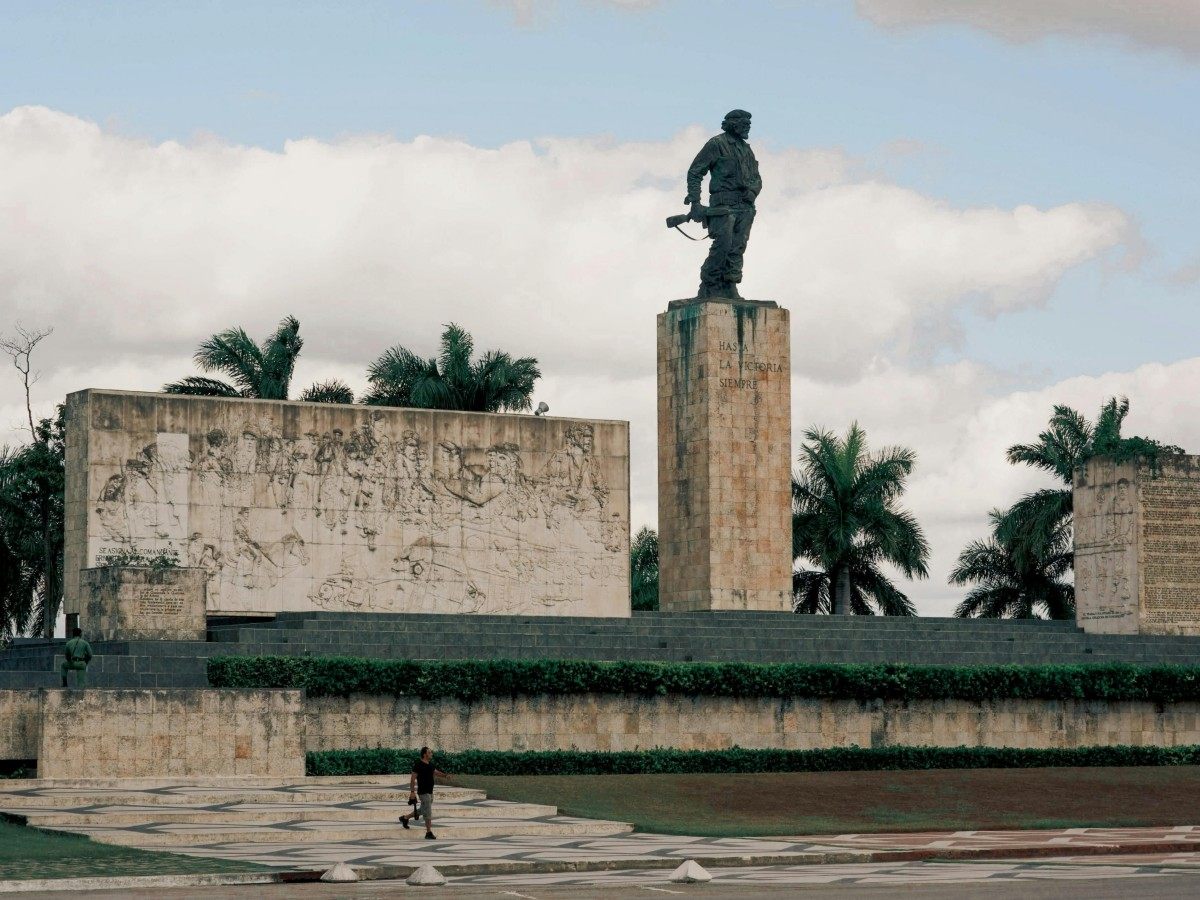
Maintain solemnity and respect: Although the site is open to visitors, the mausoleum is fundamentally a burial site. Please remain quiet and avoid speaking loudly or wearing inappropriate attire.
No-photography zones: Photography is generally permitted within the memorial, but strictly prohibited in the mausoleum section. Please adhere to the rules.
Official guides: There are volunteer guides (mostly elderly) inside the exhibition hall, who primarily speak Spanish. However, if you are willing, they can share many “unwritten” stories that are well worth listening to.
Purchasing souvenirs: There is a small souvenir shop at the exit, selling Che-themed T-shirts, badges, keychains, etc., at reasonable prices, which can also serve as a memento of your trip.
Suitable for: This attraction is particularly suitable for travelers interested in Latin American history, revolutionary culture, or photography; it is not recommended to bring young children for extended stays, as the atmosphere is quite somber.
You may feel admiration, skepticism, or mixed emotions toward Che Guevara—that’s all right. But standing beneath that massive statue, you’ll likely understand that his significance in the hearts of Cubans far surpasses a single page in a history textbook. For the city of Santa Clara, he is not merely a former commander who fought in battles but a symbol of the belief that “ideals can triumph.”