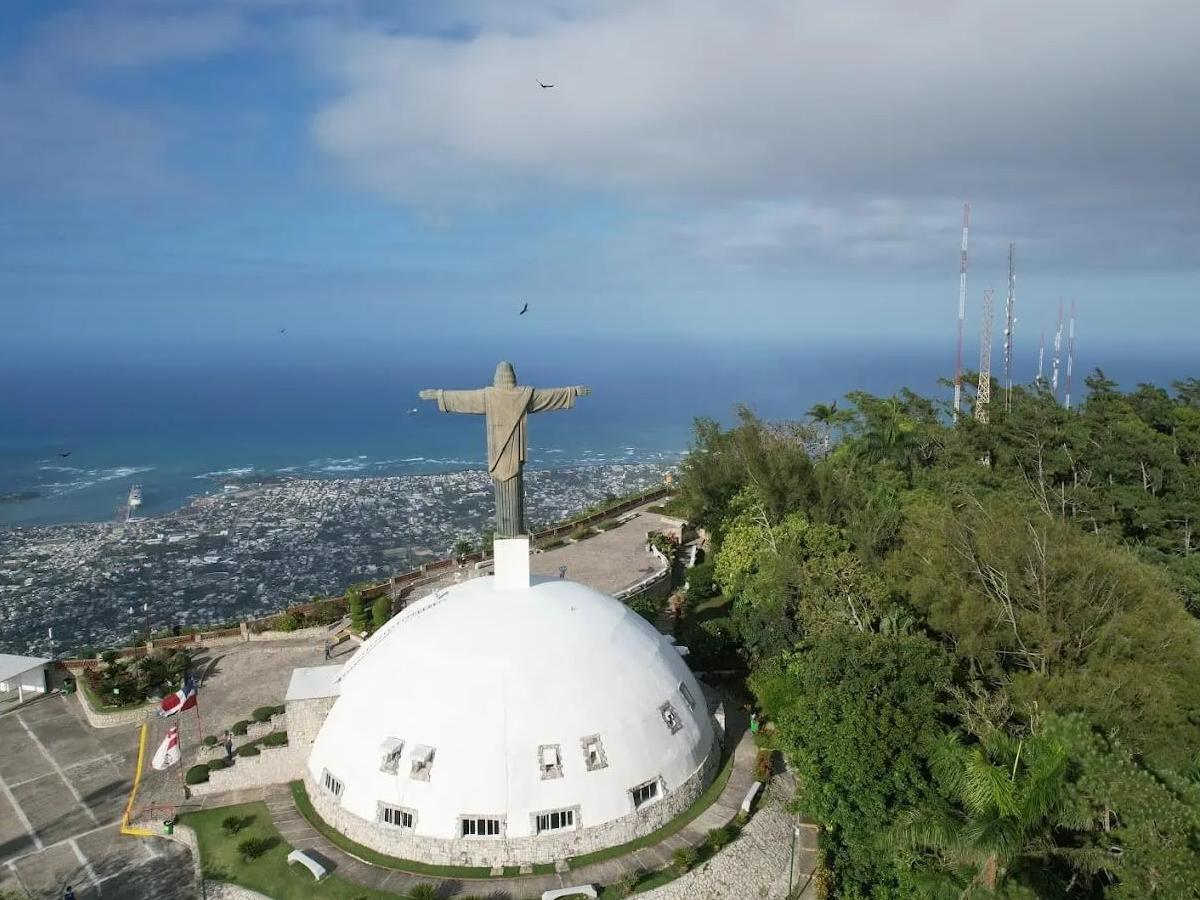
Standing at the top of Mount Isabel de Torres, with the cool mountain breeze on your skin, the panoramic view of Puerto Plata stretches out at your feet like a vibrant tapestry of blues, greens and sun-kissed rooftops. Then, right in front of you, stands the magnificent Christ the Redeemer, with open arms, as if embracing the whole city. One can't help but feel a deep sense of awe and wonder. But have you ever taken a moment to ask yourself - what is the story behind this iconic statue? Why is it here and what does it represent to the people who live in its shadow every day? Let's take a journey through time to uncover the history and meaning of this incredible landmark.
Advertisement
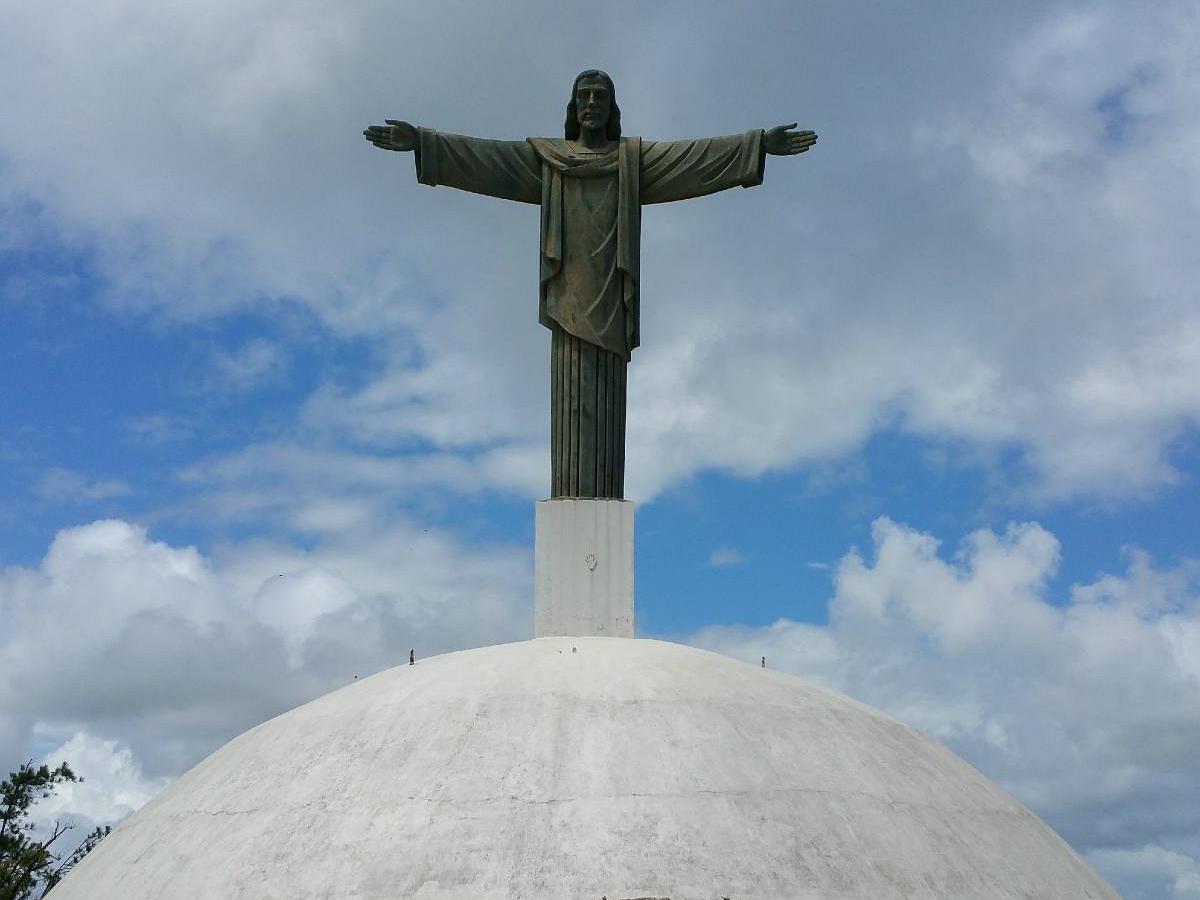
Mount Isabel de Torres, at 793 meters (2,600 feet) above sea level, has always been the natural patron saint of Puerto Plata. But the statue that now stands atop the mountain wasn't always there. In fact, the statue of Christ the Redeemer was inspired by one of the world's most famous landmarks, the Christ the Redeemer statue in Rio de Janeiro, Brazil.The mid-20th century ushered in a period of cultural and architectural growth in the Dominican Republic, particularly under the dictator Rafael Trujillo. Trujillo was known for his grandiose projects, often aimed at glorifying his rule and shaping the country's image. However, the construction of the statue of Christ the Redeemer on Mount Isabel de Torres was not directly related to him, but rather to a broader movement of religious and cultural expression. Completed in the 1970s, the statue is a symbol of faith, hope and divine protection in Puerto Plata. Unlike Brazil's Christ the Redeemer statue, which stands 98 feet tall, the Dominican Republic's Christ the Redeemer statue is smaller, but no less significant to the people there. Since its erection, it has become not just a religious landmark, but a deeply rooted symbol of Puerto Plata's identity.
Advertisement
From the moment you approach the statue, you can feel its presence. It stands with its arms open and unwavering, a gesture that symbolizes peace, acceptance and guardianship. For the locals, it's not just a tourist attraction, but a symbol of divine protection that watches over their city, and many of Puerto Plata's residents will tell you stories passed down through the generations about how the statue has protected them from storms, hurricanes and other natural disasters. Whether these stories are based on faith or coincidence, they hold a special place in people's hearts. If you talk to older residents, they may recall looking up at the statue during difficult times and feeling reassured, as if the statue of Christ was watching over them, bringing them comfort and security.
Advertisement
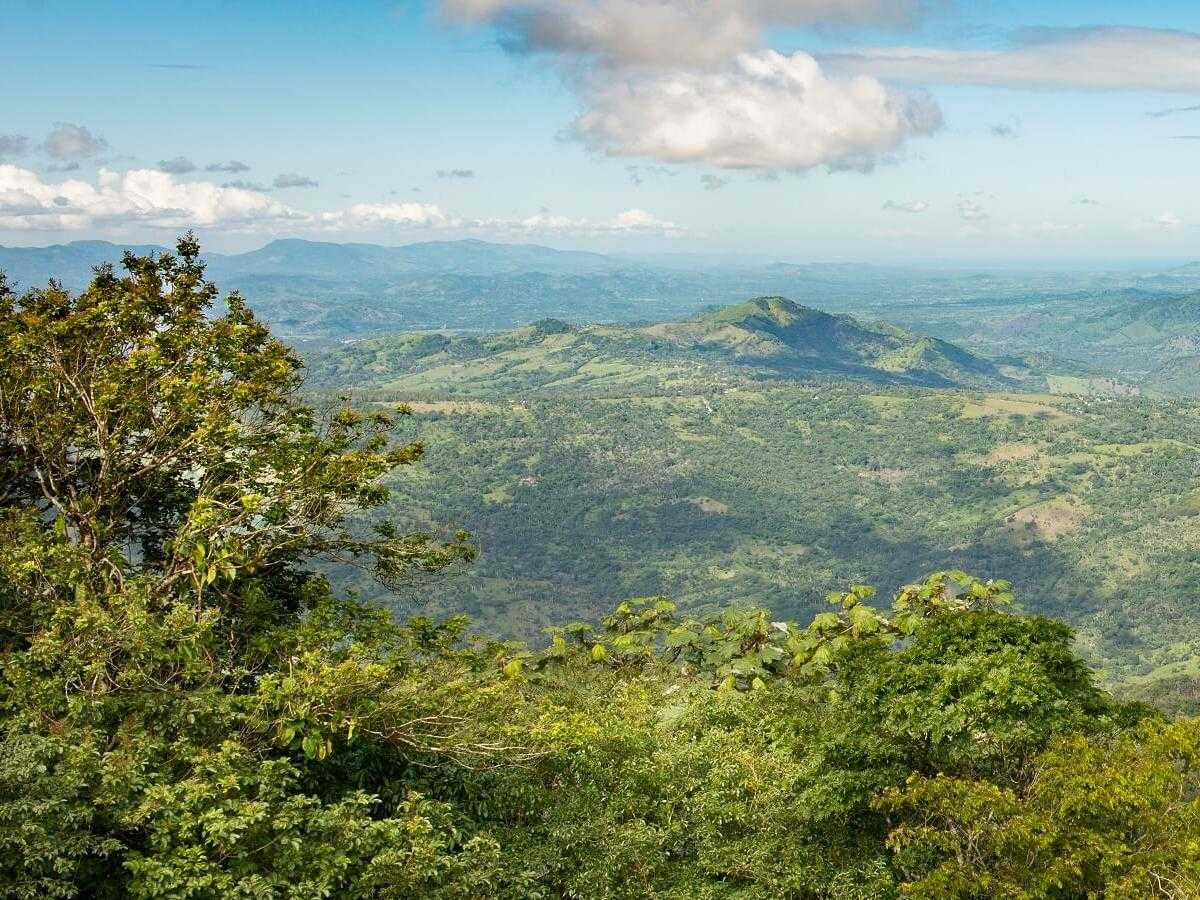
The Dominican Republic is a predominantly Catholic country and religious symbols play an important role in the daily lives of its people. But beyond religious significance, the statue atop Mount Isabel de Torres represents unity and cultural pride. Over the years, locals and tourists alike have made pilgrimages to the site, whether for personal reflection, religious ceremonies, or simply to witness the magnificent view. On special days such as Holy Week and Christmas, the area around the statue becomes a center of activity where locals gather to celebrate, pray and reflect on their faith. For tourists, visiting the statue is more than just an item on the sightseeing list. Many report that they feel a deep emotional connection here, whether it's because of the serene atmosphere, the stunning surroundings, or the spiritual energy that seems to emanate from the statue itself. Visitors can often be seen standing quietly, soaking in the moment, or taking a quiet stroll around the area, lost in contemplation.
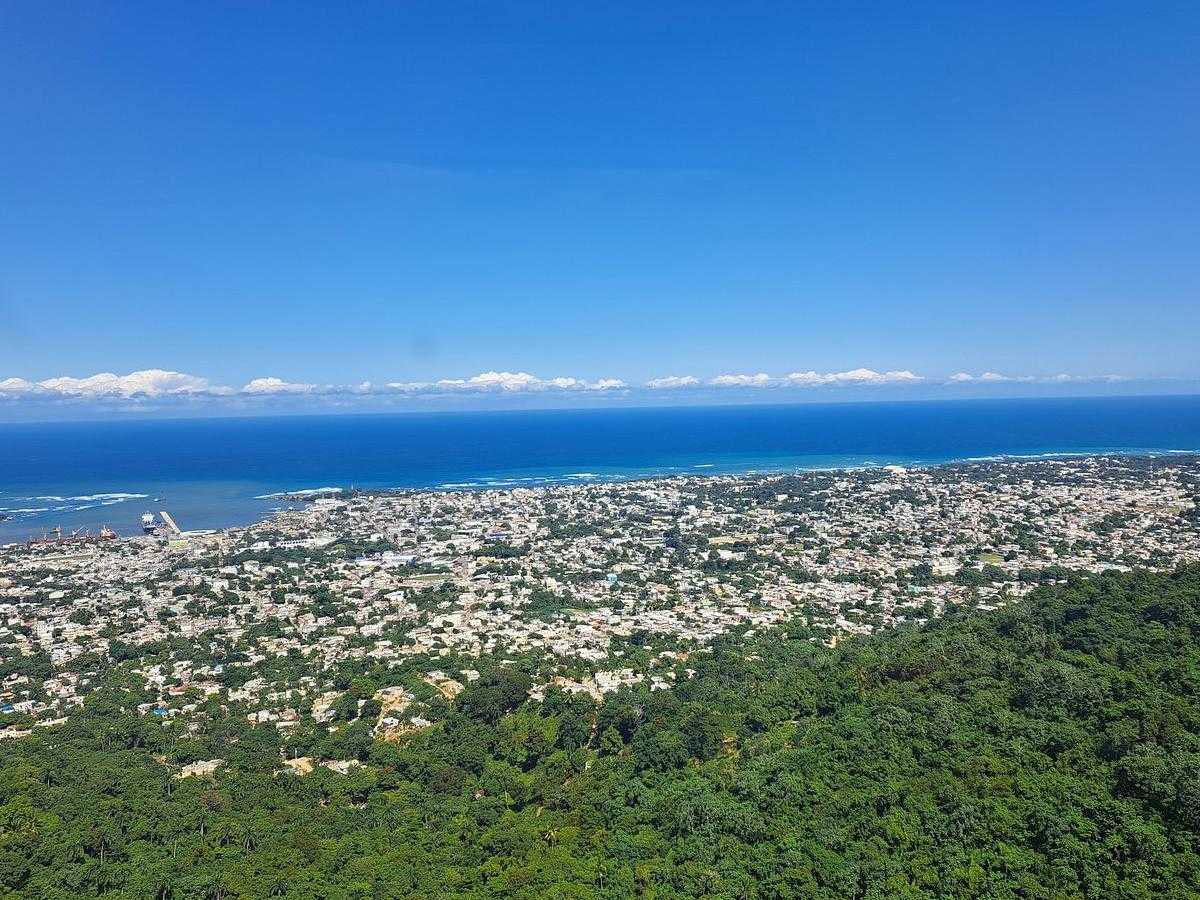
One of the most striking aspects of the Mount Isabel de Torres Christ the Redeemer statue is its harmonious relationship with nature. The mountain itself is a lush paradise, home to a protected national park that is home to a wide variety of plants and animals. The combination of natural beauty and spiritual symbolism makes this attraction truly unique. If you walk around the statue, you'll realize that it blends in seamlessly with its surroundings. Unlike many cities where religious landmarks are often surrounded by buildings and bustling streets, this statue of Christ is shrouded in serenity in the mountains. It's as if nature and faith coexist here, reinforcing the idea that a divine presence can be found in the world around us. Even the journey to the statue is an experience in itself. Whether you take the teleférico, the only cable car in the Caribbean, or hike up the mountain, you'll be treated to views of the ocean, rolling hills, and the vibrancy of Puerto Plata. When you reach the top, you'll see more than just a statue; you'll experience a spiritual and visual spectacle unlike any other.
Decades after it was built, the Mount Isabel de Torres Christ the Redeemer statue remains a cherished landmark, standing tall as a reminder of faith, history and cultural identity. It has witnessed Puerto Plata's evolution from a quiet seaside town to a thriving tourist destination, but has remained intact - a silent guardian watching over the people at its feet. For first-time visitors, the statue offers an unforgettable experience that combines history, spirituality and nature. And for locals, the statue remains a source of pride, refuge and a constant reminder that they are never alone.