In Santo Domingo Province, there is an area that exudes historical glory - the Colonial Zone. This is not only the earliest permanent settlement established by Europeans on the American continent, but also a living history museum that has witnessed countless "firsts" and carries a rich historical and cultural heritage. It was listed as a World Heritage Site by UNESCO in 1990.
Advertisement
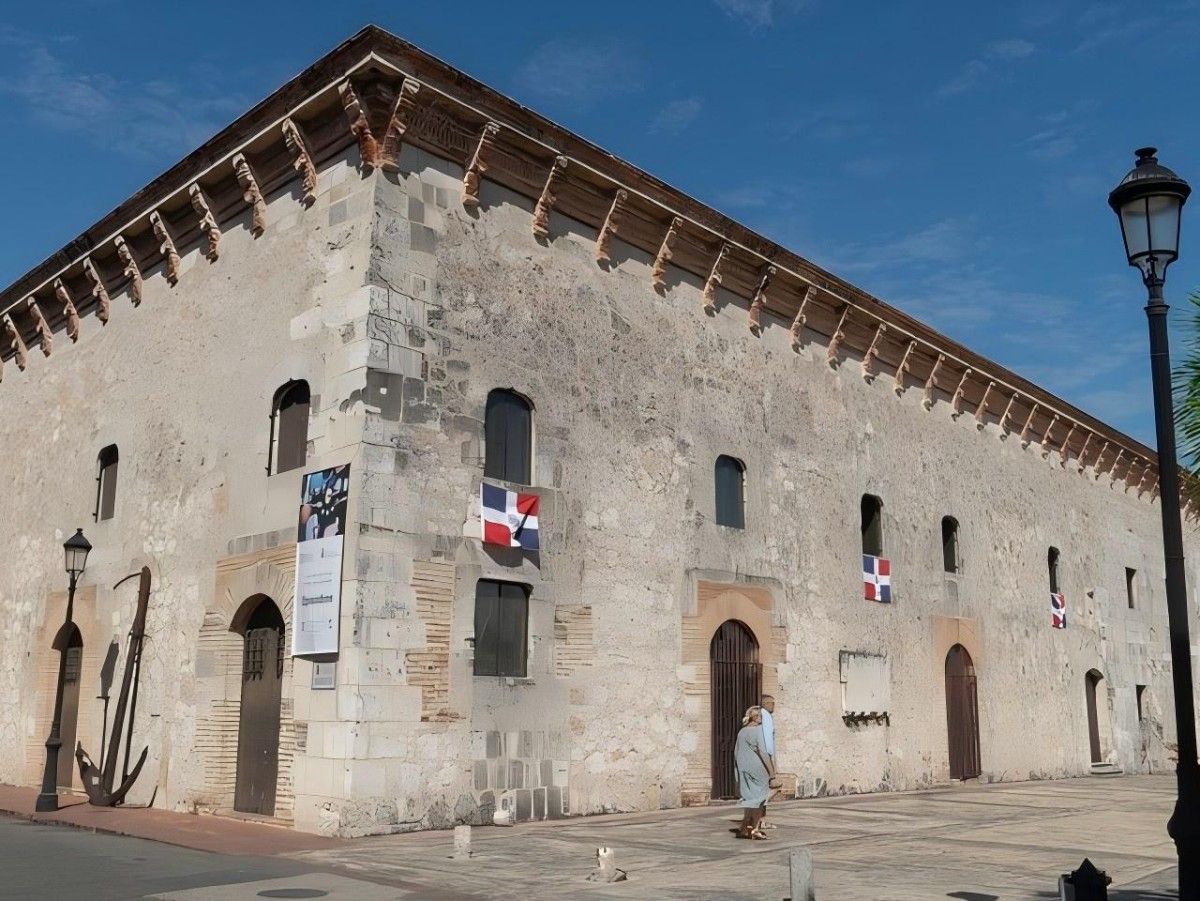
In 1492, Christopher Columbus first set foot on this land, marking the beginning of the discovery of the New World. In 1496, Columbus's brother Bartholomew Columbus established the prototype of the city on the east side of the mouth of the Osama River, originally named "Isabella". However, in 1502, Nicolás de Ovando moved the city to the west side of the Osama River, where the colonial district is today, and renamed it "Santo Domingo de Guzmán". Since then, Santo Domingo has become an important starting point for Spain to colonize the New World. Many explorers and conquerors have used it as a base to expand their influence. The first cathedral, the first hospital, the first university, and even the first street in the Americas, "Calle de las Damas", were born in the colonial district. These "firsts" have established its important position in the history of the Americas.
Advertisement
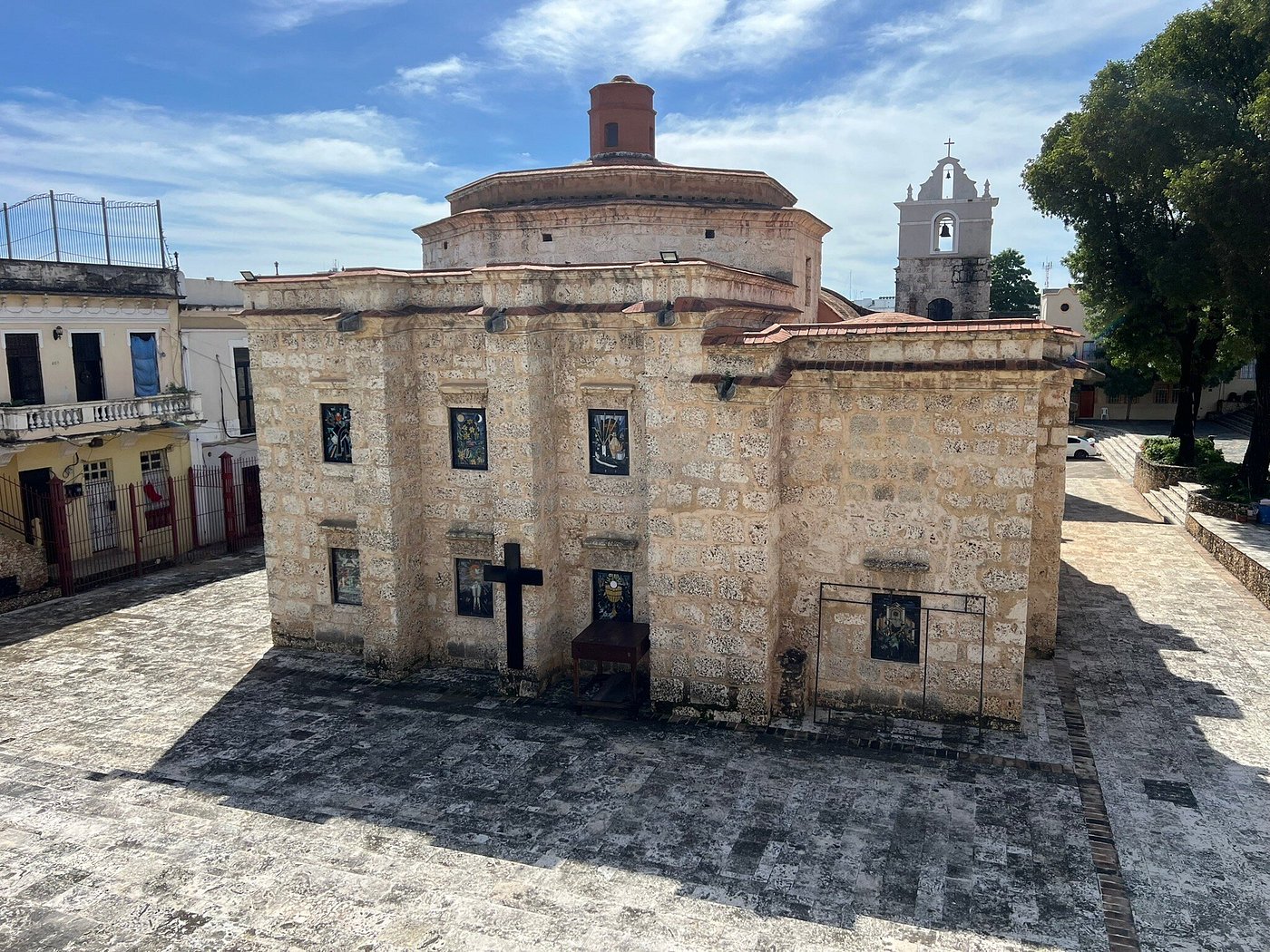
Walking through the streets of the Colonial District, it feels like stepping into a palace of architectural art. The architectural style here combines Baroque and Gothic elements of the Spanish colonial period. Every brick and stone, every carving tells a story of the past. Catedral Primada de América is undoubtedly one of the most dazzling buildings in the Colonial District. It was built in 1523 and took nearly 20 years to complete. The exterior of the cathedral is magnificent, with a towering bell tower that reaches the sky and exquisite stone carvings everywhere. Walking into the interior, the spacious space is solemn and solemn, with tall stone pillars supporting the dome, and the light coming through the stained glass windows creates a mysterious and sacred atmosphere. The remains of Columbus, the discoverer of the New World, and his son and grandson are also buried in the church, adding a sense of historical weight.
Advertisement
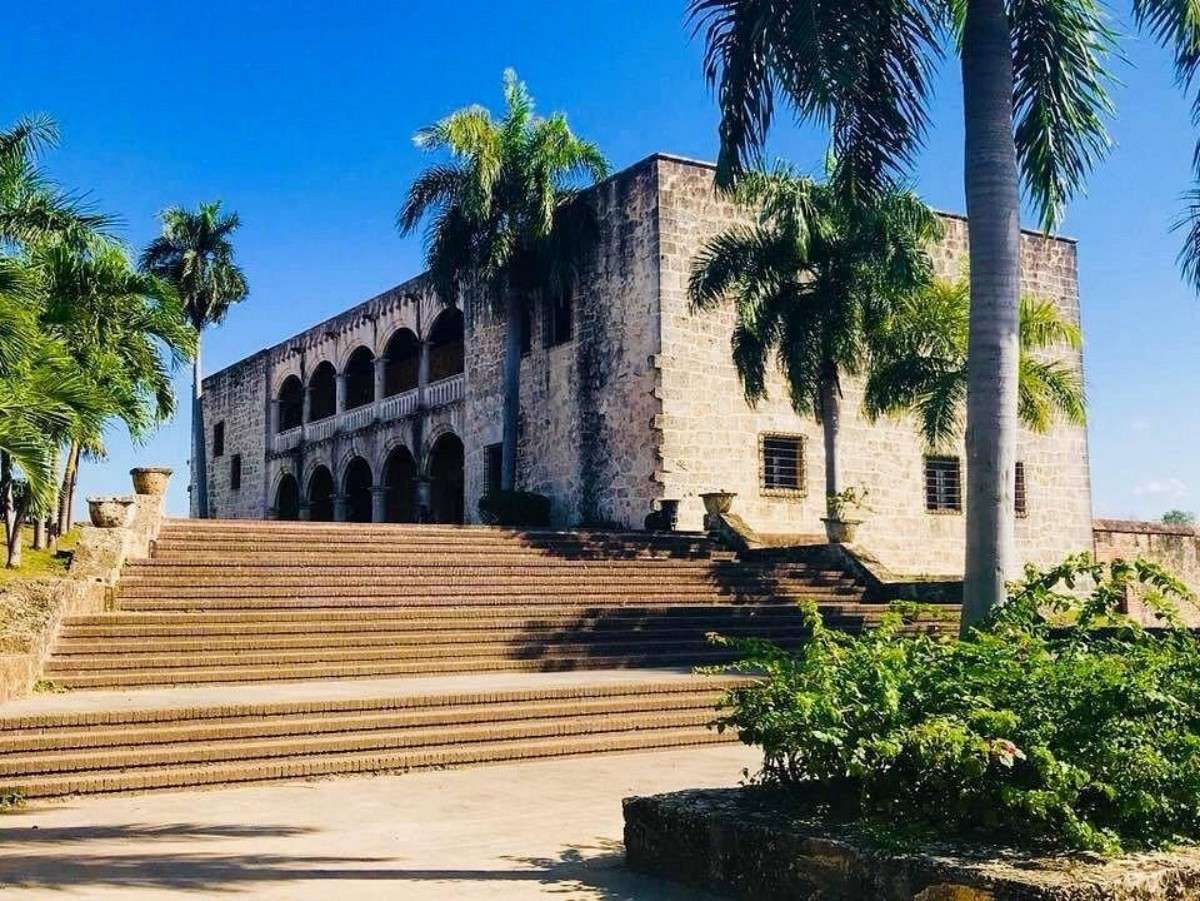
Another eye-catching building is the Alcázar de Colón, which is the residence of Diego, Columbus's son. This palace adopts the architectural style of the Spanish Renaissance, with a gorgeous exterior and exquisite interior decoration. Walking through it, you can seem to see the luxurious scenes of the Spanish nobles living here in the past. There is a museum in the palace, which displays many cultural relics and artworks related to the colonial period, allowing visitors to have a deeper understanding of that period of history.
There are many other unique buildings in the colonial zone, such as Convento de los Dominicos, which is the first monastery in the Americas. Its Gothic architectural style makes it look simple and solemn; Fortaleza Ozama, as one of the oldest fortresses in the Americas, its thick walls and sturdy towers have witnessed the wars in the past. Although it is no longer used for military defense, it still exudes a majestic atmosphere.
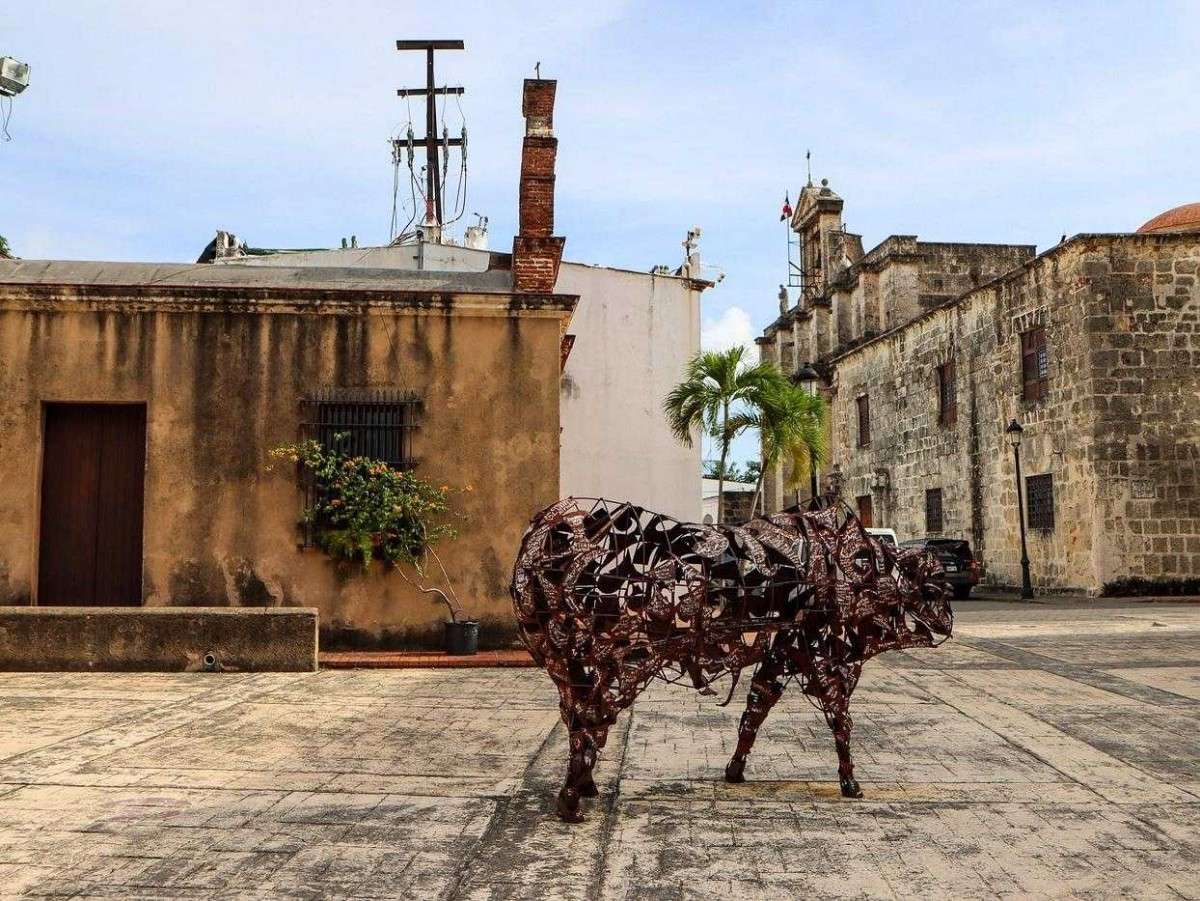
The streets of the Colonial District are paved with ancient stone slabs. Walking on them, you can feel the traces of time. Walking along the street, there are various specialty shops, cafes and restaurants on both sides. Among them, Lady Street is one of the most representative streets. This narrow street is lined with many colorful colonial buildings, most of which have now been transformed into handicraft shops, souvenir shops and art galleries. Here, you can buy handicrafts with Dominican characteristics, such as hand-woven straw hats, colorful paintings, exquisite wood carvings, etc., each of which contains the wisdom and creativity of local craftsmen.
In addition to shopping, the cafes on the street are also a good place for tourists to relax. Find a street cafe to sit down, order a cup of local specialty coffee, taste delicious snacks, watch the pedestrians coming and going, and feel the leisurely atmosphere of the Colonial District. It's a unique experience. At night, the restaurants and bars on the street are very lively, and the live Latin music attracts people to dance to their heart's content, full of rich Latin style.
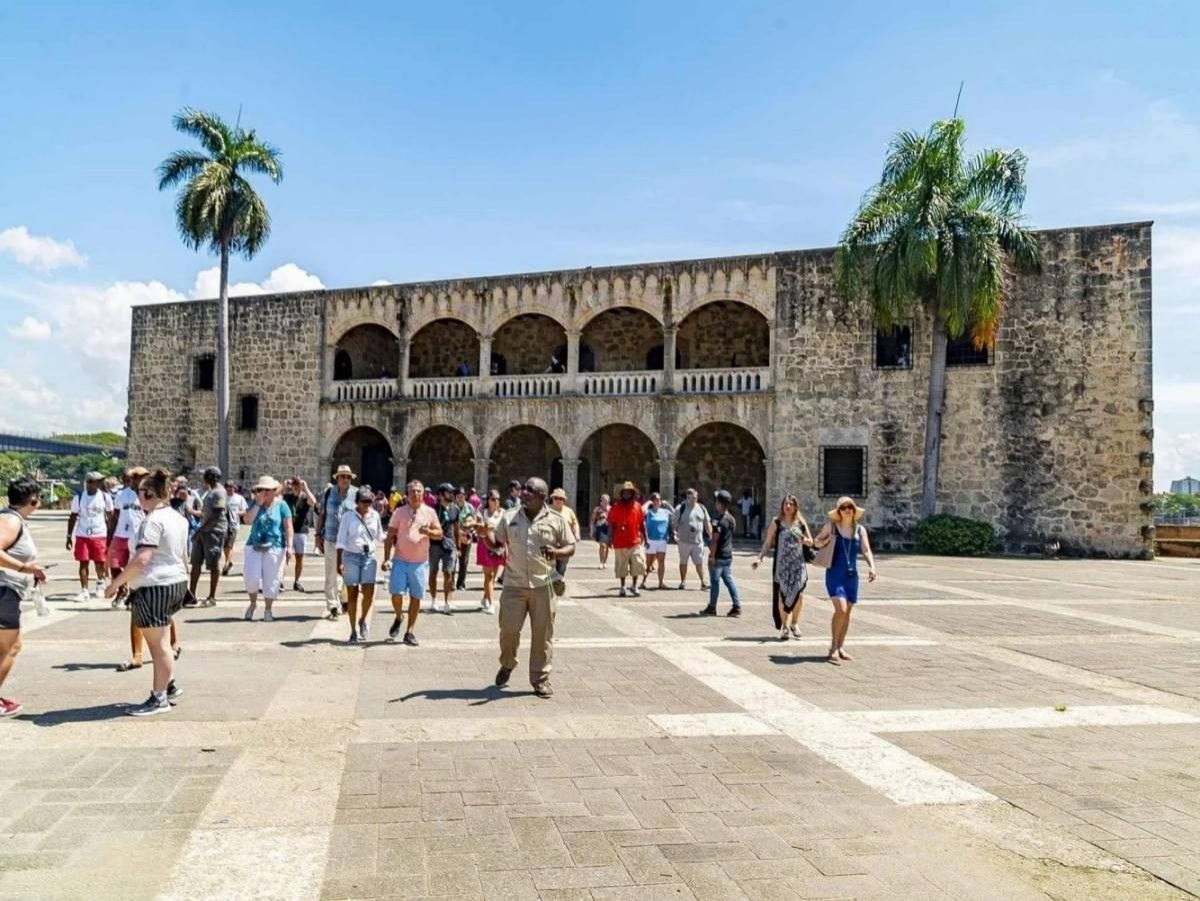
The squares in the Colonial Zone are the center of social and cultural activities. Parque Colón is located in front of the cathedral. The square is shaded by trees and a statue of Columbus stands in the center. This is where tourists and local residents gather. People rest, chat, feed pigeons and enjoy a leisurely time. There are many street performers around the square, and the performances such as juggling, magic and music performances are wonderful, adding a lot of vitality to the square.
Plaza de España is another important square. It is large and surrounded by many high-end restaurants. Every Friday and Saturday night, live music and dance performances are held in the square. People dance to the cheerful rhythm and show the passionate and unrestrained character of the Dominican people. The ruins of the Convent of San Francisco are also a popular place for cultural activities. Every Sunday night, locals will hold Latin music and dance parties here. Tourists can join in and feel the strong Latin cultural atmosphere.
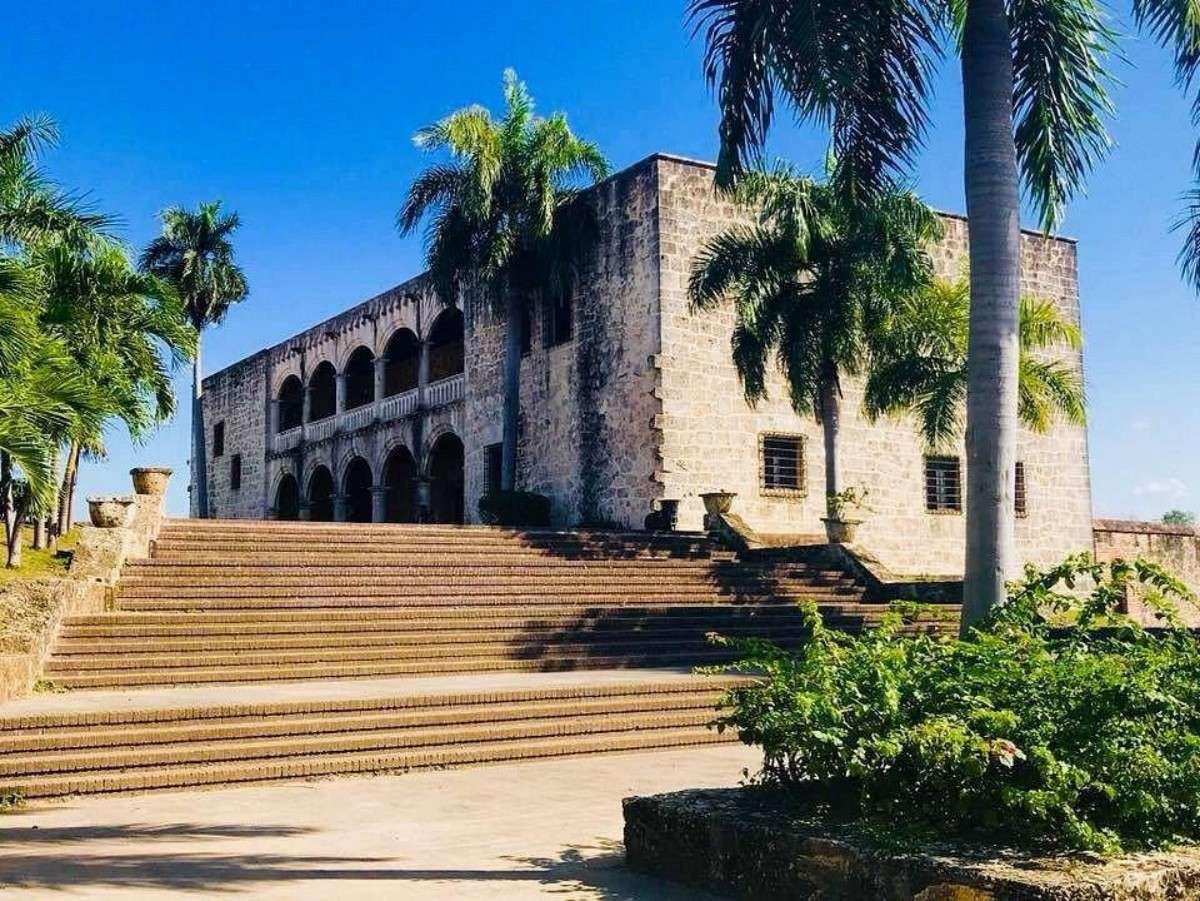
If you plan to visit the Colonial Zone, it is best to choose a sunny day. The abundant sunshine can make the ancient buildings glow with unique brilliance. It is recommended to arrange at least one day to fully explore every corner. You can start the visit from the cathedral to understand its historical background and architectural features, and then visit other attractions along the streets. During the visit, you may want to hire a local guide, who can tell you many historical stories and anecdotes that are not in books, so that you can have a deeper understanding of the colonial zone.
In terms of food, there are many restaurants to choose from in the colonial zone, where you can taste authentic Dominican cuisine, such as Mofongo (a traditional delicacy made with fried plantains) and Sancocho de Gallina (a rich stewed chicken dish). In addition, don't forget to taste the local specialty fruits, such as mangoes and guavas, which are fresh and delicious.
The colonial zone of Santo Domingo Province attracts tourists from all over the world with its unique historical and cultural value, exquisite architecture, and lively streets and squares. This is not only a review of the past colonial history, but also an important part of modern Dominican culture. Coming here, it is like traveling through time and space, and personally experiencing the development of American history. It is an unforgettable cultural exploration journey.