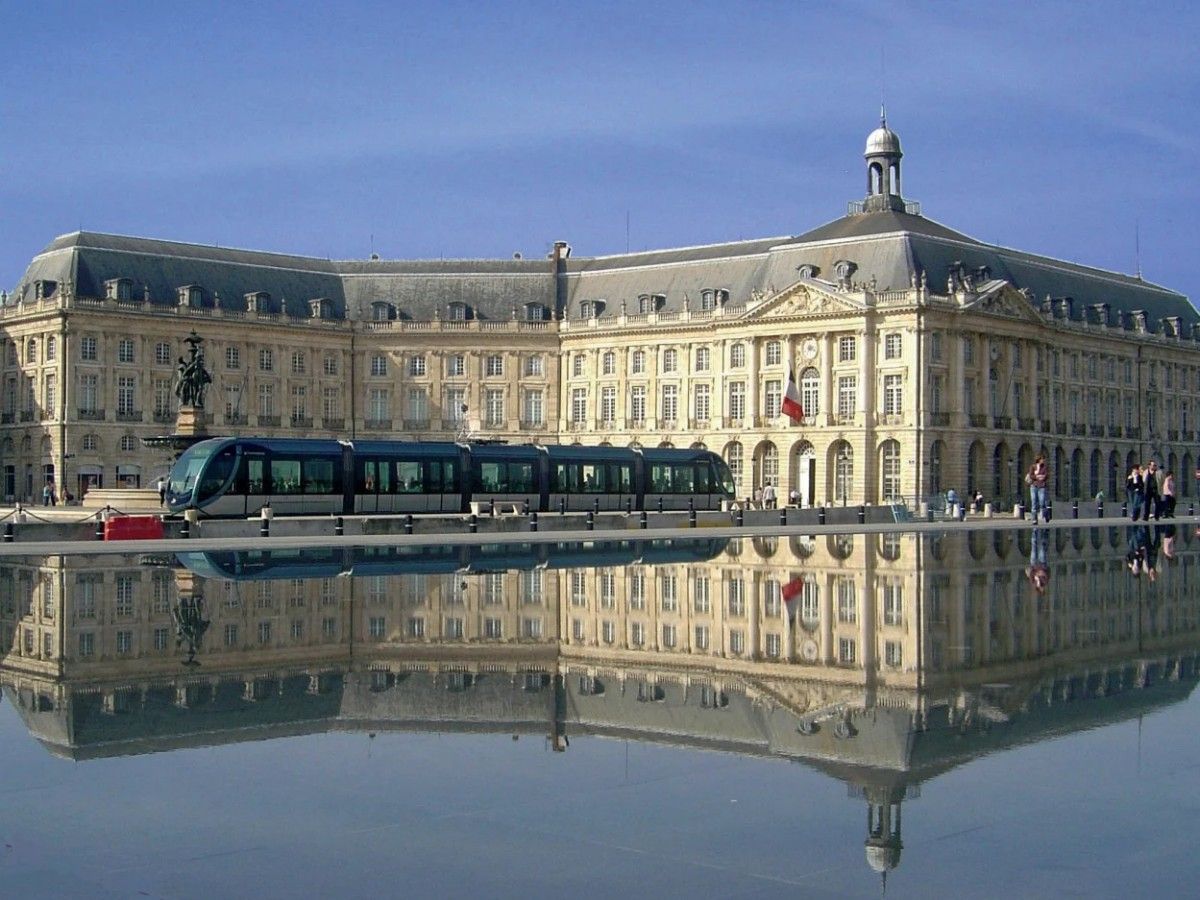
Bordeaux Bourse Square (Place de la Bourse), this 18th-century building complex known as the "Pearl of Bordeaux", is not only a model of French neoclassical architecture, but also a symbol of Bordeaux's transformation from a port trading city to a world cultural heritage city. The square attracts tourists from all over the world with its magnificent symmetrical aesthetics, delicate sculpture art and flowing historical atmosphere. If you are planning a trip to Bordeaux, then please read on!
Advertisement
1. Construction Background and Historical Significance
Advertisement
The Bourse Square was built in 1730 and completed in 1775 after 45 years. It was designed by Ange-Jacques Gabriel, an architect during the Louis XV period. Its original intention was to highlight Bordeaux's economic strength as an Atlantic trade hub and replace the original medieval dock buildings. In 1848, the square was named "Bourse" and became a core landmark for financial and commercial activities.
2. Composition of the building complex
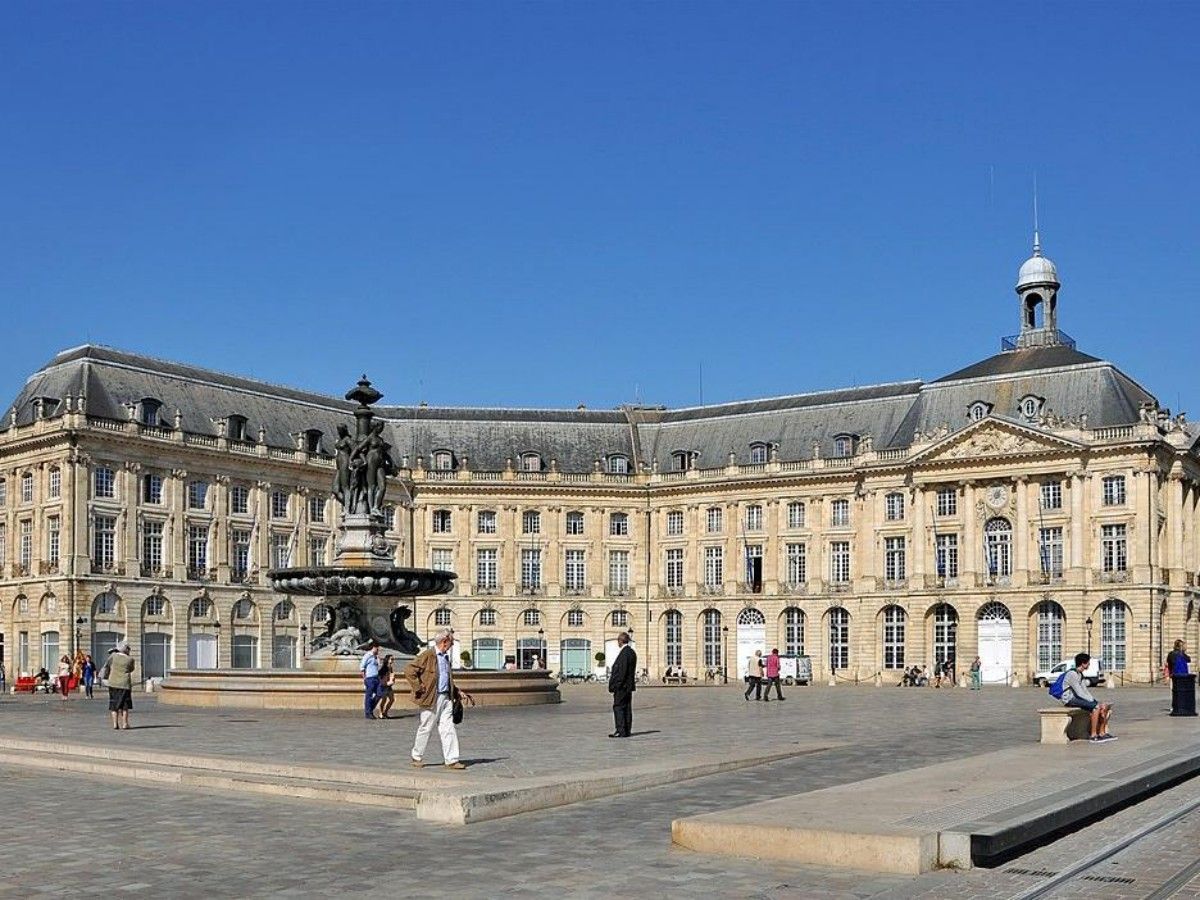
The square is surrounded by three main buildings, forming a semicircular open space:
Palais de la Bourse: originally a commodity exchange, now the seat of the Bordeaux Chamber of Commerce, with gorgeous interior decoration and dome murals depicting the prosperous scenes of maritime trade.
National Customs Museum (Musée National des Douanes): displays the history and cultural relics of French customs, and reveals the global trade network of the Port of Bordeaux through tariff archives.
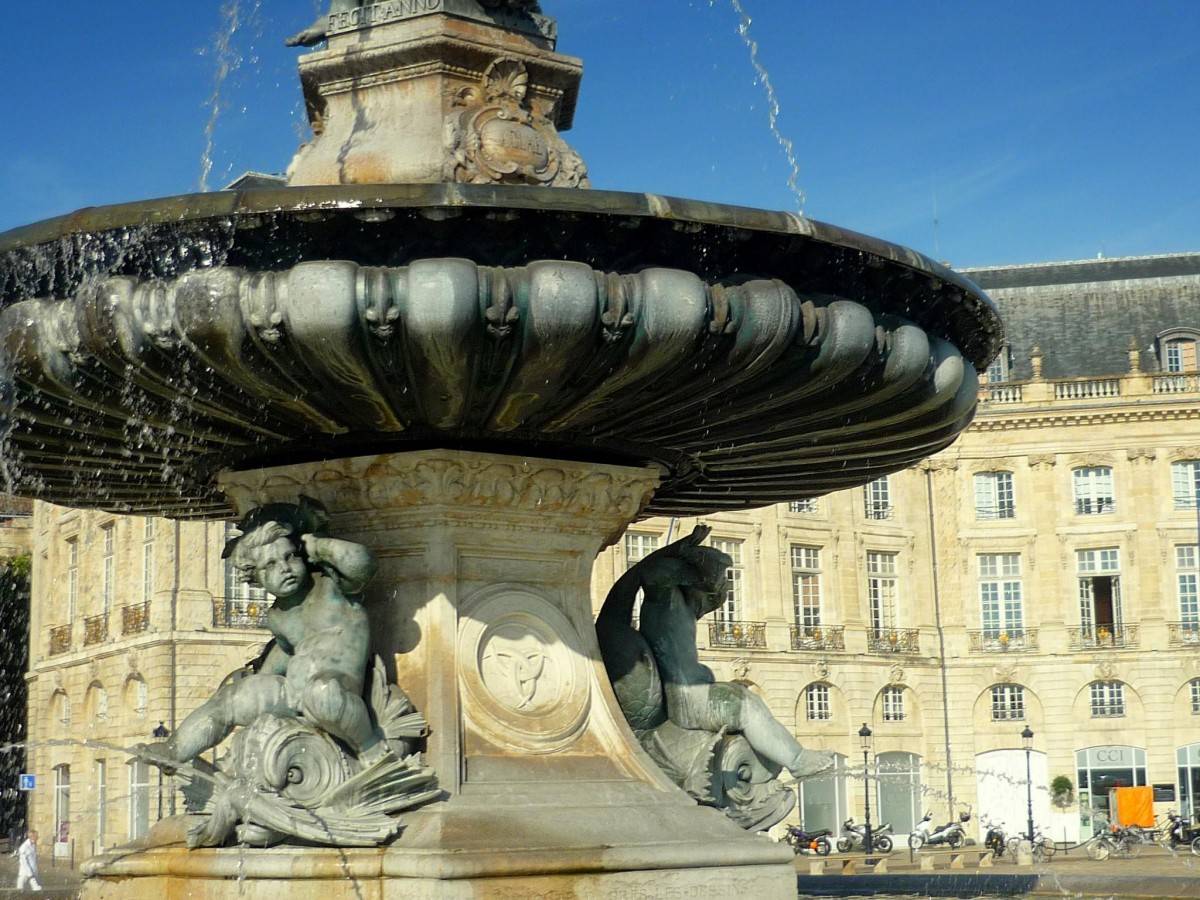
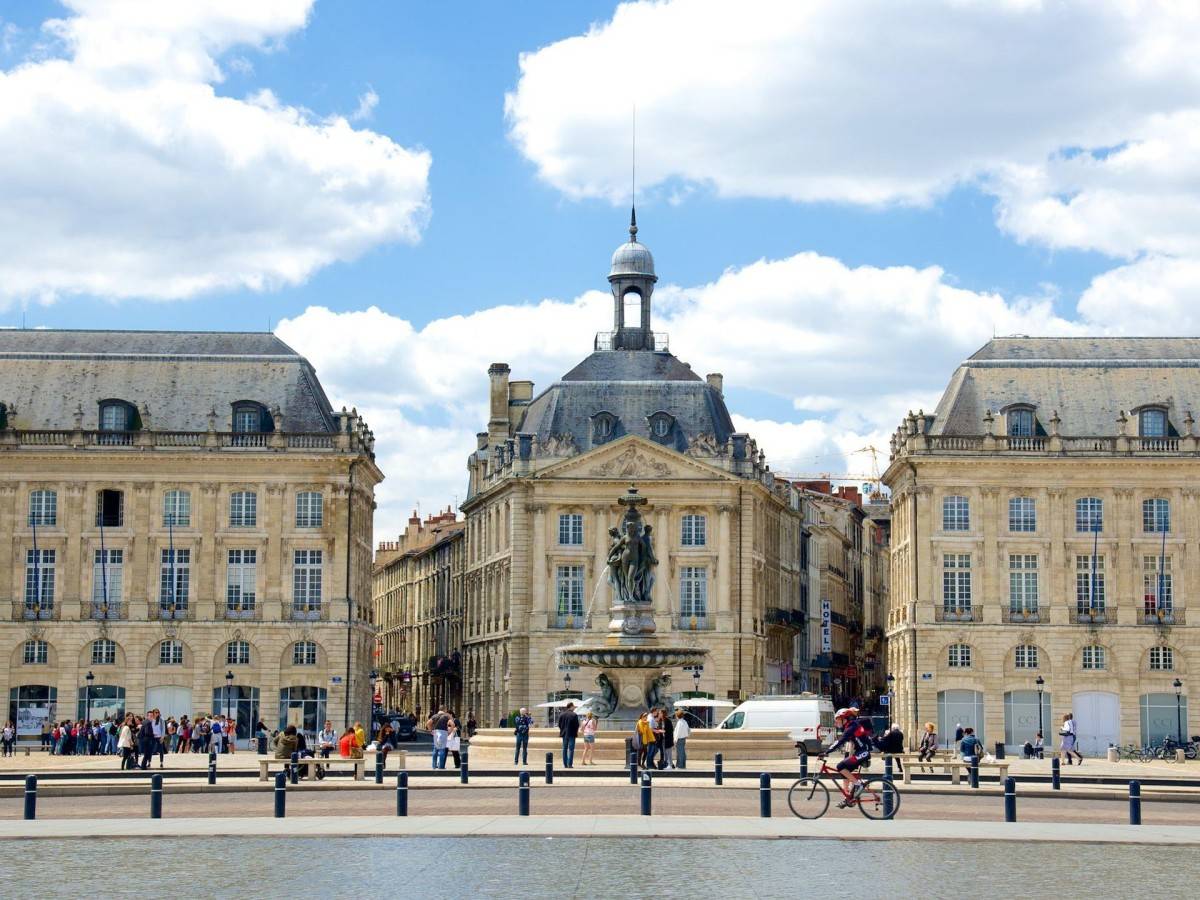
Fontaine des Trois Grâces: added in 1869, the sculpture is centered on the three goddesses symbolizing beauty, joy and glory in Greek mythology. The base of the fountain is decorated with bronze dolphins, echoing Bordeaux's marine genes.
3. Analysis of architectural style
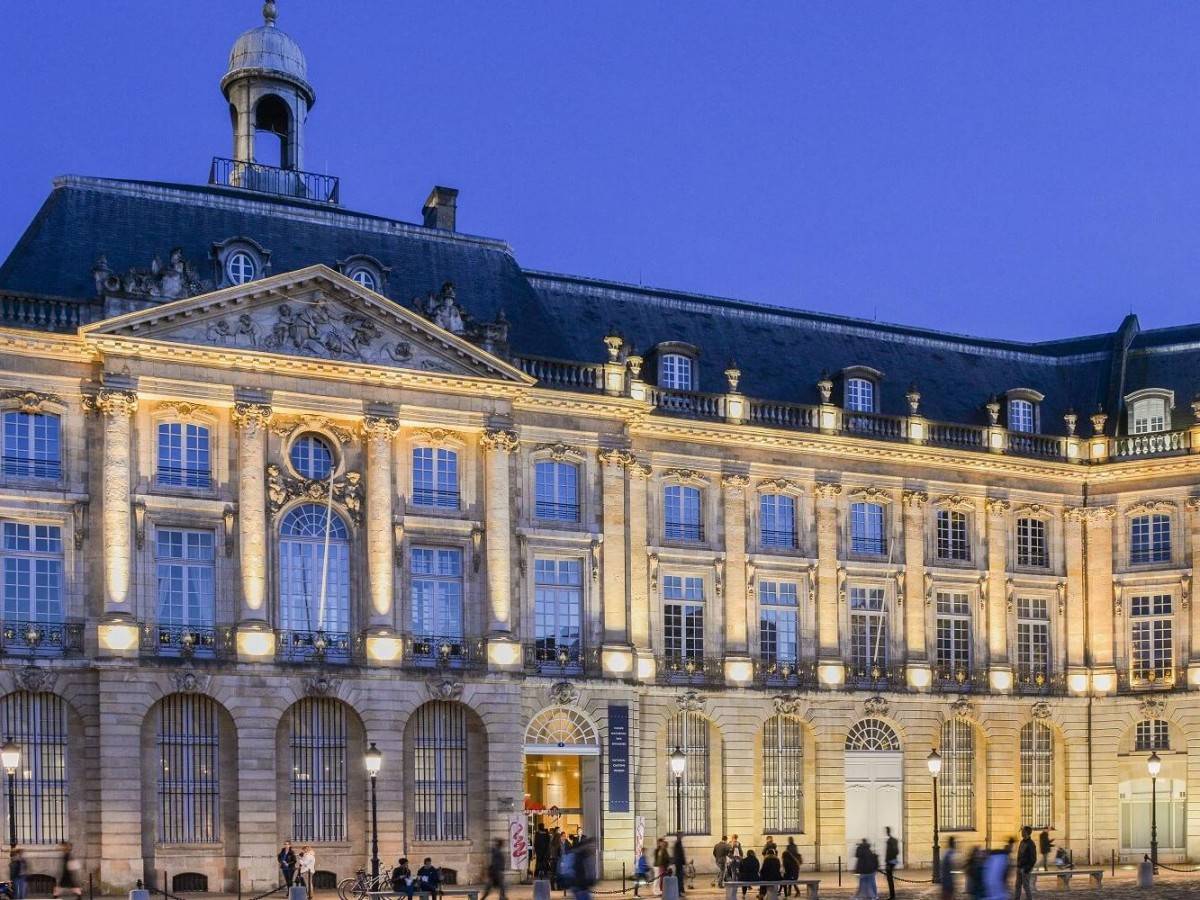
The square adopts the neoclassical style, and the facade wins with simple lines and proportions. The arcade supported by Corinthian columns, the pediment decorated with reliefs, and the statues on the roof (such as the allegorical images symbolizing commerce and navigation) all reflect the pursuit of reason and order in the Enlightenment era.
1. Opening Hours and Tickets
Advertisement
Square Area: Free and open all day, with a more romantic atmosphere under the lights at night.
National Customs Museum: Tuesday to Sunday 10:00-18:00, ticket price 6 euros (permanent exhibition), temporary exhibitions require additional tickets.
Exchange Palace: Some areas are regularly open for guided tours (reservations required), for details, please check the official website of the Bordeaux Tourism Bureau.
2. Transportation
Tram: Take Line C to "Place de la Bourse" station, and you will reach the core area of the square as soon as you exit the station.
Walking: Walk for about 10 minutes from Saint-Pierre or the old town, and you can enjoy the historical street scenes of Bordeaux along the way.
3. Best time to visit
Early morning and dusk: Avoid the strong light at noon, and the soft sunlight makes it easier to capture the three-dimensional sense of the building. The square is quiet and sparsely populated in winter, and street performers and open-air markets can be encountered in summer.
1. Sculptures and reliefs
The triangular lintel of the Palais de Bourse: carved with patterns symbolizing trade and navigation, such as merchant ships, anchor chains and cornucopias, with details as delicate as the texture of mast ropes.
The rooftop statue group: including the goddess of justice holding a scale, the god of navigation holding a rudder, and the grapevine elements representing the Bordeaux wine industry.
2. Light and shadow and spatial aesthetics
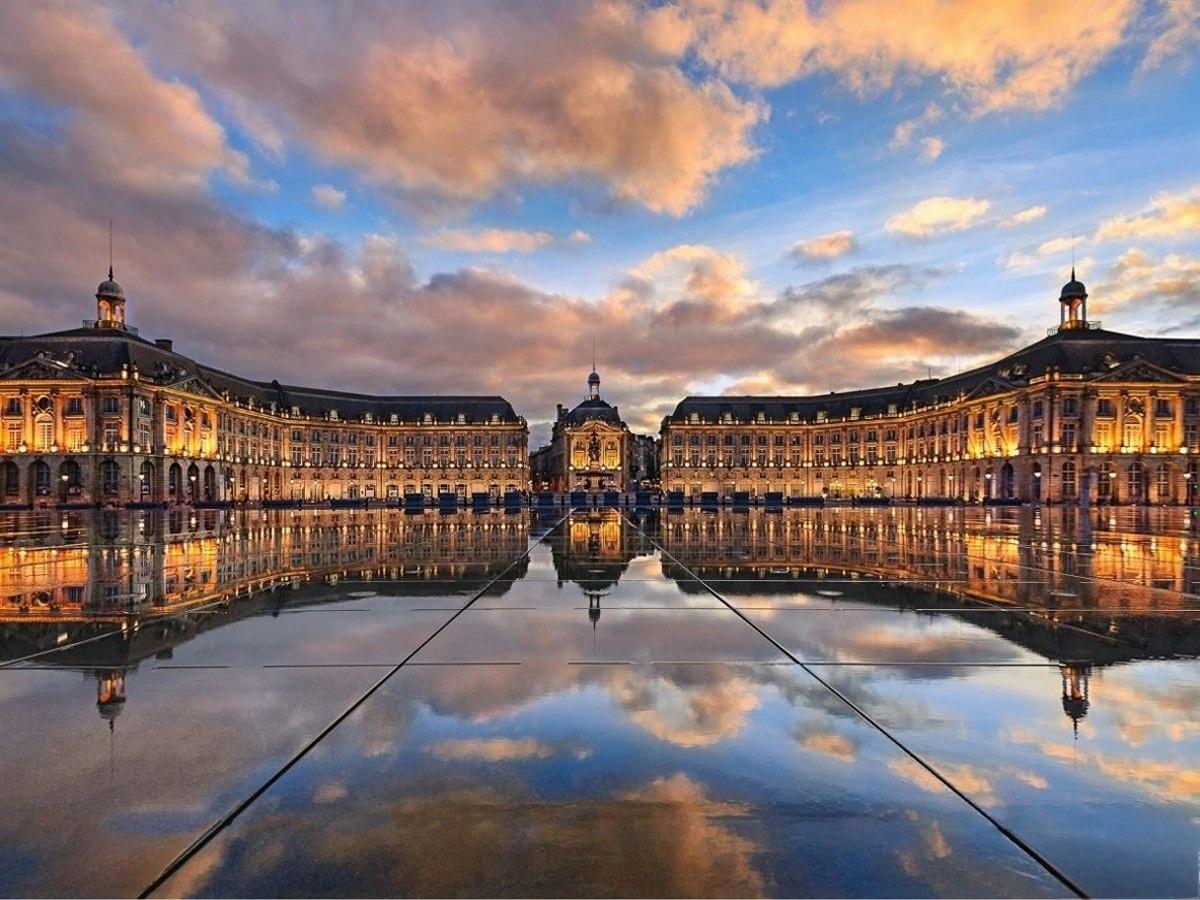
The symmetrical design of the square creates dramatic light and shadow at sunrise and sunset. It is recommended to take a panoramic view from the opposite bank of the Garonne River or the end point of the square axis to capture the geometric beauty of the building and reflection.
1. Cultural attractions recommended
The Grand Théâtre de Bordeaux: a 5-minute walk away, this neoclassical building was built by Victor Louis, who designed the Royal Palace in Paris. The golden and blue-toned cabaret inside can be called the "Temple of Light".
Bordeaux City Museum of Fine Arts (Musée des Beaux-Arts): It houses the works of masters such as Renoir and Matisse, and is about a 15-minute walk from the square.
2. Shopping and Markets
Rue Sainte-Catherine: One of the longest pedestrian streets in Europe, it extends north from the square and brings together local brands and French dessert shops.
CAPC Contemporary Art Museum: Transformed from a former warehouse, the avant-garde exhibitions form an interesting contrast with the classical atmosphere of the square.
3. Food Experience
Le Petit Commerce: A seafood restaurant near the square, the signature lobster with mashed potatoes is 25-30 euros per person, and reservations must be made in advance.
Marché des Quais: A weekend market on the banks of the Garonne River, where you can taste oysters with Bordeaux white wine and feel the local life.
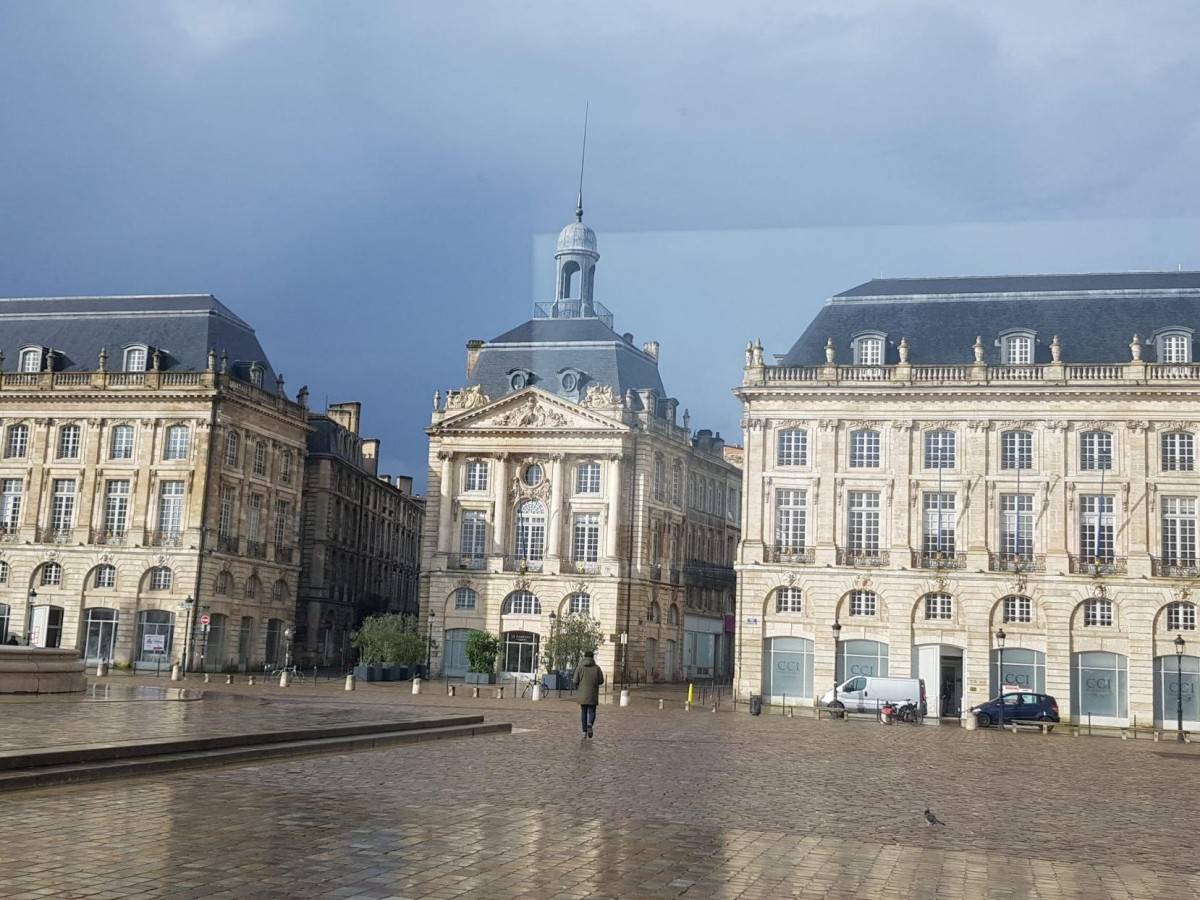
Night Light Show: Projection art exhibitions are often held in summer, and the facades of buildings are transformed into dynamic canvases. For specific schedules, please pay attention to the announcement of the Bordeaux Cultural Bureau.
Theme Tour: Choose the "18th Century Architecture" or "History of Wine Trade" themed tour to gain a deeper understanding of the relationship between the square and the city's development.
Joint Ticket Discount: Purchase the Bordeaux City Pass, which allows free entry to the Customs Museum and many attractions, and enjoys transportation discounts.
Bordeaux Bourse Square is not only a tourist attraction, but also an urban epic engraved in stone. Next time you visit Bordeaux, please spend an afternoon in this square, so that the echoes of history and the vitality of the present will interweave into a unique travel memory in your heart.