Lille is often labeled as an "industrial center" and "European crossroads", but few people notice that this city hides an art palace that is comparable to the Louvre - the Lille Museum of Fine Arts (Palais des Beaux-Arts de Lille). As the second largest museum in France, its collections span a thousand years, from the grandeur of the Renaissance to the agility of Impressionism, from the altar paintings of Flemish to the edge of modern sculpture. It is not only a container of art, but also a witness to Lille's transformation from an industrial gear to a cultural engine.
Advertisement
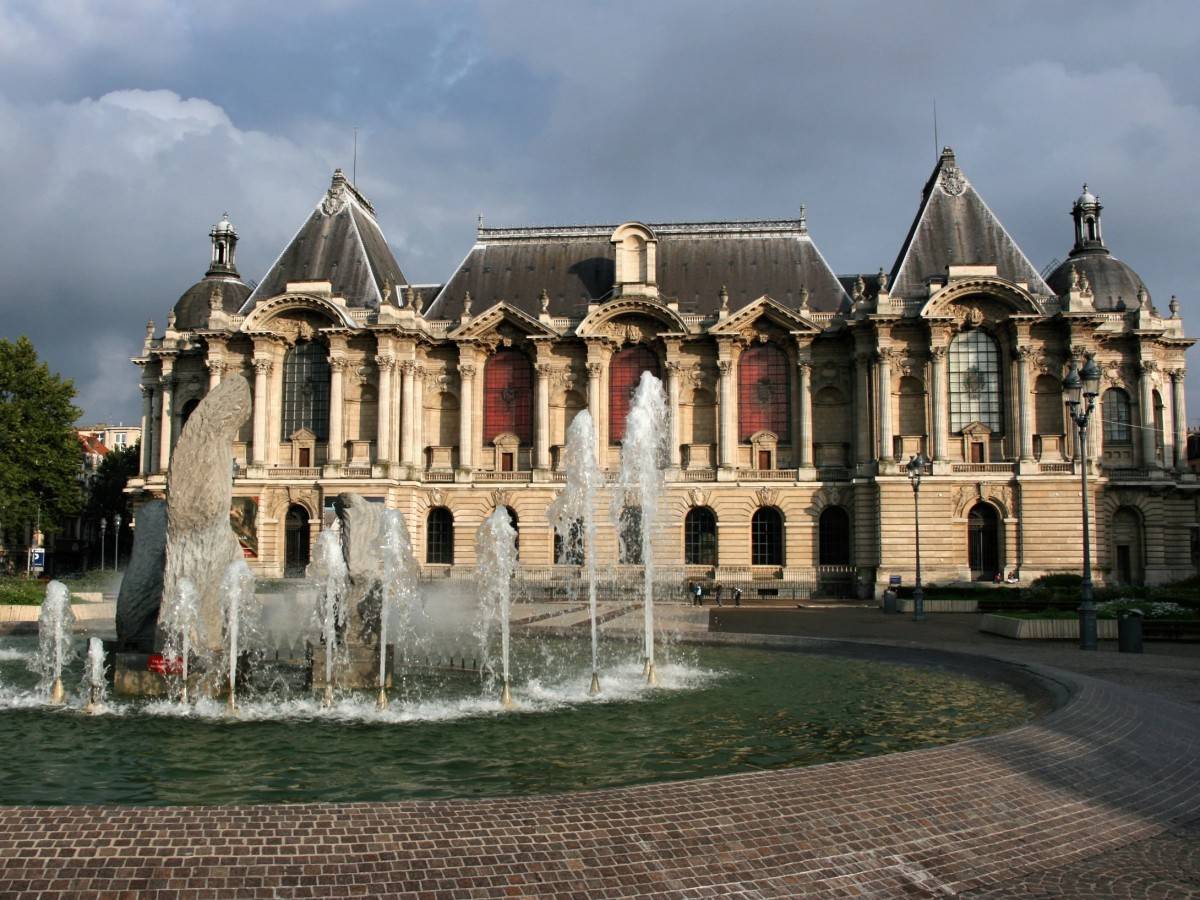
The history of the Lille Museum can be traced back to the end of the 18th century. In 1792, during the French Revolution, the National Convention decided to establish a public museum in Lille to collect and display artworks and spread knowledge and culture. Initially, the museum's collections mainly came from confiscated church property and private donations. As time went on, the number of collections continued to increase and the scale of the museum gradually expanded. In the 19th century, the Lille Museum underwent several expansions and renovations, and its architectural style gradually integrated classicism and neoclassicism elements, forming its magnificent appearance today. In this long historical process, the Lille Museum has not only witnessed the development and changes of the city of Lille, but also become an important platform for the inheritance and exchange of French culture.
Advertisement
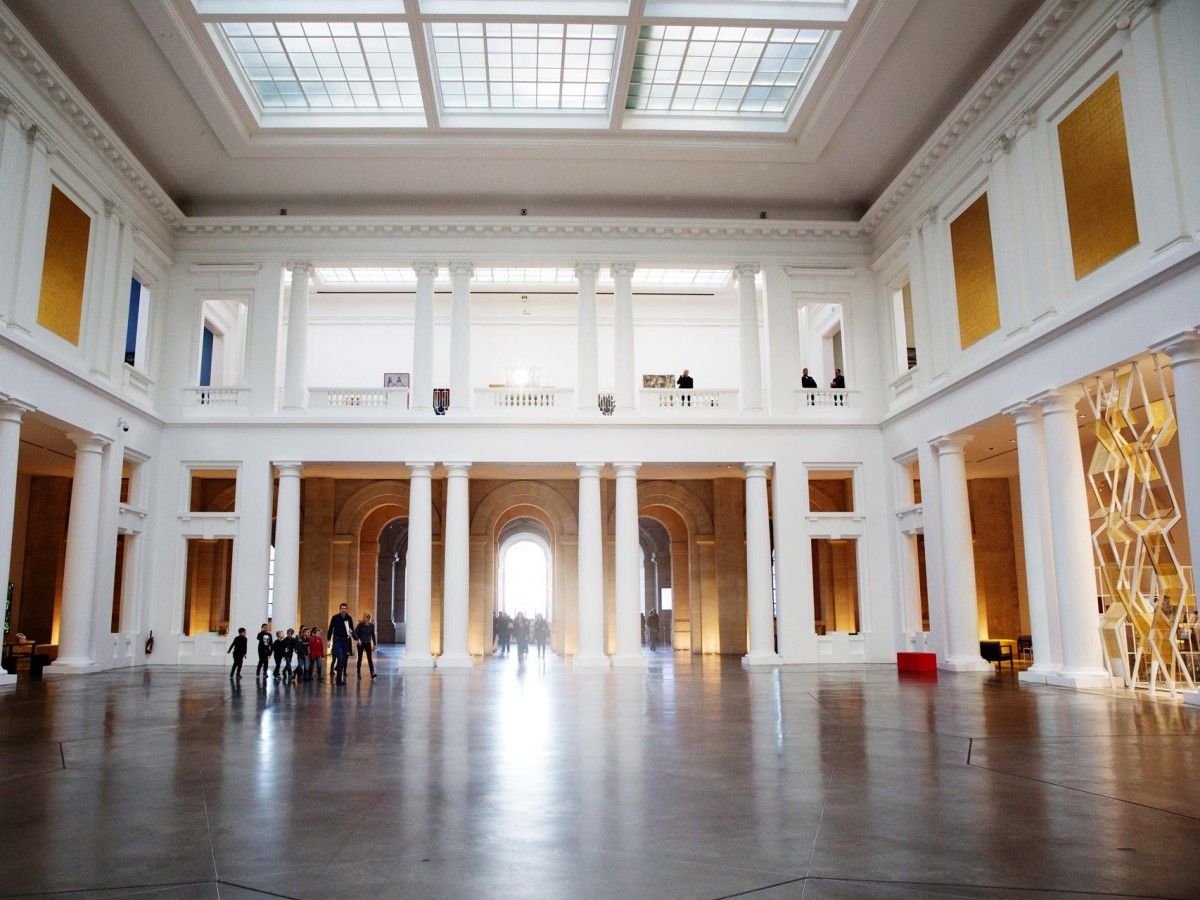
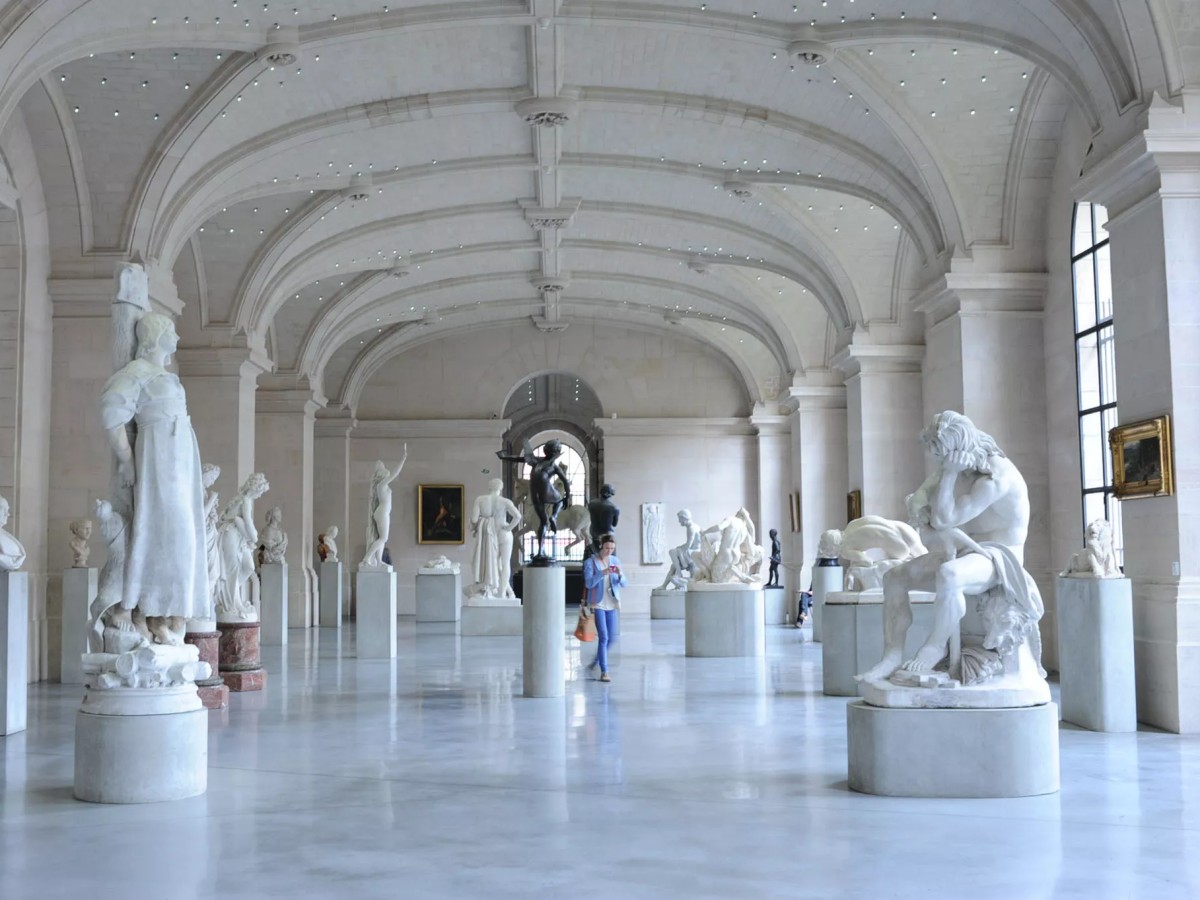
The Lille Museum has a very rich collection, covering various periods and fields from ancient civilization to modern art, and can be called a brilliant treasure house of the art world. There are more than 200,000 works of art here, including paintings, sculptures, decorative arts, archaeological relics and other categories.
Advertisement
In terms of painting collections, the Lille Museum has many masterpieces of European masters. From Renaissance painters to Impressionists, Post-Impressionists and Modernists, there is everything. For example, the religious paintings of Italian Renaissance painter Giotto di Bondone, with their vivid characters and delicate emotional expression, show the height of painting art in that era. The landscape paintings of French Impressionist painter Claude Monet, such as the "Rouen Cathedral" series, show the beauty of nature through the clever use of light, shadow and color. In addition, the museum also collects many works by painters from the Netherlands, Flanders and other regions, presenting the diverse style of European painting art to the audience.
The sculpture collection is also eye-catching. Sculptures from ancient Greece and Rome, with their precise grasp of human proportions and forms, show the outstanding skills of ancient artists. Medieval religious sculptures are full of mysterious religious atmosphere, and each sculpture seems to be telling a religious story. In modern times, sculpture art pays more attention to innovation and individual expression. Some modern sculptures collected by the museum have a strong visual impact with their unique materials and shapes.
The decorative art exhibition area is a gorgeous visual feast. Exquisite furniture, ceramics, glassware, gold and silver wares are displayed here, and each exhibit shows the exquisite craftsmanship and unique aesthetic style at that time. From the Rococo furniture of the Louis XV period to the glassware full of natural elements during the Art Nouveau period, they all reflect people's pursuit and creation of beauty in different historical periods.
The archaeological relics exhibition area takes the audience through time and space and returns to the world of ancient civilization. There are a large number of relics from ancient civilizations such as Egypt, Greece, and Rome, such as Egyptian mummy coffins, Greek pottery, and Roman bronzes. These relics not only have extremely high historical value, but are also an important window to understand ancient civilizations.
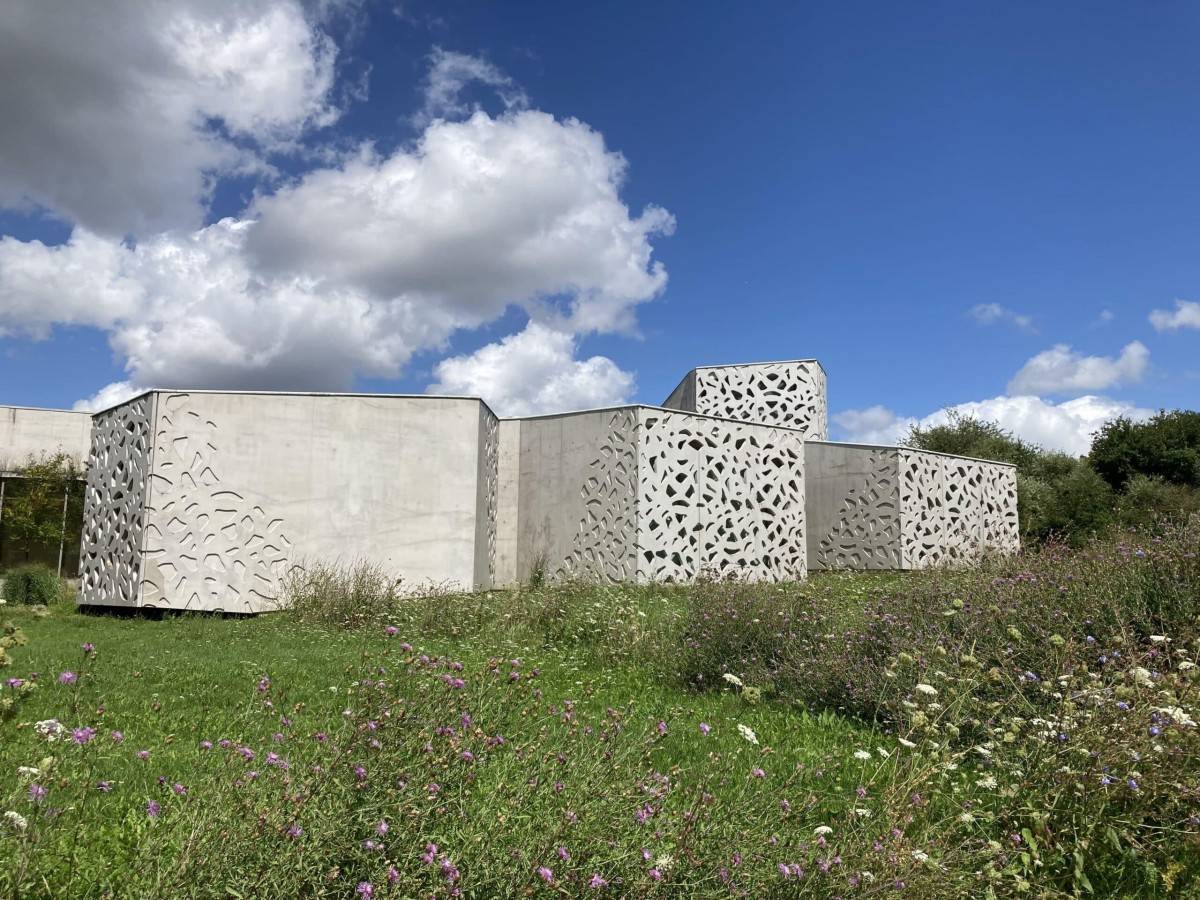
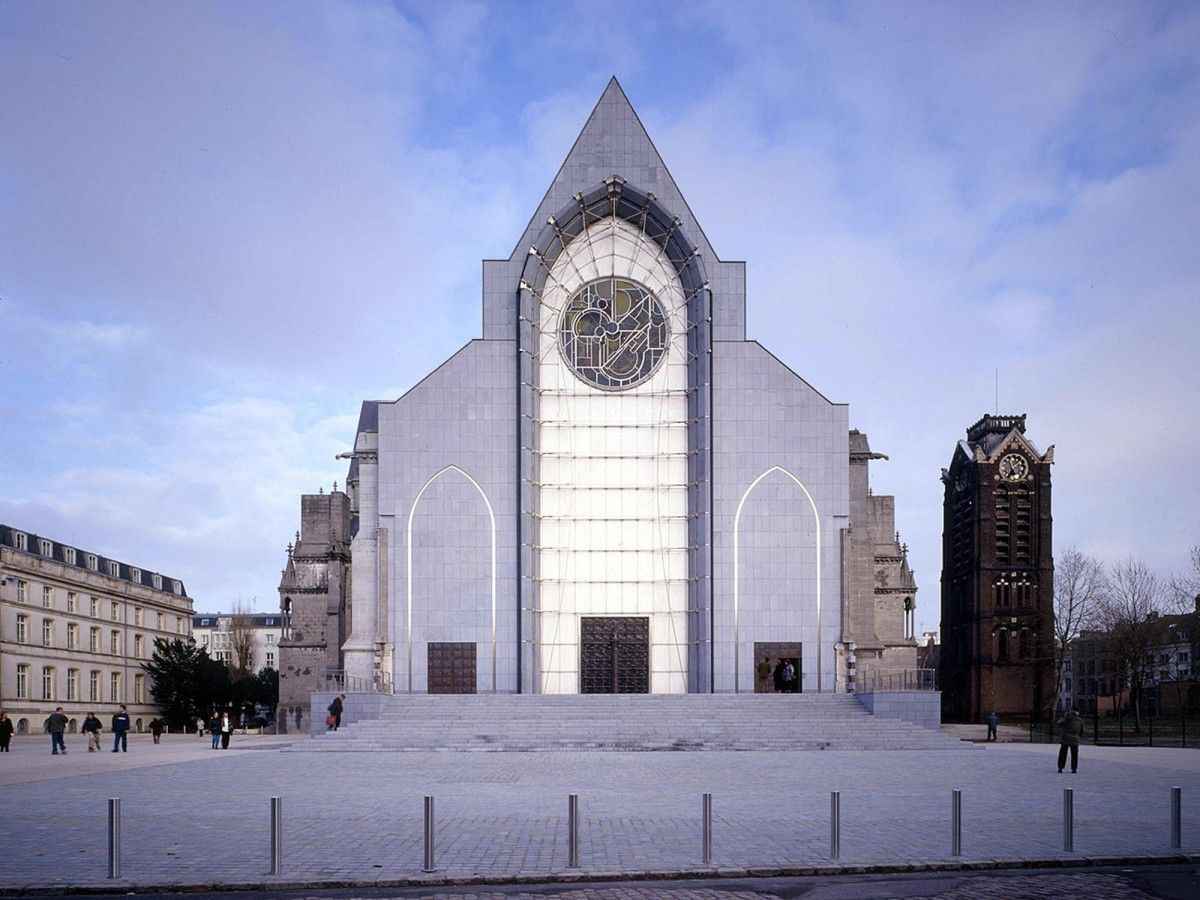
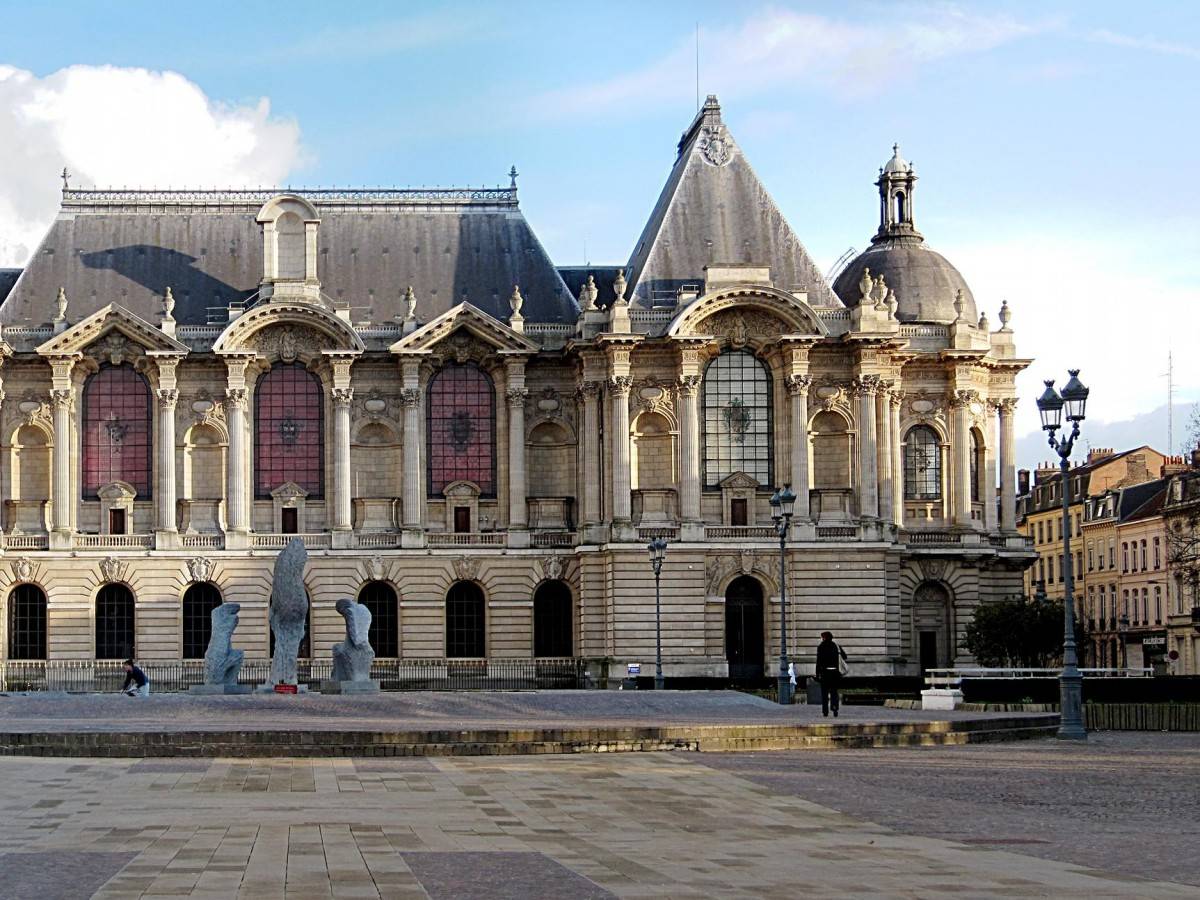
The architecture of the Lille Museum is itself a work of art, which perfectly blends classical and modern elements. The main building of the museum adopts a classical style, with magnificent colonnades, exquisite sculptures and solemn domes, showing an elegant and solemn temperament. In the process of building expansion and renovation, the addition of modern elements has added a sense of fashion and vitality. For example, the entrance of the museum adopts a modern glass curtain wall design, which not only ensures sufficient natural lighting in the room, but also forms a sharp contrast with the ancient main body of the building, creating a unique sense of space.
The spatial layout inside the museum is also very reasonable, and the transition between the exhibition halls is natural, guiding the audience to appreciate the exhibits in an orderly manner. At the same time, the museum also pays attention to the creation of the display environment. Through clever lighting design and exhibit display, each piece of art can be presented to the audience in the best state.
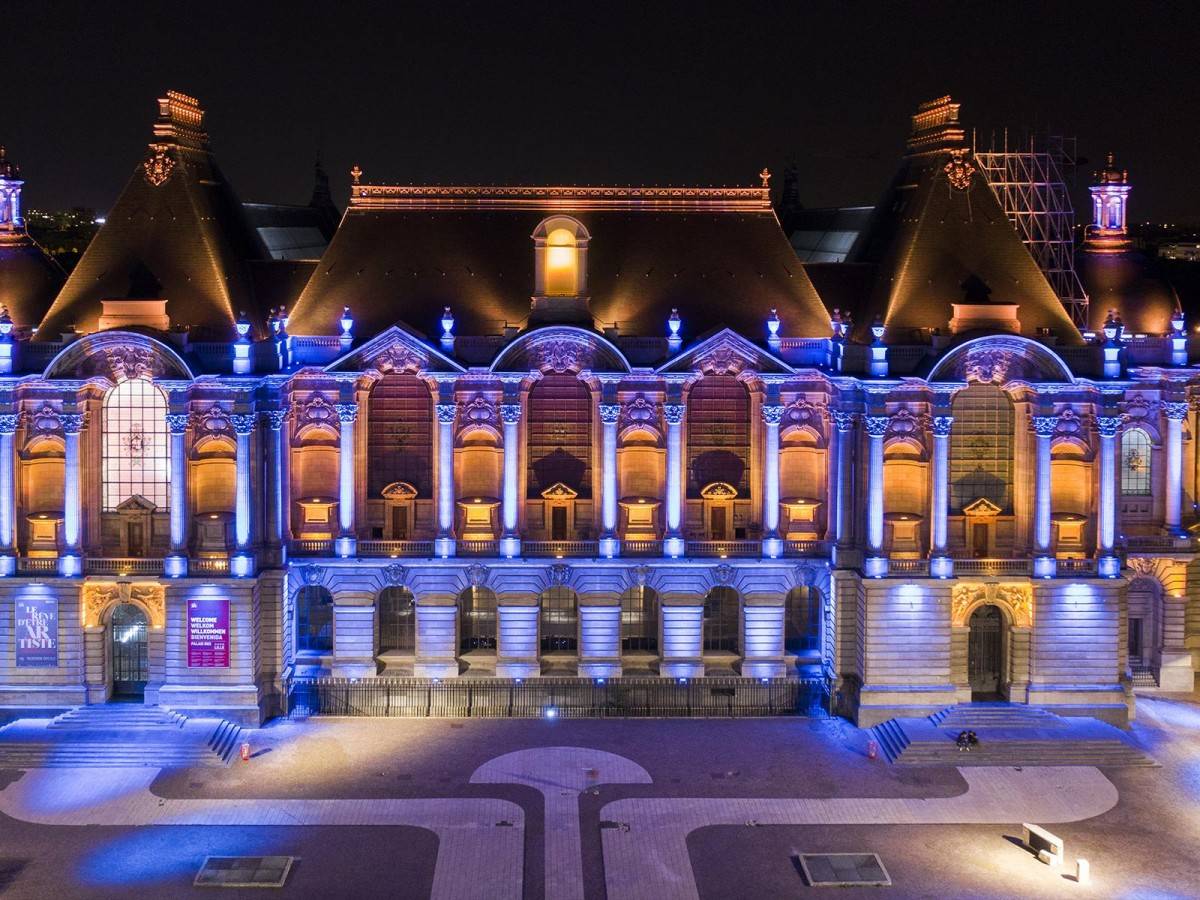
When you step into the Lille Museum, it seems to have entered a world of art. The museum provides a variety of ways to visit to meet the needs of different audiences. If you like to explore on your own, you can rent an audio guide, which will give you a detailed introduction to the historical background, artistic features and cultural connotations of each exhibit. Audio guides are usually available in multiple languages, making them convenient for tourists from all over the world.
If you want to have a deeper understanding, you can also participate in the guided tours organized by the museum. Professional tour guides will lead you to visit various exhibition halls, not only explaining the relevant knowledge of the exhibits, but also sharing many stories and anecdotes behind them. During the explanation, the tour guide will also interact with the audience and answer everyone's questions, making the visit more lively and interesting.
In addition, the museum often holds various temporary exhibitions and cultural activities. Temporary exhibitions usually invite museums or artists from all over the world to cooperate to display some unique works of art or research results. Cultural activities include lectures, workshops, concerts, etc., providing audiences with more opportunities to learn about art and culture.
With its profound historical heritage, rich art collections, unique architectural style and high-quality visiting experience, the Lille Museum has become a must-visit place for art lovers in France and even the world. Although it is called the existence second only to the Louvre, it has its own unique charm and value. When you walk into this museum, you can feel the charm and power of art, as if you have experienced an artistic journey through time and space. If you love art and are eager to explore the charm of different cultures, then you must not miss the Lille Museum. Come here and start your own art exploration journey!