
Advertisement
At the confluence of the Rhone and Saone rivers in southeastern France, Lyon is a shining pearl, exuding an ancient and charming charm. The Old City of Lyon, as the soul of the city, with its deep history and rich cultural heritage, has been listed as a World Cultural Heritage by UNESCO. Walking in the streets of the old City of Lyon, as if through time and space, everywhere is the witness of French history, every relic is telling the glory of the past.
Advertisement
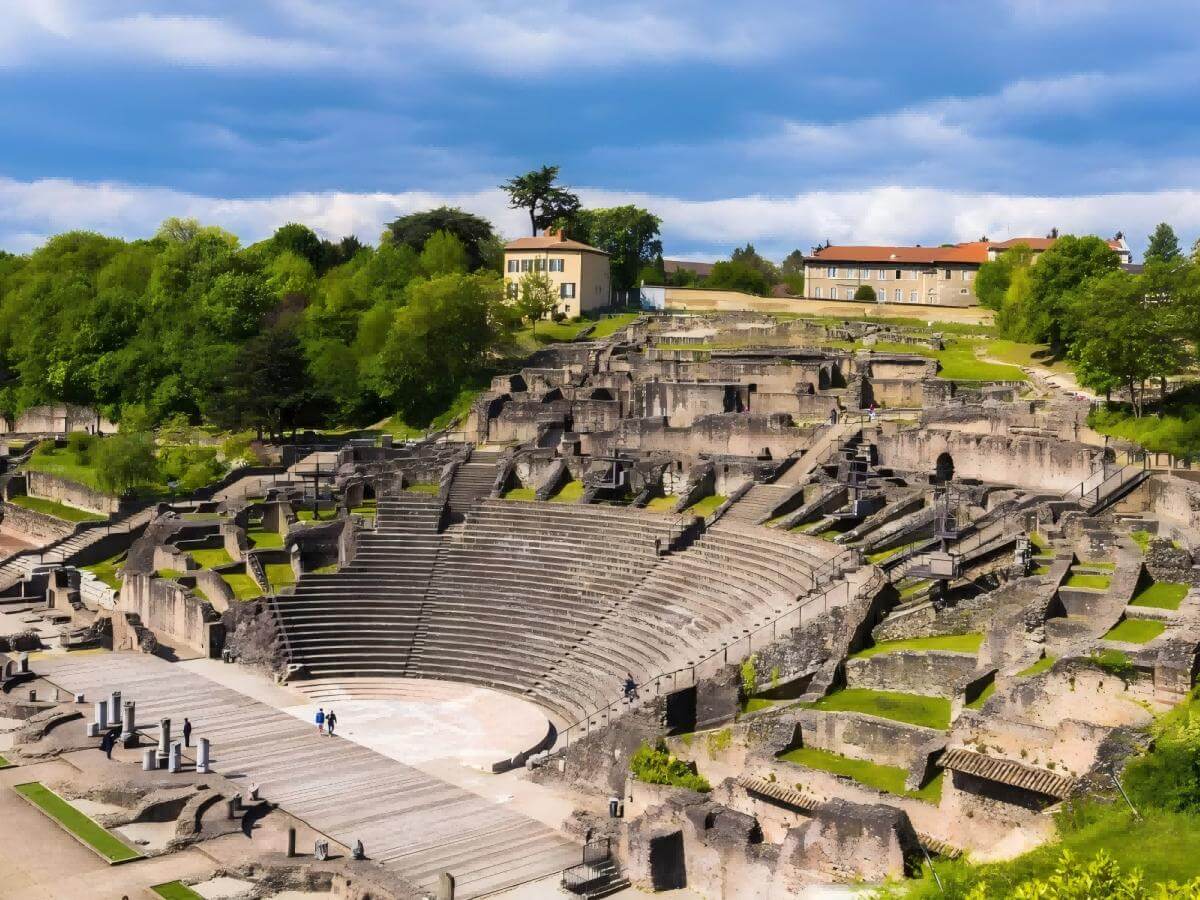
The Hill of Foviers is the beginning of Lyon's history, as early as 43 BC, the Romans founded the city of Lugdunum here. Climbing along the winding mountain road, the first thing you see is the ruins of the Roman theater. Built in 15 BC, the theatre can seat about 10,000 people, and although it has been eroded over time, the stage, the audience and the underground passageway can still be clearly seen. Standing in the center of the stage, I imagined that more than two thousand years ago, the actors performed here passionately, and the cheers of the audience rose one after another, as if the picture of history unfolded slowly in front of me.
Advertisement
The ruins of the Roman Baths, not far away, also bear witness to the prosperity of the Roman period. The baths are large and functional, with hot, warm and cold bath areas, as well as a gym and lounge. The remaining walls and Mosaic floor can still make people feel the Romans' pursuit of quality of life. Here, visitors can visit the museum, learn about the way of life and social structure of the Roman period, through artifacts and models, more intuitive experience of that glorious history.
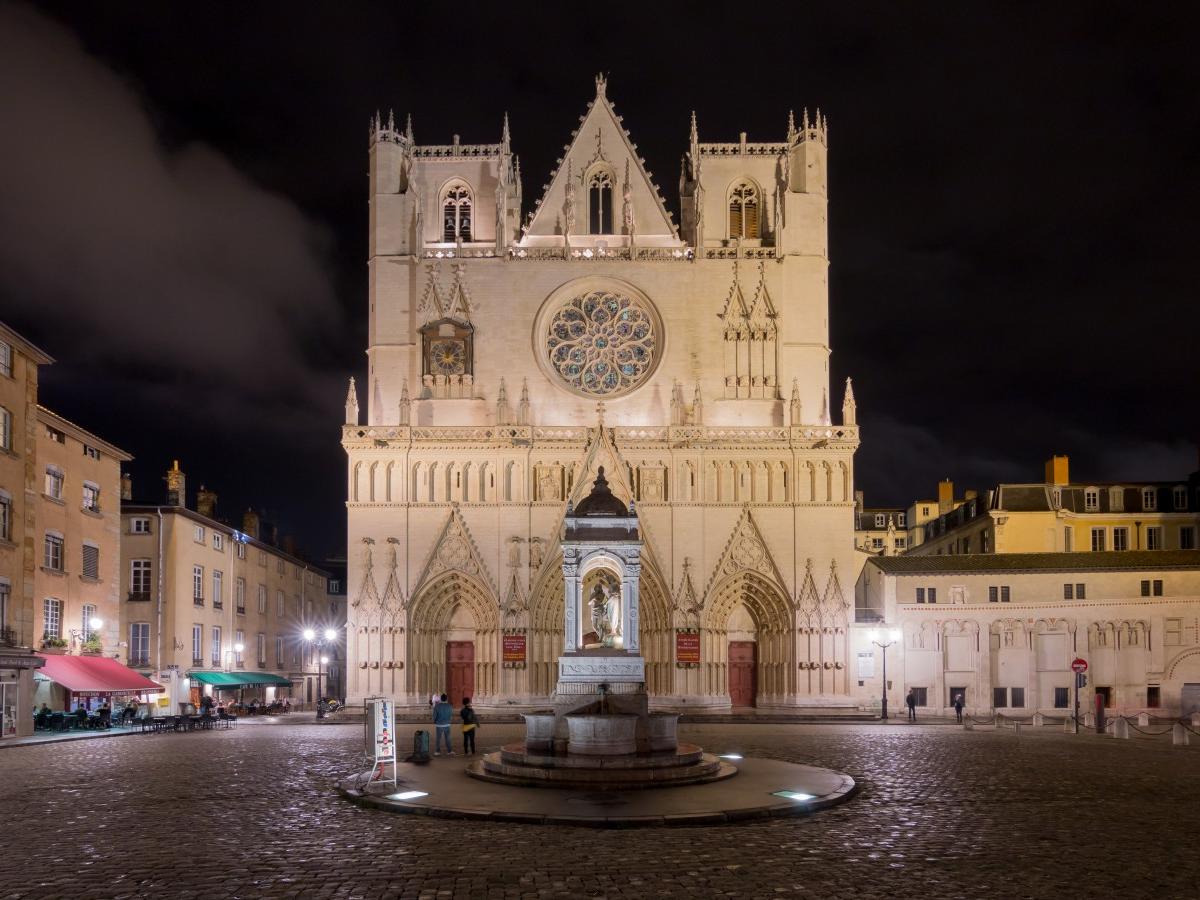
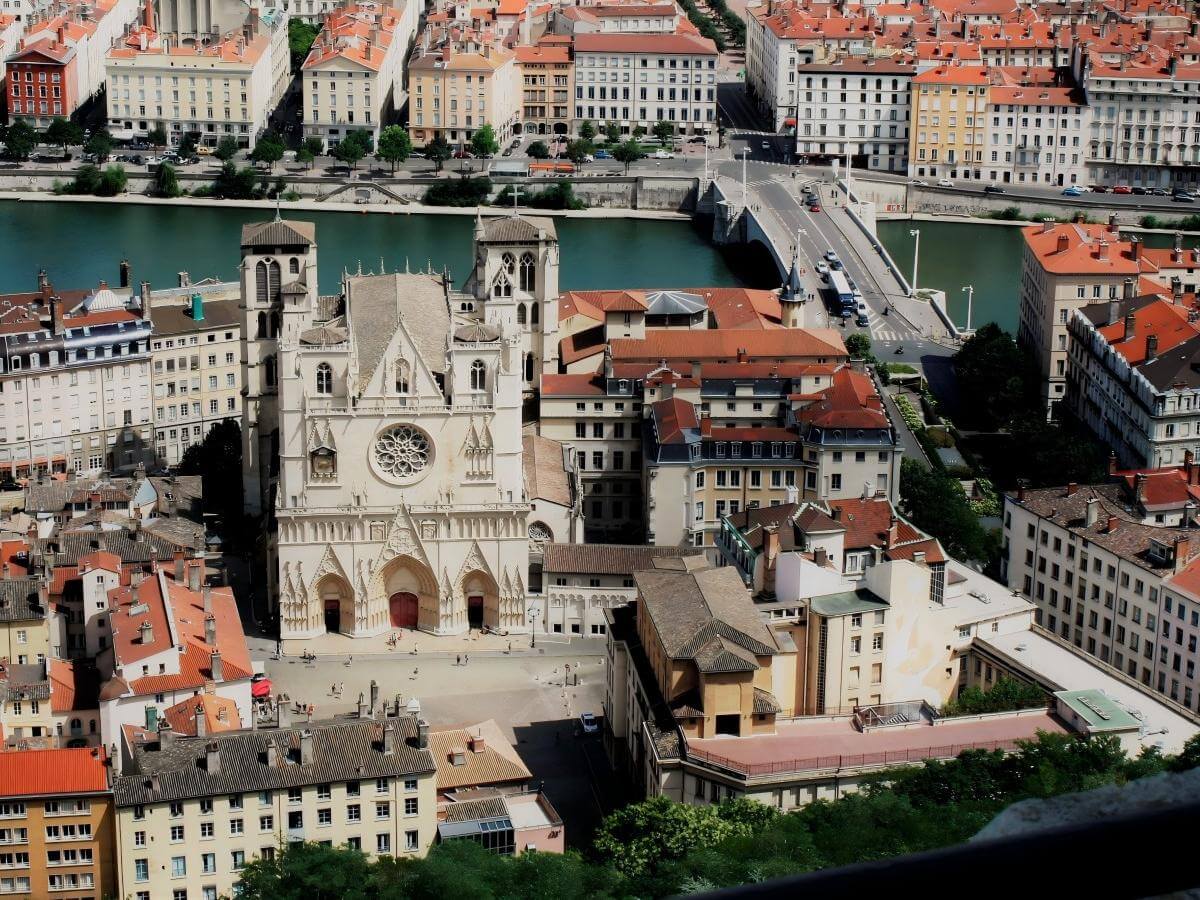
The Cathedral of Lyon is an iconic building of the old City of Lyon, a blend of Gothic and Romanesque styles, which was built in 1160 and took more than 100 years to complete. The facade of the church is made of white marble, and the sun shines brightly with holiness. The exquisite sculptures and decorations vividly tell biblical stories and religious legends, and every detail shows the exquisite craftsmanship of medieval craftsmen.
Advertisement
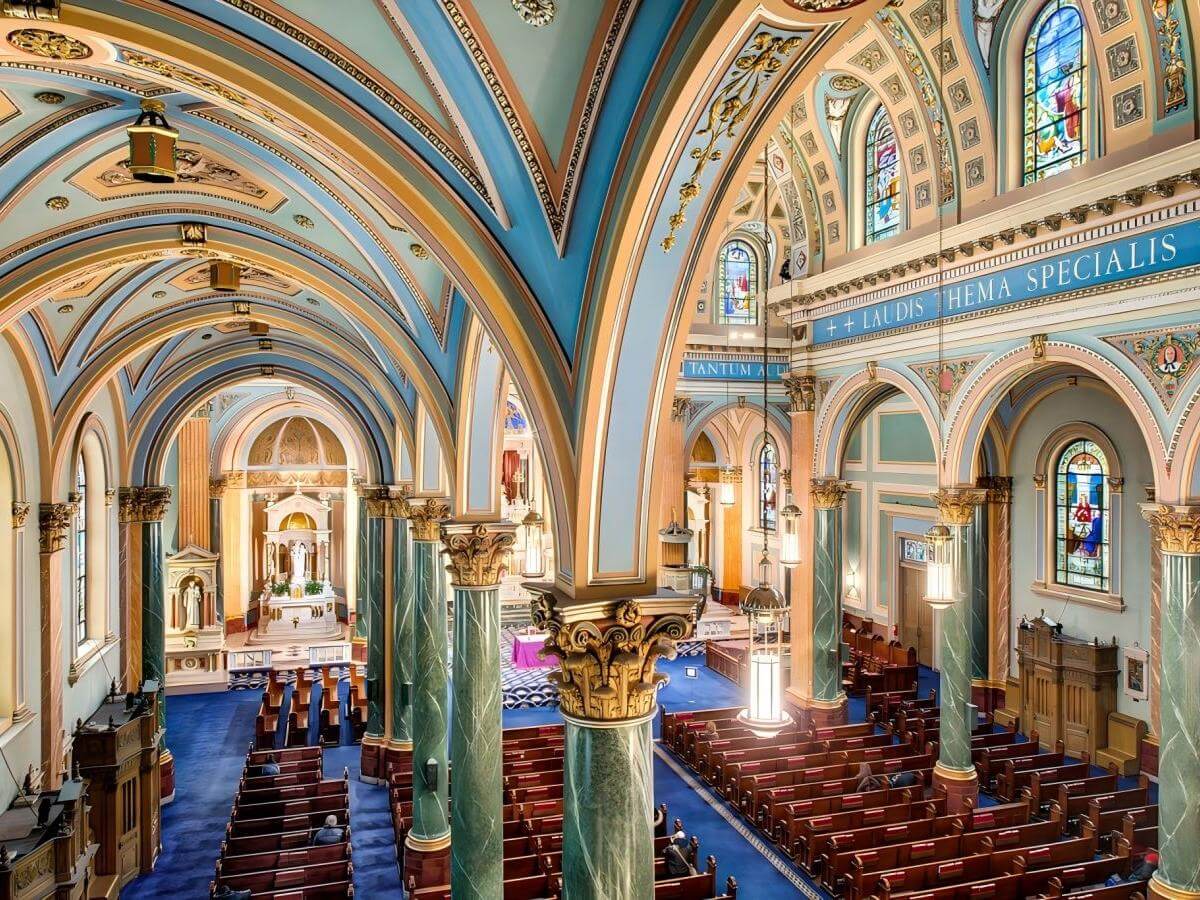
Entering the interior of the church, the sunlight through the stained glass Windows forms a colorful spot of light, creating a dreamlike atmosphere. These glass Windows were created between the 13th and 16th centuries, and different colors symbolize different religious meanings. The vault of the church adopts ribbed arch structure, smooth lines and magnificent momentum. The main altar is dedicated to the statue of the Virgin Mary, and the golden decoration above the altar shines and is solemn. In addition, the astronomical clock in the church is also a highlight. This astronomical clock was built in the 14th century, and every day at 12 noon, the mechanical doll will be turned to pay tribute to the baby Jesus, full of ritual. The museum below the astronomical clock showcases its history and restoration process, giving visitors an insight into the wisdom of ancient craftsmen.
The Chief Court of Saint Jean is located near the Cathedral of Lyon and is an outstanding example of Renaissance architecture. The building is elegant in appearance and beautifully decorated with a large number of classical elements such as colonnades, domes and sculptures. The hall inside the courthouse is spacious and bright, with murals on the ceiling depicting historical scenes and mythological stories in vivid colors. Although it is no longer used as a court, it still retains the layout and decoration of that time, and visitors can feel the artistic atmosphere of the Renaissance here and learn about the political and social development of Lyon during this period.
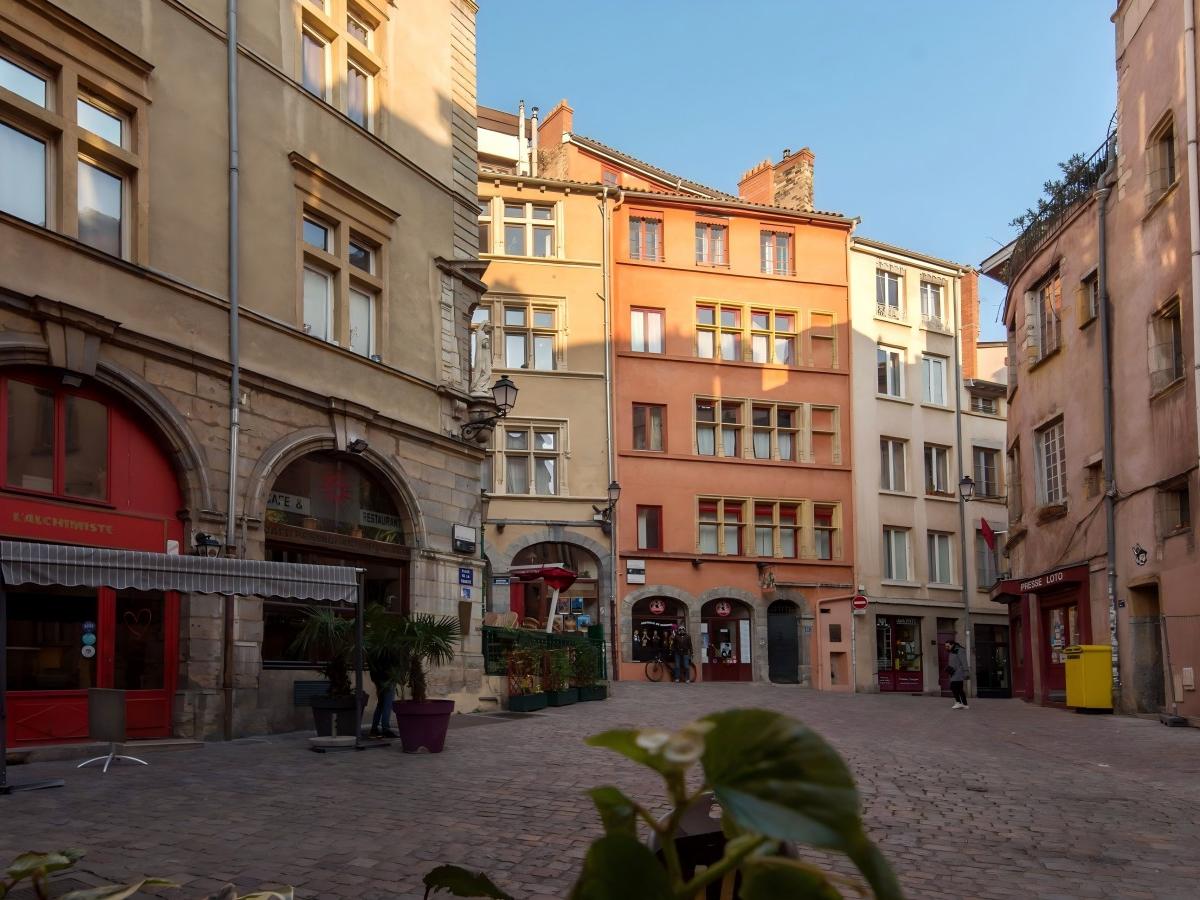
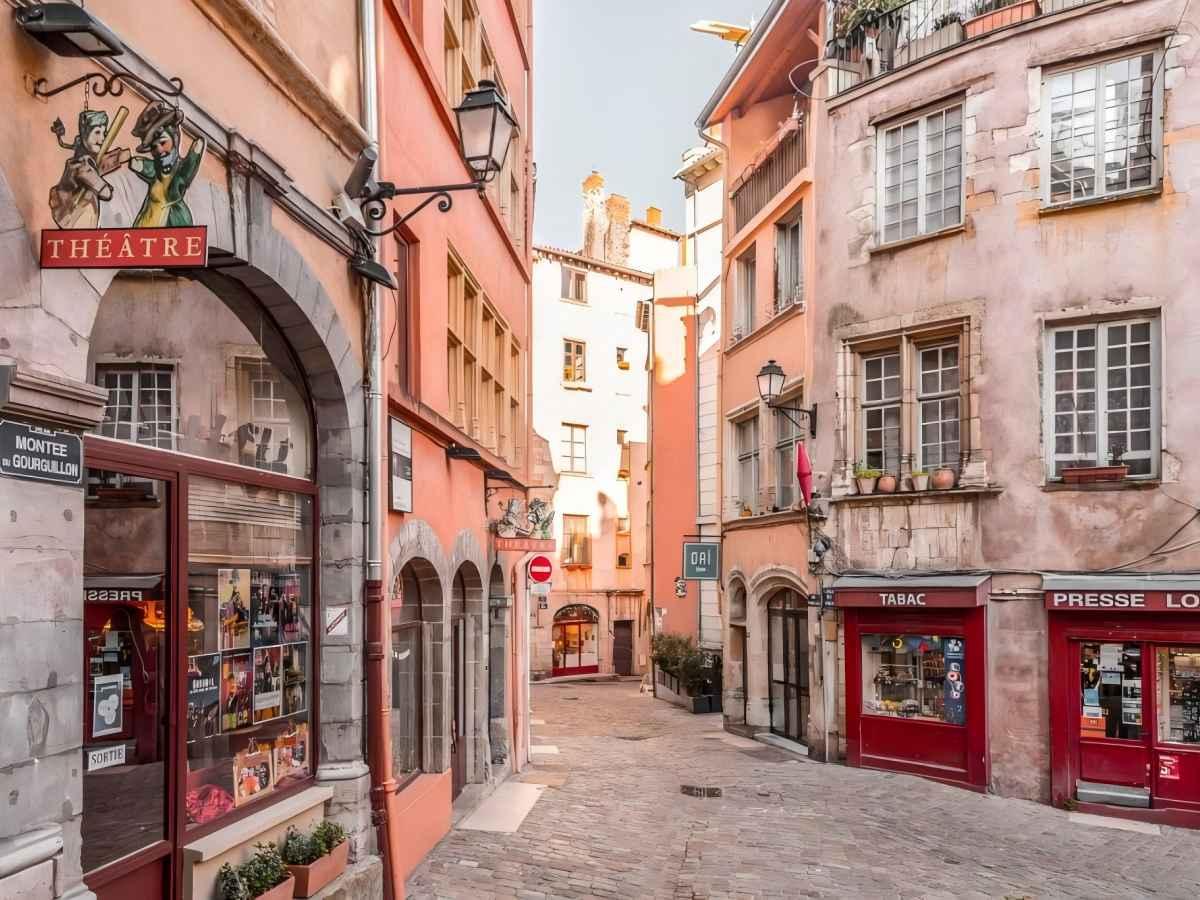
Lyon was once the silk capital of Europe, and the streets of the old city still contain many relics related to the silk trade. Stroll along the narrow streets, flanked by antique buildings, many of which are decorated with exquisite silk patterns and carvings on the exterior walls, as if to tell the prosperity of the silk trade in those years. In some old houses, you can also see traditional silk workshops, where craftsmen still use ancient techniques to make silk products. Visitors can visit the workshop, learn about the silk making process and buy some exquisite silk souvenirs.

While visiting the Old City of Lyon, you must not miss the local cuisine. Lyon is known as the "gastronomic capital of France" and the old town has many traditional restaurants and bistros. Specialty dishes such as Lyon sausage, roast pig's feet and Burgundy escargots are mouth-watering. Enjoy the unique charm of French cuisine with a glass of local wine. In addition, the desserts in the old town can not be missed, macarons, crepes and other desserts taste delicate, sweet and not greasy, adding sweet memories to the trip.
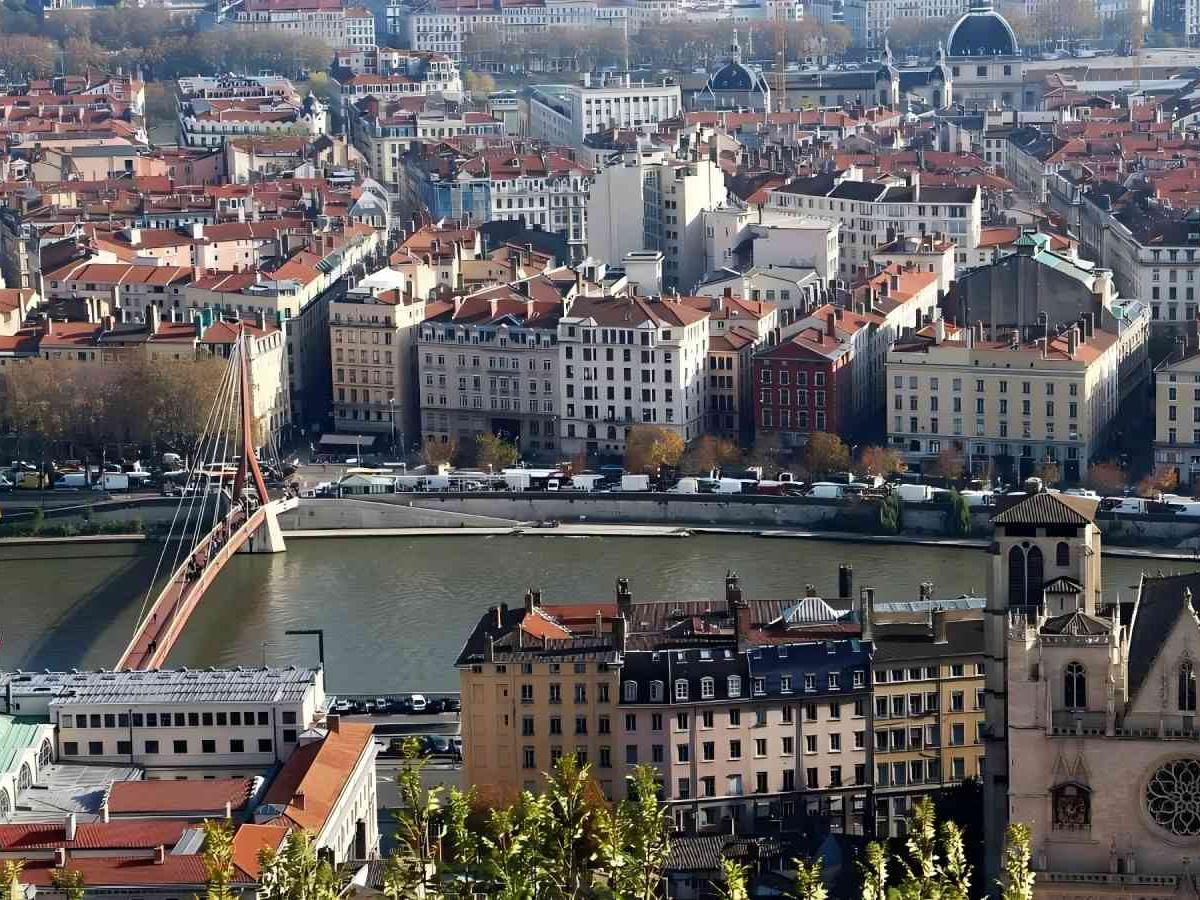
In addition to visiting historical sites and tasting food, there are many activities to choose from around the Old City of Lyon. You can take a walk along the Rhone or the Saone River, enjoy the riverside scenery and feel the romantic atmosphere of Lyon. You can also take a cruise to enjoy Lyon's cityscape from the water.
When it comes to accommodation, Old Lyon has a variety of options. The hotels and homestays in the old town are full of historical charm, and some of the buildings themselves are historical relics, so that visitors can rest at the same time, but also immerse in the atmosphere of history. If you want to enjoy modern facilities, you can choose to stay in a hotel near the old town, which is convenient for easy access to various attractions.
The Old City of Lyon is like an open-air history museum, with every brick and every building carrying the history and culture of France. Here, history and modernity mingle, art and cuisine complement each other. Whether it is history and culture lovers, architectural art fans, or food explorers, they can find their own fun here. Come to the Old City of Lyon and embark on a journey through time to discover the most beautiful historical sites in France and leave an unforgettable memory.