Berlin Wall Memorial: a city divided, a nation torn apart. Imagine walking down a busy street and feeling the pulse of the city beating around you - people chatting, laughing, strolling. On the same street, an invisible force divides everything in two. On one side is a world of freedom and opportunity, on the other a world of control and oppression. This is the reality for Berliners when the Berlin Wall stands tall, bisecting the city and the world. From 1961 to 1989, the Berlin Wall was more than just a physical barrier; it was a symbol of division - a symbol of the Cold War, a symbol of the fierce struggle between two ideologies for hegemony. At the heart of this division stands today a small but powerful monument - a reminder not only of the past but also of the resilience of the people who lived through it.
Advertisement
On the night of August 13, 1961, Berliners awoke to a disturbing sight: a wall had risen overnight, dividing the city into East and West Berlin. Families, friends and colleagues who had once lived freely together were now separated by a concrete barrier. More than just a physical wall, it is a symbol of ideological conflict, as East Berlin, supported by the Soviet Union, and West Berlin, supported by the United States and its allies, represent two opposing political systems. For Berliners, this sudden separation meant uncertainty. Some found themselves on the “wrong” side of the wall, unable to cross to visit loved ones, work, or even enjoy the simple freedoms they once took for granted. For many, the sudden rise of the wall is like a nightmare that will never end. But in the midst of this darkness, a powerful force began to grow: resistance. People do not accept the existence of the wall. They resist in small ways - trying to cross it, protesting, refusing to let it define their lives.The Berlin Wall may be strong, but the will of the people is stronger.
Advertisement
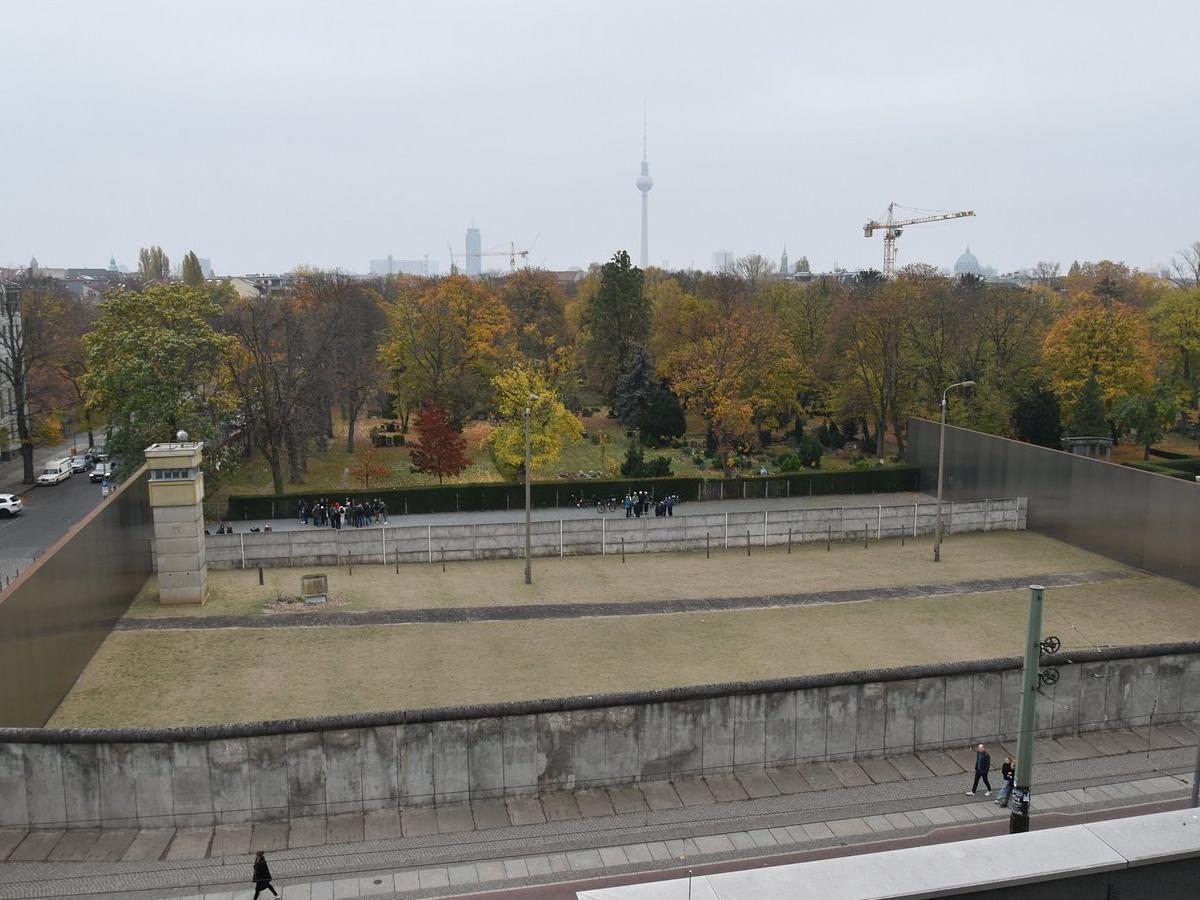
Life behind the Berlin Wall is very different from the West. In East Berlin, freedom was limited under the watchful eye of the East German government. The government tightly controlled every aspect of life - from what you could say, to where you could go, to what you could believe. However, the human spirit is resilient and many East Berliners found a way to escape. Over the years, hundreds tried to escape to the West - some succeeded, others tragically lost their lives. Some used tunnels, others hid in cars, and still others braved the wall, risking being shot by border guards. One of the most famous escape stories is “Tunnel 57.” In 1964, a group of university students dug a tunnel under the Berlin Wall to help 57 people escape from East Berlin to West Berlin. This daring and dangerous act of resistance was just one of countless stories of bravery during the years that the Wall existed. Although many of these stories were not widely known at the time, the memorial now ensures that they will never be forgotten.
Advertisement
The fall of the Berlin Wall on November 9, 1989 was one of the most iconic moments in modern history. But to understand its significance, you have to understand the emotions that followed - the overwhelming joy, disbelief, and sense of liberation that swept through the people of Berlin and beyond.The fall of the Berlin Wall was not the result of a single event; it was the culmination of many years of social, political, and economic pressures in both East and West. The weakening of Soviet control, the rise of reform movements in Eastern Europe, and changes in the global landscape all played a role in the Wall's fall. On that fateful night, when East Germans were told they were free to enter West Berlin, the excitement was palpable. People flocked to the city, chiseling away pieces of the Wall as souvenirs, hugging friends and strangers, and dancing in the streets in celebration. The wall that once separated them was no longer a symbol of oppression, but a monument to freedom.
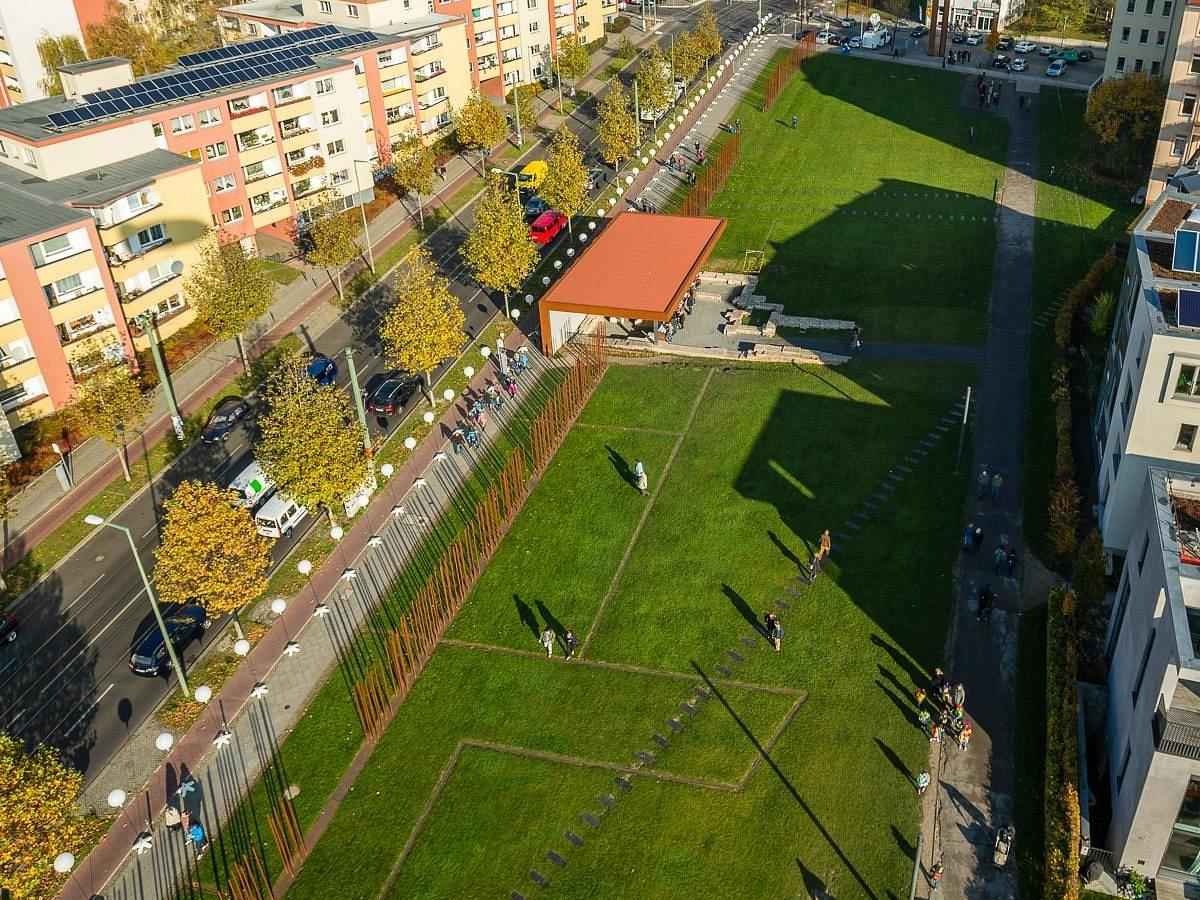
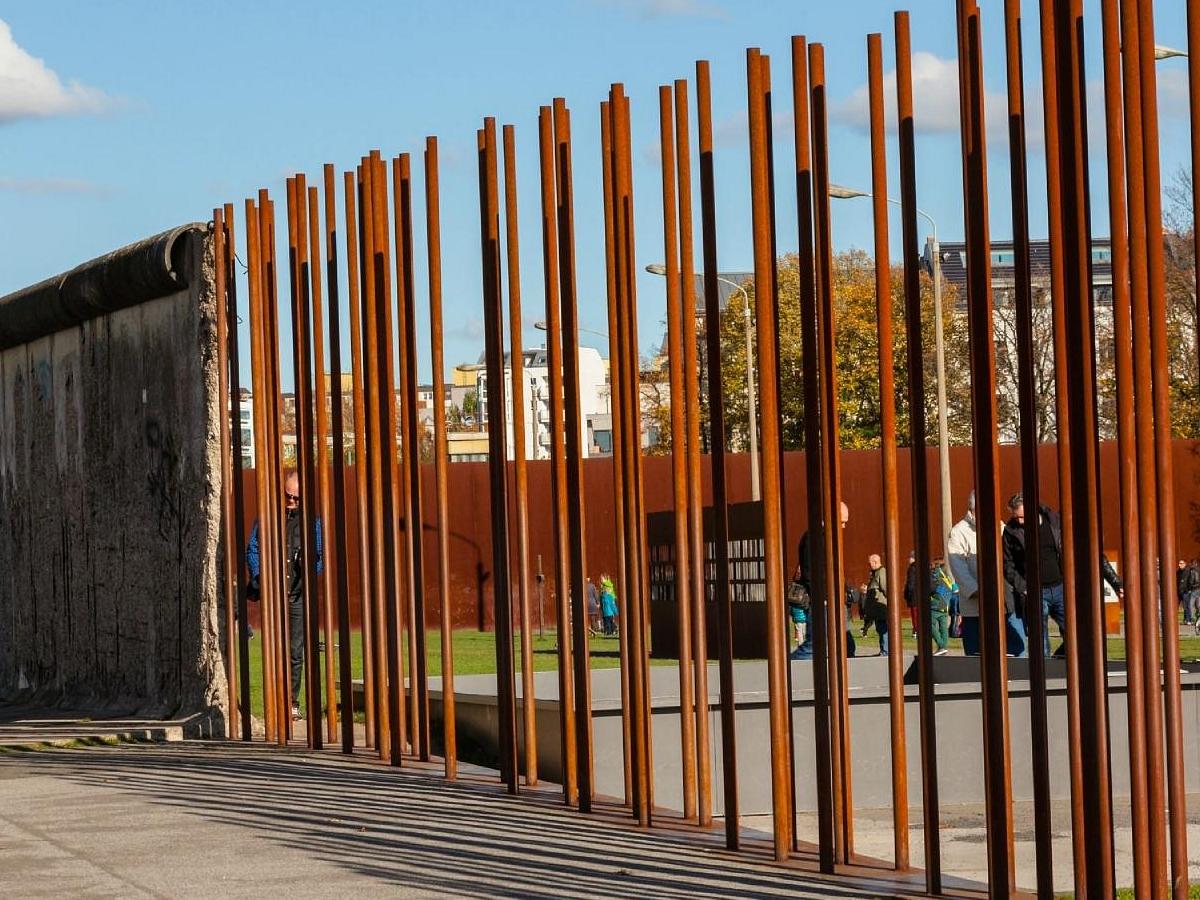
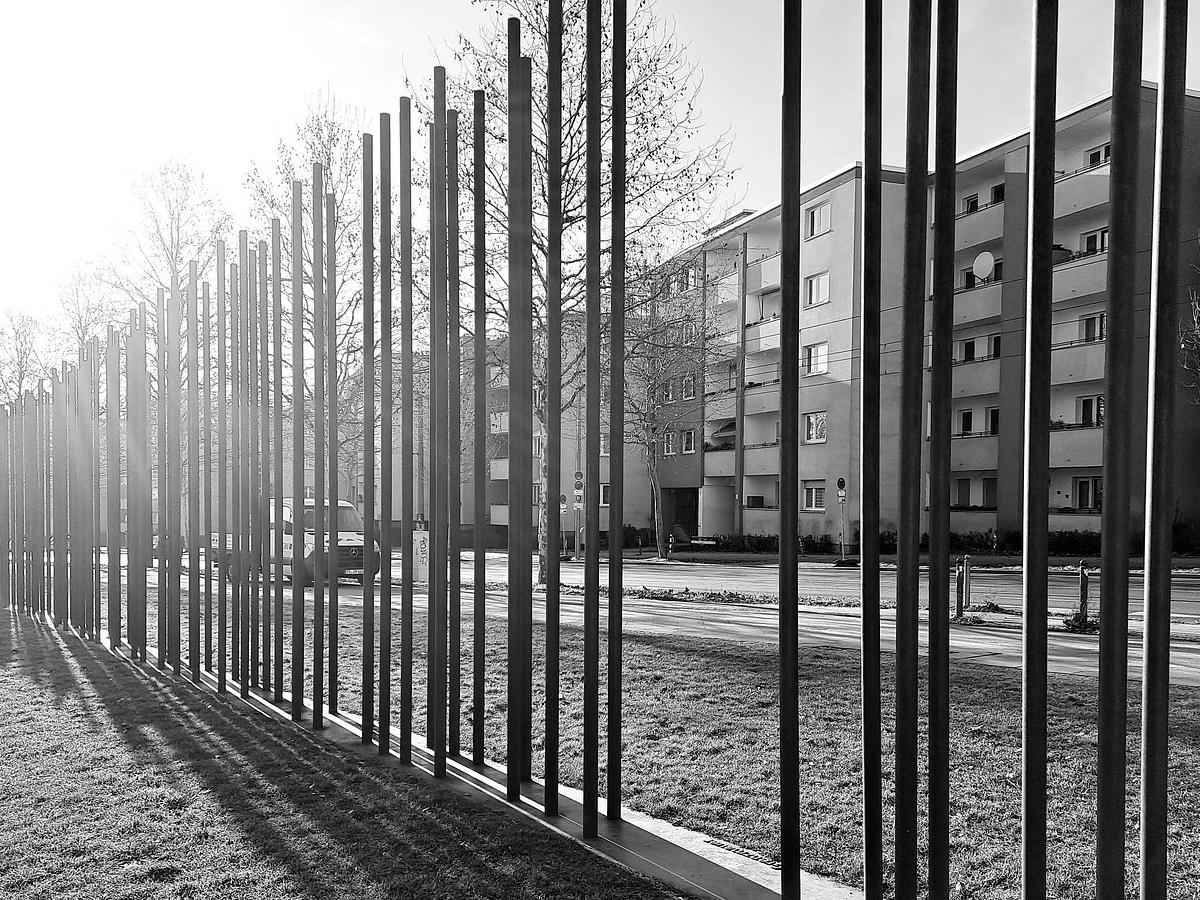
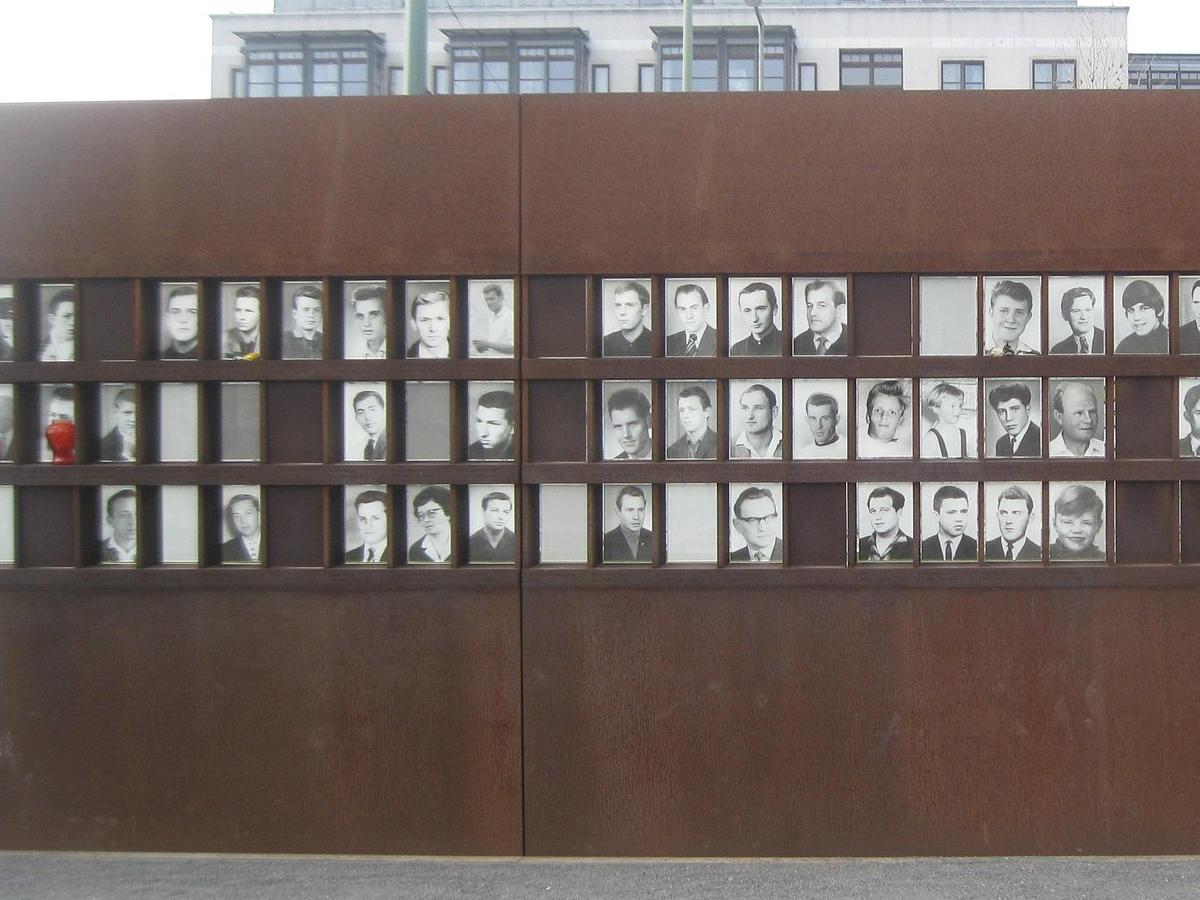
Today, the Berlin Wall Memorial stands as a poignant reminder of those turbulent times. It is located on one of Berlin's most iconic sites, Bernauer Strasse, where the Berlin Wall once ran through the center of the city. What makes the memorial special is not only the remains of the wall itself, but also the story it tells. As you stroll through the Memorial, you'll see sections of the original Wall standing tall and imposing, just as they did back in the day. You can stroll along the preserved 'death strip', the area between the two walls where many of the most dangerous escapes took place. The site also includes a visitor center where you can learn more about the history of the Wall through photos, videos and personal accounts. One of the most striking features of the memorial is the “Window of Remembrance,” a wall that lists the names of the escapees who fled from the East to the West. It is a poignant and moving tribute to the lives lost during the divisive years, and it serves as a reminder that the Berlin Wall was more than just a political barrier; it was a human tragedy.
When you visit the memorial, you see more than just the remains of a wall; you connect with the spirit of a city that endured trials, change and ultimately victory. The Berlin Wall may have come down, but the lessons it taught us about unity, freedom and resilience remain. The Berlin Wall Memorial looks not only backward, but forward. It is a space for reflection, dialog and reconciliation. The story of the Berlin Wall is not only the story of Berlin, but also a global story. The fall of the Berlin Wall was a victory of unity over division.