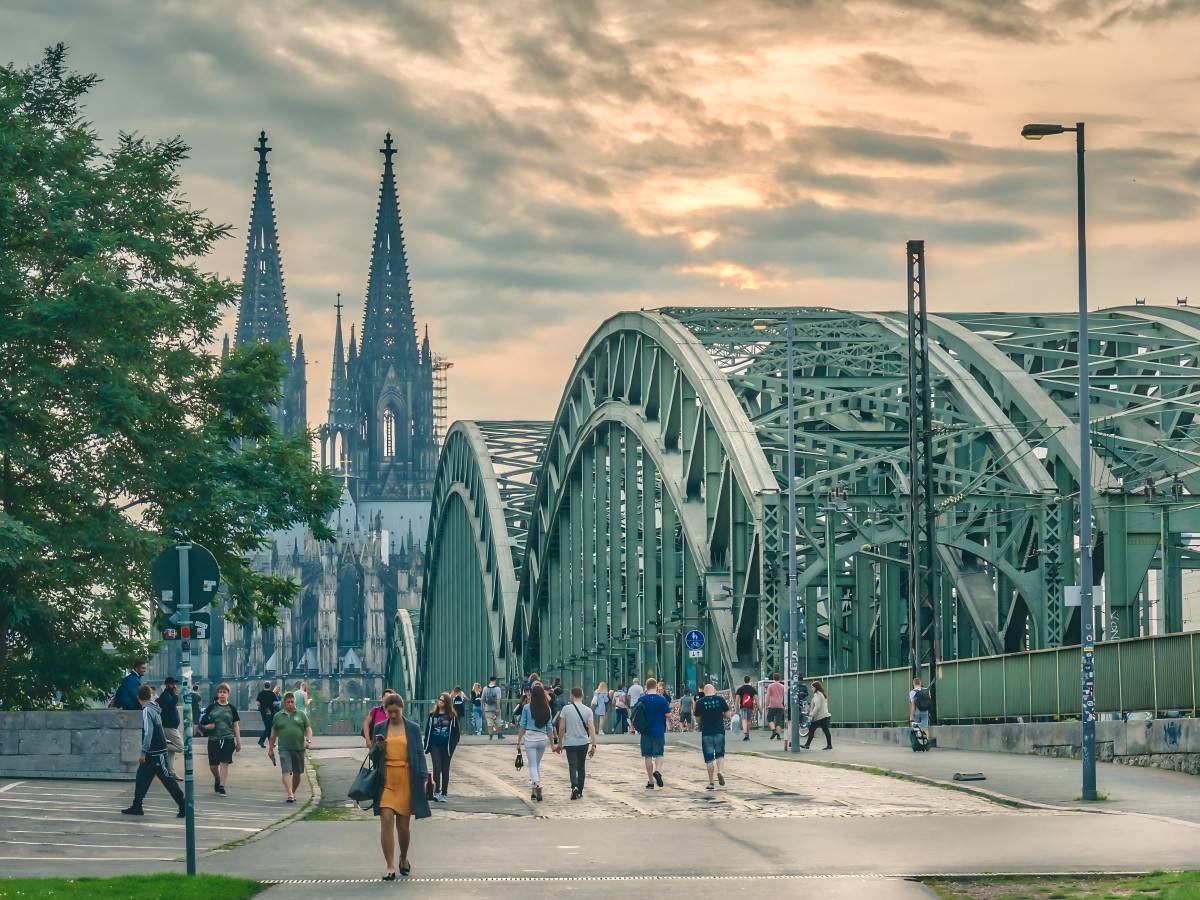
Towering over the vast Rhine River, the Hohenzollern Bridge is one of Cologne's most recognizable landmarks. If you've ever visited this beautiful city, you've probably caught a glimpse of the bridge's towering steel arches and the massive structure that spans the water and connects the two halves of the city. But beyond its physical presence, the Hohenzollern Bridge represents an incredible feat of engineering, a symbol of the city's resilience, and a testament to the ingenuity of its designers. While it's easy to see this iconic bridge and appreciate its beauty, few people truly understand the depth of its history, the technical challenges behind its construction, and the role it plays in modern Cologne. From its original construction to its significance today, the Hohenzollern Bridge is more than just a bridge - it is an engineering marvel, a symbol of human achievement and a piece of history that continues to shape the city of Cologne.
Advertisement
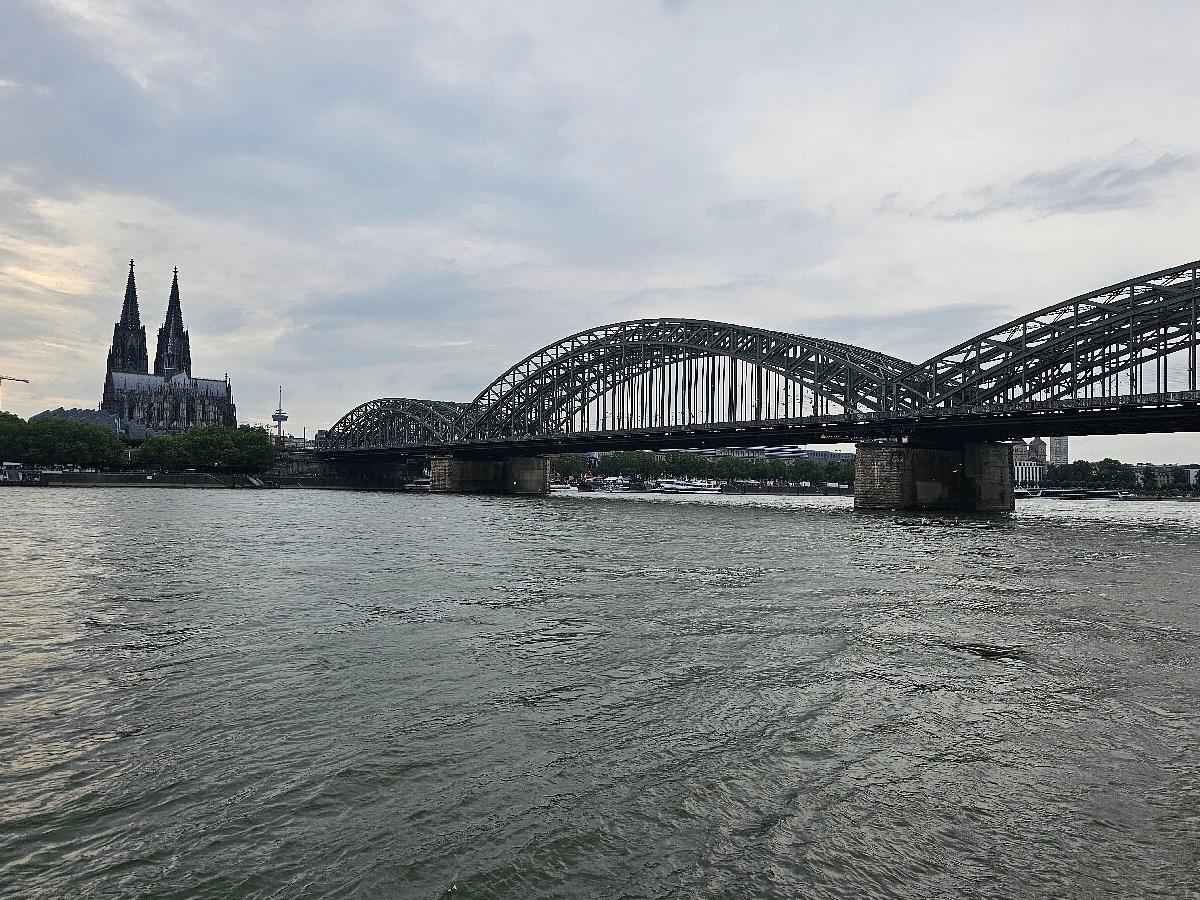
The idea of building a bridge across the Rhine in Cologne is not as new as you might think. In fact, the concept of crossing the Rhine dates back centuries, but it wasn't until the end of the 19th century that the vision of a grand, modern bridge began to take shape. Cologne had long been a bustling center of trade, and the city was growing rapidly, with more people moving in and out every day. This growth in population and commerce required a bridge capable of handling the increasing flow of people and goods, and it was in 1900 that the idea of the Hohenzollern Bridge began to really take off. Under the leadership of the local government, the city of Cologne sought to replace an older, less efficient bridge with a new, more modern structure. The goal was to build a bridge that would not only ease traffic, but also serve as a symbol of Cologne's forward-thinking approach to growth and development. But, as you can imagine, building such a magnificent structure over a large river is no easy task. The Rhine is wide and its currents are unpredictable. The bridge needed to be strong enough to withstand the natural forces of the river and the increasing weight of modern transportation, especially trains.
Advertisement
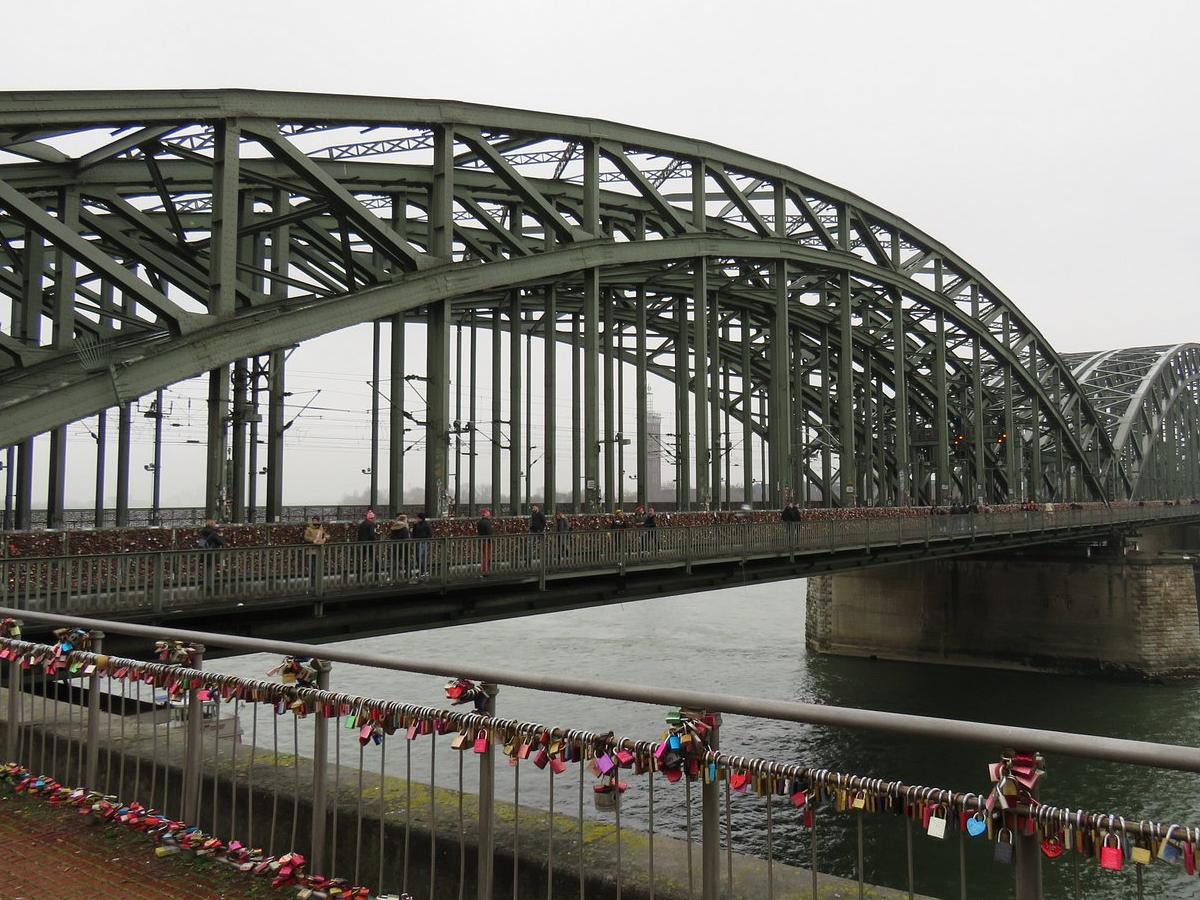
Building a bridge over the Rhine is no easy task. The width and flow of the river posed major engineering challenges that required careful planning and innovation. At the time, the Hohenzollern Bridge was considered one of the most ambitious civil engineering projects in Germany. The first challenge facing engineers was how to build such a massive structure in the middle of a busy, fast-flowing river. In the late 19th and early 20th centuries, large-scale construction projects across rivers were not as common as they are today, and the technology available for such tasks was very limited. Engineers had to devise a way to anchor the piers in the riverbed so that they would remain stable even during high water flows. One of the innovative solutions engineers came up with was the use of floating cranes. These large machines are capable of lifting and placing large chunks of rebar and concrete, allowing workers to build the piers directly in the river. The whole process was not a smooth one, and at times, the workers even had to deal with the unpredictable currents of the Rhine. Another major challenge was the design of the bridge itself. The engineers wanted to build a bridge that could accommodate both rail and road traffic, and it had to be strong enough to support the heavy trains that would be passing through. To accomplish this, they used a steel arch design that was considered state-of-the-art at the time. This design not only made the bridge structurally strong, but also elegant and smooth in appearance.
Advertisement
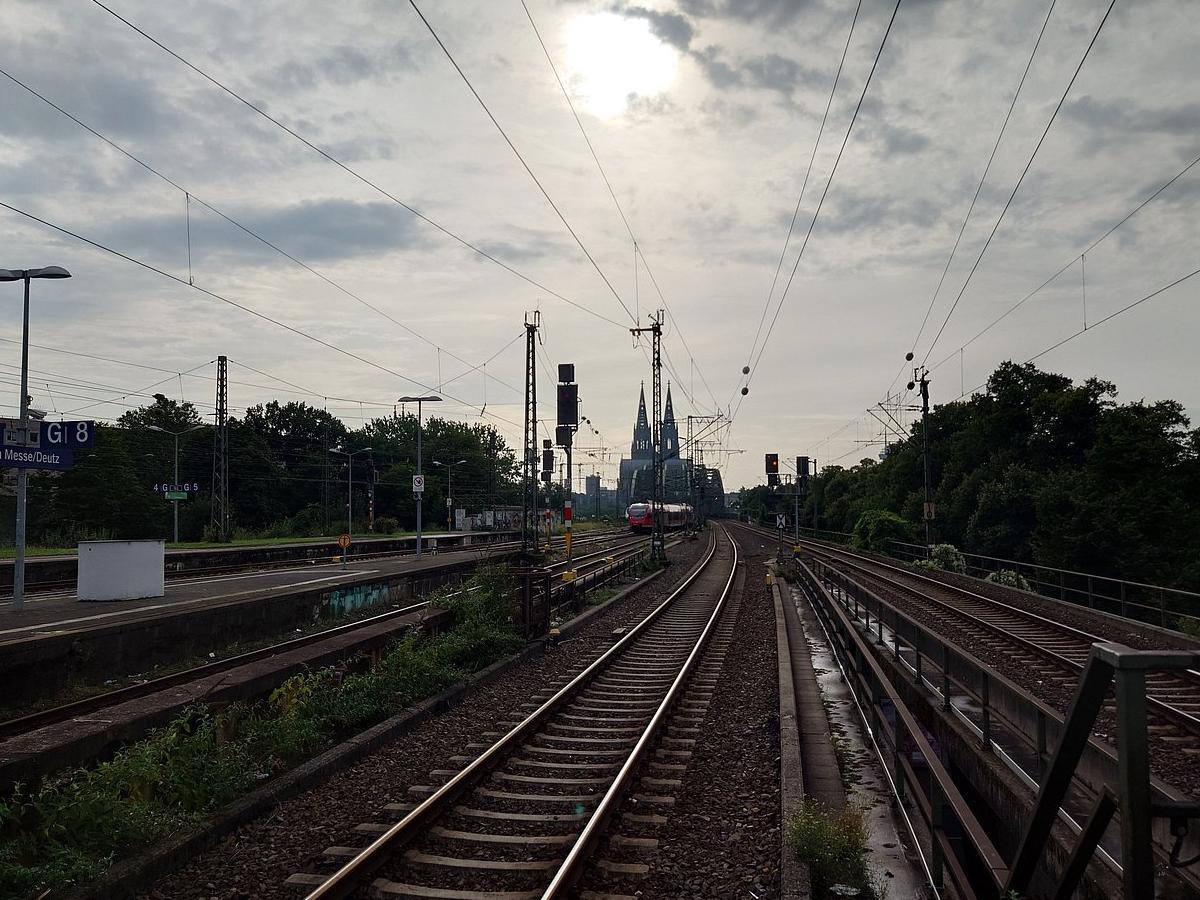
Like many iconic structures, the Hohenzollern Bridge has seen its fair share of history, including tumultuous times that tested its strength and resilience. Only a few decades after it was built, the bridge became a target during the Second World War. The strategic importance of the Hohenzollern Bridge meant that it was a prime target for air raids, and in 1945 it was heavily damaged in Allied bombing raids. At the time, the bridge was vital for the mobilization of military forces, and its destruction severely affected the city's transportation system. However, the story of the Hohenzollern Bridge did not end with its destruction. In fact, its resilience became a defining characteristic. After the war, the people of Cologne rallied to rebuild the bridge and restore it to its former glory. The reconstruction symbolized the city's determination to rise from the ashes and move on even after it had suffered great losses. Today, the Hohenzollern Bridge is a symbol of Cologne's strength and ability to overcome adversity. The post-war restoration and rehabilitation is a testament to the dedication of those who worked tirelessly to restore the bridge.
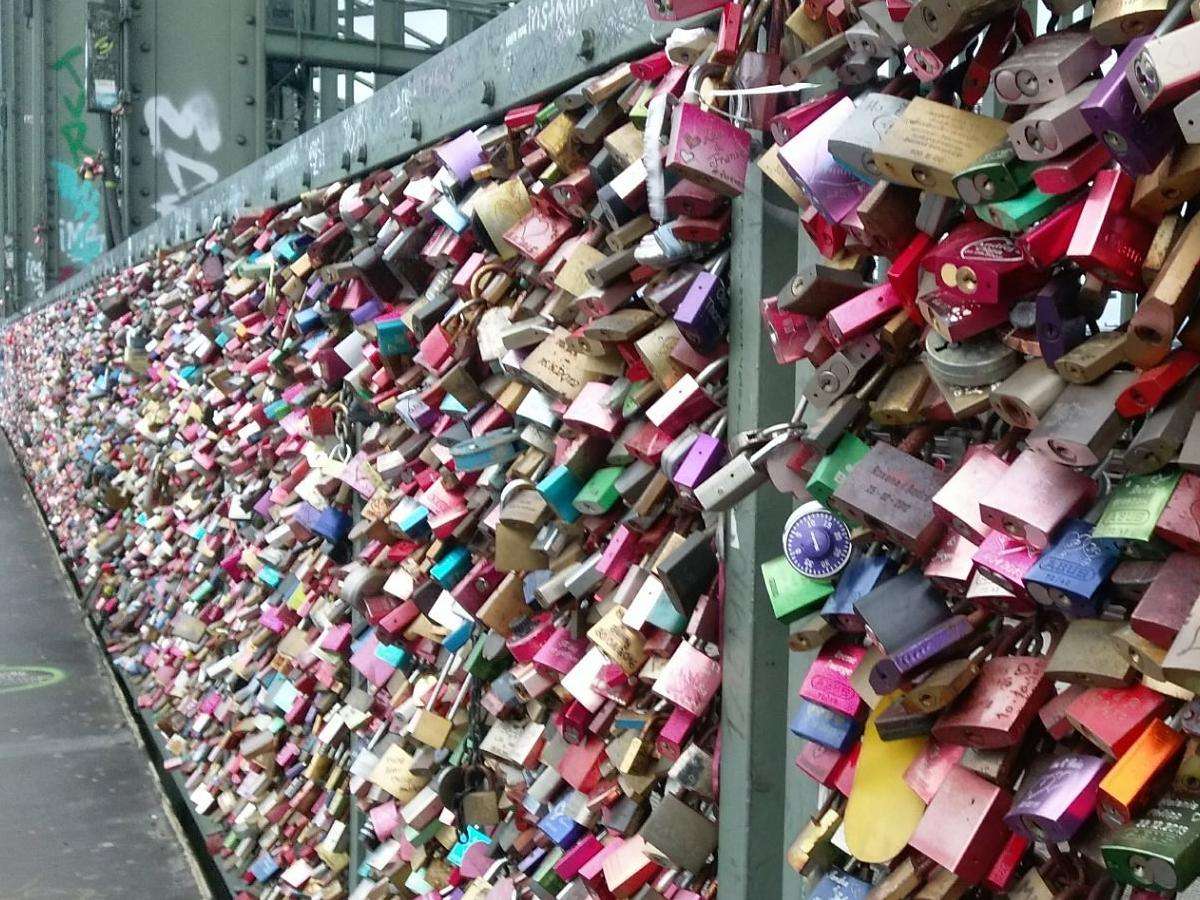
Fast-forward to today and the Hohenzollern Bridge is still an important link in the city's transportation network. It is one of the busiest railroad bridges in Europe, with more than 1,200 trains passing over it every day. These trains carry passengers, goods and materials essential to everyday life in Cologne and the wider region. But beyond its function as a transportation hub, the Hohenzollern Bridge has become one of Cologne's most beloved landmarks. The bridge holds a special place in the hearts of locals and tourists alike, and it is impossible to visit the city without marveling at its beauty and significance. Today, one of the most fascinating features of the Hohenzollern Bridge is the thousands of love locks that adorn its railings. Couples from all over the world come to the bridge, hang the locks on the fence and throw the key into the Rhine as a symbol of their eternal love. This tradition has made the bridge a romantic destination for many, especially when the sun sets over the Rhine and the golden rays of light fall on the hundreds of locks, making for a breathtaking view.
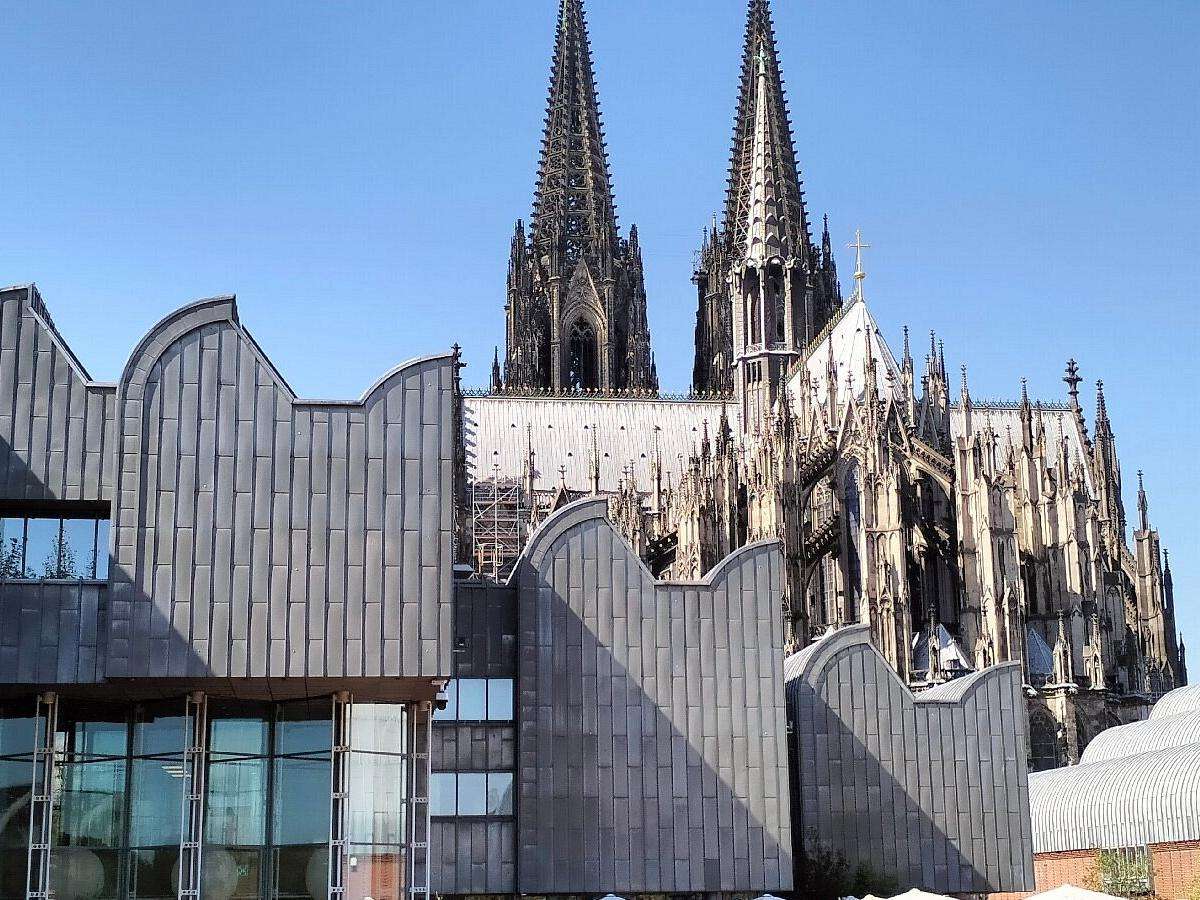
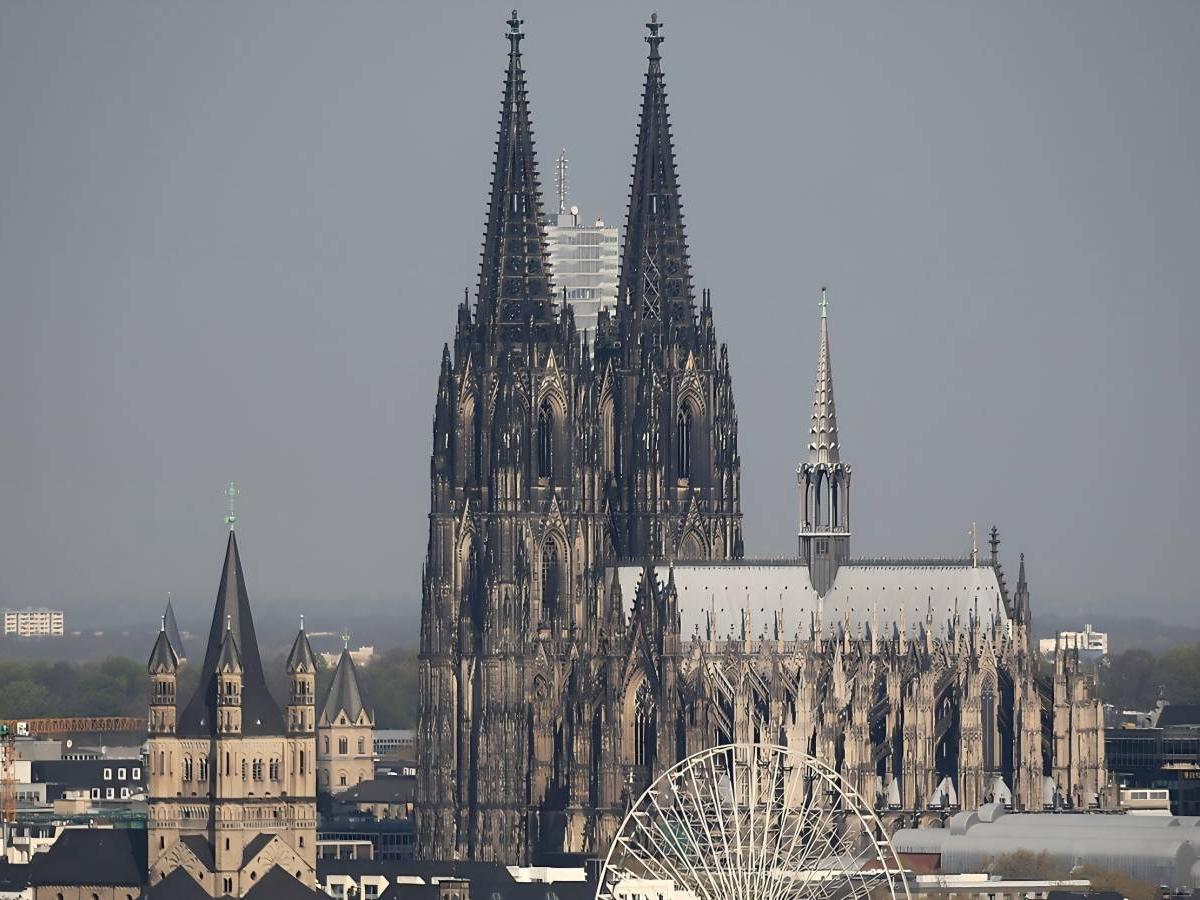
The Hohenzollern Bridge also offers one of the best views of the Cologne skyline. From the bridge you can see the famous Cologne Cathedral, one of the largest and most impressive Gothic cathedrals in Europe. The view from the bridge is especially breathtaking at sunset, when the sky above the Rhine turns into a canvas of orange and pink, and the lights of the city begin to twinkle in the distance. Whether you come to enjoy the view, take photos or simply walk from one side of the river to the other, the Hohenzollern Bridge offers a unique perspective on the city. It is a reminder of the city's rich history, its resilience in the face of adversity and its drive for innovation and growth.