Golden light pours through its grand arched windows, reflecting dazzlingly off the cobblestoned plaza of Dresden Theater Square. As you approach, a hum of anticipation fills the air - elegant guests in tuxedos and gowns whisper excitedly, the scent of fresh flowers wafts from the foyer, and in the distance the sound of an orchestra warming up the stage heralds what will be an unforgettable evening. This is the Semperoper, one of the world's most prestigious opera houses, which has seen emperors, kings and some of history's greatest composers walk through its doors. But the Semperoper is more than just a magnificent building; it is a symbol of resilience, a temple of artistic excellence, and a living stage on which history is played out scene by scene.
Advertisement
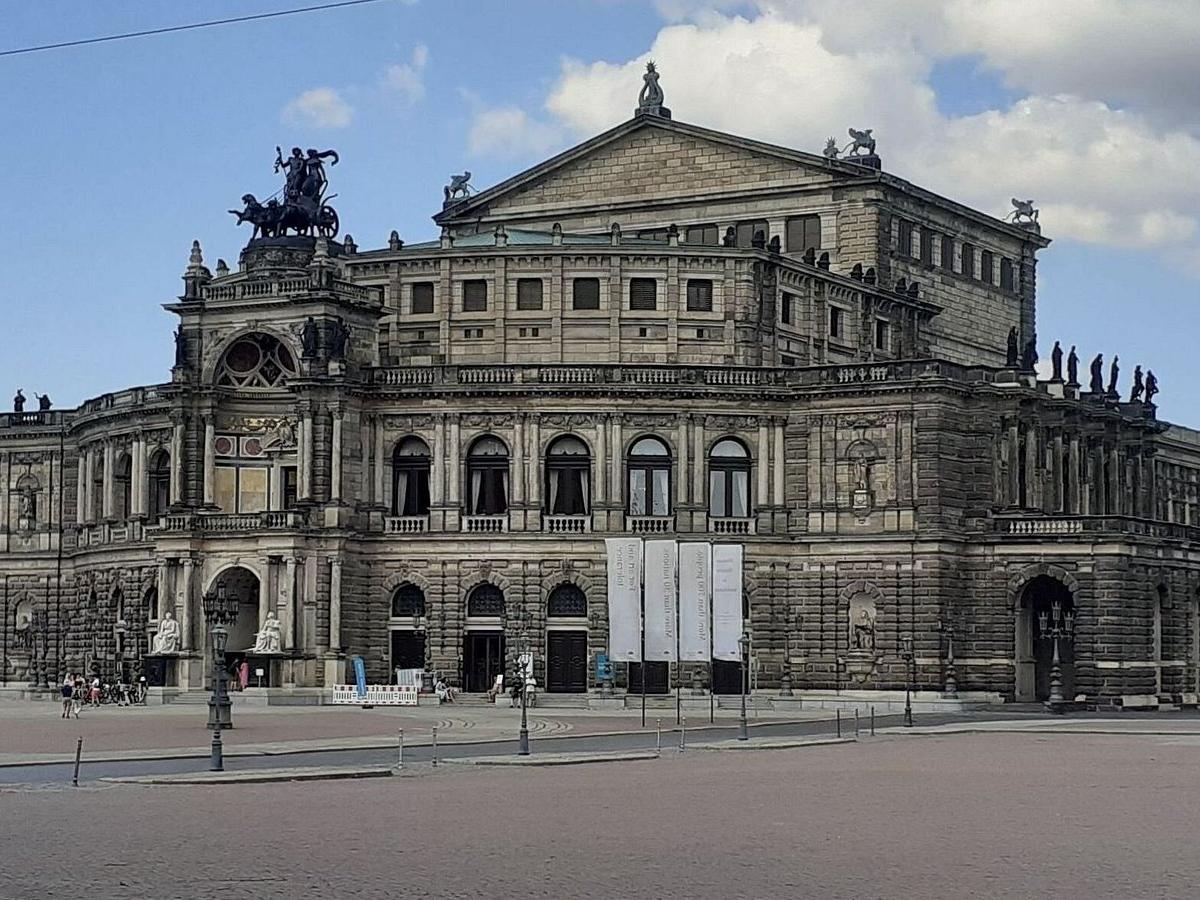
In 1841, Dresden's art scene was booming. The city needed an opera house to match its growing reputation as a cultural center, and the task of designing it fell to one man, Gottfried Semper, an architectural genius who would leave an indelible mark on Dresden. Semperoper's vision was grand and elegant, blending Renaissance and Baroque styles to make the building resemble both a palace and a performance hall. When the Semperoper finally opened, it was an immediate sensation. The acoustics are impeccable, the décor is breathtaking, and the performances -- oh, the performances! -- was like nothing the audience had ever seen before.
Advertisement
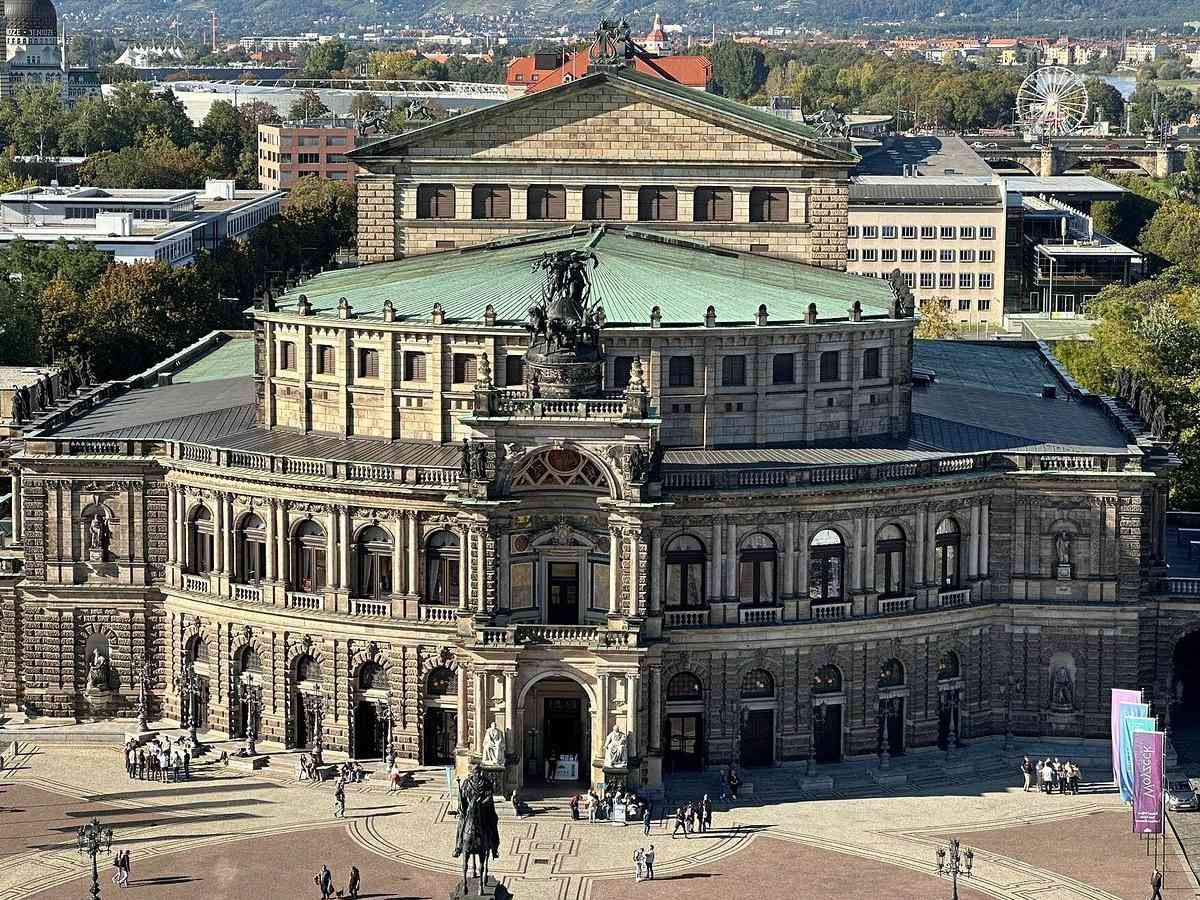
In 1869, only 28 years after its grand opening, the Semperoper was destroyed by fire, reducing the elegant hall that once echoed with music and applause to ashes. The loss deeply traumatized Dresden, but the people refused to let their beloved opera house fade into history. With remarkable determination the city turned again to Gottfried Semper. Although he was in exile at the time, he provided designs for an even grander new opera house. His son, Manfred Semperoper, supervised the construction, and in 1878 the new Semperoper was transformed into a new, grander, more ornate and elegant building, one of the most beautiful opera houses in Europe. But history did not end the test of the resilience of this great theater.
Advertisement
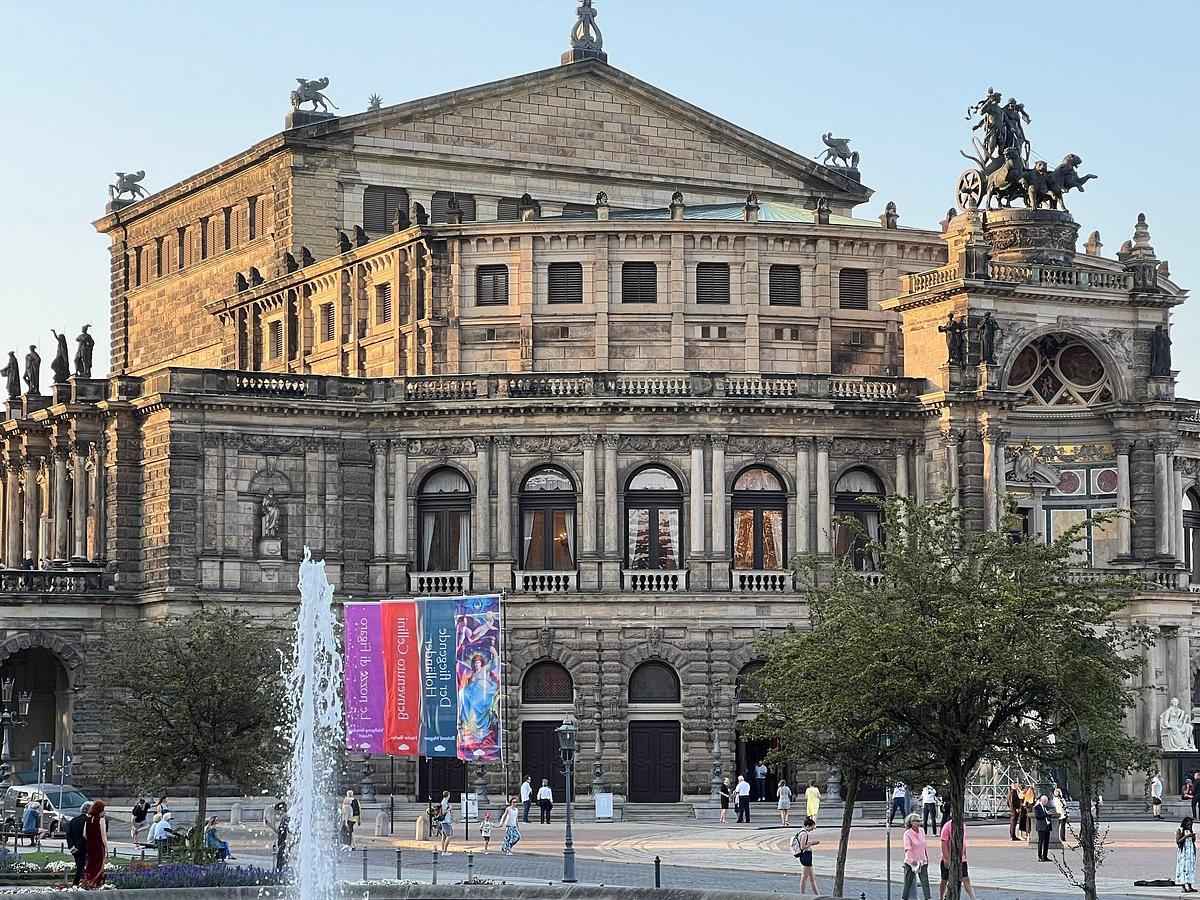
On the night of February 13, 1945, Dresden was engulfed in flames. The infamous Allied bombing that reduced much of the city to rubble also destroyed Semperoper.For decades, blackened ruins stood as a reminder of what was lost. Many thought Semperoper was gone forever. But the Dresden people refused to accept defeat. Using original blueprints and historic photographs, they rebuilt the Opera House brick by brick. After 40 years of patience, dedication and love of the arts, the Semperoper triumphantly reopened in 1985, exactly 40 years after its destruction. Today, it is not just a theater, but a symbol of Dresden's resilience - it has survived battles, wars and time, yet still shines as one of the world's greatest opera houses.
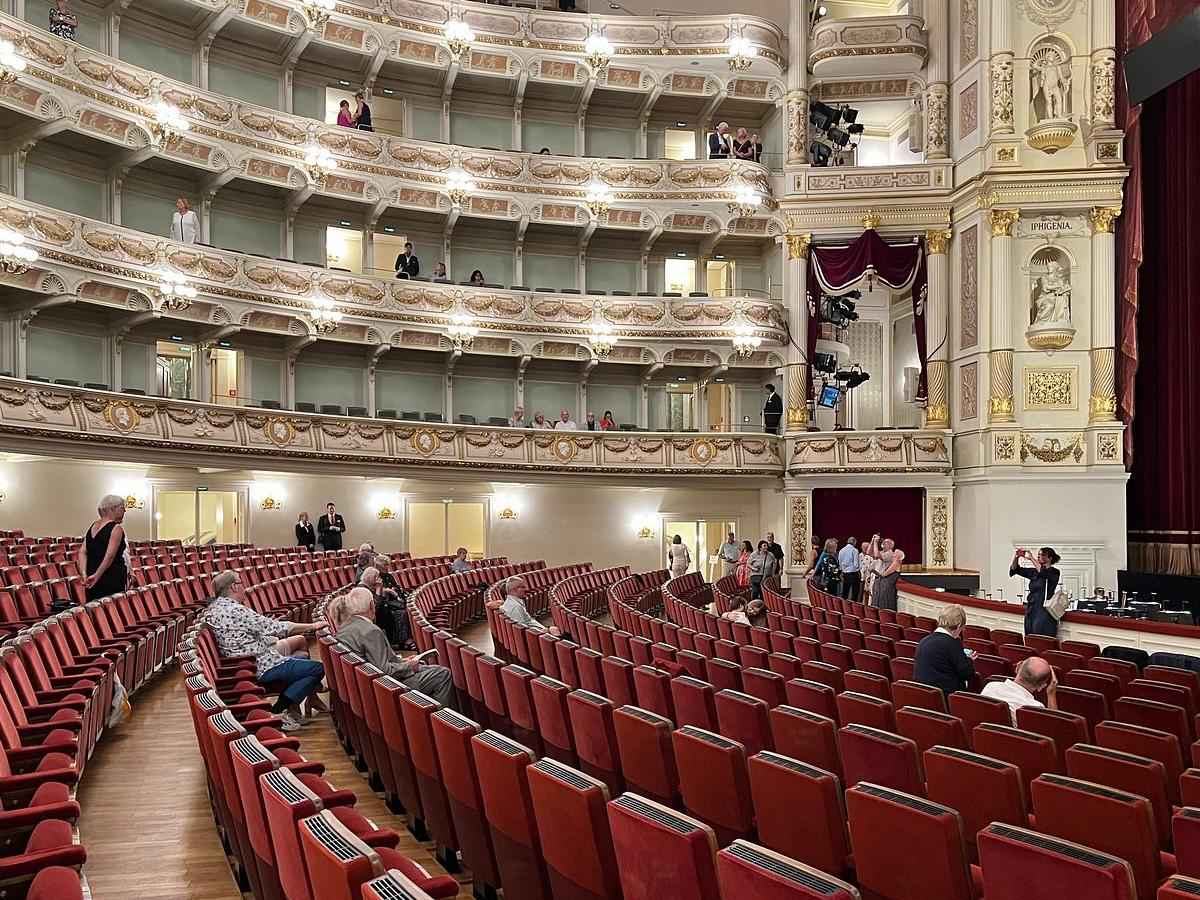
Throughout its history, the Semperoper has played host to some of the world's most legendary composers, conductors and performers. It has been the birthplace of several operatic masterpieces, the stage for world-class ballets, and the venue for breathtaking performances. If there is one name that is inextricably linked to the Semperoper tradition, it is Richard Wagner. The legendary composer was court conductor at Dresden, where his most famous operas were premiered, and the Semperoper was also the beloved stage of one of Germany's greatest composers, Richard Strauss. His operas Salome and Elektra found a home here, with bold storylines and dramatic music that pushed the boundaries of classical opera. In addition to opera, Semperoper is a beacon for ballet lovers, and the Semperoper Ballet dazzles audiences with performances ranging from classics such as Swan Lake to contemporary dance interpretations that redefine the art form.
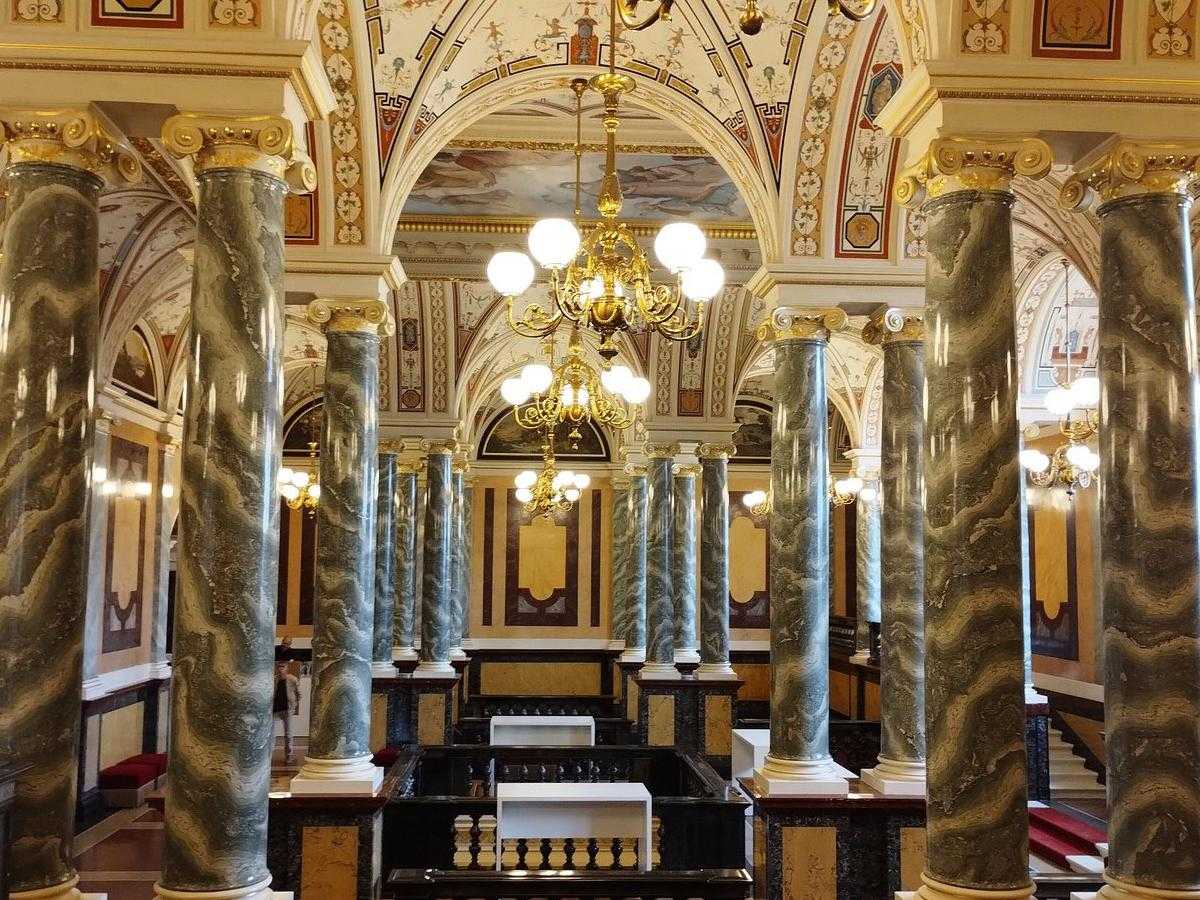
Walking into Semperoper is like walking into a palace. From the grand marble staircase to the golden chandeliers, every detail exudes elegance. The paintings on the ceiling depict scenes from Greek mythology, giving the impression of entering a place where gods and mortals alike would be mesmerized. Watching a show at the Semperoper is an experience like no other. The acoustics here are perfect and every note soars through the hall. Whether you are watching a dramatic opera, a breathtaking ballet or a symphonic concert, you will be transported into a world where music and storytelling blend seamlessly. For those who wish to go beyond the audience experience, Semper Opera offers guided tours where you can explore backstage, visit the dressing rooms, and even step onto the legendary stage where history was made.
More than just an opera house, the Semperoper is a living testament to the power of art, the resilience of culture and the timeless appeal of performance. It has survived fires, wars, destruction and reconstruction, yet each new season proves that music, theater and beauty are timeless. Whether you come to enjoy a grand opera, a compelling ballet, or simply marvel at the splendor of its architecture, the Semperoper offers a timeless experience. When you next visit Dresden, step into the past, embrace the present, and let the music of Semperoper Opera House transport you to a world of legends, dreams, and sheer artistic wonder.