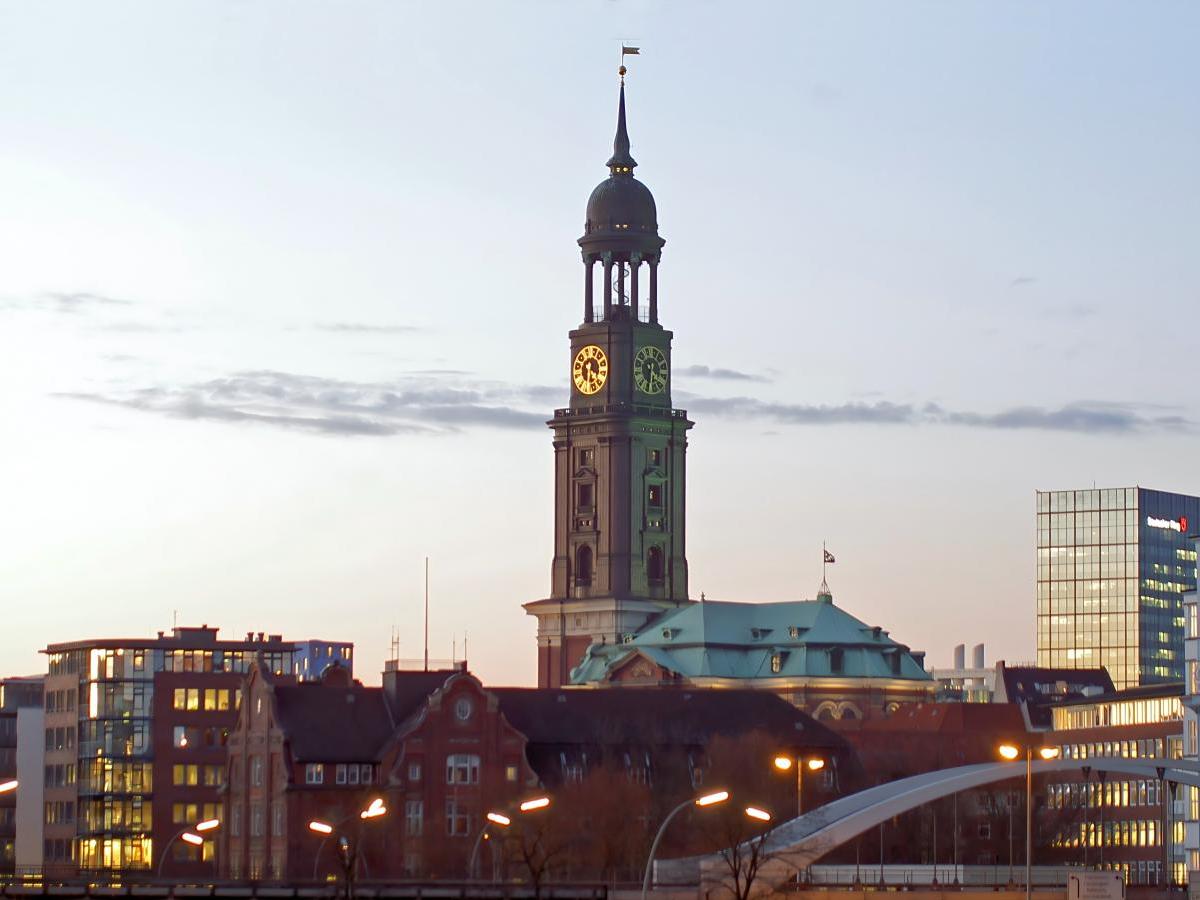
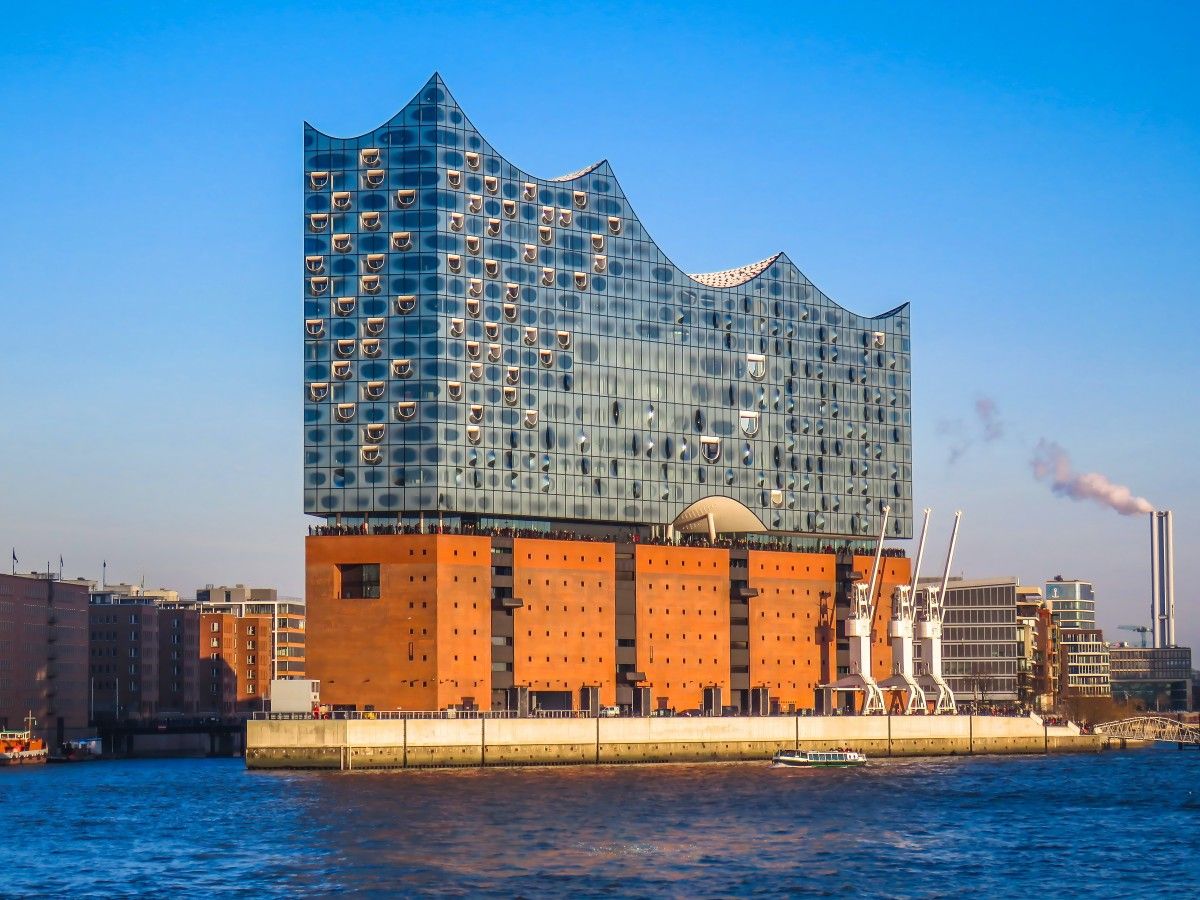
A modern masterpiece in the heart of Hamburg, it's hard to miss the Elbphilharmonie, a dazzling white architectural jewel that towers over the Hamburg skyline, where the Elbe meets the bustling harbor. More than just a concert hall, it is an icon of modern architecture, a cultural landmark, an architectural dream come true. From the moment you see it, you can't help but feel in awe of this stunning building, as if it were floating above the city. Often affectionately referred to by locals as “Elfi”, the Elbphilharmonie is a masterpiece of cutting-edge design combined with the rich history of Hamburg's waterfront. Let's take an in-depth look at the architectural design and innovation of the Elbphilharmonie, revealing the inspirations and challenges that went into creating this symphonic marvel.
Advertisement
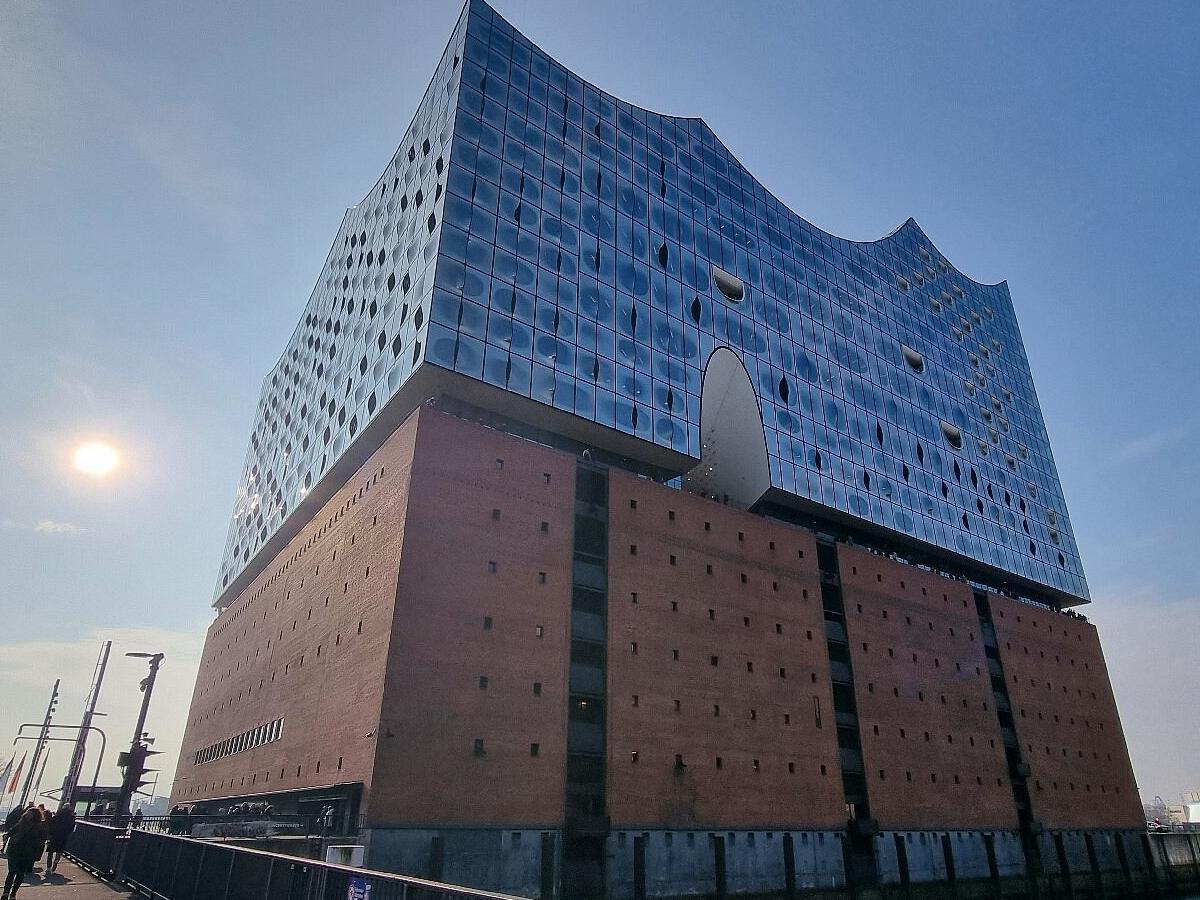
Before Elbphilharmonie was born, “Kaispeicher A” was a large warehouse built in 1963. Situated on the banks of the Elbe River, the building was originally designed to handle goods coming in and out of Hamburg's busy harbor. Over time, however, it became clear that the historic building could no longer meet the city's needs, and in 2001 a bold idea was born: to convert Kaispeicher A into a world-class concert hall. This was not just about repurposing a warehouse, but about creating a cultural center that would establish Hamburg as a hub for music and the arts. The project's planners wanted the new concert hall to reflect Hamburg's modern spirit while paying homage to the city's maritime history. The plan was simple in theory, but complex in execution: blending the old with the new. This meant retaining the sturdy, industrial-style building base used in the original design, while adding a new, futuristic structure on top to house the concert hall. Can modern architecture really coexist with old, and can architectural design enhance the acoustics of a world-class concert hall?
Advertisement
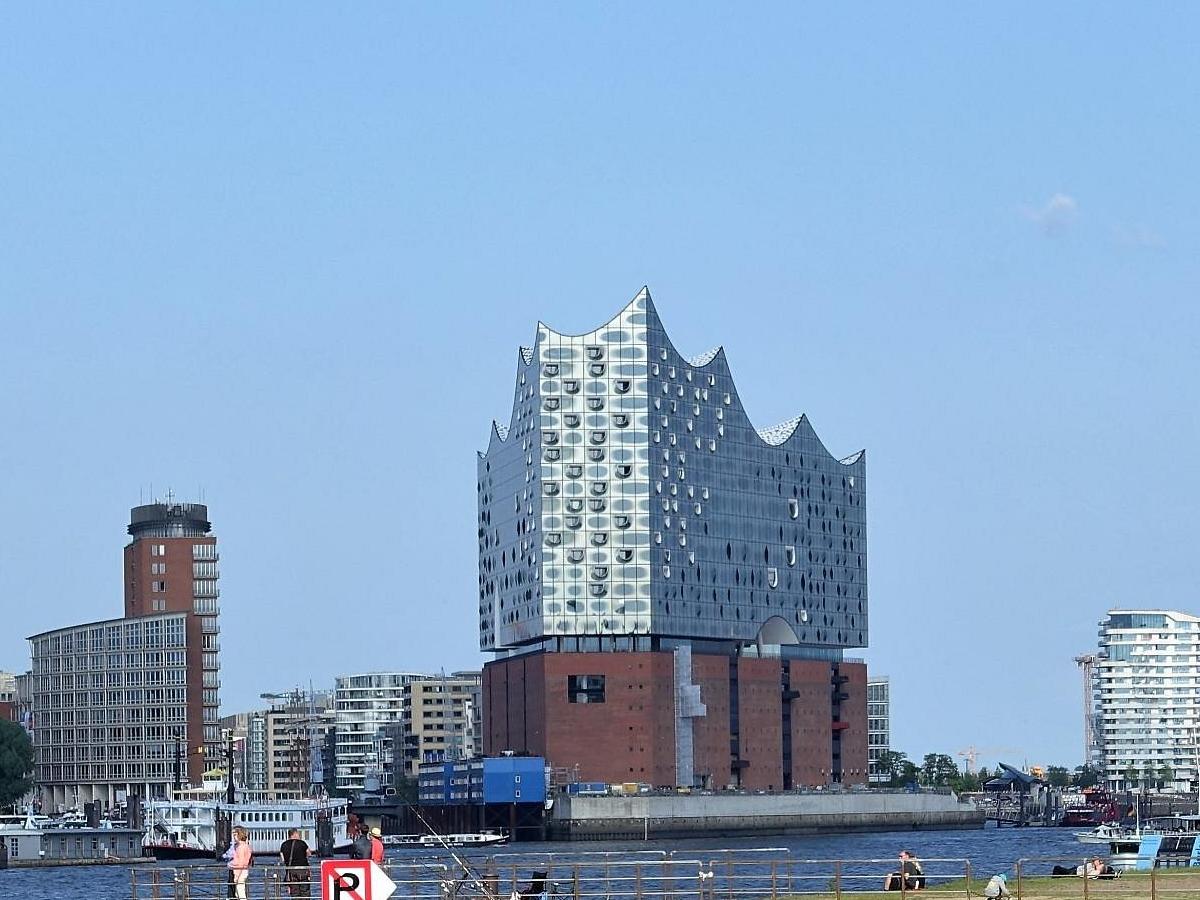
Herzog & de Meuron, the Swiss architectural firm, was tasked with turning this vision into reality. Known for their innovative designs, the firm stood out after a fierce international competition. Their concept for Elbphilharmonie is as bold as it is awe-inspiring - the fluid glass structure seems to rise organically from the brick foundation of an old warehouse, like a natural evolution of the building itself. The design is bold and even a little surreal. The glass façade at the top of the building is shaped like a wave - a fitting tribute to Hamburg's proximity to the Elbe and the city's longstanding connection to the sea. This undulating shape, curved lines and smooth contours contrast with the rigid, square base of the old warehouse. The result is a building that looks as if it is rising straight up into the sky, as if it is inviting the world to witness its cultural feast. But it's not just about the look of the building; Elbphilharmonie's vision is deeply rooted in the idea of sound. After all, this will be one of the most acoustically advanced concert halls in the world.
Advertisement
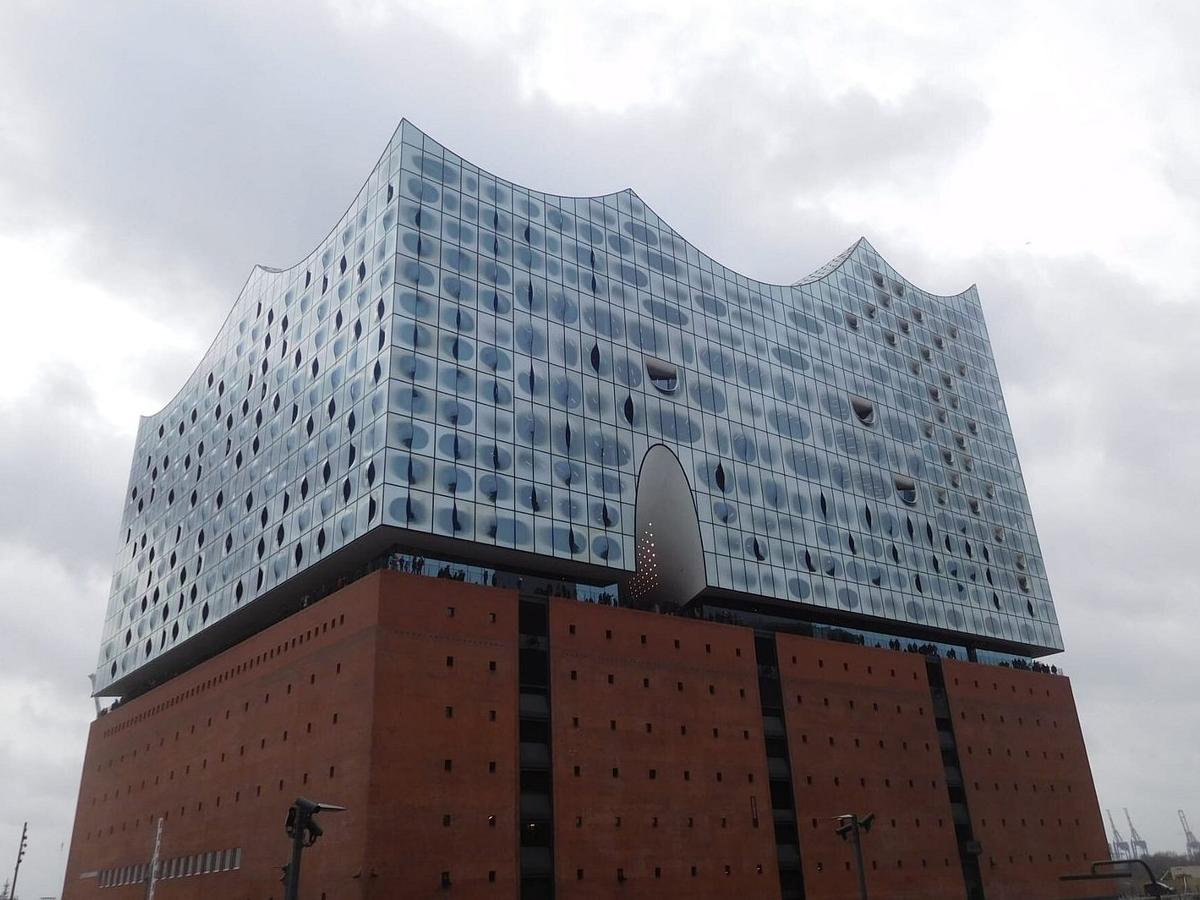
With any great building project comes difficulties, and Elbphilharmonie faced a number of challenges, from financial to technical, that pushed the limits of what was thought to be possible. First was the complexity of building on an existing building. The old Kaispeicher A building, while sturdy, was not designed to bear the weight of the massive futuristic glass structure. The engineers had to reinforce the entire foundation so that it would be strong enough to support the new design. This meant more work, cost and time than originally planned. There were also financial challenges. An ambitious idea quickly turned into one of the most expensive construction projects in Germany. The project was initially expected to cost around €77 million, but eventually soared to more than €800 million. There were delays and complications every step of the way, and at times, it seemed the project would never be completed. Despite these setbacks, Hamburg pushed forward, recognizing that this was a once-in-a-lifetime opportunity to create something truly spectacular.
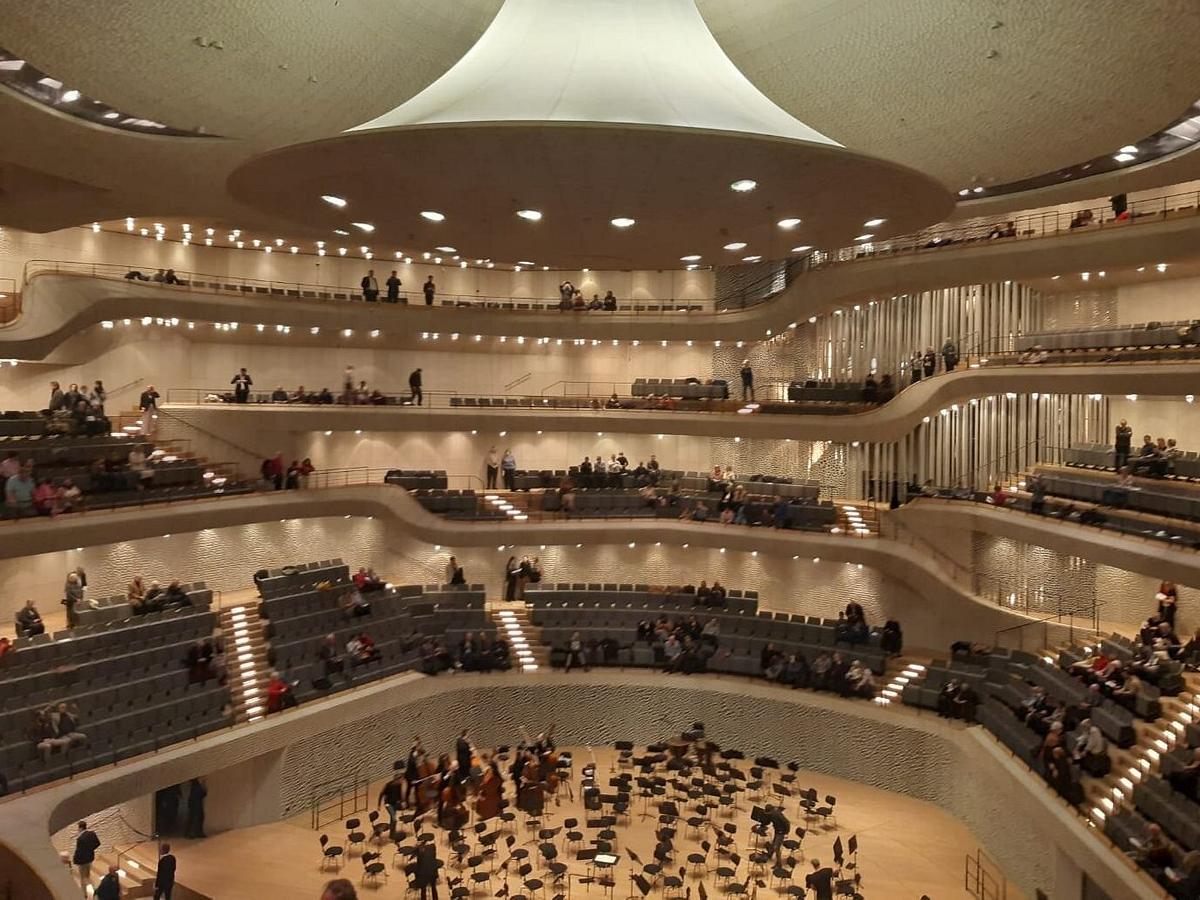
When you first see Elbphilharmonie, it's hard to believe that such a complex and beautiful building can also be functional. The design focuses on the interplay between form and function - an aesthetic experience as well as a performance venue. The ground floor of the building is the original warehouse, which houses a variety of rooms, including exhibition spaces, restaurants and stores. But it is the concert hall on the upper floor that is the real centerpiece of the Elbing Concert Hall. The architects had one goal in mind: to create a space that would make the most of the acoustics while providing a space that was both intimate and grand. The design of the concert hall itself is an engineering marvel. Instead of a traditional rectangle, the Concert Hall is a unique fan-shaped space that optimizes the listening experience no matter where you sit. Toyota's acoustic genius came into play here - he designed the hall using 10,000 gypsum fiberboard panels that were specially arranged to enhance the acoustics and ensure that the sound travels evenly throughout the space. The façade consists of 1,100 glass panels, each of which has a different shape that reflects and refracts light in different ways. The undulating roofline isn't just for show - it also helps to deflect the sound, ensuring that the acoustics inside the concert hall are pristine.
After nearly a decade of delays, setbacks, and soaring costs, the Elbphilharmonie finally opened to the public in January 2017 with a spectacular opening concert and a building that delivered everything it promised and more. People from all over the world flock to Hamburg to experience its acoustics, design, and grandeur. It’s not just the concert hall that draws visitors, it’s the building as a whole. The Elbphilharmonie’s unique design makes it an iconic building and a must-see in Hamburg. Its glass façade reflects the city, river, and sky in an ever-changing light, making it one of Hamburg’s most fascinating sights.