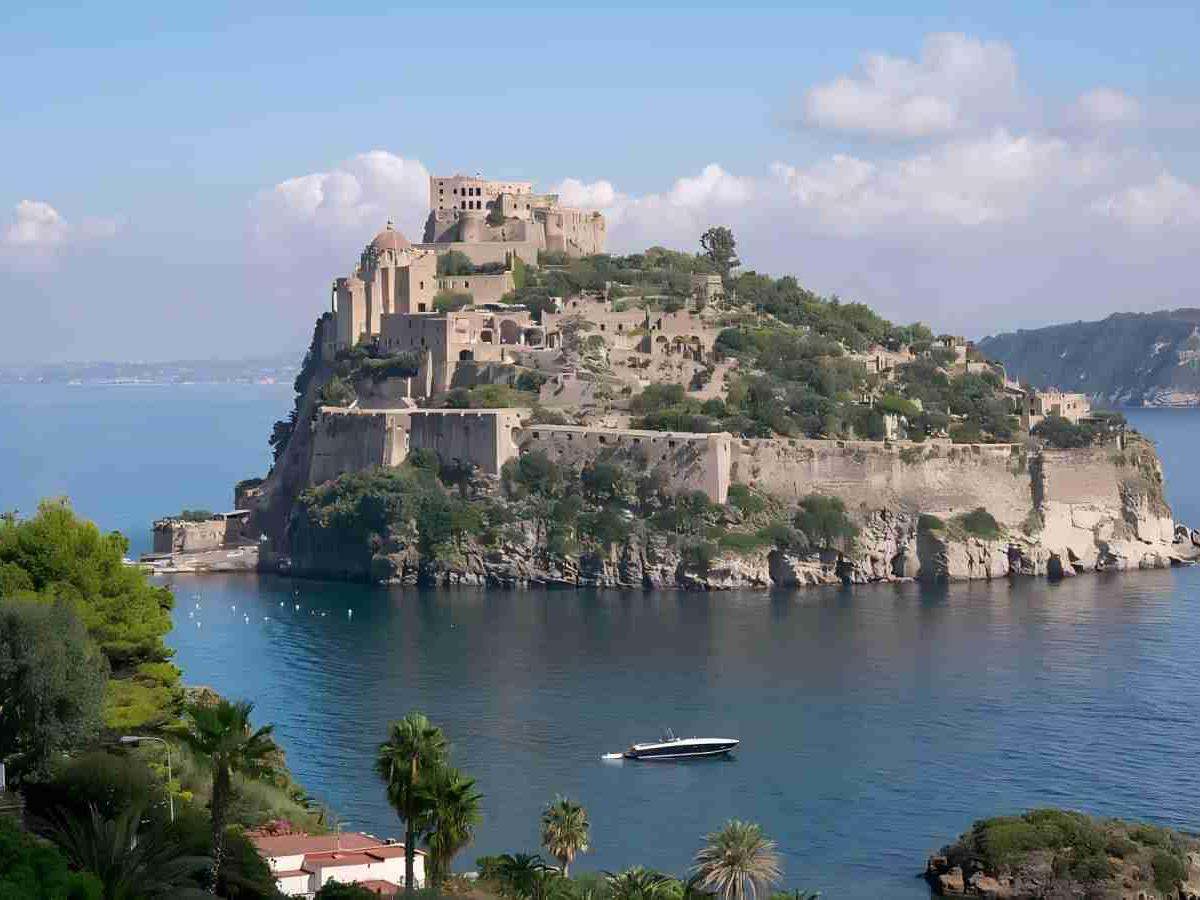
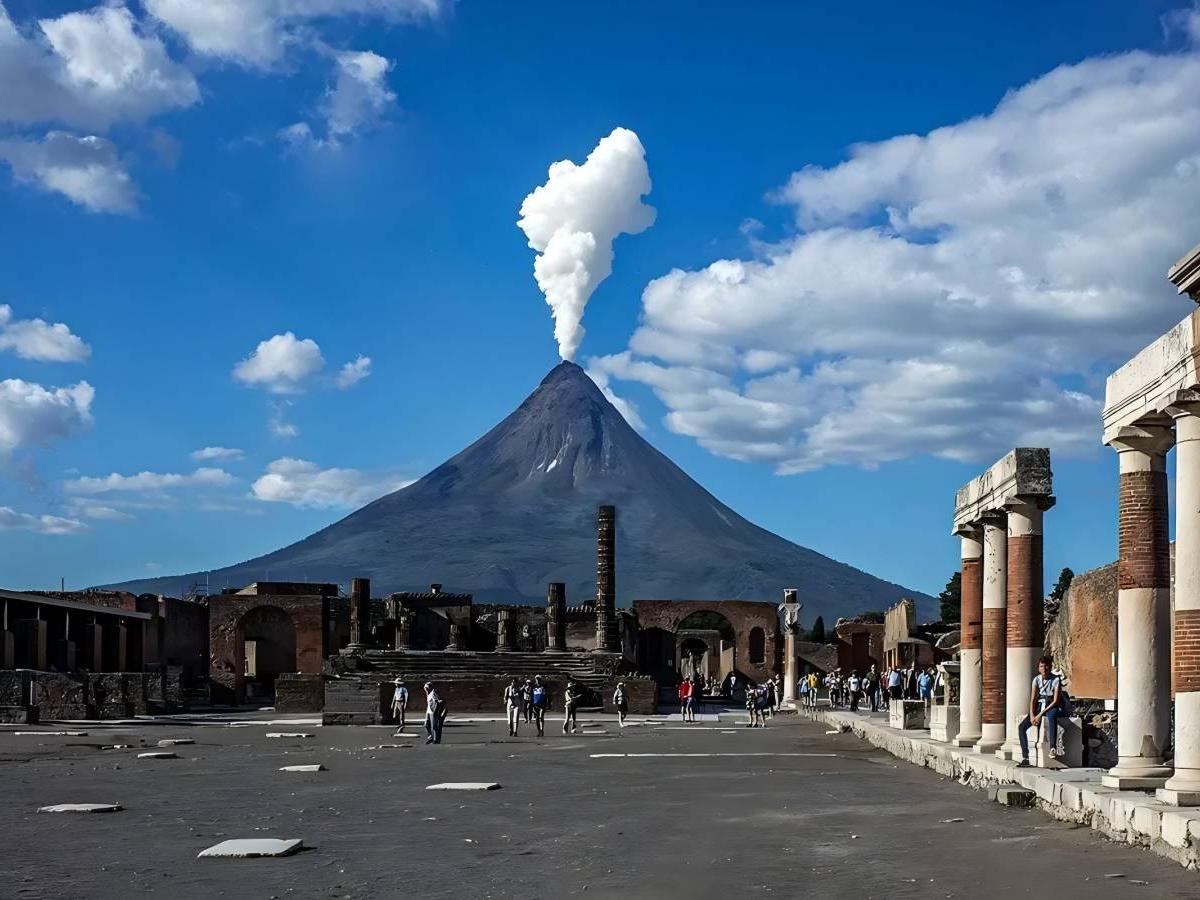
On the shores of the Bay of Naples in southern Italy, Mount Vesuvius towers majestically. Not only is it the only active volcano on the European continent, but it is also a “history book” that records the changes of the earth and attracts countless tourists to explore. This volcano witnessed the destruction of the ancient city of Pompeii, but also shaped the surrounding unique landscape and ecology. However, due to its active volcano nature, visiting Vesuvius requires careful planning to ensure safety.
Advertisement
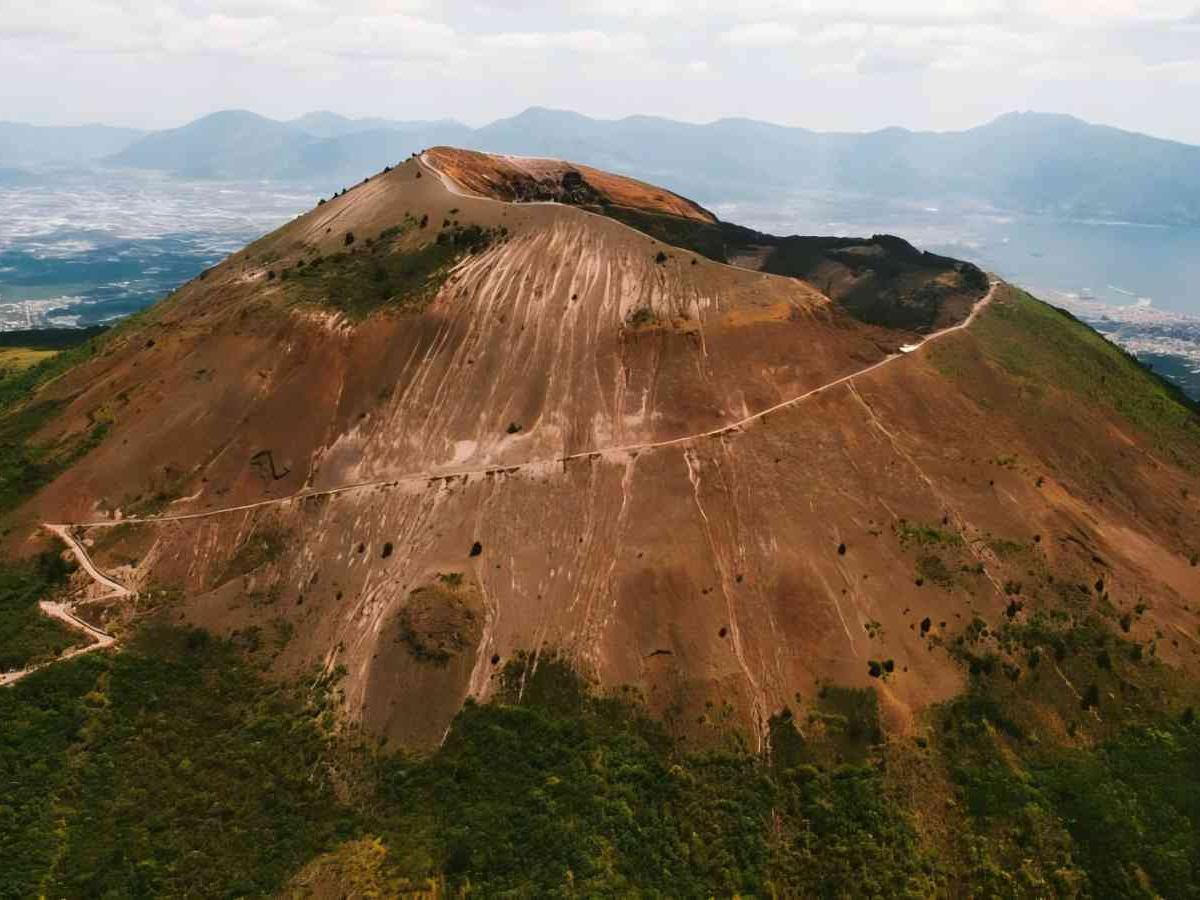
It's important to keep a close eye on the activity of Vesuvius before you go. You can get up-to-date information from the official website of the Vesuvius Observatory or from specialized geological monitoring websites. If the volcano is on high alert, the path to the crater may be temporarily closed, making it impossible to fulfill expectations and risking your safety. For example, in early December 2018, the head of the Vesuvius Observatory stated that the volcano was at “low alert” and that the data was normal for tourists to visit. Therefore, being aware of the volcano's dynamics in real time is the basis for a safe visit.
Advertisement
From the point of view of climate and tourist flow, the best time to visit Vesuvius is during the spring and fall, from April to June and from September to October. These two seasons are characterized by comfortable temperatures, neither as hot as in summer nor as cold and wet as in winter. Moreover, the visibility is high, which is conducive to enjoying the magnificent views of the volcano's surroundings, such as the Bay of Naples and the island of Capri, among others. Try to avoid going in the winter, i.e. from November to February, when the paths are slippery, making the climb more difficult and dangerous, and the view from the top of the volcano is poor, making it difficult to enjoy the ideal view. In addition, choosing to climb in the early morning or late afternoon is also a good choice, not only to avoid the peak of the daytime crowds, but also to enjoy a different view of the sunrise or sunset. However, it should be noted that for safety reasons, the road to the crater is likely to be closed during heavy rain or foggy weather, so it is essential to check the weather forecast before traveling.
In terms of transportation, if you choose to drive, you can follow the A1 highway, take the “Torre del Greco” exit and follow the signs for “Vesuvio” to the parking lot near the starting point of the climb. During the high season, however, parking may be tight, so be prepared for this. If you are using public transportation, a common choice is to depart from Naples Central Station. Take the Circum-Vesuvius Railway line and get off at Ercolano or Herculaneum in about 20 minutes, then change to one of the frequent local buses that go to the entrance of the Vesuvius National Park. Alternatively, you can take the Naples-Vesuvio bus from Piazza Pidigrotta, which takes about 1 hour and 30 minutes to reach the volcano. If you're traveling with luggage, services such as Nannybag can be used in Naples to securely store your luggage in a designated location and explore the volcano without the burden of luggage.
The terrain of Mount Vesuvius is rocky and uneven, making the climbing process more demanding on your shoes. Be sure to choose sturdy hiking shoes or sneakers, which provide good support and non-slip performance, reducing the risk of slipping or spraining your ankles during the walking process, and you should resolutely avoid wearing slippers and other shoes that are not suitable for mountaineering. In addition, you should prepare clothing according to the weather conditions. In summer, you need to take good sun protection measures for hiking, carry hats and sunglasses, and apply sunscreen to prevent sunburns; in spring and fall, you can carry a light jacket in case of temperature changes; even in the warmer seasons, the wind at the top of the mountain may be higher, and a windbreaker will make your experience more comfortable.
Advertisement
There are no stores or restaurants at the summit to provide supplies, so it's crucial to have enough water and snacks ahead of time. During the climb, the human body uses a lot of water and energy, so replenishing in time will keep you strong and prevent you from becoming dehydrated or hypoglycemic. However, when approaching the crater rim, it is important to exercise caution to avoid accidents caused by distraction from eating and drinking. At the same time, it is recommended to carry a small first-aid kit with commonly used medicines, such as band-aids, iodophor, antipyretics, etc., to cope with possible minor abrasions, sprains or discomfort.
Mount Vesuvius is today part of the Vesuvius National Park, which has been recognized by UNESCO as a Biosphere Reserve since 1997. During the hike, strictly follow the signs and staff guidance in the park. The path to the crater has been properly planned and assessed for safety, and deviating from the designated route can lead to stepping into dangerous areas, such as unstable volcanic rock formations or approaching dangerous volcanic gas vents. Visiting a volcano usually requires the purchase of an entrance ticket, which not only provides access to the volcano area, but in many cases also includes a guided visit to the summit of the volcano. A guided tour provides a deeper understanding of the volcano's history and geological features, while also ensuring maximum safety. If you choose to climb the volcano on your own, stay alert and aware of your surroundings at all times.
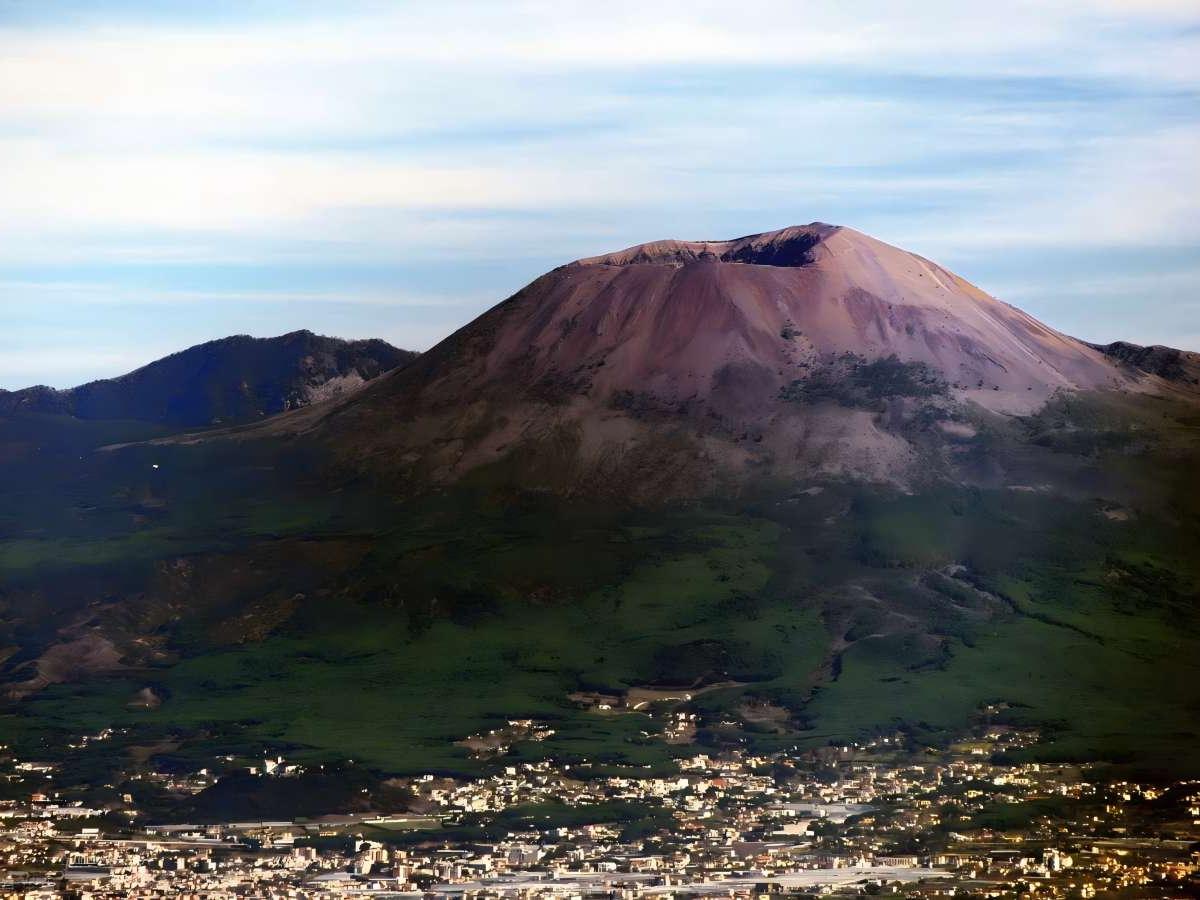
In the process of climbing, it is inevitable that you will encounter some unexpected situations. If you fall and bruise yourself, immediately disinfect the wound with iodophor from your first aid kit and bandage it with a Band-Aid to avoid infection. If you sprain your ankle, do not walk forcibly, you should find a safe place to sit down as soon as possible, use an ice pack or cold towel to apply cold compresses to the injured area to reduce swelling and pain, when the situation is serious, you need to contact the park staff in a timely manner to seek help.
When you notice abnormal volcanic activity, such as hearing unusual noises and seeing a sudden increase in smoke from the crater, stay calm and evacuate quickly according to the park's pre-determined evacuation routes, do not panic and crowded to ensure the safety of themselves and others. In addition, some tourists may experience plateau reaction, such as headache and difficulty in breathing, due to altitude change or physical exertion. At this time, you should stop moving forward, rest in place, appropriate amount of water, if the symptoms continue to be unrelieved, you need to go down the mountain in time to seek medical attention.
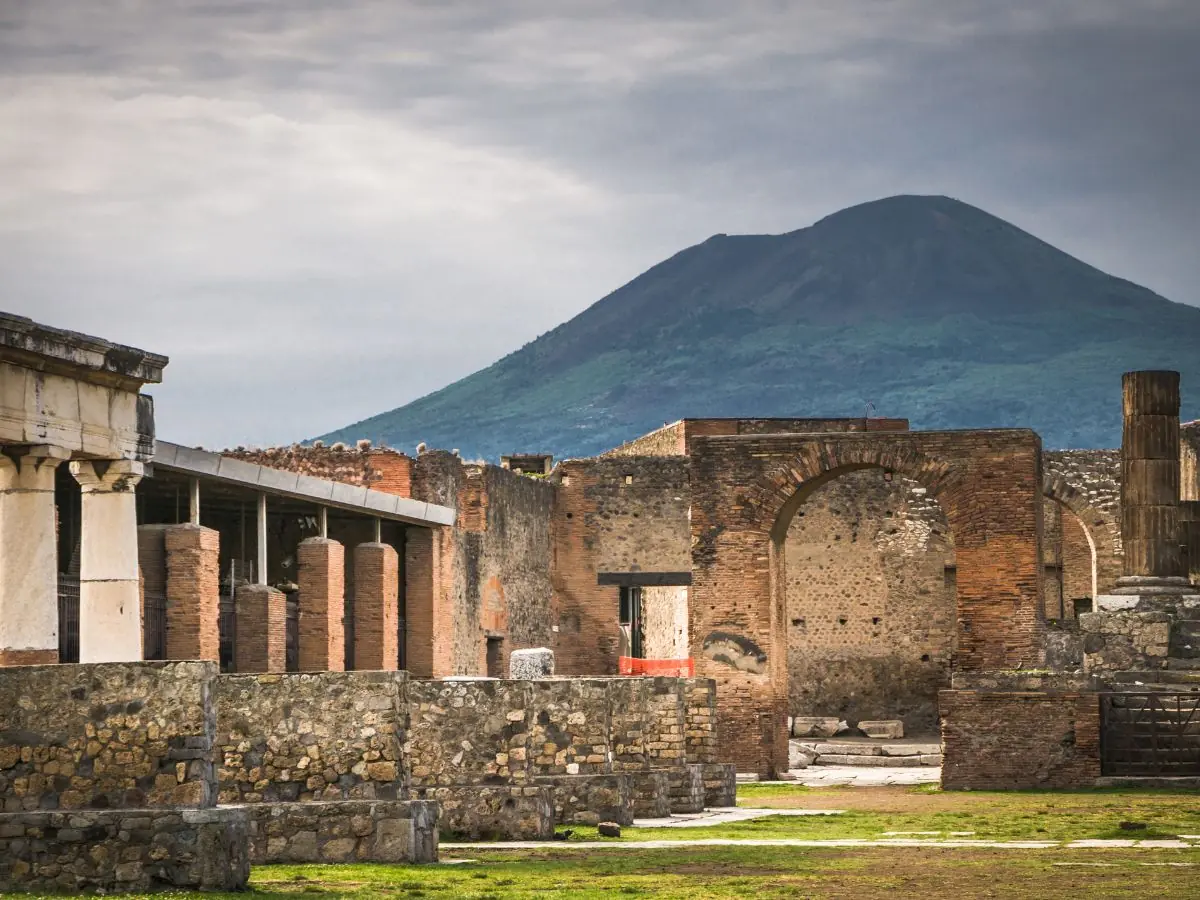
In addition to climbing the volcano and visiting the ruins, there are many special experiences around Vesuvius that should not be missed. The local wineries are worth a visit. The vineyards here are nourished by volcanic ash and produce grapes with unique flavors. Visitors can see the wine-making process, taste the pure volcanic wine and experience the unique regional flavor.
In addition, the traditional town at the foot of the volcano has a unique flavor. The architecture of the town is full of rich southern Italian characteristics, and the streets are filled with the aroma of food. Visitors can stroll through the town, taste local food such as pizza and pasta, buy specialty handicrafts, and deeply experience the local customs.
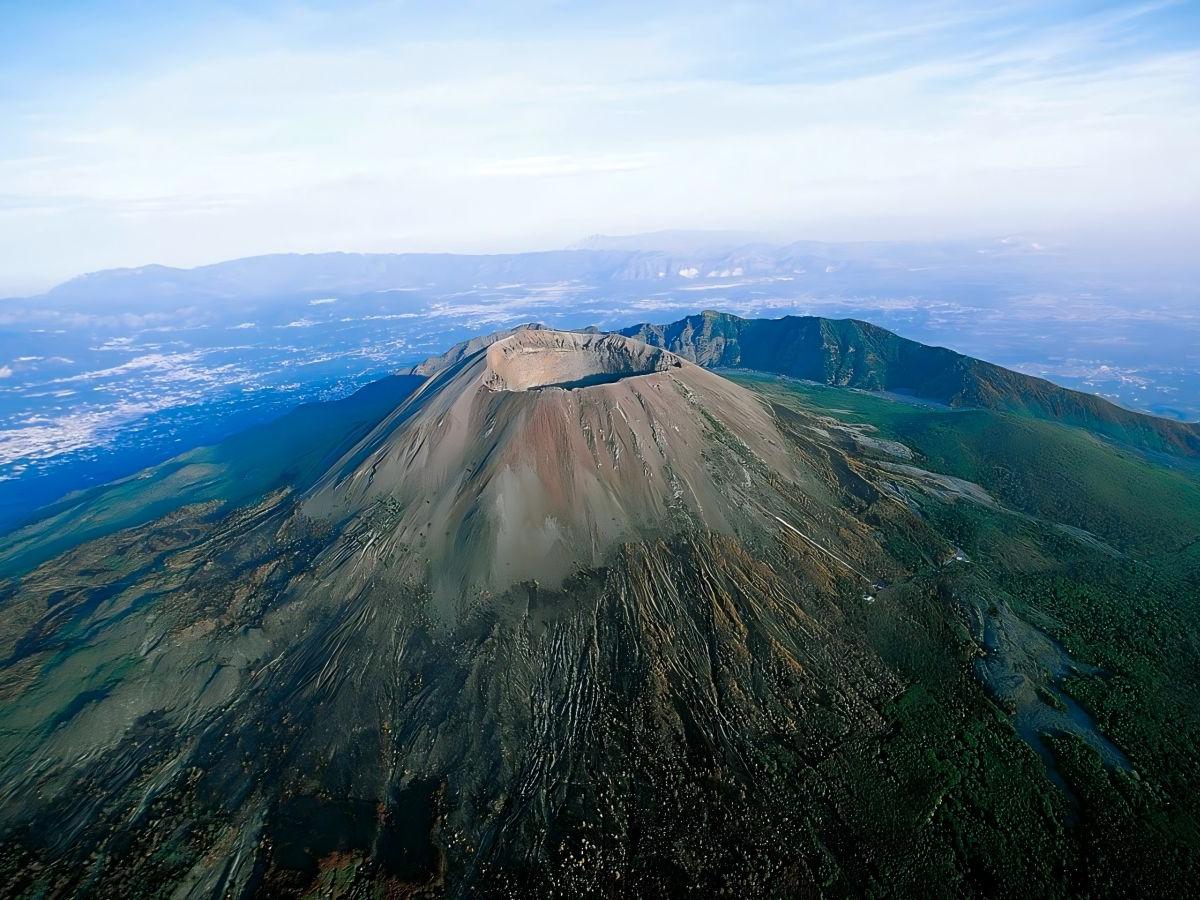
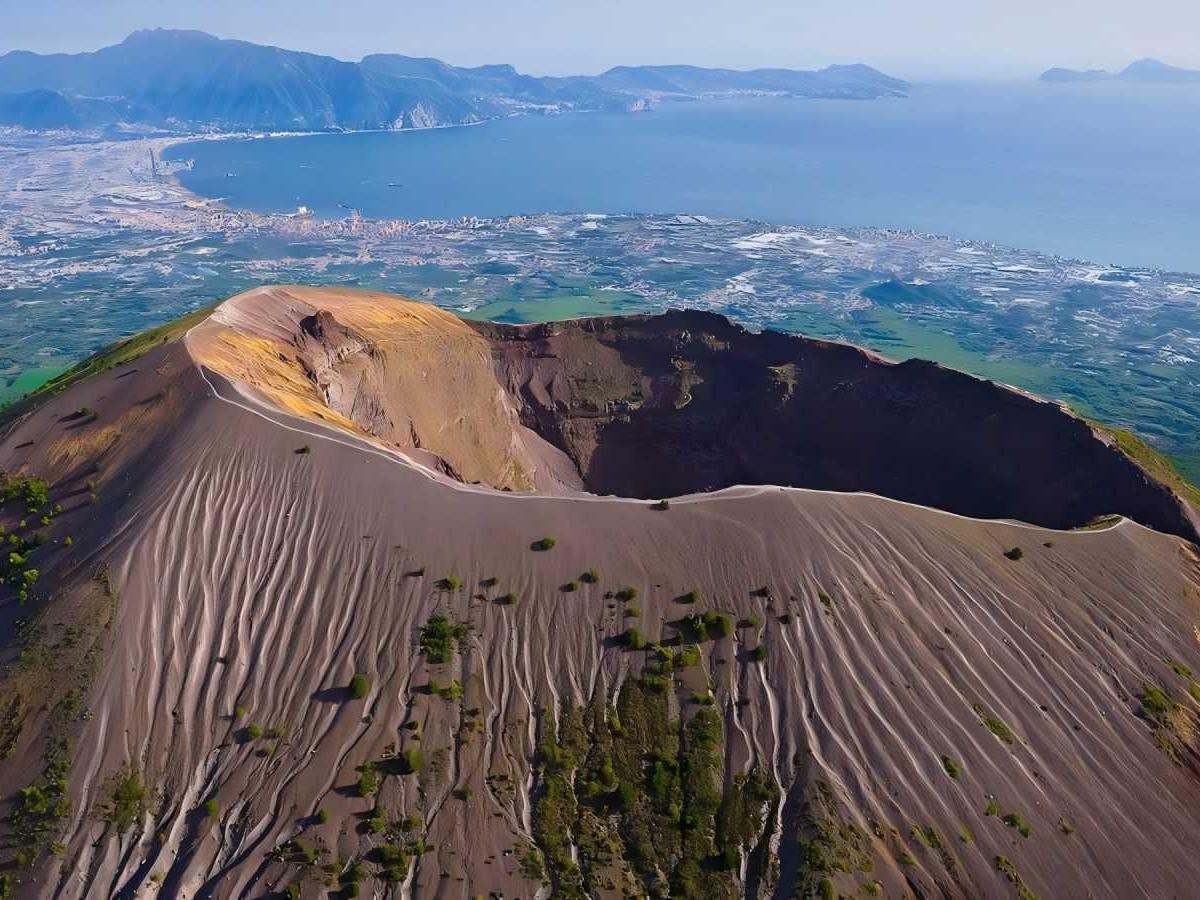
Once you reach the top of the mountain, a spectacular view will appear in front of you. From the top, you can see the Bay of Naples, the city of Naples and even the Amalfi Coast in the distance. Walking along the crater, you can see the caldera composed of yellow and reddish-brown solidified lava and volcanic slag, and from the accumulation of lava and ash, it is as if you can trace the history of the many eruptions of Mount Vesuvius and feel the majestic power of nature. On a clear day, you can also clearly see the neighboring islands of Capri and Procida, which together with Mount Vesuvius form a beautiful picture. Although there is a footpath that will take you as close to the crater as possible, be aware that this path does not encircle the entire crater and you can only walk in half of it, making sure to strictly adhere to the safety limits.
When visiting Vesuvius, you can't miss the surrounding historical sites. The violent eruption in 79 AD destroyed the towns of Pompeii and Herculaneum. Today, the ruins of Pompeii and Herculaneum are important windows into that history. In Pompeii, lava and ash have preserved the original appearance of houses and roads, and you can even see the traces of carriages and petrified corpses buried in the ash, which vividly recreate the life of a Roman village at that time. Visiting these sites will give you a deeper understanding of the power of Mount Vesuvius and its impact on human history, and add a rich cultural dimension to your volcano tour.
Vesuvius attracts tourists from all over the world with its unique charm, but safety always comes first during your close encounter with it. Through thorough preparation, careful handling during the hiking process, and in-depth exploration of the surrounding landscape and historical sites, you will have an unforgettable and safe Vesuvius tour experience that will leave you in awe and moved by nature and history.