In Maastricht, in the south of the Netherlands, a mysterious world lies beneath the surface. The Maastricht Underground is a series of underground passages, bunkers and limestone tunnels that bear witness to the ancient city's history of war, refuge and mining. The best way to truly enter this "city under the city" is to join a professional guided tour. As travelers' demand for in-depth cultural experiences increases, Maastricht Underground offers a variety of guided tours, and booking these groups requires some skills and preparation.
Advertisement
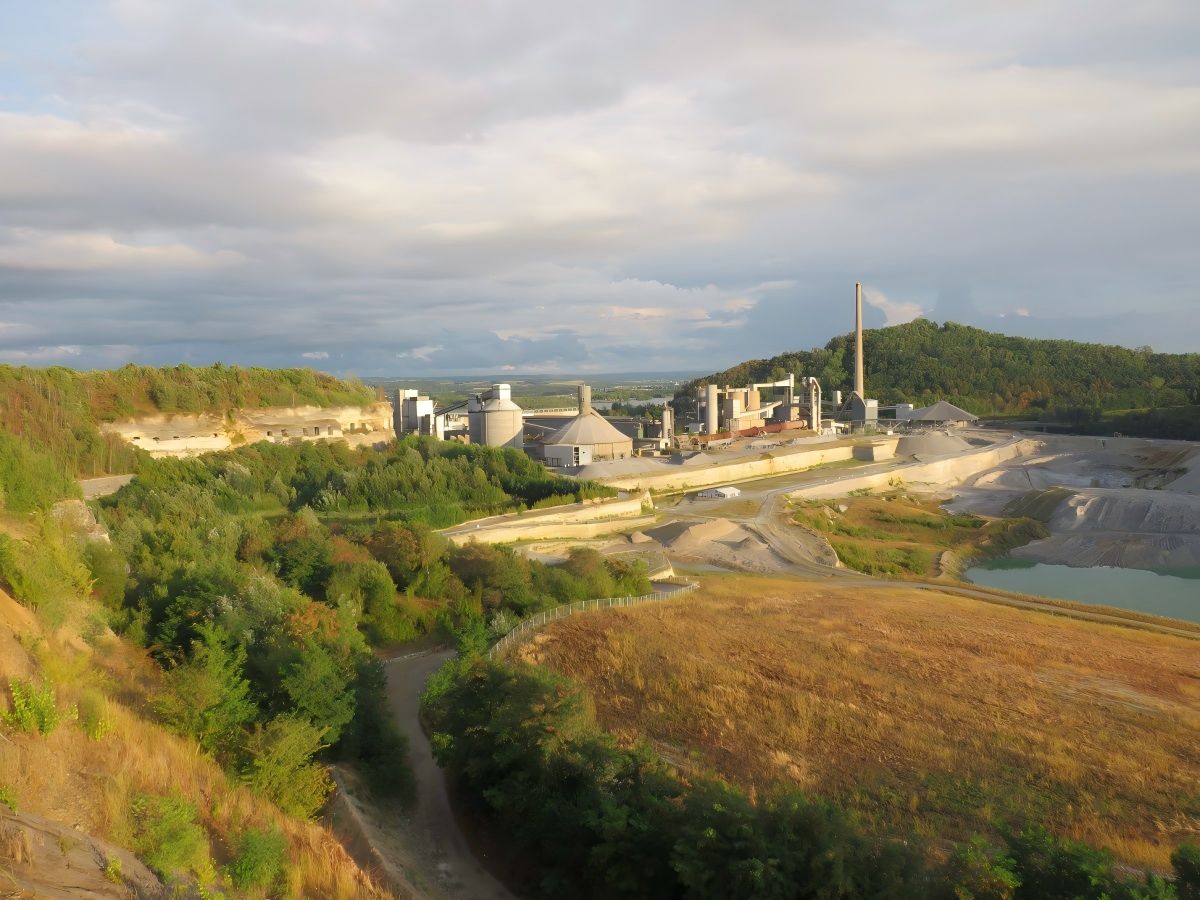
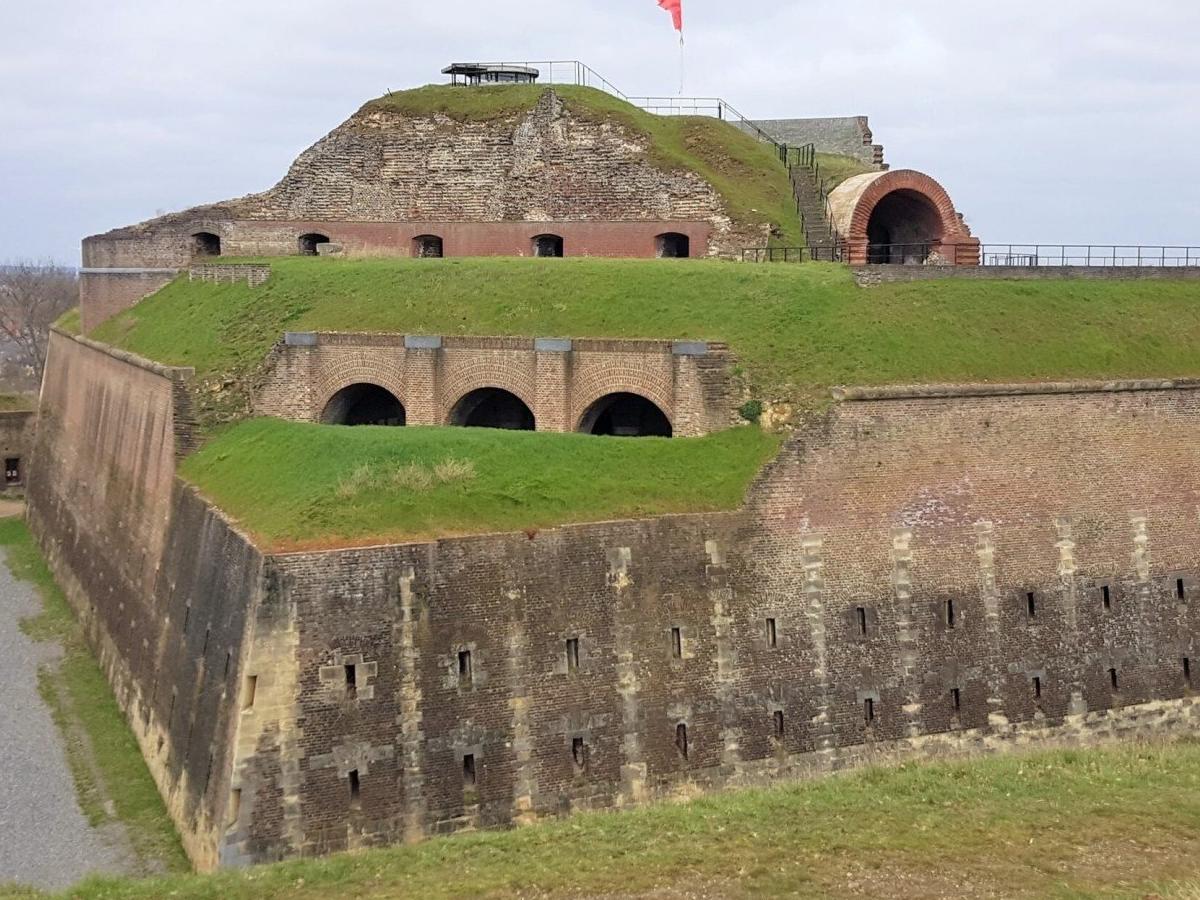
Maastricht Underground is not a single underground site, but a combination of multiple locations, including the caves of St. Pietersberg, Fort Sint Pieter, and the famous Zonneberg Caves. The cave system has been excavated by humans since BC. It was originally used as a quarry, and later became a refuge during war, a smuggling route, and even a secret storage for works of art. These passages are deep and winding, and are not accessible without permission, so they must be visited through officially organized guided tours.
Advertisement
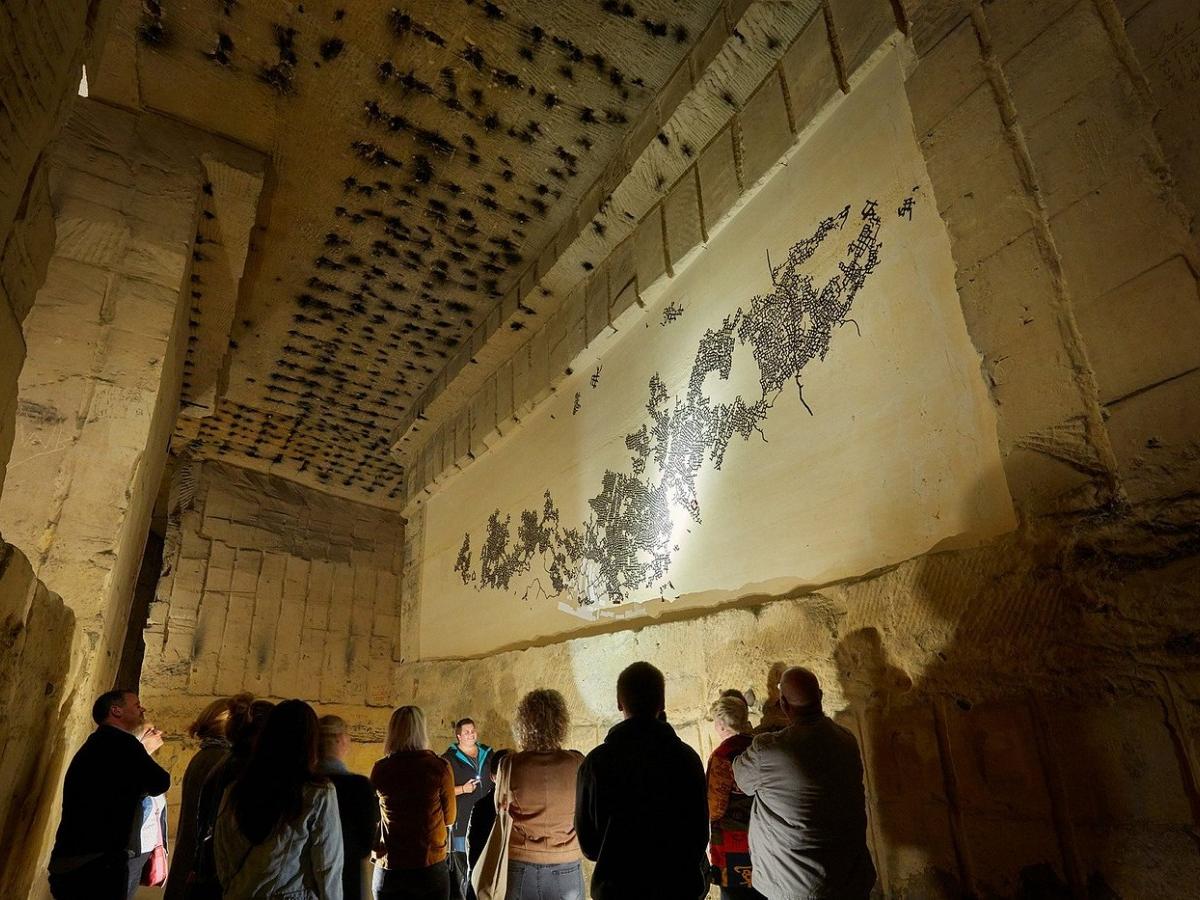
Before joining the tour, visitors can first learn about the guided tours provided by each location. For example, the Zonneberg cave tour focuses on geology and war history, Fort Sint Pieter focuses on military defense systems, and the "Gallery Tour" in Grotten Noord showcases the beauty of murals and ancient carvings. These groups have their own characteristics, and there are guided tours in different languages at different times. It is recommended to plan your itinerary in advance and then make a reservation.
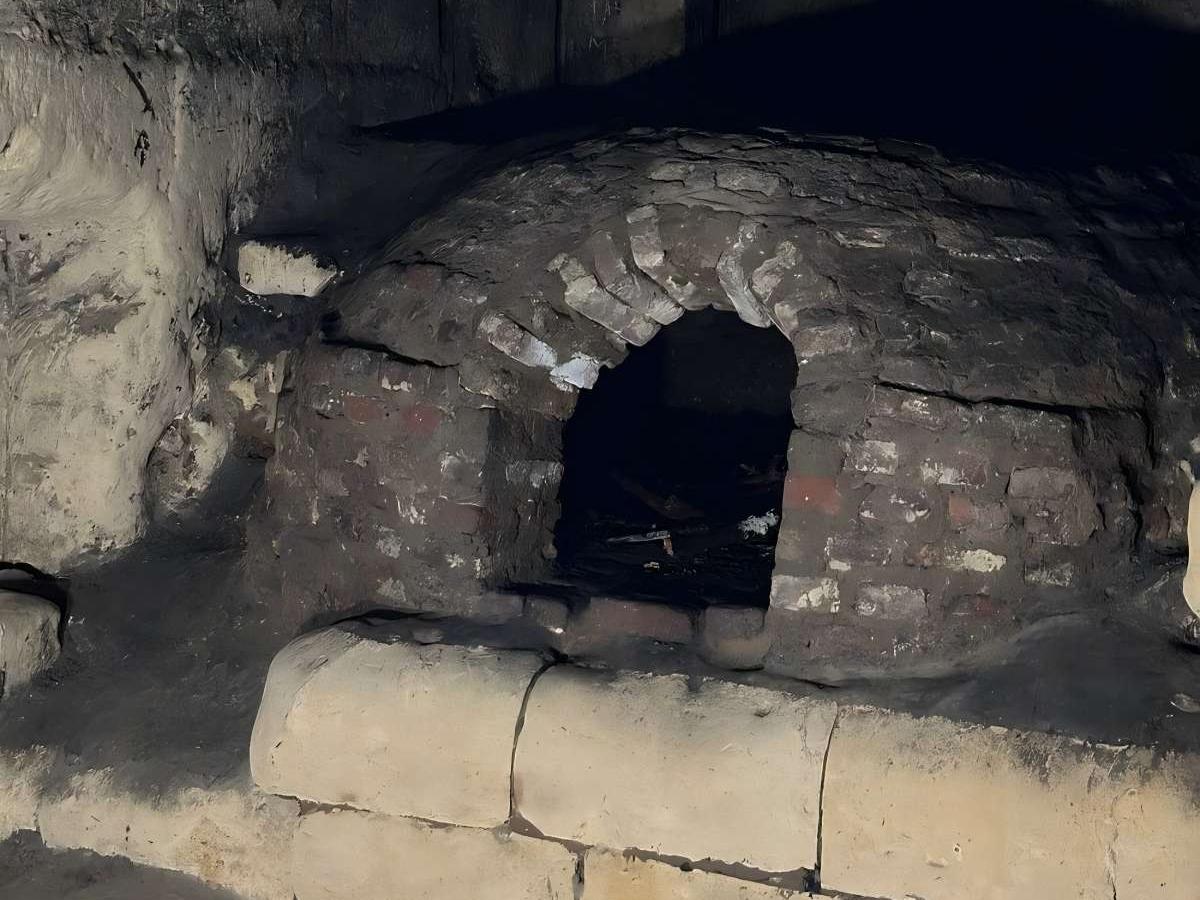
Currently, Maastricht Underground's professional guided tours can be booked online through the official Maastricht Underground website, supporting multiple languages such as English, Dutch, and German. After entering the booking page, travelers can choose the specific location, date, and tour language. Some tours also have "family exclusive" or "child-friendly version" types. The platform interface is simple and easy to use. After selecting the date and time, fill in your personal information to complete the reservation.
Advertisement
To ensure a seat, especially during peak tourist season, weekends or holidays, it is strongly recommended to make a reservation at least one to two weeks in advance. Although there are many tours per day, the number of places is relatively limited due to the small groups, and last-minute on-site registration often does not guarantee a successful visit.
If you want to get a more in-depth explanation experience while participating in the tour, you can choose an English-speaking tour, which is usually equipped with experienced guides and is most convenient for international tourists. If you are fluent in Dutch, the atmosphere of a local tour is more authentic and may include more interesting communication sessions.
Maastricht is conveniently located in the city, and ground transportation can easily reach the underground attractions. Some guided tours meet at the visitor center at the foot of the mountain or at a cave entrance. After confirming the reservation, the meeting point and arrival method will be clearly marked on the e-ticket or confirmation email.
It is recommended to arrive at the meeting point at least 15 to 20 minutes in advance to facilitate the verification of information and the organization of equipment. Since the temperature in the cave is always between 10 and 12 degrees Celsius, you still need to bring a light jacket or fleece clothing when entering in summer. At the same time, the humidity in the cave is high and the ground is slippery, so it is particularly important to wear non-slip shoes. There will be some long walking routes during the guided tour. Visitors with limited mobility or claustrophobia need to pay special attention to the tour instructions.
In terms of camera photography, flashless photography is allowed in most areas, but photography of some historical relics or murals is strictly prohibited for protection purposes. Before the tour begins, the guide will explain the relevant regulations in detail. Please be sure to comply with them to avoid destroying precious cultural heritage.
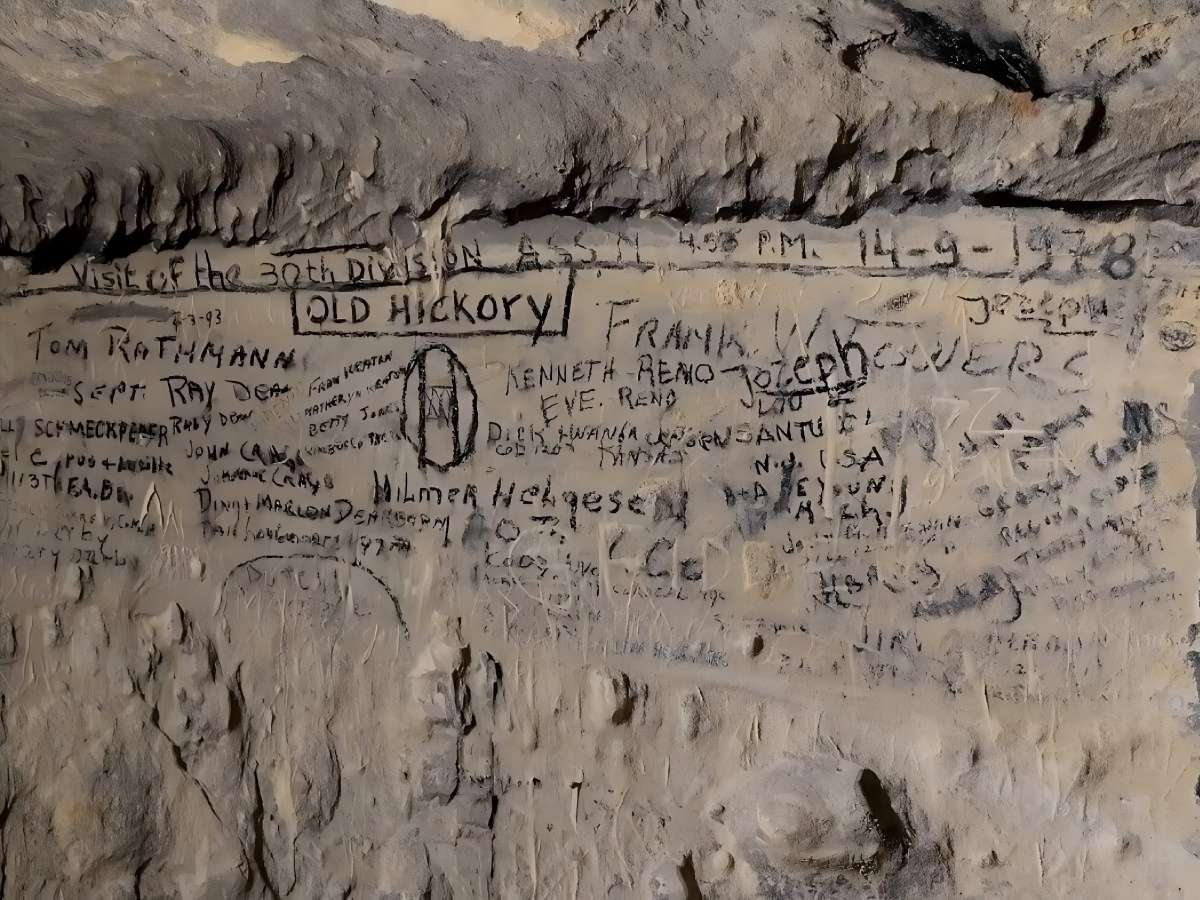
Every time you enter Maastricht Underground, it is a journey across time and space. Along the narrow passage, the lights gradually dim, and the sound of footsteps echoes between the rock walls, as if you have stepped into a secret world in the Middle Ages. The guide usually introduces the historical background of the cave in a relaxed tone, from the initial limestone mining method, to the hiding story during World War II, to how to preserve paintings and documents underground, which is rich and fascinating.
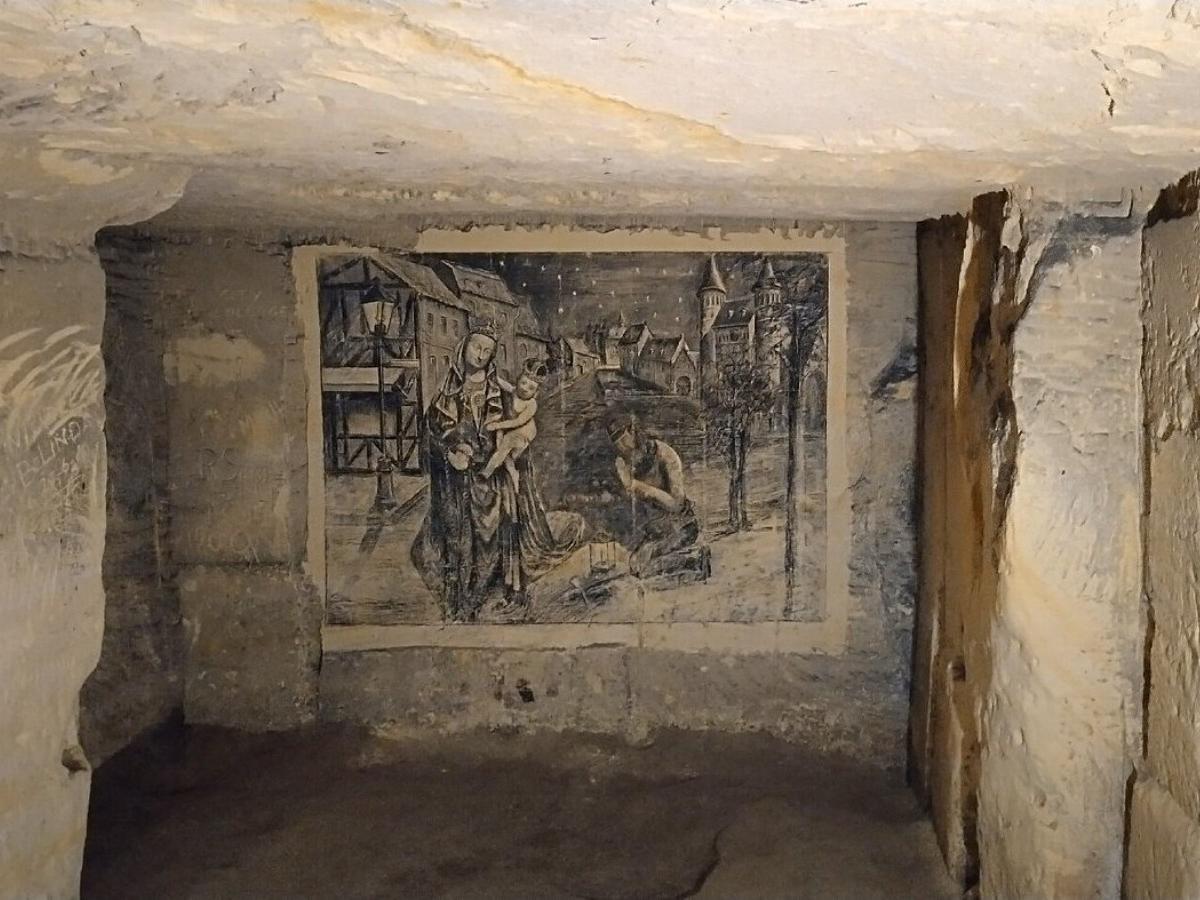
In the Zonneberg caves, you can even see murals, war maps and surviving carvings drawn with charcoal, all preserved in a constant climate and not fading for decades. In the underground guided tour of Fort Sint Pieter, you can experience the historical strategy of the Dutch border military, from artillery to ammunition depots, every brick and tile is a witness. The guide will also share many vivid historical anecdotes, such as how to use underground passages to escape the enemy during the war and how people took refuge here for months, which is very moving.
For family tourists and children, some guided routes also have simple interactive links, such as cave maze challenges and small light games, which not only increase the fun but also enhance the learning effect. Finally, some guided routes will set up a small exhibition room at the exit, displaying old tools, mining records and daily necessities of the time, so that visitors can get a glimpse of the complete underground civilization.
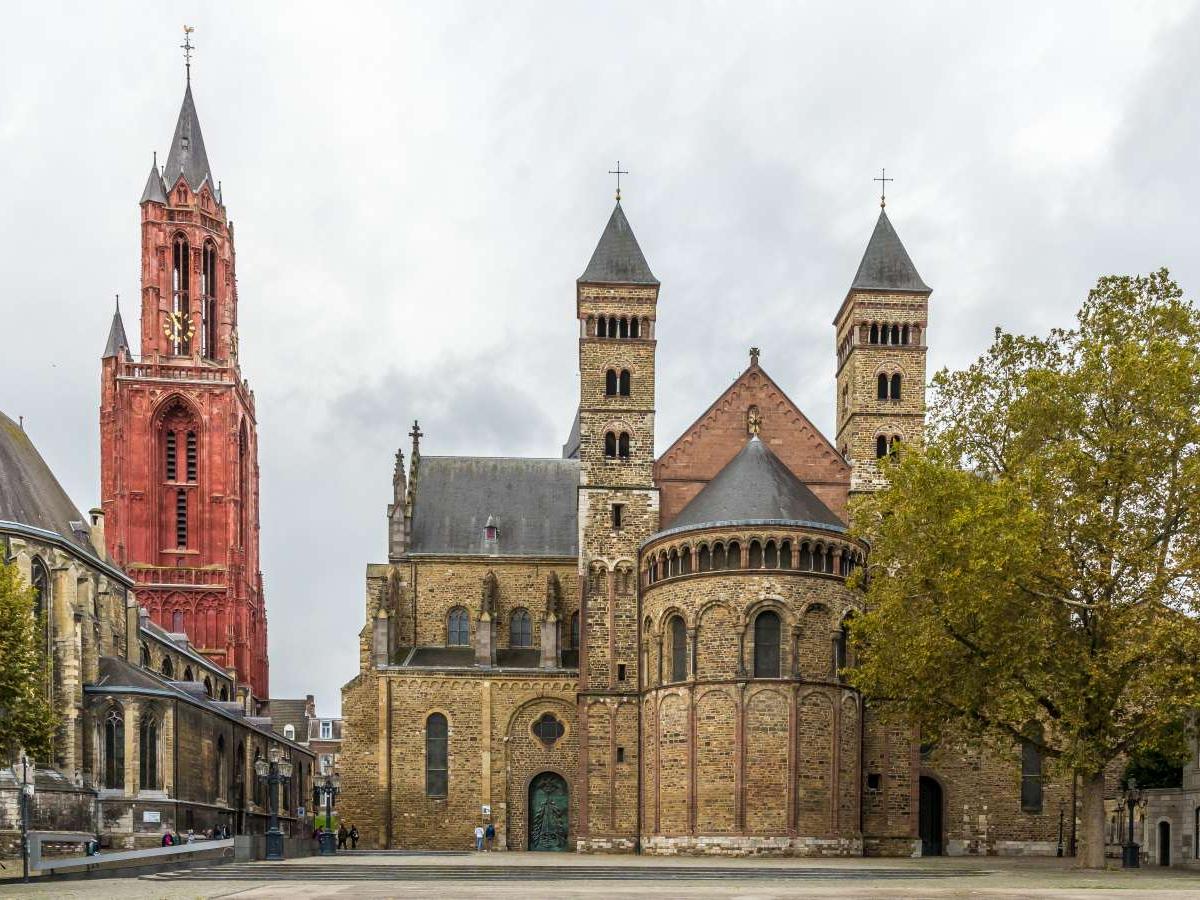
Maastricht has always been famous for its multiculturalism and historical weight, and Maastricht Underground is the most secret but most shocking side of this city. Each passage in the underground world tells a story about the complex relationship between humans and nature, war and peace. Through a professional guided tour, you can not only avoid the fatigue of a quick tour, but also immerse yourself in the deep experience of the intersection of history and culture.