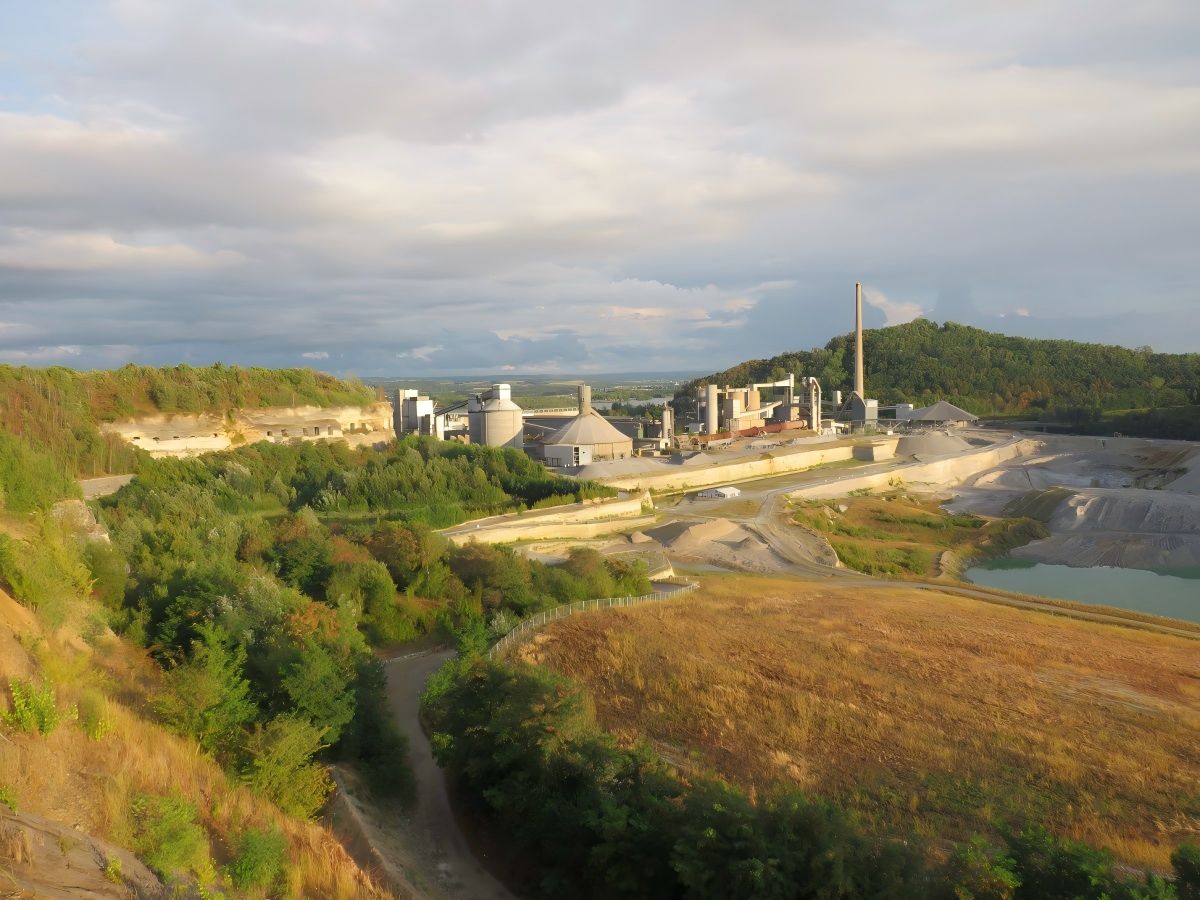
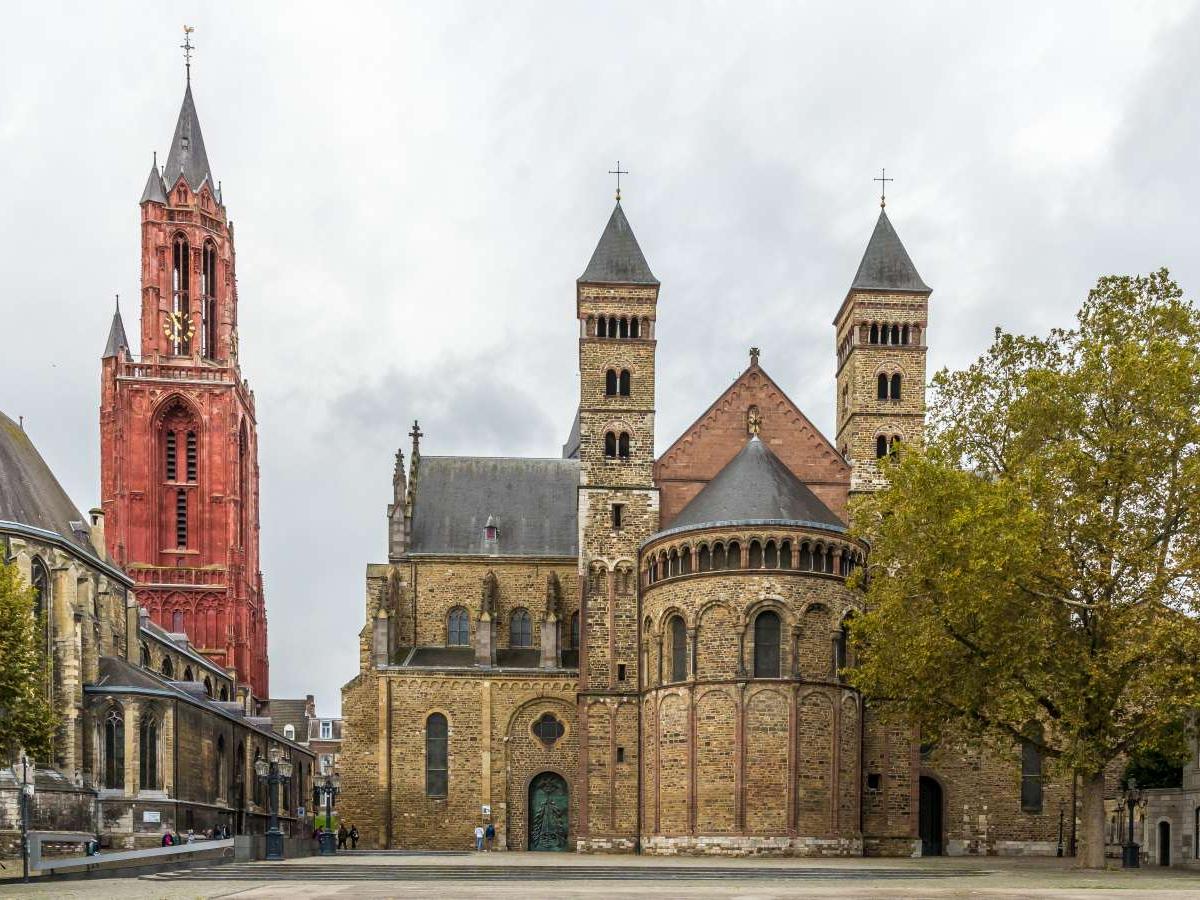
In Maastricht in the south of the Netherlands, there is a mysterious and fascinating underground world - the Sint-Pietersberg Tunnels. This huge underground labyrinth, winding and long history, as if a long volume of history buried in the rock, waiting for people to unveil its chapters. From being used for defense and war hiding places, to places for artistic creation and mushroom cultivation, the evolution of the tunnels is a wonderful journey through time and space. For those who want to enter this “underground world,” understanding how to navigate and preparing for what to expect is a key step in the exploration process.
Advertisement
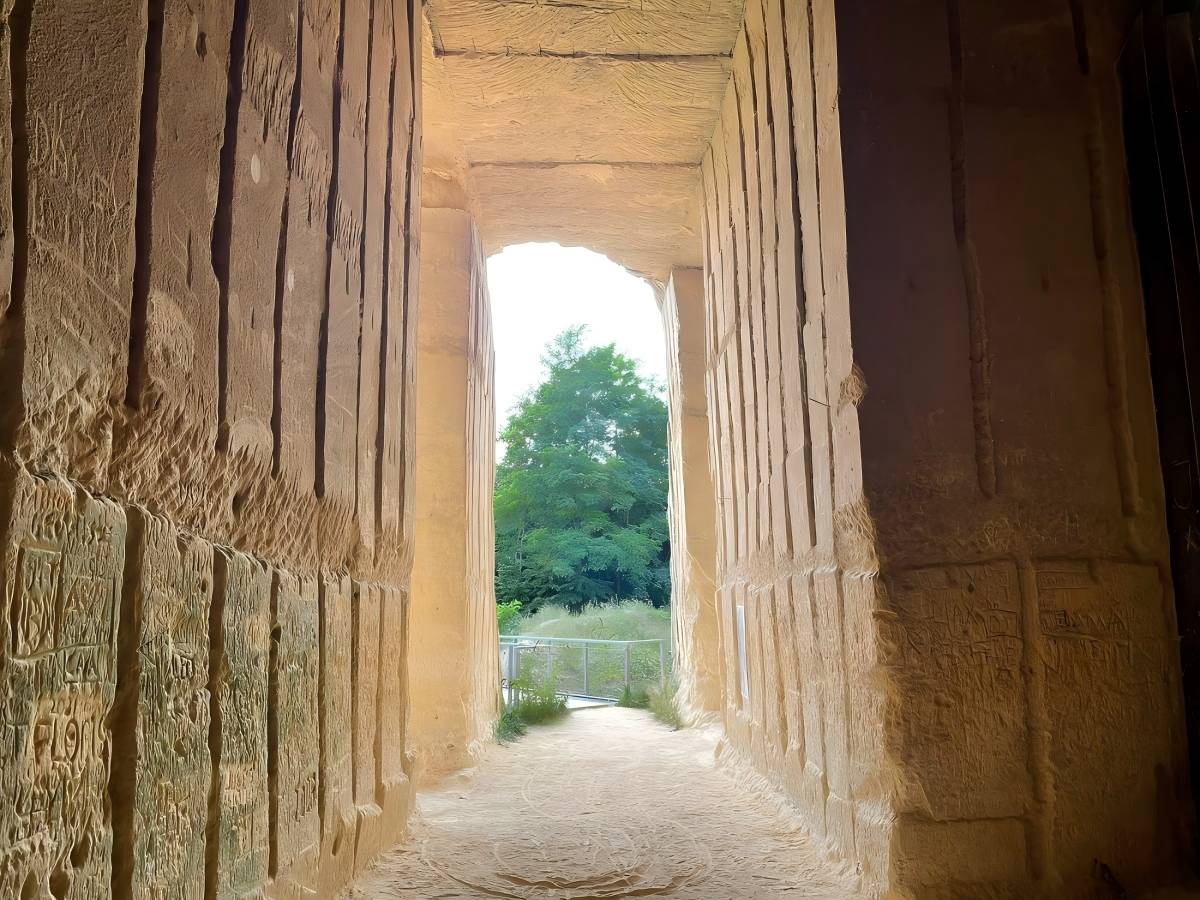
The Sint-Pietersberg tunnels date back to the Middle Ages, when a labyrinthine underground network was created with the simplest of tools in order to collect the local limestone. Over time, the function of the tunnels changed many times, from quarries to hiding places in times of war. During the Second World War, the Dutch government even set up temporary hospitals, kitchens and chapels inside the tunnels to provide temporary shelter for people and soldiers.
Advertisement
Inside the tunnels, the temperature is kept at around 11 degrees Celsius all year round, and in the dark and humid environment, layers and layers of history are well preserved. From the charcoal graffiti on the walls and the handwriting left by the soldiers to the old maps and carvings displayed on the guided tours, these elements make the tunnels not just a sightseeing spot, but a deep human memory.
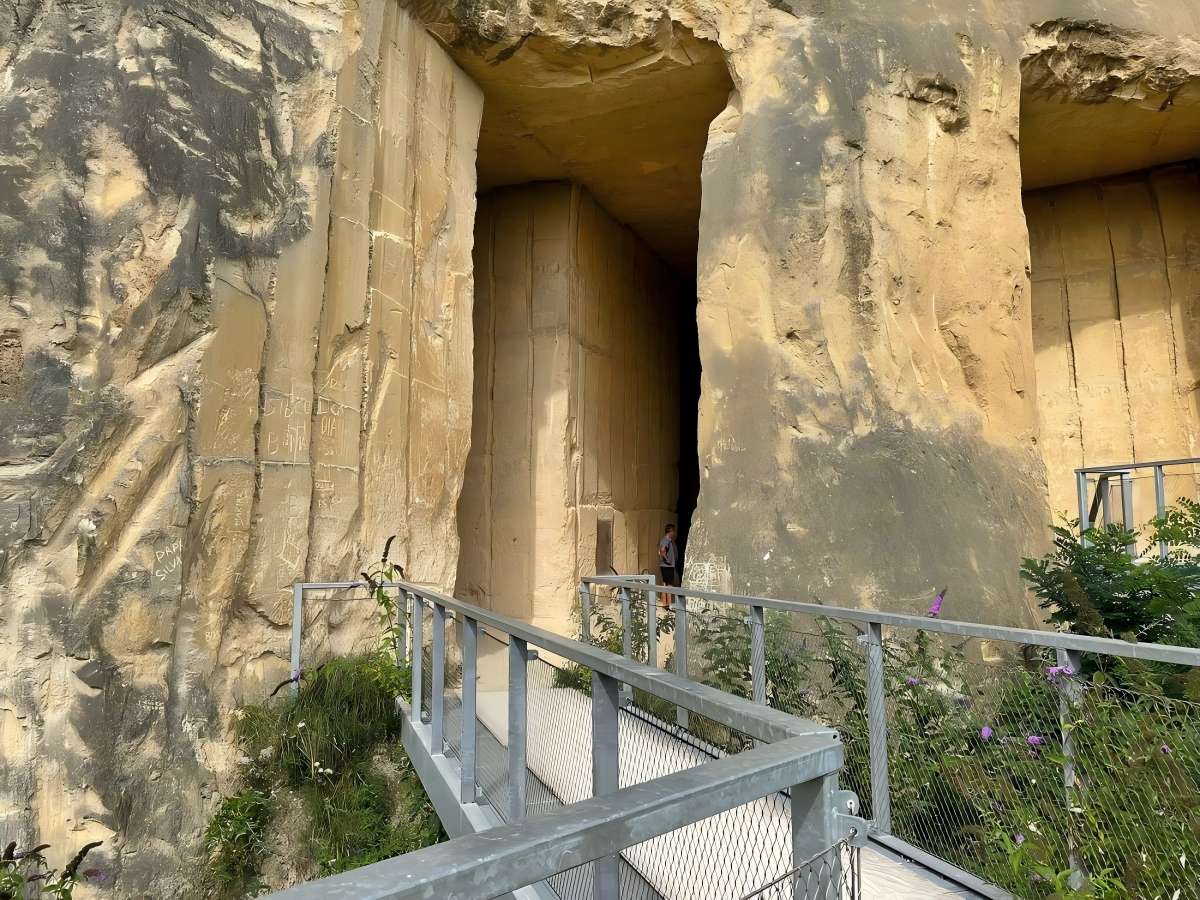
The Sint-Pietersberg tunnels are currently only accessible to professional guided tours and visitors cannot enter the tunnels on their own. This arrangement is not only to protect the historical artifacts and ecological environment inside the tunnels, but also to ensure the safety of the tour, because without a guide, even if you carry a map or a flashlight, you can easily get lost in the crisscrossing passages.
Advertisement
Guided tours are usually led by guides with a rich background of knowledge, who not only introduce the authentic architectural structures and historical background, but also share little-known tidbits. For example, some areas were used as warehouses for the Nazi army, some passages are connected to the Dutch-Belgian border, and there are even “underground works of art” inside the tunnels, such as graffiti and murals left by soldiers.
There are different types of guided tours, depending on your interest and stamina. The classic route lasts about an hour and is suitable for most visitors, while the more in-depth and adventurous routes, which include narrow passages, stairs, etc., can take more than 90 minutes and are slightly more physically demanding. Some guided tours are available in English and Dutch, as well as French and German at certain times, so it is advisable to check in advance for specific language arrangements.
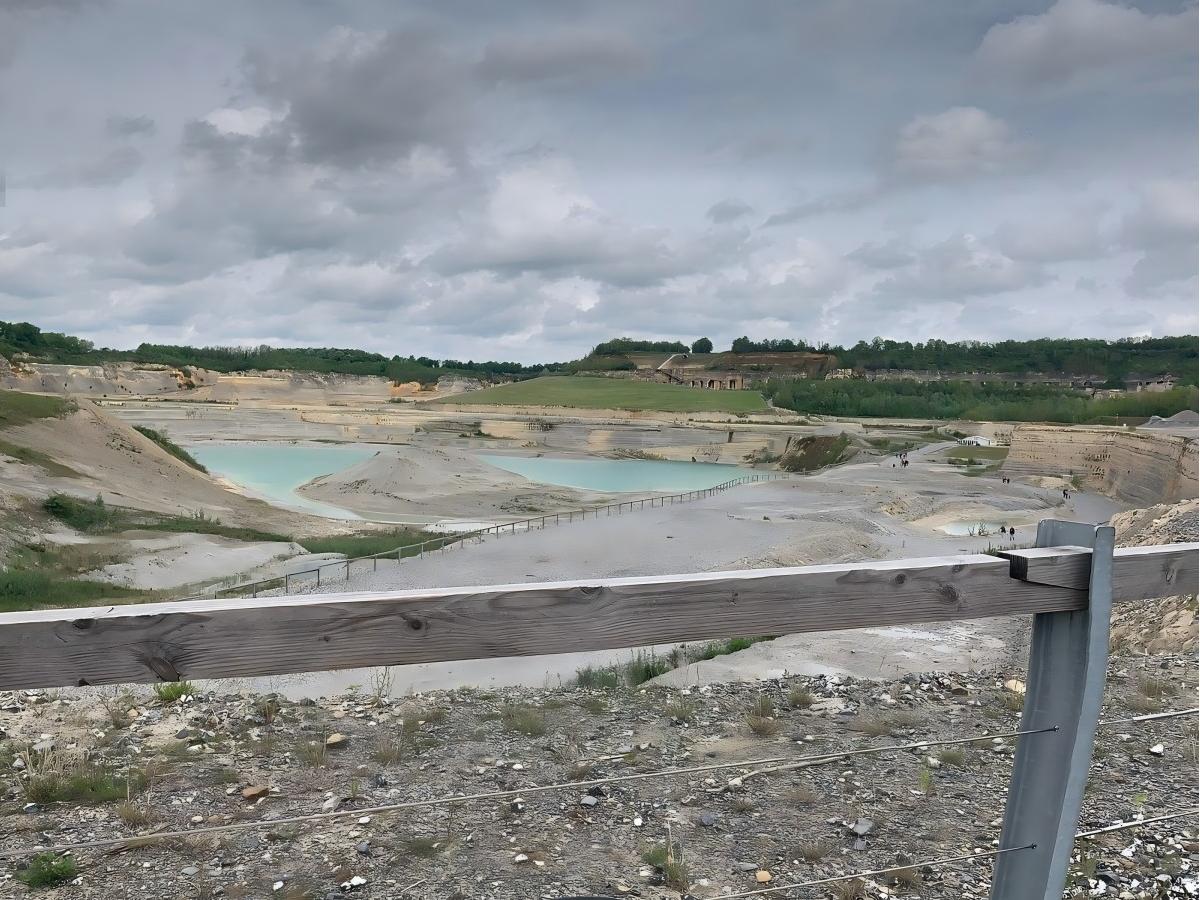
In addition to the underground guided tour experience, the natural and cultural resources around the Sint-Pietersberg are also worth exploring. The tunnels usually exit at the Sint-Pietersberg Nature Reserve in southern Maastricht, a lush, picturesque area popular with locals for weekend walks and picnics. Once out of the tunnels, take a peaceful stroll along the mountain paths to the top of the hill overlooking the river Maas and the city skyline.
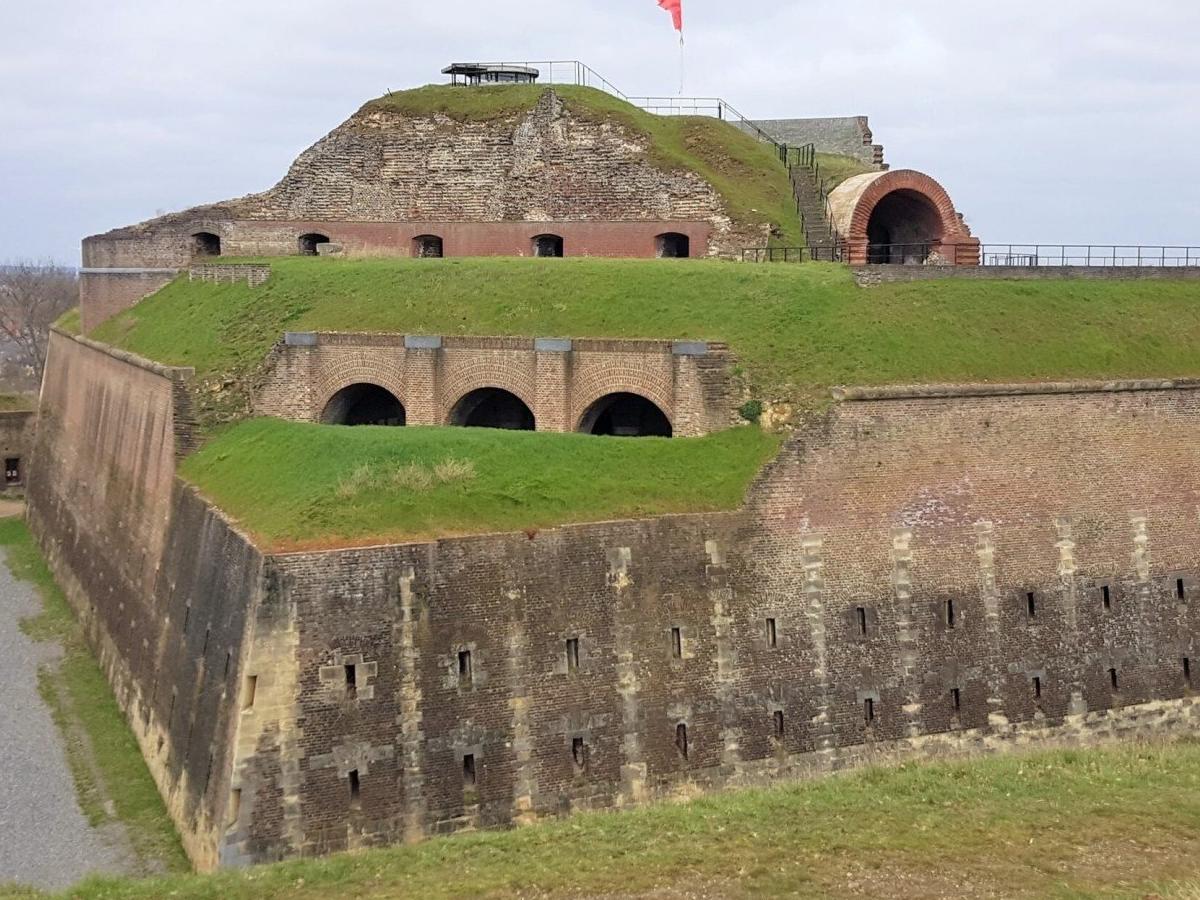
There are also cafes, souvenir stores and a historical exhibition center where visitors can relax or learn more about the history of Maastricht's underground world. If you have enough time, you can also visit the nearby Fort Sint Pieter and the Grotten Noord (Northern Tunnels), which make up a complete “Underground and Defense Cultural Discovery Route”.
It's worth noting that some tours offer themed night tours during certain holidays (such as around Christmas), where the tunnels are transformed into an immersive historical theater with light projections and live performances. Tickets are often hard to come by for these limited-time events, so keep an eye on the guide's website for updates.
The Sint-Pietersberg tunnels are not only an engineering marvel of limestone excavation, but also an “underground museum” of history, humanity, nature and art. It carries hundreds of years of cultural precipitation in a low-profile manner, and tells the story of the city's vicissitudes and resilience in its own unique way. Entering the tunnels is an adventure in the darkness; getting out of the tunnels is a kind of contemplation after dialoguing with the past. For travelers, embarking on a guided tour of Sint-Pietersberg's tunnels is not just a simple visit to the sights, but more like a journey through time, reacquainting oneself with the memories and stories of this land in the dim light. The tour is a journey through time.