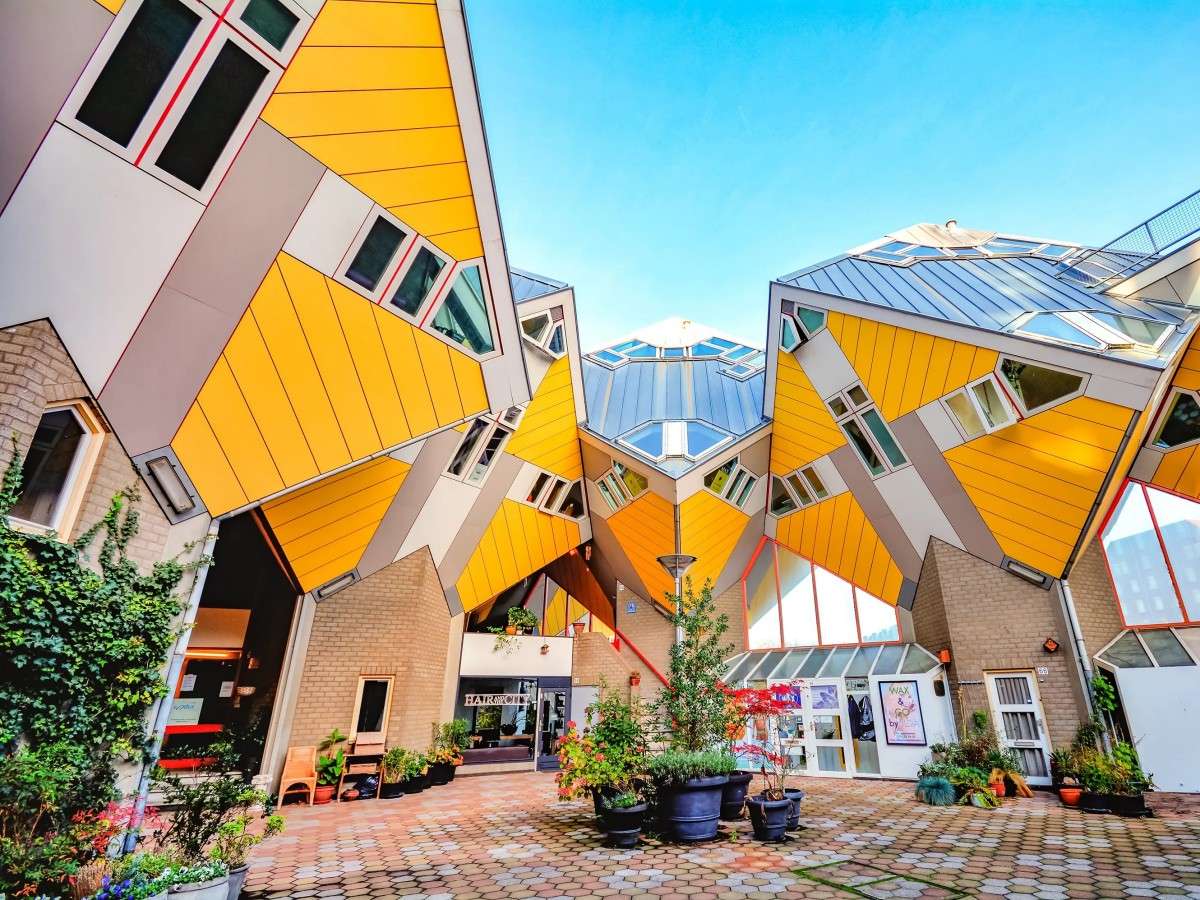
In the urban landscape of Rotterdam, the Netherlands, Cube Houses are like a group of giant Rubik's cubes that fell from the sky. With their unique and avant-garde attitude, they have become one of the most recognizable landmarks in the city. Every year, tourists from all over the world rush here with curiosity and amazement, just to explore the mystery behind this strange building. Below, we will sort out the key information you need to know about Cube Houses.
Advertisement
A creative work born out of necessity
Advertisement
The birth of Cube Houses originated from a bold attempt in urban planning in the Netherlands in the 1970s. At that time, Rotterdam was severely damaged in World War II and the city was in urgent need of reconstruction. Architect Piet Blom was invited to redesign the port area. The small residential plots on both sides of Blaak Street faced the problem of how to achieve innovation and functional integration in a limited space. Piet Blom had a great idea and proposed the idea of designing the house into an inclined cube, which not only solved the problem of plot connection, but also injected new vitality into the city.
The concept of "urban forest"
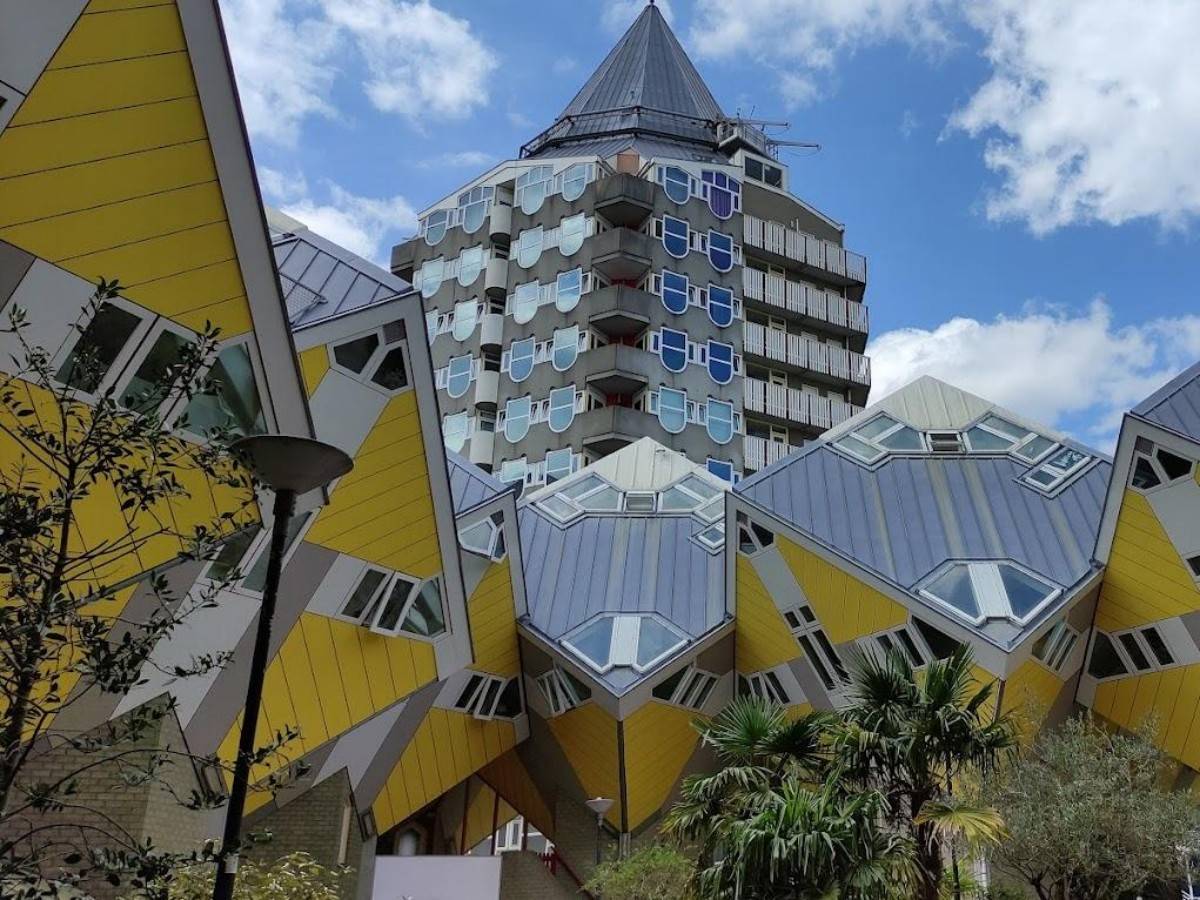
Piet Blom's design concept is unique. He hopes to create a feeling of forest in the city. Therefore, each cube house is compared to a tree, and all the houses are combined to form an "urban forest", which the locals also call "Blaak Forest". These cube houses are intertwined and staggered, like a closely connected small community, and like a three-dimensional maze full of fantasy colors, bringing a unique spatial experience to residents and tourists.
Appearance and structure
Advertisement
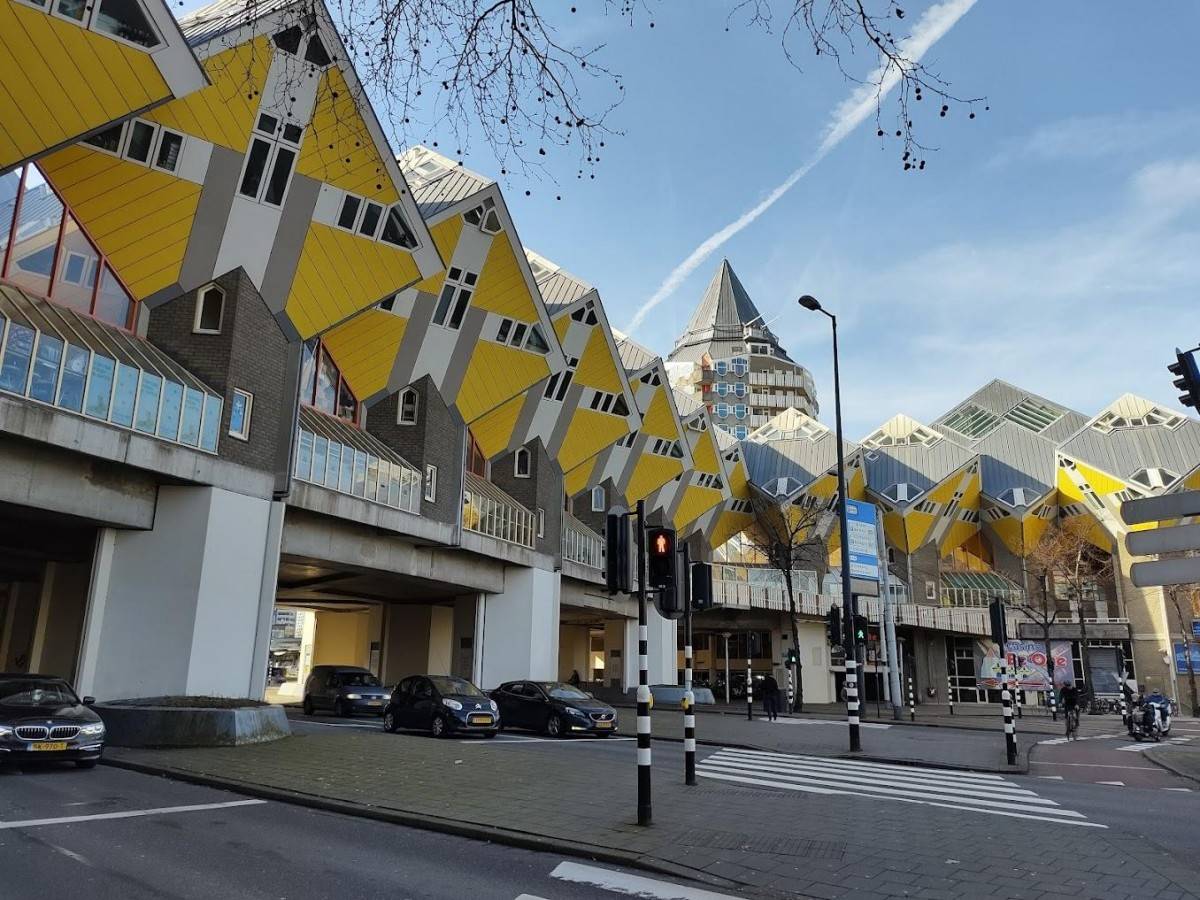
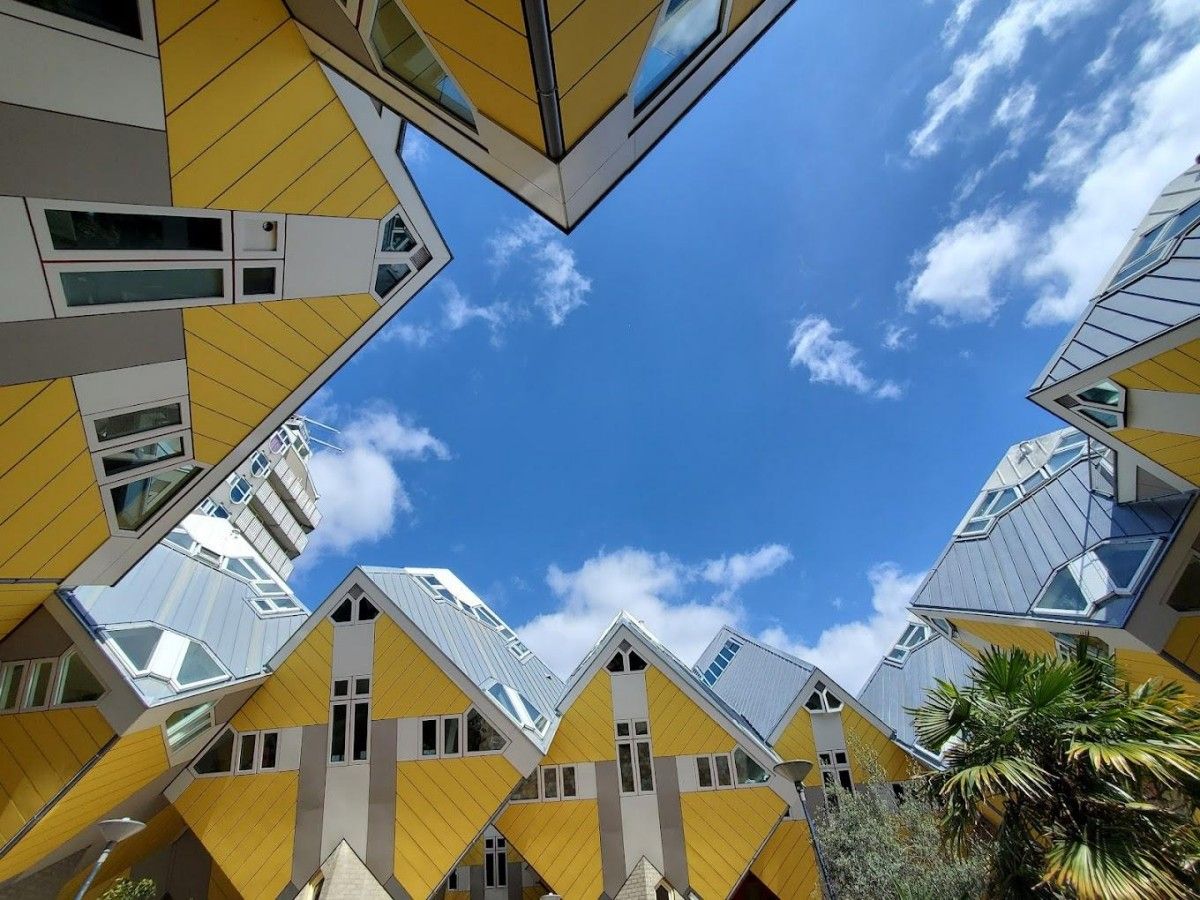
Cube Houses consists of 38 ordinary cube houses and 2 larger "super cubes". Each cube is tilted at a unique angle of 54.7 degrees and supported by hexagonal pillars. Some of the pillars are located on the pedestrian bridge across the four-lane Blaak Street, making the entire complex not only a residence, but also an important link connecting the surrounding market and the seaport. These yellow tilted cubes are particularly eye-catching under the sunlight. From a distance, they look like a group of jumping colorful building blocks, adding a touch of agility and playfulness to the city skyline.
Interior space
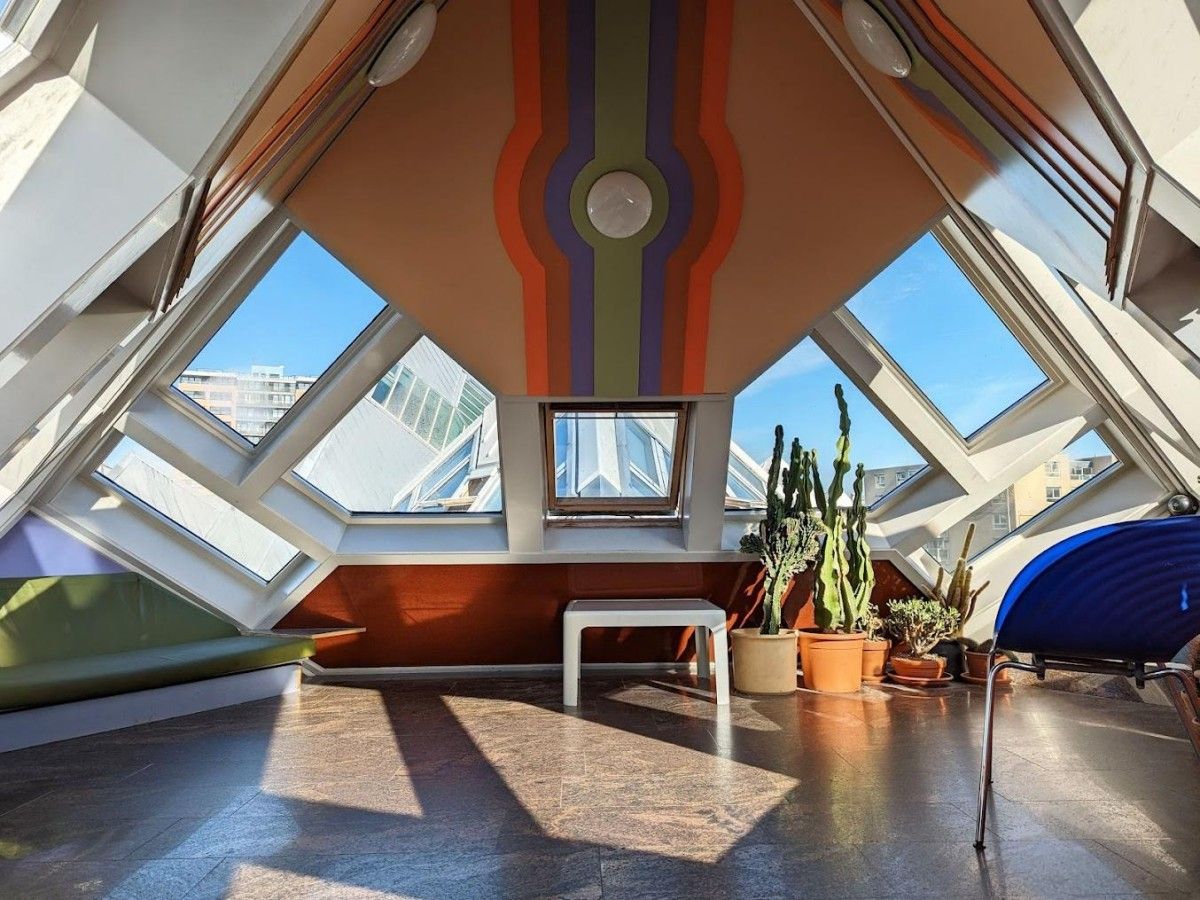
Walking into the interior of the cube house, you will find that its spatial layout is full of ingenuity. Each apartment has a three-story structure. The ground floor is the entrance. Through the narrow stairs, you can reach the second floor, where there is a triangular living room and open kitchen area. The unique tilt angle makes the space full of three-dimensionality. The sunlight shines in through the tilted windows, and the light and shadow are mottled, creating a different atmosphere. There are two bedrooms and bathrooms on the third floor, and a multifunctional "observation deck" on the top floor. Some of the observatories of the cube houses also have small "terraces" leading to other cube houses, making communication and interaction between residents more convenient. However, due to the 54.7-degree angle between the wall and the window, about a quarter of the space cannot be fully utilized because it is located under the sloping ceiling, but this is precisely part of its unique charm.
Visit the "Display Cube House"
To satisfy the curiosity of tourists, one of the cube houses has been transformed into "Kijk - Kubus" and is open to the public. Once you step into the house, you can truly feel the living scene of this unique residence. From the carefully decorated living room, cozy bedroom, to the fully equipped kitchen facilities, every detail shows the designer's ultimate pursuit of space utilization. Here, you can have a deep understanding of the design concept and internal layout of the cube house, as if you have become a temporary resident here, and experience the wonderful feeling of living in a "magic cube".
Tickets and opening hours
The ticket price of the "Display Cube House" is relatively affordable. The adult ticket price is usually 3 euros, and the elderly over 65 years old and students can enter for only 2 euros with valid certificates. The ticket price for children under 12 years old is 1.5 euros. Its opening hours are 11:00-17:00 every day, which is convenient for tourists to visit at different times during the day. However, during the peak tourist season, such as April to October each year, there are many visitors. It is recommended to arrange time in advance to avoid long queues.
Exploring the Art Cube Houses
In addition to the "Display Cube Houses", the Art Cube located at Overblaak 30 is also worth a visit. It perfectly integrates art and architecture, retains the original living layout of the Cube Houses, and provides space for local artists to display their works. Walking through it, you can not only appreciate the unique architectural structure, but also immerse yourself in the ocean of art, and feel the collision and fusion of art and life. The exhibitions in the Art Cube Houses are updated from time to time, and every time you come, you may gain a new visual experience.
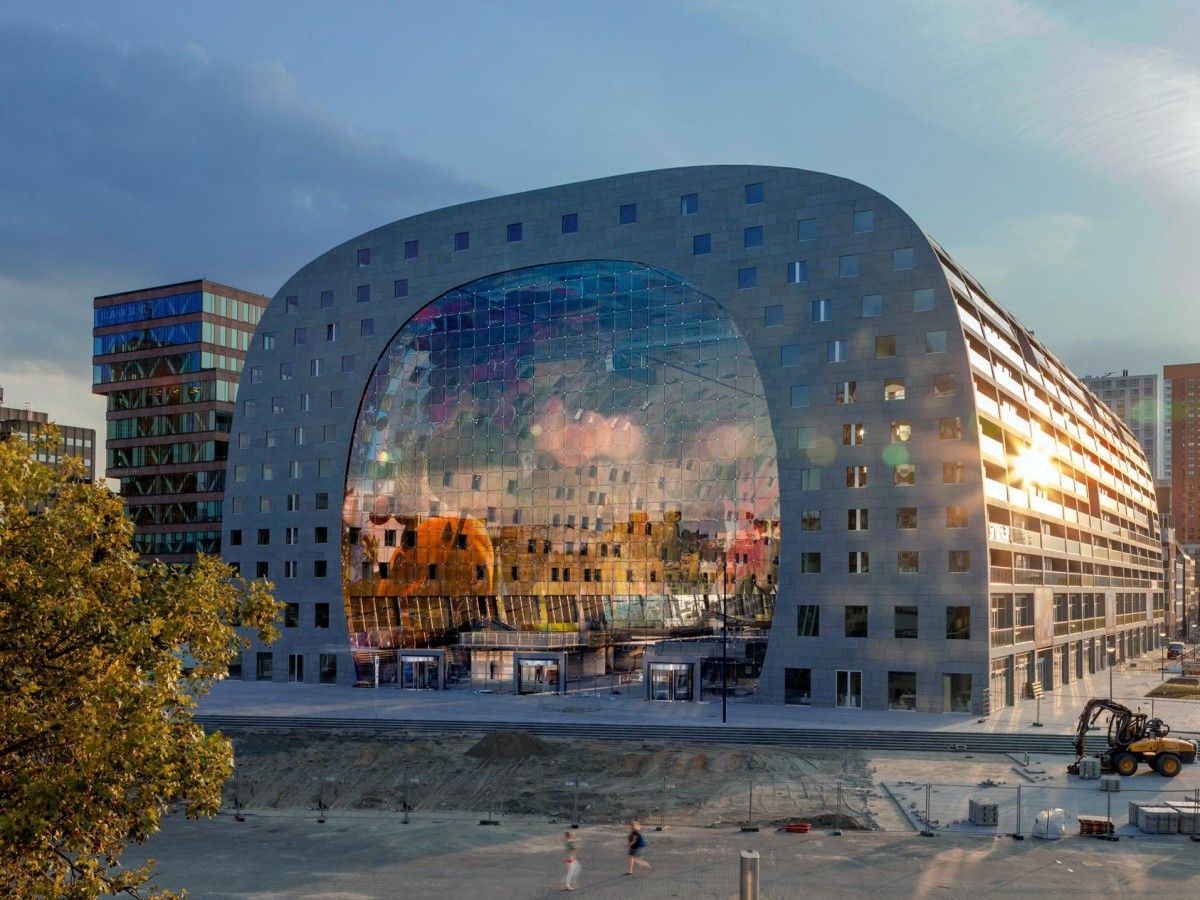
Food and shopping nearby Cube Houses are surrounded by delicious food and convenient shopping. Markthal, just across the street from the Cube Houses, is a comprehensive building that integrates shopping, dining and leisure. Here, you can taste traditional Dutch food, such as fresh and juicy raw herring, sweet and crispy stroopwafels, and various cheeses, seafood and other specialties. The many stalls and shops in Markthal sell everything from fresh flowers, special handicrafts to fashionable clothing to meet your shopping needs.
Transportation Guide Cube Houses are very convenient to get to. If you are departing from Amsterdam, you can take a train to Rotterdam Central Station, then transfer to subway lines A, B, C or bus lines 21 and 24, get off at Rotterdam, Blaak station, and walk a few minutes after exiting the station to arrive. If you choose to drive, there are parking lots nearby. The parking fee varies slightly according to different time periods and parking lots, generally ranging from 2 to 4 euros per hour.
Cube Houses, this architectural wonder full of creativity and charm, is not only a bold breakthrough in the history of architecture, but also a vivid portrayal of the spirit of Rotterdam. Whether you are an architecture enthusiast, an art seeker, or an ordinary tourist, you can have an unforgettable and novel experience here, and feel the innovative thinking and life wisdom of the Dutch in the unique space and design.