Before walking into this museum, my expectations were actually pretty low. After all, in a town like Lagos, known for its beaches and adventure, an old-school municipal museum really didn't sound very appealing. But after pushing through the doors of Museu Municipal Dr. José Formosinho, my thoughts changed completely. It's like a time capsule of the Algarve region's culture, religion, folklore and even maritime history, and the way it's exhibited isn't boring at all. It's not detached like a highbrow art gallery, and it doesn't take the fancy interactive route, but rather tells you the “original story” of Lagos in a down-to-earth, honest way.
Advertisement
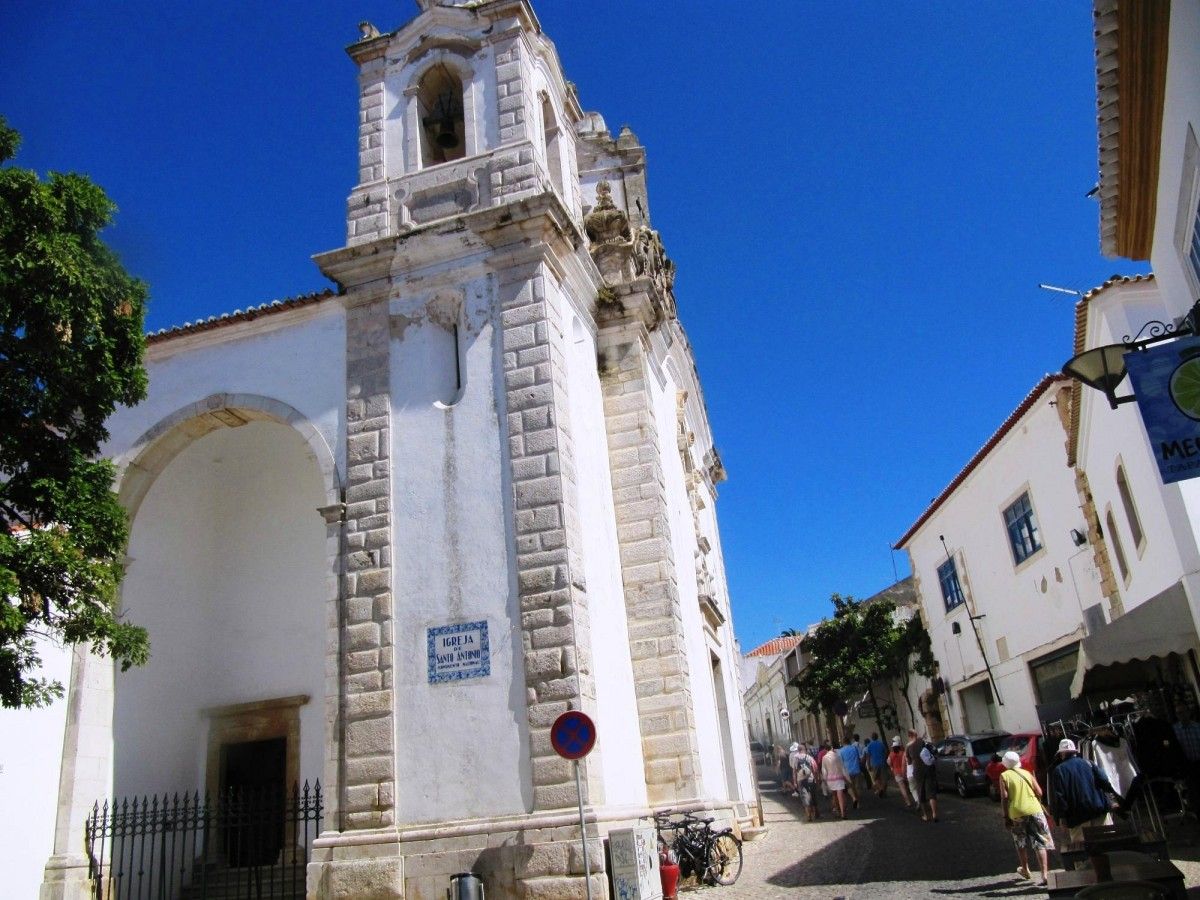
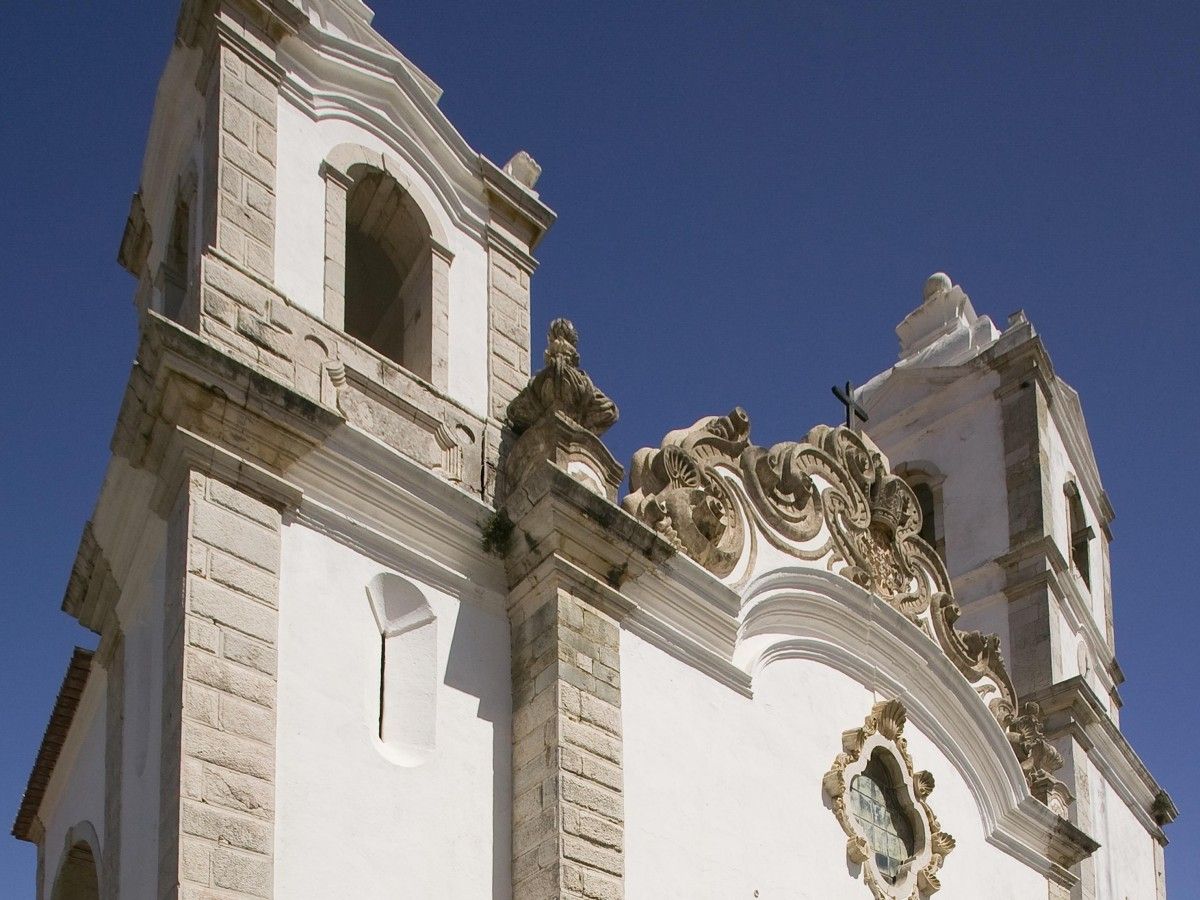
From the outside, it's really low-key, even a bit inconspicuous, next to the Igreja de Santo António, and many people think it's just a piece of ancillary space. But when you go inside, you realize that it has a wide range of exhibits, from religious art to archaeological discoveries, from ethnic costumes to natural history, and each exhibit has something to offer.
Advertisement
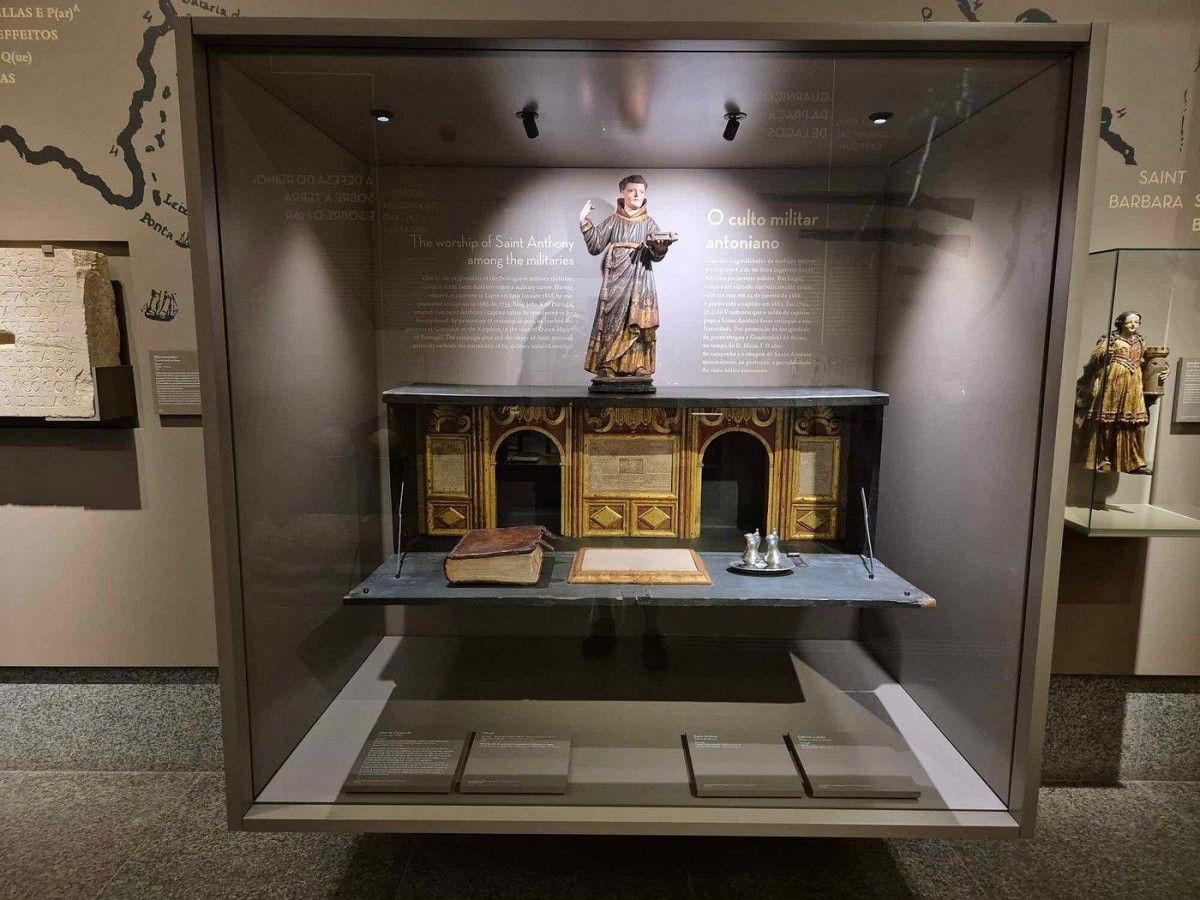
Once inside, the left side is the religious art area, sacred vessels, sculptures, murals to see me as a non-religious people feel a sense of weight of ancient rituals. Further in, there is an archaeological and ethnographic section, displaying pottery, Roman coins and bone tools unearthed in Lagos. The furnishings in this section are plain but have the charm of a museum in its original form, and the information cards come with English so you don't have to worry about reading them.
If you're interested in ships, navigation and maps, don't miss their “Maritime History” section. As a node city during the Age of Sail, Lagos has a name in the history of Portuguese colonial expansion. There are a lot of 16th century charts, models and weapons on display, as well as a restored picture of the old Lagos harbor, which made me want to pick up a model of a sailing ship and take a picture of it (but of course, you are not allowed to touch it).
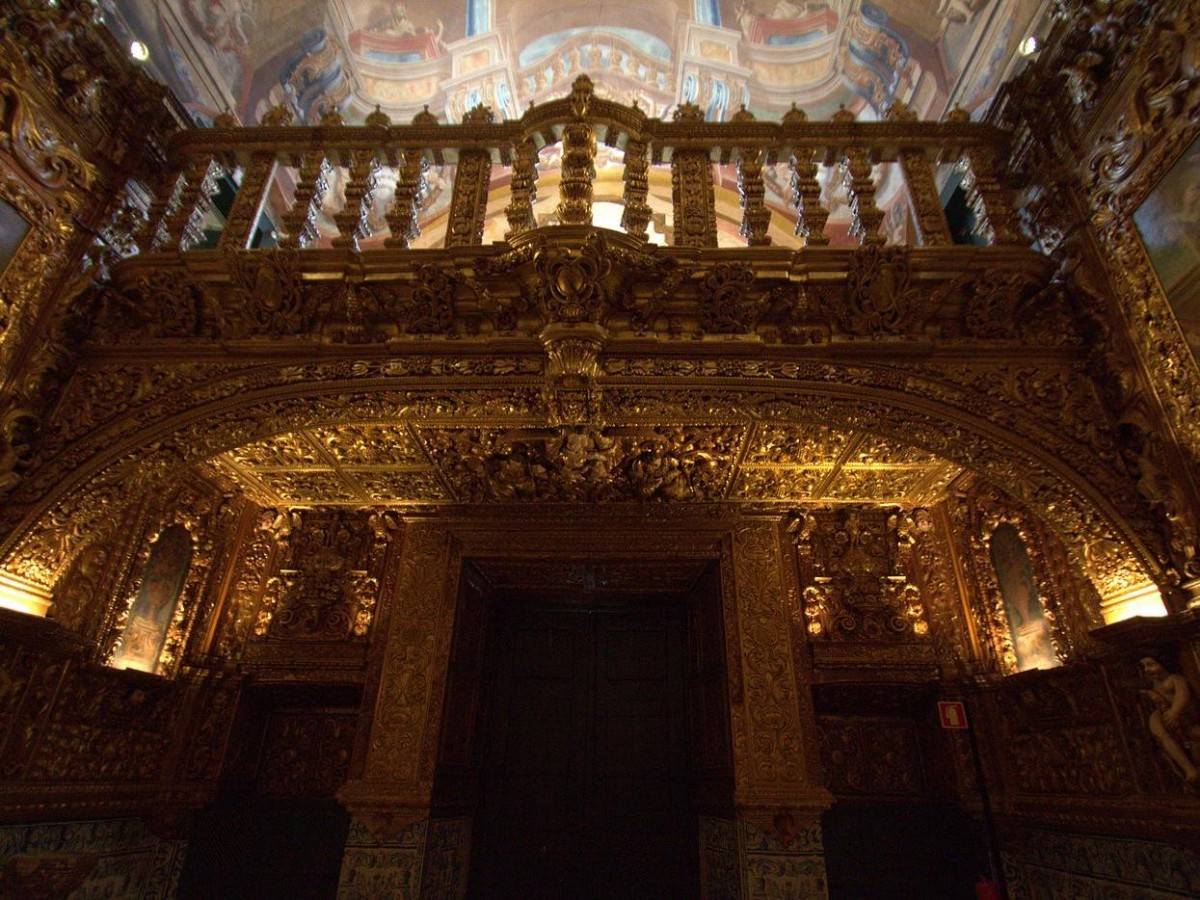
This museum shares the same building with the San Antonio Church, but it's actually more like a part of the church. Because of this, you can see both places with one ticket, which is a great value for money. The decoration of the church is extremely ornate, with gold leaf, colorful paintings and tiles, typical of the Baroque style, in stark contrast to the simple museum next door. But the interesting thing is that both of them tell the same piece of city memory, just one with art and the other with exhibition.
Advertisement
My favorite, a small exhibit at the back of the church, showed the lifestyle of old Lagos. There is a group that restores the arrangement of past family kitchens and living rooms, with wooden tables, clay stoves and spinning machines, all donated by locals, retaining obvious traces of their use, not like a museum, but more like a time house.
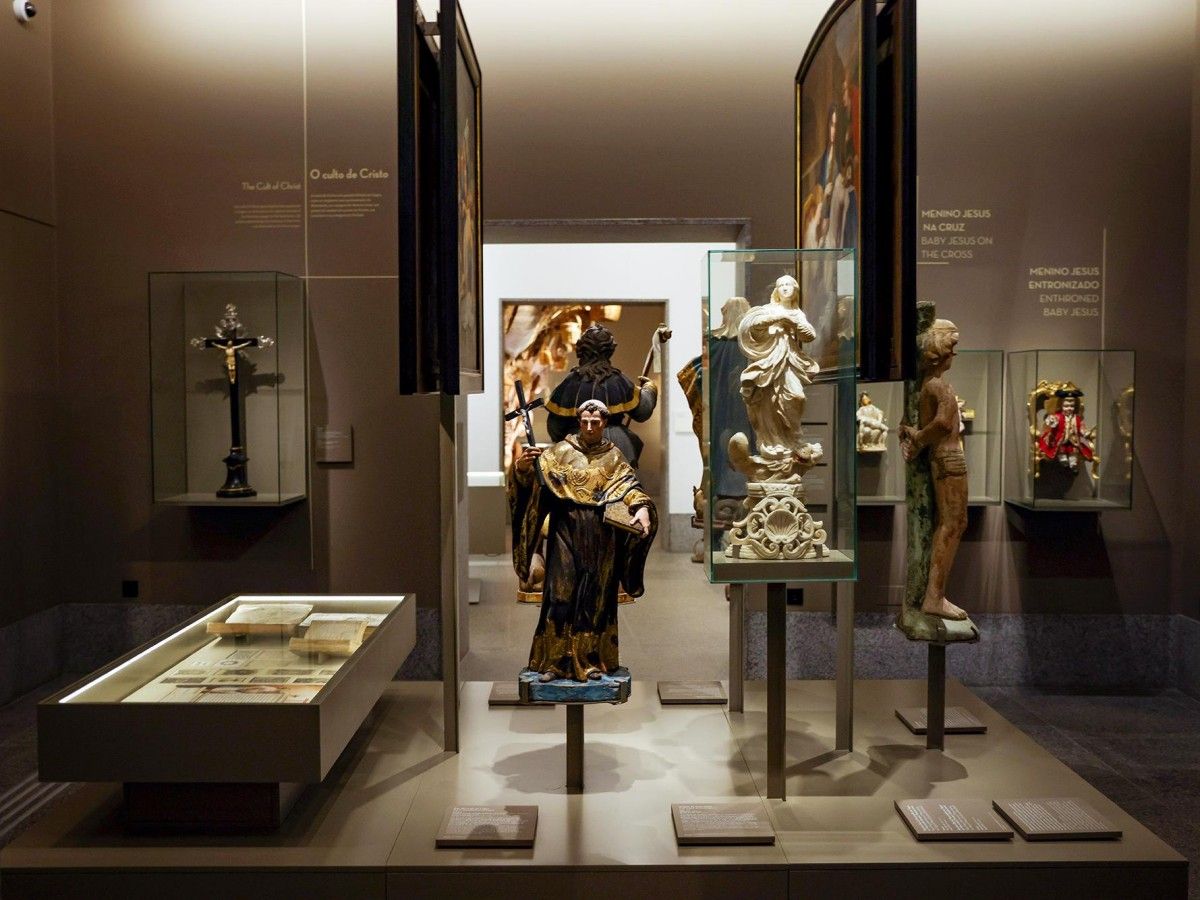
This is something that I think is a plus: this museum is friendly to adults, children, history buffs or tourists. Adults can take their time with the text and objects, while children will be attracted by the “old stuff”, such as ancient scales, fishing gear, model windmills, as well as some nature exhibits, including bird specimens and fossils.
The route inside the museum is not complicated, so you can walk around freely without the trouble of going the wrong way. And the curators are all very enthusiastic. When I was taking photos in the nature exhibit, an older staff member even took the initiative to explain to me the story of a conch specimen, saying that Lagos children used to play with it as a whistle. This kind of ground level storytelling is far more vital than a guided tour.
A special reminder: this museum is not particularly strong air-conditioning, remember to wear air permeability in the summer, but in winter to go in just right, the temperature is very comfortable.
Location: Right in the center of Lagos old town, very easy to find, within 5 minutes walk from the main street and the pier. Recommended to come in the morning, slightly more crowded in the afternoon.
Opening hours: usually Tuesday to Sunday 10:00-12:30 and 14:00-17:30, closed on Monday, remember to avoid.
Tickets: Only 3 euros, students and senior citizens also have discounts. And this ticket can visit the church at the same time, super bargain.
Photo policy: most areas can be photographed (don't use flash), but the religious exhibits should be a little more restrained, not suitable for selfies.
Suggested length of visit: 1 hour to hit the bottom, a closer look at about 1.5 hours to get it done, with the surrounding attractions together with the arrangement is very smooth.
Facilities: there is no large cafe, there are small restrooms, not much of a souvenir store, but there are some street stalls near the exit where you can buy some Portuguese knick-knacks.
If you're planning to spend only 1 or 2 days in Lagos, this place is definitely worth putting on the list. It won't take you all day, but it will give you a solid, intimate impression of the city's history.
Museu Municipal Dr. José Formosinho is one of those museums that you won't regret walking into. It's not as eye-catching as the modern, design-heavy pavilions, but it leaves you with something to think about and something to savor after you've turned your back on it. If you're in Lagos, don't just take pictures of the sea, come here to see “where the city came from”, and you'll feel that this place belongs not only to the sunshine and waves, but also to the years and memories.