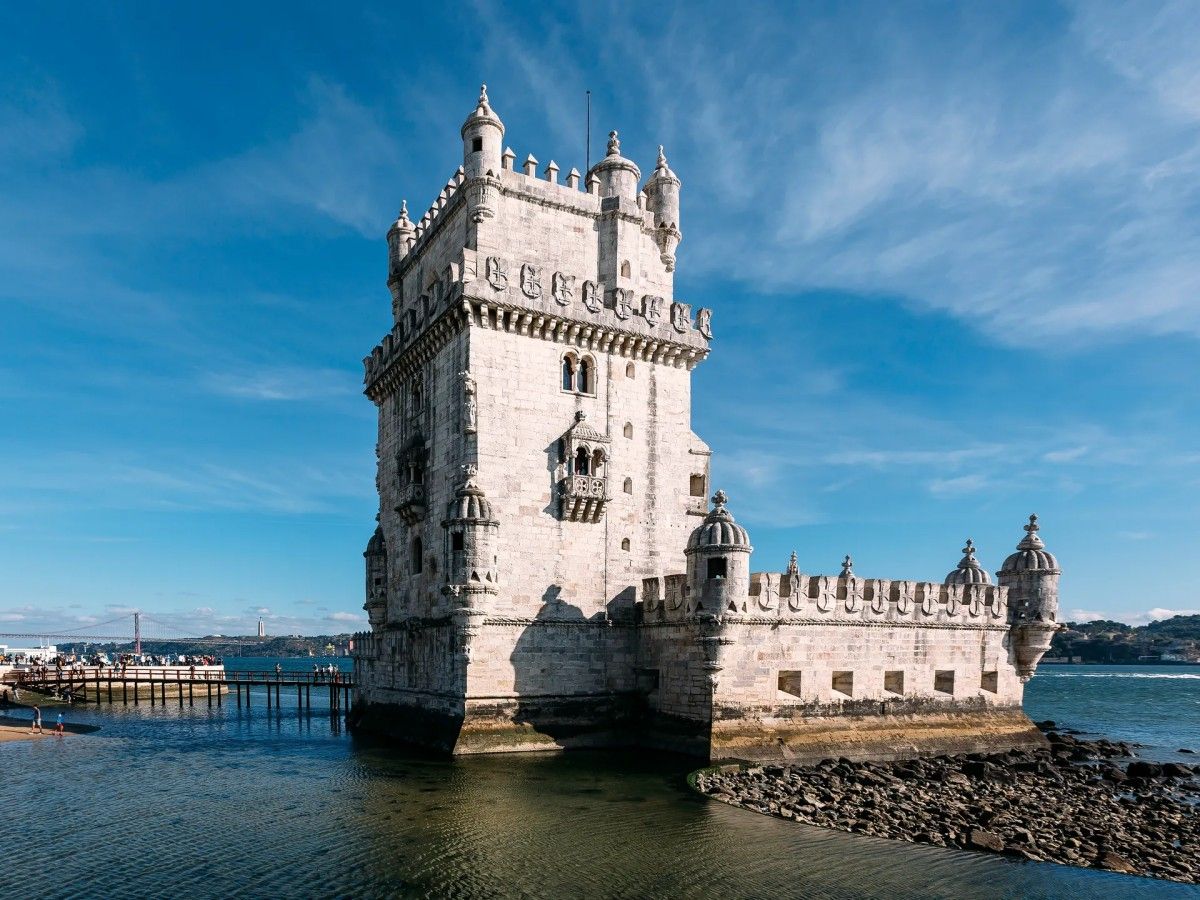
In Lisbon, the capital of Portugal, there is a historical treasure that seems to have frozen in time. It stands on the banks of the Tagus River and witnesses the glorious Age of Exploration of Portugal. This fortress is Belém Tower, also known as the Tower of St. Vincent, a legendary landmark that allows every visitor to travel through hundreds of years of history.
Advertisement
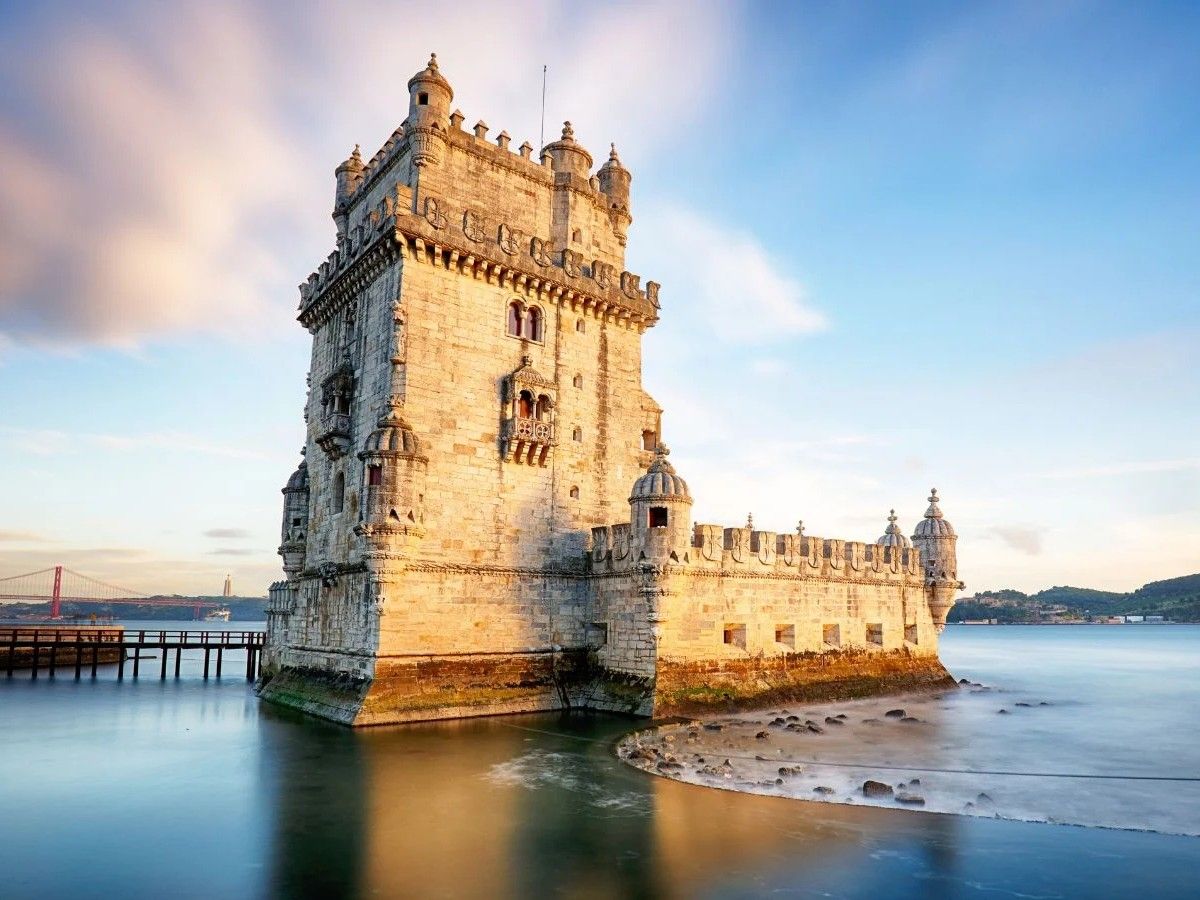
The Belém Tower was built between 1514 and 1520 by order of King Manuel I. It was originally built to defend the port of Lisbon and defend against foreign invasions. It is not only a symbol of Lisbon, but also a witness to the history of Portuguese navigation. In the 16th century, this was the starting point for countless explorers to set sail, including the legendary navigator Vasco da Gama.
Advertisement
At that time, Portugal was the world's maritime hegemon. With advanced navigation technology and fearless adventurous spirit, it expanded its routes to Africa, Asia and even America. Belém Tower, as a lighthouse guarding the ocean, is not only a fortification, but also the last symbol of hometown that sailors see, carrying the dreams and homesickness of countless sailors.
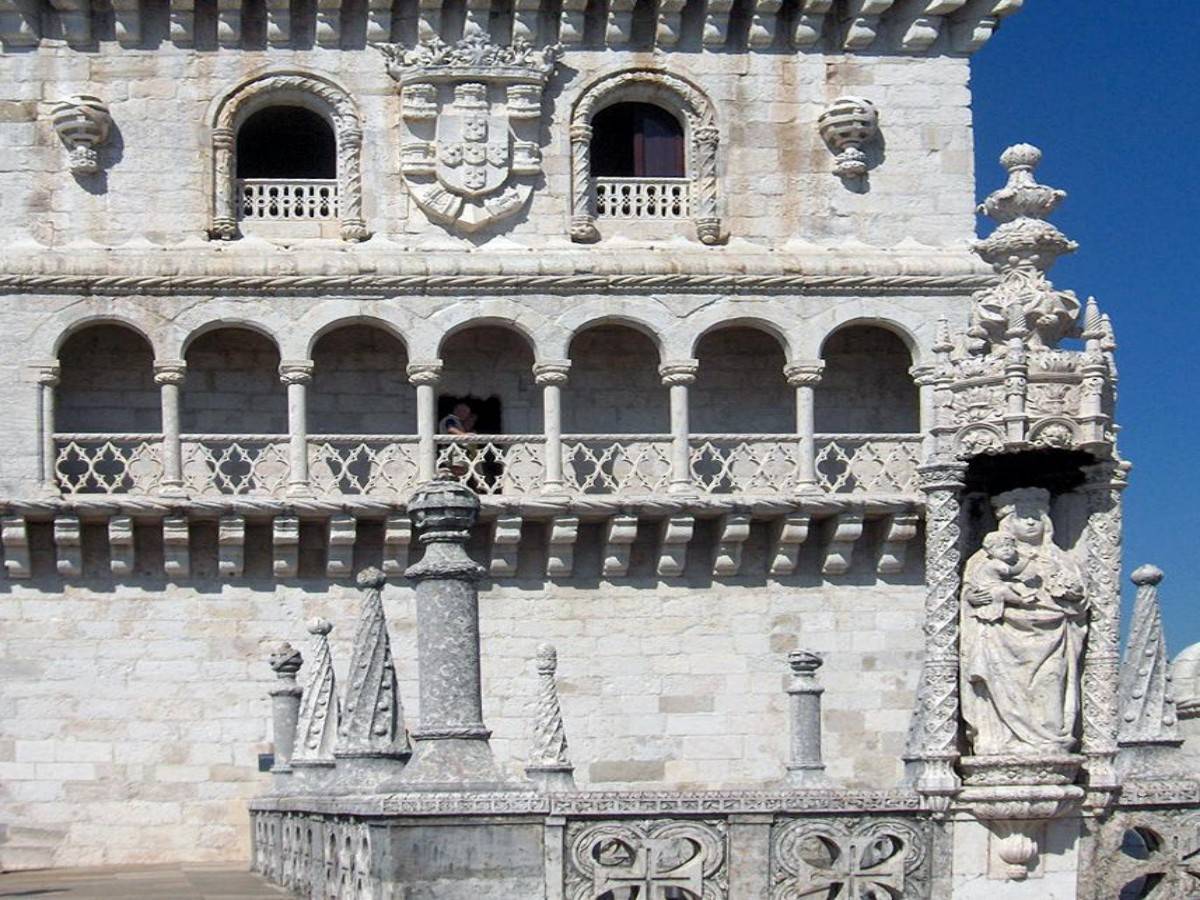
The architectural style of Belém Tower is typical Manueline, which combines elements of Gothic, Moorish and Renaissance. The exterior is like a gorgeous sea castle, and the exquisite carvings and decorations are amazing.
Advertisement
Gorgeous stone carvings and symbols: The tower is covered with decorations symbolizing navigation, such as cable carvings, marine life, Christian crosses, and shields symbolizing Portugal's maritime power.
Moorish-style balconies: There are many small balconies on the tower with Moorish-style arched designs, from which you can overlook the magnificent view of the entire Tagus River.
Fortresses and turrets: There are defensive turrets on the ground floor, which used to be equipped with 16 cannons pointing to the vast ocean to prevent foreign invasion.
Prisons and treasure rooms: Did you know? The basement of the Belém Tower was once used as a prison, where prisoners of war and political prisoners were held. There is even a legend that treasures from the Age of Navigation were hidden here, adding a bit of mystery.
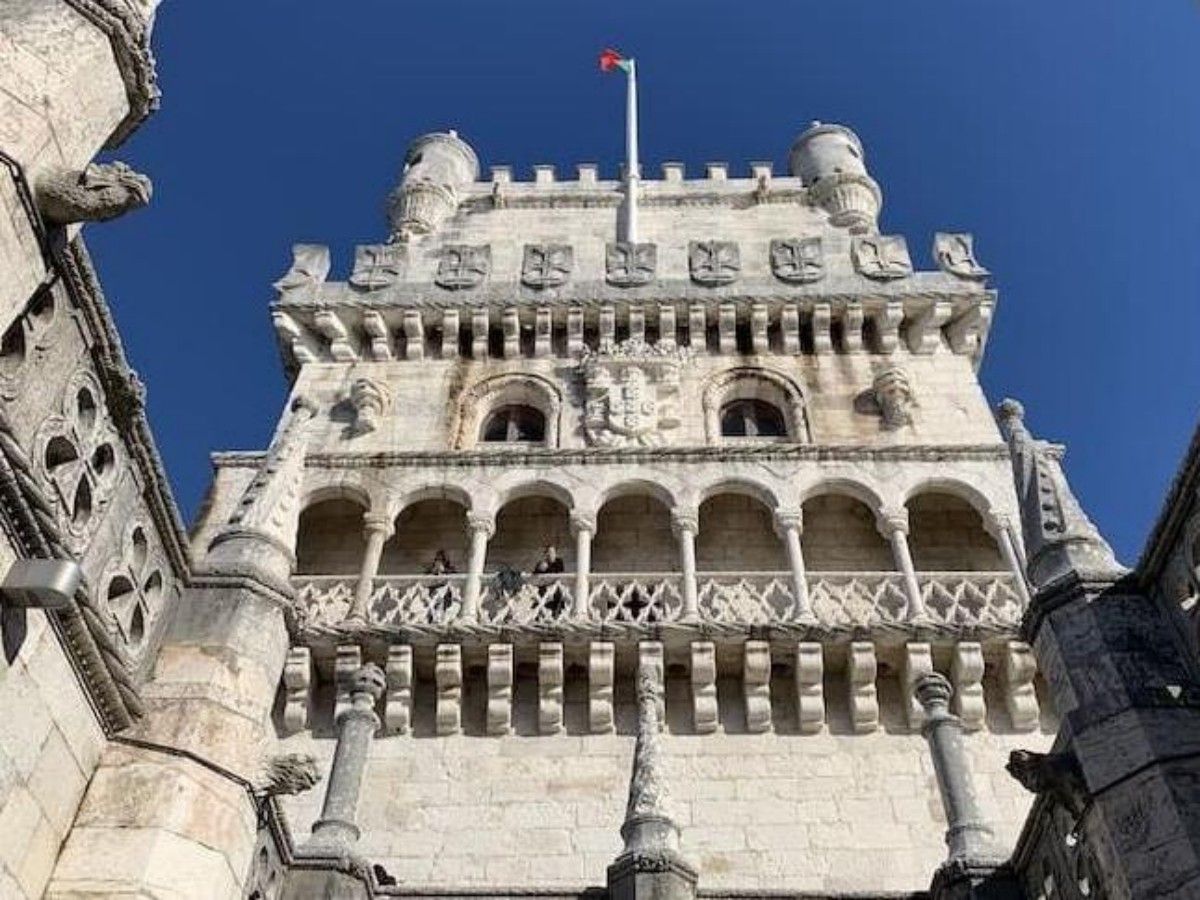
If you want to get to know this fortress in depth, you must climb the Belém Tower in person to experience the history and scenery it carries.
First floor: Ancient artillery and fortifications
When you enter the Belém Tower, you will first come to the ancient artillery area, which was once the core of the fortifications. You can see the artillery used for defense in the past, and imagine how it resisted pirates and foreign invasions in the 16th century. Standing at the bottom of the tower and looking at the Tagus River, it seems that you can see the Portuguese fleet sailing away in the past.
Second floor: Governor's Hall and Royal Balcony
Climb up the stairs and come to the Governor's Hall, which was once the office of the tower guards. The walls around are engraved with exquisite Manueline style decorations. Looking out from the balcony, the river is sparkling, and the April 25th Bridge in the distance spans the sky. The beautiful scenery is intoxicating.
The third floor: King's Hall and stunning dome
The King's Hall was the resting place for the royal family when they climbed the tower. It is beautifully decorated and shows the glory of Portugal in the past. The dome is the most valuable part of the entire tower. It combines Moorish and Gothic architectural styles, like an aerial palace.
The highest floor: Climb to the top and overlook the Tagus River
When you climb to the top of the Belém Tower, you will be shocked by the scenery in front of you-the Tagus River is like a blue ribbon, slowly flowing to the Atlantic Ocean. In the distance, the Maritime Monument and the Jerónimos Monastery complement each other, making people feel as if they are in the Age of Exploration in the 16th century.
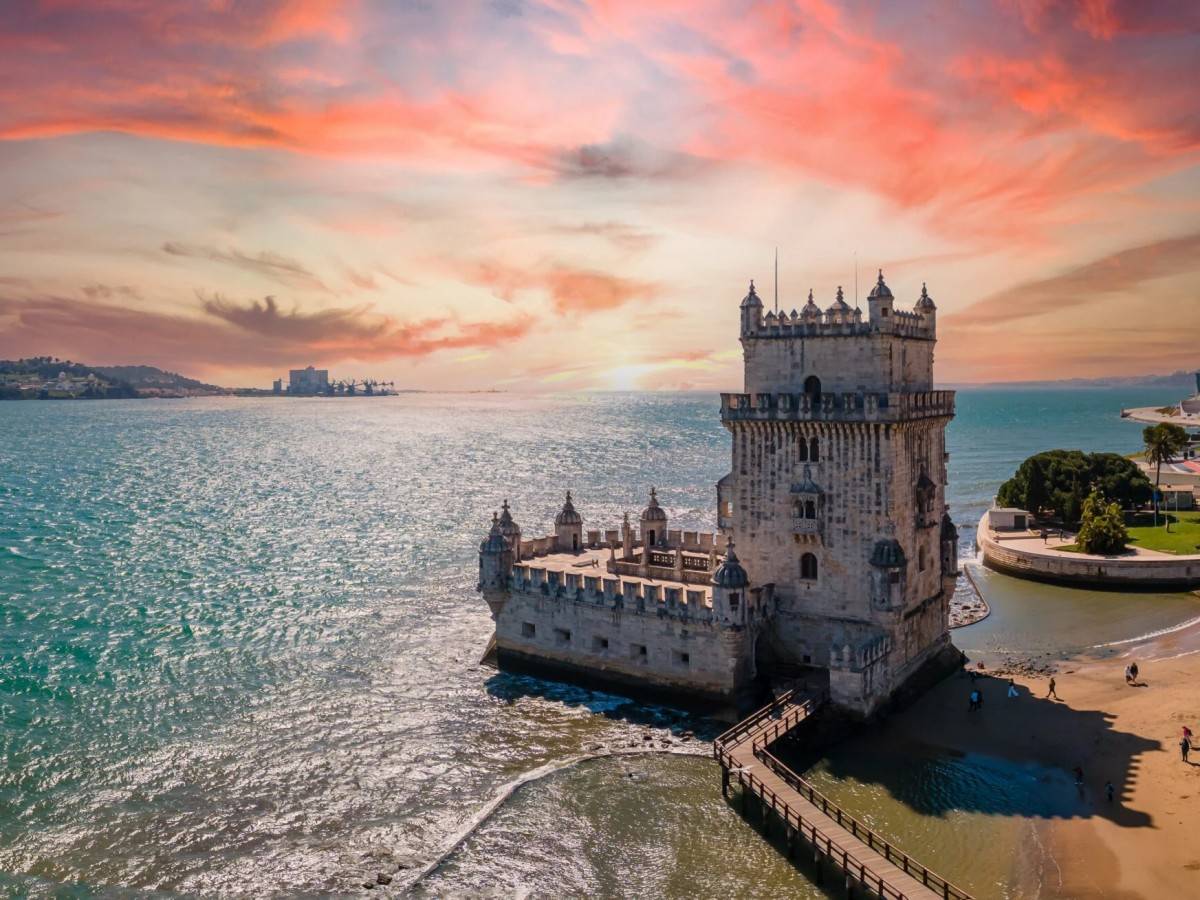
The Belém district where the Belém Tower is located is the most historical place in Lisbon. In addition to the Belém Tower, you can also explore the following attractions:
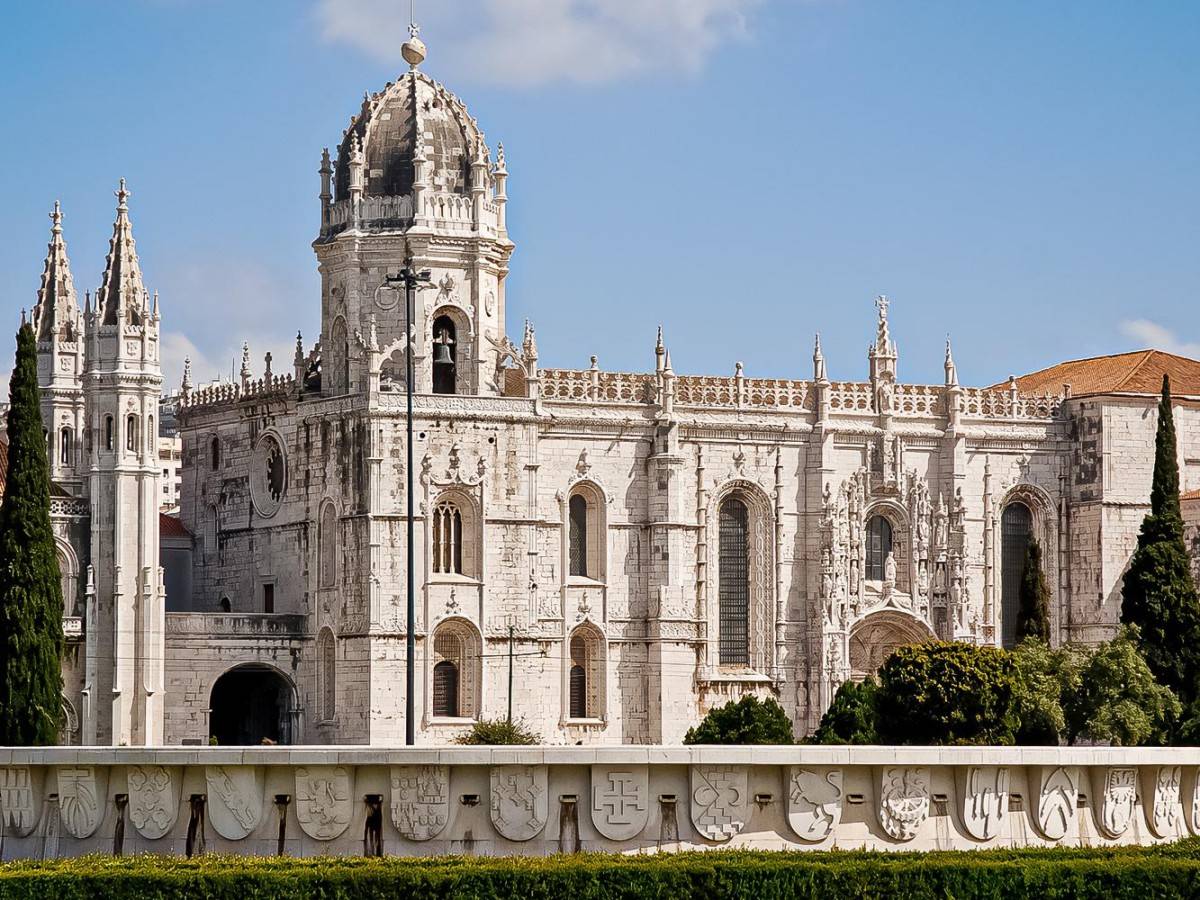
Jerónimos Monastery: It is a world heritage site with the Belém Tower. Navigator Vasco da Gama is buried here.
Padrão dos Descobrimentos: A great monument commemorating Portuguese seafaring heroes, with legends such as Prince Henry, Vasco da Gama, and Magellan carved on it.
Pastel de Belém: When you come to Belém Tower, you must try the authentic Portuguese egg tarts from the century-old Pastéis de Belém, which are sweet, crispy, and unforgettable.
How to get to Belém Tower?
Belém Tower is about 7 kilometers from the center of Lisbon. You can choose the following ways to get there:
Tram: Take tram 15E and get off at Belém Station. It is about a 10-minute walk to the destination.
Bus: Take bus 714 or 727 and get off at Belém Station.
Sightseeing bus: Many sightseeing bus routes pass by Belém Tower.
Ferry: Take a ferry from Cais do Sodré Terminal in Lisbon to the Belém District, and you can enjoy the beautiful scenery of the Tagus River along the way.
Belem Tower, a dream place through history Belem Tower is not only a fortress, but also a bridge to the past, allowing people to still feel the glory and romance of the 16th century today. If you love history, love the legendary stories of the Age of Discovery, or are eager to find a unique travel experience, Belem Tower is definitely a check-in destination you can't miss. Standing on this fortress, feeling the breeze and listening to the echo of the waves, you will find that the glory of Portugal is not far away. It is engraved on every stone brick of this sea fortress, waiting for every traveler to explore.