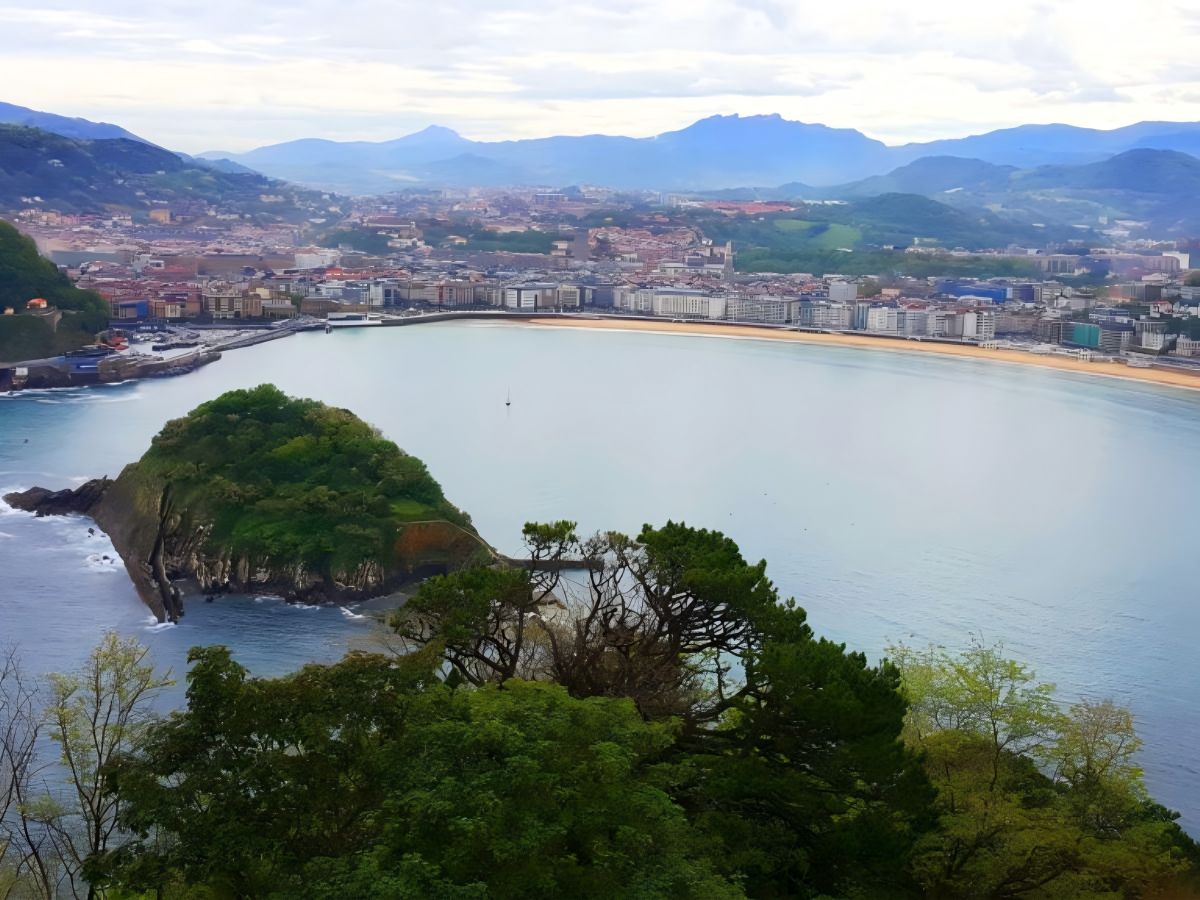
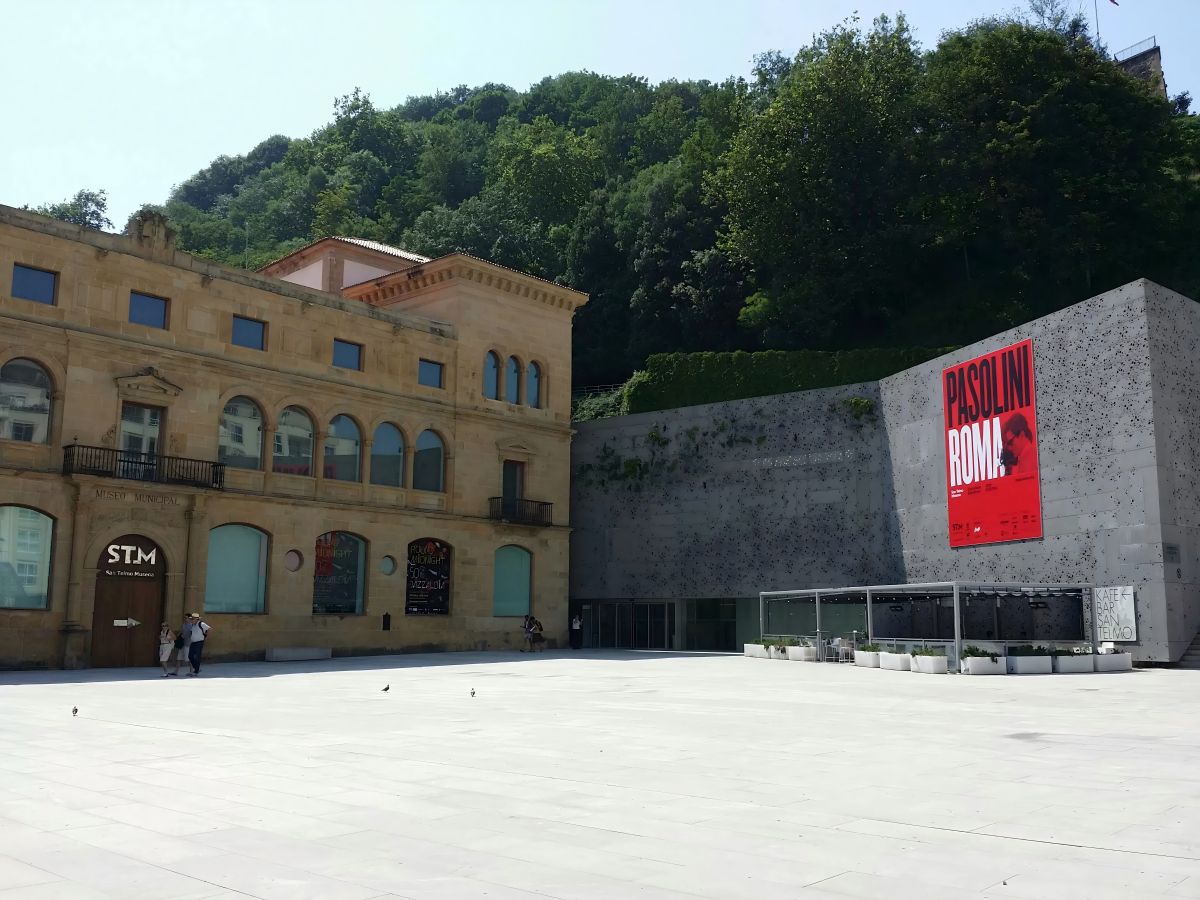
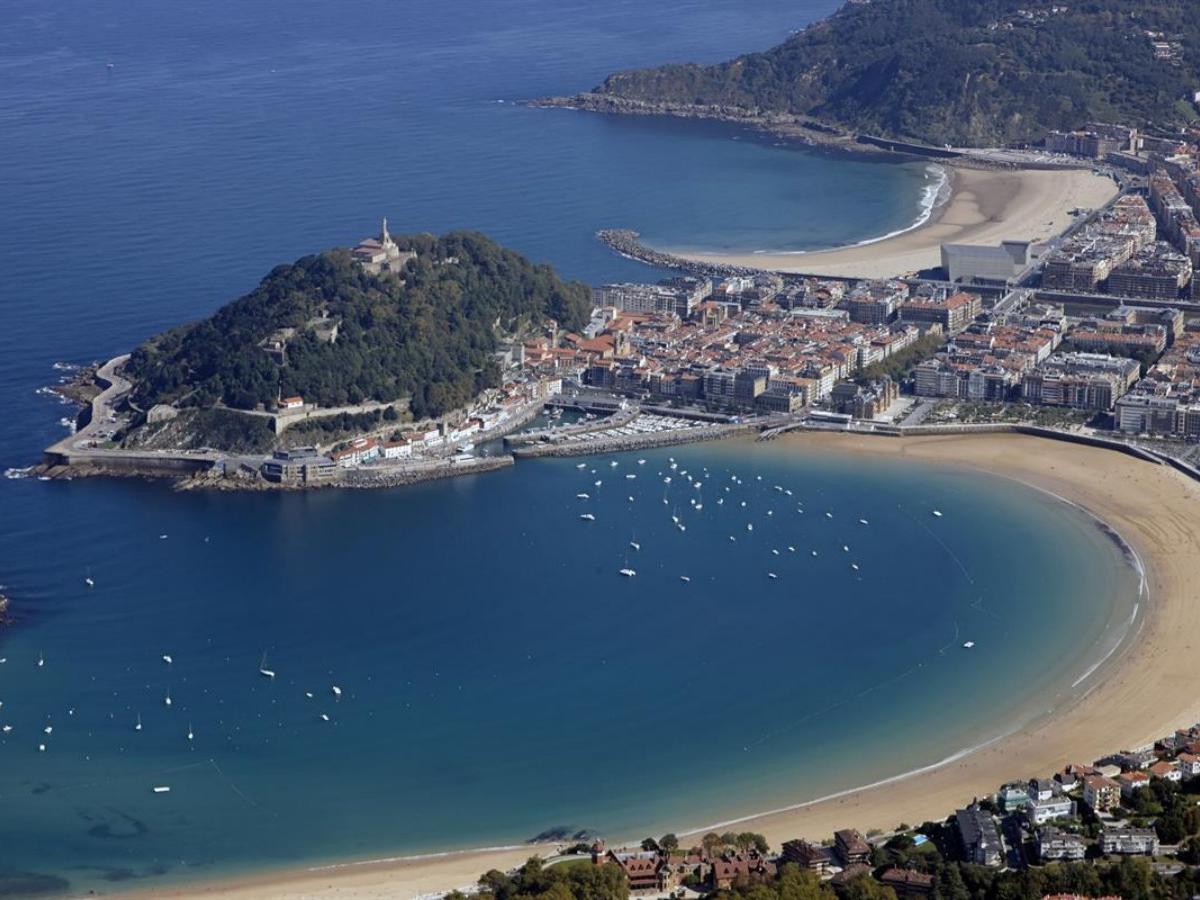
In the heart of Spain's Basque Country, San Sebastian is known for its beautiful coastline and rich cultural heritage. In the old part of the city, there is a hidden cultural temple that carries hundreds of years of history and artistic treasures - San Telmo Museoa. This museum is not only a symbol of Basque culture, but also a living history book that has witnessed the changes of time and shaped the spirit of the city, from the former monastery to the modern cultural center it is today.
Advertisement
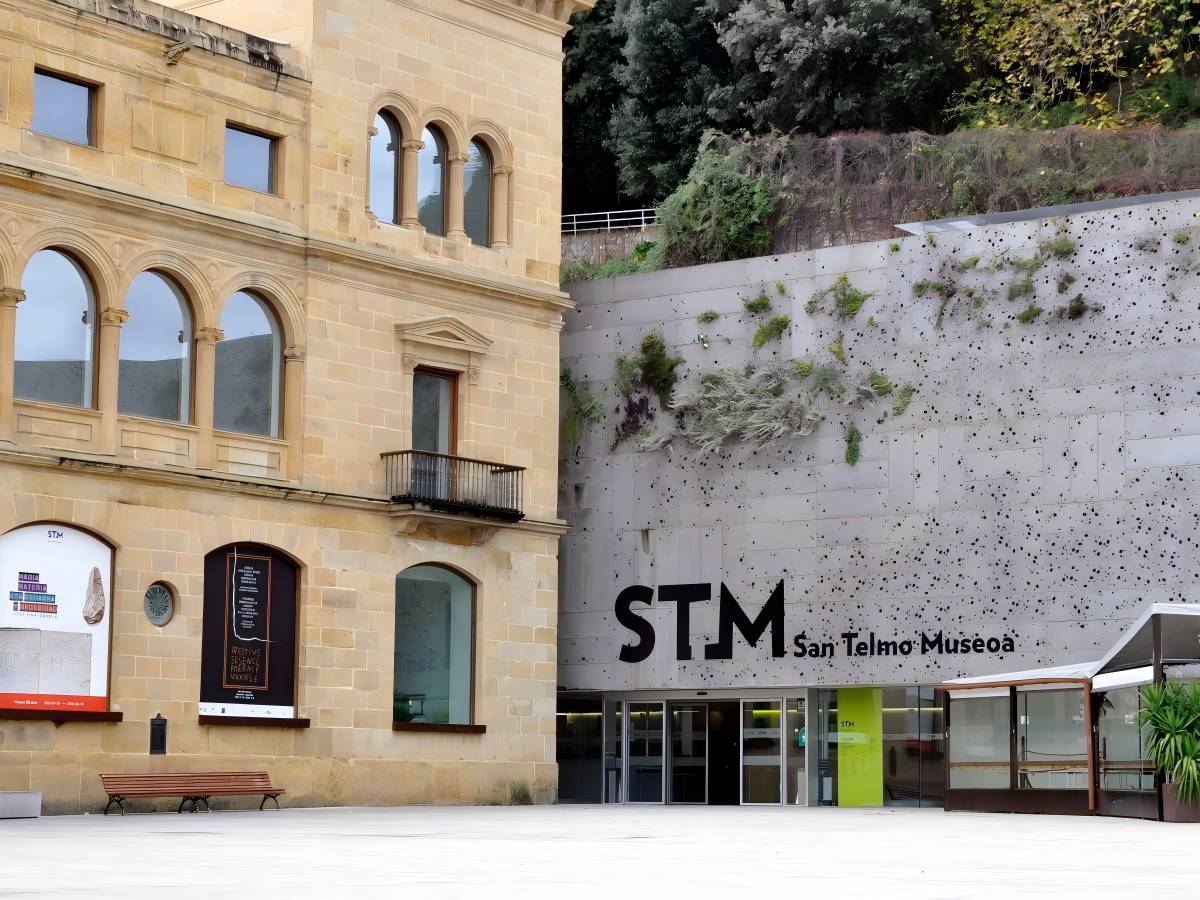
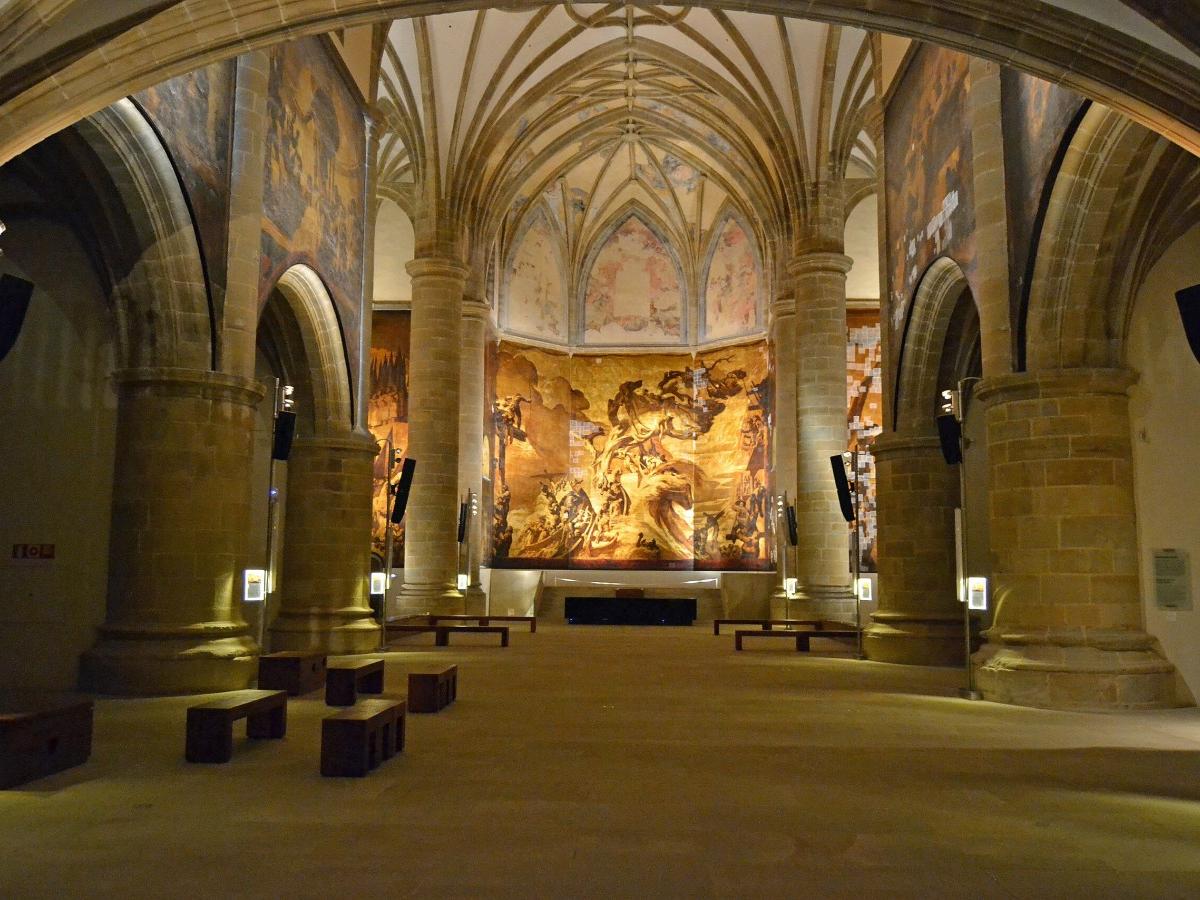
A work of art in its own right, the building of the San Telmo Museum dates back to the 16th century. At that time, it was a convent for Dominican monks, hidden away from the hustle and bustle of the world in a corner of the old town. Built in the typical Basque-Gothic style, the abbey is dignified and sacred, with thick stone walls, rustic arches and peaceful cloisters, and was once a holy place for monks to meditate and study.
Advertisement
However, as times changed, the use of the abbey changed. During the Napoleonic Wars in the 19th century, it was used as a military facility and even became an arsenal for a time. The tranquility of the old world was shattered by war, the chanting of the monks was replaced by the neighing of the war horses, and the abbey was no longer a symbol of religion, but a witness to the vicissitudes of history.
The 20th century saw a cultural renaissance in San Sebastian, with the identity and historical legacy of the Basque nation at the center of attention. Against this backdrop, the San Telmo Museum was officially founded in 1902 and moved to the historic monastery in 1932.
Advertisement
After its transformation into a museum, the original convent building was given a new meaning. The former prayer halls now display beautiful frescoes, and the cloisters are no longer filled with silent monks, but with a constant stream of visitors. The museum has become not only a showcase for Basque culture, but also an important institution for the study and preservation of local history.
At the beginning of the 2000s, the museum's collection was enriched and a major renovation project was initiated. The architects revitalized the museum by introducing modern architectural elements while preserving the original monastic style. Today, the classical and the modern mingle here, with stone walls and glass structures coexisting in a harmonious dialog between the historical and the contemporary.
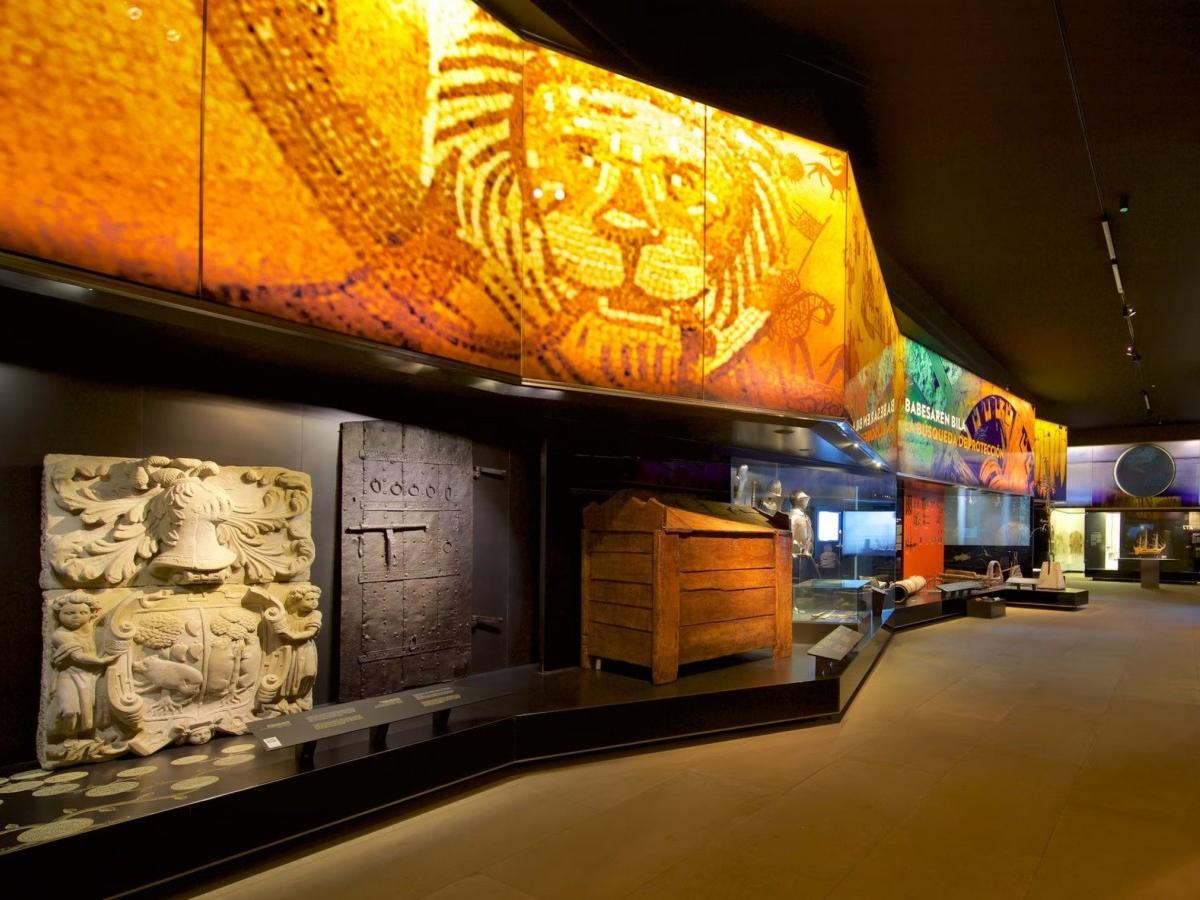
Entering the San Telmo Museum is like stepping into a long epic of Basque history and art. From ancient prehistoric sites to modern, pioneering art, the exhibits here cover every aspect of the Basque Country.
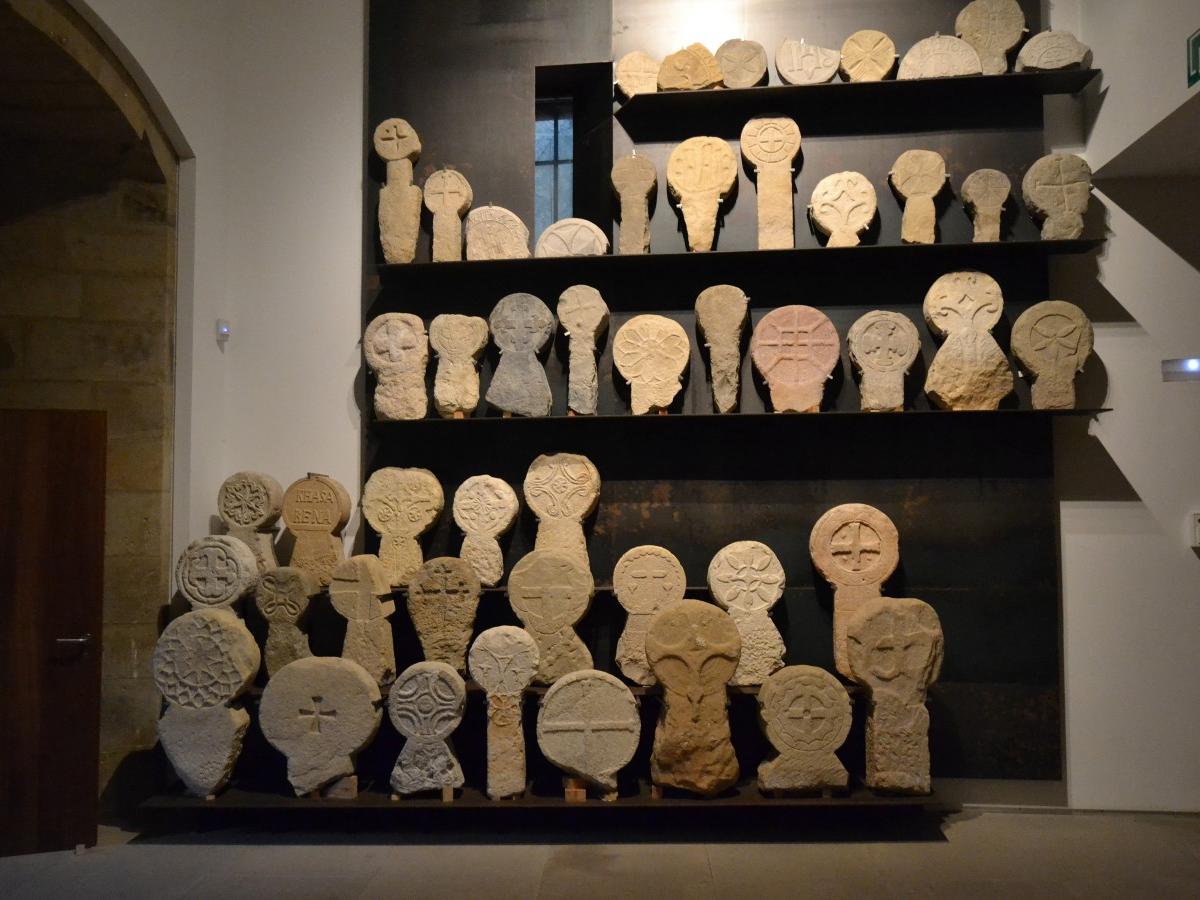
In the Archaeology gallery, the earliest vestiges of Basque life can be seen - stone tools, pottery and ancient carvings that tell the story of the origins and evolution of this people. The history gallery, on the other hand, tells the story of how the Basque people found their place in the Roman Empire, the medieval kingdoms and the modern world through a series of paintings, sculptures and manuscripts.
In addition, the museum's art collection is extremely rich and includes works by numerous Basque artists, such as masterpieces by Ignacio Suloaga and Jaume Planza. The museum also has a large collection of religious art, which demonstrates the deep religious traditions and spiritual quests of the Basque Country.
One of the highlights of the museum are the 16th century frescoes in the cloisters, which depict important battle scenes from Spanish history and show the heroism of the era. Standing here, the traces of history seem to leap out at you, making you wonder: how have these stories shaped Basque culture today?
Today, the San Telmo Museum is not just a static historical pavilion, but a vibrant cultural center. In addition to its permanent exhibitions, the museum regularly hosts thematic exhibitions, lectures, film screenings, and concerts that attract culture lovers from all over the world to come and explore.
During the annual Basque Cultural Festival, special events are held here, including traditional dance performances, lectures on Basque literature, and cooking classes on local cuisine. Through these immersive experiences, visitors can not only learn about the past of Basque culture, but also experience first-hand its vitality and development in the modern world.
It is also worth mentioning that the museum's interactive exhibits are very popular, especially for family visitors and young people. Virtual reality technology allows visitors to travel back centuries and experience the history of the Basque Country for themselves. Multimedia displays on digital screens take history out of the display cases and present it in a dynamic way so that everyone can understand the story behind it.
The San Telmo Museum is not only a collection of Basque cultural treasures, but also a building that carries the memory of time. It has come from the quiet years of a monastery, through the turmoil of war, and finally became a cultural center for the world. Here, history, art and modern technology intertwine to tell the unique story of the Basque Country. Whether you are a scholar interested in history or a traveler wishing to delve deeper into Basque culture, you will find something for yourself in this museum. Walking through it is not only visiting a museum, but also listening to a conversation that spans centuries. It is a cultural journey that not only takes us back in time, but also inspires us to imagine the future.