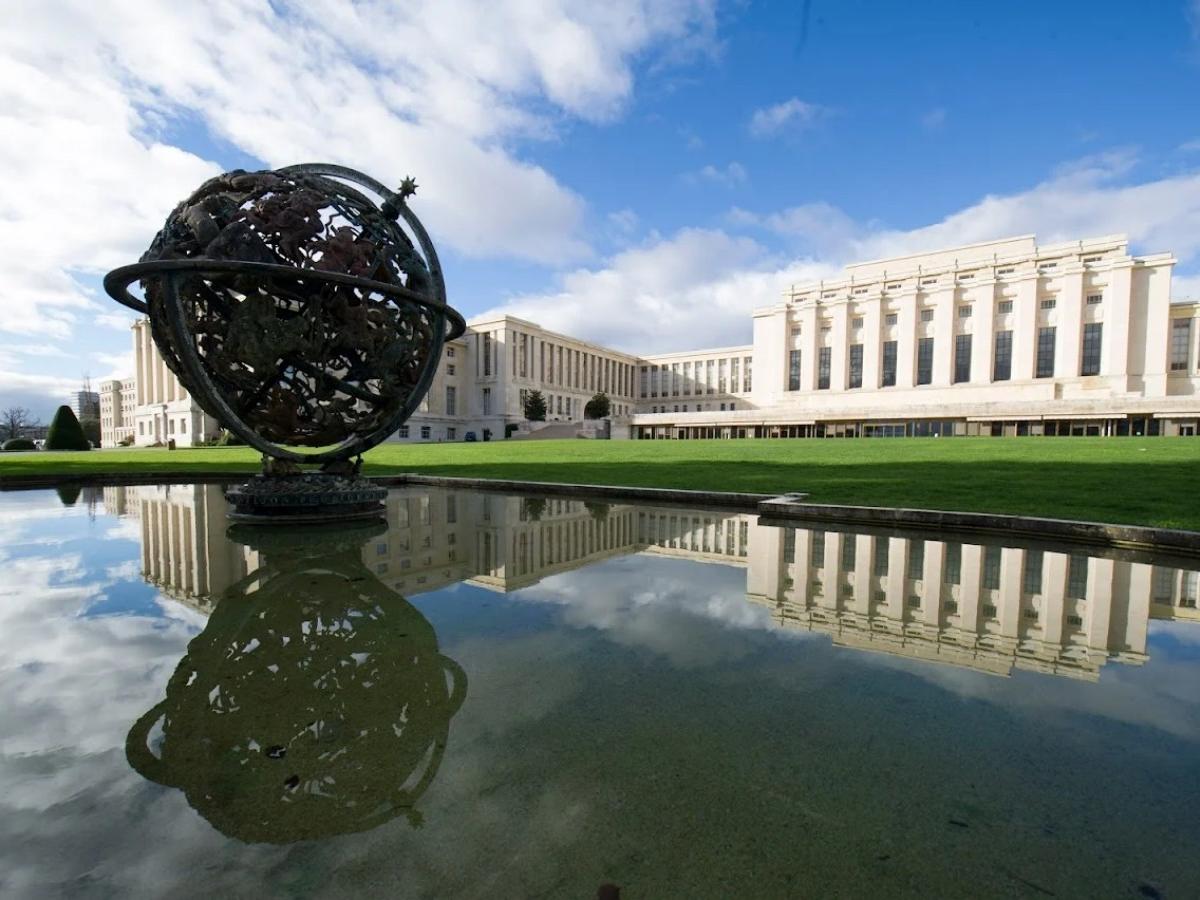
The United Nations Office at Geneva (UNOG), located in Geneva, Switzerland, is not only an important hub of global diplomacy, but also a symbol of world peace and cooperation. It has witnessed countless international meetings and conferences, and is the venue for consultations and decision-making on global affairs. Whether you're a traveler interested in the workings of the United Nations or a curious tourist with an interest in history and culture, this story-filled landmark is worth exploring in depth.
Advertisement
The predecessor of the United Nations Office at Geneva can be traced back to the League of Nations, an organization founded after the First World War to maintain international peace and security. As the headquarters of the League of Nations, Geneva became an important arena for global diplomatic activity. However, with the outbreak of World War II, the League of Nations was unable to stop the spread of the war and was eventually dissolved after the war.
Advertisement
In 1945, when the United Nations was founded, some of the assets, archives and infrastructure left behind by the League of Nations were taken over by the United Nations, and the original League of Nations headquarters, the Palais des Nations, became the seat of the United Nations Office at Geneva. Since then, this majestic complex has been the center of the UN's European affairs, serving as a catalyst for global cooperation alongside its New York headquarters.
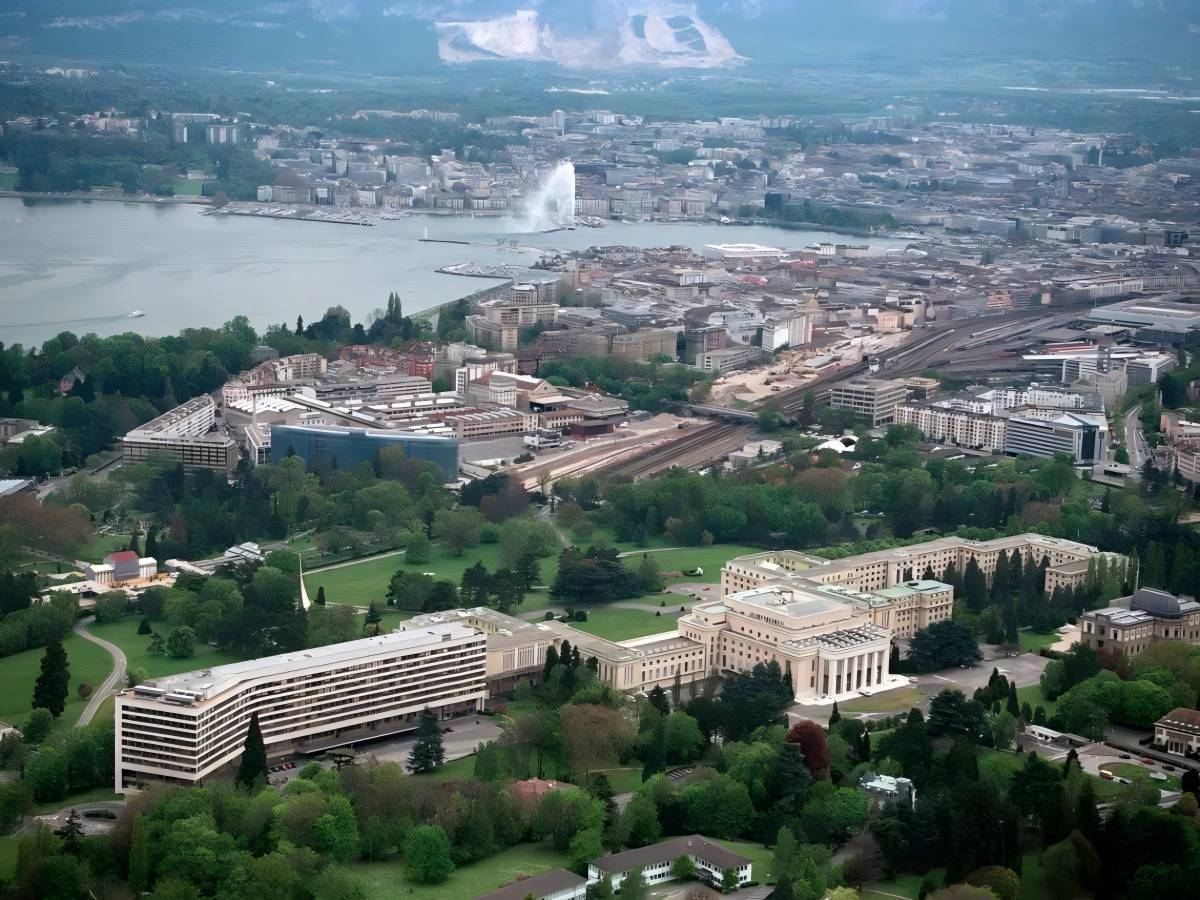
As one of Geneva's most iconic buildings, the Palais des Nations is a blend of neoclassical and modernist styles, with a stately and elegant exterior that displays the majesty and grandeur of an international organization. The main complex is divided into several sections, including the historic main building, the newly constructed conference halls, and office areas, each of which bears witness to the historical progress of the United Nations.
Advertisement
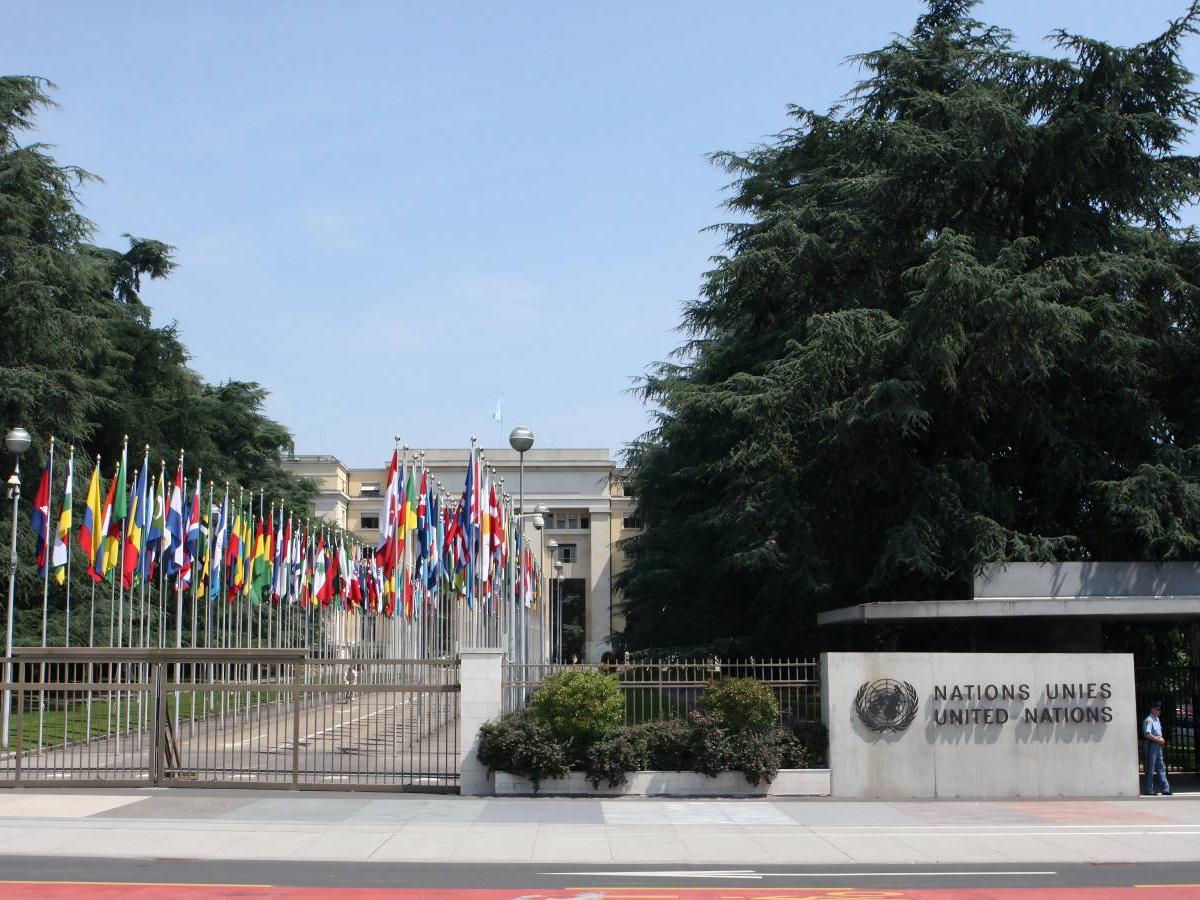
Stepping into the Palais des Nations, visitors are greeted by the vast Plaza of Nations, in the center of which stands the United Nations flag, fluttering alongside the flags of the member states, symbolizing the spirit of multilateral cooperation. Along the plaza is the famous Broken Chair sculpture, a 12-meter-high red wooden chair representing international efforts against landmines and cluster munitions, reminding the world of the cruelty of war and the preciousness of peace.
The interior of the building is equally stunning, with large, elegantly decorated conference halls, the most distinctive of which is the 'Room XX' for Human Rights and Alliances, designed by Spanish artist Miquel Barceló. A giant colorful sculpture on the ceiling, like the waves of the sea, showcases the diversity of humankind and the UN's mission to promote peace in bold colors and three-dimensionality.
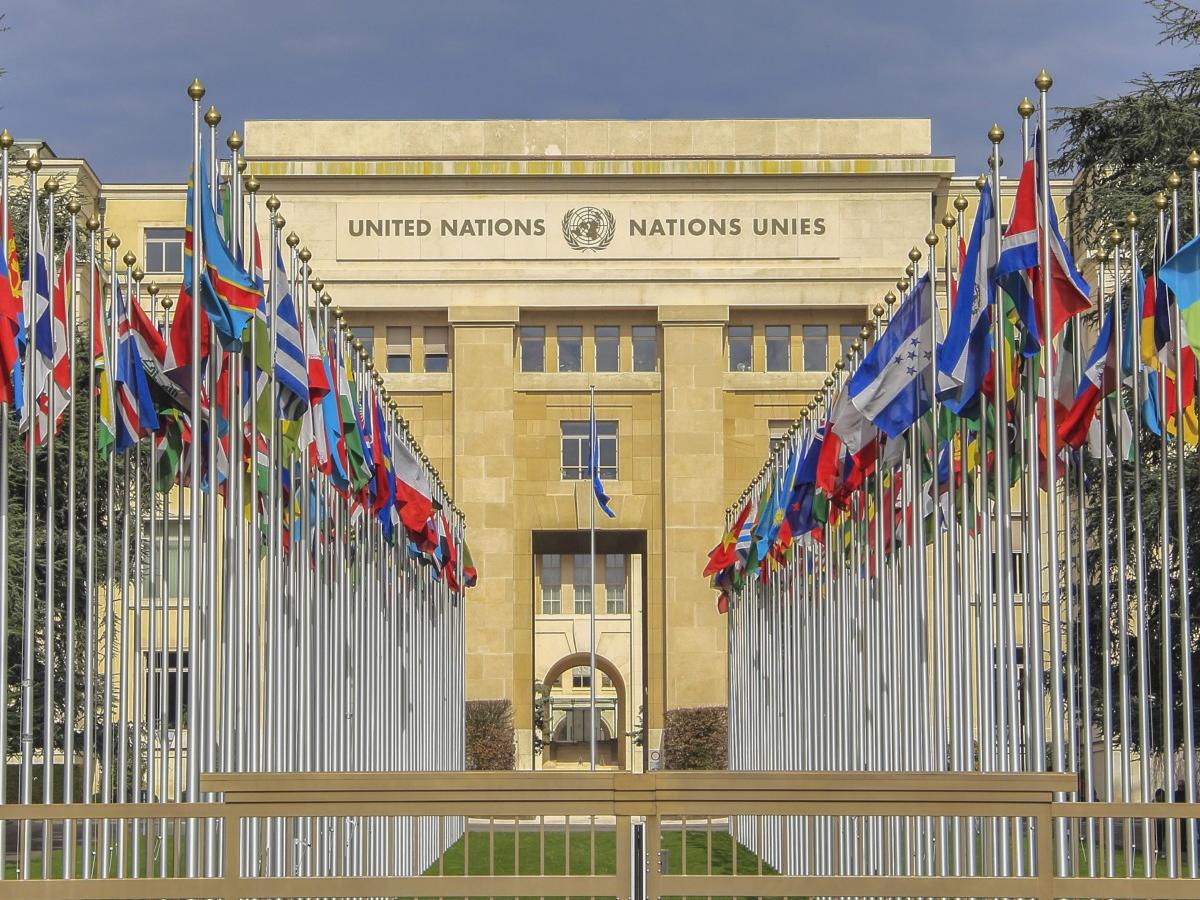
As a place of international diplomacy, access to the Geneva Office is not limited to officials and delegates. Ordinary visitors can also take an official guided tour of some of the areas to gain a deeper understanding of how this center of global governance operates.
Guided tours are generally led by professional docents and cover a wide range of language options, including English, French and Spanish. Itineraries include the conference halls, historical exhibits, areas of diplomatic activity, as well as presentations by key UN agencies in Geneva. For example, key agencies such as the World Health Organization (WHO), the International Labour Organization (ILO), and the United Nations Refugee Agency (UNHCR) all have offices here to promote discussion and resolution of global issues.
It is particularly important to note that during major international conferences, some areas may be restricted, so it is important to check in advance for the latest opening information. In addition, visitors are required to bring a valid ID for security checks to ensure a smooth visit.
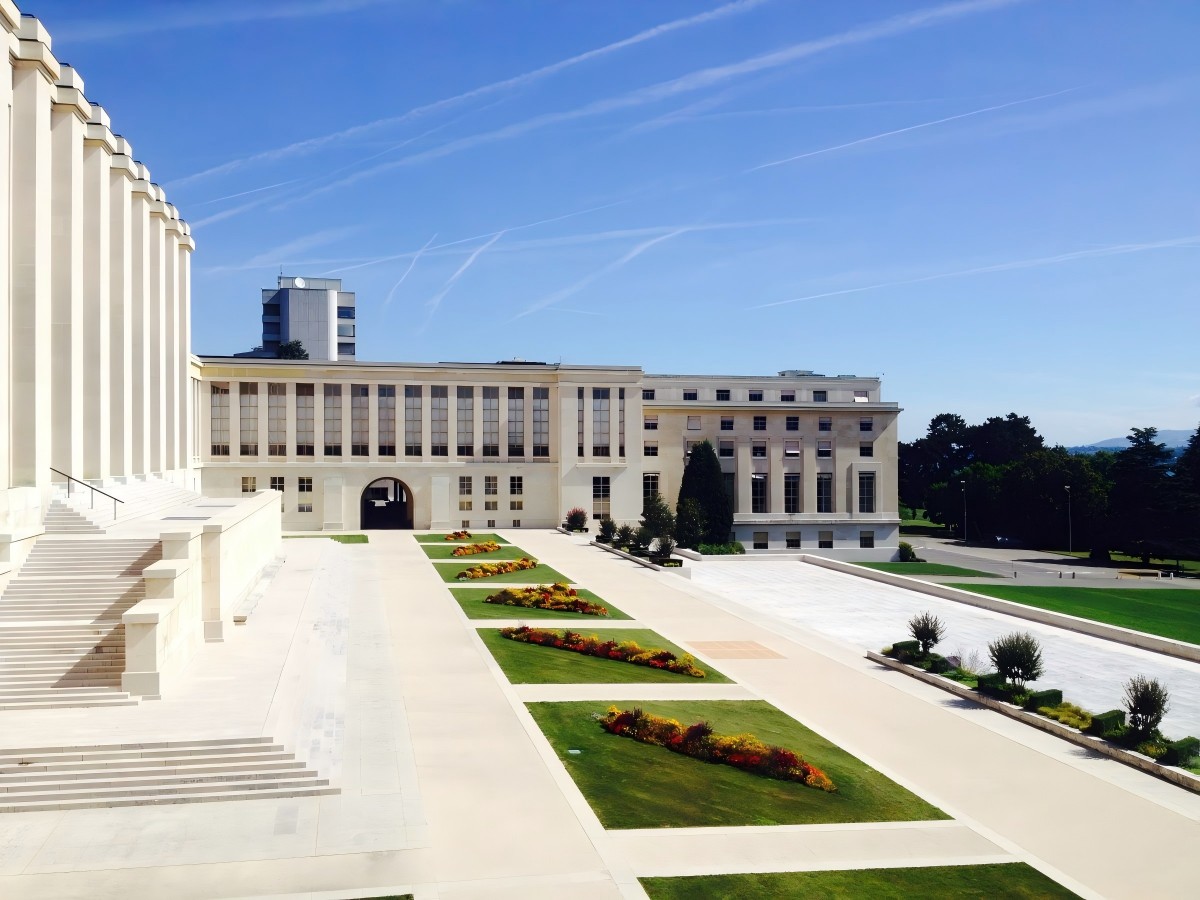
As the main branch of the United Nations in Europe, UNOG plays a crucial role in promoting international cooperation. It is not only a meeting place for diplomats, policy makers and scholars, but also a symbol of the awakening of global citizenship.
Every year, hundreds of international conferences are held here, covering topics such as human rights, sustainable development, health, and labor policy. Of particular importance are the sessions of the Human Rights Council, where delegates discuss global human rights challenges and promote progress and equity in the international community.
In addition, Geneva has long been known as the “capital of peace”, where many international treaties and agreements have been concluded and where many wars and conflicts have been mediated. The United Nations Conference on Disarmament is held at the UNOG and promotes global arms control and nuclear non-proliferation.
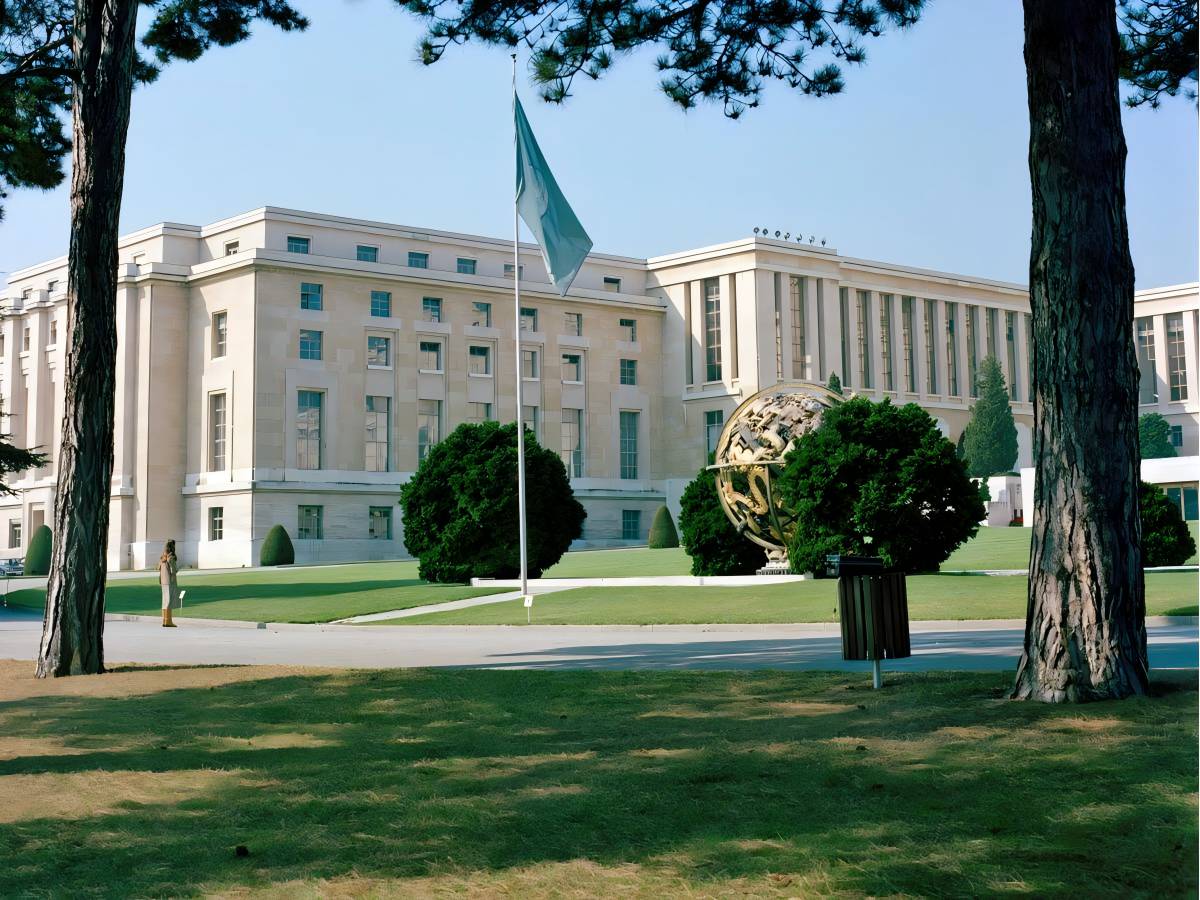
The best time to visit the United Nations Office in Geneva is usually during the spring and summer months, when the weather is pleasant and the views of the surrounding Alps and Lake Geneva are even more stunning. The Office is conveniently located in the center of Geneva and can be reached by tram, bus or on foot. By car, parking is available, but it is recommended to use public transportation wherever possible to reduce your carbon footprint, in line with the UN's commitment to environmental protection.
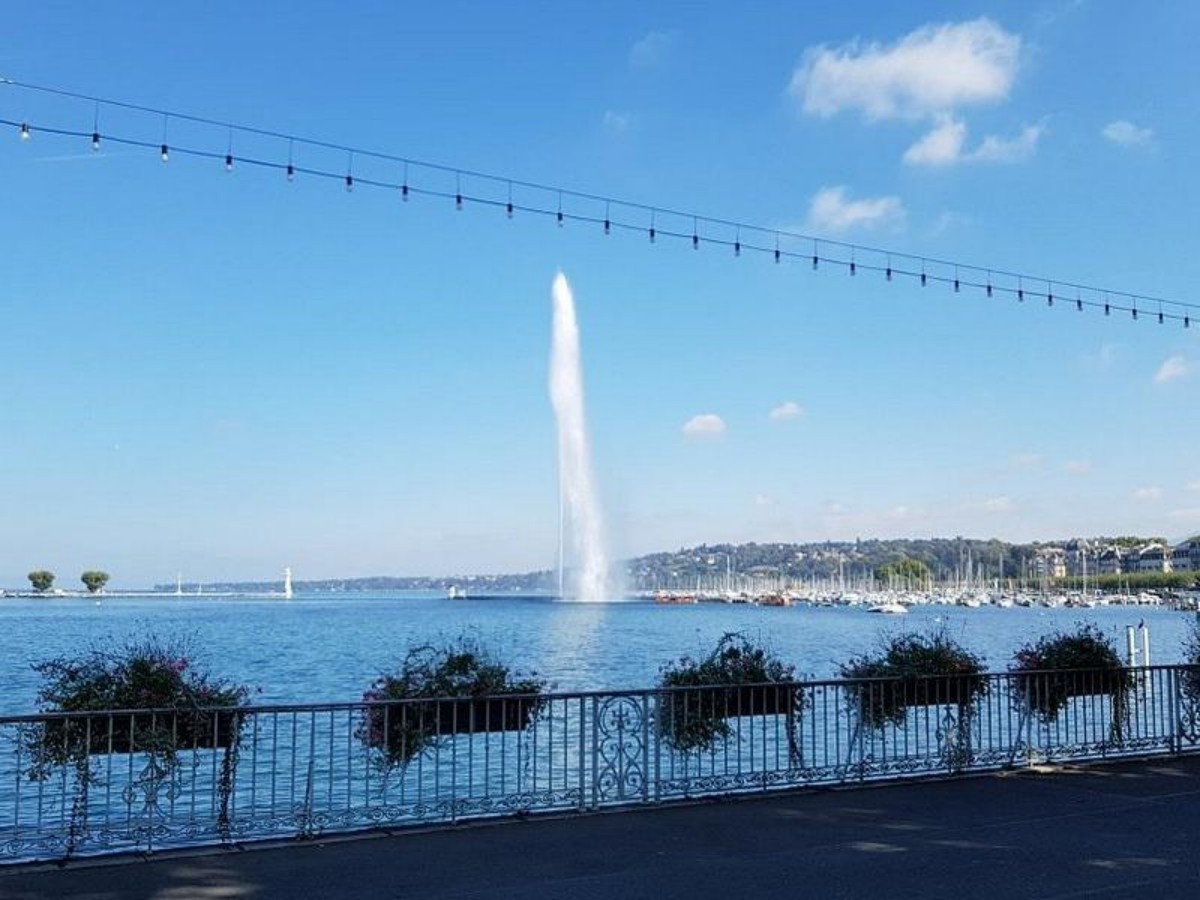
The surrounding area is also worth exploring, with attractions such as the Jet d'Eau on the shores of Lake Geneva, the International Red Cross and Red Crescent Museum, and St. Pierre Cathedral in the Old Town, all adding to the richness of the trip. ) in the Old Town, all add to the richness of the journey.
As a central landmark of world diplomacy, the United Nations Office at Geneva is not only a magnificent building, but also a symbol of global peace and cooperation. Whether it is to trace the footsteps of history or to experience the atmosphere of international diplomacy, this place will bring profound inspiration and shock to everyone who visits. During the journey to Geneva, stepping into this international arena and feeling the charm of global dialog will surely be an unforgettable experience.