

Advertisement
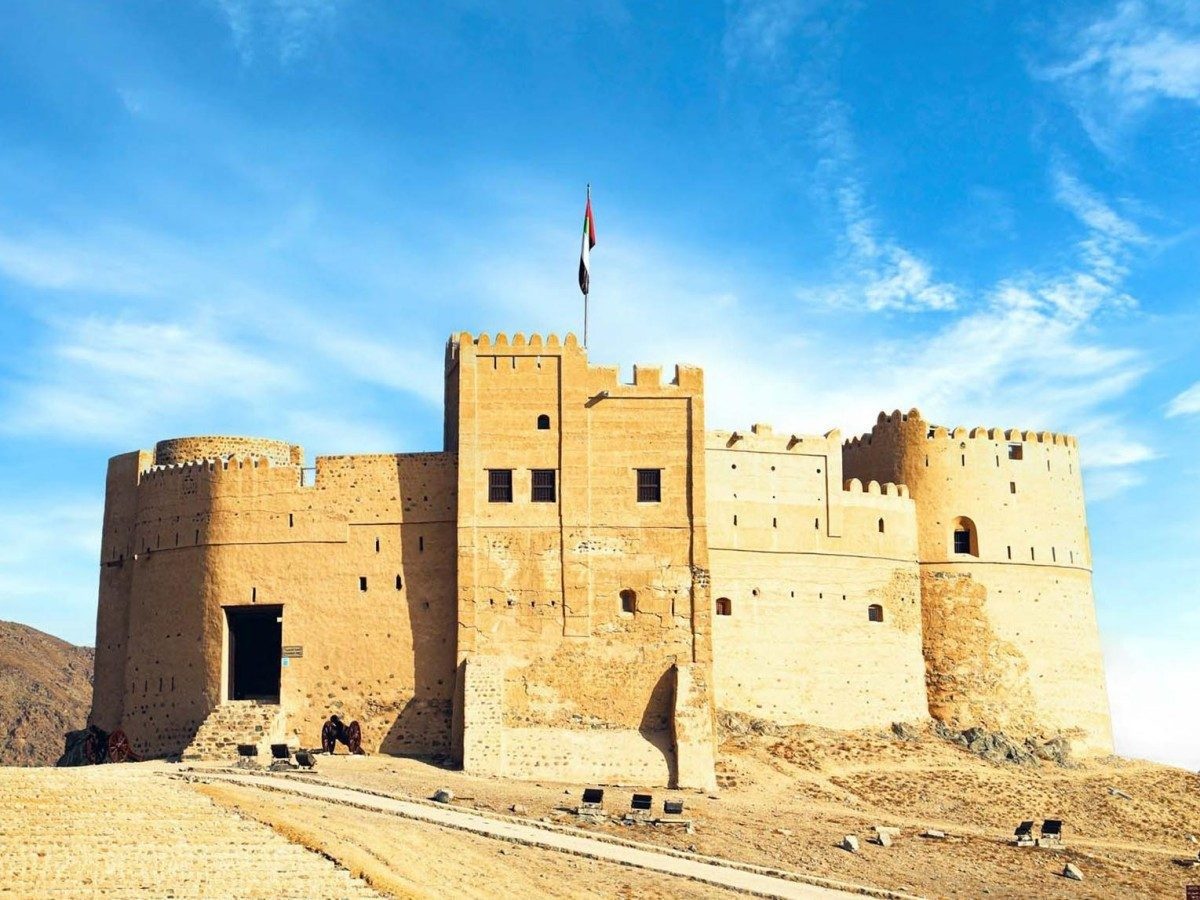
Located in the heart of Fujairah on the east coast of the UAE, Fujairah Fort is one of the best-preserved traditional forts in the country and a significant symbol of the region's history, architecture, and culture. For planned visitors, in addition to admiring this centuries-old, sturdy fortress, understanding the visiting guide, historical background, and precautions can make the trip smoother and more fulfilling. This article provides a comprehensive and practical guide to visiting Fujairah Fort.
Advertisement
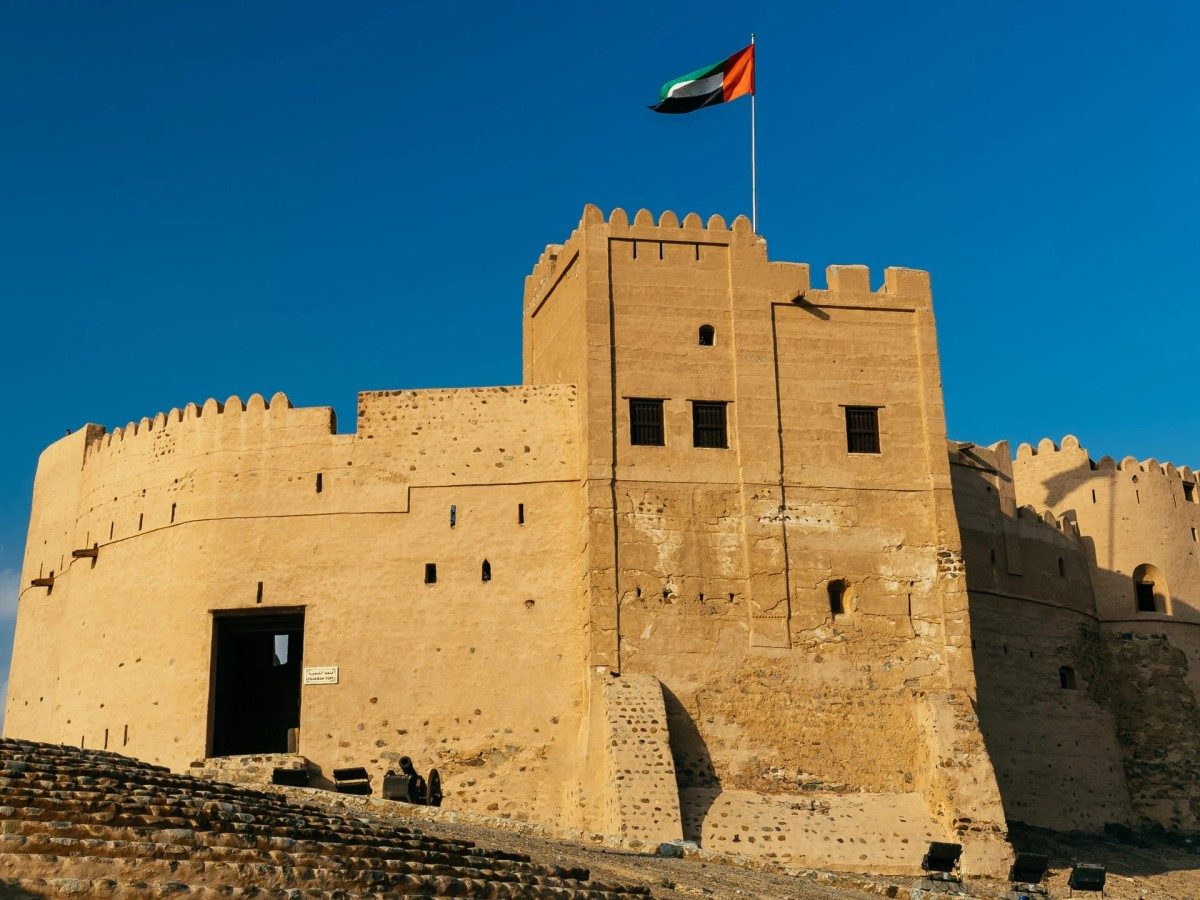
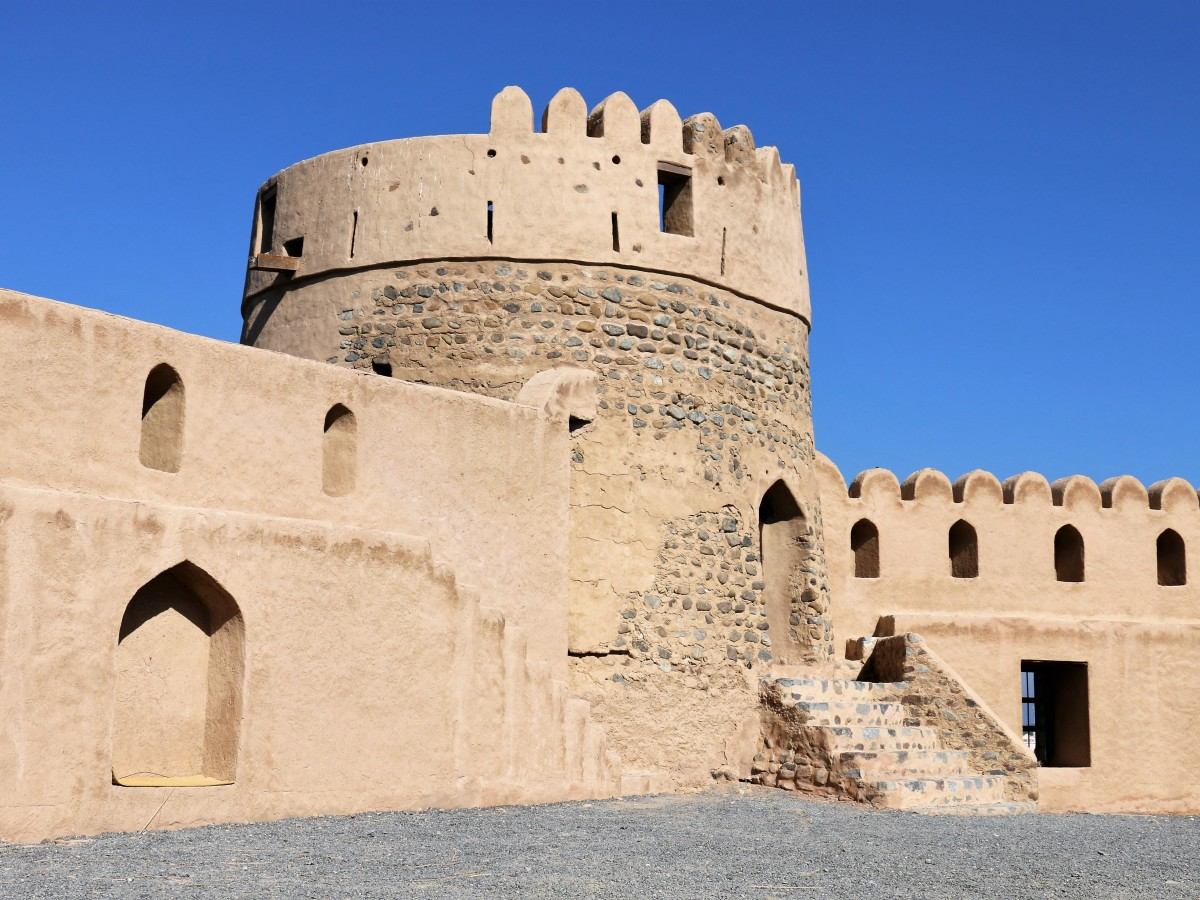
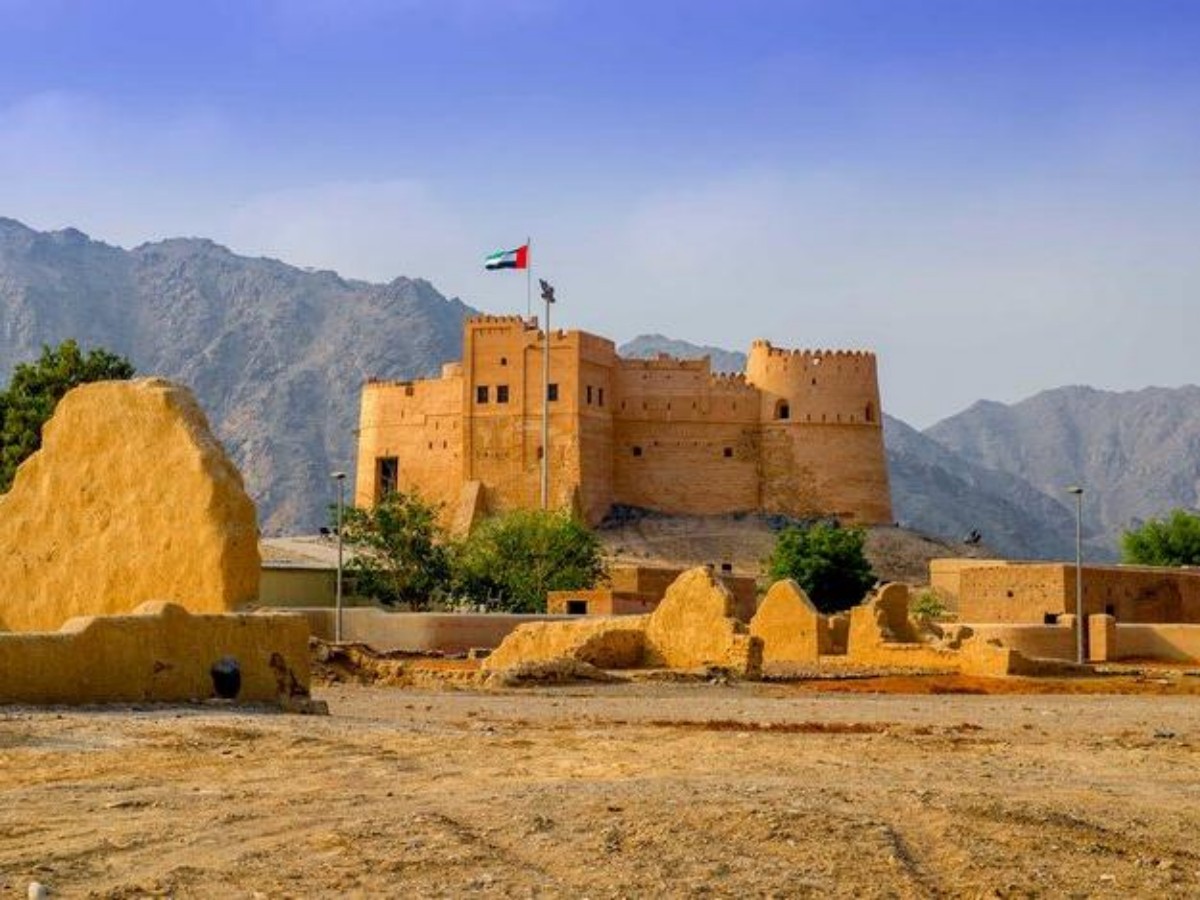
Built between the 16th and 17th centuries, Fujairah Fort is one of the oldest and most important defensive fortifications in the UAE. It served as a military stronghold for local sheikhs, defending against invading tribes and maritime threats. The fort is built on a slightly elevated hill and consists of sturdy stone walls, four corner towers, and defensive gates.
Advertisement
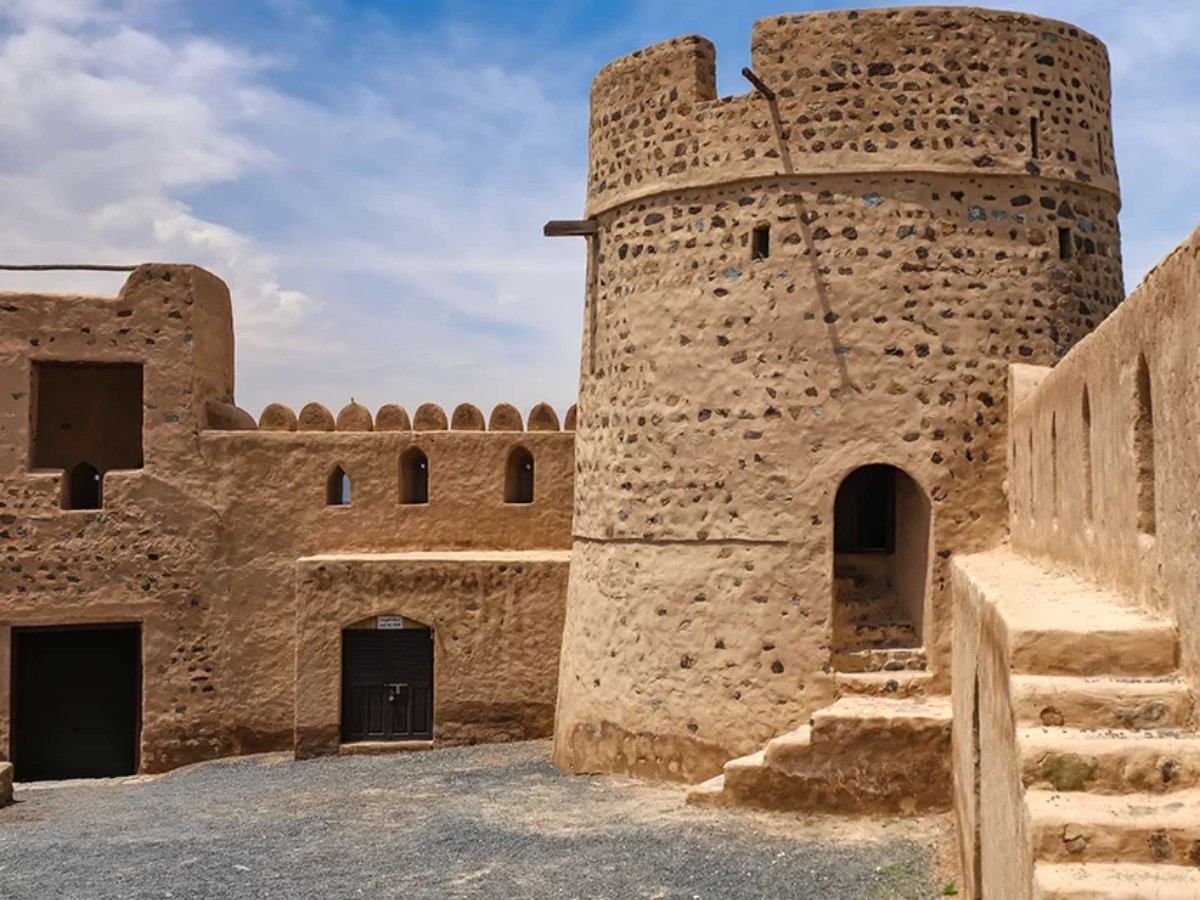
Historically, Fujairah Fort was not only a military facility but also an administrative center and sheikh's residence, symbolizing the power and status of the local tribes. Having undergone numerous restorations, the fort still retains its traditional Arabic defensive architectural style: thick stone walls, arrow slits, an inner courtyard, and wooden structures, allowing visitors to directly experience the defensive wisdom of centuries past.
Sturdy Stone Walls and Defensive Towers
Advertisement
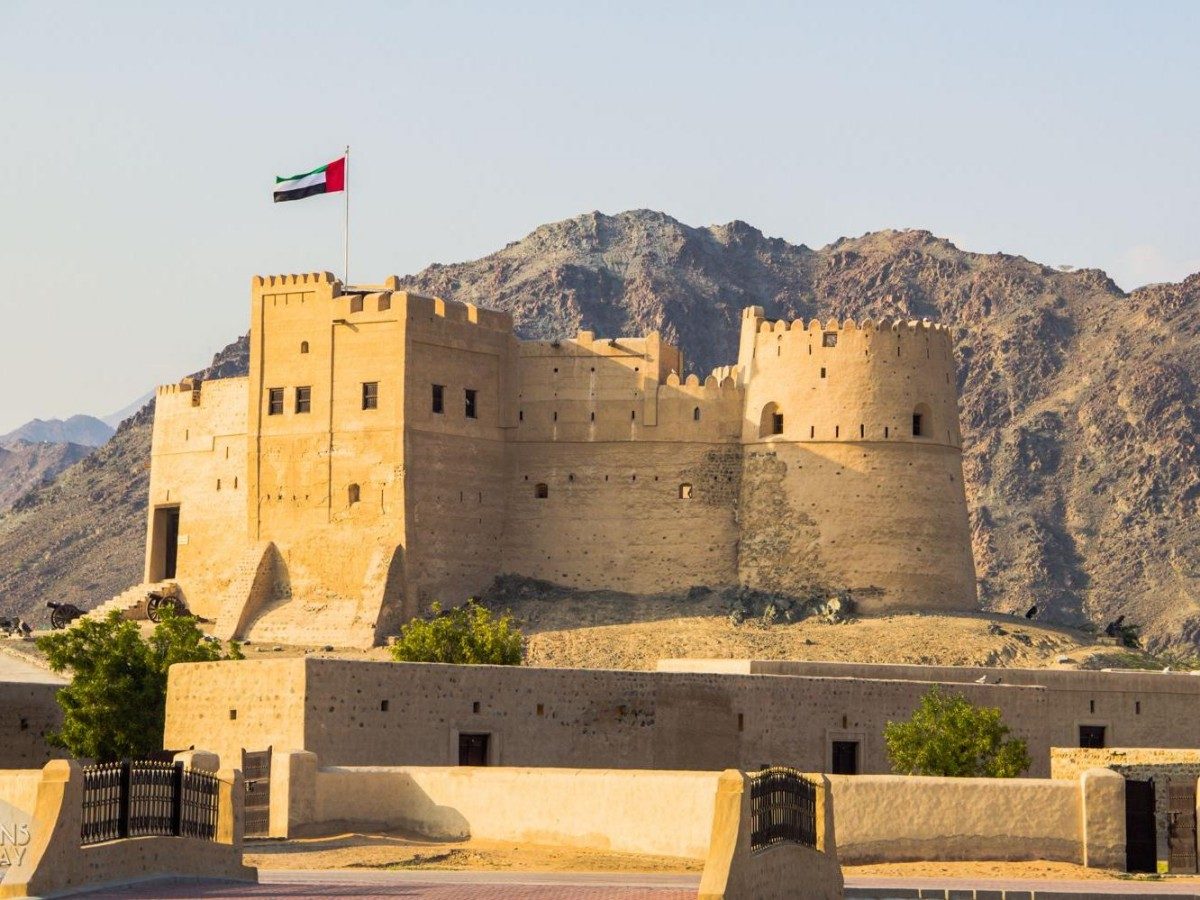
The fort's most representative architectural features are its approximately 1-meter-thick stone walls and four corner towers. The towers were designed for observation and also equipped with loopholes for defensive operations. Standing atop the towers offers panoramic views of Fujairah city and the surrounding valleys, making it an excellent vantage point for photos.
Inner Courtyards and Residential Elements
The fort's interior includes small courtyards and living spaces, once inhabited by the sheikh and his family. The courtyards are paved with traditional stone bricks, and the walls still retain some historical carvings and patterns, reflecting local traditional architectural techniques.
Gate and Passage Design
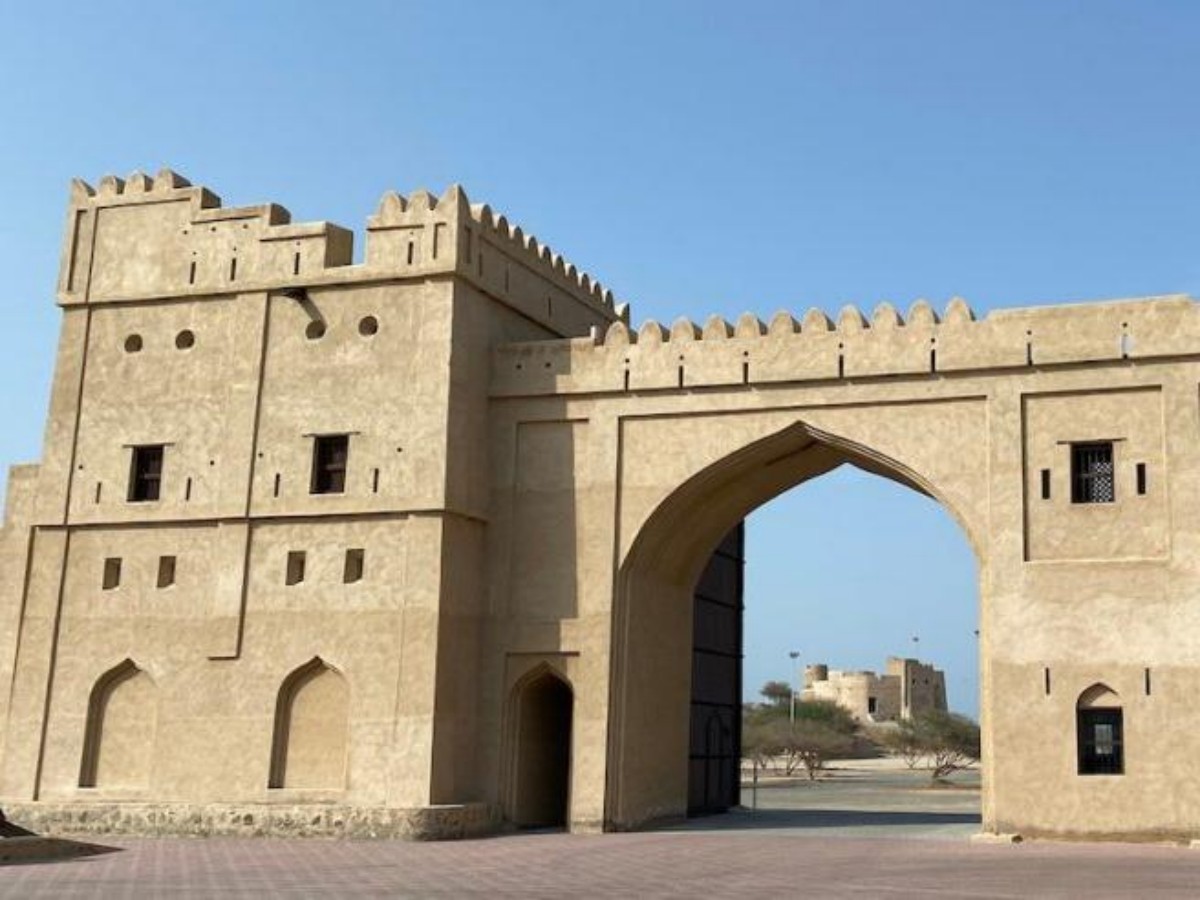
The fort's entrance gate is narrow, cleverly designed to prevent enemies from directly storming in. The internal passageways are compact and winding, facilitating control of the defensive rhythm while also providing modern visitors with an enjoyable exploration experience.
Blending with the Natural Environment
Fujairah Fort is built into the surrounding mountains, utilizing the elevation differences to enhance its defensive capabilities. The fort blends seamlessly with the natural landscape, especially at dawn or dusk when the mountains, fort, and sunlight create a unique visual effect.
Season Selection: Fujairah has a subtropical desert climate, with summer temperatures exceeding 40 degrees Celsius, making outdoor visits extremely strenuous. Visitors are advised to visit between October and April of the following year, when temperatures are more pleasant and suitable for extended outdoor activities.
Daily Visiting Times: Early morning (8:00-10:00) or late afternoon (16:00-18:00) are the best times to visit, as the light is softer, ideal for photography, and avoids the midday heat. Entering in the morning avoids crowds, while late afternoon offers the unique spectacle of the fort illuminated by the sunset.
Tickets and Opening Information: Fujairah Fort is currently generally free to visitors, but it is recommended to check with the local tourism bureau or official information in advance to confirm opening hours and temporary maintenance arrangements.
Guided Tours
Hiring a local guide or using an audio guide is recommended to learn about the fortress's history, construction techniques, and the purpose of each corner. Self-guided tours may miss many details.
Clothing and Equipment
Wear comfortable shoes, as the fortress interior is uneven and requires climbing.
Bring a sun hat, sunglasses, and sunscreen, especially during midday.
Bring a small water bottle to stay hydrated.
In summer, choose lightweight, breathable clothing; in winter, bring a jacket to cope with temperature differences between day and night.
Photography
The fortress's outer walls, corner towers, and inner courtyards are excellent photo spots. It's recommended to bring a wide-angle lens for panoramic shots or use a drone for aerial photography (be aware of local drone regulations). The light in the early morning and late afternoon is particularly suitable for photography.
Tour Route
Visitors can enter through the main gate, first visiting the main courtyard, then climbing the corner towers, and finally exiting through the back gate. Be careful of the cobblestones and stairs along the way, and walk slowly.
Fujairah Museum: Located near the fort, the Fujairah Museum showcases local historical artifacts, traditional clothing, and archaeological discoveries, offering a complementary option for understanding East Coast culture.
Al Bidya Mosque: One of the world's oldest mosques, approximately a 30-minute drive from Fujairah Fort, it's ideal for a day trip to experience historical and religious culture.
Fujairah Corniche: A waterfront promenade and beach area, perfect for a relaxing stroll after visiting the fort and enjoying views of the Gulf of Oman.
Respect for Culture: While not a religious site, the fort is a historical and cultural heritage site. Please avoid making noise or climbing in prohibited areas.
Safety First: Some corner towers and stone steps are steep; children should be accompanied by a parent or guardian. Please be careful of slippery surfaces, especially during the rainy season or when there is dew.
Litter and Environmental Protection: Please take your trash with you and maintain the cleanliness of the area around the historical site.
Dining Arrangements: There are no dining facilities inside the fort. It is recommended to bring water and light snacks, or visit a restaurant in the city after your visit.
Fujairah Fort is not only a formidable military fortress, but also a testament to the history and culture of the UAE's east coast. From its thick stone walls and towering corner towers to its inner courtyards, every detail allows visitors to experience the defensive wisdom and sheikh lifestyle of centuries past. Choosing the right time to visit, wearing comfortable clothing, adhering to safety rules, and utilizing guided tours will allow visitors to fully appreciate the fortress's charm. Whether you are a history buff, a photography enthusiast, or a traveler seeking a deeper understanding of UAE culture, Fujairah Fort is an unmissable destination. Combining it with visits to nearby attractions can create a full-day or half-day cultural exploration itinerary, allowing every visitor to experience the grandeur and beauty of this historic fortress.