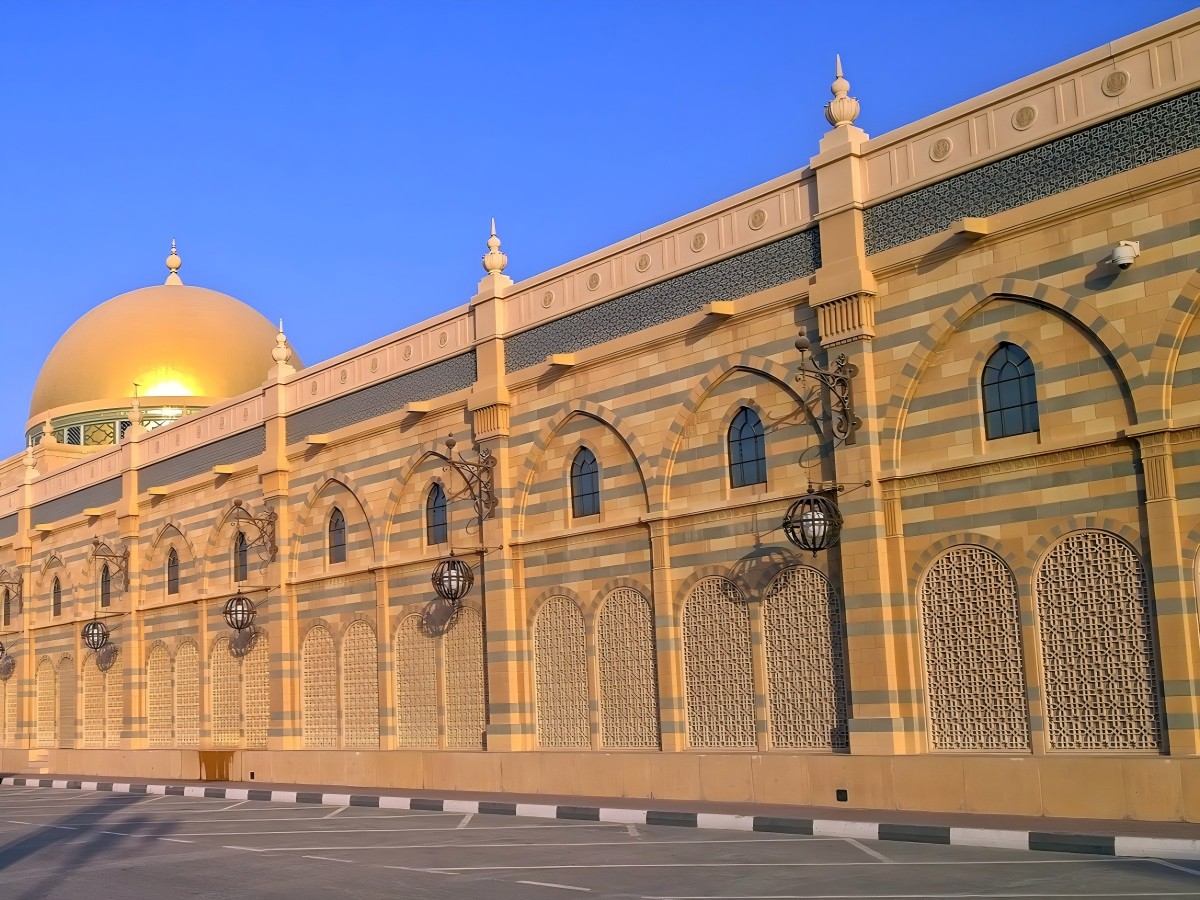
Stepping into the Sharjah Museum of Islamic Civilization is like entering a library filled with ancient whispers. Every artifact, every exhibit, carries a story—about trade routes, scholars, artisans, and ordinary people whose lives were intertwined with religion, science, and art. Here, coins, manuscripts, scientific instruments, and textiles all speak in their own way of human wisdom and cultural exchange. For first-time visitors, the experience is both observation and reflection. This museum doesn't impress with its grand scale or spectacular sights, but rather with its ability to ignite curiosity. Wandering through the various galleries, one gradually discovers patterns: how trade facilitated the spread of knowledge, how religion influenced art and daily life, and how regional innovations crossed continents. Each exhibit forms a narrative spanning centuries and regions, offering profound insights that combine rationality with humanistic concern.
Advertisement
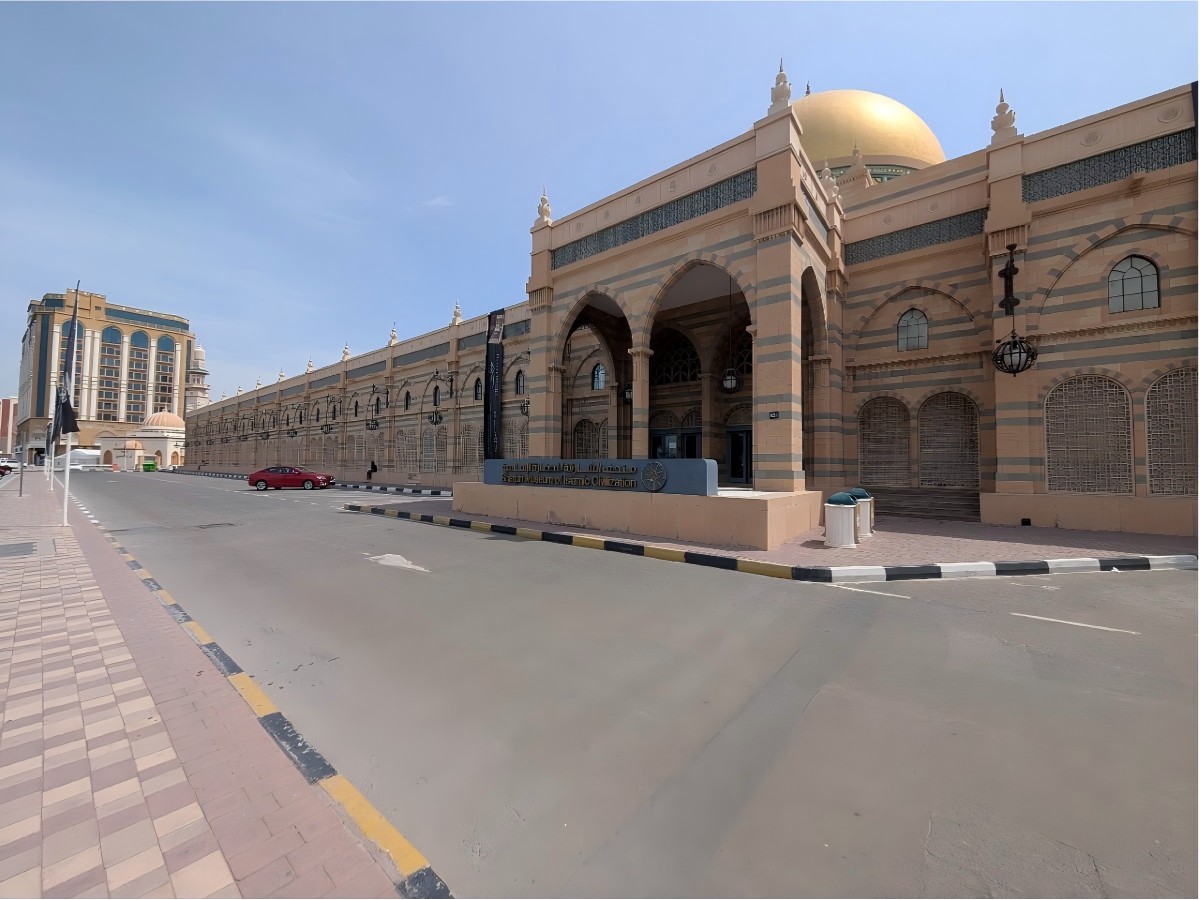
What makes this museum truly captivating is its ingenious use of artifacts to connect Islamic civilization with a broader historical context. For instance, a stroll through the coin collection reveals coins from different centuries and regions—from North Africa to the Arabian Peninsula and Central Asia. At first glance, they may appear as unremarkable little metal discs. But each coin tells a story: the rulers who commissioned their minting, the trade networks through which they circulated, and the cultural symbols inscribed upon them. These coins are more than just currency; they are a means of communication, a pathway to power, status, and faith. Similarly, the museum's manuscripts and Quranic verses showcase the rich intellectual landscape of Islamic civilization. Calligraphy is not merely decoration, but a manifestation of piety and rigor. Scientific treatises, often meticulously handwritten, demonstrate how scholars in mathematics, astronomy, and medicine preserved and transmitted knowledge. By juxtaposing religious texts with scientific instruments, the museum emphasizes the close connection between faith and scholarship, rather than their separation. Ceramics and household items reveal the practical and aesthetic choices that shaped daily life, collectively demonstrating how beauty and functionality coexisted harmoniously in the homes of ancient people. This focus on everyday things is particularly powerful because it gives history a human perspective. You are not just reading stories of empires and scholars, but also glimpses into the daily lives, tastes, and innovations of people who, in many ways, are not so different from us.
Advertisement
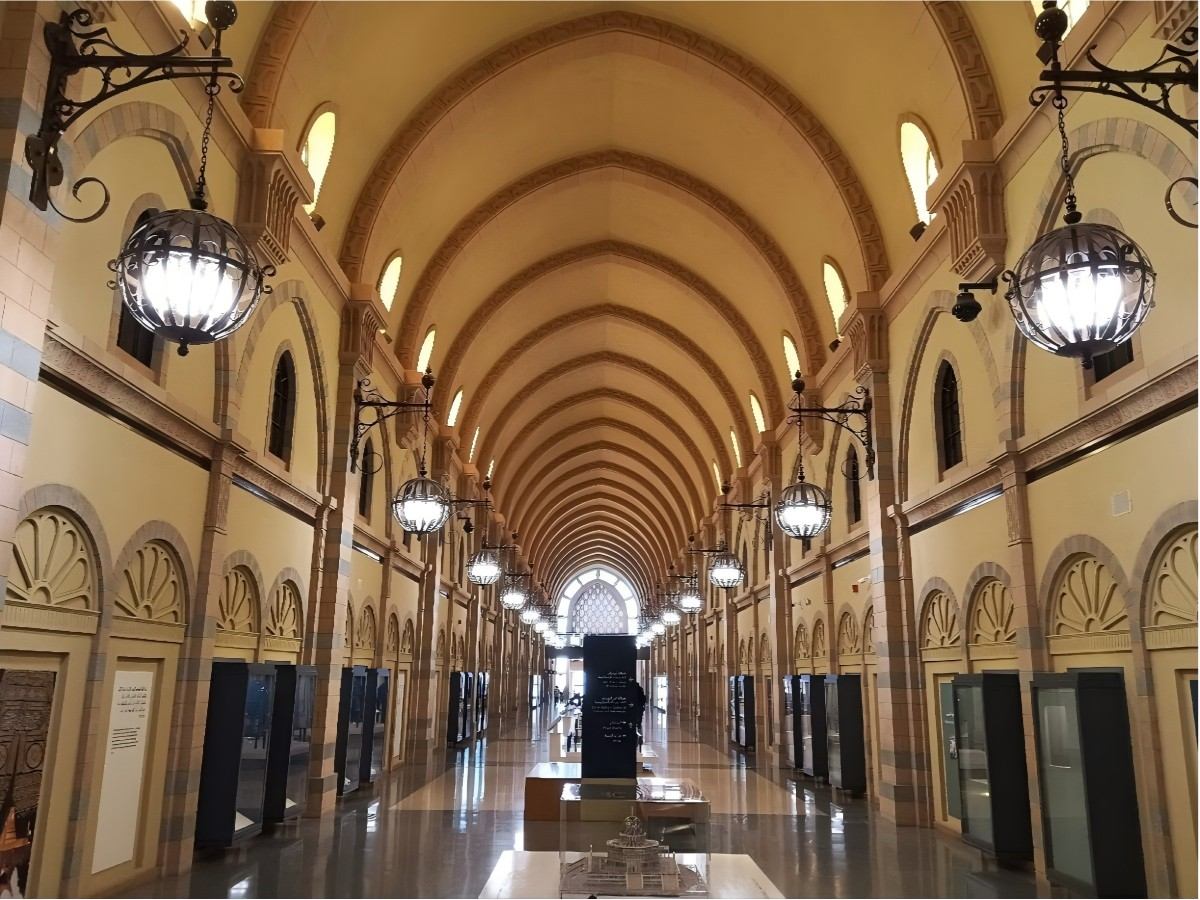
A major highlight of the museum is its emphasis on scientific instruments. From astrolabes to compasses, these artifacts showcase the profound knowledge developed in the Islamic world and how this knowledge shaped navigation, astronomy, and timekeeping. A close look at an astrolabe reveals it to be more than just a tool; it's a work of art, inscribed with precise patterns and mathematical designs. These instruments enabled sailors, scholars, and merchants to embark on voyages, connecting continents and different cultures. The museum's arrangement of these artifacts emphasizes their interconnections. It's not merely a cataloging of scientific instruments, but rather placing them within a narrative of continuous exploration, innovation, and cultural exchange. The design itself is part of the narrative. Arched corridors, domes, and interplay of light and shadow all showcase the architectural traditions of Islamic civilization. The placement of the exhibits is also carefully considered: the layout of the galleries seems to guide visitors on a journey, extending from art and religion to science and daily life. This spatial narrative subtly guides visitors to appreciate the interrelationships between the exhibits, rather than viewing them as isolated individuals. The museum's atmosphere is contemplative. Natural light streams into the interior through the cleverly designed windows, casting soft shadows on the floors and walls. This atmosphere resonates with the craftsmanship and dedication of those who created artifacts centuries ago. Just as the exhibits embody the exquisite skills and meticulous attention to detail of their creators, the museum space itself reflects the value of reflection and careful observation.
Advertisement
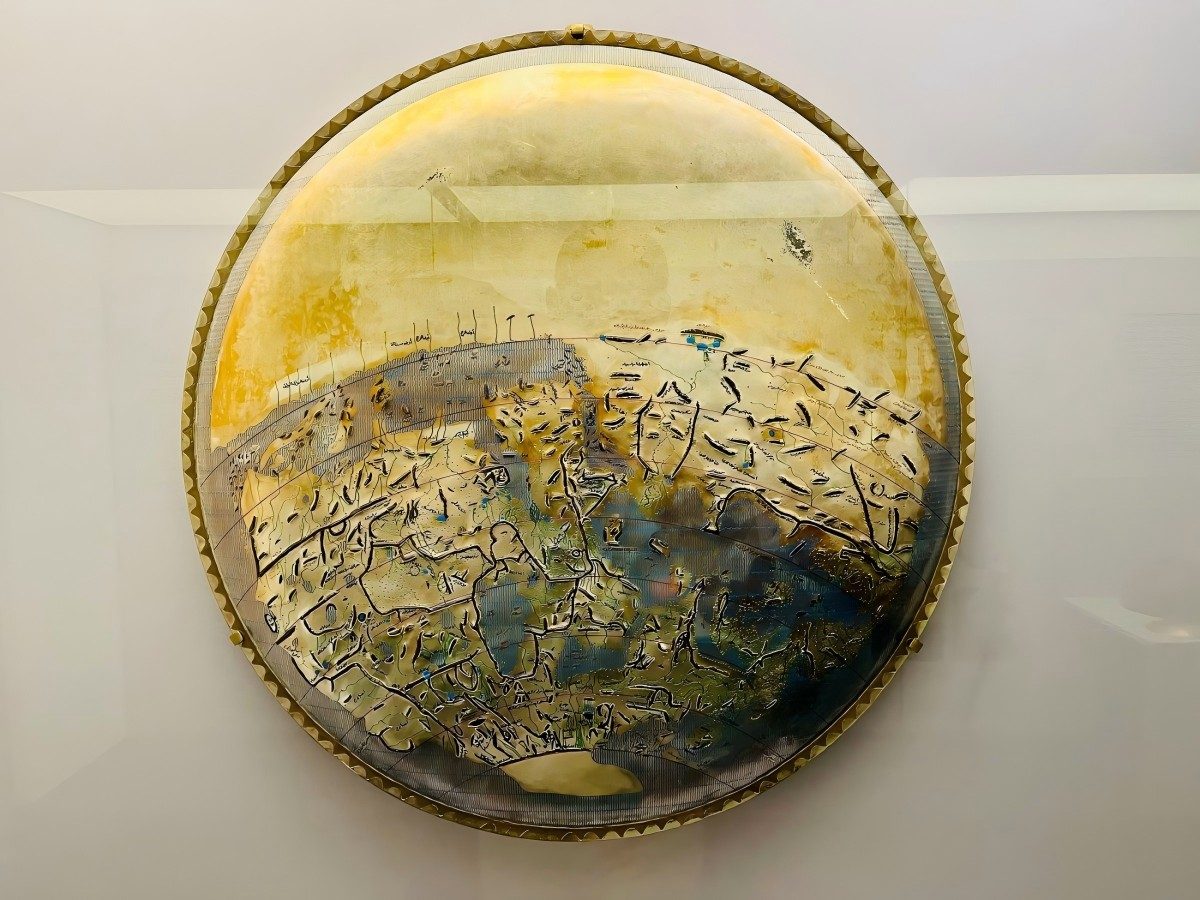
A map can reveal the routes of merchants and pilgrims. A scientific instrument can ignite the curiosity of scholars. A textile can tell a story of daily life, trade, and cultural identity. In every corner of the museum, visitors encounter objects that bear witness to the history of human struggle, creativity, and adaptability. These stories are not always dramatic or grandiose, but their subtlety is precisely where their power lies. The museum emphasizes continuity: how knowledge, culture, and tradition spread across time and space. The true charm of the Sharjah Museum of Islamic Civilization lies not only in its rich collection but also in the connections it builds. It shows how religion, art, science, and daily life intertwine and blend to shape Islamic society. It reveals the ingenuity and adaptability of civilizations that are often simplified or misunderstood in popular narratives. It also reminds visitors that history is not merely a record of events, but a tapestry woven from human choices, creativity, and adaptability. In Sharjah, a city renowned for its balance between tradition and modernity, the museum serves as a bridge connecting contemporary visitors with centuries of thought, art, and cultural heritage. Whether you're strolling among manuscripts, admiring the exquisite engravings on scientific instruments, or observing a simple everyday object, you're participating in a dialogue that transcends time and space.
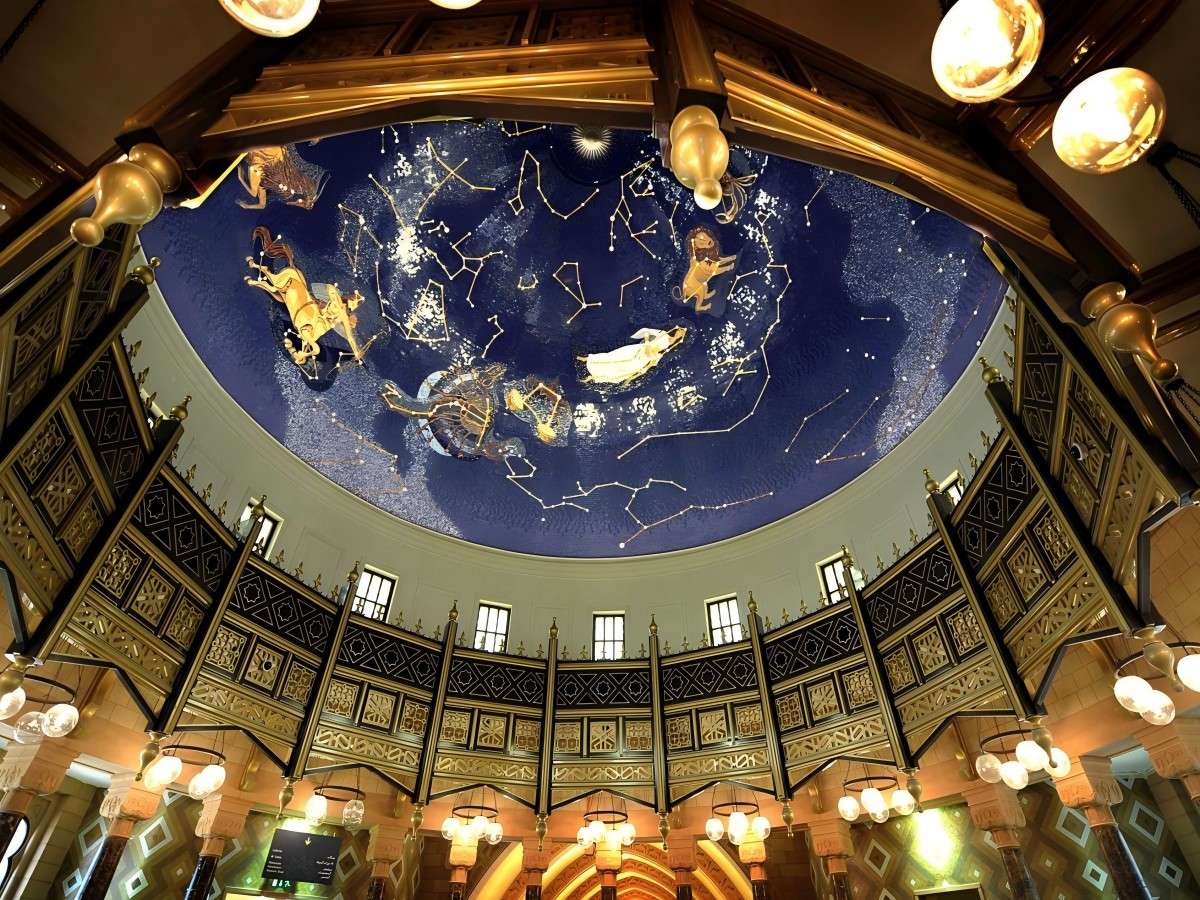
The museum is well-laid out, and the time allotted for a visit is reasonable. Most visitors spend 2-3 hours, which is ample time to explore the various galleries. Start by visiting the coin and manuscript collection to learn about their historical context; then visit the scientific instruments and everyday objects exhibits to understand their practical applications and rich cultural connotations. Photography is usually allowed, allowing you to capture your favorite exhibits or architectural details. Comfortable walking shoes are recommended as the museum is spread across multiple floors and corridors. If possible, it is advisable to visit in the morning or evening, when the lighting better enhances the exhibits and creates a more pleasant atmosphere. Families, solo travelers, and history enthusiasts alike will find something to enjoy. Children may be drawn to more visually striking exhibits such as astrolabes or decorative ceramics, while older visitors often appreciate the detailed explanations and the opportunity to contemplate broader historical narratives. The museum caters to diverse interests while maintaining depth and authenticity.
A visit to the Sharjah Museum of Islamic Civilization is not merely a tourist attraction checklist, but an engagement with stories that transcend time, a glimpse into how desert, city, and civilization are interconnected systems of art, knowledge, and life. Each exhibit is thought-provoking, each gallery sparks curiosity, and each object serves as a window into the daily lives and spiritual worlds of people centuries ago. For travelers seeking depth, perspective, and meaningful connections to culture and history, this museum offers far more than a simple visit. It allows visitors to experience the dynamism and diversity of Islamic civilization—where science, faith, art, and human experience converge. At the end of your visit, you will not only gain knowledge but also a spiritual cleansing, etching those subtle yet timeless stories into your heart and feeling the profound, enduring influence of this civilization.