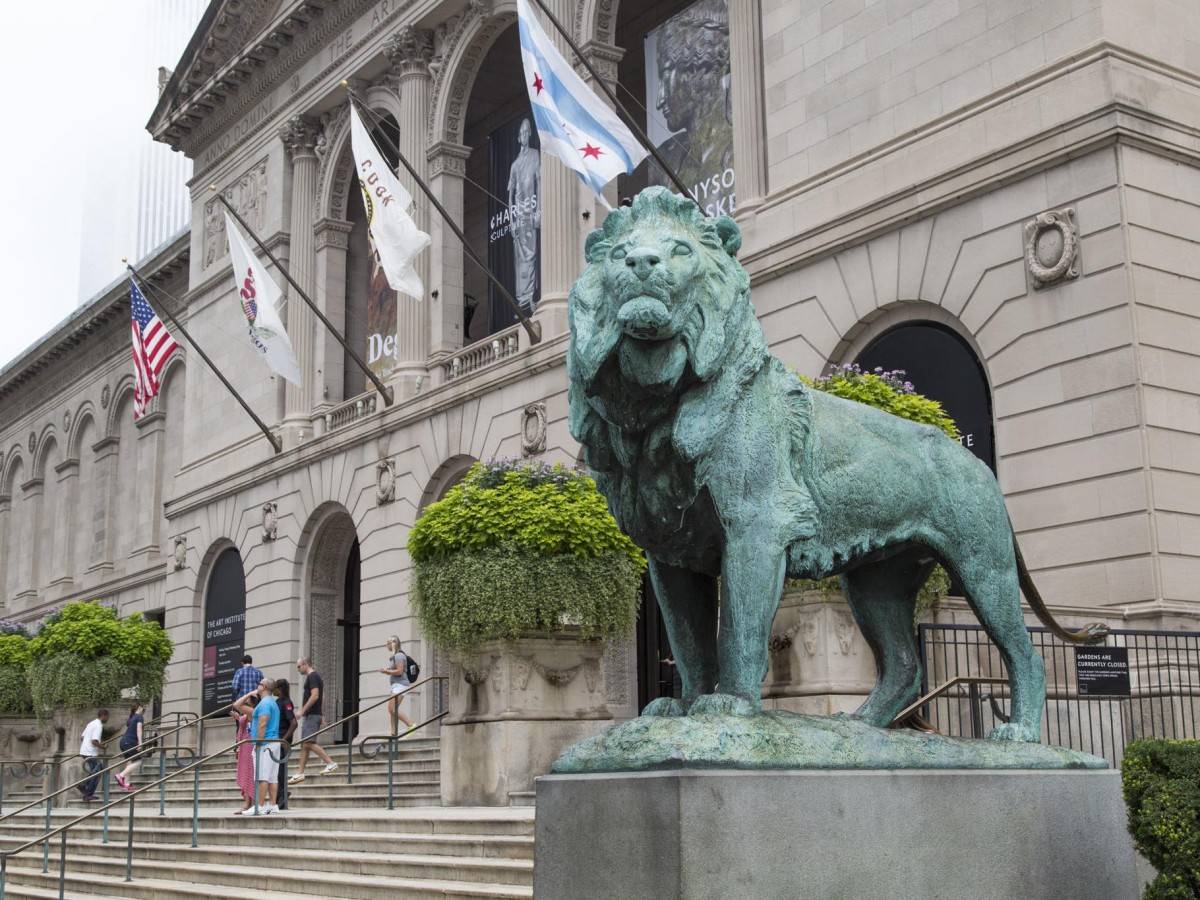
If you're only going to pick one museum to visit in Chicago, it has to be the Art Institute of Chicago. Not because it's famous, but it's really so complete, beautiful and surprising. The two bronze lions at the entrance alone are enough to make you take more than a couple pictures. Inside the pavilion is a half concentrated history of world art, from Van Gogh to Monet, from Native American art to contemporary installations, every step of the foot, in front of the eyes is a precipitation of the times. The question that arises is: how do you get the most out of such a large museum? What are the must-sees? Which galleries are suitable for slowing down the pace, and which are suitable for sweeping through at a glance? This suggestion of a moving line is suitable for both first-timers and travelers who have already arrived at the door with little time to spare - the pace is just right, the classics are not left out, and enough breathing space is retained.
Advertisement
Upon entering the museum, it is recommended to start your stroll in the Impressionist section on the second floor of the main building. This part of the Art Institute of Chicago's “front bearer” - the museum itself knows that this area is the most popular, the line of motion is designed to be very smooth. Monet's “Water Lilies” “Sunrise”, Renoir's portrait group, Degas's ballet girl ...... each one is like jumping out of the textbook.
Advertisement
Special mention should be made of Van Gogh's Bedroom, which comes with a small display of live restoration, the corners even mimic the furnishings of his bedroom, the colors and angles are like penetrating into his world. It is recommended to slow down and look at the color strokes and changes in light and shadow of each painting, even if you are not an art major, you can feel the magic of the “glowing canvas”.
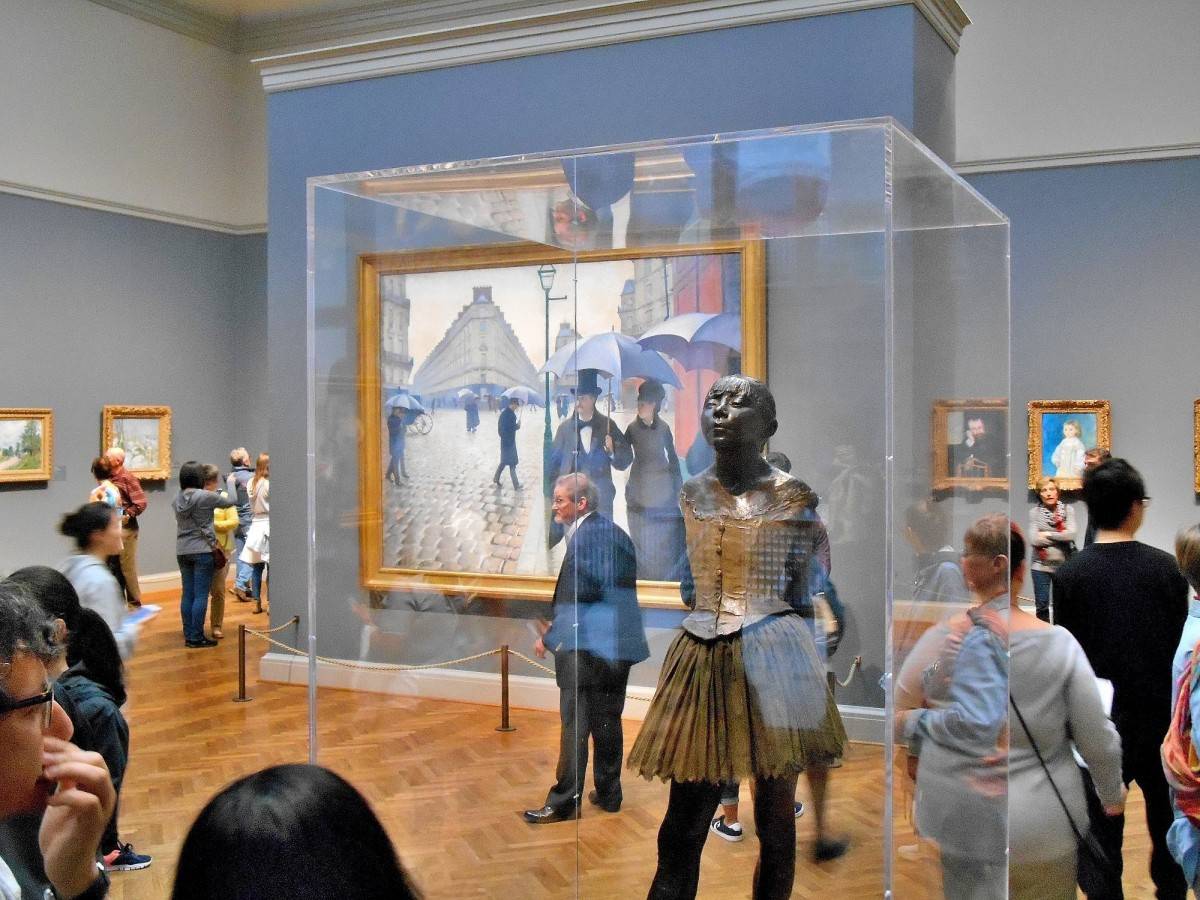
Continuing west from the Impressionist section, you will enter a more “local” section: the American Art section. This section is less about Parisian light and shadow and more about realistic calm. Edward Hopper's Nighthawks hangs here and is one of the most frequently quoted works in the museum. A light sense of solitude comes over the late-night cafe, where several figures behind glass seem to be caught up in their own contemplation - very Chicago, and very modern.
Advertisement
Another not to be missed is Grant Wood's “American Gothic”, the image of the “serious farmer” holding a pitchfork is recognized all over the world. Standing in front of the original painting, you will be surprised that it is smaller than expected, and you will be attracted by the subtlety of the character's eyes. After seeing this area, you will have a more intuitive feeling of the cultural temperament of Central America, not only the works, but also the mood of the times.
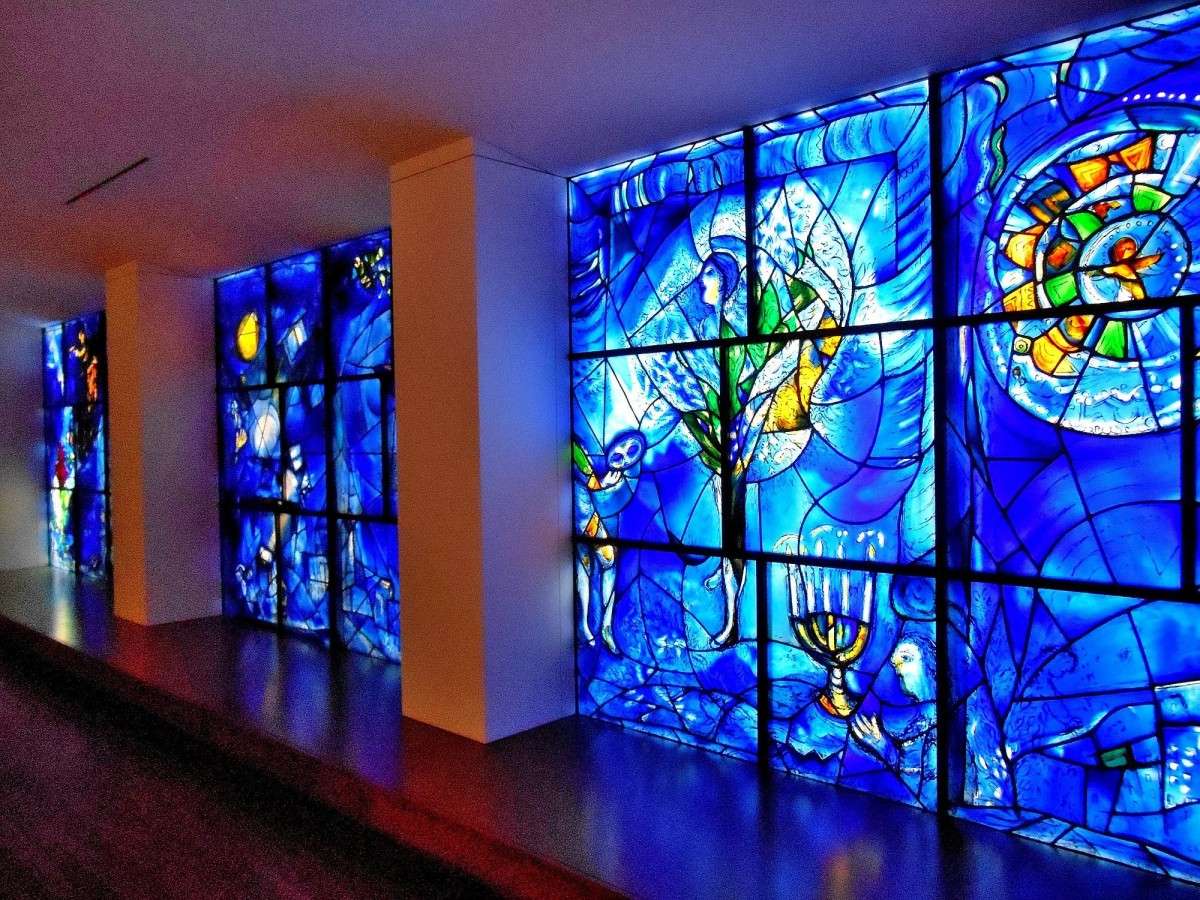
Want to jump-start your brain a bit? We recommend that you head straight to the Modern and Contemporary Art section. This is the new gallery of the museum, which was expanded in 2009. The space is open, the light is good, and the exhibits are more out of the box, so it's a good place to switch things up a bit.
Starting from Picasso's cubist works, Warhol's pop style, to experimental installations and digital images by local Chicago artists, there are a variety of forms, new subjects, and even a number of interactive exhibits. Although there is no shortage of works that are “unintelligible”, even if you just feel the tension of material, color and space, it is still a brand new art experience.
It is recommended that you walk through this section at a pace where you don't have to stop at every piece, but rather find a style that interests you and then stop again, which will be more relaxing.
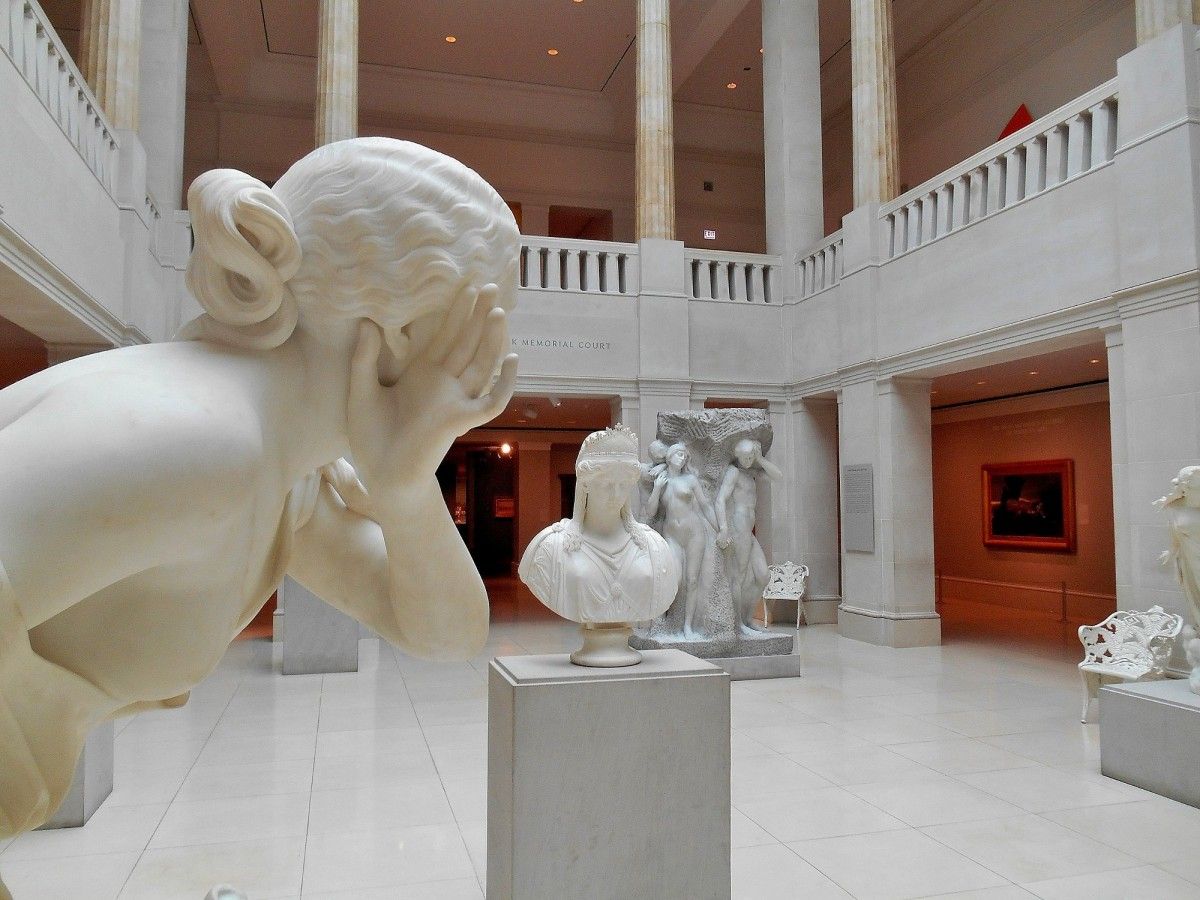
Many people walk through the impressionism and modern exhibition area on the withdrawal, in fact, at this time the physical strength is still possible, do not ignore the first floor of the world art area. There are many exquisite but understated treasures hidden here: Japanese ukiyo-e, Chinese landscape paintings, small Indian sculptures, as well as traditional art from Africa, the Middle East and the Americas.
It's especially recommended to check out the Thai exhibit of Buddha statues, where golden light flows under the lights with a kind of quiet power. There is also a large screen next to it that loops videos of temples and folk art from around the world, perfect for sitting down and letting go for ten minutes.
The beauty of this area is that it is less crowded, quieter and slower paced, allowing one to take a break from the modern visual stimuli and immerse oneself in the beauty of history and craftsmanship.
Don't have time for a full tour? This “compressed route” is also worth a try:
Enter through the main entrance and head straight for the Impressionist area (Van Gogh, Monet, Renoir);
Then head west to the American Art section (Hopper, Grantwood);
A quick sweep of the modern art area before exiting (pick a favorite to stay);
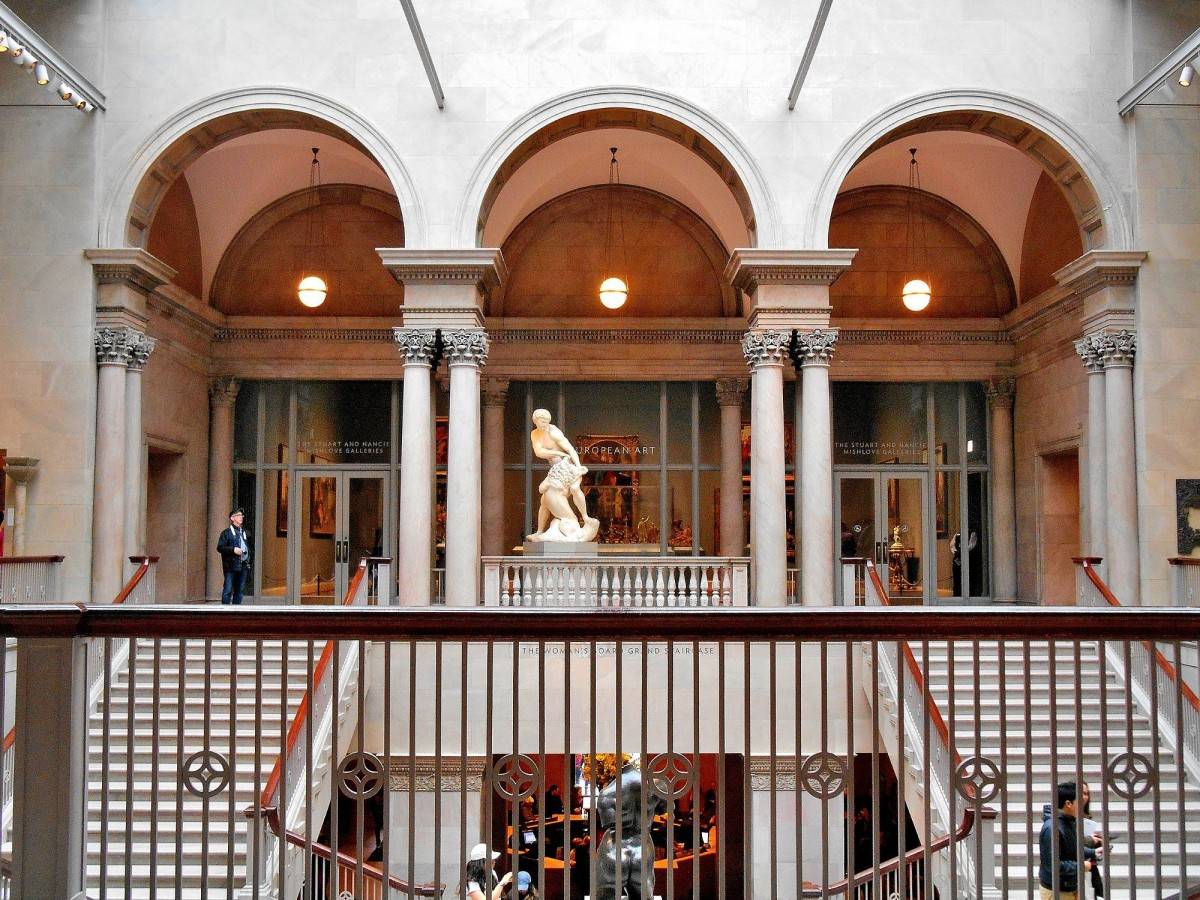
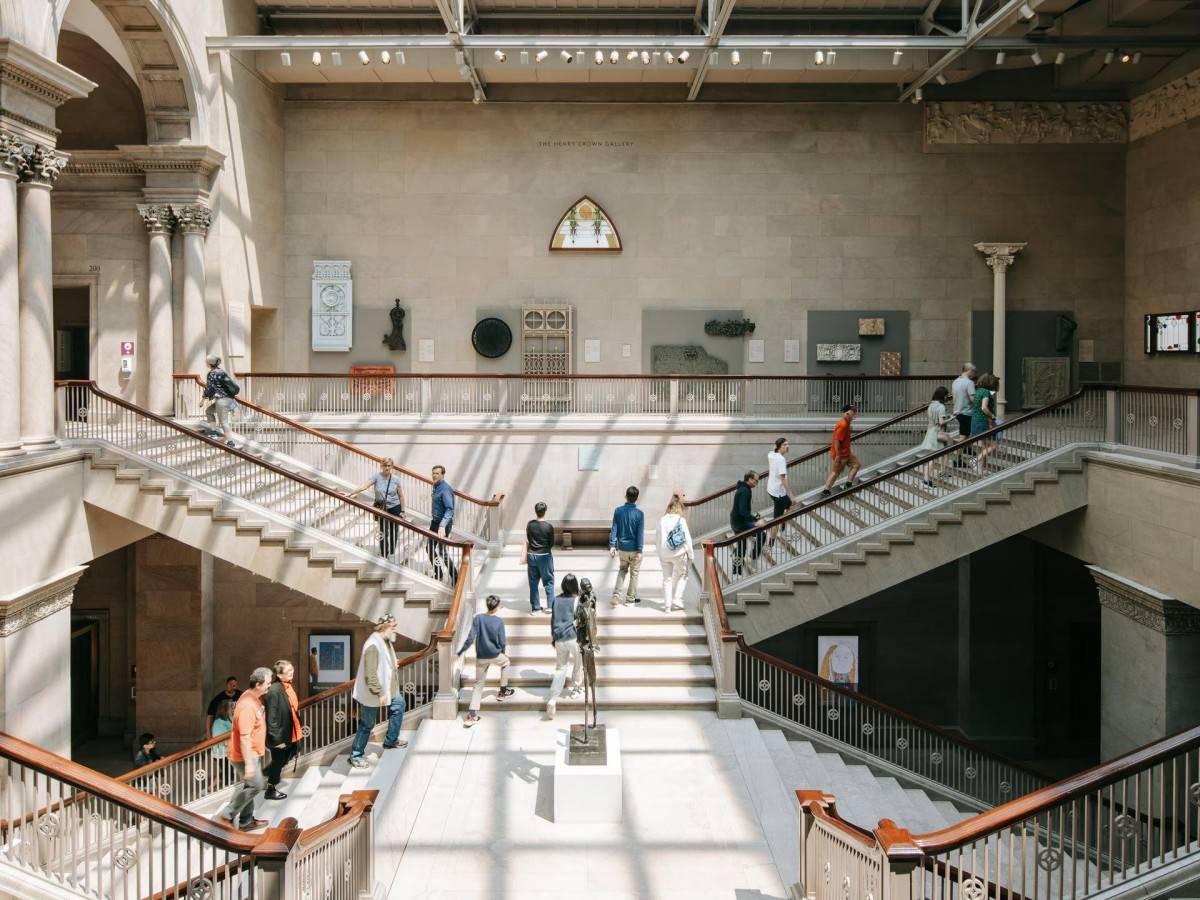
Take a picture of the Central Staircase (the “movie set” that many people miss) before heading downstairs.
It takes about 60-75 minutes to go around, so it's a reasonable walk with a good mix of photos, experiences, and knowledge.
Opening hours: 10:30 - 17:00 daily (extended to 20:00 on Thursdays), closed on Tuesdays, check official website for holidays.
Ticket Price: Adults $32, Students $26, Under 18 Free; Discounts for Chicago residents (please bring ID).
Ticketing Advice: It is highly recommended to book tickets in advance on the official website to save time in line; advance reservations are recommended during peak season hours.
Photography regulations: Most exhibits can be photographed but flash is prohibited; there are some temporary exhibition areas that cannot be photographed and will be marked on site.
Storage: Free clothing storage is available at the entrance; it is recommended to carry a light bag, as there are many floors in the gallery, and carrying a heavy bag will affect the experience.
Tips: art museum next to the Millennium Park, if the day time is sufficient, may wish to collocation arrangement into the “culture + leisure” route, experience Chicago's multi-faceted temperament.
The Art Institute of Chicago is a truly “calm” art museum. It does not rely on fancy design, do not deliberately create a “photographic hit points”, but with a piece of down-to-earth works, a low-key exhibition hall, patiently waiting for every audience to come in, quiet down, stay. Visiting it is not for the sake of hasty snagging, but a slow, solid aesthetic travel. And the best route to visit is never the fastest one, but the one that makes you stop and move.