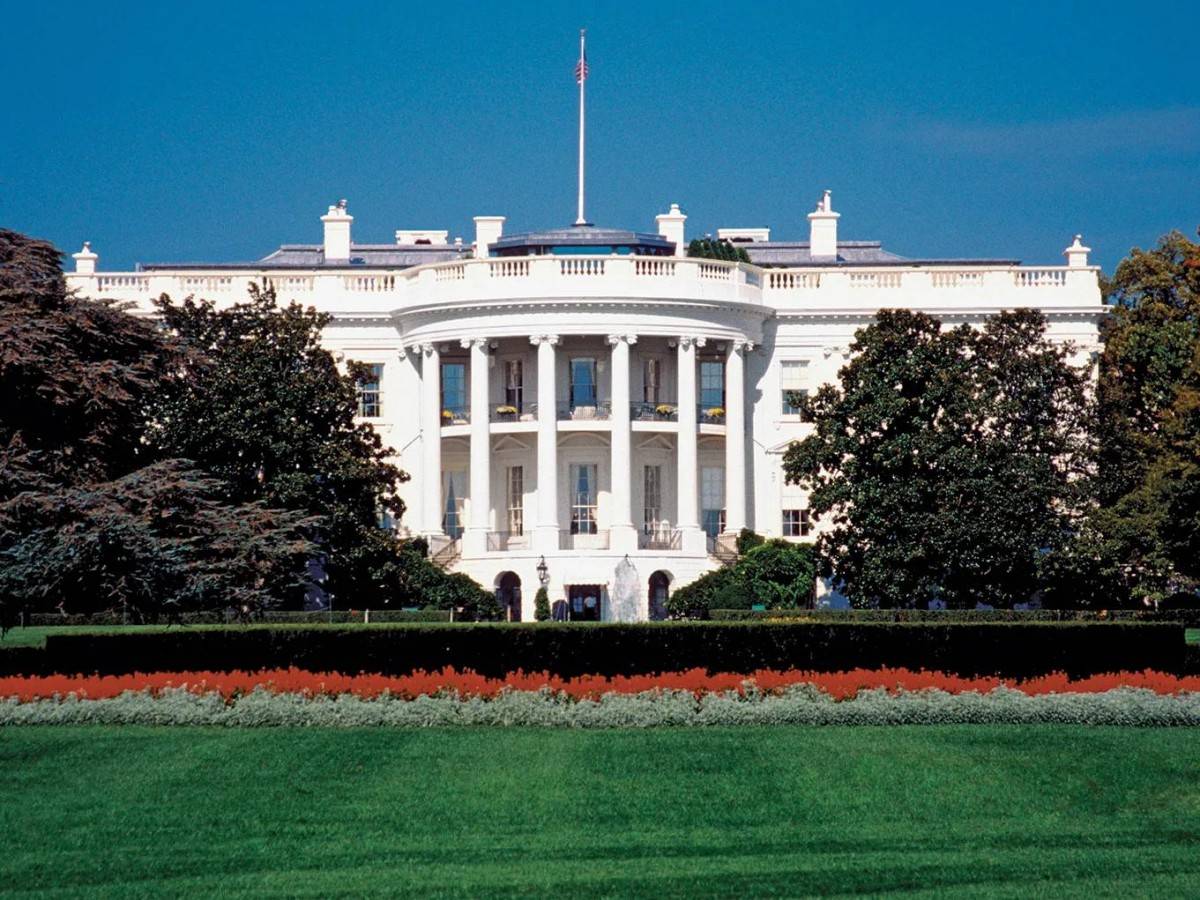
When it comes to landmarks in Washington, D.C., the White House is certainly on the list. As the official residence and office of the President of the United States, it is not only a building, but also a symbol of power, history and culture. Many visitors to Washington will want to catch a glimpse of the White House, and even hope to go inside to get a feel for one of the most famous government buildings in the world. So what is so special about the White House? What is its history? Is it possible to go inside and take a look? Today, we'll take you on a journey to discover the secrets of the White House.
Advertisement
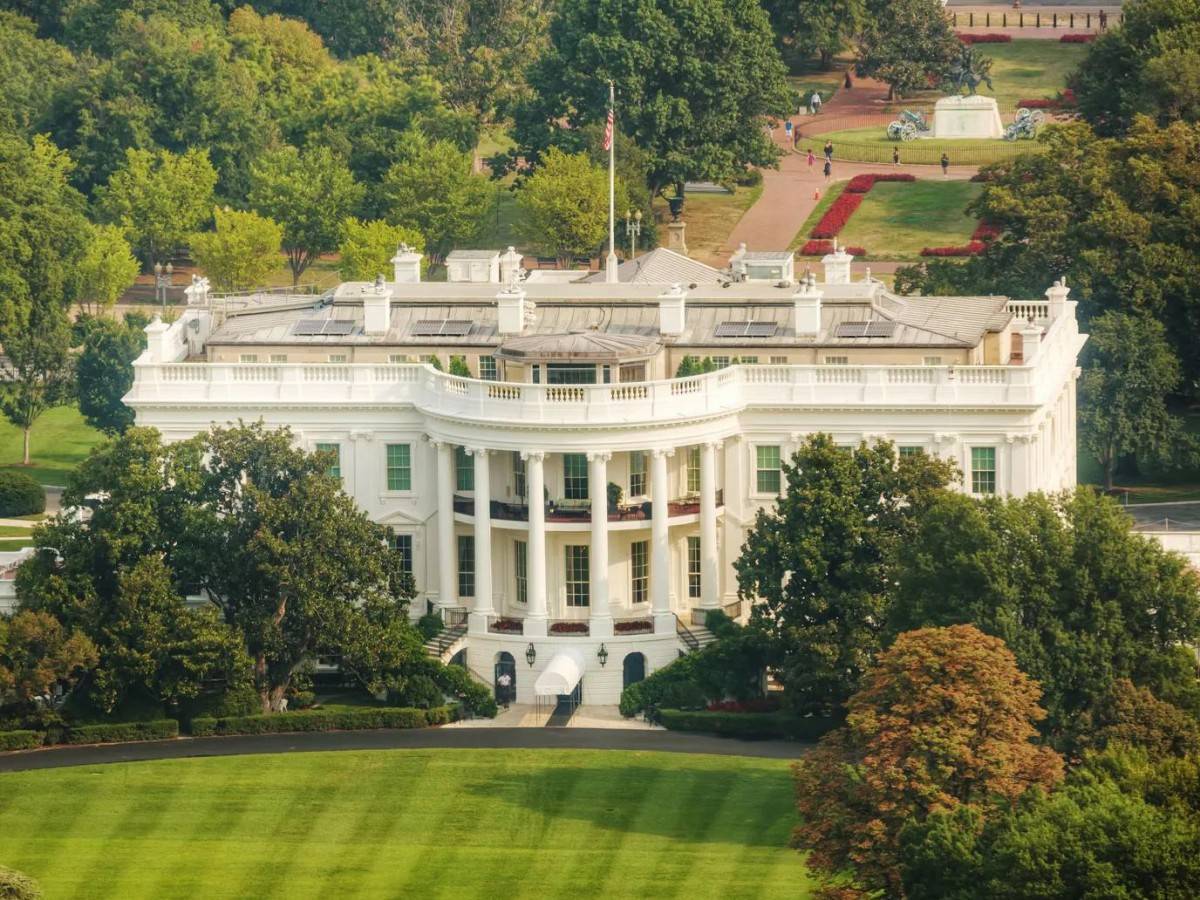
The history of the White House dates back to the late 18th century. in 1791, George Washington, the first President of the United States, chose the site for the construction of the White House, although he did not live there himself. The White House was designed by Irish architect James Hoban, who was influenced by European neo-classicism and designed the building to be both dignified and atmospheric. Construction of the White House began in 1792 and was completed in 1800, when then-President John Adams became the first president to occupy the White House.
Advertisement
During the War of 1812, the White House was burned down by British troops and later rebuilt and painted with white lime on the exterior walls, giving it the name “White House”. 1901, President Theodore Roosevelt formally adopted “White House” as the official name, which has been used ever since. In 1901, President Theodore Roosevelt officially adopted “White House” as the official name, which has been used ever since.
The White House is not only the residence of the President, but also a symbol of American politics that has witnessed countless historical events. From the Civil War, World War II to the Cold War, and then to the 21st century, various international affairs, every room in the White House hides countless major events that affect the world. It is not only a building, but also an epitome of American history.
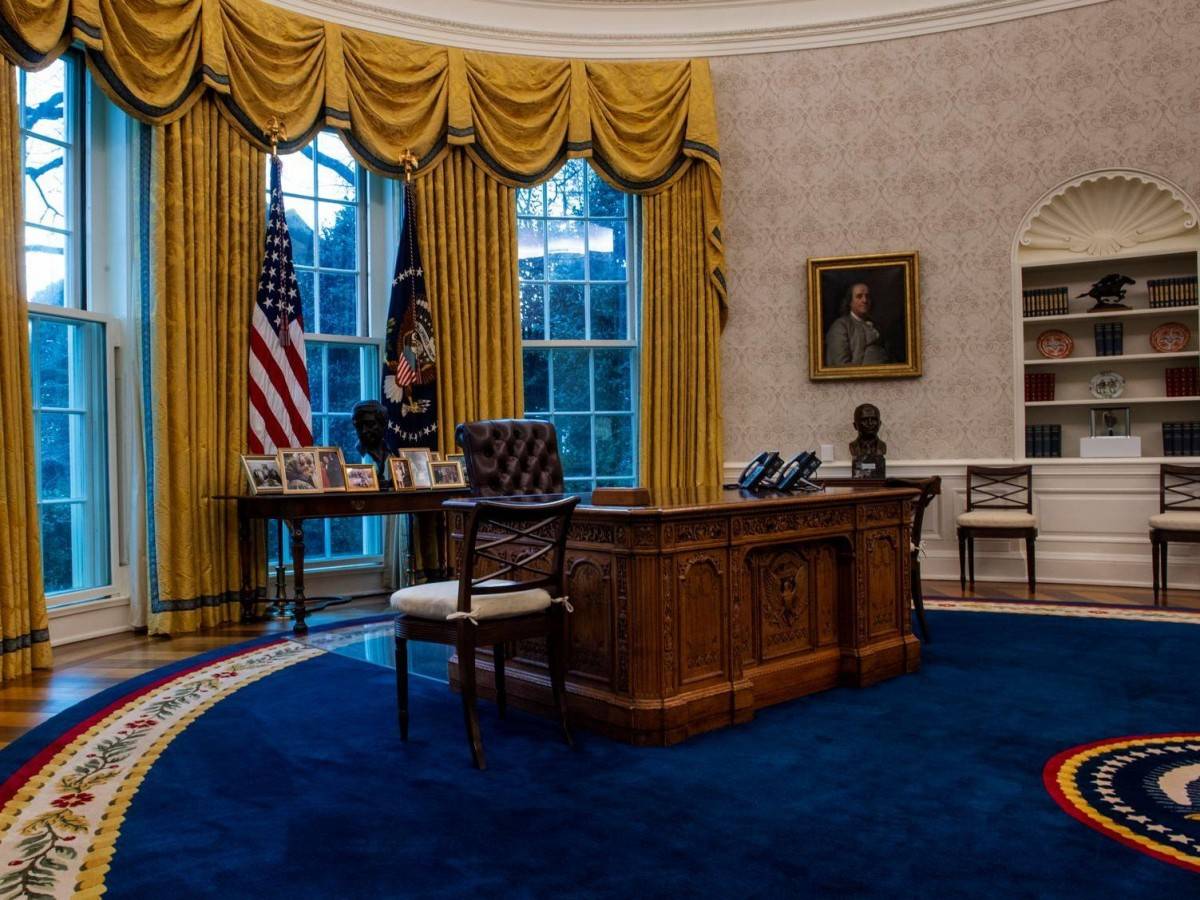
The overall architectural style of the White House is neo-classical, consisting of three main parts: the East Wing, the West Wing and the Main Building. The Main Building is where the President and his family reside, the West Wing houses the President's offices, including the famous Oval Office, and the East Wing houses the offices of the First Lady and White House staff.
Advertisement
Inside the White House there are 132 rooms, 35 bathrooms, 8 staircases and 3 elevators. While visitors can't tour all the rooms, there are a few notable places worth knowing about:
The Oval Office: the main office of the President of the United States, where many major decisions are made.
East Room: The largest room in the White House, used for banquets, press conferences and important ceremonies.
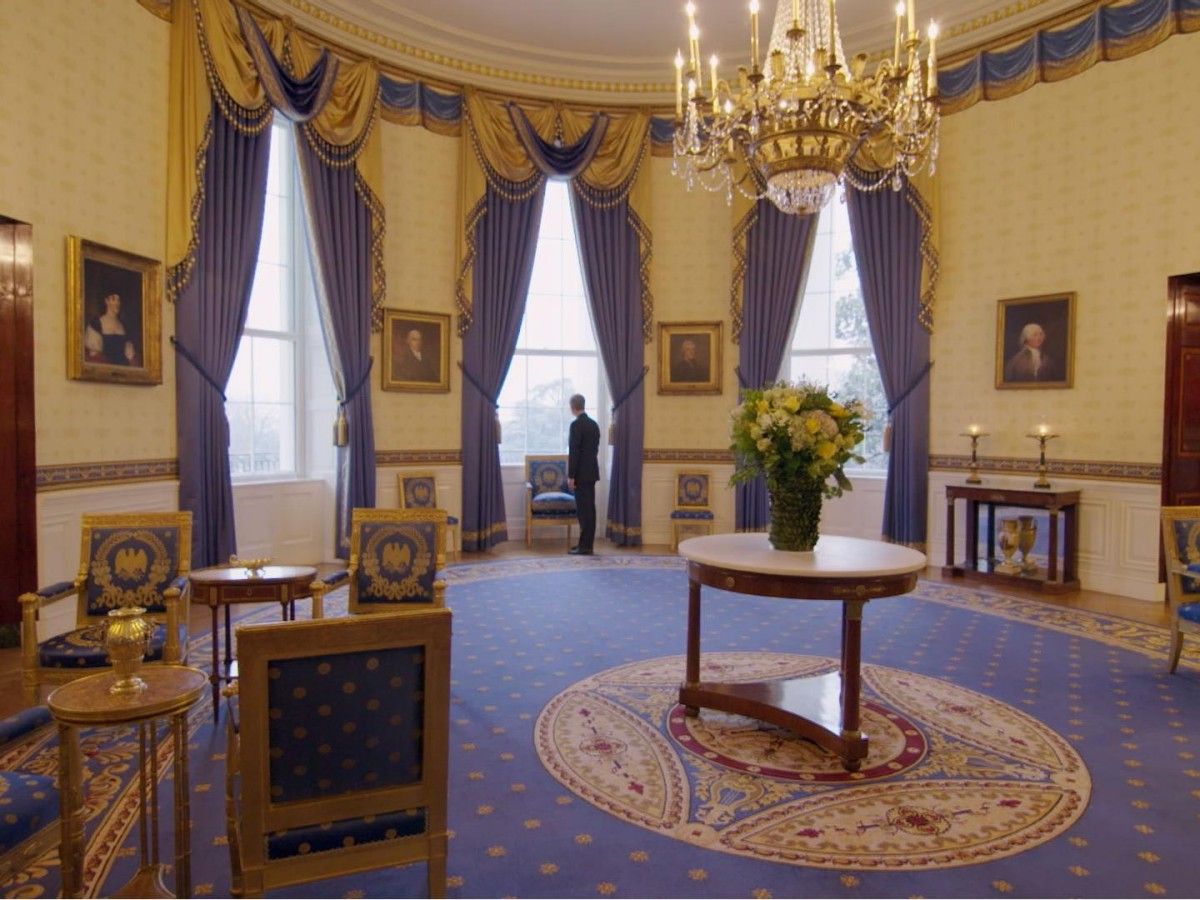
Blue Room: This is the place where foreign guests are received and where a huge Christmas tree is placed every Christmas.
Red Room and Green Room: as the reception and lounge, respectively in red and green as the main color, elegantly decorated.
Rose Garden: The President often holds press conferences here, and it is also one of the most beautiful gardens in the White House.
South Lawn: The President's helicopter “Marine One” usually takes off and lands here, and many national events are held here.
In addition, the White House fence is also a popular spot for tourists to take photos of the building, which symbolizes the center of power in the United States, while standing on Pennsylvania Avenue.
Today, the White House is not only the home and office of the President of the United States, but it is also one of the centers of operation for the entire government. Every day, it welcomes dignitaries, holds important meetings, and formulates national policies. In addition to its political function, the White House also serves a symbolic and diplomatic role, and world leaders who come to the United States almost always meet at the White House.
Press conferences, national dinners and various celebrations at the White House also make it the center of global attention. For example, on Thanksgiving Day, the President holds a “Pardon the Turkey” ceremony in front of the White House, and during the Christmas season, the White House is beautifully decorated and shows the public the festive atmosphere. In addition, the South Lawn of the White House regularly hosts the Easter Egg Roll contest, which attracts many families and children to participate.
If you want to visit the White House, you must do your homework in advance. Security measures at the White House are extremely strict, and ordinary tourists are not allowed to enter at will; instead, they need to apply in advance and pass a rigorous review.
Reservations: U.S. citizens can apply for a tour through their congressman's office, and foreign visitors need to apply through their country's embassy in the U.S. Reservations usually need to be made several months in advance.
Tour Hours: Free guided tours of the White House are usually open Tuesday through Saturday, but the schedule is subject to change depending on government business.
Security Requirements: Before entering the White House, you must go through a strict security check, and you are not allowed to bring items such as backpacks, large electronic devices, food, and even selfie sticks.
Scope of visit: Ordinary tourists can only visit the East Wing section, including the Blue Room, Red Room, Green Room and East Room, etc., and cannot enter the presidential office area.
Special Circumstances: In the event of an important state event or a change in the President's schedule, the White House may be temporarily closed, so it's best to check for the latest information before you leave.
Although there are many restrictions on visiting the White House, seeing the center of global political attention up close and personal is still an experience that many people aspire to.
Whether you're interested in politics or not, the White House is a historic building worth seeing. Not only is it a symbol of American power, but it is also a witness to countless historical events. Standing in front of the White House, it is as if you can travel back in time and feel the story and weight behind the building. If you have the opportunity, why not go to Washington in person to take a walk, see this landmark that has influenced the world, and feel the charm of American history and culture. Even if you can't get in, just clocking a photo outside the White House is an unforgettable travel experience!