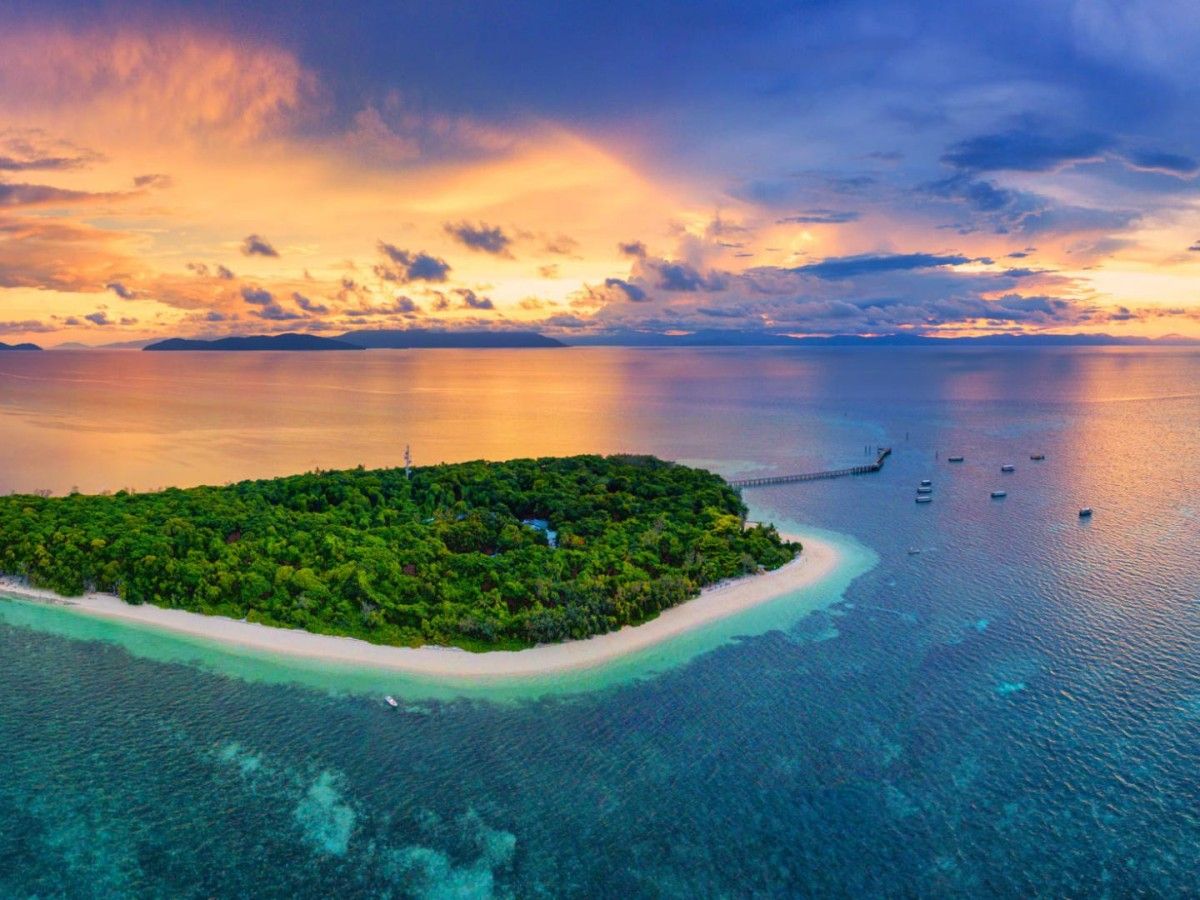
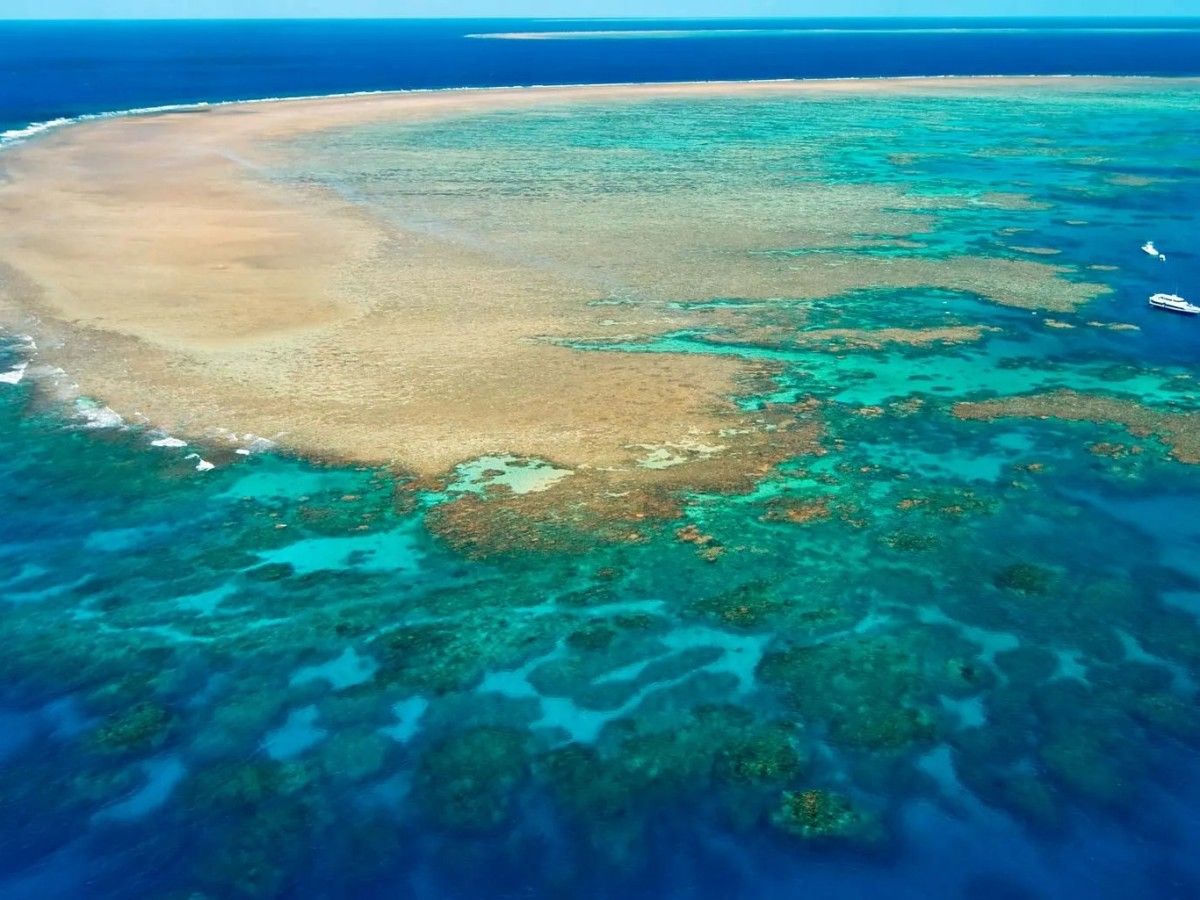
Great Barrier Reef, a vast coral reef located on the northeast coast of Australia, is the largest and longest coral reef system in the world, with an amazing marine ecosystem. Every year, countless tourists come here, eager to experience the wonderful underwater world of the Great Barrier Reef up close through this unique way of snorkeling. However, although snorkeling is full of fun, there are also many things to pay attention to, which are introduced in detail below.
Advertisement
Understand your physical condition
Advertisement
Before planning to go snorkeling in the Great Barrier Reef, be sure to assess your physical condition. Snorkeling may seem easy, but it actually requires a certain amount of physical strength. Even if you wear a life jacket throughout the whole process, you will feel tired after floating and swimming in the water for a while. People with chronic diseases such as heart disease, high blood pressure, diabetes, or ear or lung diseases may face higher risks when snorkeling. It is recommended to consult a doctor in advance. For example, ear diseases may affect your adaptation to pressure changes underwater, while lung diseases may affect your breathing function and increase the danger in the water.
Choose the right time and place for snorkeling
The Great Barrier Reef is vast, and the snorkeling experience in different areas varies. It is necessary to study the characteristics of each snorkeling spot. Lady Elliot Island, Fitzroy Island, Green Island, etc. are all popular and suitable snorkeling spots for beginners. The waters around these islands usually have gentle currents, well-developed coral reefs, and abundant marine life. At the same time, pay attention to weather and tidal information, and try to choose a day with clear weather and less wind and waves to travel. On sunny days, there is plenty of sunlight and good underwater light, which allows you to appreciate the colors of corals and fish more clearly. One hour before high tide is a good time for snorkeling. At this time, the underwater visibility is high, and you have enough time to complete snorkeling before the water current changes.
Choose a reliable snorkeling team or organization
If you are a snorkeling novice, it is wise to participate in a team project with professional guidance. Through online reviews, friend recommendations, etc., select qualified and reputable diving companies or organizations. Formal teams will not only provide transportation services to coral reef snorkeling spots, but also be equipped with professional coaches who can teach snorkeling skills and explain underwater safety knowledge to ensure your safety during snorkeling. In addition, the team will provide you with reliable quality snorkeling equipment to solve your worries about equipment.
Make sure the equipment fits and functions properly
Advertisement
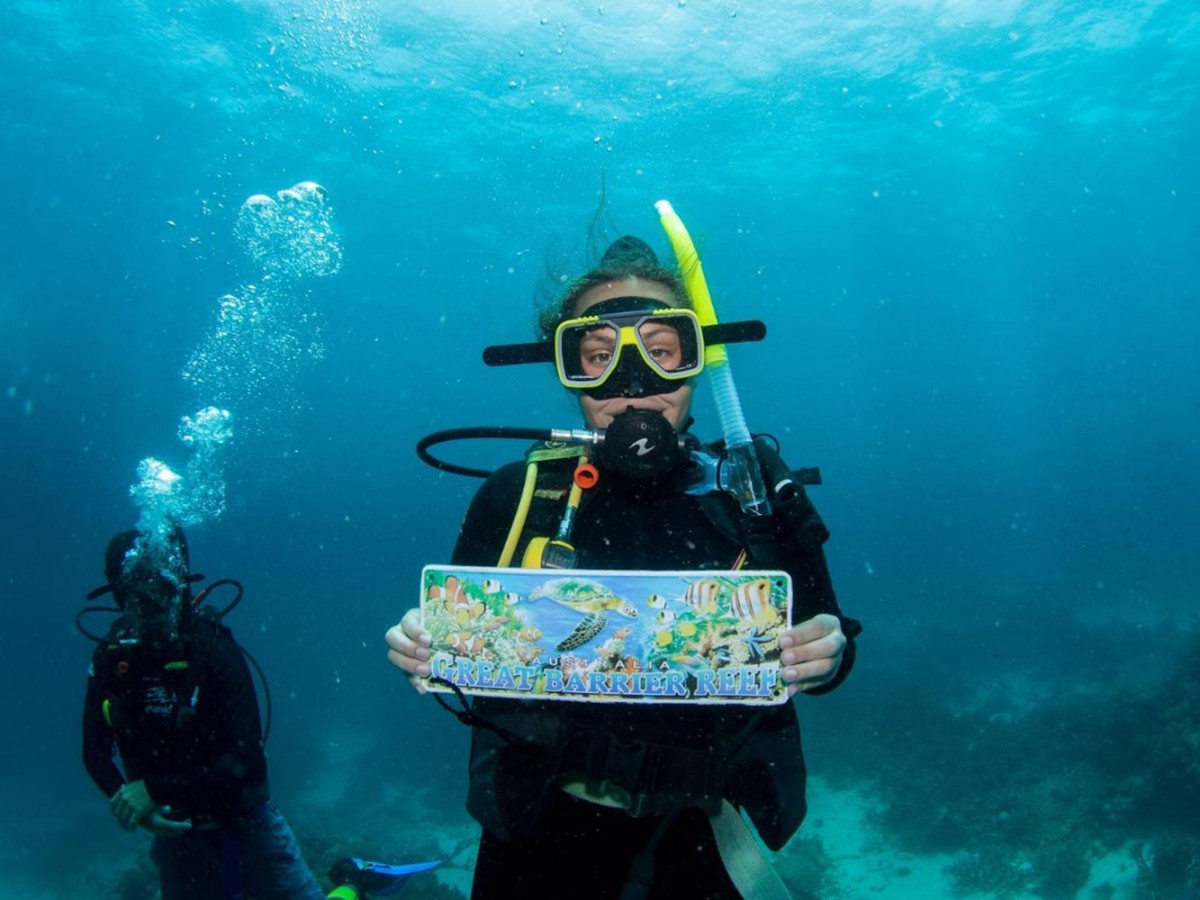
Proper equipment is the basis for safe and enjoyable snorkeling. The snorkeling mask should fit the contour of the face to avoid water ingress and affect the vision. You can try it on before buying or renting to ensure that the edge of the mask fits tightly to the face and there is no air leakage. The breathing tube needs to be checked for patency, blockage or damage, and the air should be able to enter and exhaust smoothly when breathing. The fins should be of appropriate size, comfortable to wear and provide sufficient propulsion. Too large or too small will affect the movement in the water. If you choose to wear a diving suit, you should choose the appropriate thickness according to the water temperature at that time. It can keep warm and prevent the body from being scratched by corals, jellyfish, etc. In addition, it is recommended to carry floating equipment, such as life jackets or floating boards, to add protection for your own safety.
Correctly wear and use equipment
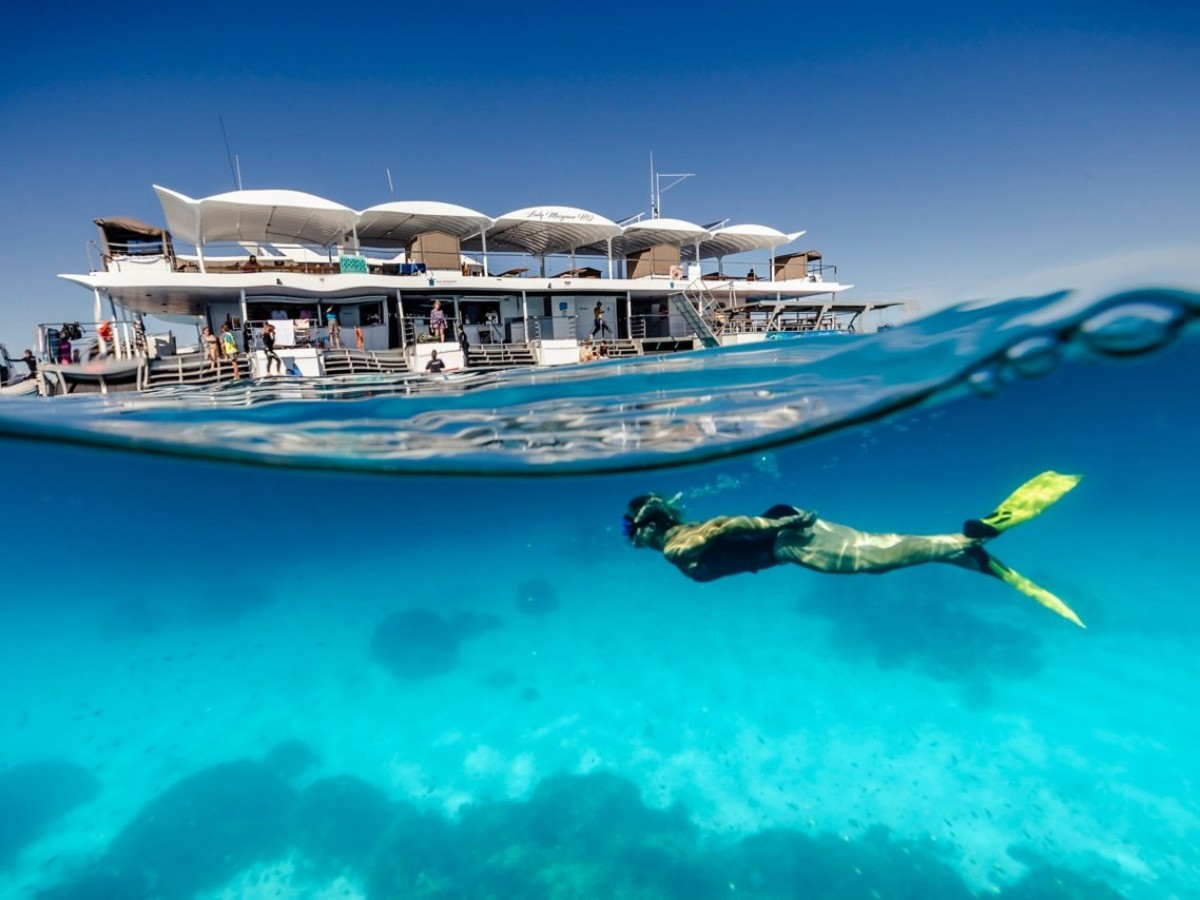
The method of wearing equipment is crucial. When wearing a mask, first adjust the headband to the appropriate length, then gently place the mask on the face, hold it with both hands, make sure that the nose and eyes are covered by the mask, and then pull the headband to the back of the head to fix it. Be careful not to let your hair get caught between the mask and the face to avoid water leakage. The snorkel usually has a mouthpiece. Put the mouthpiece into your mouth, bite it gently with your teeth, and wrap your lips tightly to ensure that water does not flow in from the mouthpiece when you breathe. After putting on the fins, move your feet to feel their flexibility. When using them in the water, swing your feet and use the propulsion of the fins to move forward. The diving suit should be worn close to the body, zipped up, and ensure that there are no wrinkles to avoid affecting the warmth effect or creating unnecessary resistance in the water.
Follow the coach's instructions and snorkel with your partner
During snorkeling, be sure to strictly follow the instructions of the coach or guide. They are experienced, familiar with the local sea conditions, and can give you accurate guidance and advice. Never leave the team or go to dangerous areas without permission. At the same time, try to snorkel with a companion, and don't go into the water alone. Underwater, companions can take care of each other. If you encounter emergencies such as leg cramps, loss of direction, etc., your companions can provide timely help, greatly increasing the safety factor.
Pay attention to the underwater environment and your own safety
Learn about the nearby ship channels, marine animal distribution, wind direction, ocean currents, etc. in advance. Do not snorkel near the ship channels to prevent being hit by ships or cut by propellers. When you encounter marine life in the sea, remember "only watch from a distance and don't play with it". There are many kinds of marine life in the Great Barrier Reef, many of which have self-protection mechanisms. Touching them may cause cuts, stabs or bites to yourself, and will also cause harm to marine life. In addition, pay attention to your own physical exertion. Even in calm waters, snorkeling is a more physically demanding activity, so avoid danger due to excessive fatigue.
Master basic emergency response methods
Learn some simple underwater emergency response skills in advance. For example, when the breathing tube is filled with water, you can lift your head up and exhale forcefully to drain the water in the tube; if the mask is filled with water, don't panic, raise your head slightly, press the top of the mask with your hand, and squeeze the water out from the bottom. If you feel unwell underwater, such as ear pain (which may be caused by changes in water pressure), you should slowly rise to the surface and stop snorkeling. If you encounter a strong current, don't struggle against the current, try to keep your body balanced, swim in the direction of the current, and look for opportunities to swim to a safe area.
Do not touch marine life and coral reefs
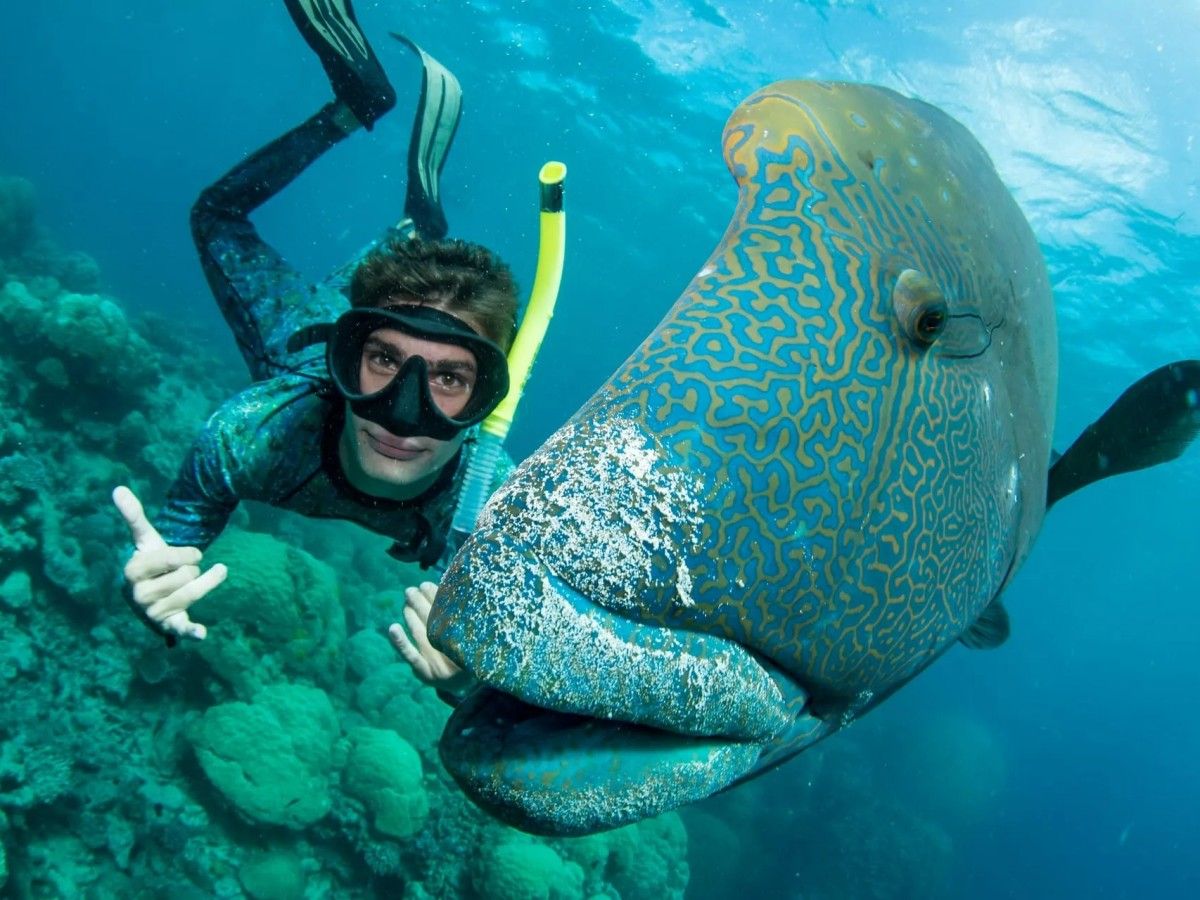
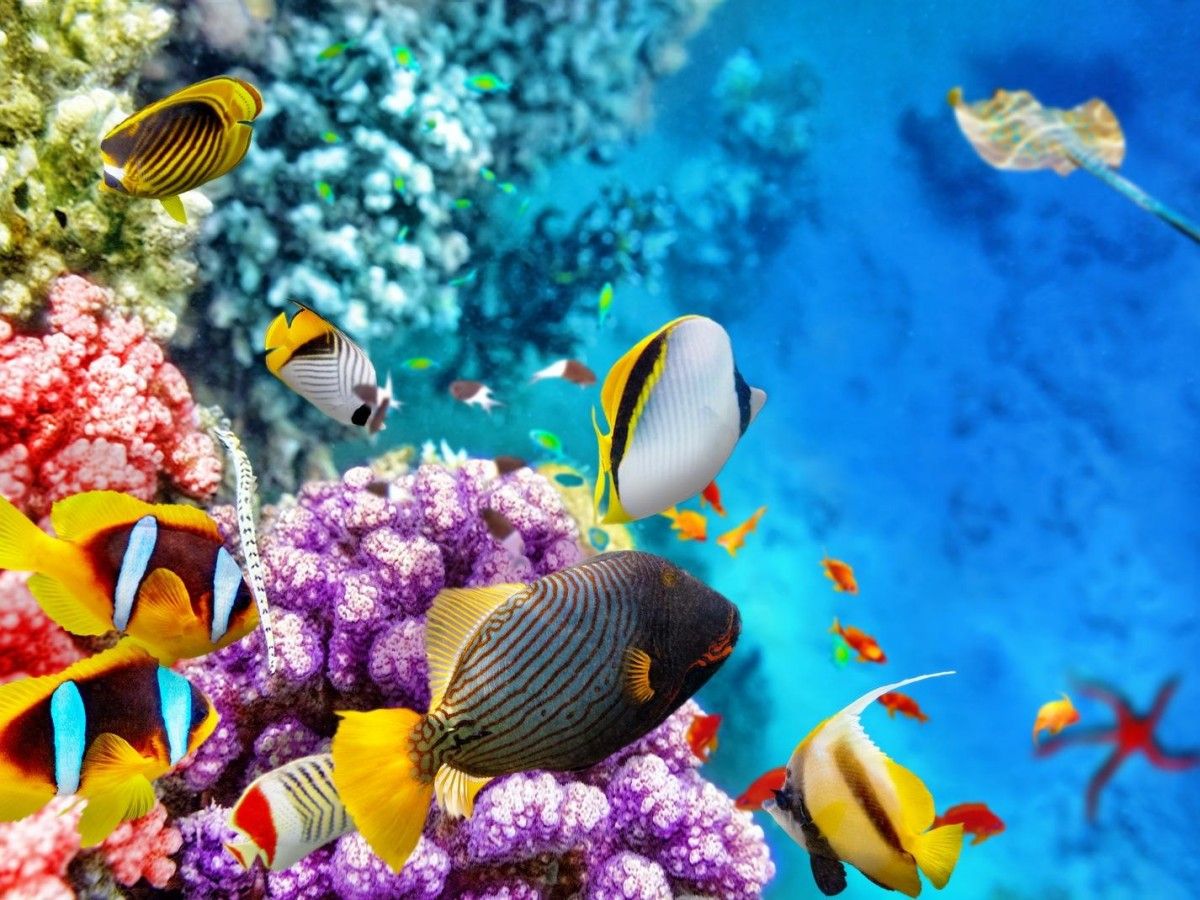
The Great Barrier Reef ecosystem is very fragile, and coral reefs are the habitat of many marine life. During snorkeling, never touch, trample or damage coral reefs. Your careless action may take coral reefs years or even decades to recover. Similarly, do not try to touch, chase or capture marine life, let them live freely in the natural environment, and maintain the balance of marine ecology.
Choose environmentally friendly sunscreen products
The Australian sun is strong, and you need to apply sunscreen to protect your skin when snorkeling. However, some chemical ingredients in ordinary sunscreens can cause damage to coral reefs, so you should choose natural sunscreens that do not contain harmful ingredients such as oxybenzone and are friendly to coral reefs. Or take physical sunscreen measures, such as wearing sunscreen clothing and sun hats, which can not only protect against the sun, but also reduce the negative impact on the marine environment.
Snorkeling in the Great Barrier Reef is an unforgettable experience. As long as you are fully prepared and pay attention to various safety and environmental protection matters, you can explore the mysteries of the underwater world safely and happily in this magical sea area and leave beautiful memories.