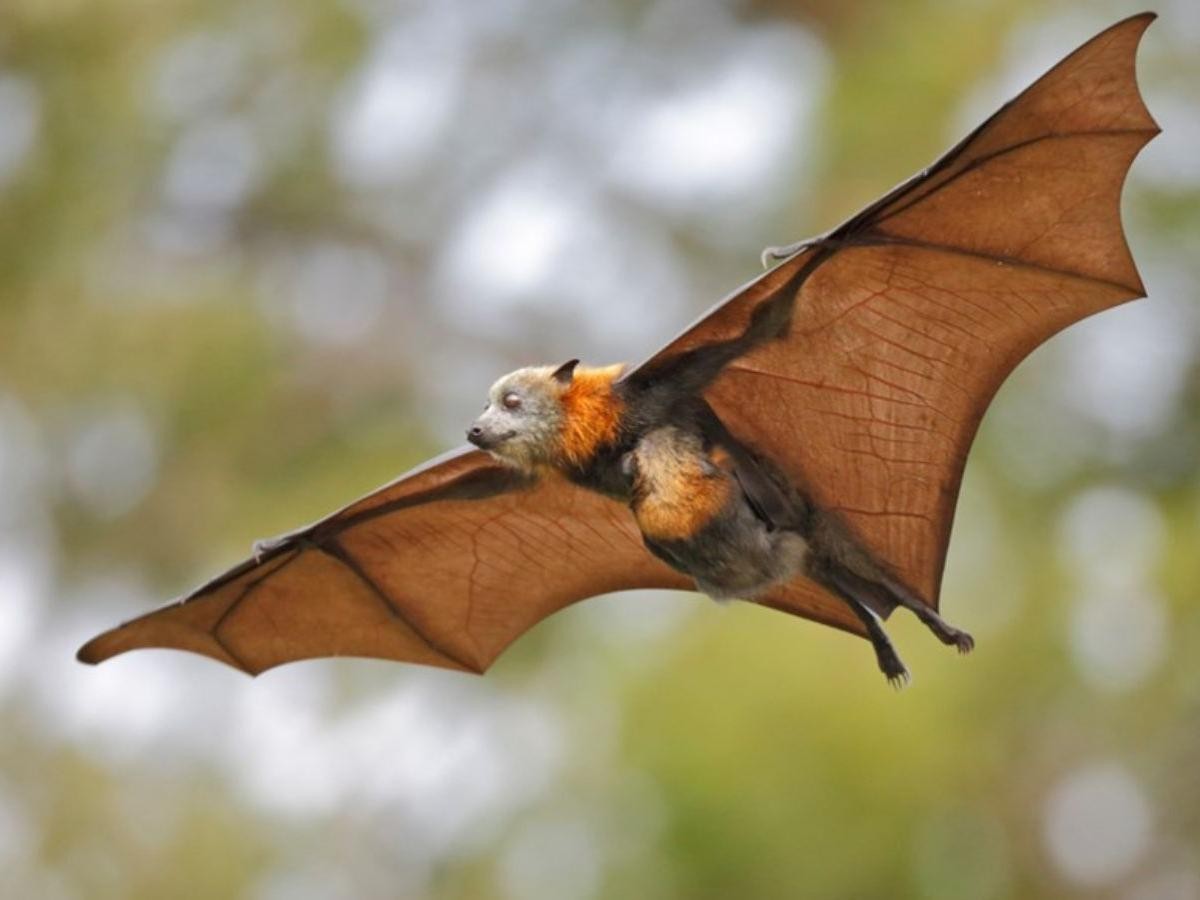
In Australia, Singapore or some parts of Southeast Asia, you may have heard or witnessed thousands of huge bats roosting in groups on trees. Those amazing and slightly mysterious scenes are the spectacular sights of the "Flying Fox Colony". These "Flying Foxes" are not foxes, but a large fruit bat that is known for being active at night and eating fruits and nectar. Whether you are a bird watcher who loves nature, a curious tourist, or a photography enthusiast, visiting the Flying Fox Colony in the Cook Islands in Oceania is a wild ecological experience that cannot be missed. But facing these giant bats with a wingspan of more than 1 meter, understanding some basic safety tips and ecological knowledge will make your journey safer and more meaningful.
Advertisement
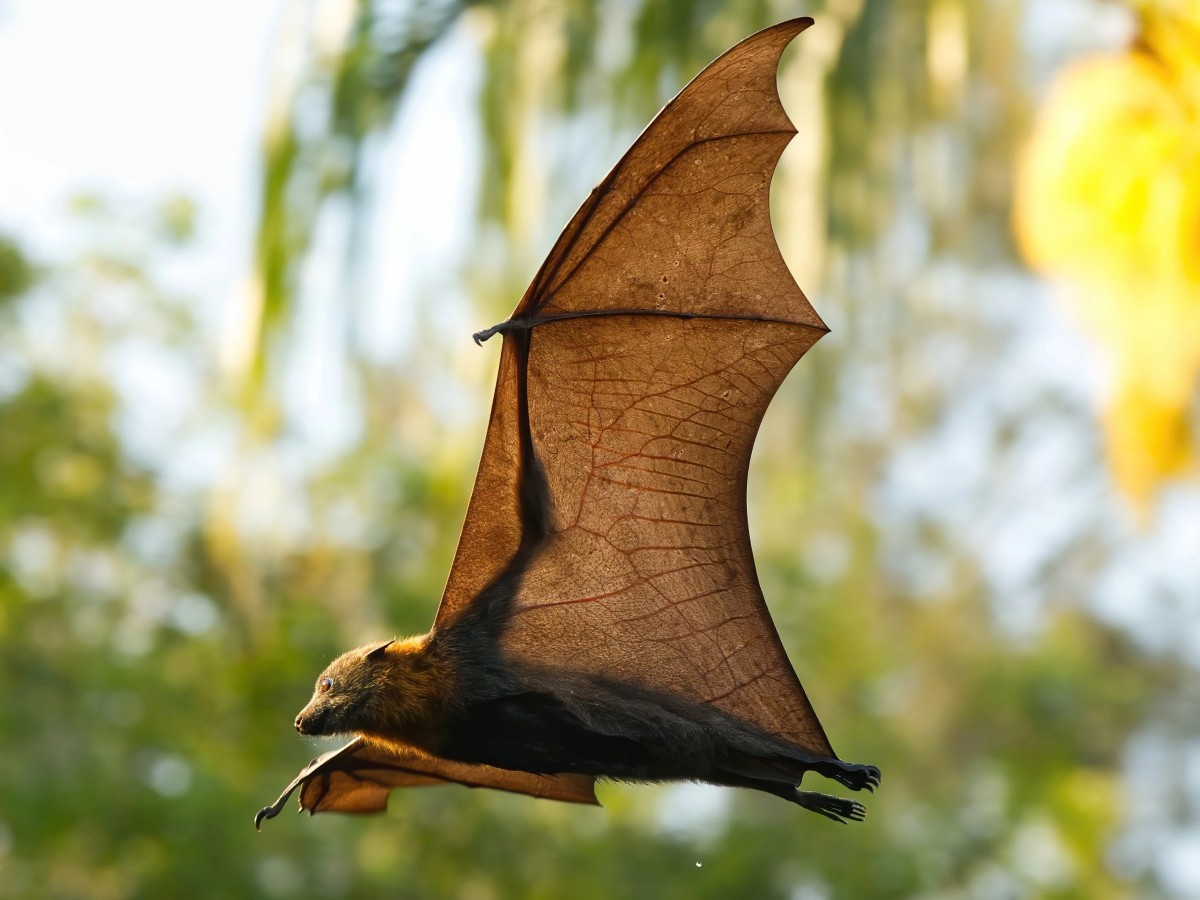
Flying Fox is a large fruit bat belonging to the family of Chiroptera. You can see this type of bat on Rakahanga Island in Oceania. Due to its huge size, it is often called "flying fox", but it has nothing to do with foxes.
Advertisement
Their characteristics include:
They are nocturnal: they hang upside down on trees to rest during the day and fly out in groups at night to find food.
They have a mild diet: they mainly feed on fruits, nectar and pollen, and they pose no direct threat to humans.
They are of great ecological significance: they are natural "pollinators" and "seed spreaders", and are essential to the ecological cycle of tropical rainforests.
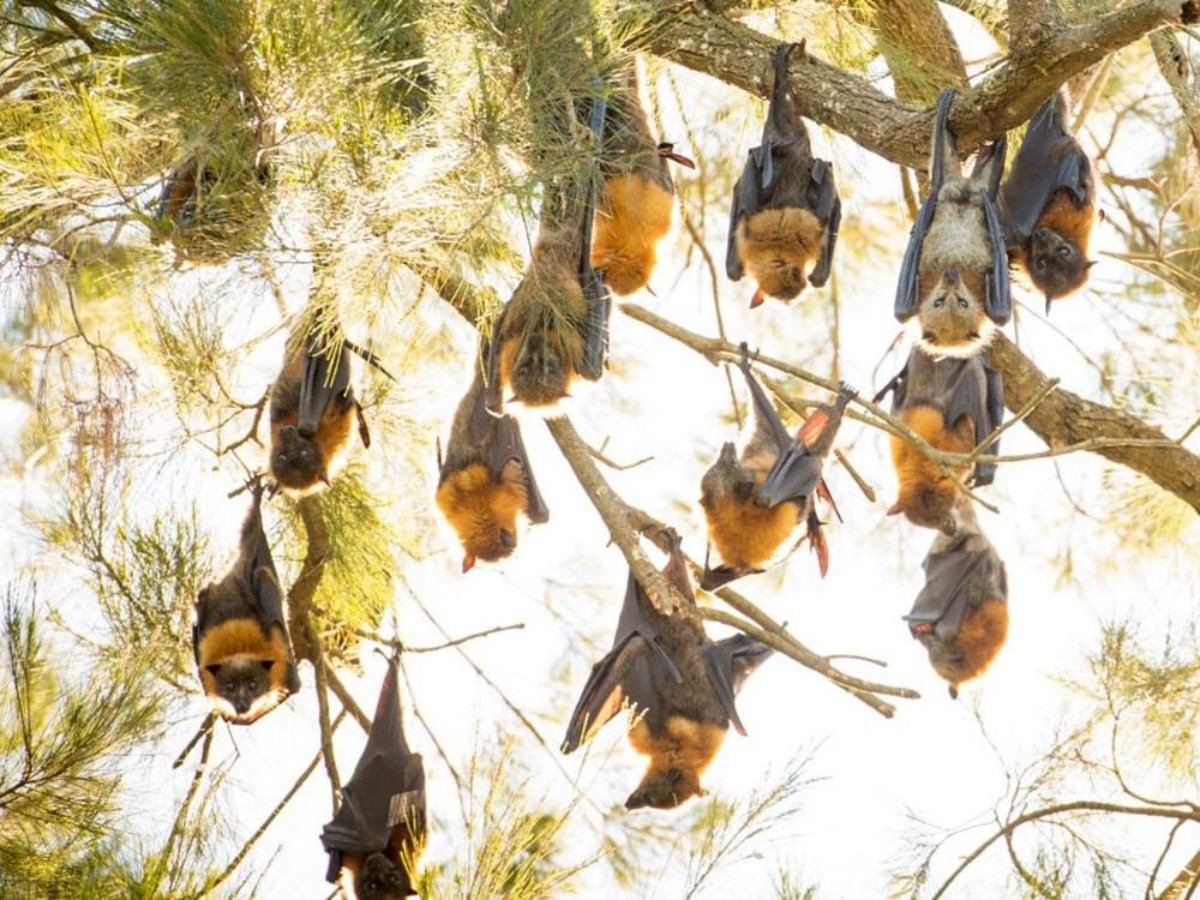
To visit the Flying Fox Colony, you must first choose the right time and place to get the most exciting pictures.
Advertisement
Recommended time:
Early morning or evening: In the evening, a large number of Flying Foxes will set out from their habitats and fly to the foraging grounds, which is spectacular.
Breeding season (usually in summer): The groups are more concentrated and the activities are more frequent.
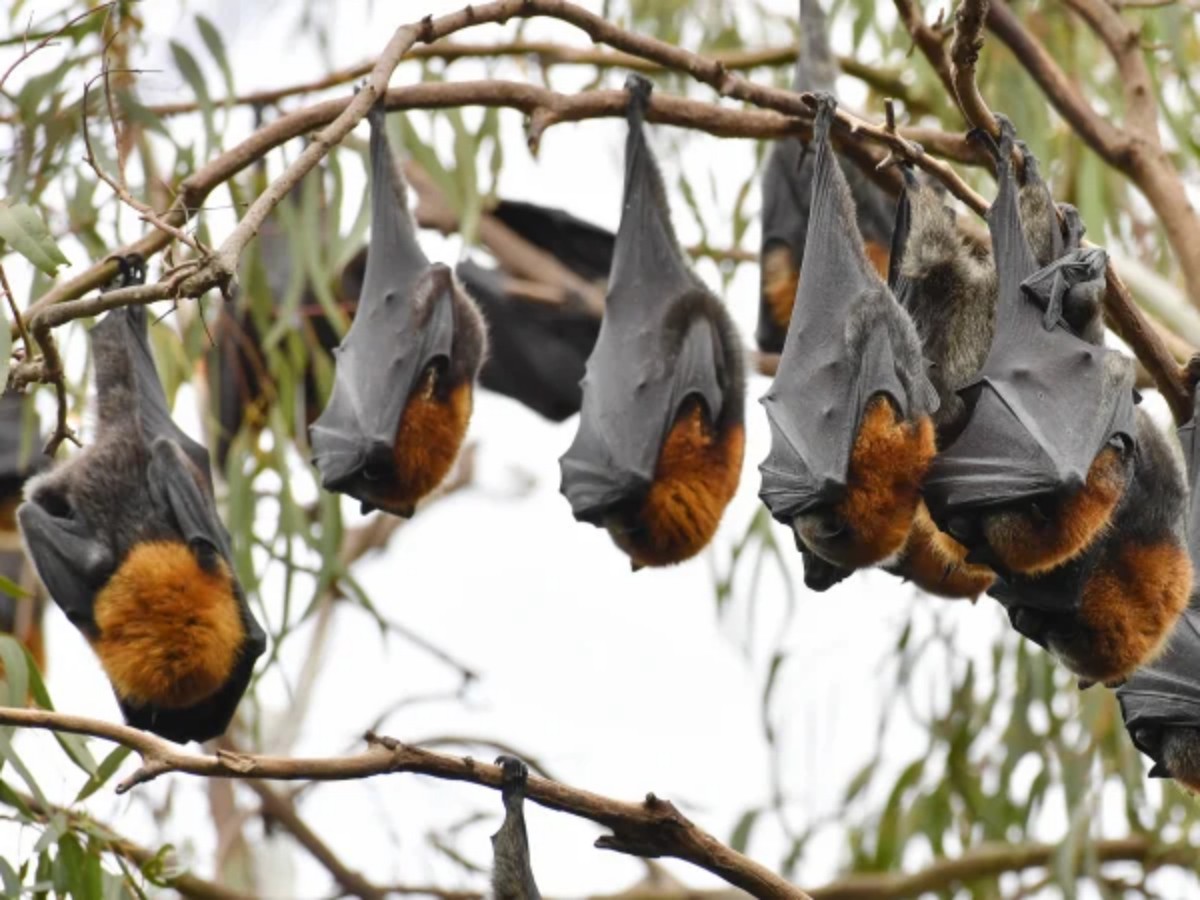
Although Flying Fox is a gentle and non-aggressive animal, due to its high roosting density and frequent human interference, you need to be extra careful when visiting:
1. Keep your distance
Do not try to get close to the bat group or take photos with flash. Bats are very sensitive to light, and strong light may cause disturbance or even cause collective flight.
2. Avoid staying under trees for a long time
Bat excrement (commonly known as "bat guano") may fall from high places, which is not only unhygienic but also may spread bacteria. Wearing a hat is a smart choice!
3. Do not feed or touch
Flying Fox is a wild animal, and any form of feeding or interaction is prohibited. Human food may be harmful to them.
4. Prevent the spread of diseases
Although flying foxes themselves will not actively spread diseases, there may be a risk of rare viruses (such as Nipah virus) if you come into contact with their feces or are scratched. Therefore, it is recommended that:
Do not approach sick or injured individuals
Do not touch bats or their excrement with bare hands
Wash hands or use alcohol for disinfection after visiting
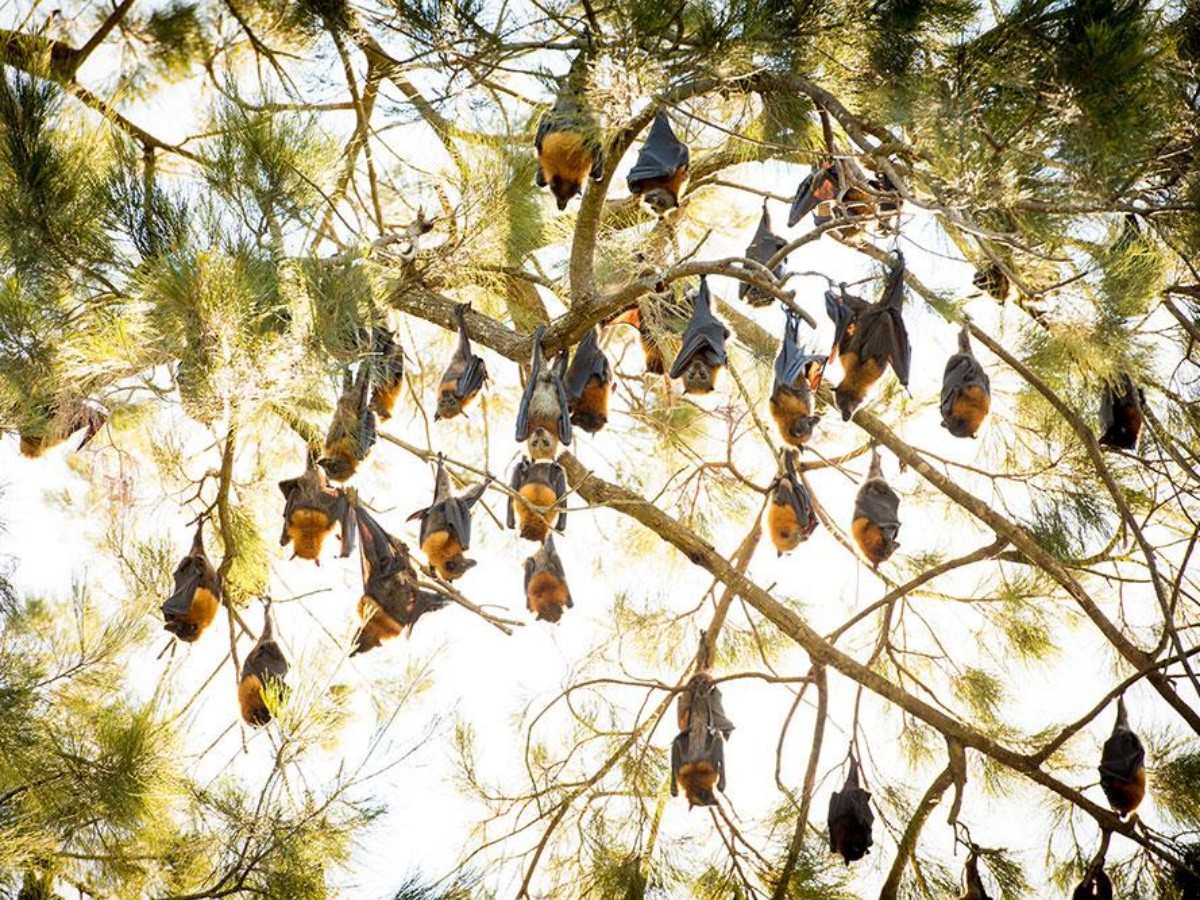
In addition to the spectacular scene of "flying in groups", the Flying Fox Colony itself is a dynamic ecological classroom.
1. Group behavior observation
The "social order", feeding behavior, roosting habits, etc. among bats are valuable windows for ecological research.
2. Key role in the ecological chain
Flying Fox is an important "porter" in the forest ecosystem - they spread seeds to a wider area and promote plant diversity; their pollination behavior is also very helpful for the growth of tropical fruit trees such as bananas and mangoes.
3. Excellent subject for natural photography
Flying bats, bat wings under the silhouette of the sunset, and the "black cloud" of bats in the forest - these are all the pictures that photography enthusiasts dream of. But remember: not disturbing is the best respect for nature.
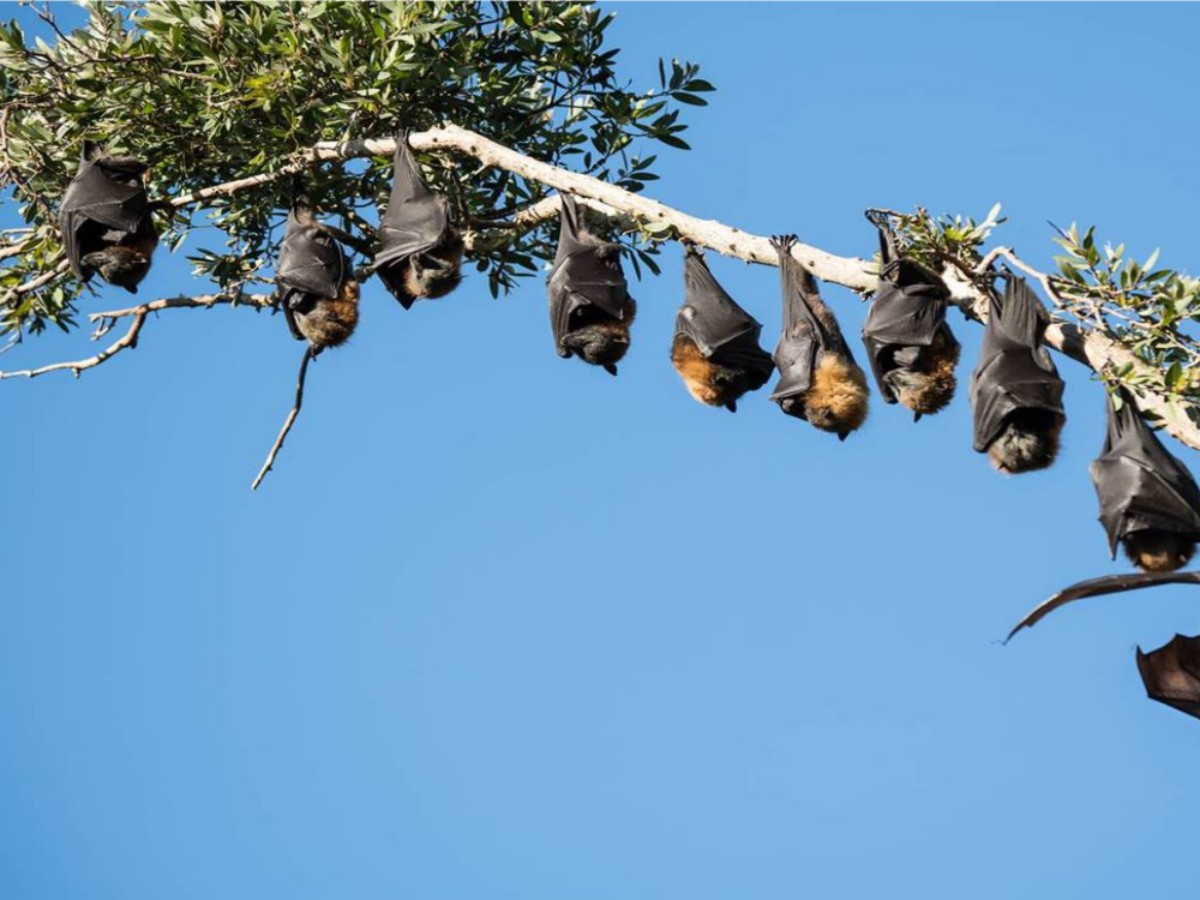
In recent years, due to urban expansion, deforestation and human interference, the habitat of Flying Fox has been shrinking, and some areas have even seen the tragedy of mass death of bats.
Therefore, as responsible tourists, we should:
Support local ecological protection projects
Do not litter or make noise in bat colonies
Spread correct bat knowledge to others and eliminate "bat phobia misunderstandings"
Flying Fox is not a symbol of evil, but an ecological hero and an "air gardener" of tropical forests.
Only by respecting nature can we get close to nature Flying Fox Colony is not an ordinary outing, but a deep journey to experience the power of life and understand the logic of nature. It reminds us that humans and nature can coexist as long as we are respectful, careful and attentive enough. Next time when you stand on the plank road and look at the flying bats in the sky, you might as well close your eyes and listen to the sound of flapping wings - that is not noise, but the rhythm of the heartbeat of nature. Tips: It is recommended to wear a hat, mosquito repellent, and long-sleeved clothing; Prepare binoculars and telephoto lenses; If there is a guided tour, please be sure to follow the professional instructions; The most important point: bring your curiosity and awe! If you plan to have an intimate contact with nature, Flying Fox Colony will definitely bring you a shocking experience beyond your imagination. Not just seeing, but also understanding.