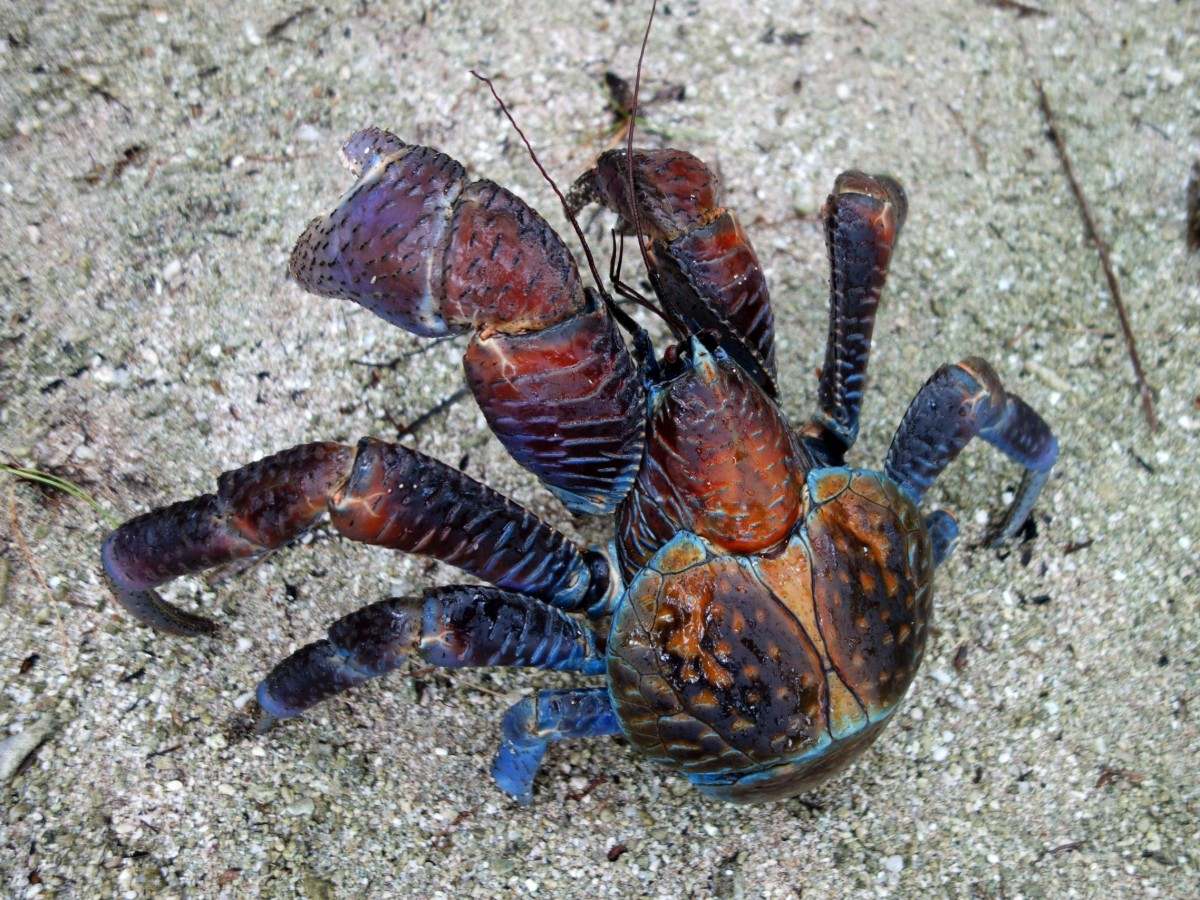
Have you ever seen a crab that can "open a coconut" with its bare hands? No, it's not a monster in a fantasy movie, nor an anthropomorphic character in a comic, but a super creature that really exists in nature! Its name is - Coconut Crab, a creature that you may only hear about once in your life, but you will never forget it. Today, we will take you into this shocking and even somewhat "incredible" animal world, and unveil the mystery of this "most powerful crab in the world".
Advertisement
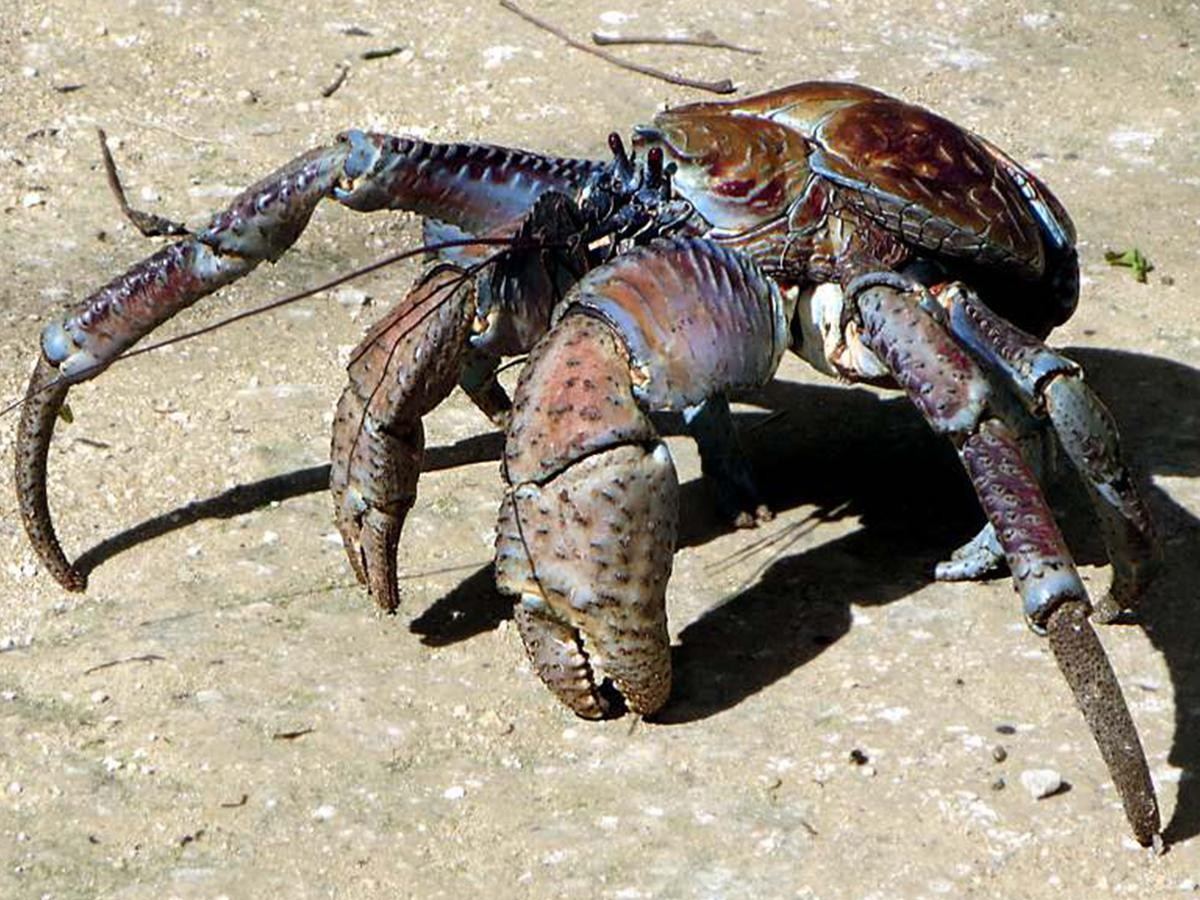
Coconut crab (scientific name: Birgus latro), also known as Robber Crab, is the largest arthropod on land. It is mainly distributed on some tropical islands in the Indian Ocean and the Pacific Ocean. Coconut crabs can also be seen on Rakahanga Island in Cook Islands.
Advertisement
You may think it is similar to ordinary crabs, but you are wrong! Coconut crabs can grow up to 90 cm wide and weigh more than 4 kg, and - this is the point - they live almost entirely on land, unlike other crabs that cannot live without water.
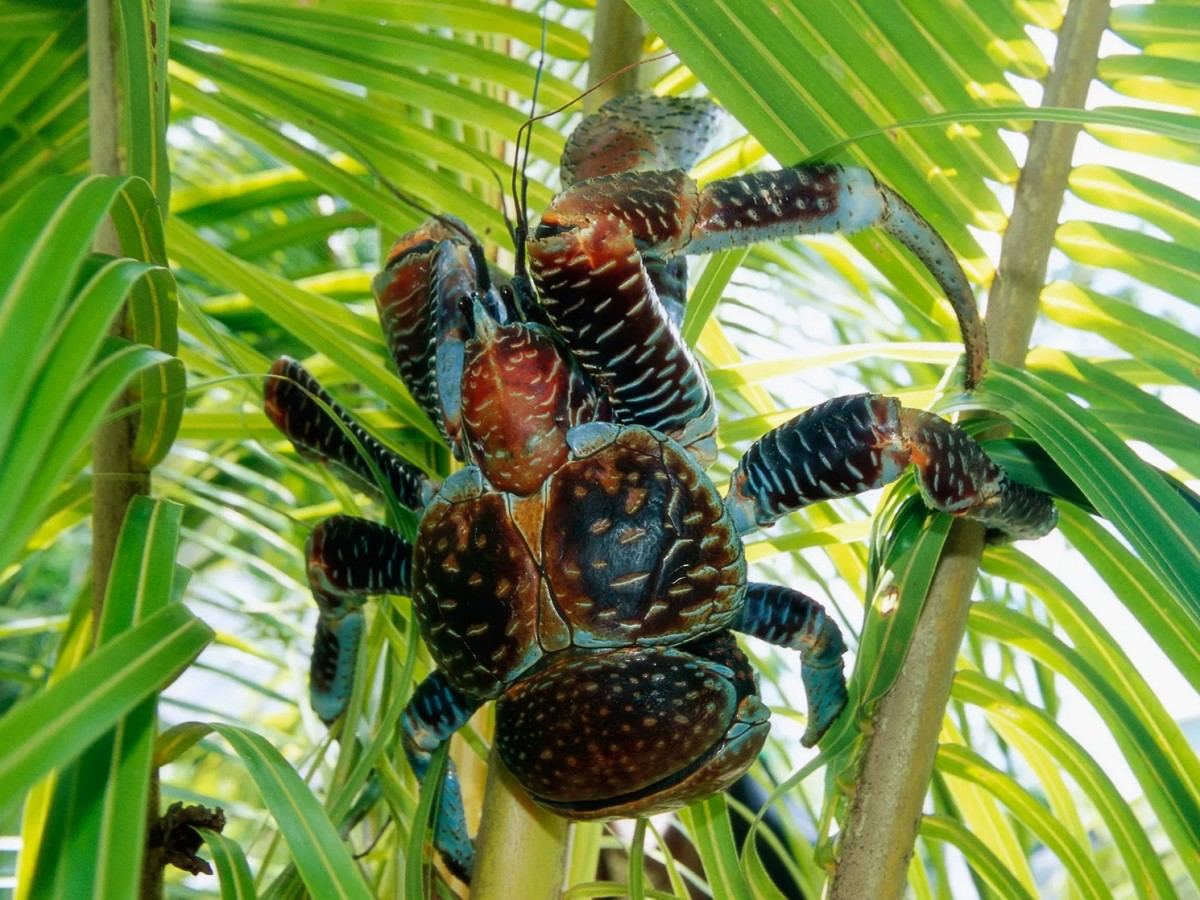
It is powerful not only because of its huge size, but also because of its "arm strength". It is a veritable coconut-cracking demon!
Advertisement
1. Cracking coconuts? No problem!
The coconut crab is called this name because it can easily break the hard shell of coconuts with its super strong claws. Scientists have found that the claw force of adult coconut crabs is as high as 3,300 Newtons after measuring with professional instruments! What does this mean? This is stronger than the bite force of an adult mountain lion!
You know, a coconut is difficult for humans to open, but for coconut crabs, it is as easy as opening a bag of snacks.
2. The "crab man" who can steal things
Why is it also called "crab thief"? Because of its curiosity and strong appetite, it often "takes away" pots and pans, food, and even shoes from human campsites. It will use its pincers to hold the spoils and limp back to the nest, which makes people angry and funny.
3. Natural anti-theft "safe"
The coconut crab does not rely on the shell for protection like other crabs. It has evolved a hard exoskeleton similar to armor, which can effectively resist attacks from natural enemies. This is why it has been able to dominate on land for many years.
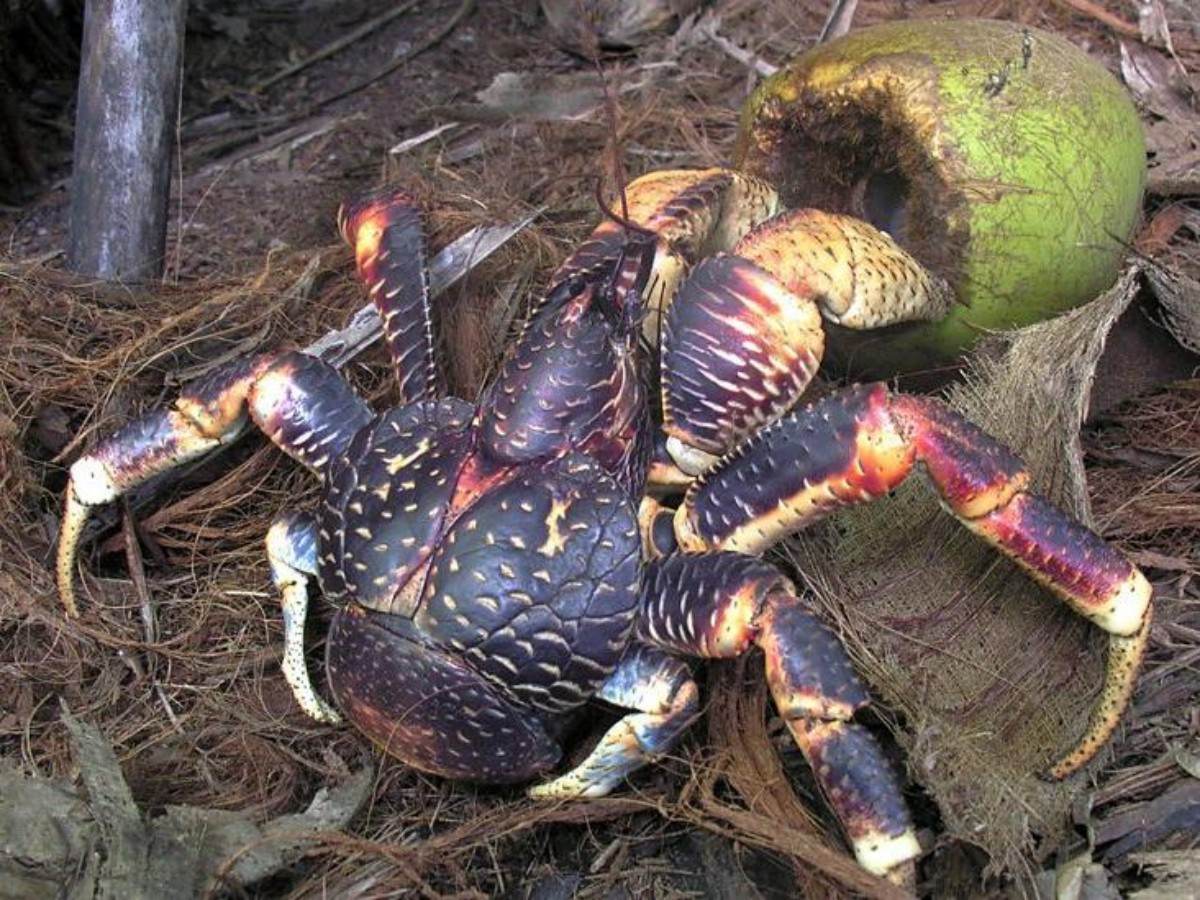
Although fierce and strong, the pace of life of coconut crabs is very "healthy".
1. The life of a night walker
Coconut crabs are nocturnal animals. During the day, they hide in rock crevices or excavated caves to rest, and only come out to forage at night. They eat not only coconuts, but also fruits, nuts, carrion, and even small animals. They are definitely "all-round foodies".
2. Molt dozens of times in a lifetime
As coconut crabs age, they will continue to molt to adapt to the expansion of their body size. After each molting, it will temporarily become soft and defenseless, so it will hide in the hole for weeks.
3. Magical "respiratory system"
Although they belong to the crab family, they have evolved lung-like organs that can breathe air on land. This is also the key to their long-term life on land away from water.
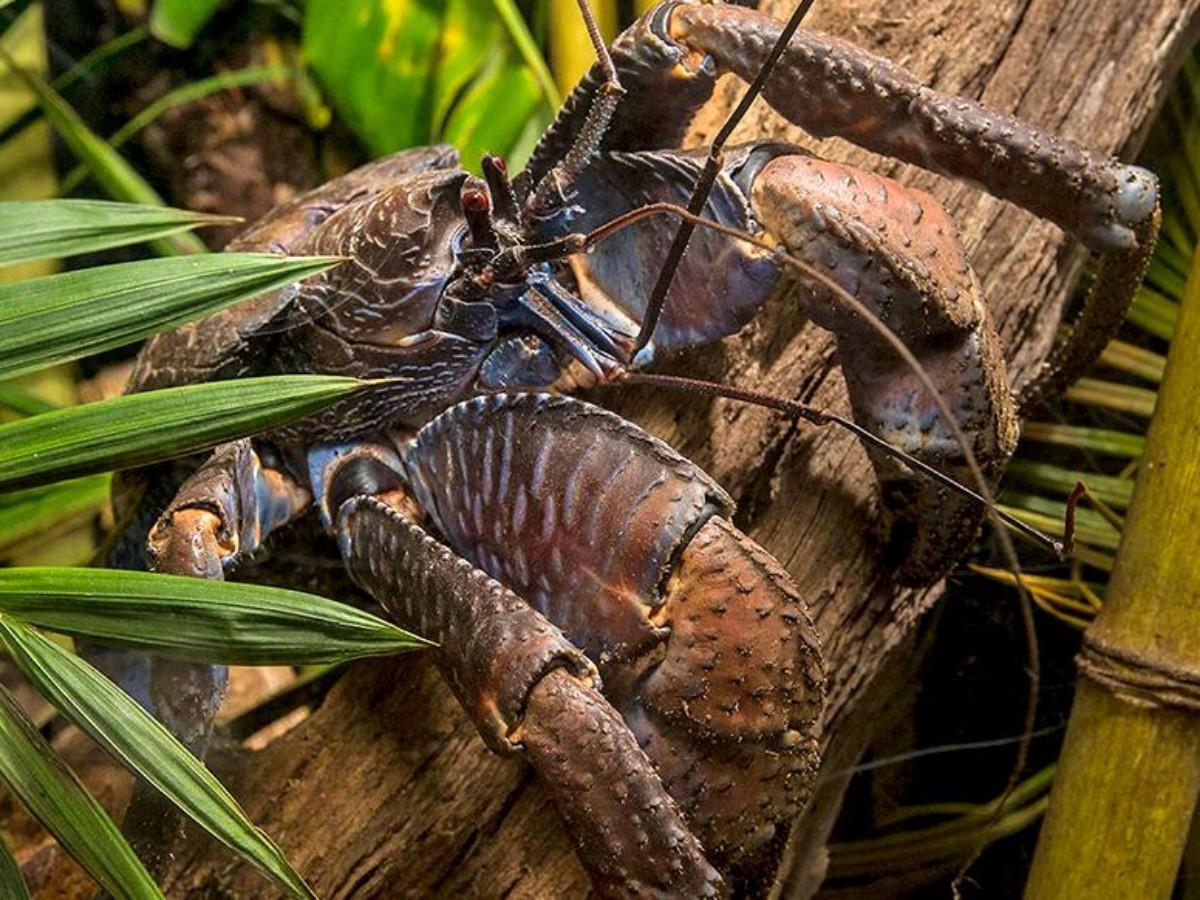
I believe many people will be curious about this question-can such a unique crab be kept at home? The answer is: not recommended.
On the one hand, coconut crabs are endangered protected animals, and private capture or breeding is prohibited in many countries and regions; on the other hand, they have extremely high requirements for the living environment, requiring high humidity, high temperature, and enough space to dig holes and molt. In addition, their claws are enough to break your fingers... Do you really dare to keep them?
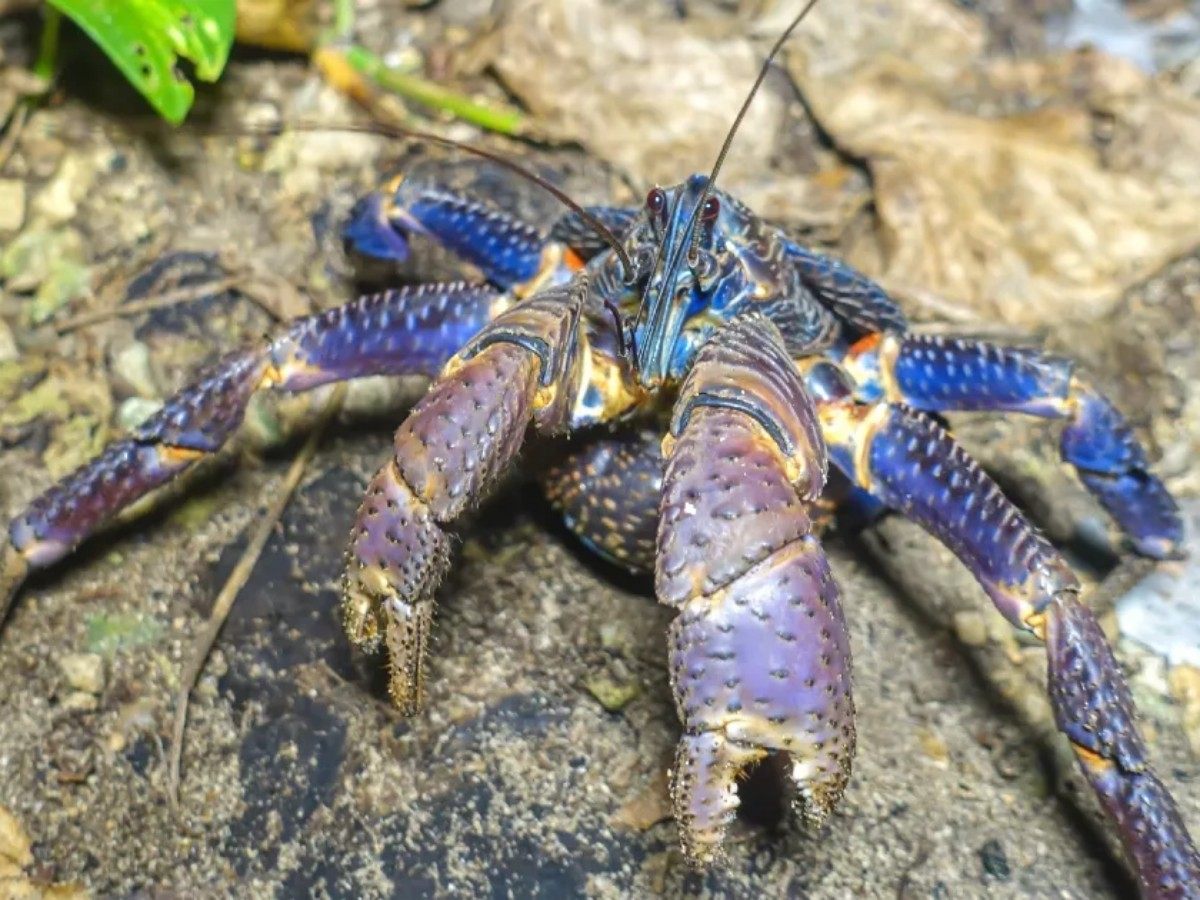
You may ask, a coconut crab, in addition to making us amazed, is it helpful to humans?
Of course!
Is coconut crab edible? Many people who have eaten it would describe the taste of coconut crab as "fresh, firm, and with coconut fragrance". Its meat is firmer and more elastic than ordinary crabs, and its crab roe is rich. Because it often eats coconuts, some people say that its meat has a hint of coconut fragrance. It is often stewed, baked or braised.
Ecological significance: Coconut crabs are an important part of the island ecosystem, cleaning up carrion and fallen fruits and maintaining environmental balance.
Scientific value: Their breathing, clamp force and shelling mechanism provide a lot of research materials for biological evolution and robot bionic design.
Inspire human environmental awareness: Their habitat is gradually decreasing due to human activities and climate change, reminding us to cherish natural resources and ecological diversity more.
The world is so big, it would be a pity not to see coconut crabs! Coconut crabs are a miracle given to us by nature. It is not only a symbol of strength and adaptability on earth, but also reminds us that there are endless surprises hidden in biodiversity. So next time someone says "Who is the strongest crab in the world", you can say its name out loud: coconut crab! Want to know more about wonderful creatures? Come to the world of See Coconut Crabs, it’s more than just “opening a coconut”!