New Zealand, an island country in the South Pacific, attracts tourists from all over the world with its spectacular natural scenery, rich wildlife resources and unique Maori culture. At the southwestern end of New Zealand's South Island, there is a breathtaking natural wonder hidden - Fiordland National Park. As the largest national park in New Zealand and one of the largest national parks in the world, Fiordland National Park covers an area of 12,120 square kilometers. It is not only a paradise for nature lovers, but also an ideal place for explorers and photographers.
Advertisement
Fiordland National Park is located in the southwest corner of New Zealand's South Island, bordering the Tasman Sea, and is located on the alpine fault at the junction of the Pacific Plate and the Australian Indian Plate. This was once an ancient plateau. After erosion by wind, rain, ice and snow, it formed a complex landform of high mountains, cliffs, rivers and lakes. It is known as the "high mountain garden and seaside isthmus". There are many fjords in the park, and the coast is jagged. The glacial movement of the Pleistocene period left a clear mark here. The landscape carved out by glaciers includes fjords, rocky coasts, cliffs, lakes and waterfalls, each of which is a masterpiece of nature.
Advertisement
The history of Fiordland National Park can be traced back to 1904, when it was listed as a protected area. It was officially opened as a park in 1952, listed as a World Cultural Heritage in 1986, and recognized as a United Nations World Heritage area in 1990. It not only has stunning natural landscapes, but also produces precious mineral resources "green jade", so it is also called the "Emerald City".
1. Milford Sound
Advertisement
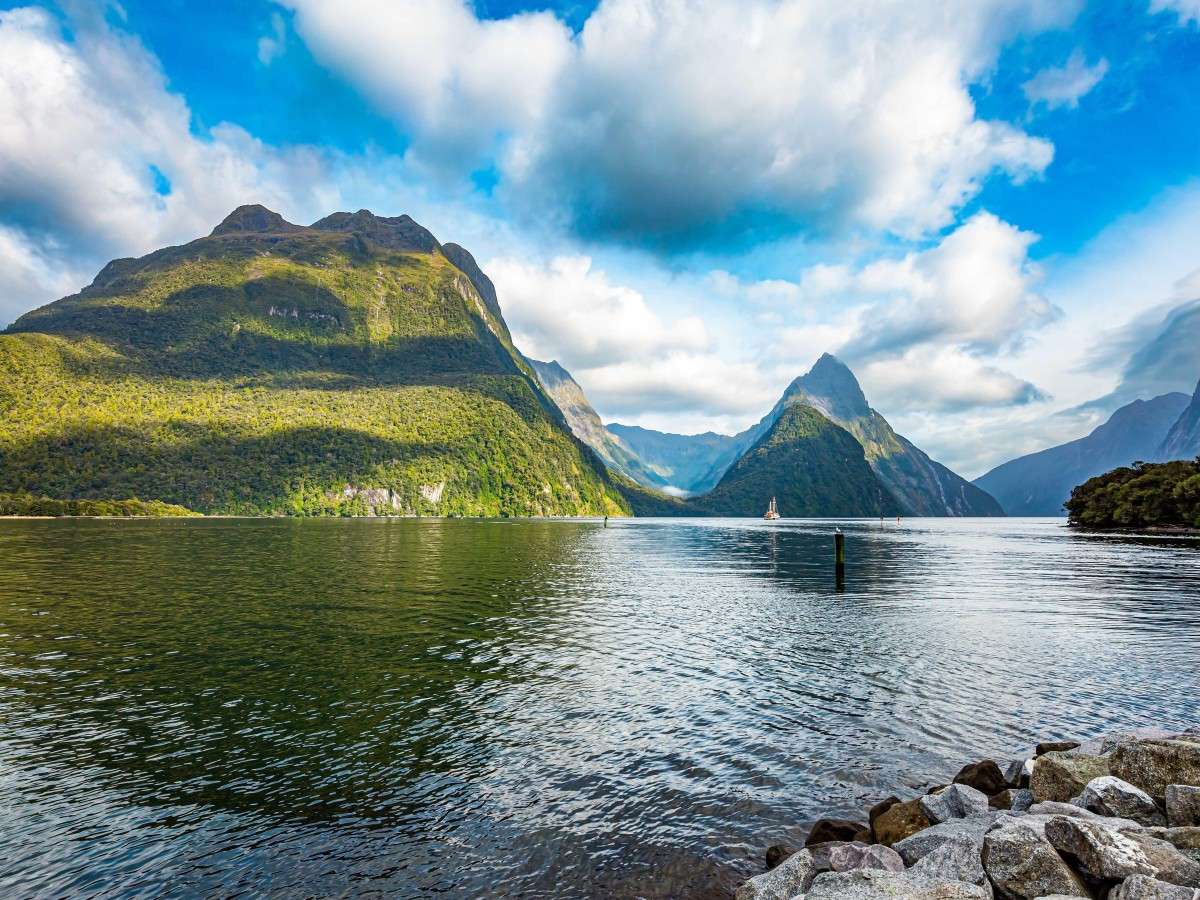
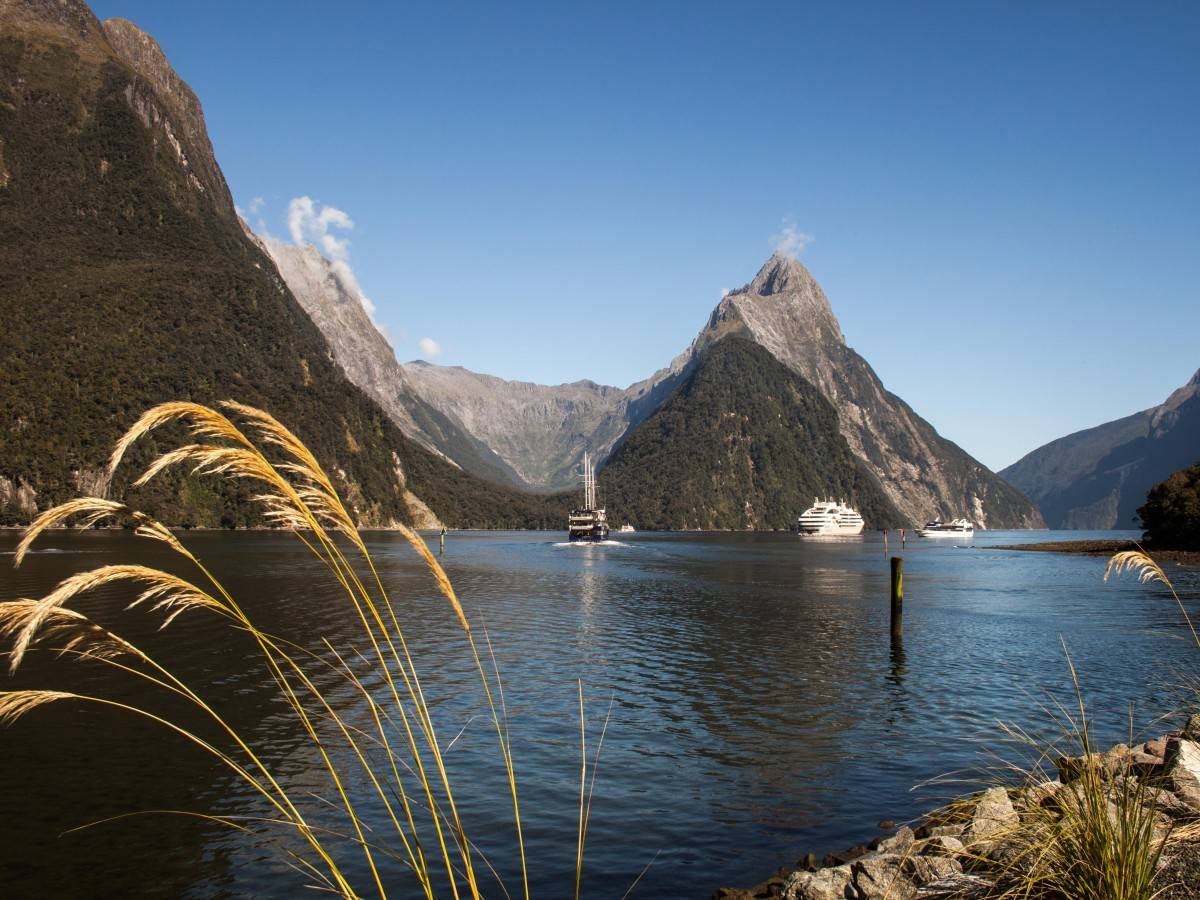
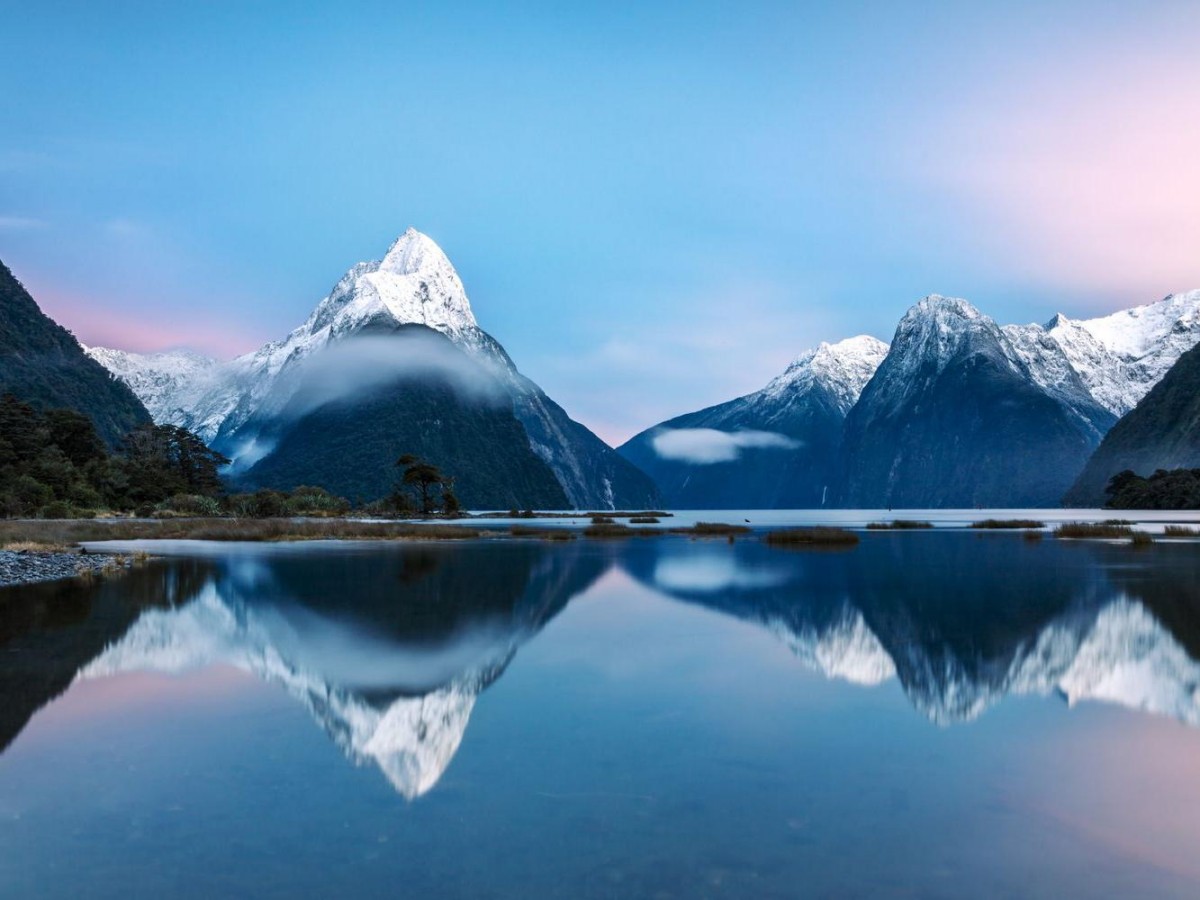
Milford Sound is one of the most famous fjords in Fiordland National Park. The river extends 22 kilometers inland. The water surface of the fjord intersects the cliffs vertically, and the glacier is cut into a V-shaped section. On a calm day in Milford Sound, the sea water will reflect the magnificent Mitre Peak, one of the most beautiful peaks in New Zealand. Yachting is the best way to enjoy the scenery of Milford Sound. When it rains heavily, thousands of waterfalls will cascade down the steep cliffs, which is extremely spectacular.
2. Lake Manapouri
Lake Manapouri is the deepest lake in New Zealand's South Island, about 29 kilometers long, with an area of about 190 square kilometers and a maximum depth of 443 meters. The lake is surrounded by mountains, with sparkling blue waves and islands looming. It is known as "the most beautiful lake in New Zealand". Three narrow bays stretch to the south, north and west, shaped like galloping foals. There are many small islands in the lake, and there are about 30 larger islands. It is an excellent place for adventure and photography.
3. Lake Te Anau
Lake Te Anau is the largest lake in New Zealand's South Island, with an area of about 400 square kilometers, a length of about 61 kilometers, and a maximum width of less than 10 kilometers. The lake is long and narrow, with three narrow lake gorges in the west, plunging into the mountains, shaped like a giraffe grazing with its head down. There are many hiking trails around Lake Te Anau, making it a paradise for hiking enthusiasts.
4. Doubtful Sound
Doubtful Sound is famous for its wilderness and various wildlife. As the second largest fjord in Fiordland National Park, it is three times longer and 10 times larger than Milford Sound. The natural landscape here is pristine and magnificent, making it an ideal choice for adventure and kayaking enthusiasts.
5. Lake Gunn Nature Walk
This trail is only an hour's drive (78 kilometers) from the town of Te Anau, and is a great place to explore the beauty of nature. The moss-covered trail weaves through pristine beech forests, winding along rocky hillsides, and the lakeside mountains add a different kind of scenery. The trail is designed to be circular, and it only takes 45 minutes to easily complete the 4-kilometer journey, which is very suitable for tourists of all ages.
1. Best Season to Visit
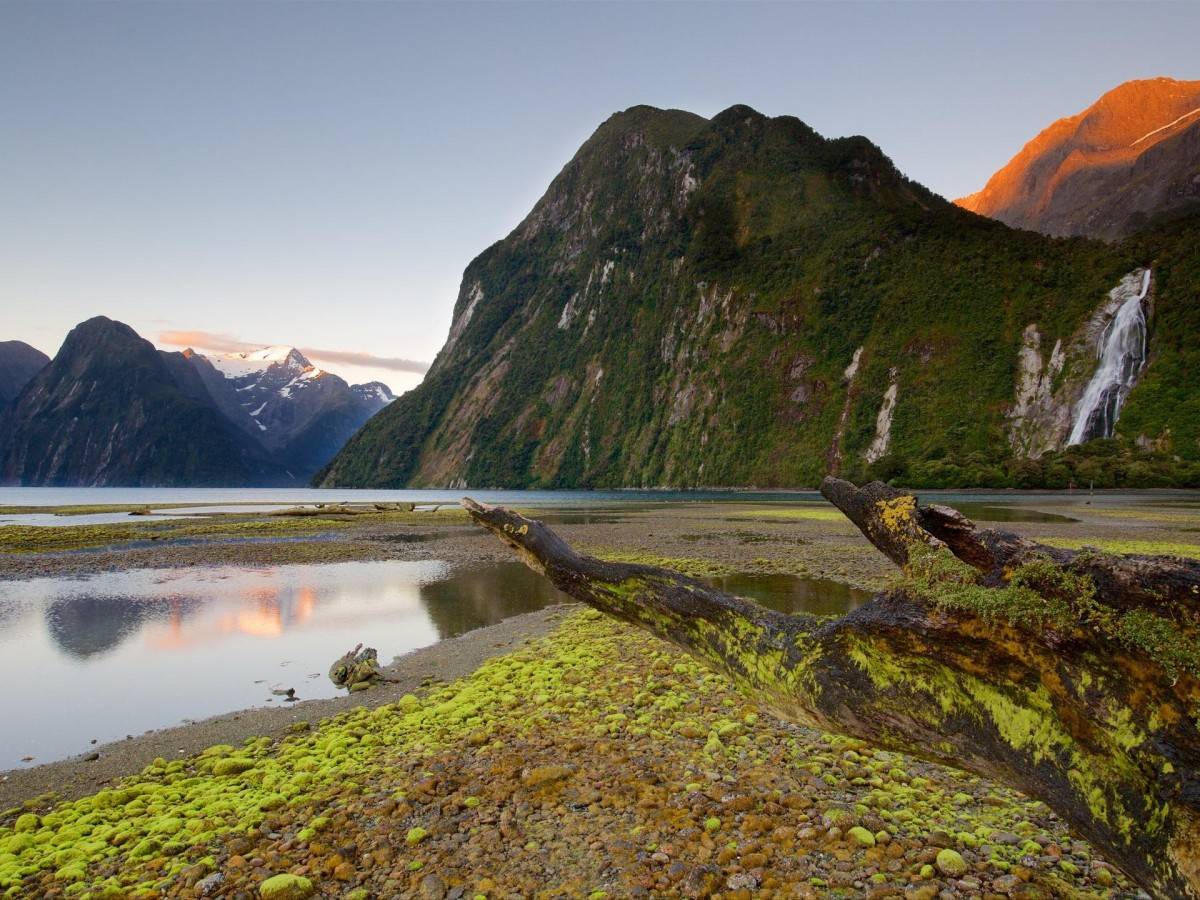
Fiordland National Park is open all year round, but the best season to visit is autumn and winter. At this time, the natural scenery in the park is particularly charming, especially the red leaves in autumn and the snow in winter, which makes people linger.
2. Transportation
There are various ways to travel to Fiordland National Park, including flying, driving or long-distance buses. Dunedin, Queenstown and Invercargill all have airports, providing convenient air services. Self-driving tourists can take State Highway 94 from Invercargill to Te Anau, or arrive via other cities. Long-distance buses have daily departures from Invercargill, Dunedin and Queenstown to Te Anau.
3. Accommodation options
The town of Te Anau is the main gateway to Fiordland National Park. There are a variety of accommodation options in the town, including hotels, motels and backpacker hostels. In addition, there are hikers' huts in the park, which provide basic accommodation conditions suitable for hikers.
4. Notes
Fiordland National Park is remote, so it is recommended to plan your trip in advance and prepare necessary equipment and food.
Hikers should wear appropriate shoes and clothing, carry enough water and food, as well as first aid medicines.
Protect the environment, do not litter, and do not destroy vegetation and wildlife habitats.
Abide by park regulations, do not enter prohibited areas without permission, and do not climb unopened rocks and peaks.
In Fiordland National Park, you can put aside the hustle and bustle of the city, get in close contact with nature, and enjoy a quiet and beautiful time.