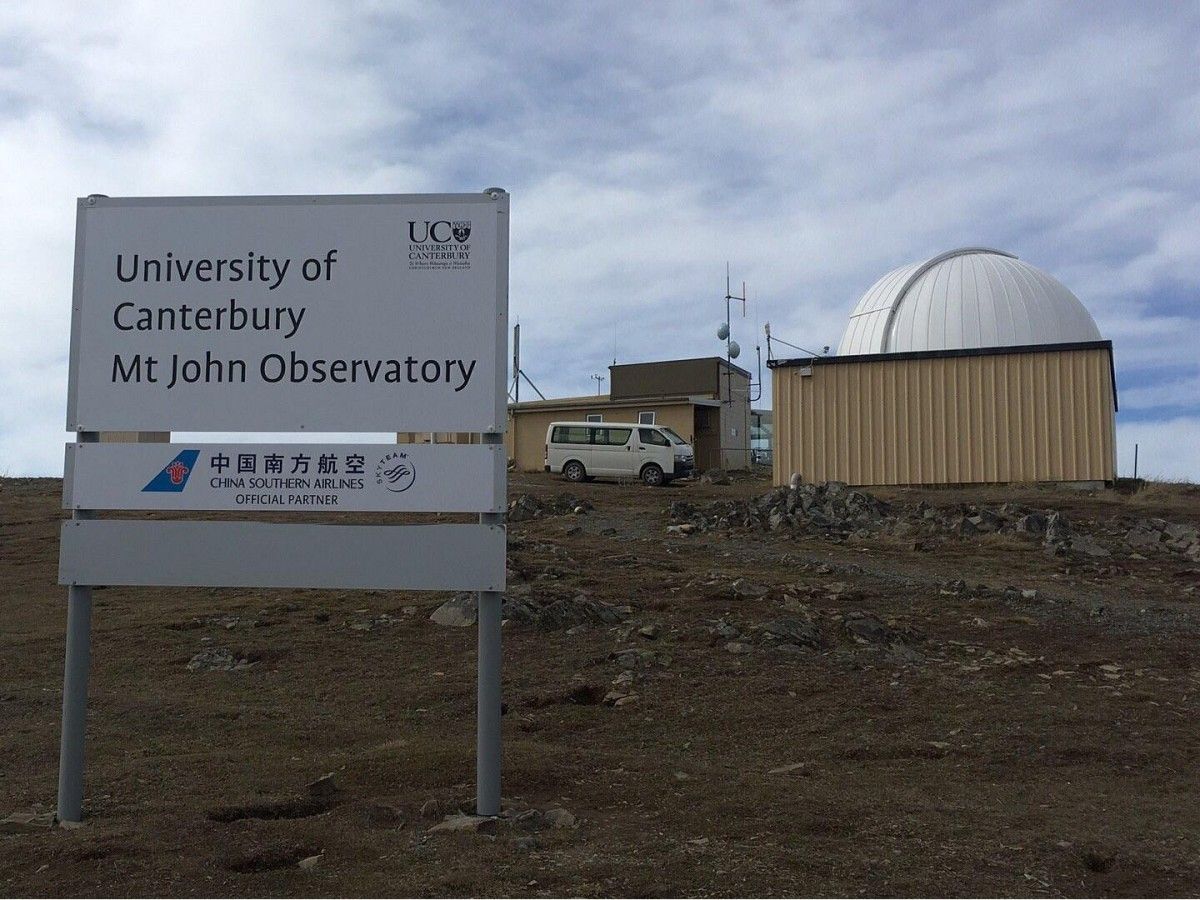
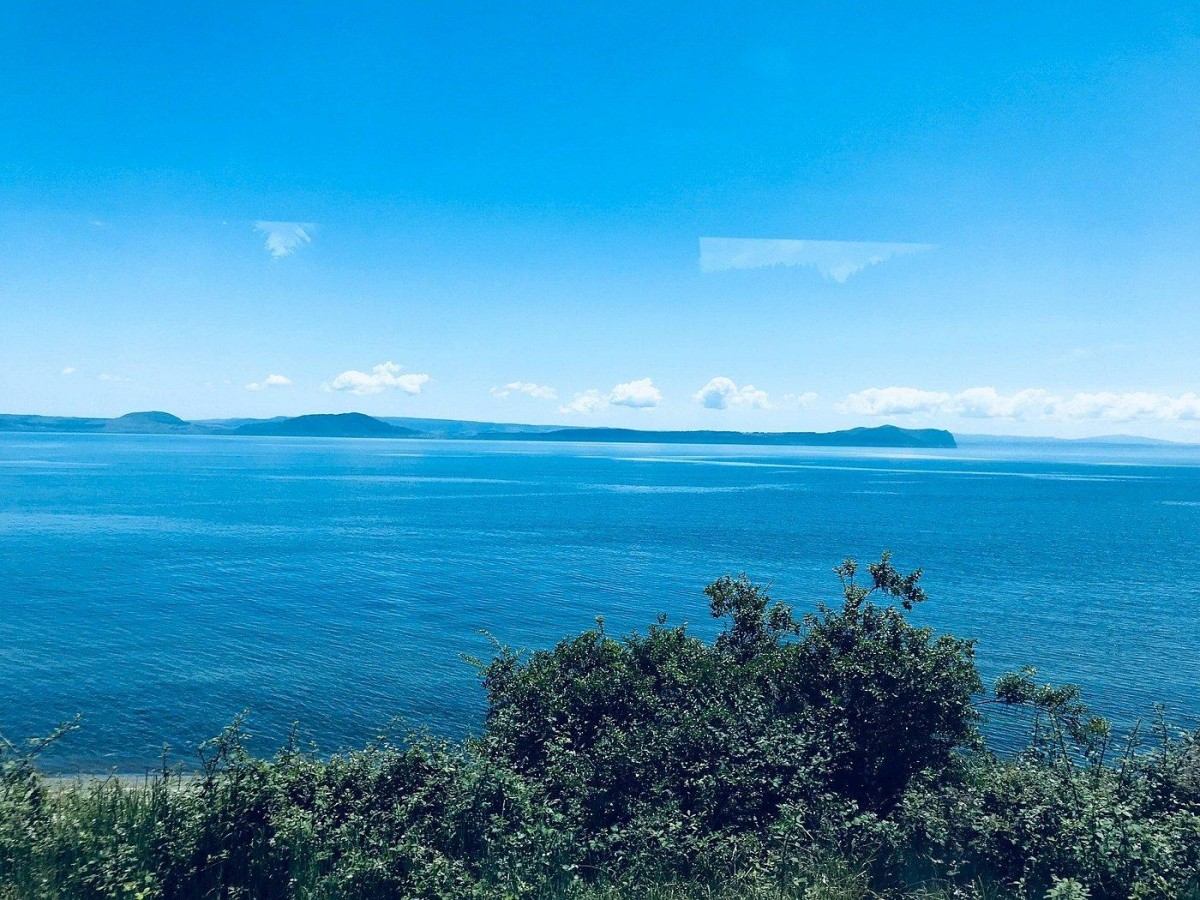
Standing on the observation platform of Mt. John Observatory, as if the entire Milky Way is hanging low over your head, you will feel so truly for the first time: the universe is not a distant concept, but a living reality shining in front of your eyes. This is not an ordinary stargazing experience, but an astronomical journey through time and space that opens your eyes. If you come to Lake Tekapo and don't go to Mt. John to see the stars, it's like you haven't really stepped into the soul of New Zealand.
Advertisement
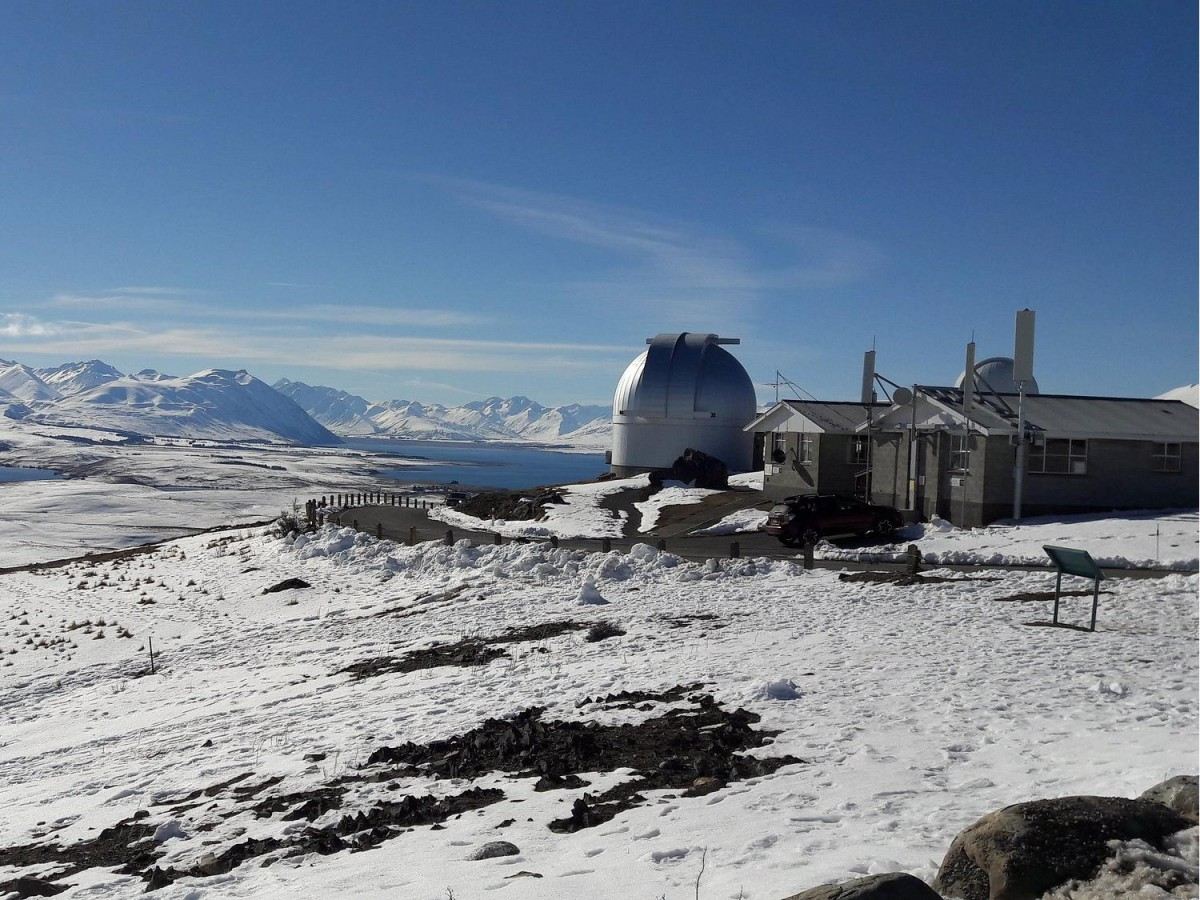
Established in 1965, the University of Canterbury Mt. John Observatory has been one of the most important astronomical research centers in New Zealand for more than half a century. It is also open to the public and has become one of the most popular tourist attractions in Lake Tekapo.
Advertisement
The location at Mt. John was not chosen by chance. Located on the edge of the Southern Alps, the clear, dry air and minimal light pollution make it one of the best places in the world for stargazing. Because of this, the area Lake Tekapo belongs to is also classified as the Aoraki Mackenzie International Dark Sky Reserve, one of only a few dark sky areas in the world.
Besides academic research, another important mission of Mt. John Observatory is to popularize astronomy to the public. You can take a nightly guided tour with the Dark Sky Project, get up close and personal with professional telescopes, learn about how stars, planets, and nebulae work, and even “read” the stories of the stars with an expert astronomer.
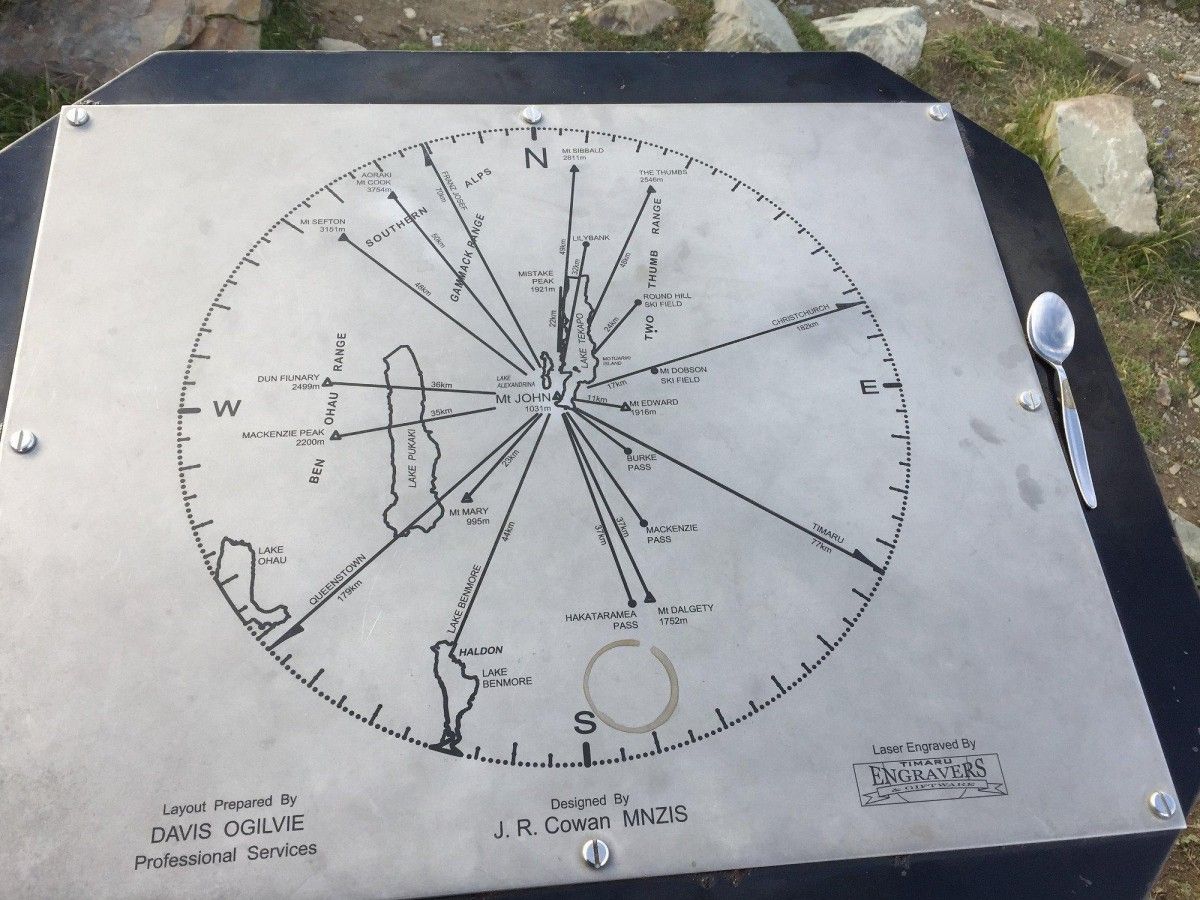
While you can drive up to Mt. John in the daytime, to really experience the best of the observatory, you'll want to take a nighttime “Stargazing Tour”. It's not just a sightseeing tour, it's a mind-blowing lesson in being surrounded by the universe.
Advertisement
An overview of the night tour process:
Meet & Briefing: Meet at Dark Sky Base (located in Lake Tekapo town center) in the evening and be transported to the summit by guided bus. On the way, you will be briefed on the geographic and astronomical advantages of Mt. John.
Astronomy: Using a laser pointer to point to the sky, the guide will talk about the constellations unique to the Southern Hemisphere, such as the Southern Cross, the Base of the Ship, and the center of the Milky Way, in conjunction with laser positioning.
Telescope Observation: Participants take turns using high-powered telescopes to observe the Moon's craters, Jupiter's rings of satellites, the Great Orion Nebula, and more.
Photography experience: Some of the tours allow you to bring a camera to take pictures of the Milky Way, and professional guides will help you set the parameters to take real “postcard-quality” pictures of the starry sky.
Hot drinks to keep you warm: The temperature difference between the mountains at night is huge, so the organizer will provide you with hot chocolate or ginger tea, together with a warm cloak, to ensure that you can watch the stars comfortably.
Special highlights:
The Milky Way is visible to the naked eye: on a clear night, you can clearly see the Milky Way stretching across the night sky.
“Naked Eye” Meteor Shower: Meteors can often be caught passing by with minimal cloud cover.
Southern Cross Orientation: Teach yourself how to use the Southern Cross to determine your direction, and experience “star navigation” in the age of navigation.
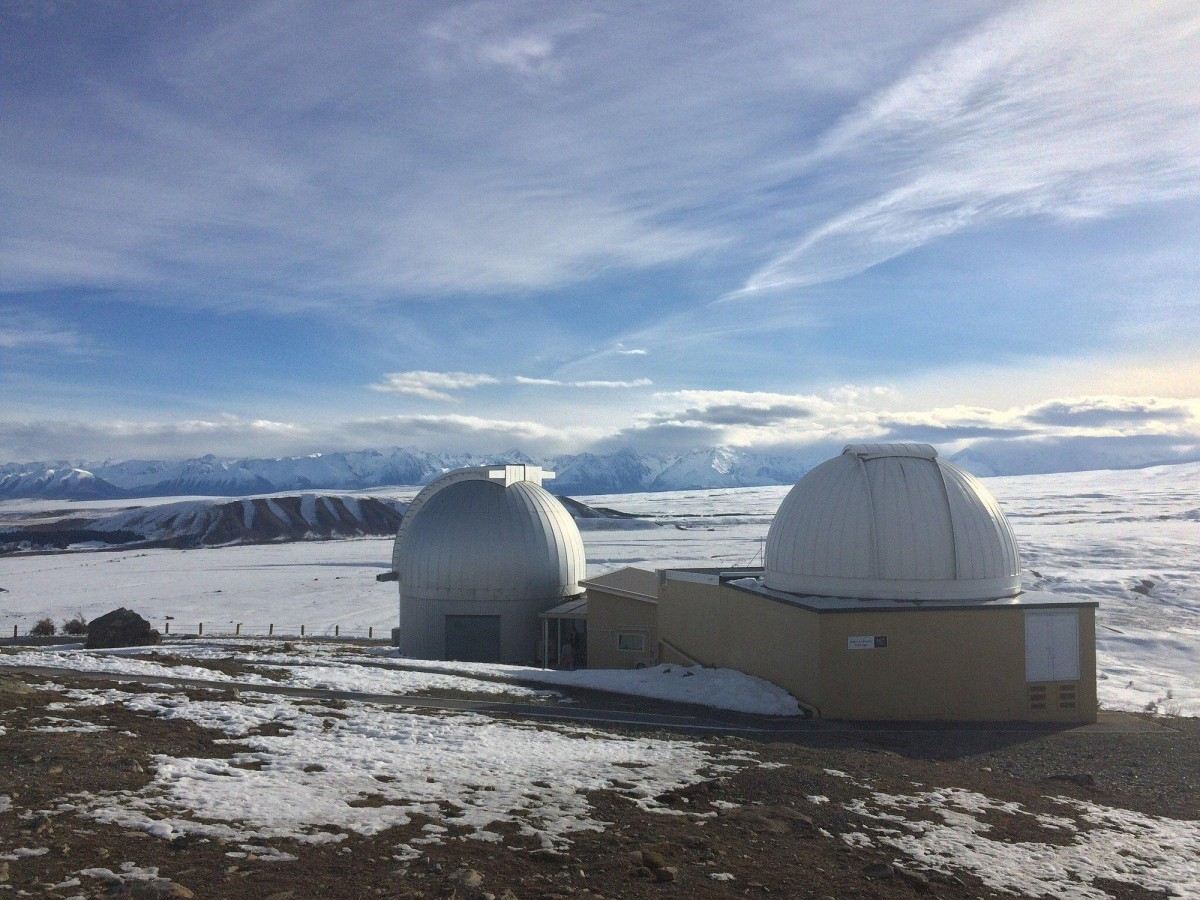
While most people come to Mt. John for the stars, it's also worth a trip during the day.
From Lake Tekapo, you can hike to the top along the Mt. John Summit Track (about 1.5 hours round trip). It's a pleasant hike through pine forests and alpine meadows, with glimpses of the blue lake and mountains in the distance.
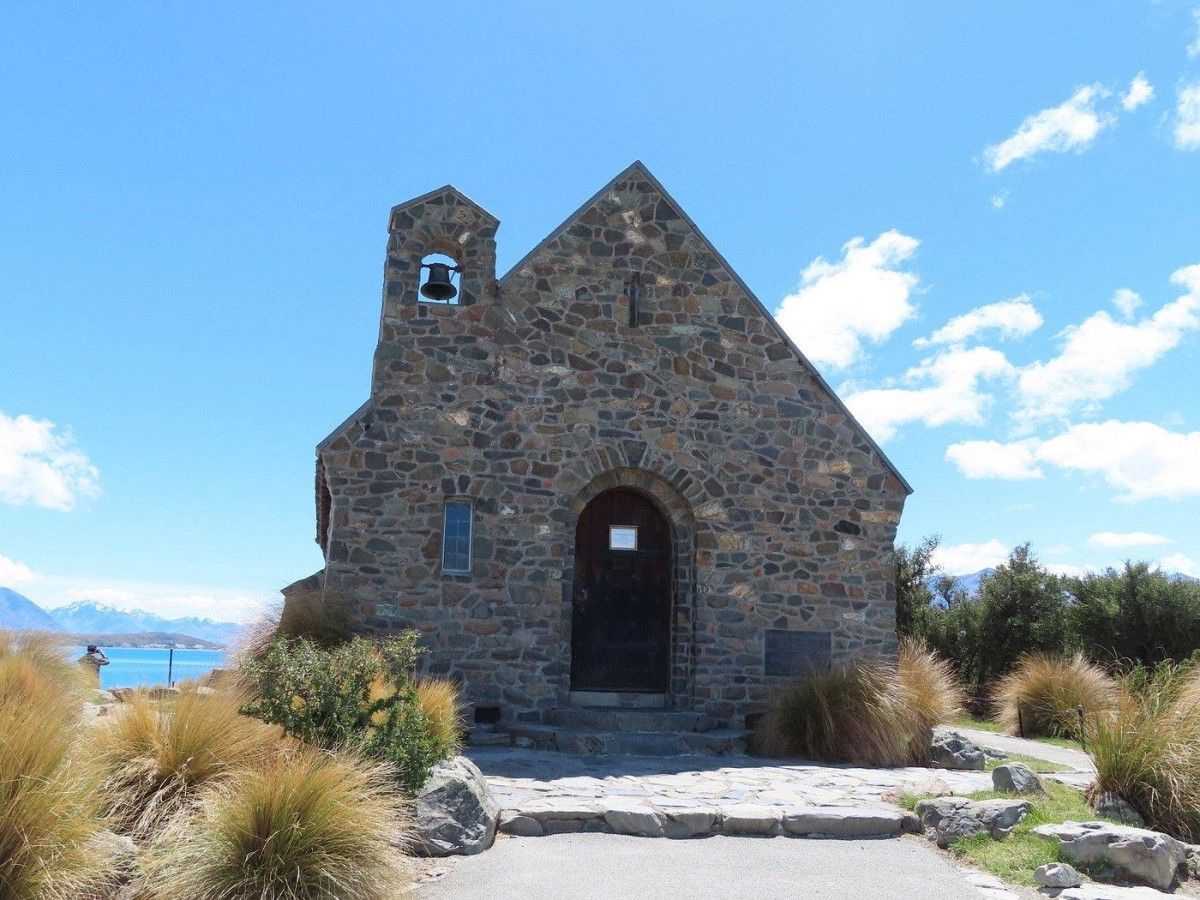
Once at the top, the view opens up to the Southern Alps, Lake Tekapo, Shepherd's Chapel, and a large golden plain. The Astro Café next to the observatory has been described as “New Zealand's most picturesque café”, and a cappuccino with a view of the lake is a great way to spend an afternoon.
During the day, you can also take a tour of the exterior of the observatory building, learn about the layout of its research facilities, or buy star-related souvenirs.
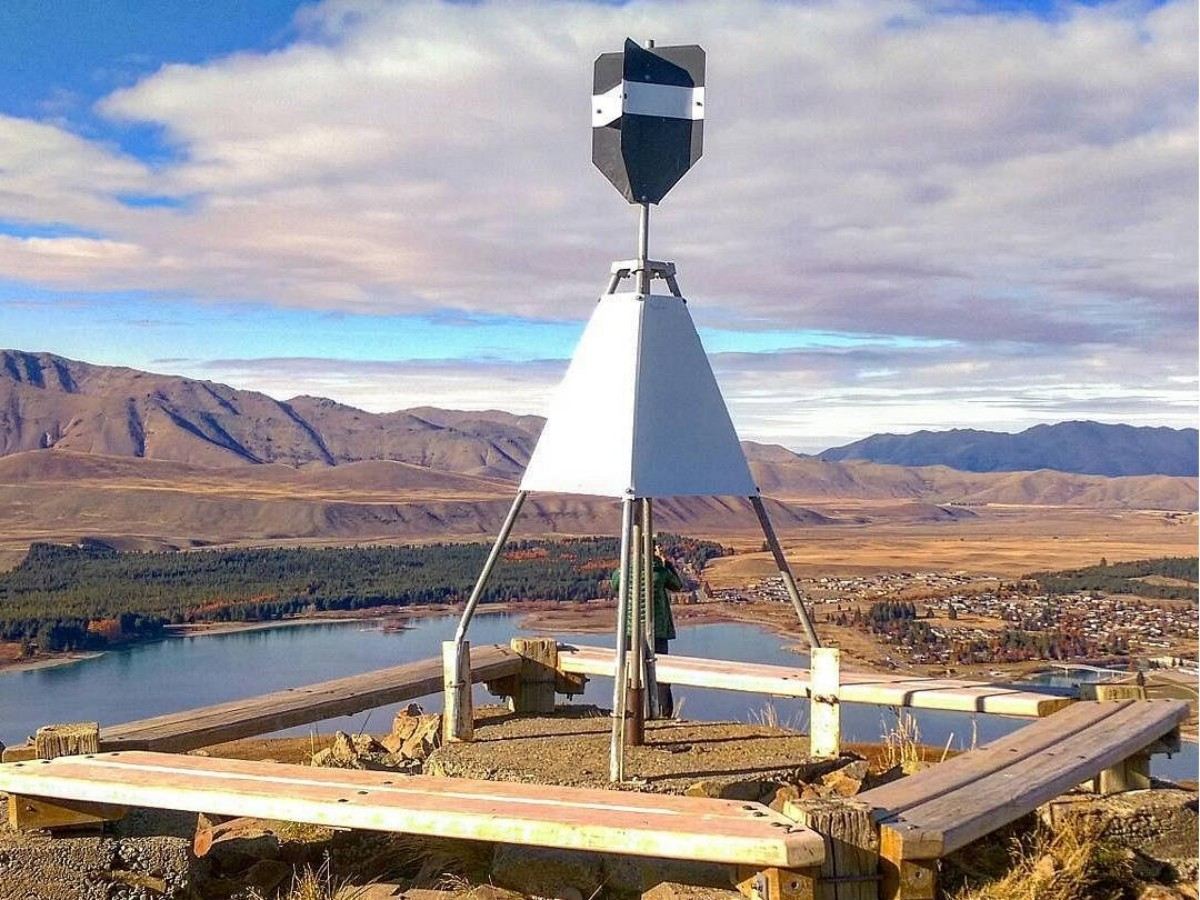
Mt. John is open year-round, but nighttime stargazing experiences require advance reservations and are highly influenced by the weather, so it's important to choose the right season.
Best time for stargazing:
Spring and fall (March-May, September-November): moderate temperatures, clear skies at night, relatively few tourists.
Winter (June-August): the stars are at their brightest, but temperatures at the summit may be as low as below zero, so be prepared to stay warm.
During the new moon: stargazing is best on moonless nights, and it is recommended to avoid the full moon period.
Suggested itinerary (full day trip)
Morning: Lake Tekapo lakeside photo stop → Walk through Shepherd's Church
Noon: Visit Tekapo Springs for hot springs and a light lunch.
Afternoon: Hike Mt. John or drive up the mountain → Astro Café for views
Evening: Return to town for a rest
Evening: Take a Dark Sky guided tour to see the Milky Way and the stars.
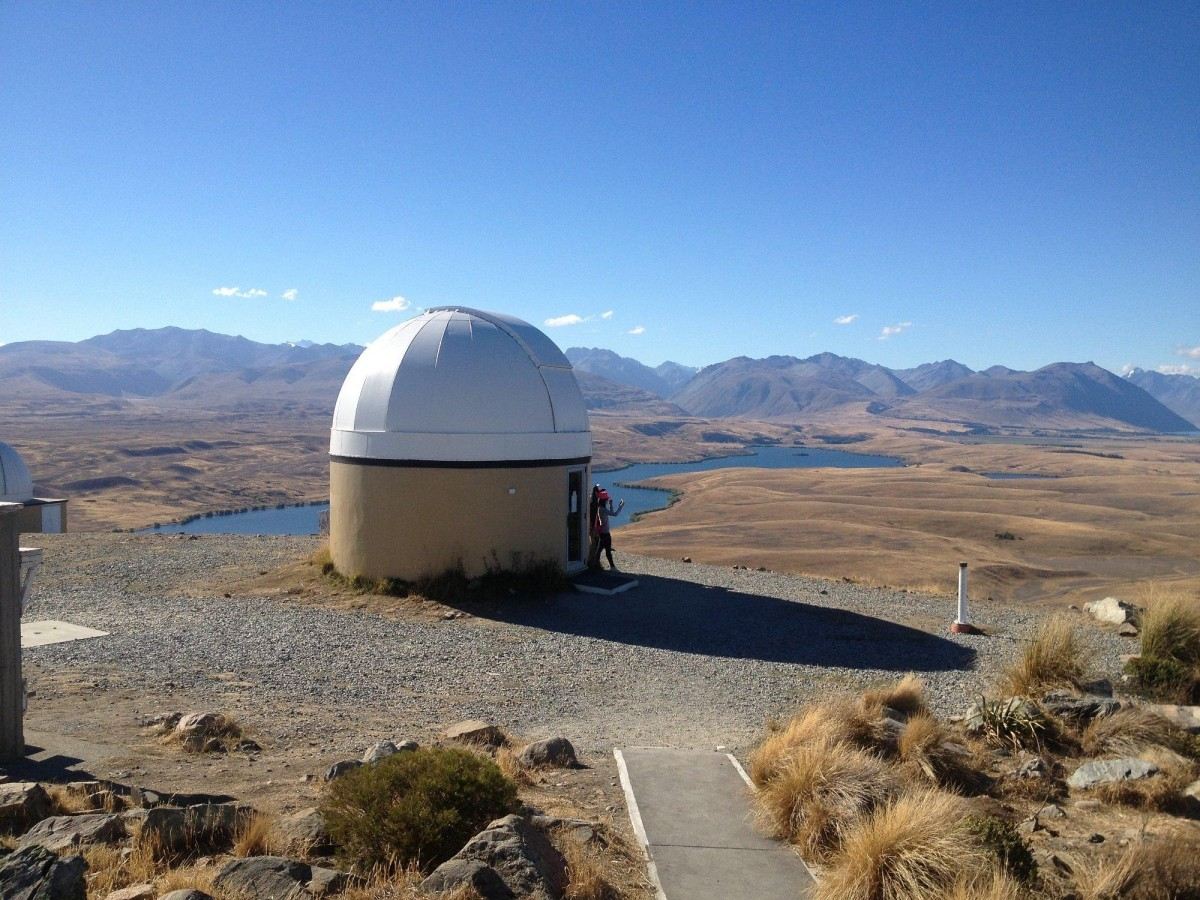
Book in advance: Dark Sky Project's nighttime stargazing tours are very popular, especially during the spring and summer seasons, so it is recommended to book at least a week in advance.
Dress warmly: It is windy at the top of the mountain and even on summer nights it can drop to single digits, so be sure to pack a down jacket, scarf and hat.
Photographic equipment: If you want to take pictures of the starry sky, please bring your own wide-angle lens, tripod, and consult a professional guide for the correct parameter settings.
Physical condition: The hiking highway is winding and those who are prone to motion sickness are advised to take motion sickness medication.
Environmental protection: Mt. John is an ecological reserve, please do not litter, pick plants, and turn off flashlights at night to avoid interfering with the stargazing experience.
Many people go to Mt. John to see the Milky Way brighter and to take a picture of the starry sky. Mt. John not only lets you see the stars, but also lets you see the smallness of human beings in the vastness, and the eternal yearning for the unknown world. When you come to Lake Tekapo, please arrange a night to go to the top of the mountain to look up to a feast of the universe that belongs to you.