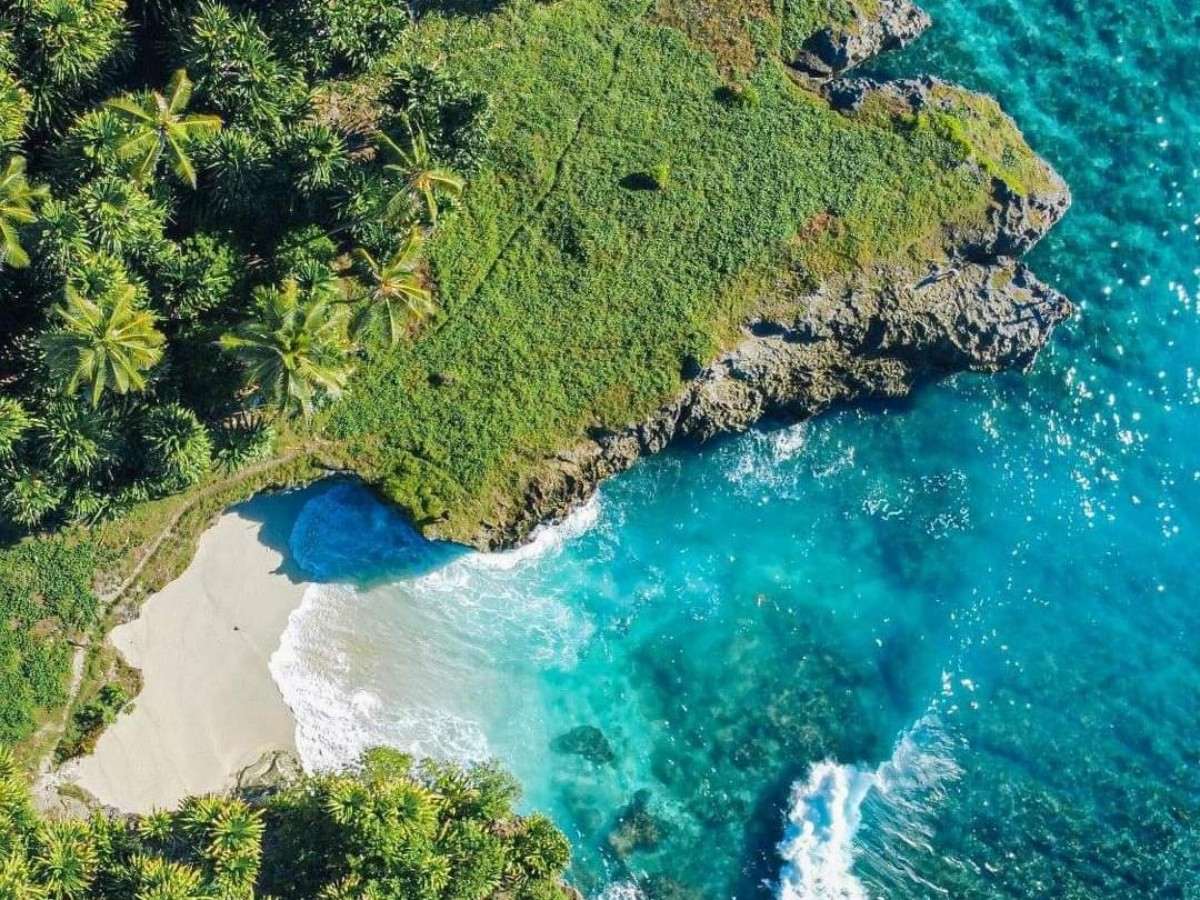
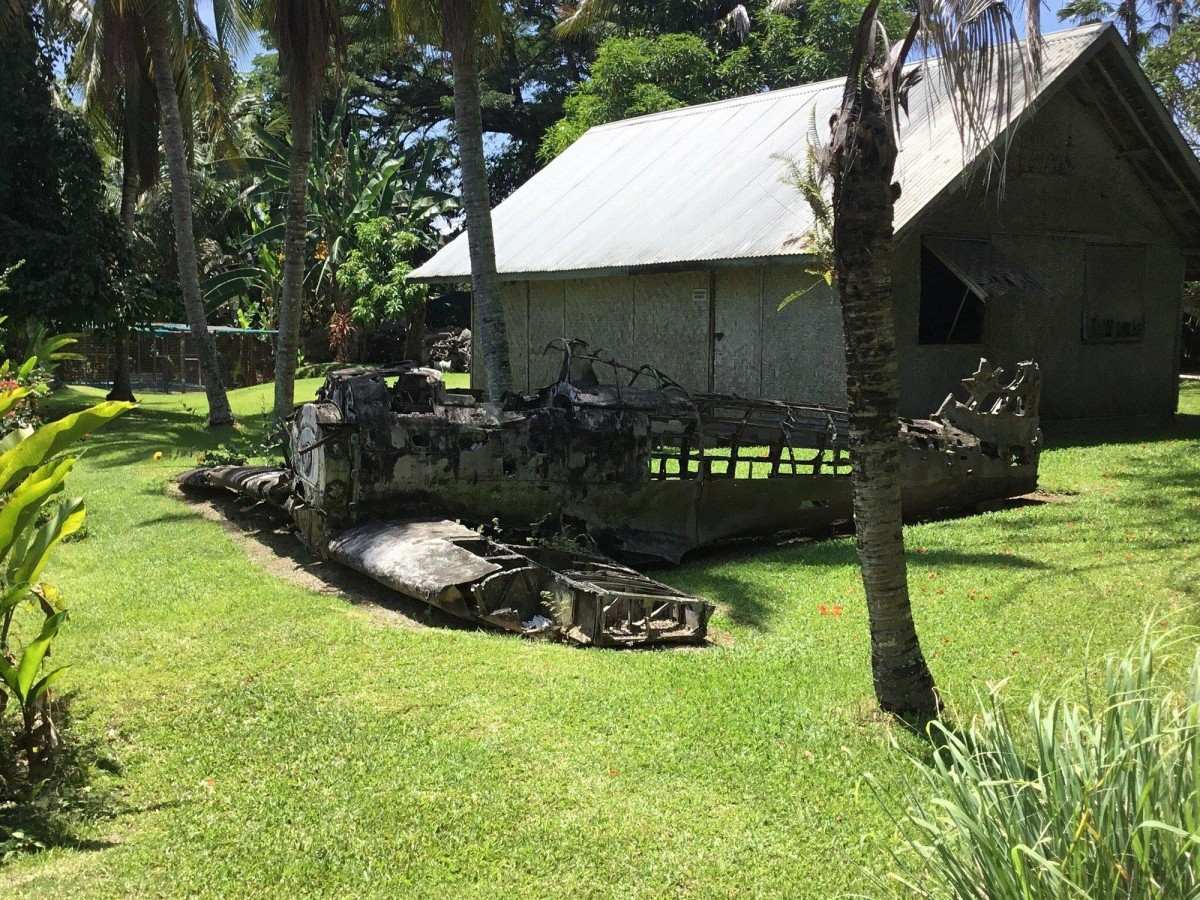
At nine o'clock in the morning, I stood in a shady grove on the outskirts of Kokopo Town, with damp red soil at my feet and an unusual quietness all around. There were no glass doors, no neon signs—just an old airplane, rusty tanks, and a modest little house standing quietly behind an iron gate. This was the Kokopo War Museum. It wasn’t the typical shiny museum; it was more like a silent piece of history, breathing slowly in the tropical rainforest. On this day, I tried to step through the cracks of time and into the fog left behind by World War II.
Advertisement
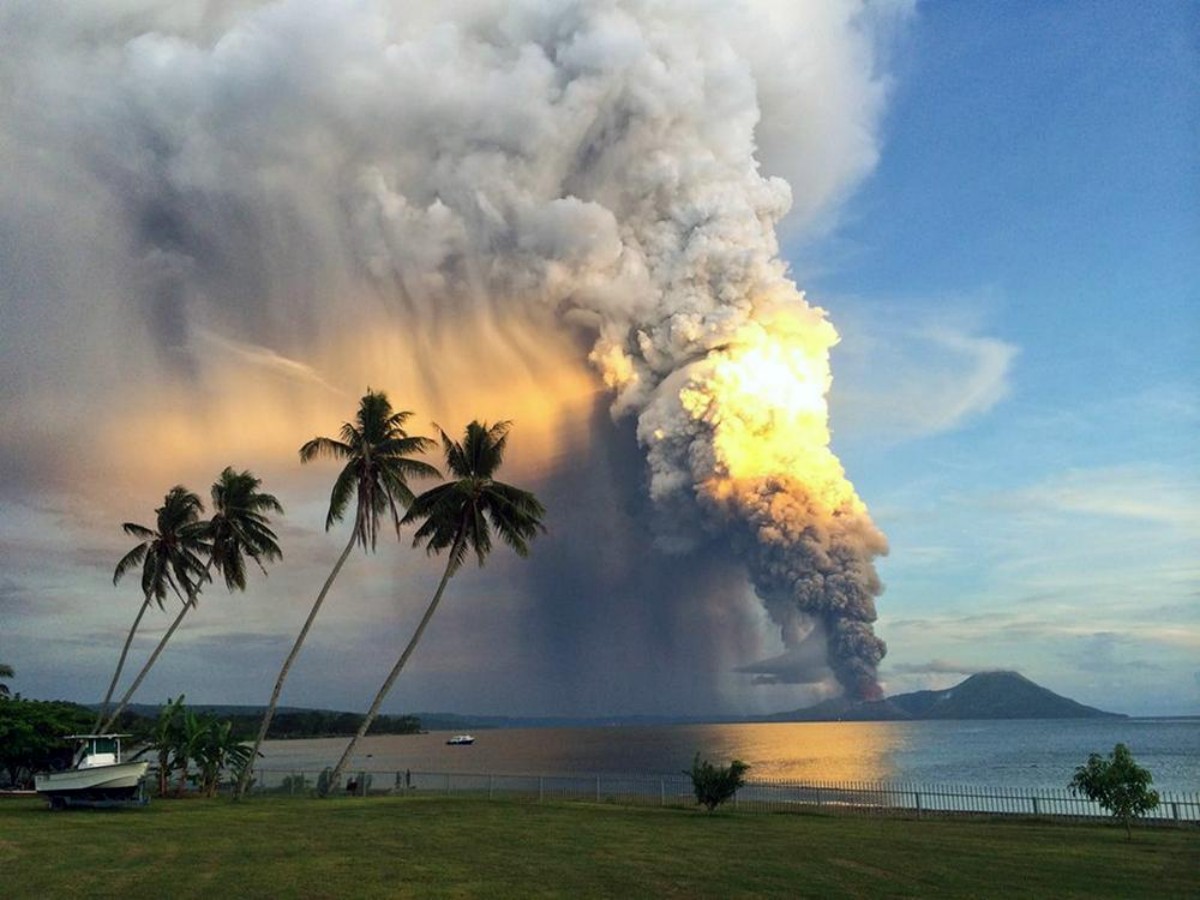
While many people still associate Papua New Guinea with tropical landscapes and diverse cultures, during World War II, this region was a crucial link in the Pacific theater of war. Rabaul was once Japan’s military stronghold in the South Pacific, but after a volcanic eruption forced the relocation of its central city to Kokopo, numerous war relics were left behind on this land.
Advertisement
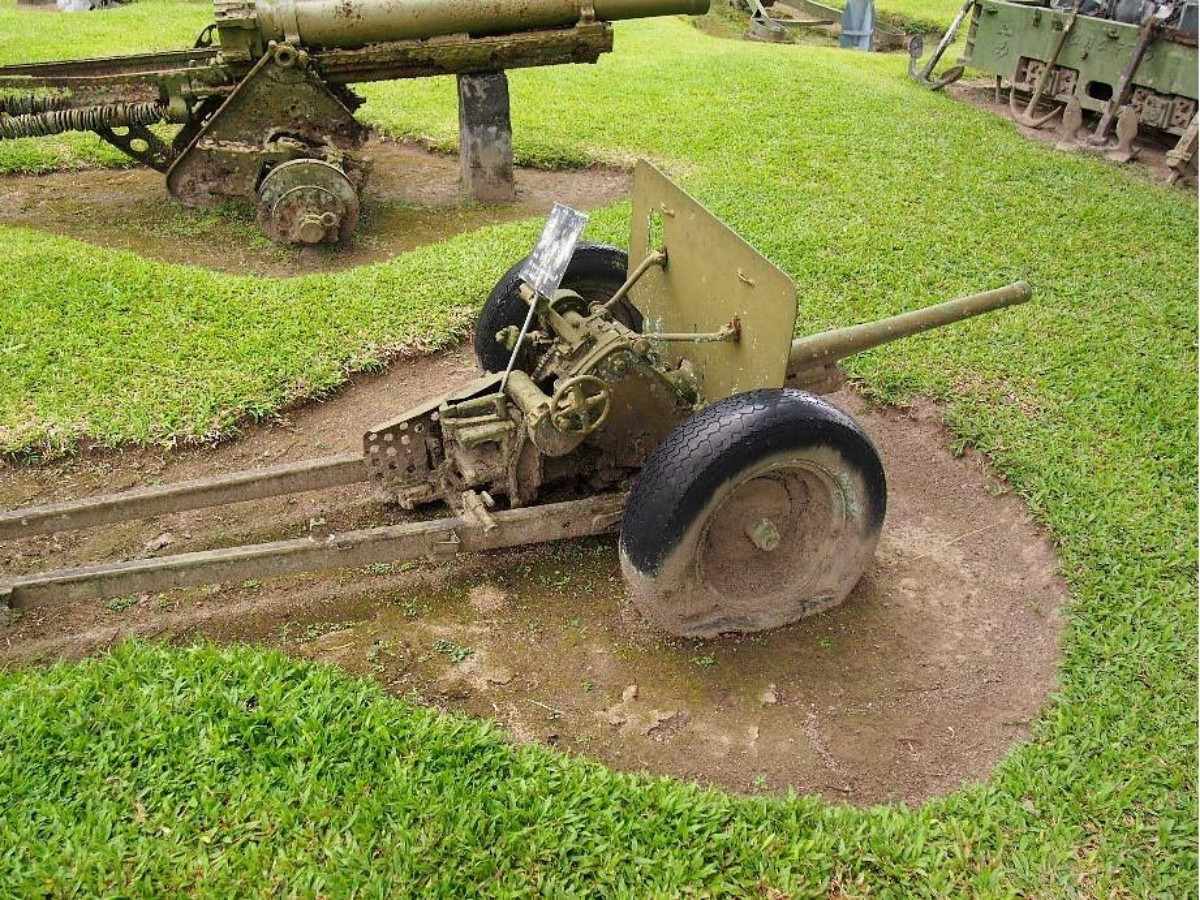
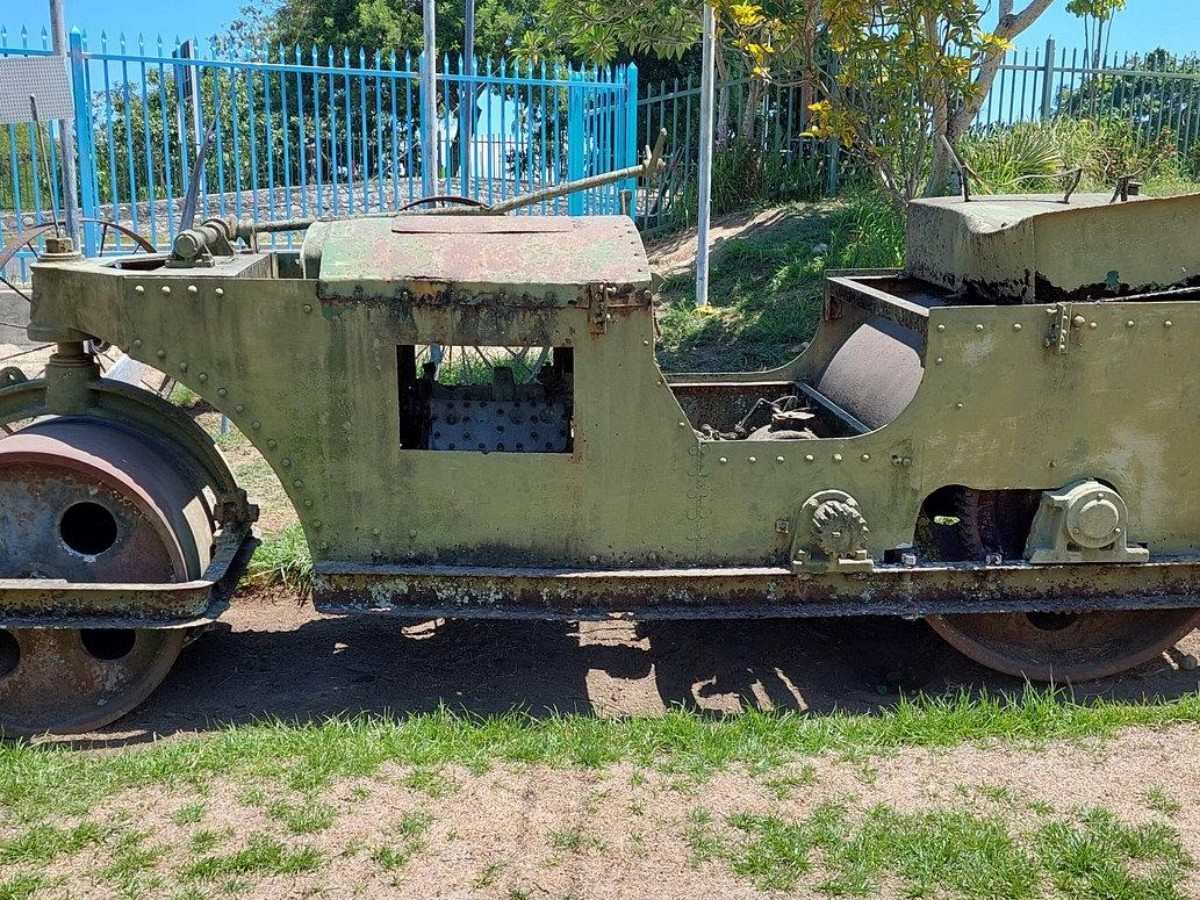
The Kokopo War Museum was established to preserve this history. Located on the former site of a Japanese military camp, its collection consists mostly of actual artifacts, many of which are not “museum-ready” exhibits but rather salvaged remains directly from battlefields, jungles, or the ocean floor. Tanks entwined with vines, exposed aircraft frames, piles of shell casings in corners... these are not meticulously restored historical artifacts but the weathered memories of real war.
Stepping inside the museum (which is just a few simple rooms), I saw various wartime artifacts: old radios, soldiers' belongings, maps, Japanese military documents, and photos of the Rabaul region from that era. The explanatory text is concise yet direct. You will find that the exhibition style here does not emphasize visual impact like Western museums, but rather resembles a dialogue—a direct conversation with the past, without any unnecessary embellishments.
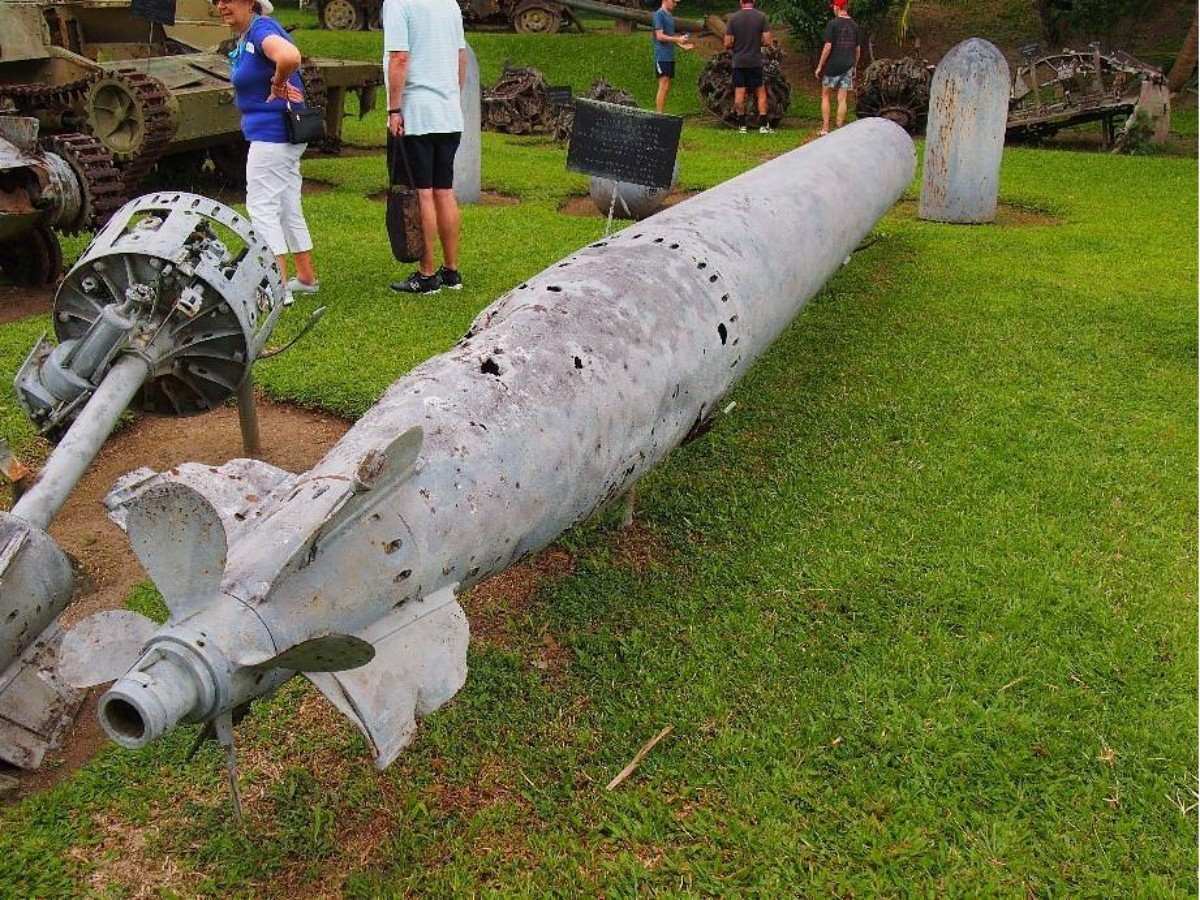
The entire museum tour takes approximately 1 to 1.5 hours. Although it is not large in scale, it does not lack in information or emotional impact. Upon entering the courtyard, the first sight to greet you is the wreckage of several World War II-era fighter planes, including a Japanese “Zero” fighter and the nose section of an Allied “B-25” bomber. Some of these aircraft are partially embedded in the ground, while others appear as though they have just crashed, creating a visually stunning sense of immediacy.
Advertisement
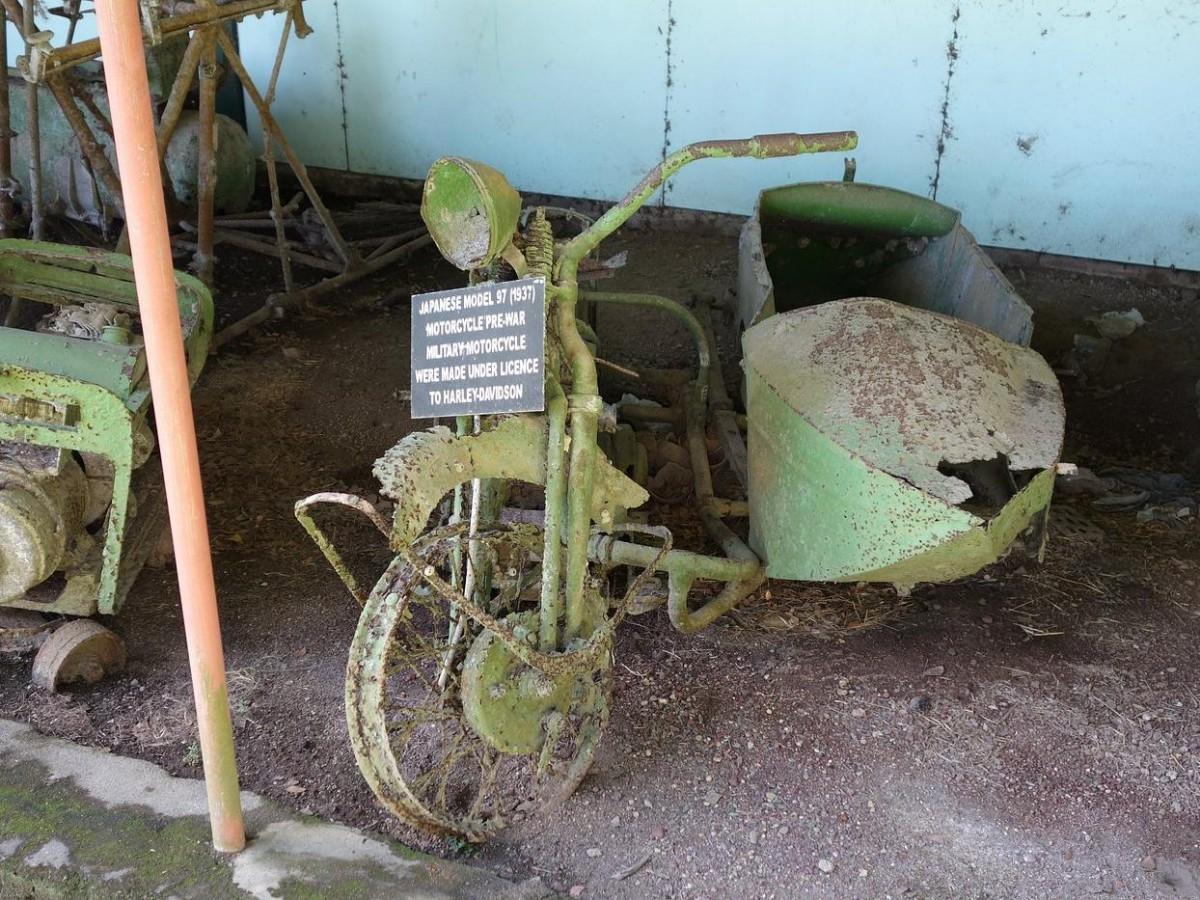
Further inside, you will see a relatively well-preserved Japanese light tank, whose turret can no longer rotate, but whose tires and tracks are clearly visible. Beside it are several U.S. military jeeps and motorcycles, though their license plates are faded and the metal rusted, they still reveal the military technology of the era.
What left the deepest impression on me was a wooden plaque engraved with the names of prisoners of war, reportedly discovered by locals at a camp after the war. The plaque features English names, dates, and some Japanese annotations, highlighting the struggles and sacrifices of humanity during the war. Standing before that plaque, it was hard not to imagine how young men far from home met their end in that era.
Additionally, the museum features a small screening room showing a documentary donated by the Australian History Channel, covering the fall of Rabaul, the construction of Japanese military fortifications, and the Allied counteroffensive. The film lasts approximately 20 minutes, and I recommend setting aside time to watch it, as it provides valuable context.
The Kokopo War Museum is open year-round and located on a highland in the eastern part of the city, unaffected by tides or traffic restrictions, making it an excellent choice for rainy seasons or cloudy days. In Kokopo, the rainy season runs from November to April, with higher temperatures and humidity. If island or snorkeling activities are limited, visiting such historical sites becomes an ideal arrangement.
During the dry season (May to October), while more suitable for outdoor activities, the sun is strongest between 10 AM and 3 PM. If visiting the museum, it is advisable to schedule your visit around 9 AM or after 3 PM to avoid the midday heat. As the museum courtyard is open-air, it is recommended to wear a sun hat or bring rain gear to cope with the tropical climate.
Museum Location and Transportation Options
The Kokopo War Museum is approximately 5 kilometers from the city center, a 10–15-minute drive. You can choose:
Walking + Public Transport (PMV): Ideal for backpackers seeking a local experience. Walk from the city center to the main road, then take the PMV minibus heading toward Tokua. Alight near the “Vunapope” hospital and walk for 5 minutes to reach the museum;
Taxi or private car: More time-efficient and comfortable, especially suitable for larger groups or visitors with photography equipment. Taxi fares in the city center range from 15–30 PGK; remember to negotiate the price in advance;
Join a guided tour: Some travel agencies offer half-day cultural tours of Kokopo, with the museum as a key stop, accompanied by professional guides, ideal for history enthusiasts seeking a deeper exploration.
Entry to the museum is free, but donations are encouraged to support maintenance. Additionally, if you wish to learn more about the exhibits, you may request a local volunteer guide at the front desk (English services available).
Dress Code: The museum floors are mostly red soil and grass, so slip-resistant sneakers are recommended. Dress lightly and comfortably, but respect the historical atmosphere and avoid overly revealing attire.
Bring insect repellent: The museum grounds are lush with greenery, and shaded areas are prone to mosquitoes, especially during the rainy season and in the evenings.
Prepare historical background knowledge: It is recommended to research the Battle of Rabaul and the Japanese Pacific Front layout beforehand to enhance the depth of your visit.
Combine with nearby attractions: Near the museum are the Vunapope Catholic Mission and the Bitapaka War Cemetery, which can be included in a half-day cultural and historical tour.
Respect the exhibits and atmosphere: Do not climb on the displayed weapons and tanks, and avoid loud talking or taking silly photos in front of the memorial plaques. These are basic signs of respect for history.
As I stepped out of the Kokopo War Museum, the midday sun shone on the metal hull of an abandoned tank, casting a peculiar warmth. This is not a grand memorial or a bustling tourist hotspot, but it carries a forgotten chapter of world history in the most humble way, set against the backdrop of the tropical rainforest. Before you come to Kokopo to see the volcanoes, go diving, or soak up the sun, perhaps you can first visit here—to listen to the past in silence, and then face today’s sunlight with greater ease.